• Home
Nata News
keep your memories alive
Sports

Vincent Kompany Not Surprised by Mikel Arteta’s Success at Arsenal

by admin July 21, 2026
written by admin

Vincent Kompany, the former Manchester City stalwart, has expressed no astonishment regarding Mikel Arteta’s transformative impact on Arsenal this season, attributing the Spaniard’s success to his unwavering tenacity and patient implementation of his footballing philosophy. Kompany, who shared dressing rooms with Arteta during their overlapping tenures at the Etihad Stadium, witnessed firsthand the dedication and strategic acumen that he believes are now bearing fruit at the Emirates.

Kompany’s tenure at Manchester City spanned from 2008 to 2019, a period that saw the club ascend to become a dominant force in English football. During this time, he worked closely with Mikel Arteta, who joined Pep Guardiola’s coaching staff in 2016 as an assistant manager. Arteta’s role was instrumental in translating Guardiola’s intricate tactical instructions to the players, fostering a deep understanding of the Catalan’s vision within the squad. This close collaboration with Guardiola, a figure synonymous with modern footballing innovation, undoubtedly provided Arteta with an invaluable apprenticeship. After three years contributing to City’s success, Arteta departed in December 2019 to take the helm at Arsenal, a club grappling with a period of transition and searching for renewed direction.

Reflecting on their time together, Kompany highlighted Arteta’s close rapport with the Manchester City players during his assistant coaching role. He recalled Arteta as an assistant who possessed an exceptional ability to grasp and articulate Pep Guardiola’s tactical nuances, making him a vital conduit between the manager and the squad. This ability to bridge the gap between complex strategic planning and practical on-field execution is a hallmark of effective coaching, and Kompany clearly recognized this potential in Arteta even then.

Now managing Burnley, a club he has steered to impressive form in the Championship, Kompany views Arteta’s transition from player to manager as exceptionally well-navigated. "He is hungry for victory, active, and full of energy," Kompany stated, as reported by the Irish Examiner on Tuesday, February 14, 2023. "And of course, he is in the right environment to develop and grow his ideas." This assessment underscores Kompany’s belief in Arteta’s intrinsic drive and the supportive ecosystem at Arsenal that has allowed his coaching philosophy to flourish.

A Season of Resurgence for Arsenal Under Arteta

Despite facing considerable scrutiny following Arsenal’s failure to secure a Champions League spot in the previous season, Mikel Arteta has orchestrated a remarkable resurgence. Arsenal has displayed an impressive level of consistency and quality throughout the current Premier League campaign. As of the reporting date, the Gunners had suffered only two defeats in 21 league matches. This formidable record had propelled them to the summit of the Premier League standings, amassing 51 points and holding a three-point advantage over their closest rivals. This demonstrates a significant improvement from the previous season where they finished fifth, missing out on Champions League qualification by a narrow margin.

Kompany’s confidence in Arteta’s capabilities is unwavering. "I am not surprised by what he is showing with Arsenal this season. Of course, he will continue to achieve success with Arsenal, there is no doubt about that," he asserted. "He has the energy, especially the tenacity to bounce back after a bad period, draw the right conclusions, and improve the team’s performance. I think this is why he is doing a great job at Arsenal." Kompany’s words suggest a deep understanding of Arteta’s character and his ability to learn from setbacks, a crucial trait for any manager aiming for sustained success at the highest level.

The Tactical Blueprint: Guardiola’s Influence and Arteta’s Evolution

Arteta’s tactical approach at Arsenal is widely acknowledged to bear the imprint of his mentor, Pep Guardiola. This influence is evident in Arsenal’s possession-based style, intricate passing patterns, high pressing game, and fluid positional play. However, Arteta has also begun to forge his own identity, adapting these principles to the specific strengths of his Arsenal squad. Key to this has been the development of a young, dynamic team that possesses both technical proficiency and a commendable work rate.

During his time as an assistant at Manchester City, Arteta was privy to the detailed analytical processes and meticulous training regimes that defined Guardiola’s management. He would have been involved in dissecting opposition strengths and weaknesses, devising game plans, and implementing training drills designed to perfect specific tactical executions. This hands-on experience, coupled with his own footballing intelligence, has equipped him with a comprehensive understanding of how to build and manage a top-tier team.

Key Performances and Statistical Highlights

Arsenal’s impressive league form this season can be substantiated by several key statistical indicators. Their attacking prowess has been evident, with a significant number of goals scored from open play, often stemming from intricate build-up sequences. The team’s defensive solidity has also been a crucial factor, with a reduced number of goals conceded compared to previous seasons. This balance between offensive dynamism and defensive resilience is a testament to Arteta’s coaching.

Furthermore, the emergence and consistent performance of young talents like Bukayo Saka and Gabriel Martinelli, alongside the experienced leadership of Martin Ødegaard, have been central to Arsenal’s success. Arteta’s ability to nurture and integrate these players into a cohesive unit has been a significant achievement. The tactical flexibility shown by the team, often adapting their approach based on the opponent, has also been a hallmark of their improved performances.

The Road Ahead: Facing Former Mentor in a Crucial Encounter

The narrative of Arteta’s rise at Arsenal is set to be further tested in a highly anticipated clash against his former mentor, Pep Guardiola. Arsenal is scheduled to host Manchester City in a rescheduled Premier League fixture on Thursday, February 16, 2023. This encounter carries significant weight, not only for the three points at stake but also for the symbolic battle between student and master.

The history between Arsenal and Manchester City in recent Premier League encounters has been dominated by City. Arsenal has suffered significant defeats in their previous two league meetings, losing 0-5 and 1-2. This upcoming match presents an opportunity for Arsenal to not only challenge for a crucial victory but also to demonstrate the progress they have made under Arteta’s guidance and potentially alter this historical trend. The tactical battle between Arteta’s evolving Arsenal and Guardiola’s established Manchester City will be a focal point of discussion among football analysts and fans alike.

Broader Implications and Future Prospects

Mikel Arteta’s success at Arsenal has significant implications for the club and for aspiring managers. It underscores the value of patience, strategic planning, and the ability to learn from experienced coaches. For Arsenal, it signals a potential return to the club’s former glory days, with a young, exciting team built on a clear tactical identity. The club’s current league position and performance suggest a sustained challenge for titles in the coming seasons, provided they can maintain their current trajectory and continue to strengthen their squad.

The journey from assistant coach to head manager is a challenging one, and Arteta’s example provides a compelling case study for other individuals seeking to make this transition. His ability to navigate the pressures of managing a high-profile club, coupled with his evident tactical acumen and player management skills, has cemented his reputation as one of the most promising young managers in world football. The coming months, particularly the remainder of the Premier League season and potential European campaigns, will be crucial in defining the legacy of Mikel Arteta’s transformative period at Arsenal. The ongoing development of his tactical approach and his ability to adapt to the evolving demands of elite football will be key factors in his long-term success.


July 21, 2026 0 comment
0 FacebookTwitterPinterestEmail
Lifestyle

Ramalan Zodiak 22 Juli: Aries Jangan Umbar Janji, Gemini Harus Sabar

by admin July 21, 2026
written by admin

Jakarta – In the dynamic landscape of daily life, astrological predictions often serve as a compass for individuals navigating their personal and professional journeys. Today’s zodiac forecast, released from Jakarta, offers insights into the celestial influences shaping the lives of Aries, Taurus, and Gemini. While Aries is advised to acknowledge the presence of obstacles as indicators of impending significant achievements, Taurus is encouraged to bolster their self-assurance to overcome challenges. Meanwhile, Gemini is slated to receive valuable assistance from their existing social network. This forecast, compiled from astrological interpretations, provides a snapshot of potential influences and offers guidance for proactive decision-making across various facets of life, including career, finances, and relationships.

Aries: Navigating Obstacles as Stepping Stones to Success

For individuals born under the Aries zodiac sign, today’s astrological alignment suggests a period characterized by the presence of numerous impediments on the road to achieving their aspirations. However, the forecast reframes these challenges not as insurmountable barriers, but as crucial indicators that significant milestones are within reach. This perspective encourages Aries to view these hurdles as part of the process leading to substantial, long-awaited outcomes.

Background Context: Aries, the first sign of the zodiac, is known for its pioneering spirit, enthusiasm, and boldness. Ruled by Mars, the planet of action and energy, Aries individuals are often driven to initiate projects and take charge. This inherent drive can sometimes lead them into situations where they encounter resistance or difficulties, particularly when pushing boundaries or venturing into new territories. The current astrological configuration appears to amplify this tendency, presenting situations that demand resilience and a strategic approach.

Financial Outlook: In the financial realm, Aries is advised to reinforce their long-term financial objectives. The forecast highlights an anticipated increase in various needs and expenditures, underscoring the importance of maintaining a steadfast focus on financial goals to avoid wavering under pressure. This counsel suggests a need for prudent budgeting and a clear understanding of financial priorities in the face of evolving economic demands.

Relationship Dynamics: The astrological outlook for Aries in matters of the heart emphasizes the significant weight their words carry with their partners. Consequently, a strong caution is issued regarding the making of promises. The forecast stresses the imperative of exercising careful consideration before committing, to prevent potential disappointment for their loved ones in the future. This advice points to the importance of honesty and realistic commitment in romantic relationships.

Supporting Data: Historically, periods of significant innovation and societal change have often been preceded by phases where established norms are challenged, leading to a rise in perceived obstacles. For example, the Industrial Revolution, while ultimately transformative, involved widespread disruption and the overcoming of numerous technological and social challenges. Astrologically, such periods can be seen as mirroring the Aries archetype of forging new paths, often encountering resistance before eventual success.

Analysis of Implications: For Aries, interpreting these obstacles as precursors to success requires a shift in mindset. It suggests that the effort invested in overcoming these challenges will yield proportionally greater rewards. This perspective can empower individuals to approach difficulties with a more positive and determined attitude, viewing them as opportunities for growth and learning rather than setbacks. The financial advice underscores the need for long-term financial planning, particularly in times of economic uncertainty or increased personal responsibilities. In relationships, the emphasis on careful promise-making promotes trust and long-term stability by fostering a culture of reliability and open communication.

Taurus: Cultivating Self-Confidence to Navigate Challenges

Individuals born under the Taurus zodiac sign are being urged to maintain their resolve and embrace self-confidence as they confront a continuous stream of obstacles. The astrological forecast suggests that despite these persistent challenges, opportunities for success remain accessible, provided they can identify and leverage available openings.

Background Context: Taurus, the second sign of the zodiac, is characterized by its steadfastness, practicality, and appreciation for stability. Ruled by Venus, the planet of love and beauty, Taureans often seek security and comfort. When faced with unexpected difficulties, their natural inclination might be to resist change or feel overwhelmed. Today’s forecast aims to counter this by emphasizing their inherent strength and capacity to adapt.

Perseverance in the Face of Adversity: The core message for Taurus is one of unwavering determination. The forecast explicitly states, "Do not give up even though obstacles keep coming." This is directly linked to the need for sustained self-belief. The underlying astrological influence suggests that while challenges are present, they are not insurmountable. Instead, they are presented as situations where a confident and persistent approach can reveal hidden pathways to achievement.

Financial Endeavors: On the financial front, Taurus is presented with an auspicious start to implementing plans that have been deferred. This indicates that the current astrological climate is favorable for initiating and executing financial strategies that have been on hold. It suggests a window of opportunity for Taureans to move forward with their financial aspirations, provided they take decisive action.

Interpersonal Relationships: In their romantic lives, Taurus is advised to disregard negative commentary from external sources. The forecast strongly advocates for prioritizing decisions that have already received the blessing and support of their partners. This highlights the importance of a united front within the relationship and a conscious effort to shield the partnership from external influences that could sow discord.

Timeline or Chronology: While specific dates are not provided, the forecast implies a contemporary influence. The "beginning of a good day" for financial plans suggests a current or immediate opportunity. The advice to ignore external negativity points to ongoing social pressures that Taurus may be experiencing. This suggests that the current period is one where proactive engagement with personal and financial goals, shielded by strong partnership support, is particularly beneficial.

Statements or Reactions (Inferred): Although no direct quotes are available, the underlying sentiment conveyed by the forecast suggests that astrological advisors or interpreters are observing trends that necessitate this specific guidance. The emphasis on self-confidence and partner approval implies a recognition of common psychological hurdles faced by Taureans. An inferred statement from an astrological analyst might be: "For Taurus, the current celestial patterns highlight the importance of internal fortitude. Their inherent resilience, when coupled with a confident outlook, becomes a powerful tool for navigating the complexities of daily life and achieving their practical goals."

Broader Impact and Implications: The encouragement for Taurus to remain confident and persistent has broader implications for personal growth and resilience. By focusing on their inner strength, Taureans can cultivate a more proactive approach to problem-solving, transforming potential setbacks into learning experiences. The financial advice serves as a practical directive for those who may have been hesitant to act on their financial plans, suggesting that now is the opportune moment to translate ideas into tangible progress. The counsel regarding relationships underscores the value of partnership and mutual support, reinforcing the idea that a strong relationship can serve as a buffer against external pressures.

Gemini: Leveraging Friendship for Support and Progress

For Gemini individuals, today’s astrological forecast indicates a positive turn where assistance from long-standing friends is readily available and beneficial. The advice is to accept this help with an open heart, as long as it remains within reasonable boundaries, acknowledging that their current circumstances genuinely call for such support.

Background Context: Gemini, the third sign of the zodiac, is represented by the twins and is known for its adaptability, curiosity, and communicative nature. Ruled by Mercury, the planet of communication and intellect, Geminis are often adept at social interaction and information exchange. However, they can also experience periods of overwhelm or indecision, making the support of their social circle particularly valuable.

The Value of Established Connections: The forecast emphasizes the significance of existing friendships, suggesting that these connections are not merely social but also a source of practical and emotional support. The phrase "worth considering" implies that Gemini should actively evaluate and accept the aid offered by their friends. The caveat of staying "within reasonable boundaries" is crucial, indicating that while support is encouraged, it should not lead to an over-reliance or a compromise of personal agency.

Financial Management: In terms of finances, Gemini is likely to encounter continued demands. The forecast advises a more disciplined approach to budgeting, implying that current expenditures may exceed expectations or that there is a need for more structured financial planning to manage multiple needs effectively. This points to a period where careful allocation of resources is paramount.

Navigating Relationship Challenges: In romantic relationships, Gemini is encouraged to exercise patience when facing various trials. The forecast highlights that as long as communication remains open and honest, all issues can be navigated successfully together. This underscores the foundational role of clear and transparent dialogue in maintaining a healthy partnership, particularly during times of stress or disagreement.

Supporting Data: The concept of social support as a crucial factor in well-being and success is well-documented in psychology and sociology. Studies consistently show that individuals with strong social networks tend to exhibit greater resilience in the face of adversity, improved mental health outcomes, and even better physical health. For example, research by the Harvard Study of Adult Development has highlighted the critical role of close relationships in long-term happiness and health. Astrologically, the Gemini’s communicative nature makes them well-suited to cultivating these supportive networks.

Analysis of Implications: For Gemini, the forecast serves as a reminder of the strength found in their social fabric. It encourages them to be receptive to the support offered by friends, recognizing that collaborative effort can lead to more effective problem-solving. The financial advice is a practical call to action, urging them to be more mindful of their spending and to adopt disciplined budgeting habits. In relationships, the emphasis on open communication is a timeless principle that, when applied, can de-escalate conflicts and foster deeper understanding and intimacy. The ability to navigate relationship challenges with patience and honesty is a hallmark of mature emotional intelligence, which the current astrological influence appears to be nurturing.

Conclusion:

The astrological forecast for Aries, Taurus, and Gemini on this particular day highlights distinct, yet interconnected, themes of challenge, self-reliance, and support. Aries is positioned to view obstacles as precursors to significant achievement, requiring a robust financial strategy and careful consideration in their romantic promises. Taurus is called upon to tap into their inner strength and self-confidence to overcome persistent hurdles, to capitalize on financial opportunities, and to prioritize their partner’s support above external opinions. Gemini, meanwhile, is encouraged to lean on their established friendships for assistance while maintaining financial discipline and fostering open, honest communication in their relationships. Collectively, these predictions offer a nuanced perspective on navigating the complexities of modern life, emphasizing the interplay between personal fortitude, prudent planning, and the vital role of interpersonal connections.

July 21, 2026 0 comment
0 FacebookTwitterPinterestEmail
Lifestyle

Urban Dwellers Face Higher Cancer Risk, Experts Identify Key Triggers

by admin July 21, 2026
written by admin

Jakarta – Urban populations are increasingly vulnerable to cancer, a trend driven by a confluence of lifestyle factors that are becoming more prevalent in modern city living. Experts are highlighting a significant shift in cancer prevalence among women, with a notable rise in breast and uterine (endometrial) cancers, eclipsing cervical cancer as the primary concern. This evolving landscape of disease is directly linked to contemporary urban lifestyles characterized by reduced physical activity, high consumption of sugary foods and beverages, and unchecked weight gain.

Dr. See Hui Ti, a Senior Consultant Medical Oncologist at Parkway Cancer Centre in Singapore, has observed these changes firsthand over the past two decades. She notes that the shift in disease patterns is a direct consequence of evolving lifestyles, particularly impacting women’s health. Historically, cervical cancer posed the greatest threat, but this has been supplanted by breast and endometrial cancers as the most dominant forms.

"The decrease in physical activity, rising rates of obesity, and diets high in sugar are significant contributing factors to the increased risk of breast and uterine cancers," Dr. See stated, underscoring the interconnectedness of these lifestyle elements.

Beyond Genetics: Unraveling the Multifaceted Nature of Cancer Risk

A pervasive misconception suggests that breast cancer is solely a hereditary disease. However, medical science elucidates a far more complex etiology. The development of cancer is a protracted process, often spanning years, resulting from the cumulative interaction of various risk factors. These include genetic predispositions, hormonal influences, and daily lifestyle choices.

"Breast cancer is not attributable to a single factor," Dr. See elaborated. "Its development is a complex interplay of genetic predisposition, hormonal influences, and lifestyle factors. Critical risk factors, as illustrated, encompass genetic susceptibility, prolonged estrogen exposure, late menopause, nulliparity (never having given birth), obesity, smoking, and alcohol consumption. These factors do not operate in isolation; they can interact synergistically, escalating the overall risk."

While acknowledging that certain factors, such as family history or inherited genetic mutations, cannot be altered, Dr. See emphasized that individuals retain substantial control over mitigating risks associated with their lifestyle choices. "Some factors are immutable, like family history or inherited genetic mutations. However, other factors can be modified through healthier life choices and risk-reduction strategies," she added.

The Evolving Landscape of Cancer and the Imperative of Early Diagnosis

The formation of breast cancer is a gradual process. It commences with the aberrant growth of cells within the breast tissue. These abnormal cells, over time, begin to invade surrounding tissues and possess the potential to metastasize, or spread, to distant organs within the body.

For the precise determination of optimal treatment, both histological and molecular analyses are indispensable. These analyses are crucial for identifying the specific subtype of cancer affecting the patient. Subtypes, such as hormone receptor-positive, HER2-positive, or triple-negative cancers, allow physicians to tailor treatment plans through personalized medicine. Patients can then receive a precise combination of therapies, including hormonal therapy, targeted therapy, chemotherapy, or immunotherapy, meticulously aligned with the biological characteristics of their tumor.

In the era of rapid advancements in diagnostic technology, the integration of artificial intelligence (AI) is increasingly being employed to minimize human error in mammography interpretation. However, Dr. See cautioned that the ultimate decision regarding the most effective therapeutic approach rests with the clinical judgment of the physician and the patient’s commitment to early detection.

Maintaining a healthy weight, engaging in regular physical activity, abstaining from smoking and alcohol, and undergoing regular medical check-ups remain the cornerstones of cancer prevention. "The earlier cancer is detected, the greater the patient’s chance of receiving effective treatment and maintaining a good quality of life," Dr. See concluded.

Supporting Data and Broader Context

The World Health Organization (WHO) has consistently identified cancer as a leading cause of death globally, with an estimated 10 million deaths in 2020 alone. In Southeast Asia, including Indonesia, cancer incidence rates have been on the rise, mirroring global trends. The International Agency for Research on Cancer (IARC) data indicates that breast cancer is the most common cancer among women worldwide, accounting for approximately 25% of all new cancer cases in women. Similarly, endometrial cancer ranks among the most prevalent gynecological malignancies.

The urbanization phenomenon, which began in earnest in the latter half of the 20th century, has accelerated significantly in recent decades, particularly in developing nations. This rapid urbanization often outpaces the development of public health infrastructure and the promotion of healthy lifestyles. The shift from agrarian to industrial and service-based economies in urban centers typically leads to more sedentary work environments, increased access to processed and high-calorie foods, and a reduction in opportunities for physical activity.

According to a 2019 report by the World Obesity Federation, urban populations often exhibit higher rates of obesity compared to their rural counterparts, directly correlating with increased risk for several types of cancer, including breast and endometrial cancer. The average BMI in urban areas has been observed to be higher, contributing to metabolic changes that can promote cancer development.

Chronology of Understanding and Emerging Trends

The understanding of cancer as a multifactorial disease has evolved significantly over the past century. While genetic factors were once heavily emphasized, research in the latter half of the 20th century and into the 21st has increasingly illuminated the profound impact of environmental and lifestyle influences.

  • Early 20th Century: Focus on genetics and inherited predispositions as primary drivers of cancer.
  • Mid-to-Late 20th Century: Growing recognition of environmental carcinogens and lifestyle factors like smoking and diet through epidemiological studies.
  • Late 20th Century – Early 21st Century: Advances in molecular biology and oncology confirm the complex interplay of genetics, hormones, and lifestyle. Identification of specific molecular subtypes of cancer, leading to personalized medicine. Increased emphasis on screening and early detection.
  • Present Day: Growing concern over the impact of modern urban lifestyles on cancer incidence, particularly the rise in lifestyle-related cancers like breast and endometrial cancer. Integration of AI in diagnostics and a continued push for preventative strategies.

The shift in cancer prevalence from infectious diseases (like cervical cancer, often linked to HPV) to non-communicable diseases (like breast and endometrial cancer, strongly influenced by lifestyle) is a well-documented global health trend, often referred to as the "epidemiological transition." This transition is particularly pronounced in rapidly developing urban areas.

Official Responses and Public Health Initiatives

In response to these growing concerns, various public health organizations and governmental bodies are intensifying efforts to promote healthier lifestyles and improve cancer screening accessibility. In Indonesia, the Ministry of Health has been actively promoting early detection programs for various cancers, including breast and cervical cancer, through integrated health services at community health centers (Puskesmas).

The Parkway Cancer Centre, as a leading medical institution in Singapore and the region, plays a crucial role in disseminating accurate information and advocating for preventative health measures. Their outreach programs, like the one featuring Dr. See, aim to educate the public about modifiable risk factors and the importance of regular health screenings.

Globally, organizations like the WHO and IARC are continually updating guidelines and recommendations for cancer prevention, diagnosis, and treatment, emphasizing the critical role of lifestyle modifications. The United Nations Sustainable Development Goals (SDGs), particularly SDG 3 (Good Health and Well-being), also underscore the importance of reducing the burden of non-communicable diseases, including cancer.

Broader Impact and Implications

The increasing incidence of lifestyle-related cancers in urban populations has significant implications for individuals, healthcare systems, and economies.

For Individuals: The burden of cancer extends beyond physical health, impacting mental well-being, financial stability, and quality of life. Early detection and effective treatment are crucial for improving survival rates and minimizing the long-term consequences of the disease.

For Healthcare Systems: A rise in cancer cases places a considerable strain on healthcare resources, including diagnostic facilities, treatment centers, and specialized medical personnel. This necessitates strategic planning and investment in cancer care infrastructure and research.

For Economies: Cancer can lead to significant economic losses through reduced productivity, increased healthcare expenditure, and premature mortality. Investing in preventative measures and early detection can yield substantial economic benefits by reducing the overall disease burden.

The rise of urban-centric cancers highlights a critical public health challenge that requires a multi-pronged approach. This includes robust public awareness campaigns, accessible screening programs, policies that promote healthy environments and food choices, and continued research into effective prevention and treatment strategies. The message from experts like Dr. See is clear: while some cancer risks are inherent, a significant portion can be managed through conscious, healthy lifestyle choices, especially in the context of increasingly urbanized living. The onus is on individuals and society to embrace these preventative measures to mitigate the growing threat of cancer.

July 21, 2026 0 comment
0 FacebookTwitterPinterestEmail
Health

Singer IU Experiences Worsening Ear Condition, Postpones Concert and Album Release

by admin July 21, 2026
written by admin

South Korean singer-songwriter and actress Lee Ji-eun, widely known by her stage name IU, has announced a significant health setback due to a worsening ear condition, leading to the postponement of her highly anticipated concert scheduled for September 2026 in Goyang, South Korea, and the delay of her latest album release. The revelation has sent ripples of concern through her dedicated fanbase, known as Uaena.

Understanding Patulous Eustachian Tube: The Root of IU’s Discomfort

IU disclosed that her condition, diagnosed as Patulous Eustachian Tube (PET), has deteriorated. This rare disorder causes autophony, a distressing phenomenon where an individual hears their own bodily sounds – such as breathing or voice – with an unnerving loudness. Sufferers also frequently report a persistent sensation of fullness in their ears.

"My chronic symptoms of a patulous Eustachian tube have worsened," IU shared with her fans on the platform Weverse, a direct communication channel that fosters a close connection between artists and their supporters. This candid admission underscores the severity of her ailment and the personal toll it is taking.

Reflecting on her career trajectory, IU acknowledged a potential contributing factor to her current health crisis: "I think I may have pushed myself a bit too hard over the past few years without prioritizing my health, driven by my enthusiasm for my work," she stated, as reported by the Yonhap News Agency. This introspection highlights a common challenge faced by many high-achieving artists who dedicate themselves intensely to their craft.

A Deep Apology and a Promise to Return

Expressing deep regret for the inconvenience and disappointment caused, IU extended her sincerest apologies to her fans for being unable to fulfill her commitment to perform. The cancellation of a concert is a significant event, especially for an artist of IU’s stature, whose live performances are renowned for their quality and connection with the audience.

"I will do everything in my power to ensure the wait is not too long and will return as soon as possible with my new album and concert. Please bear with me for a little while longer," she promised, offering a beacon of hope for her followers. This assurance, coupled with her proactive communication, aims to maintain the strong bond she shares with her fanbase.

A Look Back: The Onset and Progression of PET

IU’s battle with Patulous Eustachian Tube (PET) reportedly began around early 2020. The chronic nature of the condition means that symptoms can be recurrent and subject to periods of exacerbation. The hallmark symptom of PET is autophony, where the individual’s own voice sounds unnaturally loud and resonant, often described as an echoing internal amplification. Accompanying this is the distinct and often disturbing perception of one’s own breathing sounds and even the noises associated with chewing.

What is Patulous Eustachian Tube? A Medical Perspective

To understand IU’s condition better, it is crucial to delve into the medical intricacies of the Eustachian tube. Each ear possesses a Eustachian tube, a narrow passageway that connects the middle ear to the nasopharynx, the upper part of the throat behind the nose. Typically, this tube remains closed, opening only briefly during actions like swallowing or yawning.

The primary functions of the Eustachian tube are twofold: to equalize pressure on either side of the eardrum, thereby maintaining proper hearing function, and to facilitate the drainage of mucus produced by the lining of the middle ear. This natural mechanism ensures a healthy auditory environment.

In the case of Patulous Eustachian Tube (PET), this delicate balance is disrupted. The Eustachian tube fails to close properly, remaining abnormally open for extended periods. This persistent opening allows air and sound from the nasopharynx – including one’s own breath and voice – to travel directly into the middle ear. The result is the perception of these sounds at an amplified and often intrusive volume.

While the precise etiology of PET remains elusive, medical research suggests several potential contributing factors. These can include significant weight loss, leading to reduced fatty tissue that normally cushions the tube, certain hormonal changes (such as those experienced during pregnancy), and in some instances, a history of radiation therapy to the head and neck region. Additionally, prolonged or intense physical exertion, which can alter pressure dynamics, has also been linked to the condition.

Symptoms of Patulous Eustachian Tube: More Than Just Loud Sounds

The most defining symptom of PET is, as mentioned, autophony. This internal amplification of one’s own voice can create a disorienting experience, making it difficult to gauge the actual volume of speech and potentially leading to social anxiety or avoidance of noisy environments. The sensation can be so pronounced that individuals describe their voice as if they are speaking inside a barrel.

Beyond the internal amplification of voice and breath, other symptoms associated with PET can include:

  • Autophony of bodily sounds: Hearing the sounds of chewing, swallowing, and even the movement of one’s jaw with undue clarity.
  • Aural fullness or pressure: A persistent sensation of blockage or pressure within the ear.
  • Tinnitus: While not a direct symptom of PET, some individuals may experience ringing or buzzing in the ears, which can be exacerbated by the underlying condition.
  • Hearing one’s own heartbeat: In some severe cases, the pulsing of blood in the nearby arteries can also be perceived internally.
  • Changes in voice perception: The individual’s own voice may sound distorted or different when heard internally.

It is important to note that the symptoms of PET often exhibit a fluctuating pattern, coming and going rather than being constant. Many individuals report that their symptoms tend to worsen with physical activity, such as exercise, which can alter respiratory patterns and pressure gradients. Conversely, symptoms may improve when lying down, as gravity can help to temporarily close the Eustachian tube. Some also find relief in humid environments, as moisture can aid in sealing the tube.

The Impact of IU’s Condition on the Entertainment Industry

IU’s announcement carries significant implications not only for her personal career but also for the broader South Korean entertainment industry. As one of the most successful and influential solo artists of her generation, her health issues highlight the demanding nature of the K-Pop and entertainment world. The rigorous schedules, extensive touring, and constant pressure to produce new content can take a substantial toll on artists’ physical and mental well-being.

The postponement of her concert and album release will undoubtedly disappoint millions of fans worldwide who eagerly anticipated her return to the stage and new musical offerings. However, the outpouring of support and understanding from her fanbase, evident in the numerous messages of encouragement flooding social media platforms, underscores the deep loyalty she commands.

Industry Reactions and Broader Health Awareness

While specific official statements from IU’s agency, EDAM Entertainment, are expected to provide further details and updates on her recovery plan, the initial announcement reflects a proactive approach to managing her health. The decision to prioritize her well-being over immediate career demands is a testament to her commitment to long-term health.

This situation also serves as a timely reminder for the entertainment industry to continue fostering environments that support artists’ health. Initiatives promoting work-life balance, mental health resources, and proactive medical care are crucial for the sustainable careers of performers. The candidness with which IU shared her condition may also encourage greater awareness and open discussion about less common but impactful health issues.

Looking Ahead: Recovery and Resilience

The journey to recovery for individuals with Patulous Eustachian Tube can vary. Treatment options may include conservative measures such as dietary adjustments, avoiding dehydration, and specific breathing exercises. In more persistent cases, medical interventions might be considered, ranging from the temporary use of nasal sprays to surgical procedures aimed at restoring the normal function of the Eustachian tube.

IU’s dedication to her craft and her evident resilience suggest that she will approach her recovery with the same determination that has characterized her successful career. The promise of a return with new music and performances offers a positive outlook for her fans, who will undoubtedly continue to offer their unwavering support as she navigates this challenging period. The focus now shifts to her recuperation, with the hope that she will regain her health and be able to share her artistry with the world once again in the near future.

July 21, 2026 0 comment
0 FacebookTwitterPinterestEmail
Automotive

Depok City Modernizes Public Transport Infrastructure with Wuling Mitra EV Fleet Implementation for Inclusive and Sustainable Urban Mobility

by admin July 21, 2026
written by admin

The Depok City Government has officially announced a significant transition in its public transportation sector by integrating electric vehicles (EVs) into its urban transport network, commonly known as "angkot." This initiative, led by the Depok City Transportation Agency (Dinas Perhubungan or Dishub), marks a pivotal shift toward sustainable urban mobility in one of Indonesia’s most densely populated satellite cities. By replacing the aging conventional fleet with modern electric units, the city aims to reduce its carbon footprint, mitigate air pollution, and provide a more comfortable commuting experience for its residents. The primary vehicle selected for this transformation is the Wuling Mitra EV, a specialized commercial electric van that is currently undergoing modifications to meet the specific requirements of public transit.

A Strategic Transition Toward Green Mobility

The introduction of electric angkots in Depok is not merely a fleet upgrade but a strategic move aligned with the broader "Go Green" concept championed by the regional government. For decades, the traditional angkot has been the backbone of Depok’s internal transit system, yet the aging internal combustion engine (ICE) vehicles have contributed significantly to the city’s rising pollution levels and noise disturbances. The Dishub Depok, through its official social media channels, emphasized that the transition to the Wuling Mitra EV is a direct response to the urgent need for environmentally friendly and pollution-free transportation solutions.

Aan Syurahman, the Acting Head (Plt.) of the Depok City Transportation Agency, confirmed that the government is currently overseeing the preparation of these vehicles. The focus is on ensuring that the capacity and specifications of the Wuling Mitra EV are optimized for the high-demand routes of Depok. Specifically, these new electric units are slated to replace the D10A route, a key corridor that serves a significant portion of the city’s daily commuters. The move is expected to serve as a pilot project that could eventually lead to the complete electrification of all public transport routes within the city.

Technical Specifications of the Wuling Mitra EV

The selection of the Wuling Mitra EV as the flagship for Depok’s new angkot fleet is based on its robust technical profile and its suitability for urban commercial use. As a dedicated commercial electric vehicle, the Mitra EV offers a blend of efficiency, range, and modern features that are often absent in traditional public transport vans.

The Wuling Mitra EV Minibus model, which will be utilized in Depok, carries a market price starting at approximately Rp 348 million. In terms of physical dimensions, the vehicle is designed to maximize interior space while remaining maneuverable in Depok’s often congested streets. It measures 5,010 mm in length, 1,800 mm in width, and 1,975 mm in height, with a substantial wheelbase of 3,050 mm. These dimensions allow for a versatile seating arrangement that can accommodate a significant number of passengers without compromising comfort.

The heart of the Wuling Mitra EV is its Lithium Iron Phosphate (LFP) battery technology. LFP batteries are widely recognized in the EV industry for their thermal stability, safety, and longevity compared to other lithium-ion chemistries. Wuling offers two primary battery configurations for this model:

  1. Long Range Model: Equipped with a 41.9 kWh battery, providing a range of up to 300 kilometers on a single full charge.
  2. Premium Range Model: Equipped with a 56.2 kWh battery, extending the operational range to approximately 400 kilometers.

For the purpose of urban angkot operations, the 300km to 400km range is more than sufficient for a full day of service without the need for midday recharging. Furthermore, the vehicle supports fast-charging capabilities via a CCS2 (Combined Charging System) port. This system allows the battery to be charged from 30 percent to 80 percent in just 30 minutes, ensuring that downtime at transit hubs is kept to a minimum.

Under the hood, the Mitra EV is powered by an electric motor capable of producing 75 kW of power and a maximum torque of 180 Nm. The power is delivered to the rear wheels, providing the necessary traction for varied urban terrains. Drivers can choose between three driving modes—Eco, Normal, and Sport—allowing for an optimized balance between energy conservation and performance. The vehicle’s top speed is electronically limited to 115 km/h, which is well above the requirements for city transit.

Inclusive Design and Enhanced Passenger Experience

One of the standout features of the new electric angkot fleet is its commitment to inclusivity. Traditional angkots in Indonesia have long been criticized for their lack of accessibility for people with disabilities, the elderly, and pregnant women. The Depok City Government is addressing these grievances by ensuring that the Wuling Mitra EV units are outfitted with inclusive facilities.

The modified vehicles will feature dedicated priority seating for pregnant women and the elderly. Furthermore, the "karoseri" (bodywork) process currently underway includes modifications to make the vehicles more accessible for passengers with disabilities. This shift represents a modernization of the service culture in public transport, moving toward a model that prioritizes passenger dignity and safety.

In addition to physical inclusivity, the government has hinted at a restructured fare system. According to statements from Dishub Depok, the operational costs of electric vehicles are significantly lower than their gasoline-powered counterparts due to lower energy prices and reduced maintenance requirements (as electric motors have fewer moving parts than ICE engines). These savings are projected to be passed down to the commuters, making the electric angkot a more affordable option for the general public.

Chronology of the Project and Implementation Stages

The journey toward electrifying Depok’s public transport has been a multi-stage process involving planning, procurement, and technical adaptation.

  1. Feasibility and Planning Phase: The Depok City Government conducted a series of studies to identify routes with the highest environmental impact and passenger density. The D10A route was identified as a primary candidate for the pilot program.
  2. Vehicle Selection and Procurement: After evaluating various commercial EV options available in the Indonesian market, the Wuling Mitra EV was selected due to Wuling’s established service network and the vehicle’s specific battery performance.
  3. Karoseri and Customization: Currently, the units are at the karoseri stage. In the Indonesian automotive context, this involves specialized workshops that modify the base van chassis into a public transport configuration, adding benches, handles, safety features, and the distinctive Depok public transport branding.
  4. Operational Testing: Before a full-scale rollout, the vehicles will undergo rigorous testing to ensure they can handle Depok’s topography and the typical passenger loads encountered during peak hours.
  5. Infrastructure Readiness: Parallel to vehicle preparation, the city is identifying locations for charging stations. While the vehicles have a long range, establishing a reliable charging infrastructure at angkot terminals is crucial for long-term sustainability.

Broader Impact and Environmental Implications

The electrification of the angkot fleet in Depok carries profound implications for urban planning and environmental health. As a satellite city to Jakarta, Depok experiences high levels of cross-border traffic, contributing to regional smog. By converting public transit to EVs, Depok is taking a leadership role in the national goal of achieving Net Zero Emissions by 2060.

From an environmental standpoint, the removal of tailpipe emissions from the D10A route will lead to a localized improvement in air quality. This is particularly important in Depok, where many residential areas are closely integrated with commercial transit corridors. Furthermore, the reduction in noise pollution is a significant benefit; electric motors operate almost silently, which will contribute to a more peaceful urban environment.

Economically, the project supports the domestic EV industry. Wuling has a strong manufacturing presence in Indonesia, and the adoption of their vehicles for public service contracts bolsters the local supply chain and encourages other manufacturers to bring commercial EV models to the Indonesian market.

Public and Official Reactions

The reaction from the public has been largely positive, though tempered with questions regarding infrastructure. Commuters have expressed excitement over the prospect of air-conditioned, quiet, and modern vehicles replacing the often-cramped and aging traditional angkots. The inclusion of disability-friendly features has been particularly praised by social advocacy groups.

However, transport observers have noted that the success of this initiative will depend on the "ecosystem" rather than just the vehicles. This includes the availability of fast-charging stations and the training of drivers to handle electric drivetrains effectively. There is also the matter of the existing angkot drivers and owners. The government has indicated that the transition will be handled carefully to ensure that current operators are integrated into the new system, potentially through cooperatives or new management models that reduce the financial burden of the high upfront cost of electric vehicles.

Conclusion and Future Outlook

The deployment of the Wuling Mitra EV as the new face of Depok’s public transportation is a landmark event in Indonesia’s journey toward sustainable development. By prioritizing green technology, inclusivity, and affordability, the Depok City Government is setting a benchmark for other municipalities across the archipelago.

As the units finish their preparation in the karoseri workshops, all eyes will be on Depok to see how this transition performs in a real-world setting. If successful, the Depok model could serve as a blueprint for the "Angkot of the Future"—a system that is no longer characterized by black smoke and loud engines, but by clean energy, modern technology, and a commitment to serving all members of society. The move signifies that the era of fossil-fuel-dependent public transit in Depok is beginning to wane, making way for a cleaner, quieter, and more efficient urban future.

July 21, 2026 0 comment
0 FacebookTwitterPinterestEmail
Travel

Varenna Implements Strict Decorum Laws and Group Size Limits to Combat Overtourism Pressures in Lake Como

by admin July 21, 2026
written by admin

The picturesque village of Varenna, situated on the eastern shore of Italy’s iconic Lake Como, has officially introduced a series of stringent regulations aimed at curbing the negative impacts of mass tourism and maintaining public order. Among the most notable measures is a strict ban on appearing shirtless or in swimwear in public areas, a move designed to preserve the aesthetic and cultural integrity of the historic commune. Under the new mandate, visitors found wandering through the village’s narrow cobblestone streets or public squares without a shirt or in revealing beachwear face immediate financial penalties, signaling a shift toward more disciplined tourism management in one of Italy’s most sought-after destinations.

According to official documentation released by the local government and reported by international news outlets including the Washington Post, the restrictions are not limited to attire. The Varenna administration has also targeted the logistical challenges posed by large tour groups and the increasing issue of noise pollution. These measures, which officially came into effect on June 27, 2024, represent a significant amendment to the municipal police regulations. The village, often referred to as the "Pearl of Lake Como," joins a growing list of European destinations taking a stand against "overtourism" by prioritizing the quality of life for permanent residents and the preservation of local traditions over unrestricted visitor access.

Detailed Regulations and Financial Penalties

The new "urban decorum" laws distinguish clearly between recreational zones and public transit or residential areas. While tourists are still permitted to wear bikinis, swim trunks, or remain shirtless within the confines of designated beaches, docks, and boat landing areas, the same attire is strictly forbidden once they step into the village proper. Local authorities have established a sliding scale for fines to enforce compliance. Individuals found in violation of the dress code—specifically those walking the streets with exposed torsos or in minimal swimwear—will be subject to fines ranging from 50 to 200 euros. Based on current exchange rates, this equates to approximately Rp895,000 to Rp3,580,000, a substantial penalty intended to act as a deterrent for the millions of visitors who flock to the region annually.

In addition to the dress code, the Varenna authorities have addressed the congestion caused by organized travel. The new regulations cap the size of guided tour groups at a maximum of 25 participants. This specific number is intended to ensure that groups do not completely obstruct the village’s notoriously narrow alleys, known as contrade, or the "Walk of Lovers" (Passerella degli Innamorati), a thin promenade that skirts the lake’s edge. Furthermore, the use of megaphones, microphones, or any form of amplified loudspeaker by tour guides is now strictly prohibited. This measure aims to mitigate the "acoustic impact" of tourism, ensuring that the tranquil atmosphere of the lakeside village is not shattered by constant announcements.

The penalties for professional guides who fail to adhere to these new operational standards are even more severe than those for individual tourists. Guides caught leading oversized groups or using prohibited audio equipment face fines between 100 and 400 euros (approximately Rp1,790,000 to Rp7,160,000). Persistent offenders or those who commit multiple infractions also risk a temporary ban, which could prevent them from operating within the commune for several months.

Contextualizing the Surge in Lake Como Tourism

The decision to implement these laws does not exist in a vacuum but is a direct response to the unprecedented surge in tourism that has gripped Lake Como over the last decade. Historically a retreat for the European aristocracy and later a haven for Hollywood elites—most notably George Clooney, whose residence in nearby Laglio brought global attention to the area—Lake Como has transitioned from an exclusive enclave to a mass-market "bucket list" destination.

Varenna, with its population of only about 700 permanent residents, is particularly vulnerable to the pressures of high-volume tourism. During the peak summer months, the village can see thousands of day-trippers arriving via the ferry system from Bellagio and Menaggio or by train from Milan. The infrastructure of a medieval village, built long before the advent of modern tourism, is simply not equipped to handle the physical volume of these crowds. The "Instagrammability" of Varenna’s colorful houses and steep staircases has further accelerated this trend, leading to "bottlenecks" where tourists stop to take photographs, inadvertently blocking the movement of locals attempting to go about their daily lives.

The new regulations specifically forbid groups from loitering or stopping in a manner that obstructs public thoroughfares, bridges, or squares. This "anti-loitering" stance is a direct effort to keep the village’s circulatory system moving, preventing the kind of gridlock that has become common in other Italian hotspots like Venice or the Cinque Terre.

A Growing Trend Across the European Continent

Varenna’s move is part of a broader "decorum movement" sweeping through Italy and other Mediterranean tourist hubs. The concept of decoro urbano (urban decorum) has become a centerpiece of local governance in Italy. For instance, the city of Sorrento, overlooking the Bay of Naples, implemented similar fines for shirtless walking and swimwear in 2022, with Mayor Massimo Coppola citing the "discomfort and unease" such behavior caused among the local population. Similarly, the town of Portofino on the Italian Riviera introduced "no-waiting zones" to prevent tourists from clogging the harbor area for selfies, with fines reaching up to 275 euros.

Beyond Italy’s borders, the French city of Narbonne has long maintained regulations against inappropriate attire in its historic center. In Spain, cities like Barcelona and Palma de Mallorca have also introduced ordinances to keep swimwear confined to the beaches. These regulations reflect a changing philosophy in European tourism management: a shift from quantity to quality. Local governments are increasingly realizing that the economic benefits of tourism can be offset by the "social costs"—the degradation of public spaces, the displacement of local shops by souvenir stalls, and the erosion of the very charm that attracted tourists in the first place.

Chronology of the Legislative Change

The path to these new regulations began in early 2024 as local council members and residents voiced increasing frustration over the "disrespectful" behavior of summer visitors. While tourism is the lifeblood of the local economy, the consensus among Varenna’s leadership was that the village was reaching a breaking point.

  • Early Spring 2024: Preliminary discussions held by the Varenna municipal council regarding the revision of police and public order regulations.
  • May 2024: Draft proposals for group size limits and dress codes were circulated among local business owners and stakeholders.
  • June 2024: The municipal council officially voted on the amendments to the "Regolamento di Polizia Urbana."
  • June 27, 2024: The laws officially went into effect, with local police (Polizia Locale) beginning patrols to inform and, where necessary, cite violators.
  • July 2024: Signs were posted at key entry points, including the Varenna-Esino train station and the ferry terminal, to warn arriving travelers of the new rules.

Analysis of Implications for the Travel Industry

The implementation of these rules in Varenna serves as a case study for the future of sustainable tourism in fragile environments. For travel agencies and tour operators, the 25-person limit necessitates a restructuring of itineraries. Large bus tours that previously offloaded 50 or 60 people at once must now split their groups, potentially increasing operational costs but arguably providing a better, more intimate experience for the traveler.

From a sociological perspective, the ban on bare chests and swimwear represents a pushback against the "resortification" of historic towns. By enforcing a dress code, Varenna is asserting its identity as a living community with its own standards of etiquette, rather than merely a backdrop for vacation photos. This reinforces the idea that tourists are guests in a private home and must behave accordingly.

Critics of such measures often argue that they are "anti-tourist" or difficult to enforce. However, supporters point out that without these interventions, the "tourist trap" phenomenon becomes inevitable, leading to a decline in the destination’s long-term value. For Varenna, the goal is to find a middle ground—a "sustainable equilibrium" where the village remains profitable for businesses but livable for its residents.

Official Responses and Local Sentiment

While the Mayor of Varenna, Mauro Manzoni, has historically championed the preservation of the village’s character, the local administration emphasizes that these rules are about safety and mutual respect rather than hostility toward visitors. Local residents have largely welcomed the move, particularly the restrictions on noise and group sizes. Many have noted that the use of megaphones by multiple guides simultaneously created a "cacophony" that made it impossible to enjoy the peace of their own homes.

"It is not about excluding people," one local business owner commented during the proposal phase. "It is about making sure that the person who comes here understands they are in a place with a thousand years of history, not a water park."

As the summer season progresses, the eyes of other Lake Como communes—such as Bellagio and Tremezzina—will likely be on Varenna. If these measures prove successful in reducing congestion and improving the village’s atmosphere, it is highly probable that similar ordinances will be adopted across the entire Lake Como region, creating a unified standard for "responsible tourism" in Northern Italy. For now, visitors to Varenna are advised to pack a light shirt and keep their voices down, or be prepared to pay a high price for their breach of etiquette.

July 21, 2026 0 comment
0 FacebookTwitterPinterestEmail
Science

Sago’s Resilience: Navigating the Cultural and Economic Shift from Traditional Staples to Rice in the Mentawai Islands

by admin July 21, 2026
written by admin

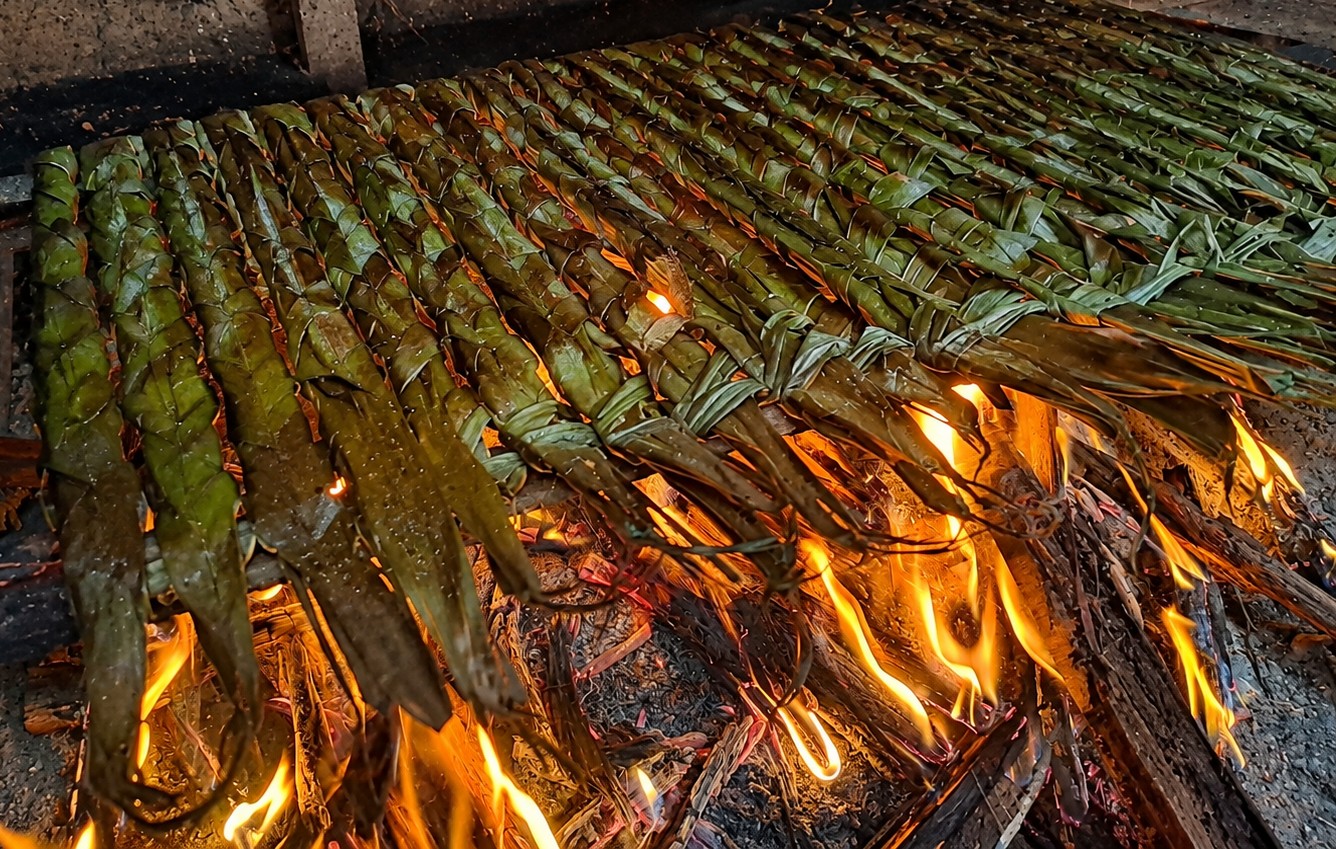
The hands of Keisha Sapondoro, a resident of Sirilanggai Hamlet in Malancan Village, North Siberut, move with a practiced rhythm that speaks of a lifetime of tradition. As dusk approached on Tuesday, June 30, 2026, she deftly rolled sago flour dough into sago leaves, forming cylindrical packages roughly 40 centimeters in length. After adding a pinch of salt, she arranged these rolls neatly over a wood-fired hearth. Within thirty minutes, the kitchen was filled with the distinct, smoky aroma of burning sago leaves. That evening, twenty sticks of kapurut—a traditional Mentawai sago dish—were served alongside side dishes for her guests. The flavor was naturally savory, enhanced by the fragrant char of the leaves, offering a sense of warmth and satiety that few modern foods can replicate.

In many parts of the Indonesian archipelago, rice has become an almost irreplaceable staple. However, in the remote interior of the Mentawai Islands, sago remains a cornerstone of daily life for many families. This local food is more than just a source of carbohydrates; it is a cultural heritage that binds the Mentawai people to the forests that have sustained them for centuries. For Keisha, kapurut is the food of her upbringing, harking back to a time before rice dominated the local palate. She recalls vividly when tubers, taro, and sago were the primary sources of energy for her community. Even today, she maintains the routine of preparing sago, particularly when fresh fish is available. To her, the combination of kapurut and fish is far superior to any rice-based meal, providing a lasting fullness that rice cannot match.

The Historical Shift: From Sago Groves to Rice Paddies

The transition of the primary food source in Mentawai from sago to rice is not a natural evolution of taste, but rather the result of decades of socio-political pressure. According to research by Ade Irwandi and Kris Irwandi Saleleubaja, published in the Journal of the Indonesian Society (2021), this shift began in earnest during the 1970s. During this era, the Indonesian government implemented various development programs aimed at "modernizing" indigenous diets. This included the physical conversion of land into rice paddies and the systematic distribution of subsidized rice.

Pangan Olahan Sagu Terancam Hilang dari Mentawai

Rice was introduced not merely as a grain, but as a symbol of progress, civilization, and social status. Conversely, sago—which had been the lifeblood of the Mentawai people for generations—was marginalized. It began to be viewed through a lens of "backwardness," associated with those who had not yet embraced the state’s vision of a modern Indonesian identity. This psychological shift had profound implications, as it altered how the community perceived their own natural resources and traditional knowledge.

Despite these pressures, the ecological reality of the Mentawai Islands often clashes with the government’s rice-centric vision. The region is characterized by extensive wetlands, peat soils, and high rainfall—conditions that are perfectly suited for sago palms (Metroxylon sagu) but are often hostile to traditional wet-rice cultivation. Attempting to force a "paddy field" model onto this landscape has frequently led to agricultural failure, yet the cultural prestige of rice persists, leading to a precarious dependence on imported grains from Sumatra or Java.

Cultural and Spiritual Dimensions of the Sago Palm

To understand the importance of sago in Mentawai is to understand Arat Sabulungan, the indigenous belief system that governs the relationship between humans, spirits, and nature. In this worldview, every living thing possesses a soul, and the forest is a sacred space that must be treated with reciprocity. Sago is not just a commodity; it is a central element in the community’s cosmological framework. It features prominently in traditional rituals, wedding ceremonies, and communal feasts.

When a community stops consuming sago, the impact extends far beyond their nutritional intake. The abandonment of sago often signals a decline in the practice of Arat Sabulungan. As sago groves are cleared or neglected, the rituals associated with them fade into memory. This cultural erosion is what researchers describe as a threat to the very identity of the Mentawai people. The loss of sago is the loss of a linguistic and ritualistic vocabulary that has been passed down for hundreds of years.

Pangan Olahan Sagu Terancam Hilang dari Mentawai

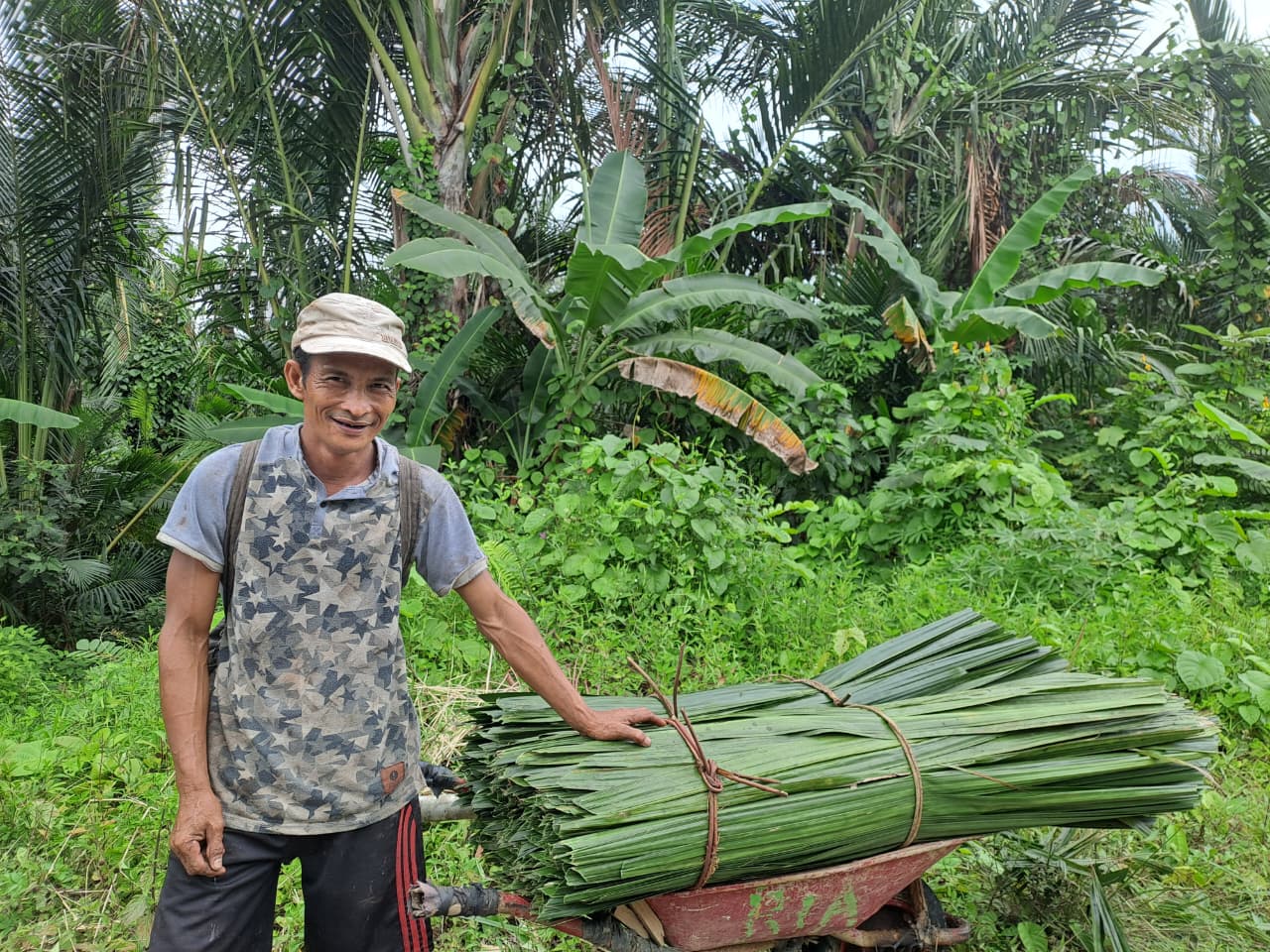
Furthermore, sago’s utility extends beyond the edible starch. In Malancan Village, the sago palm is a "tree of life." The leaves are used to thatch the roofs of traditional houses, providing a natural cooling effect that far exceeds that of modern corrugated zinc sheets. The fronds are used for household implements, and the bark can be used for flooring or fuel. In a very literal sense, the sago palm provides the Mentawai people with food, shelter, and the tools of daily existence.

Economic Realities and Food Sovereignty

In the face of rising global food prices, the economic argument for sago is becoming increasingly compelling. For Keisha and many others in North Siberut, maintaining sago consumption is a matter of financial survival. A 10-kilogram sack of processed sago flour currently costs approximately Rp60,000. In contrast, an equivalent weight of rice can cost double that amount, depending on market fluctuations and transportation costs from the mainland.

Rolan T. Satanduk, a 47-year-old resident of Sirilanggai, exemplifies the dual role of sago as both a staple and a source of income. Between his work as a laborer, Rolan processes sago palms into flour. A single mature sago tree can yield between 15 and 17 sacks of flour. While some of this is kept for his family, the rest is sold to neighbors. However, the labor involved is intensive. The process—felling the tree, rasping the pith, straining the starch, and drying the flour—is still largely done manually.

"If done manually, it takes about two weeks to produce one sack," Rolan explained. Despite the hard labor, he views it as a necessary endeavor. His family also processes sago into ready-to-eat snacks, which they sell for Rp10,000 per portion. This micro-economy keeps cash circulating within the village and reduces the community’s vulnerability to external supply chain disruptions.

Pangan Olahan Sagu Terancam Hilang dari Mentawai

The Generation Gap and Modern Threats

Despite its benefits, sago faces a generational crisis. Keisha notes with a hint of sadness that the younger generation in her village increasingly prefers rice. "The children now prefer rice. They don’t want to eat sago anymore," she says. "We, the older ones, still love it. It’s tastier and keeps you full longer." This shift in preference is driven by the ubiquity of instant foods and the continued social stigma attached to traditional staples in schools and media.

The threat is not only cultural but environmental. The Mentawai forests, once a pristine source of biodiversity, are facing pressure from commercial logging and land-use changes. Barnabas Saerejen, a Mentawai community leader, notes that the arrival of timber companies has significantly altered the landscape. "Many sago palms and rattan plants are destroyed when large trees are felled. It is becoming harder to find the materials we need," he says.

The loss of forest cover does more than just remove sago trees; it disrupts the entire ecosystem that supports indigenous life. When the forest is degraded, the community loses its "natural pharmacy" and its "natural supermarket." For the Mentawai people, forest conservation is not an abstract environmental goal; it is a direct requirement for food security and the preservation of their way of life.

Analysis: Sago as a Pillar of Future Food Security

The story of sago in Mentawai is a microcosm of a larger struggle for food sovereignty across Indonesia. As the nation grapples with climate change and the limitations of industrial agriculture, traditional crops like sago are receiving renewed attention from scientists and policymakers. Sago is remarkably resilient to floods and does not require the intensive chemical fertilizers or pesticides that modern rice varieties demand.

Pangan Olahan Sagu Terancam Hilang dari Mentawai

A study by Samantha M. Lee et al. (2021) titled The Indigenous Uses of Plants from Siberut found that nearly 50% of plant species in the region are utilized by the community for food, medicine, or ritual. Sago was identified as the most critical species. The study highlighted that 98% of respondents believe this traditional knowledge is vital for their future.

To secure the future of the Mentawai people, a shift in perspective is required. Rather than viewing sago as a "food of the past," it should be positioned as a "food of the future." Strengthening local sago-based economies, integrating traditional ecological knowledge into school curricula, and protecting sago groves from industrial encroachment are essential steps.

As Keisha Sapondoro finishes her meal of kapurut in the fading light of Siberut, the importance of her task is clear. Every roll of sago she prepares is an act of resistance against the homogenization of global diets. It is a reminder that true food security is found not in a single global commodity like rice, but in the diversity and resilience of the land and the traditions that have stood the test of time. For the Mentawai, the sago palm remains a symbol of their enduring connection to the earth—a connection that must be defended if their culture is to survive the pressures of the modern world.

July 21, 2026 0 comment
0 FacebookTwitterPinterestEmail
Science

Comet Tsuchinshan-ATLAS Predicted to Become a Bright Naked Eye Spectacle in Late 2024 Night Skies

by admin July 21, 2026
written by admin

The astronomical community is currently focusing its attention on a celestial wanderer known as Comet Tsuchinshan-ATLAS, designated scientifically as C/2023 A3, which continues to show promising signs of becoming a major naked-eye object by late 2024. Following a year that has already seen significant celestial events, including a total solar eclipse and intense solar storms that triggered widespread auroras, this long-period comet represents the next major milestone for stargazers. Currently positioned between the orbits of Mars and Jupiter, the comet is steadily increasing in brightness and developing a more pronounced tail as it ventures deeper into the inner solar system. Observers using high-powered telescopes have noted that the object is currently situated within the constellation Virgo, though it remains too faint for the unaided eye at this stage of its journey.

The discovery of C/2023 A3 was a collaborative triumph of modern sky-survey technology. It was first identified in early 2023 through independent observations by two major astronomical institutions. On January 9, 2023, the Purple Mountain Observatory (Zijinshan Astronomical Observatory) in China first detected the object. Shortly thereafter, on February 22, 2023, the Asteroid Terrestrial-impact Last Alert System (ATLAS) telescope in South Africa independently confirmed its presence. These dual observations allowed the Minor Planet Center to calculate its trajectory, revealing that the comet originated from the Oort Cloud—a vast, spherical shell of icy debris surrounding our solar system at a distance of roughly 2,000 to 100,000 astronomical units from the Sun.

The Long Journey from the Oort Cloud

Comet Tsuchinshan-ATLAS is not a frequent visitor to our neighborhood. Orbital analysis indicates that the comet has a period of approximately 80,000 years, meaning its last passage through the inner solar system would have occurred during the Middle Paleolithic period, a time when early humans were still navigating the challenges of the last ice age. This extreme orbital period characterizes C/2023 A3 as a "dynamically new" comet, which often carries a high concentration of volatile ices that have remained frozen since the formation of the solar system.

As the comet moves closer to the Sun, the increasing solar radiation causes these ices—primarily water, carbon monoxide, and carbon dioxide—to sublimate, transitioning directly from a solid to a gas. This process creates the coma, a glowing envelope of gas and dust surrounding the nucleus, and eventually the iconic tail that points away from the Sun due to solar wind and radiation pressure. Recent reports from Sky and Telescope and Forbes suggest that the comet’s current activity levels are meeting, and in some cases exceeding, the initial mathematical models, fueling hope that it could rival the brilliance of Comet NEOWISE (C/2020 F3) seen in 2020.

Timeline of Observation and Key Milestones

The trajectory of C/2023 A3 is punctuated by several critical dates that will determine its visibility and ultimate visual impact. Throughout the first half of 2024, the comet has remained a target primarily for professional astronomers and dedicated astrophotographers. However, as the year progresses, its accessibility to the general public is expected to change dramatically.

By September 2024, the comet will approach its perihelion—the point in its orbit closest to the Sun. On September 27, 2024, C/2023 A3 will pass within approximately 0.39 astronomical units (roughly 58 million kilometers) of the Sun. This proximity is vital; the closer a comet gets to the Sun without disintegrating, the more material it sheds, potentially leading to a spectacular tail. During this phase, the comet will be difficult to see from Earth due to its proximity to the solar glare, but it will be at its peak physical activity.

The most anticipated window for viewing begins in mid-October 2024. On October 12, the comet will make its closest approach to Earth, known as perigee, passing at a distance of about 0.47 astronomical units (70 million kilometers). During this period, the comet is expected to emerge from the Sun’s glare into the evening sky. If current brightness trends hold, it could reach a magnitude of 0 or even -1, making it easily visible even from suburban areas with moderate light pollution.

Scientific Analysis and the "Forward Scattering" Phenomenon

One of the most exciting prospects regarding C/2023 A3 is the potential for a phenomenon known as forward scattering. This occurs when the comet is positioned between the Earth and the Sun. The dust particles in the comet’s tail can scatter sunlight toward the observer, significantly enhancing its apparent brightness. Some astrophysicists suggest that if the comet’s dust production is high enough, forward scattering could briefly boost its brightness to a level comparable to the planet Venus.

However, researchers remain cautious. Comets are notoriously unpredictable. The history of astronomy is littered with "Comets of the Century" that failed to live up to the hype. A primary concern for C/2023 A3 is whether its nucleus is large and robust enough to survive the intense heat and gravitational tidal forces of its close pass by the Sun. If the nucleus is small or loosely bound, it could fragment before reaching its closest point to Earth, resulting in a diffuse cloud of debris rather than a brilliant spectacle. Current observations of its light curve suggest a stable and healthy nucleus, but astronomers will continue to monitor its development closely as it passes the orbit of Mars.

Comparison with Historic Comets

To understand the excitement surrounding C/2023 A3, it is helpful to compare it to previous "Great Comets." In 1997, Comet Hale-Bopp captivated the world with its visibility for over 18 months. In 2007, Comet McNaught became so bright it was visible during the day. More recently, the "Green Comet" (C/2022 E3 ZTF) and Comet 12P/Pons-Brooks provided excellent opportunities for photographers but were generally considered "borderline" naked-eye objects for average observers.

C/2023 A3 has the potential to surpass these recent examples. Unlike 12P/Pons-Brooks, which is a periodic comet that has been seen many times before, Tsuchinshan-ATLAS is a fresh arrival from the Oort Cloud. These "first-timers" often possess a higher ratio of dust to gas, which is essential for creating a long, reflective tail that is visible to the naked eye. If it maintains its structural integrity, it could be the brightest comet seen in the Northern Hemisphere in decades.

Global Reactions and Observational Guidance

The global astronomical community has already begun preparing for the comet’s arrival. Amateur astronomy clubs are organizing "star parties" for October, and major observatories are allocating time to study the comet’s chemical composition. Dr. Quanzhi Ye, a planetary scientist who has specialized in cometary research, has noted that while predictions are optimistic, the "wait and see" approach is the only definitive way to gauge a comet’s performance.

For those hoping to catch a glimpse, the best advice is to monitor the comet’s progress through September. For observers in the Northern Hemisphere, the comet will likely be visible low in the western sky shortly after sunset in the second and third weeks of October. Finding a location with a clear horizon and minimal westward light pollution will be essential. While the naked eye may suffice for a spectacular view, a simple pair of 10×50 binoculars is recommended to reveal the intricate details of the tail structure and the bright core of the coma.

Broader Implications for Science and Education

Beyond the visual spectacle, the passage of Comet Tsuchinshan-ATLAS provides a significant opportunity for scientific advancement. Comets are essentially "time capsules" from the birth of the solar system 4.6 billion years ago. By analyzing the gases released by C/2023 A3, scientists can gain insights into the primordial ingredients that formed the planets, including the potential delivery of water and organic molecules to early Earth.

Furthermore, events of this magnitude serve as a powerful tool for public engagement in science. Much like the Great North American Eclipse of 2024, a visible comet can inspire a new generation of scientists and astronomers. It reminds the public of the dynamic nature of our solar system and the importance of programs like ATLAS, which are primarily designed to detect potentially hazardous asteroids but also discover these beautiful cosmic visitors.

As the comet continues its silent fall toward the Sun, the world waits with bated breath. Whether C/2023 A3 becomes a legendary "Great Comet" or a modest smear in the sky, its arrival serves as a reminder of the vastness of the Oort Cloud and the ancient history that occasionally sweeps past our small corner of the universe. For now, the "ball of cosmic snow" remains a distant glimmer in Virgo, a promise of a celestial firework display yet to come.

July 21, 2026 0 comment
0 FacebookTwitterPinterestEmail
Science

Internet-Famous Bald Eagle Jackie Undergoes Medical Evaluation Following Rescue in Southern California

by admin July 21, 2026
written by admin

Wildlife experts and millions of online spectators are closely monitoring the health of an adult bald eagle rescued this week in Southern California, who is believed to be the world-renowned "Jackie" from the Big Bear Valley nest. The eagle, a central figure in a long-running 24/7 livestream that documents the lives of a breeding pair and their offspring, was recovered by the Los Angeles County Parks San Dimas Raptor Rescue after being discovered in a vulnerable state on the ground. As of July 20, 2026, officials from the Friends of Big Bear Valley (FOBBV) confirmed that the bird is currently in stable condition at a specialized rehabilitation facility, though her identity remains to be officially verified through diagnostic testing and physical observation.

The rescue has sent ripples through the global community of "nest-watchers" who have followed Jackie and her mate, Shadow, for years. The incident comes at a critical juncture in the nesting season, as the pair’s current chicks, Sandy and Luna, are on the verge of fledging. While the avian matriarch receives medical attention, Shadow has reportedly stepped into a solo parenting role, maintaining the territory and providing for the eaglets in the San Bernardino National Forest.

The Rescue Operation and Initial Findings

The sequence of events leading to the eagle’s rescue began on July 16, 2024, when onlookers first noticed an adult bald eagle on the ground near Dana Point Park. Observations continued into the following day, July 17, when the bird was seen engaged in a physical altercation with two subadult eagles. According to eyewitness accounts and cell phone footage captured at the scene, the adult eagle demonstrated characteristic defensive maneuvers, rolling onto its back to use its powerful talons to fend off the younger intruders.

Despite successfully defending itself, the eagle was unable to take flight and relocate to safety. Recognizing the bird’s distress, the Los Angeles County Parks San Dimas Raptor Rescue was dispatched to the site. The rescue team successfully secured the eagle, which was then transported to an unnamed specialty care facility equipped to handle large raptors.

The suspicion that the rescued bird is Jackie stems from her absence from the Big Bear nest, which is located approximately 70 miles northeast of Dana Point. FOBBV reported that Jackie had not been seen on their high-definition cameras for several days prior to the rescue. However, definitive confirmation is complicated by the fact that Jackie is not banded—a common practice for wild eagles that allows for individual identification. Experts are currently relying on plumage patterns, size, and behavioral markers to confirm her identity while they await further diagnostic results.

Chronology of the 2026 Nesting Season

The 2026 nesting season for Jackie and Shadow has been characterized by both tragedy and resilience, following a pattern that has kept viewers enthralled for years. The season began with a setback in January when ravens, a primary predator of eagle eggs, successfully breached the nest and destroyed the pair’s initial clutch. Such events are common in the wild but are rarely witnessed with the clarity provided by the Big Bear livestream.

Bald eagle Jackie rescued after fight with other birds

Undeterred, Jackie and Shadow produced a second clutch of eggs. The timeline of their development is as follows:

  • April 4, 2026: The first chick, later named Sandy, hatched at approximately 9:33 p.m. PDT.
  • April 5, 2026: The second chick, Luna, followed at 8:30 a.m. PDT.
  • May 1, 2026: Following a public naming process that drew thousands of suggestions, the chicks were officially named Sandy and Luna.
  • July 17, 2026: An adult eagle, suspected to be Jackie, is rescued in Dana Point.
  • July 20, 2026: FOBBV issues an update confirming the eagle is stable and undergoing tests.

Throughout this period, the chicks have grown rapidly, fueled by a diet of fish and small mammals provided by both parents. As of mid-July, Sandy and Luna are estimated to be between 14 and 15 weeks old, a period during which young eagles typically "branch"—moving to nearby limbs—and eventually take their first flights.

The Ecological Context of Big Bear Valley

The nest inhabited by Jackie and Shadow is situated in the San Bernardino National Forest, an area that provides essential habitat for bald eagles in Southern California. The proximity to Big Bear Lake offers a consistent food source, while the tall conifers provide the necessary height and stability for their massive nests, which can weigh over a ton.

The history of Jackie and Shadow as a pair dates back to 2018. Since then, they have become symbols of the bald eagle’s broader recovery in North America. While the species was removed from the federal list of endangered and threatened wildlife in 2007, they remain protected under the Bald and Golden Eagle Protection Act and the Migratory Bird Treaty Act.

The challenges faced by this specific pair highlight the natural pressures on the species. In 2025, the pair lost one of their three chicks during a severe March snowstorm that dumped two feet of snow on the nest. The surviving chicks from that year, Sunny and Gizmo, successfully fledged, contributing to the local population. Statistical data from the U.S. Fish and Wildlife Service suggests that only about 50 percent of eagle eggs successfully hatch, and approximately 70 percent of eaglets survive their first year. The success of Jackie and Shadow in raising multiple broods over the years makes them an exceptionally productive pair.

Institutional Response and Medical Outlook

The Friends of Big Bear Valley have maintained a transparent line of communication with the public since the rescue occurred. In their most recent statement, the organization emphasized that the bird is receiving the "best care possible" and that Jackie is known for her strength and resilience.

"Jackie is stable and they are waiting on diagnostic results that can take several days," the organization stated via social media. "Meanwhile, Shadow is an excellent mate and father; he continues to care for Sandy and Luna while protecting the nest and territory."

Bald eagle Jackie rescued after fight with other birds

The medical evaluation of a rescued eagle typically involves a series of steps:

  1. Physical Examination: Checking for fractures, wing injuries, or talon damage resulting from the ground altercation.
  2. Blood Analysis: Testing for lead poisoning—a common issue for raptors who scavenge on carcasses containing lead shot—as well as West Nile Virus or avian influenza.
  3. Radiographs: Utilizing X-rays to identify internal injuries or abnormalities that are not visible to the naked eye.
  4. Hydration and Nutrition: Providing specialized fluids and a high-protein diet to stabilize the bird’s metabolism.

If the bird is confirmed to be Jackie, her rehabilitation will be focused on a timeline that ideally allows for her return to the Big Bear territory. However, wildlife rehabilitators prioritize the bird’s ability to survive independently in the wild over a speedy return to the nest.

Broader Implications for Wildlife Conservation

The plight of Jackie has brought renewed attention to the "Save Moon Camp" initiative, a fundraising effort led by environmental groups to protect the foraging areas surrounding Big Bear Lake. Developers have eyes on the land near the eagles’ hunting grounds, and conservationists are currently seeking to raise $10 million to purchase and preserve the acreage. They argue that the presence of Jackie and Shadow has provided an invaluable educational tool, fostering a global appreciation for wildlife that translates into direct conservation action.

The incident also highlights the risks bald eagles face when they venture away from their primary nesting sites. Dana Point, where the rescue occurred, is a coastal environment vastly different from the alpine setting of Big Bear. It is not uncommon for eagles to travel significant distances to explore new foraging grounds or to escape territorial disputes, though such journeys increase the likelihood of encounters with other predators or human-made hazards like vehicles and power lines.

Conclusion and Current Status

As the community awaits the final diagnostic results from the rehabilitation facility, the focus remains on the nest in Big Bear. Shadow’s ability to manage the nest solo is a testament to the strong pair-bonding and shared parental responsibilities inherent in the species. While the absence of Jackie is a significant change for the family dynamic, Sandy and Luna are at an age where they are increasingly independent, spending much of their time strengthening their wings in preparation for their departure from the nest.

The story of Jackie and Shadow continues to serve as a real-time window into the complexities of the natural world. Whether the rescued eagle is indeed Jackie or another member of the region’s growing eagle population, the rescue underscores the vital role played by raptor rehabilitation centers and the vigilance of local communities in protecting North America’s most iconic avian species. Updates will continue to be provided by the Friends of Big Bear Valley as more information becomes available from the medical team.

July 21, 2026 0 comment
0 FacebookTwitterPinterestEmail
Education

IPB University Silviculture Graduate Aulia Nurul Hikmah Achieves Best Student Status Despite Economic Hardships and Family Challenges

by admin July 21, 2026
written by admin

The graduation ceremony of IPB University for Phase VIII of the 2025/2026 Academic Year served as a platform for recognizing exceptional academic talent, yet one story resonated with particular intensity among the faculty and attendees. Aulia Nurul Hikmah, a student from the Department of Silviculture, was officially named the best graduate of the Faculty of Forestry and Environment. Her achievement is not merely a reflection of a high Grade Point Average (GPA) of 3.87, but a testament to her resilience in overcoming significant socio-economic barriers. Born into a family where her father worked as a laborer and a tire repairman (tukang tambal ban), Aulia’s journey to the pinnacle of academic success at one of Indonesia’s most prestigious institutions highlights the transformative power of education and the potential for social mobility within the nation’s specialized scientific sectors.

Aulia’s academic journey began with a profound interest in the intersection of biological sciences and ecological preservation. She chose the Silviculture study program, a discipline focused on the art and science of controlling the establishment, growth, composition, health, and quality of forests and woodlands to meet the diverse needs and values of landowners and society. For Aulia, the forest represents the ultimate manifestation of life sciences, an intricate web of biological processes that sustain the planet. Her motivation was fueled by a desire to understand these ecosystems from their very foundation—starting from the germination of seeds and the maintenance of saplings to the sustainable harvesting and eventual rehabilitation of degraded landscapes.

The Academic Rigor of Silviculture at IPB University

IPB University, located in Bogor, West Java, has long been recognized as the premier institution for agricultural and forestry sciences in Indonesia. The Faculty of Forestry and Environment, established in 1963, maintains a rigorous curriculum designed to produce experts capable of managing Indonesia’s vast tropical rainforests, which are among the most biodiverse in the world. The Silviculture program, in particular, requires a deep understanding of botany, soil science, climatology, and forest pathology.

Aulia’s success in this demanding field is underscored by her final GPA of 3.87. Maintaining such a high standard requires not only intellectual capacity but also disciplined time management. Throughout her four years of study, Aulia balanced intense laboratory work, field practicums in various forest environments across Indonesia, and non-academic responsibilities. She noted that the pressure of the curriculum forced her to become an adaptive and flexible individual. The necessity of balancing theoretical knowledge with the physical and logistical demands of forestry field studies helped her develop critical thinking skills that are essential for modern environmental scientists.

Socio-Economic Context and the Path to Higher Education

Aulia’s background as the daughter of a laborer and a tire repairman places her achievement within a broader sociological context in Indonesia. According to data from the Indonesian Central Bureau of Statistics (BPS), access to higher education for children from the lowest income deciles remains a significant challenge, despite government interventions such as the KIP-Kuliah (Kartu Indonesia Pintar Kuliah) scholarship program. While the specific financial aid Aulia received was not detailed in her citation, her story mirrors that of many "first-generation" university students who must navigate the higher education system without the financial safety nets or professional networks available to their more affluent peers.

The economic reality of a "tukang tambal ban"—a micro-entrepreneur in the informal sector—often involves fluctuating daily income and a lack of formal social security. For a child from such a background to not only graduate but to excel as the top student in a competitive faculty at IPB University is a rare feat. It serves as a data point in the ongoing discussion regarding the effectiveness of merit-based admissions and the importance of supporting students from marginalized backgrounds who demonstrate high potential.

Addressing Indonesia’s Forestry Crisis

Aulia’s academic focus on silviculture comes at a critical time for Indonesia’s environmental landscape. Indonesia possesses the third-largest area of tropical rainforest in the world, yet it has historically faced high rates of deforestation due to palm oil expansion, mining, and illegal logging. Although recent data from the Ministry of Environment and Forestry (KLHK) suggests a downward trend in net deforestation rates over the last few years, the challenge of forest degradation remains acute.

In her statements following the graduation ceremony, Aulia emphasized the importance of being an "agent of preservation." She highlighted that the current issues of forest degradation and the loss of biodiversity require innovative silvicultural interventions. Her choice of study was deliberate; she views silviculture not just as a career path, but as a technical solution to global environmental crises. By focusing on forest rehabilitation, silviculturists like Aulia play a vital role in Indonesia’s commitment to the "FOLU Net Sink 2030" goal, which aims to ensure that the forestry and land use sector absorbs more greenhouse gases than it emits by the end of the decade.

The Role of Adaptability in Modern Forestry

The curriculum at IPB University has evolved to include not only traditional timber management but also the management of non-timber forest products and ecosystem services. Aulia reflected on how her time at the university prepared her for this multifaceted industry. "The forest is a complex ecosystem that serves as a primary life support system," she stated. Through her studies, she gained insights into the entire lifecycle of a forest, which is essential for developing sustainable management plans that satisfy both environmental protection and economic necessity.

Her emphasis on being "adaptive and flexible" is particularly relevant in the context of climate change. Modern forestry professionals must be prepared to manage forests under changing climatic conditions, which may involve assisted migration of species, managing new types of pests and diseases, and implementing fire prevention strategies in increasingly dry peatlands. Aulia’s high GPA suggests a mastery of these complex, evolving scientific concepts.

Institutional and Peer Reactions

While the graduation ceremony celebrated hundreds of graduates, the recognition of Aulia as the "Best Graduate" of her faculty drew praise from the university leadership. While official remarks from the Rector of IPB University often emphasize the "Agromaritime 4.0" vision—integrating technology with agriculture and forestry—Aulia’s story provides a human face to these institutional goals. Faculty members in the Department of Silviculture described her as a student who demonstrated exceptional tenacity, often going beyond the required reading to understand the practical implications of forest policy on local communities.

Peers and fellow graduates noted that Aulia’s success served as a source of motivation. In an environment where many students come from specialized high schools or families with a history in the civil service or corporate sectors, Aulia’s rise from a modest background to the top of her class challenged existing stereotypes regarding the correlation between wealth and academic performance.

Future Prospects and Broader Implications

Looking forward, Aulia Nurul Hikmah intends to continue her journey of self-development, aiming to translate her academic knowledge into tangible solutions for society. The job market for silviculture graduates in Indonesia is expanding beyond traditional logging companies. With the rise of the "Green Economy," there is an increasing demand for environmental consultants, carbon credit auditors, and restoration experts in both the private and public sectors.

Furthermore, her success has broader implications for Indonesia’s educational policy. It reinforces the argument that investing in students from low-income families yields high returns for the nation’s scientific community. As Indonesia strives to achieve its "Golden Indonesia 2045" vision—a plan to become one of the world’s top five economies by its centenary—the cultivation of highly skilled experts like Aulia will be paramount.

In conclusion, Aulia Nurul Hikmah’s graduation as the best student of the Faculty of Forestry and Environment at IPB University is more than a personal victory. It is a narrative of breaking generational cycles of poverty through academic excellence. Her mastery of silviculture equips her with the tools to address some of the most pressing environmental challenges of the 21st century. As she transitions from a student to a professional, her journey stands as a benchmark for what can be achieved when individual perseverance meets the opportunities provided by a world-class educational institution. Her story confirms that while economic conditions may dictate one’s starting point, they do not necessarily define the destination, provided there is a pathway for merit and dedication to flourish.

July 21, 2026 0 comment
0 FacebookTwitterPinterestEmail
Newer Posts
Older Posts

Posts Slider

Bald eagles Jackie and Shadow raise $10 million

July 25, 2026

Kemdiktisaintek Buka Beasiswa BPDDI 2026 untuk Dosen, Lanjut...

July 25, 2026

Quipper Indonesia Unveils 2025 Academic Reward Program Utilizing...

July 25, 2026

Indonesia’s Heightened Seismic Hazard: Updated 2024 Map Reveals...

July 25, 2026

Indonesia Intensifies Scrutiny on Unrepatriated Tax Amnesty and...

July 25, 2026

Popular Posts

  • 1

    Indonesia’s Domestic Market Obligation Policy for Palm Oil Proves Effective in Stabilizing Minyakita Prices Amidst Broader Market Dynamics.

    April 16, 2026
  • 2

    Extra Playtime Strengthens the Emotional Bond Between Owners and Dogs According to New Research

    April 22, 2026
  • 3

    OJK Propels South Sumatra’s Regional Economy with Strategic Export Initiatives and Youth Empowerment

    April 22, 2026
  • 4

    Jangan Sampai Ketinggalan! Skill Excel Ini Bisa Bikin Kerja Kamu 2x Lebih Cepat

    April 16, 2026
  • 5

    Mastering Solo Queue in Mobile Legends: Bang Bang: A Deep Dive into Self-Sufficient Carry Heroes

    April 22, 2026

Recent Posts

  • Bald eagles Jackie and Shadow raise $10 million

    July 25, 2026
  • Kemdiktisaintek Buka Beasiswa BPDDI 2026 untuk Dosen, Lanjut S3 Gratis!

    July 25, 2026
  • Quipper Indonesia Unveils 2025 Academic Reward Program Utilizing Gamified Learning Incentives for QSP All Access Users

    July 25, 2026
  • Indonesia’s Heightened Seismic Hazard: Updated 2024 Map Reveals 14 Megathrust Zones and Escalated Earthquake Risks

    July 25, 2026
  • Indonesia Intensifies Scrutiny on Unrepatriated Tax Amnesty and Voluntary Disclosure Program Assets, Setting End-2026 Deadline for Compliance.

    July 25, 2026
  • Facebook
  • Twitter

@2021 - All Right Reserved. Designed and Developed by PenciDesign


Back To Top
Nata News
  • Home

We are using cookies to give you the best experience on our website.

You can find out more about which cookies we are using or switch them off in .

Nata News
Powered by  GDPR Cookie Compliance
Privacy Overview

This website uses cookies so that we can provide you with the best user experience possible. Cookie information is stored in your browser and performs functions such as recognising you when you return to our website and helping our team to understand which sections of the website you find most interesting and useful.

Strictly Necessary Cookies

Strictly Necessary Cookie should be enabled at all times so that we can save your preferences for cookie settings.