• Home
Nata News
keep your memories alive
Lifestyle

Jude Bellingham transforms into a global fashion icon as the face of Calvin Klein’s latest underwear campaign

by admin November 7, 2026
written by admin

The intersection of professional sports and high-end fashion reached a new zenith this week as Real Madrid midfielder Jude Bellingham officially unveiled his debut campaign for the iconic American fashion house, Calvin Klein. The partnership, which positions the 23-year-old English international as the face of the brand’s "Icon Cotton Stretch" line, has transcended traditional marketing metrics, triggering significant economic movement and a surge in public engagement across global fashion capitals.

A Strategic Brand Alignment

The collaboration, announced officially on November 2, 2026, represents a calculated pivot for Calvin Klein, which has historically utilized elite athletes to bridge the gap between performance-based excellence and mass-market luxury appeal. Bellingham, widely regarded as one of the most influential figures in modern football, provides a demographic bridge to younger consumers who value both athletic prowess and aesthetic identity.

The campaign, titled "The Icon Underneath," adheres to Calvin Klein’s long-standing tradition of minimalism. Shot with a monochromatic palette, the imagery emphasizes the "back to basics" design philosophy that has defined the label since the 1990s. Bellingham is featured wearing various iterations of the brand’s staples, including the Classic Boxer Brief, the Low Rise Trunk, the Hip Brief, and the Slim Boxer. Furthermore, the campaign serves as a strategic launchpad for the "Icon Cotton Stretch Shine Trunk," a garment distinguished by its high-gloss waistband featuring the signature Infinity Bond logo, signaling a subtle evolution in the brand’s product design language.

Chronology of a Viral Campaign

The rollout of the campaign was executed with surgical precision, beginning on the morning of Monday, November 2, 2026. Within hours of the initial social media drop, the visuals—specifically the massive billboard installations placed in strategic high-traffic areas of New York City—began to circulate globally.

By Tuesday, November 3, anecdotal reports from Manhattan indicated that the presence of the oversized billboards had disrupted local pedestrian traffic. Tourists and residents alike were documented stopping in the middle of busy intersections in Midtown to capture photographs of the imagery, a testament to the "Bellingham effect."

The momentum accelerated throughout the midweek period. By Wednesday, November 4, the campaign had become a primary subject of discourse on platforms such as X (formerly Twitter) and Instagram, with engagement metrics for Calvin Klein’s official channels reaching record highs for the fiscal year. This sustained attention was not merely digital; it translated into physical foot traffic in major metropolitan hubs, as fans flocked to the specific locations where the campaign was displayed.

Economic Implications and Market Performance

Beyond the aesthetic and cultural impact, the campaign has exerted a tangible influence on the financial sector. PVH Corp., the parent company of Calvin Klein, experienced an immediate market reaction following the launch.

Data from the New York Stock Exchange indicates that on Monday, November 2, shortly after the campaign’s debut, shares of PVH Corp. climbed by approximately 4%. This growth trajectory remained consistent throughout the subsequent 48 hours. By the close of trading on Wednesday, November 4, the company saw a total appreciation of 6.14% in its share price.

Financial analysts attribute this surge to a combination of high brand visibility and the strategic utilization of an "influencer" whose reach extends far beyond the traditional fashion consumer base. By leveraging Bellingham’s status as a global football superstar, PVH Corp. effectively expanded its audience reach, translating high-engagement social media impressions into tangible investor confidence.

The Evolution of the Athlete-Model Archetype

Jude Bellingham’s transition into high-fashion modeling is part of a broader evolution in the sports marketing landscape. Historically, athletes were relegated to endorsements for sportswear or lifestyle products directly related to their field. However, the current era has seen a convergence where athletes like Bellingham, Cristiano Ronaldo, and David Beckham have become legitimate pillars of the luxury goods market.

Calvin Klein, in particular, has mastered the art of the celebrity campaign. By aligning itself with figures who embody peak physical fitness and cultural relevance, the brand maintains its status as an aspirational leader. The choice of Bellingham is arguably the most significant since the brand’s previous high-profile partnerships, as it aligns with his current trajectory at Real Madrid—one of the most commercially potent clubs in global sports.

Internal and External Reactions

While Calvin Klein has maintained a professional stance regarding the campaign’s success, industry insiders suggest the reception has exceeded internal expectations. A spokesperson for the brand noted that the partnership was intended to "redefine the standard of the modern icon," a goal that appears to have been met given the rapid adoption of the hashtag #TheIconUnderneath across various digital platforms.

From the perspective of football marketing experts, this move is seen as a maturation of Bellingham’s personal brand. By stepping outside the confines of the football pitch and entering the sphere of luxury fashion, Bellingham is establishing a legacy that promises to endure beyond his active playing career. His management team has clearly prioritized partnerships that align with a premium image, focusing on quality over quantity in his endorsement portfolio.

Broader Implications for the Fashion Industry

The success of the "Icon Underneath" campaign offers several key insights into the future of luxury marketing:

  1. The Power of Physicality: In an increasingly digitized world, the use of large-scale physical billboards in high-traffic urban areas remains a potent tool for creating "FOMO" (fear of missing out) and social proof.
  2. Cross-Industry Synergy: The collaboration demonstrates that the boundaries between professional sports and luxury retail are increasingly porous. Brands that successfully navigate this intersection can achieve market penetration in demographics that might otherwise be difficult to reach.
  3. Sentiment-Driven Trading: The 6.14% increase in PVH Corp. stock highlights how modern market valuations are increasingly sensitive to social media sentiment and viral marketing campaigns. The ability of a single campaign to drive investor activity suggests that brand equity is now inextricably linked to digital influence.

Analysis: Why Bellingham?

Jude Bellingham’s appeal is not merely rooted in his talent as a midfielder. It is rooted in his persona: composed, articulate, and inherently photogenic. His ability to carry the Calvin Klein aesthetic—which requires a balance of raw, athletic masculinity and refined, understated sophistication—is why the campaign has resonated so deeply.

Furthermore, the timing of the campaign, occurring mid-season, ensures that Bellingham remains in the daily news cycle for both his sporting achievements and his commercial ventures. This dual-exposure strategy maximizes the duration of the campaign’s impact, ensuring that the brand remains at the forefront of the consumer mind for the duration of the winter quarter.

Future Outlook

As the campaign continues to roll out, observers will be watching to see if Calvin Klein plans to extend the partnership beyond the initial "Icon Cotton Stretch" launch. Given the positive market reaction and the sustained public interest, it is highly probable that we will see further collaborations between the brand and the English international.

For investors, the key metric to monitor will be the quarterly earnings report for PVH Corp. to see if this surge in interest translates into a sustained increase in retail revenue. For the general public, the campaign serves as a reminder that in the modern era, the most successful icons are those who can command attention not just in the stadium, but on the billboard as well.

In conclusion, Jude Bellingham’s foray into the world of Calvin Klein has proven to be a masterclass in brand positioning. By successfully merging the worlds of high-stakes professional athletics and global fashion, both the athlete and the brand have secured a significant victory, proving that even in a saturated market, a well-executed campaign that hits the right cultural notes can still command the attention of the world.

November 7, 2026 0 comment
0 FacebookTwitterPinterestEmail
Travel

Darius Sinathrya and Donna Agnesia Share Romantic Getaway in Gorontalo to Meet Iconic Whale Shark Sherly

by admin November 7, 2026
written by admin

Celebrity couple Darius Sinathrya and Donna Agnesia have once again captured the public’s attention with their travel updates, this time sharing a series of romantic moments from their recent holiday to Gorontalo, Sulawesi. The highlight of their excursion to the eastern Indonesian province was an up-close encounter with the region’s famous resident, a whale shark affectionately known as Sherly. The trip underscores the growing appeal of Gorontalo as a premier marine tourism destination, blending celebrity influence with local conservation-based attractions.

Momen Darius Sinathrya dan Donna Agnesia Foto Bareng Hiu Paus Sherly

The journey to Desa Botubarani (Botubarani Village), located in the Bone Bolango Regency of Gorontalo, has long been celebrated by

diving enthusiasts and eco-tourists alike. Known primarily for its calm coastal waters that frequently attract whale sharks (Rhincodon typus), Botubarani offers visitors a rare opportunity to observe gentle giants of the ocean in their natural habitat. For Darius and Donna, long known for their shared passion for adventure and sports, the destination provided an ideal backdrop for both relaxation and marine exploration.

Momen Darius Sinathrya dan Donna Agnesia Foto Bareng Hiu Paus Sherly

A Close Encounter with Marine Wildlife

During their visit, Darius and Donna documented their experiences extensively on social media, sparking widespread interest among their followers. Among the most popular visuals shared by the couple was their interaction with "Sherly," an individual whale shark that has frequented the waters of Botubarani and become an unofficial mascot for the local tourism board.

In addition to swimming and observing the marine life from the surface, the couple utilized one of the region’s newest tourism offerings: transparent, heart-shaped boats. These specialized vessels allow visitors to look directly down into the crystal-clear waters while posing for photographs against the dramatic coastal landscape. The implementation of transparent boats represents an effort by local operators to diversify tourist activities while maintaining minimal disruption to the marine ecosystem.

Momen Darius Sinathrya dan Donna Agnesia Foto Bareng Hiu Paus Sherly

Tourism Economics and Accessibility in Botubarani

The viral posts from prominent public figures like Darius and Donna highlight the economic potential of community-based marine tourism in Gorontalo. Local tourism operators in Botubarani have established standardized packages to accommodate the influx of domestic and international travelers interested in viewing the whale sharks.

For travelers looking to replicate the experience enjoyed by the celebrity couple, standard packages are priced at approximately IDR 550,000. This fee typically includes boat rental and professional aerial documentation utilizing drones, ensuring that visitors can capture high-quality memories of their interaction with the wildlife. The affordability and accessibility of these packages have transformed Botubarani from a quiet fishing village into one of Sulawesi’s most recognizable travel hotspots.

Momen Darius Sinathrya dan Donna Agnesia Foto Bareng Hiu Paus Sherly

Background and Environmental Context of Botubarani

The presence of whale sharks in Botubarani is not a random occurrence but rather a seasonal phenomenon tied to the local marine environment. The sharks are often drawn to the shallow coastal waters due to the abundance of small shrimp and plankton, which are sometimes supplemented by local fishermen feeding them small amounts of shrimp waste.

While the feeding practices have successfully attracted the whale sharks closer to shore—guaranteeing tourist sightings—marine conservationists and researchers have periodically engaged with local stakeholders to ensure that tourism management practices prioritize the health and natural behaviors of the animals. Sustainable tourism guidelines in Botubarani strictly regulate boat distances, prohibit touching the sharks, and limit the use of flash photography or motorized watercraft that could induce stress in the marine life.

Momen Darius Sinathrya dan Donna Agnesia Foto Bareng Hiu Paus Sherly

Broader Economic and Regional Implications

The visit by Darius Sinathrya and Donna Agnesia serves as a timely boost for Gorontalo’s tourism sector, which continues to recover and expand following broader national trends in domestic travel promotion. Regional governments across Sulawesi have increasingly leaned into eco-tourism initiatives to drive local economic growth, create employment opportunities for coastal communities, and generate revenue for regional infrastructure development.

Industry analysts note that celebrity endorsements on digital platforms often yield immediate spikes in regional interest and travel bookings. By showcasing lesser-known Indonesian destinations like Gorontalo, public figures play a crucial role in diversifying the national tourism economy away from traditionally saturated markets like Bali. As travel restrictions remain a thing of the past and domestic mobility reaches new highs, locations such as Desa Botubarani are well-positioned to welcome a steady stream of adventure-seeking travelers eager to experience Indonesia’s rich marine biodiversity firsthand.

November 7, 2026 0 comment
0 FacebookTwitterPinterestEmail
Science

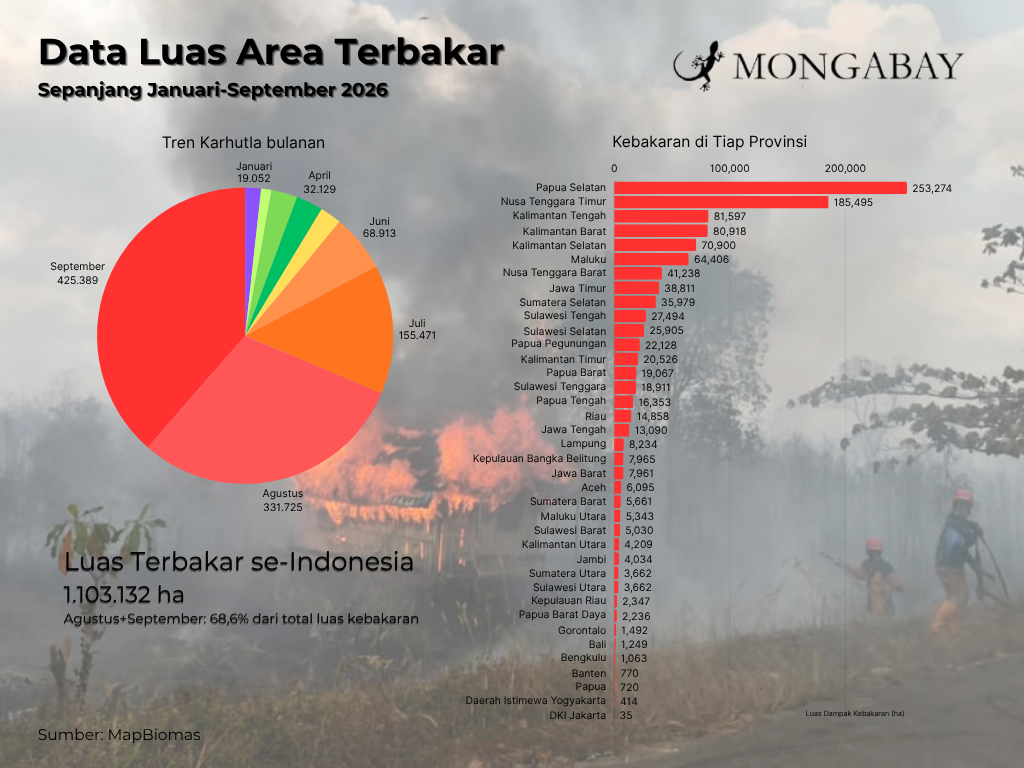
The Tragic Death of a Volunteer Firefighter Highlights the Systemic Failure in Indonesia’s Forest and Land Fire Management

by admin November 7, 2026
written by admin

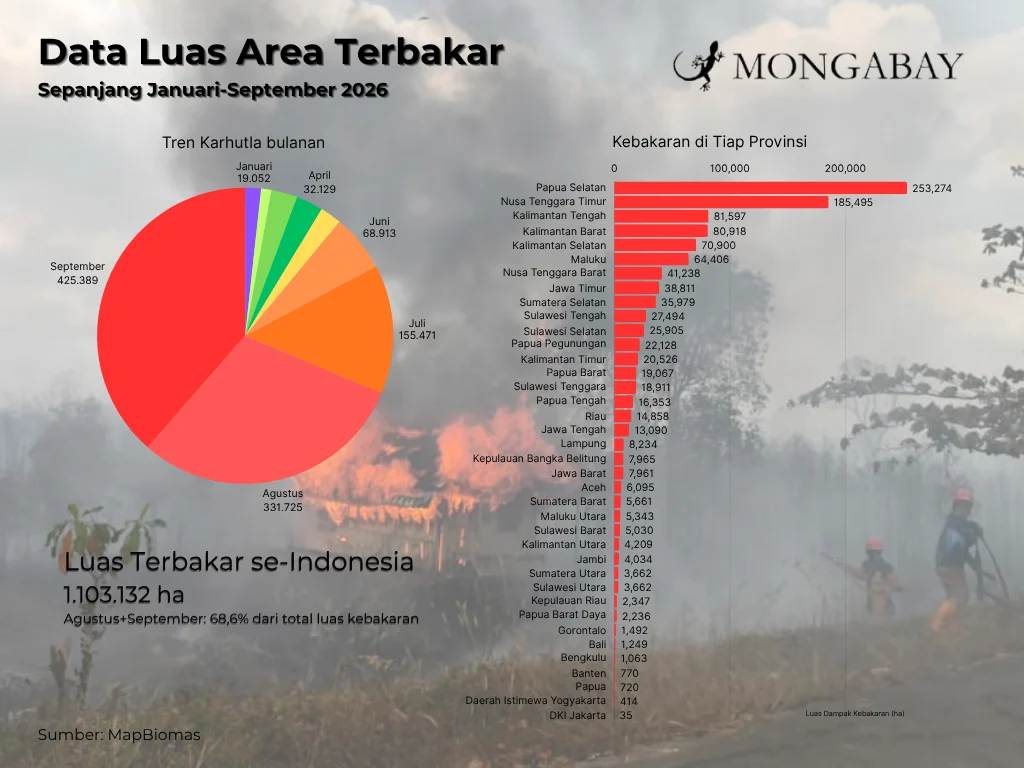
The death of Nurdin, a dedicated volunteer firefighter in South Kalimantan, has served as a grim reminder of the human cost associated with Indonesia’s recurring forest and land fires (karhutla). On October 21, 2026, the 51-year-old collapsed while battling an intense blaze behind the Alalak District Office in Barito Kuala. Despite the immediate deployment of portable oxygen and his subsequent transport to a medical facility, Nurdin succumbed to his condition, marking yet another casualty in a season characterized by inadequate safety measures, exhausted resources, and a mounting public health crisis. His passing is not an isolated incident; it is a symptom of a broader, systemic failure in managing the country’s flammable peatland ecosystems and a lack of institutional support for the volunteers who act as the primary line of defense against environmental catastrophe.

A Chronology of a Preventable Tragedy

The incident in Alalak began like many others during the dry season. Nurdin, known for his commitment to community safety, had been working alongside colleagues Iskandar and Amat to contain a fire that had produced thick, toxic smoke. According to his fellow volunteers, Nurdin had arrived at the site in good health, showing no signs of underlying illness. However, the extreme conditions—characterized by high temperatures and poor air quality—took a rapid toll on his respiratory and cardiovascular systems.

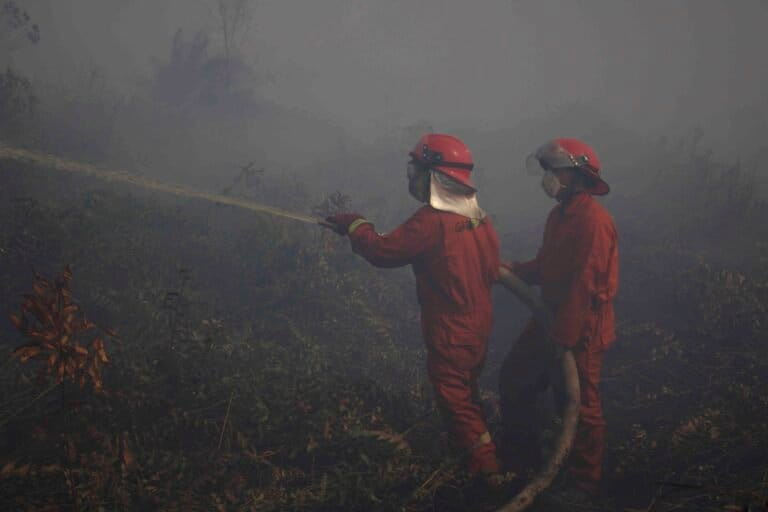
Cerita Para Pahlawan Pemadam Kebakaran Hutan dan Lahan

As the situation deteriorated, Nurdin complained of severe chest pains. Despite being provided with supplemental oxygen, his condition failed to stabilize. During the ambulance transit to a nearby hospital, his consciousness flickered, and he reportedly suffered seizures before ultimately passing away. His death echoes a disturbing trend across the archipelago: the loss of those who volunteer their time and physical health to mitigate the fallout of poor land governance.

The list of fallen heroes has grown significantly in 2026. In Central Kalimantan, three other volunteers—Akhmad Rijani (54), Ahmadin (56), and Aries Sutio Luthfil Hadi (30)—lost their lives while performing similar duties. Simultaneously, in East Java, the fight against flames in the Bromo Tengger Semeru National Park claimed six more lives: Sukaris (55), Hendra Rony Wagiyanata (33), Wisnu Yuda Pratama (25), Sefriel Ardiansyah (19), Munawi (44), and Suraji (approx. 40).

The Public Health Crisis: An Invisible Burden

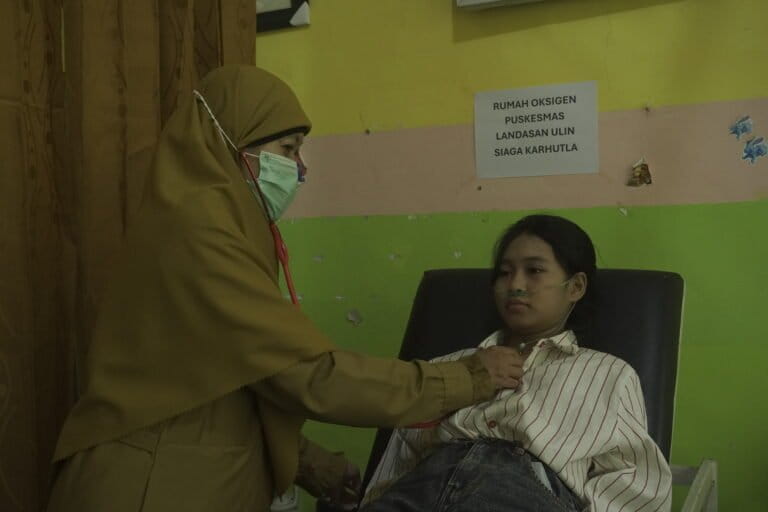
The smoke from these fires does not respect administrative boundaries, creating a public health emergency that extends far beyond the immediate vicinity of the flames. Dr. Faber Kristian Munthe, a pulmonary specialist based in Central Kalimantan, explains that the atmospheric concentration of hazardous particles—specifically PM2.5—has reached dangerous levels. These microscopic pollutants penetrate deep into the lungs and enter the bloodstream, triggering systemic inflammation and exacerbating pre-existing conditions such as asthma, cardiovascular disease, and chronic obstructive pulmonary disease (COPD).

Cerita Para Pahlawan Pemadam Kebakaran Hutan dan Lahan

The statistical data provided by the Indonesian Ministry of Health underscores the severity of the crisis. Between August 18 and October 21, 2026, the government recorded 333,470 cases of Acute Respiratory Infection (ISPA) across 68 regencies and cities in seven provinces. Palangkaraya has seen a consistent spike in hospital admissions for respiratory distress, with local medical facilities struggling to cope with the surge in pediatric and elderly patients, who remain the most vulnerable segments of the population.

Structural Inadequacies and the Volunteer Paradox

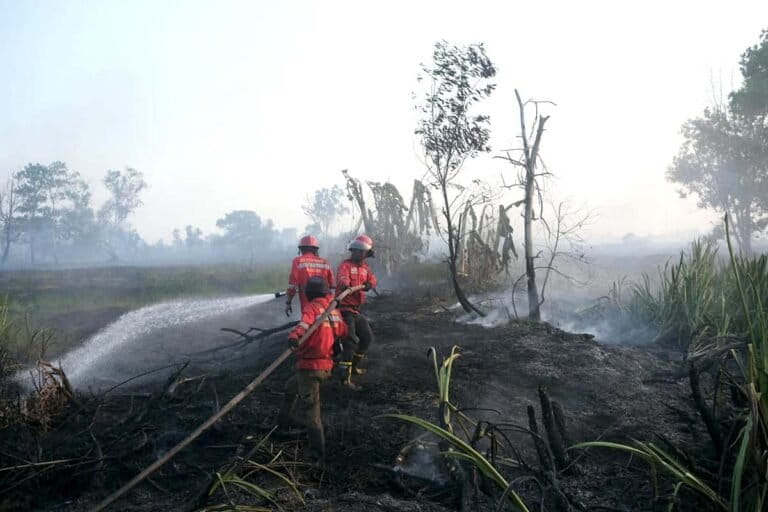
The reliance on volunteer groups, such as Pengayuan Rescue in Banjarbaru and Seman Fire in Barito Kuala, reveals a structural gap in the state’s disaster management capabilities. While these volunteers are driven by altruism and a sense of duty to their communities, they are often sent into high-risk environments with minimal protection.

Interviews with those on the front lines reveal a stark reality: personal protective equipment (PPE) is frequently insufficient or nonexistent. Many volunteers lack fire-resistant clothing, relying instead on basic masks, goggles, and improvised gear. Furthermore, the logistical support—ranging from fuel for water pumps to basic medical supplies—is inconsistent. Some groups, like those under the supervision of the Regional Disaster Management Agency (BPBD), receive fuel support, but many others operate entirely on donations and personal savings.

Cerita Para Pahlawan Pemadam Kebakaran Hutan dan Lahan

Financial incentives, where promised, are often delayed or inadequate. For instance, the local government in Barito Kuala had pledged an incentive of IDR 300,000 for every 14 days of service, yet volunteers report that payments have been sporadic or entirely unpaid. This lack of institutionalized support, combined with the absence of comprehensive health and life insurance for volunteers, paints a picture of a nation that relies heavily on civil society to fill the void left by state underfunding.

Expert Analysis: The Need for Institutional Reform

Raden Rafiq, Executive Director of Walhi (Friends of the Earth) South Kalimantan, argues that the current model of relying on volunteer efforts without providing standardized safety protocols is untenable. "The government cannot claim victory in suppressing fires while ignoring the safety of the people who actually put them out," Rafiq noted.

Walhi proposes a radical shift in how the state interacts with volunteer groups:

Cerita Para Pahlawan Pemadam Kebakaran Hutan dan Lahan
  1. Standardization of Safety: Mandatory provision of N95 masks, specialized eye protection, heat-resistant clothing, and first-aid kits for all registered volunteers.
  2. Health Monitoring: Implementation of mandatory pre- and post-deployment health screenings to detect early signs of respiratory or cardiovascular stress.
  3. Formalization: Official registration of volunteer groups to ensure they are eligible for insurance coverage, accident benefits, and death compensation through state-funded mechanisms like BPJS Ketenagakerjaan.
  4. Logistical Infrastructure: The creation of a dedicated budget within the APBD (Regional Budget) to provide reliable fuel, communication devices, and transportation, rather than relying on a reimbursement-based system that places the financial burden on the volunteers themselves.

Transboundary Implications and International Appeals

The 2026 fires have transcended national borders, affecting air quality in neighboring Malaysia and Singapore. The regional impact has sparked an international outcry, with civil society organizations—led by Greenpeace Indonesia and a coalition of environmental and human rights groups—calling for global intervention.

In Malaysia, the health impact is quantifiable. Cases of ISPA rose by 10% in a single week in October 2026, while the cost of private medical care for respiratory illnesses has become a significant financial burden for families. Singapore’s National Environment Agency (NEA) has reported air quality readings consistently in the "unhealthy" range, with PM2.5 concentrations peaking at levels that pose a significant risk to the general population.

The international coalition is demanding five critical actions:

Cerita Para Pahlawan Pemadam Kebakaran Hutan dan Lahan
  • Immediate humanitarian relief for affected communities, including clean air shelters.
  • Enhanced medical support, particularly for children and the elderly.
  • Protection of biodiversity, specifically the rescue of endangered species like orangutans.
  • International cooperation on fire-suppression technology and expertise.
  • A commitment to justice for the victims of the haze.

The Root Cause: A Flawed Landscape Policy

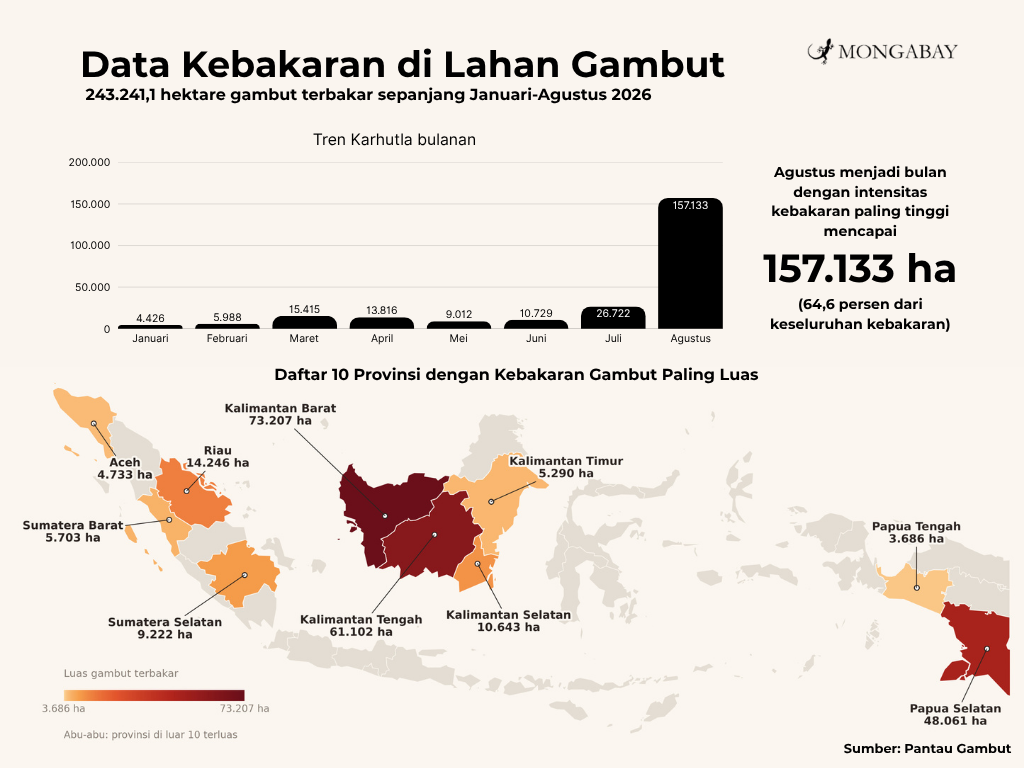
Environmental analysts, including those from the organization Pantau Gambut, suggest that blaming the El Niño phenomenon or "natural dry spells" is an oversimplification that ignores the fundamental mismanagement of Indonesia’s peatlands. Out of 24 million hectares of peatland in the country, 16 million are considered highly susceptible to fire.

A significant portion of these lands—roughly 8.3 million hectares—is under the control of 936 corporations. The construction of massive drainage canals, intended to dry the land for industrial plantation use, has fundamentally altered the hydrology of the peatlands, making them tinderboxes during the dry season. Furthermore, the continued expansion of the "food estate" projects in areas like South Papua has been linked to thousands of fire hotspots, suggesting that industrial and governmental land-use policies are the primary drivers of the current crisis.

Conclusion: A Call for Accountability

The death of Nurdin and his peers is a wake-up call for the Indonesian government. Beyond the immediate need to provide support for volunteers, there is an urgent requirement to overhaul the governance of the country’s forest and peatland sectors. This involves transparent law enforcement against corporations found to be violating fire prevention regulations, an audit of existing land concessions, and a shift toward restoring the hydrological functions of the peatlands.

Cerita Para Pahlawan Pemadam Kebakaran Hutan dan Lahan

As the climate becomes more volatile, the status quo—where under-equipped volunteers battle corporate-linked fires while the public suffers from toxic air—is no longer sustainable. Without a fundamental shift toward accountability, protection of the environment, and the institutionalization of support for the brave individuals on the front lines, the cycle of tragedy, smoke, and loss is destined to repeat itself, leaving behind an increasingly scarred landscape and a growing list of fallen heroes.

November 7, 2026 0 comment
0 FacebookTwitterPinterestEmail
Science

Nugget the black bear claims the 2026 Annoying Sibling Award for his persistent antics at Anan Creek

by admin November 7, 2026
written by admin

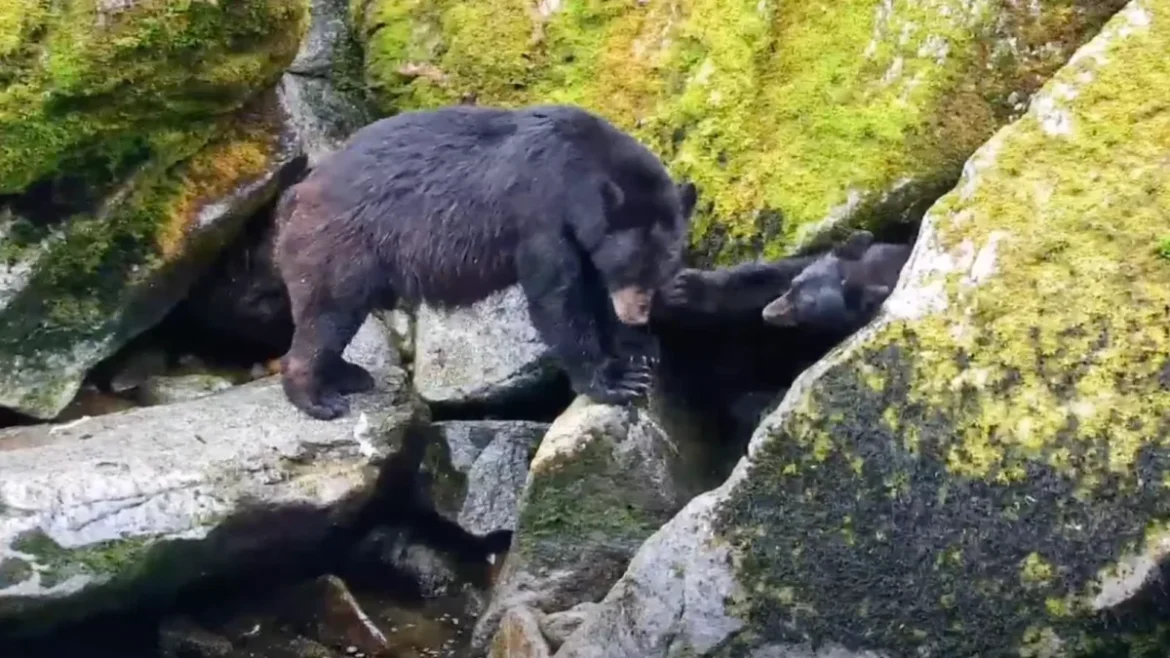
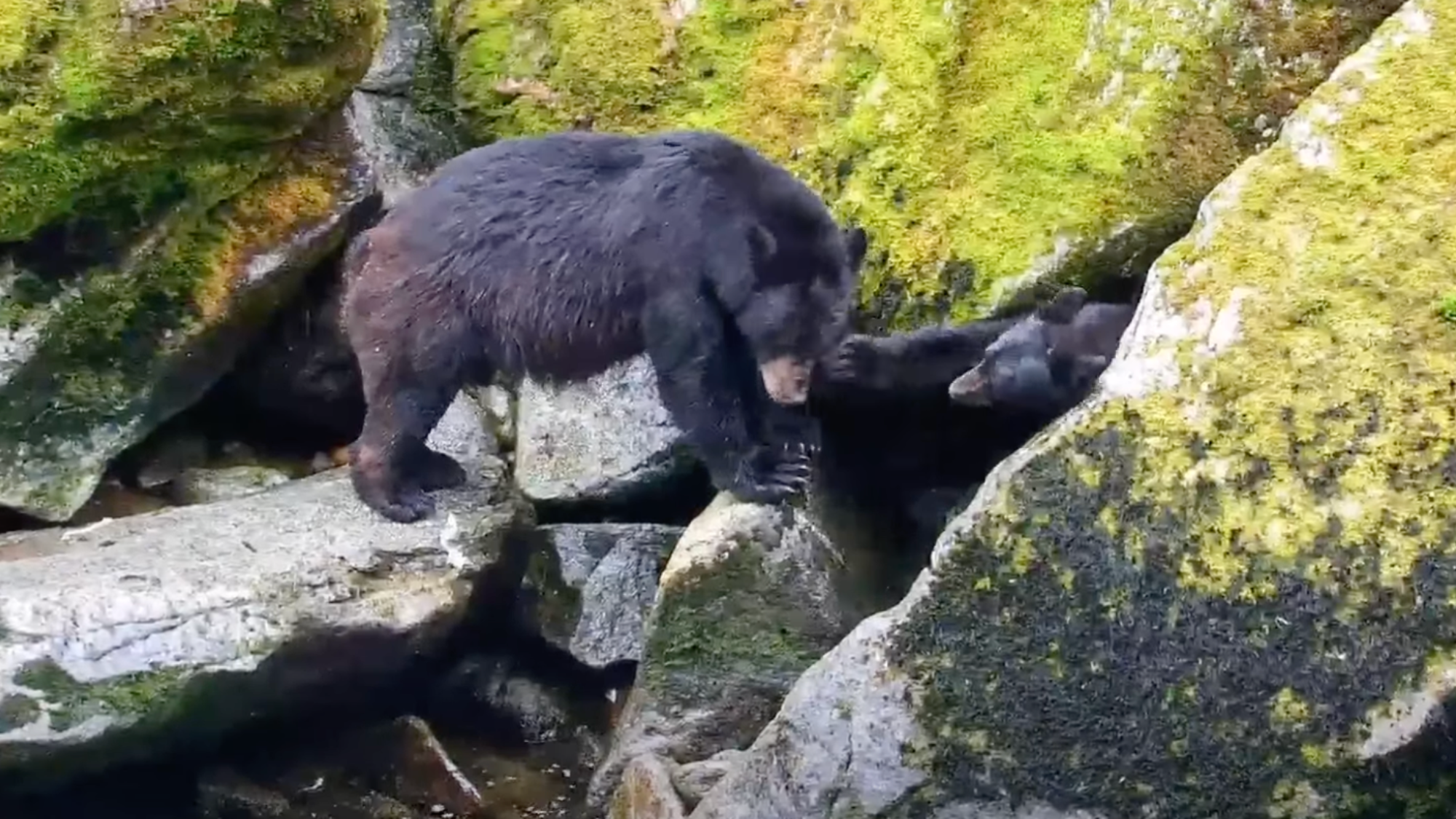
The dynamics of wildlife behavior often mirror the complex social structures observed in human families, particularly regarding the interactions between siblings. This summer, at the Tongass National Forest in southeastern Alaska, a young black bear (Ursus americanus) named Nugget provided a striking illustration of this phenomenon. Known for his diminutive size, distinctive "goggle-like" fur markings, and a coat that transitions from a reddish hue to deep black as the season progresses, Nugget became the subject of intense observation by U.S. Forest Service rangers. His relentless, playful, and occasionally exasperating interactions with his larger sibling, Crescent, resulted in his official recognition as the recipient of the 2026 Annoying Sibling Award.

A Summer of Persistent Pestering

The interaction, which gained significant attention via the U.S. Forest Service’s outreach initiatives, served as a primary example of how juvenile bears navigate social hierarchies and boundaries. According to official reports from the Tongass National Forest team, the incident in question involved a sustained period of engagement that lasted nearly 30 minutes.

Throughout this duration, Nugget was observed repeatedly approaching Crescent, delivering sharp jabs or pokes before retreating, only to return seconds later to repeat the behavior. The footage and field notes provided by park rangers suggest that Crescent maintained a remarkable degree of patience for the majority of the encounter. Observers noted that the dynamic resembled a classic "big sibling-little sibling" friction, where the younger individual tests the limits of the older individual’s tolerance. Eventually, the interaction escalated into a more traditional play-fight—a critical developmental behavior for young ursids as they practice the physical coordination and dominance signaling required for survival in the wild.

The Anan Wildlife Observatory Context

The setting for this behavior is the Anan Wildlife Observatory, a premier location within the Tongass National Forest. As the largest national forest in the United States, the Tongass encompasses a massive, ecologically diverse landscape, including the state capital of Juneau, extensive glacial formations such as the Mendenhall Glacier, and vast, untouched wilderness.

Troublesome black bear Nugget wins the 2026 Annoying Sibling Award

Anan Creek is of particular biological significance due to its role as a major salmon spawning ground. Each summer, the creek experiences one of the most substantial runs of pink salmon in Southeast Alaska. This abundance of protein attracts a diverse assembly of ursine residents. Forest Service data indicates that approximately 39 individual bears—comprised of 31 black bears and 8 brown bears (Ursus arctos)—frequent the Anan Creek area. This seasonal concentration of wildlife provides a rare opportunity for both scientists and the public to observe, document, and analyze complex behavioral patterns in a relatively undisturbed environment.

Scientific Significance of Bear Socialization

The behavior exhibited by Nugget is not merely a source of amusement for park visitors; it is a vital component of juvenile bear development. In the wild, black bear cubs remain with their mothers for approximately 18 to 24 months. During this period, the interactions between siblings are foundational to their future success.

"Play-fighting," such as that observed between Nugget and Crescent, allows cubs to develop the muscular strength, agility, and combat strategies necessary for later life. These interactions serve as a low-stakes training ground. By pestering an older, larger sibling, a cub like Nugget learns to gauge the response of others, understand body language, and eventually recognize when a situation has crossed from play into a potential threat.

The U.S. Forest Service, in partnership with organizations like Friends of Anan, maintains a rigorous catalog of these bears. Each individual is monitored to track growth, health, and population shifts. The use of live-streaming technology, such as the 24/7 cameras provided by explore.org, has revolutionized the public’s ability to observe these behaviors in real-time. This high-definition, constant surveillance allows for a massive influx of data points that would otherwise be impossible for field researchers to collect individually.

Environmental Stewardship and Ecosystem Management

The management of the Anan Creek area is a balancing act between conservation and public access. The Tongass National Forest operates under strict guidelines to ensure that human presence does not negatively impact the natural behaviors of the local bear population. The success of the observatory is attributed to well-managed infrastructure, which allows observers to remain at a safe distance while bears go about their essential life cycles—feeding, socializing, and teaching their young to fish.

Troublesome black bear Nugget wins the 2026 Annoying Sibling Award

The "Annoying Sibling Award" is part of a broader educational campaign by the Forest Service to foster public connection with the individual animals that inhabit the region. By giving the bears names and documenting their specific "quirks," researchers are able to cultivate a sense of stewardship among the public. When the public views a bear as an individual with a personality—rather than an abstract biological entity—support for conservation initiatives, habitat protection, and responsible tourism tends to increase.

Broader Implications of Wildlife Monitoring

The implications of the 2026 season at Anan Creek extend beyond the social antics of individual bears. As climate patterns shift and environmental stressors impact the salmon runs that these bears rely on, the data collected from sites like Anan becomes increasingly critical. Understanding how these bears interact, compete for resources, and manage social stress provides a baseline for how they may adapt to changing environmental conditions.

Furthermore, the documentation of bear behavior in the Tongass contributes to the global body of knowledge regarding the genus Ursus. While black bears are generally considered less social than some other apex predators, the observations at Anan suggest a more nuanced social landscape than was previously understood. The ability of researchers to track individuals over several years allows for long-term studies on the effects of habitat availability on social behavior.

Conclusion

The encounter between Nugget and Crescent, while lighthearted in its presentation, highlights the sophisticated social existence of bears in the wild. As the Anan Wildlife Observatory continues its mission, the ongoing documentation of these 39 bears will serve as a vital record of the health of the Tongass National Forest. For now, Nugget remains a symbol of the youthful energy and curiosity that characterizes the younger generation of the Anan bear population. As he grows and his coat shifts to its mature, darker color, his interactions will likely evolve, but his tenure as the 2026 Annoying Sibling will remain a well-documented chapter in the history of the Anan Creek bears. Through the continued efforts of the U.S. Forest Service and the digital window provided by explore.org, the public remains an active participant in witnessing these intricate, often humorous, and always essential lessons of the wild.

November 7, 2026 0 comment
0 FacebookTwitterPinterestEmail
Technology

Apple Faces Major Durability Crisis with First Foldable Smartphone Launch as Crackgate Controversy Threatens Market Position

by admin November 6, 2026
written by admin

Apple Inc. has long prided itself on meticulous hardware engineering, polished user experiences, and deliberate market timing. Rather than rushing into nascent technology categories, the Cupertino-based tech giant typically waits until a product segment matures before introducing its own iterated version, often setting new industry benchmarks in the process. However, the much-anticipated market entry into the foldable smartphone segment with the release of the iPhone Duo has encountered a severe roadblock. Just weeks after hitting global retail shelves, the device has been plagued by widespread reports of inner screen malfunctions, technical failures, and structural vulnerabilities that early adopters and industry analysts have swiftly dubbed "Crackgate."

The controversy surrounding the iPhone Duo represents one of the most significant hardware hurdles Apple has faced in recent years. As consumers and tech enthusiasts queue outside Apple Stores to purchase the company’s inaugural foldable device, a growing chorus of dissatisfied users has taken to social media, technical support forums, and consumer advocacy platforms to document catastrophic failures on the flexible inner display panel. These incidents range from dead pixels and unresponsiveness to visible horizontal lines and sudden panel fractures along the central folding axis. The emergence of these hardware flaws has immediately ignited intense debate across the global technology landscape regarding the maturity of Apple’s folding screen technology, especially given that the company entered the foldable market several years behind primary competitors such as Samsung, Google, and Huawei.

Anatomy of the Crackgate Controversy: Technical Failures and User Reports

The technical issues affecting the iPhone Duo primarily center on its advanced flexible OLED inner display and the complex mechanical hinge designed to support it. According to numerous detailed user submissions and preliminary teardown analyses conducted by independent hardware repair specialists, the failures manifest in several distinct ways.

The most alarming reports involve spontaneous screen fracturing. Unlike traditional glass displays that typically break due to direct impact or a drop onto a hard surface, the inner panel of the iPhone Duo has reportedly developed hairline fractures and structural fissures along the crease without any history of physical trauma, misuse, or extreme environmental exposure. Users have described opening their devices in the morning to find a glowing, fractured line dividing the display, rendering the touch interface completely unusable on one or both halves of the screen.

In addition to structural fractures, early adopters have documented severe panel misalignment and calibration errors. The proprietary hinge mechanism, engineered to create a near-seamless fold while protecting dust and debris from entering the internal cavity, has shown signs of premature mechanical wear in a subset of devices. This misalignment places uneven localized pressure on the ultra-thin flexible glass (UTG) layer beneath the protective polymer screen protector, eventually resulting in permanent visual artifacts, light bleed, and localized dead zones within the touch matrix.

The speed at which these hardware anomalies have surfaced has caught many observers off guard. While folding smartphones have historically battled durability concerns since the inception of the category in 2019, major manufacturers had reportedly made significant strides in hinge durability, crease minimization, and overall panel resilience by 2026. The fact that Apple—a company renowned for rigorous supply chain quality control and stress testing—is experiencing such widespread initial failure rates has amplified consumer anxiety and skepticism.

Chronology of Events: From Anticipation to Crisis

To fully understand the gravity of the iPhone Duo situation, it is essential to examine the timeline leading up to and immediately following its commercial release.

Years of R&D and Market Speculation (2020–2025): Long before the official announcement, supply chain analysts and patent filings hinted at Apple’s secretive development of a foldable device. While competitors released successive generations of book-style and clamshell foldables—such as the Samsung Galaxy Z Fold and Z Flip series—Apple maintained a deliberate silence, choosing to refine its hinge technology and address the inherent crease visibility problem that plagued early industry offerings.

The Official Global Launch (Early October 2026): Apple officially unveiled the iPhone Duo during a heavily publicized keynote event, positioning the device as the ultimate convergence of tablet-sized productivity and pocket-sized portability. Pre-orders shattered internal projections, and launch-day queues formed across major metropolitan areas from New York and London to Tokyo and Singapore, signaling massive pent-up demand for an Apple-branded foldable.

The Emergence of Crackgate (Mid-to-Late October 2026): Within fourteen days of the first customer deliveries, initial reports of display anomalies began surfacing on platforms like Reddit, X (formerly Twitter), and specialized Apple enthusiast forums. Initial complaints of minor cosmetic bubbling beneath the screen protector quickly escalated into substantiated documentation of structural glass cracks and permanent display failure. By the third week post-launch, independent tech media outlets coined the term "Crackgate," drawing parallels to historical hardware scandals such as iPhone 4’s "Antennagate" and iPhone 6’s "Bendgate."

Tantangan Kualitas Layar Lipat Apple iPhone Duo Memicu Perhatian Industri

Surge in Support Requests and Competitive Shifts (November 2026): Apple Authorized Service Providers (AASPs) reported an unprecedented surge in diagnostic and repair appointments. Concurrently, market intelligence agencies noted an immediate, albeit temporary, surge in sales for competing devices, most notably the Samsung Galaxy Z Fold 8, as hesitant buyers canceled their iPhone Duo orders or sought alternatives amidst the uncertainty.

Market Reception and Competing Perspectives

The market response to the iPhone Duo launch remains deeply polarized, dividing financial analysts, industry veterans, and consumers into distinct camps.

On one side of the spectrum, pragmatic industry analysts argue that technical turbulence is an almost inevitable byproduct of pioneering a brand-new form factor. Manufacturing flexible OLED displays at consumer scale involves navigating extremely narrow tolerances, and first-generation hardware rollouts across the consumer electronics industry frequently encounter unforeseen field failures that laboratory stress testing cannot entirely replicate. Proponents of this view suggest that Apple’s engineering teams will likely iron out these manufacturing and material science hurdles through silent hardware revisions and software optimizations in subsequent production batches.

Conversely, critical market observers express deep concern over the long-term reputational implications for Apple’s hardware division. For decades, Apple has commanded a significant premium on its products predicated on the promise of flawless reliability, superior build quality, and seamless longevity. A major hardware defect affecting the company’s most expensive and heavily marketed flagship device in years risks eroding consumer trust. Critics point out that entering the foldable market late was supposed to afford Apple the luxury of avoiding the durability pitfalls that plagued its competitors years prior; failing to do so undermines the narrative of deliberate, perfected execution.

Official Response and Corporate Silence

As of early November 2026, Apple has maintained a remarkably guarded public posture regarding the Crackgate controversy. The corporation has not yet issued a comprehensive, formal press release detailing the exact root cause of the screen failures, nor has it disclosed the precise percentage of units impacted across the initial global production run.

Behind closed doors, however, retail and technical operations have shifted into high gear. Genius Bar technicians at Apple retail locations have been instructed to document affected units meticulously and prioritize warranty replacements where structural defects are confirmed. Consumer rights groups have noted an uptick in inquiries regarding AppleCare+ coverage policies, particularly concerning whether accidental damage protection fully extends to spontaneous inner screen fractures that occur without external impact.

Industry insiders suggest that Apple’s internal engineering task force is currently conducting exhaustive forensic analysis on returned iPhone Duo units retrieved from retail channels worldwide. Whether the issue stems from a structural flaw in the titanium hinge assembly, inconsistencies in the supplier-provided ultra-thin glass lamination process, or thermal expansion properties remains a subject of intense speculation within the manufacturing sector.

Broader Implications for Apple and the Foldable Ecosystem

The ramifications of the iPhone Duo hardware controversy extend far beyond the immediate financial quarter, carrying profound strategic implications for Apple’s product roadmap and the broader mobile industry.

First, consumer adoption velocity for foldable technology within the premium smartphone segment hangs in the balance. Apple possesses a unique market power: its entry into any product category often validates the technology for the mainstream consumer base, transforming niche innovations into ubiquitous standards. If prospective buyers perceive foldable devices as fragile, unreliable, or risky investments, mainstream adoption could stall, forcing manufacturers to recalibrate their multi-year hardware strategies.

Second, the incident places immense pressure on Apple’s supply chain partners. The production of foldable displays requires ultra-precise manufacturing capabilities possessed by only a handful of global display makers. Scrutiny over quality control metrics will undoubtedly intensify, potentially leading to tighter supplier audits, delayed production schedules for subsequent iPhone Duo iterations, and revised cost structures.

Finally, the unfolding situation serves as a stark reminder of the immutable laws of hardware engineering: no matter how advanced the design or how extensive the pre-market testing, introducing radical new form factors inherently involves high-stakes risk. How Apple manages the resolution of Crackgate—through transparent communication, efficient device replacements, and definitive engineering solutions—will ultimately define whether the iPhone Duo is remembered as a catastrophic misstep or merely a painful, yet correctable, growing pain in the evolution of the world’s most valuable technology company.

November 6, 2026 0 comment
0 FacebookTwitterPinterestEmail
Travel

Makin Banyak Kasus Jambret di Bali, Korbannya Kebanyakan Turis Asing

by admin November 6, 2026
written by admin

The island of Bali, globally renowned as a peaceful tropical paradise and a premier international tourism destination, is currently grappling with a concerning surge in street crime, particularly snatch-theft incidents targeting foreign nationals. In recent months, local law enforcement agencies across multiple districts have recorded a worrying spike in opportunistic crimes where international tourists—ranging from Swedish and Italian to Polish, Malaysian, Azerbaijani, and Singaporean nationals—find themselves the primary targets of opportunistic motorbike-riding thieves.

This rising wave of street criminality has sparked urgent conversations among local authorities, business owners, and expatriate communities regarding the immediate need for heightened security measures. While Bali remains a major economic engine for Indonesia’s tourism industry, these recurring incidents threaten to tarnish the island’s reputation as a safe sanctuary for travelers worldwide.

Anatomy of Recent Incidents: A Closer Look at the Wave of Crime

The growing frequency of snatch thefts has manifested across various popular tourism hotspots, stretching from the cultural heartland of Ubud and the coastal serenity of Sanur to the bustling lifestyle hubs of Canggu and Kerobokan. Recent police records and viral surveillance footage highlight distinct patterns in how these criminals operate, typically exploiting moments of vulnerability when tourists are transiting, sightseeing, or letting their guard down.

In the cultural center of Gianyar regency, a Swedish tourist named Karl Tjatuparn Alexander Rosen Kulchamorin fell victim to a brazen gold necklace robbery. The incident unfolded on the evening of September 29, 2026, along Jalan Jatayu in Banjar Tebasaya, Peliatan village, Ubud. Alexander was riding a motorcycle with a companion when a local perpetrator, later identified by police initials KS alias DM, trailed them from behind. Moving swiftly, the suspect snatched the high-value gold necklace from the tourist’s neck before accelerating away into traffic. Despite an immediate pursuit by the victim, the perpetrator managed to escape into the labyrinthine roads of Ubud, causing an estimated financial loss of Rp 16.9 million.

A similar modus operandi was recorded in the coastal area of Sanur, Denpasar, targeting an Italian female tourist named Morena. Cycling along Jalan Kesari II on the afternoon of October 5, 2026, Morena was abruptly targeted by a male rider on a white automatic motorcycle. The assailant attempted to rip a handbag placed directly in the bicycle’s front basket. The sudden physical assault caused Morena to lose her balance and crash violently to the asphalt. Although the quick-thinking tourist fiercely clung to her bag, preventing the thief from making off with her belongings, she sustained significant physical injuries, including trauma to her head, nose, and arms. Closed-circuit television (CCTV) footage of the failed robbery rapidly circulated across social media platforms, intensifying public scrutiny on tourist safety.

Meanwhile, in the Badung regency—specifically within the tourist-heavy neighborhood of Kerobokan Kelod, Kuta Utara—a Polish national identified by initials MK suffered a severe loss when a heavy gold necklace weighing approximately 38 grams was violently ripped from his neck. The crime occurred in the early hours of November 1, 2026, as MK and a female companion strolled casually toward a local minimarket. Surveillance cameras captured the perpetrator, operating a scooter and wearing a sling bag with an open-face helmet, identifying a moment of distraction before executing the theft and fleeing the scene at high speed.

Chronology of Law Enforcement Responses and Apprehensions

Local police divisions have responded to the escalation with intensified investigative maneuvers, utilizing both high-tech surveillance infrastructure and traditional intelligence-gathering techniques to track down offenders.

In the case of the Swedish tourist in Ubud, Gianyar Police deployed a multi-pronged investigative approach. Following the formal filing of a police report five days after the incident, officers scoured numerous CCTV recordings along the perpetrator’s suspected escape routes. They amplified uniform and plainclothes patrols throughout high-traffic tourist corridors. This strategic persistence paid off on October 3, 2026, at approximately 8:00 local time. During a routine patrol along Jalan Monkey Forest in Ubud, officers spotted a local man whose physical characteristics precisely matched intelligence descriptions of the suspect.

The individual, originating from Karangasem regency, was swiftly detained. Subsequent interrogations led to a full confession regarding the theft of the Swedish national’s gold necklace. Law enforcement formally charged the suspect under Article 479 paragraph 1 of the Indonesian Criminal Code (KUHP), signaling a zero-tolerance approach toward crimes that directly impact visitors.

Similarly, the hunt for the perpetrator who targeted the Italian cyclist in Sanur remains an active priority for the South Denpasar Police Sector. Kanitreskrim (Criminal Investigation Unit Head) Iptu Azel Arisandi confirmed that investigators are extensively analyzing available digital evidence, including high-resolution traffic and commercial CCTV footage. Although Morena declined formal hospital admission following the attack—opting instead to return directly to her accommodation—authorities are continuing their pursuit of the unidentified suspect to ensure accountability under the law.

In Kuta Utara, the investigation into the 38-gram gold necklace robbery targeting the Polish national has seen close coordination between local sector police and the Communication and Information Office (Diskominfo) of Badung regency. Kompol I Ketut Sukadana, the Kuta Utara Police Chief, verified that the formal report was filed approximately one hour after the incident occurred on November 1. Officers have conducted comprehensive crime scene examinations, interviewed nearby commercial staff, and begun mapping the suspect’s escape trajectory using regional municipal camera networks.

Broader Patterns of Criminality Impacting International Visitors

Beyond these three prominent cases, police logbooks across Bali reflect a troubling broader trend. Incidents involving international travelers from Malaysia, Azerbaijan, and Singapore underscore that these crimes are not isolated anomalies. In previous months, targeted robberies involving high-value jewelry—such as a reported Rp 38 million gold necklace loss suffered by an Azerbaijani tourist—demonstrate that perpetrators specifically scout for visible displays of wealth.

The concentration of these offenses in globally recognized enclaves like Ubud, Sanur, Canggu, and Seminyak points to a calculated strategy by criminals who understand the movement patterns, leisure habits, and general lack of local street awareness among transient foreign populations. Tourists traveling on motorbikes, walking casually to late-night convenience stores, or carrying unsecured bags in bicycle baskets frequently find themselves exposed to sudden, opportunistic assaults.

Socio-Economic Implications and the Future of Bali’s Tourism Sector

The cumulative impact of these street crimes extends far beyond individual financial losses or physical injuries; it strikes at the core of Bali’s economic foundation. Tourism serves as the primary pillar supporting the island’s infrastructure, local businesses, and employment rates. When international media outlets and digital travel forums begin highlighting security lapses, the psychological fallout among prospective travelers can be swift and damaging.

Industry analysts and hospitality stakeholders emphasize that safeguarding tourists is an absolute economic necessity rather than merely a law enforcement duty. The recurrence of snatch thefts risks driving visitors toward rival Southeast Asian destinations perceived as offering higher levels of personal security. In response, community leaders are calling for structural enhancements, including the expansion of strategic CCTV networks in semi-urban tourism zones, an increased presence of municipal police (Satpol PP) and traditional village security patrols (Pecalang), and public awareness campaigns advising travelers on situational awareness.

As regional police forces intensify manhunts and operational patrols to dismantle these opportunistic criminal rings, the ultimate success of maintaining Bali’s global reputation will depend heavily on sustained preventative security and rapid judicial processing of offenders. For now, both international visitors and local authorities remain on high alert, navigating the delicate balance between preserving Bali’s welcoming, laid-back atmosphere and implementing the rigorous security required to protect its guests.

November 6, 2026 0 comment
0 FacebookTwitterPinterestEmail
Science

Mama Noken: The Indigenous Struggle to Preserve Papuan Cultural Identity Amidst Forest Conservation Conflicts

by admin November 6, 2026
written by admin

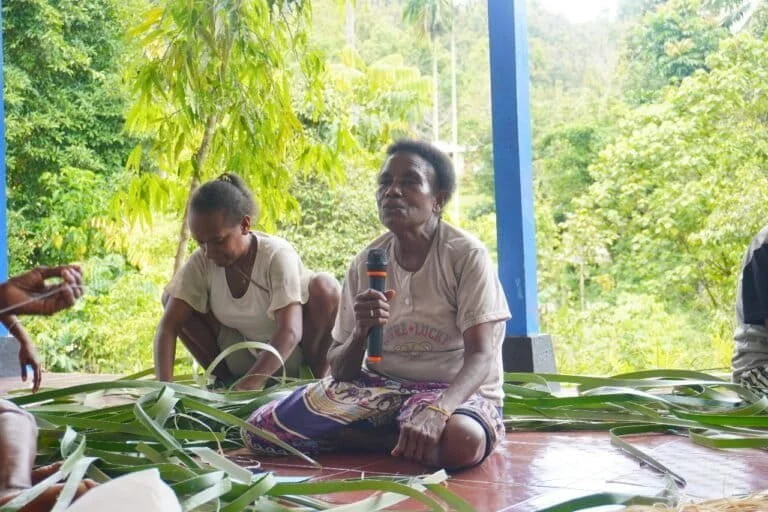
In the lush, towering forests of the Kampung Magis village, located in the Teminabuan District of South Sorong Regency, Southwest Papua, Devianti Sesa finds more than just timber and shade; she finds the literal and metaphorical fibers of her identity. For the 37-year-old indigenous woman of the Nafswa tribe, the forest is an inexhaustible storehouse of traditional medicine, food, and the raw materials required for noken—the iconic, hand-woven bags that serve as the backbone of Papuan cultural and economic life. However, this ancient symbiosis between the people and the land is increasingly threatened by rapid environmental shifts and top-down policy decisions that risk severing the connection between the Papuan people and their ancestral heritage.

The Cultural Significance of Noken

The noken is far more than a simple utility bag. Recognized by UNESCO as an Intangible Cultural Heritage of Humanity since 2012, the noken is a profound symbol of Papuan life. Crafted traditionally from the inner bark of specific trees, such as the melinjo (Gnetum gnemon), the process of weaving is a rite of passage and a daily practice that binds generations together.

In many indigenous Papuan communities, the noken is an indispensable element of social life. It is utilized for everything from carrying agricultural yields from the fields to serving as a mandatory dowry in traditional marriage ceremonies. Devianti notes that there is a strict cultural protocol regarding the material of the noken; synthetic or plastic alternatives, while convenient, are viewed as inappropriate for traditional functions. The authenticity of a noken is tied directly to the health of the surrounding forest. When the forest is degraded or inaccessible, the traditional practice of weaving with tree bark—the very essence of the craft—becomes impossible.

Komunitas Mama Noken Jaga Budaya dan Ekonomi Kampung

A Chronology of a Grassroots Movement

The inception of the "Mama Noken" community did not happen overnight. It was born from a period of self-reflection. In 2019, after participating in various vocational training programs, including sewing and weaving, Devianti realized a jarring disconnect: she had gained skills in textile traditions borrowed from other regions, such as East Nusa Tenggara, yet she felt the urgency to protect the vanishing art of her own ancestors.

By 2021, the Mama Noken community was officially established in Kampung Magis. Starting with just five members, the initiative has expanded to include 15 women, ranging from young women in their 20s to elders in their 50s. This intergenerational bridge is designed to ensure that the traditional techniques of bark stripping, fiber preparation, and intricate knotting are passed down, rather than lost to the convenience of modern, mass-produced plastic bags.

The Crisis of Conservation and Land Sovereignty

While the struggle to keep a craft alive is significant, the most pressing threat to the Mama Noken community is external: the unilateral designation of their ancestral forests as "state-owned conservation areas." In recent months, community members discovered that large swaths of the forest they have managed for generations had been reclassified by the government without prior consultation or community involvement.

This administrative shift carries profound implications. In the eyes of the indigenous Nafswa people, this is a form of "green grabbing"—where land is taken for conservation purposes under the guise of environmental protection, but in reality, it alienates the very people who have protected the biodiversity of these forests for centuries.

Komunitas Mama Noken Jaga Budaya dan Ekonomi Kampung

For Devianti and her peers, the forest is not a "vacant" or "untouched" wilderness that requires state protection. It is a managed landscape. The restriction of access to these areas means that the raw materials for noken-making, which were once free and abundant, now require either travel to more distant areas or the expenditure of money to acquire—an economic burden that many in the village are ill-equipped to bear.

Economic Viability and Community Resilience

Despite the obstacles, the Mama Noken community has created a self-sustaining economic model. The group produces not only noken but also bracelets, necklaces, and other woven goods. The financial mechanism is structured to ensure collective resilience:

  • Pricing: Products are sold based on complexity, ranging from 150,000 IDR to 500,000 IDR per item.
  • Revenue Distribution: Sales are divided between individual profit and a community fund. The community fund is explicitly designated for the purchase of materials during shortages and for providing food during collective weaving sessions.
  • Operations: The group serves as a cooperative, ensuring that no member is left behind and that the cost of production is shared among the collective.

However, the community faces significant hurdles in market expansion. Without a digital presence or formal marketing infrastructure, they remain reliant on local, word-of-mouth trade. The lack of access to broader markets limits their ability to scale the economic benefits of their craft, which in turn weakens their argument for the economic importance of preserving their ancestral lands.

Implications of Losing Traditional Knowledge

The potential loss of the noken tradition is indicative of a broader crisis facing indigenous communities across Papua. When children no longer learn to weave, they lose a tangible link to their history, their environment, and their social responsibilities. Research on indigenous knowledge systems consistently demonstrates that when traditional practices vanish, the ecological knowledge associated with them—such as which trees to harvest and how to manage forest growth—disappears alongside them.

Komunitas Mama Noken Jaga Budaya dan Ekonomi Kampung

The "Mama Noken" movement is, therefore, a dual-purpose struggle. It is a cultural preservation project and a political act of resistance. By continuing to operate within the forests that have been declared state-owned, the women are asserting their right to exist and their role as the primary guardians of the land.

Expert Analysis and Future Outlook

The case of the Nafswa tribe highlights the friction between top-down conservation policies and indigenous rights. Environmental policy analysts argue that excluding local communities from forest management is often counterproductive. Indigenous peoples manage nearly 28% of the world’s land surface, and their presence is consistently linked to lower rates of deforestation and higher levels of biodiversity.

If the government continues to enforce conservation status without acknowledging customary land rights, it risks creating a "paper park"—an area that is protected on legal documents but neglected on the ground, potentially leading to increased illegal encroachment by third parties who have no traditional connection to the land.

For the women of Kampung Magis, the path forward is clear: they are calling for the state to rescind the unilateral conservation status of their ancestral forest. They argue that the protection of the forest is inherently tied to the protection of the people who live within it. Without access to their forests, the cultural and economic vitality of the Papuan people will inevitably decline, turning a vibrant, living culture into a museum piece.

Komunitas Mama Noken Jaga Budaya dan Ekonomi Kampung

As the Mama Noken community continues to weave, they are not just creating bags; they are weaving a narrative of resilience. Every knot tied in a piece of melinjo bark is a rejection of the idea that their land is empty and that their traditions are obsolete. The future of the Papuan identity, they argue, is inextricably linked to the standing trees of their ancestral home. Whether the state will recognize this connection remains the defining question for the region’s indigenous rights movement.

November 6, 2026 0 comment
0 FacebookTwitterPinterestEmail
Science

The Draken Harald Harfagre and the Call for Volunteers to Restore a Cinematic Icon

by admin November 6, 2026
written by admin

The Draken Harald Harfagre, a monumental 114-foot-long reconstruction of a Viking-era longship, has captured the public imagination both as a masterpiece of maritime archaeology and as a high-profile Hollywood set piece. Following its rigorous performance in Christopher Nolan’s cinematic adaptation of The Odyssey, the vessel is now preparing for a mandatory maintenance cycle. The ship’s stewards have officially launched a global recruitment drive, seeking volunteers to assist in the complex, labor-intensive preservation of this wooden titan. Scheduled to commence on April 10, 2027, in Norway, the four-week restoration initiative offers a rare opportunity for maritime enthusiasts to engage with a vessel that has effectively bridged the gap between historical reenactment and modern blockbuster production.

A Legacy of Construction and Historical Ambition

The Draken Harald Harfagre is not merely a prop; it is a manifestation of an ambitious effort to revive the shipbuilding techniques of the Viking Age. Commissioned in 2010 by the Norwegian entrepreneur and oil magnate Sigurd Aase, the project was born from a desire to move beyond the static exhibits of museums and test the limits of ancient maritime engineering.

Construction of the vessel utilized traditional methods documented in historical skaldic poetry and archaeological findings, most notably the Gokstad ship, which dates back to approximately 890 CE. The result is a 114-foot-long, 26-foot-wide oak-planked masterpiece, featuring a single, towering 79-foot mast. Unlike modern fiberglass vessels, the Draken is built using clinker-style construction—overlapping wooden planks fastened with iron rivets—a method that provides the necessary flexibility to navigate the North Atlantic’s volatile currents. The ship’s maiden voyage in 2012 proved that such designs were not only seaworthy but capable of transoceanic travel, a fact solidified in 2016 when the ship successfully retraced the historical Viking route from Norway to Newfoundland.

The Odyssey: From Historical Reenactment to Cinematic Star

Christopher Nolan’s decision to cast the Draken in his adaptation of The Odyssey reflects a broader industry shift toward practical effects over digital manipulation. In an era dominated by computer-generated imagery (CGI), Nolan’s production opted for physical authenticity, utilizing the Draken as the primary galley for the film’s protagonist, Odysseus.

While historical purists have noted that the ship is technically anachronistic for the Late Bronze Age setting of Homer’s epic, the choice highlights a preference for tangible scale. The vessel’s imposing presence on screen provided a visceral quality that digital assets often struggle to replicate. By utilizing the Draken, the production team ensured that the motion of the ship, the stress on the hull, and the interplay of light on the weathered oak were genuine, contributing to the film’s gritty, immersive aesthetic. This partnership has brought the vessel into the contemporary cultural zeitgeist, raising its profile well beyond the circles of maritime history enthusiasts.

The 2027 Maintenance Schedule and Volunteer Requirements

The preservation of a wooden ship of this magnitude is a constant, year-round battle against the elements. The upcoming maintenance window, spanning from April 10 to May 15, 2027, is a critical phase in the vessel’s lifecycle. The work is physically demanding and requires a high level of attention to detail to ensure the ship remains seaworthy for future expeditions and exhibitions.

The project organizers have outlined a series of tasks essential to the Draken’s longevity:

Matt Damon’s ship from ‘The Odyssey’ needs your help
  • Hull Integrity (Clinking): Inspecting and replacing any weakened or compromised oak planks to maintain structural rigidity.
  • Surface Preparation: Scraping the exterior of the hull to remove years of accumulated ocean grime, barnacles, and marine growth.
  • Weatherproofing: Re-tarring the wooden exterior and applying specialized protective coatings to shield the vessel from UV damage and moisture.
  • General Maintenance: Routine upkeep of rigging, mast components, and internal storage systems.

The program is structured into five distinct one-week windows, allowing volunteers to commit to a duration that suits their availability. While the project is open to applicants over the age of 18, organizers have indicated a preference for individuals with prior experience in wooden boat restoration, carpentry, or maritime trades. Successful applicants will be provided with meals and on-site accommodations. Interested parties are encouraged to submit their applications via the official Draken project website.

Institutional Context and Maritime Significance

The maintenance of the Draken serves a dual purpose: the preservation of a tangible piece of history and the continuation of an educational mission. Organizations dedicated to the ship’s upkeep emphasize that the Draken acts as a "floating classroom." By bringing the vessel to various international ports, the crew educates the public on Norse history, Viking navigation, and the ingenuity of early European shipbuilders.

"The ship requires a community to survive," notes a project spokesperson. "The volunteer program is an integral part of this. It allows us to pass down the skills required to maintain wooden vessels, which is a dying art in the age of synthetic materials."

The implications of this maintenance cycle are significant. Should the restoration prove successful, the Draken will be cleared for further international voyages, potentially expanding its itinerary to include new educational outreach programs. Conversely, failure to maintain the vessel to such rigorous standards would likely see the ship relegated to a static, dockside exhibit, losing the mobility that defines its unique character.

Broader Impact: The Value of Practical Preservation

The intersection of Hollywood production and historical restoration offers a fascinating case study in modern cultural preservation. By integrating the ship into a high-budget film, the Draken project has secured funding and visibility that would have been difficult to achieve through traditional grant cycles or museum donations alone. However, this visibility brings with it the pressure to maintain the vessel in pristine, working condition.

As the industry continues to debate the efficacy of practical versus digital effects, the Draken stands as a testament to the enduring appeal of the "real." The ship is not just a remnant of a bygone era; it is a functioning piece of machinery that connects modern audiences to the realities of ancient life. The upcoming volunteer initiative is a testament to the fact that, regardless of the technology available, the survival of such a vessel relies entirely on human dedication and labor.

Looking Toward the Future

As April 2027 approaches, the international maritime community is watching the Draken’s status with interest. The project remains one of the most successful private-led efforts to preserve Viking maritime heritage. Whether the volunteers are drawn by the ship’s Hollywood fame or by a genuine passion for naval history, the outcome will ensure that the Draken remains a functional icon of the seas.

The long-term goal of the Draken Harald Harfagre project is to ensure that the ship can eventually be passed to a new generation of stewards. By facilitating volunteer programs, the organization is building a network of supporters who understand the complexities of maintaining a wooden hull. This, ultimately, is the greatest service the project performs—transforming a passive audience into active participants in the preservation of history. As the ship heads into its next maintenance phase, it remains a symbol of resilience, both in its ability to navigate the open ocean and its capacity to thrive in the modern world.

November 6, 2026 0 comment
0 FacebookTwitterPinterestEmail
Economy

Indonesia Stock Exchange Initiates Formal Examination of Trading Patterns in CASA FUJI and NSSS Amid Concerns Over Market Integrity

by admin November 6, 2026
written by admin

The Indonesia Stock Exchange (BEI) has officially launched a comprehensive examination into the trading activities surrounding three specific equities: PT Capital Financial Indonesia Tbk (CASA), PT Fuji Finance Indonesia Tbk (FUJI), and PT Nusantara Sawit Sejahtera Tbk (NSSS). This regulatory action, confirmed through formal disclosure, underscores the exchange’s commitment to maintaining a fair, orderly, and efficient market environment. By scrutinizing these transactions, the BEI aims to uphold investor protection standards and ensure that market movements reflect genuine demand and supply dynamics rather than artificial manipulation by concentrated interest groups.

Regulatory Context and Supervisory Mandate

Under the regulatory framework governing the Indonesian capital market, the BEI is mandated to perform routine and reactive surveillance on trading activities. This mandate is critical for detecting potential market abuses, such as wash trading, marking the close, or other forms of manipulative behavior that could mislead the investing public. When the exchange detects unusual trading patterns—specifically those characterized by a high degree of concentration among a limited pool of market participants—it is obligated to intervene.

The decision to investigate CASA, FUJI, and NSSS stems from data analytics that flagged these stocks for significant imbalances. In each instance, the BEI’s surveillance division identified that a disproportionate share of the total transaction volume was generated by a small group of investors utilizing a restricted number of securities brokerage firms, commonly referred to as Anggota Bursa (AB). This concentration level is a primary indicator that the liquidity in these stocks may not be organic, prompting the exchange to exercise its supervisory authority.

Chronological Breakdown of Investigated Activities

The scope of the investigation varies significantly across the three stocks, reflecting the distinct patterns observed by the BEI’s market monitoring systems.

For PT Capital Financial Indonesia Tbk (CASA), the exchange has focused its lens on the period between October 26, 2026, and November 2, 2026. This relatively short, one-week timeframe is characterized by an extreme level of concentration. According to the BEI, six individual investors, executing trades through six distinct brokerage firms, were responsible for 98% of the total trading volume in CASA. Such a high degree of exclusivity suggests that the vast majority of the price action during this period was dictated by a single, tightly knit group, leaving retail investors potentially exposed to high levels of volatility and price distortion.

The examination of PT Fuji Finance Indonesia Tbk (FUJI) covers a more expansive window, spanning from March 2, 2026, to October 30, 2026. During this roughly eight-month period, the BEI observed that 16 investors, trading through 10 brokerage firms, accounted for approximately 87% of the total volume. The extended duration of this pattern suggests that the accumulation or distribution of shares in FUJI was not an isolated incident but a sustained strategy implemented by these participants over several months.

Finally, the investigation into PT Nusantara Sawit Sejahtera Tbk (NSSS) covers the longest duration, starting from December 1, 2025, and concluding on October 30, 2026. In this instance, the concentration is less severe in percentage terms—at 52%—but the number of participants is higher, involving 19 investors across 15 brokerage firms. The fact that the concentration involves a larger number of actors and spans nearly a full year indicates a complex distribution of interest that requires a deeper audit of the underlying beneficial ownership and the potential for coordinated trading strategies.

Data Analysis: The Mechanics of Concentration

The concentration figures provided by the BEI are critical indicators of "market thinness" or "artificial liquidity." In a healthy, robust market, trading volume is typically dispersed among a vast array of institutional and retail participants, ensuring that no single entity can unduly influence the price.

When a handful of investors control 98% of the volume, as seen in the case of CASA, the stock effectively ceases to trade based on public information or fundamental corporate performance. Instead, it becomes a "closed-loop" system. From a regulatory perspective, this triggers alarms regarding potential violations of the Capital Market Law. While the BEI has been careful to state that these examinations are preliminary and do not yet constitute a formal finding of guilt or regulatory breach, the statistical anomalies are sufficient to warrant a deeper look into whether these transactions were conducted for the purpose of creating a false appearance of liquidity.

Official Stance and Guidance for Investors

The BEI has issued clear instructions to all stakeholders, including the listed companies and the brokerage firms involved, to provide full cooperation during the audit process. The exchange has emphasized that the announcement of these examinations—registered under reference numbers Peng-PTE-00001/BEI.WAS/11-2026 (CASA), Peng-PTE-00002/BEI.WAS/11-2026 (FUJI), and Peng-PTE-00003/BEI.WAS/11-2026 (NSSS)—is a standard supervisory measure.

For the general public and retail investors, the BEI provides a standard warning: investment decisions must be anchored in official information disclosed by the issuers. Investors are urged to ignore rumors or unsubstantiated claims circulating on social media or in private messaging groups, which often exacerbate the volatility of stocks experiencing such high concentration. By focusing on fundamental data—such as quarterly financial reports, corporate actions, and official management disclosures—investors can better protect themselves against the risks inherent in stocks that demonstrate irregular trading patterns.

Implications for Market Integrity and Corporate Governance

The ongoing investigation carries significant implications for the broader Indonesian capital market. First, it serves as a deterrent against manipulative practices. By publicly naming the stocks under scrutiny, the BEI signals that it has the technological capability and the regulatory will to track suspicious trading back to individual investor accounts. This transparency is vital for maintaining domestic and international investor confidence in the Indonesian bourse.

Second, it puts the spotlight on the role of brokerage firms. Since the concentration of trades occurs through specific Anggota Bursa, the exchange will likely review whether these brokerage firms performed adequate "Know Your Customer" (KYC) and transaction monitoring protocols. If brokers failed to identify or report suspicious activities by their clients, they could face administrative sanctions.

Third, this event highlights the necessity for better corporate governance among listed firms. While the current investigation focuses on trading behavior, it often raises questions about whether company insiders or large shareholders are involved in, or aware of, the trading patterns that have triggered the BEI’s intervention. As the investigation progresses, the market will be looking for transparency from the management of CASA, FUJI, and NSSS. Should the exchange find evidence of illicit activities, the implications could range from temporary trading suspensions to legal action against the individuals or entities involved.

Conclusion and Future Outlook

As of the date of this report, the examinations remain in the information-gathering phase. The BEI has not indicated a specific timeline for the conclusion of these audits, but standard regulatory procedure suggests that the exchange will consolidate its findings to determine whether there is sufficient evidence to escalate the matter to the Financial Services Authority (OJK) for further enforcement action.

Investors are advised to remain cautious. The volatility associated with stocks under regulatory scrutiny often increases following such announcements as market participants react to the news of the investigation. The BEI’s proactive approach, while potentially unsettling in the short term, is a necessary component of maturing the Indonesian market. By rooting out concentrated, potentially manipulative trading, the exchange is working to ensure that the Indonesian stock market remains a viable and fair platform for long-term capital formation, rather than a venue for speculative, short-term gaming.

The market awaits further updates from the BEI, as the outcomes of these three examinations will likely set a precedent for how the exchange handles similar cases of concentrated trading in the future. For now, the spotlight remains firmly on the transparency of the transactions involving CASA, FUJI, and NSSS, and the ability of the regulatory apparatus to ensure that the playing field remains level for all market participants.

November 6, 2026 0 comment
0 FacebookTwitterPinterestEmail
Economy

Kemenhaj Rilis Daftar Jamaah Haji Khusus Berhak Lunas 2027, Begini Cara Ceknya

by admin November 6, 2026
written by admin

The Ministry of Haj and Umrah (Kemenhaj) has officially released the long-awaited list of special Haj pilgrims who are eligible to settle their payment for the 1448 Hijri/2027 Gregorian special pilgrimage season. Alongside the announcement of the eligible list, the ministry has also outlined the comprehensive procedural mechanism for requesting the refund of balances related to the Special Haj Travel Expenses Deposit (Bipih Kh

usus). This critical administrative milestone is formally governed by official ministerial correspondence, specifically designated as Letter Number S-100/PL/2026.

This policy framework serves as the definitive operational guideline derived directly from the Decree of the Minister of Haj and Umrah of the Republic of Indonesia Number 99 of 2026. The decree specifically addresses the technical instructions for fulfilling the special Haj quota for the 1448 H/2027 M operational period. By issuing these regulations well in advance, the government aims to ensure transparency, predictability, and fairness in the administrative processing of prospective pilgrims who intend to fulfill their religious obligations through special authorized travel channels.

Implementation Timeline and Payment Stages

The operational schedule for the 2027 special Haj payment cycle has been meticulously structured to prevent administrative bottlenecks and to provide prospective pilgrims with sufficient time to organize their financial commitments. According to Ian Heriyawan, the Director General of Haj Services at Kemenhaj, the execution of the special Bipih settlement payment is systematically divided into two distinct phases.

The First Phase, officially designated as the Quota Filling Stage, spans a continuous period of 30 calendar days. This initial window officially commenced on November 6, 2026, and is scheduled to run through December 5, 2026. This foundational stage is exclusively dedicated to special Haj pilgrims who have been officially allocated within the quota matrix for the 1448 H/2027 M pilgrimage year. Furthermore, special priority provisions within this timeframe are explicitly extended to elderly prospective pilgrims, aligning with the government’s ongoing commitment to accommodating vulnerable and senior demographic groups in alignment with national health and age-friendly pilgrimage mandates.

Following the conclusion of the initial phase, subsequent phases will address remaining administrative adjustments, secondary allocations, and potential systematic evaluations. The structured timeline is designed to ensure that all quota slots are efficiently managed, minimizing the risk of forfeiture while maximizing the readiness of the Indonesian contingent bound for the holy land.

Kemenhaj Rilis Daftar Jamaah Haji Khusus Berhak Lunas 2027, Begini Cara Ceknya

Regulatory Foundation and Ministerial Guidelines

The issuance of Letter Number S-100/PL/2026 and the enforcement of Ministerial Decree Number 99 of 2026 represent a concerted effort by Kemenhaj to streamline the complex bureaucratic landscape surrounding special Haj management. In recent years, the management of special Haj quotas—often referred to as Haji Khusus—has garnered intense public scrutiny due to high demand, long waiting lists, and the imperative for absolute financial transparency.

Under the new technical instructions, the Ministry has established rigorous compliance standards for Special Haj Organizers (PIHK). These private operators act as intermediaries between the state and individual pilgrims, facilitating accommodations, transportation, and logistical support in Saudi Arabia. The current guidelines mandate that all PIHK strictly adhere to the payment schedules and reporting mechanisms outlined by Kemenhaj. Failure to comply with the stipulated deadlines risks the forfeiture of allocated quotas, which would then be systematically reallocated to eligible candidates on the waiting list.

The framework also introduces heightened consumer protection measures. By formalizing the mechanism for balance refund applications (Pengajuan Pengembalian Saldo Setoran Bipih Khusus), Kemenhaj provides a clear, legally binding recourse for pilgrims who decide to withdraw their candidacy, experience unavoidable personal circumstances, or fail to meet administrative prerequisites within the designated operational window.

Procedural Mechanics for Checking Eligibility and Completing Payments

Navigating the verification process requires prospective pilgrims to interact with official digital portals managed by the Ministry of Haj and Umrah. Given the proliferation of fraudulent links and unofficial information channels, Kemenhaj has repeatedly urged the public to rely solely on verified government domains and authorized channels for status checks.

How to Check Eligibility Status

  1. Access the Official Portal: Pilgrims must navigate to the official Kemenhaj website or utilize designated integrated digital service applications authorized for special Haj data queries.
  2. Input Identification Credentials: Users are required to enter their official registration number (nomor porsi) provided at the time of initial deposit registration.
  3. Review Status Verification: The system will cross-reference the user’s credentials against the master database established under Decree Number 99 of 2026. Eligible candidates will view an official notification confirming their inclusion in the 1448 H/2027 M settlement roster.
  4. Coordinate with PIHK: Once eligibility is digitally verified, pilgrims must immediately coordinate with their respective Special Haj Organizers to initiate the formal payment process through designated state-owned or sharia-compliant banking institutions.

The Bipih Khusus Settlement Process

The settlement of travel expenses must occur exclusively within the 30-day window of the First Phase (November 6 – December 5, 2026). Pilgrims must ensure that their financial accounts contain the necessary funds to cover the difference between their initial deposits and the total required Bipih Khusus amount for the 2027 season. Transactions completed outside the authorized banking network or past the official deadline will not be recognized by the ministry’s integrated administrative system.

Refund Mechanisms and Financial Safeguards

In tandem with the payment schedules, Kemenhaj has formally detailed the protocol for individuals seeking the return of their special Haj deposit balances. Whether due to personal health issues, financial constraints, or voluntary withdrawal from the 2027 queue, pilgrims retain the legal right to request a refund of their unallocated funds.

The refund mechanism requires the submission of a formal application dossier through the respective PIHK or directly via centralized ministry service desks, depending on the current administrative status of the registration file. The required documentation typically includes:

Kemenhaj Rilis Daftar Jamaah Haji Khusus Berhak Lunas 2027, Begini Cara Ceknya
  • Valid national identification documents (KTP and Family Card).
  • The original proof of initial Bipih Khusus deposit issuance from the bank.
  • A formal written statement of withdrawal bearing a legal stamp (meterai).
  • Active bank account details under the pilgrim’s name for the direct electronic transfer of refunded balances.

Ministry officials have emphasized that administrative processing times for refunds have been optimized to reduce waiting periods, ensuring that funds are returned securely without unjustified friction or bureaucratic delays.

Broader Economic and Logistical Implications

The timely release of the 2027 special Haj eligibility roster carries significant systemic implications for Indonesia’s broader religious tourism and financial sectors. By establishing a predictable timeline nearly a year in advance, travel operators, financial institutions, and logistics providers can better project operational capacities and manage foreign exchange requirements.

Special Haj packages traditionally involve higher financial outlays compared to regular government-managed quotas (Haji Reguler), encompassing premium accommodations, specialized transport, and enhanced health services. The rigorous enforcement of payment deadlines ensures that capital flows into approved escrow and deposit accounts are conducted in an orderly, transparent manner, mitigating systemic financial risks.

Furthermore, the integration of digital verification systems reflects the Indonesian government’s ongoing push toward bureaucratic digitization. By minimizing manual intervention in quota distribution and payment verification, Kemenhaj seeks to eliminate potential loopholes for corruption, malpractice, or administrative oversights that have historically plagued pilgrimage management sectors.

As the 30-day window for the First Phase progresses toward its December 5, 2026 deadline, industry observers and religious community leaders alike will closely monitor compliance rates. The success of this operational cycle will serve as an important benchmark for future administrative reforms within Indonesia’s expansive religious pilgrimage ecosystem, ultimately safeguarding the rights and financial interests of prospective pilgrims nationwide.

November 6, 2026 0 comment
0 FacebookTwitterPinterestEmail
Newer Posts
Older Posts

Posts Slider

The Vanishing Ancestral Canopy: Indigenous Batin Sembilan Women...

November 17, 2026

Barack Obama Kaget IShowSpeed Bisa Bahasa Indonesia, Langsung...

November 16, 2026

AI Memory: JotMe Learns Your Context Before It...

November 16, 2026

Saudi Arabia Replaces Coalition Commander in Yemen Amidst...

November 16, 2026

Conflict Escalation in Yemen as Houthi Militants Advance...

November 16, 2026

Popular Posts

  • 1

    Indonesia’s Domestic Market Obligation Policy for Palm Oil Proves Effective in Stabilizing Minyakita Prices Amidst Broader Market Dynamics.

    April 16, 2026
  • 2

    Extra Playtime Strengthens the Emotional Bond Between Owners and Dogs According to New Research

    April 22, 2026
  • 3

    Jangan Sampai Ketinggalan! Skill Excel Ini Bisa Bikin Kerja Kamu 2x Lebih Cepat

    April 16, 2026
  • 4

    Mastering Solo Queue in Mobile Legends: Bang Bang: A Deep Dive into Self-Sufficient Carry Heroes

    April 22, 2026
  • 5

    OJK Propels South Sumatra’s Regional Economy with Strategic Export Initiatives and Youth Empowerment

    April 22, 2026

Recent Posts

  • The Vanishing Ancestral Canopy: Indigenous Batin Sembilan Women Fight to Preserve Land Rights Amid Economic Pressures and Cultural Erosion

    November 17, 2026
  • Barack Obama Kaget IShowSpeed Bisa Bahasa Indonesia, Langsung Puji Aksennya

    November 16, 2026
  • AI Memory: JotMe Learns Your Context Before It Translates

    November 16, 2026
  • Saudi Arabia Replaces Coalition Commander in Yemen Amidst Escalating Houthi Territorial Gains

    November 16, 2026
  • Conflict Escalation in Yemen as Houthi Militants Advance Toward Government-Controlled Aden

    November 16, 2026
  • Facebook
  • Twitter

@2021 - All Right Reserved. Designed and Developed by PenciDesign


Back To Top
Nata News
  • Home

We are using cookies to give you the best experience on our website.

You can find out more about which cookies we are using or switch them off in .

Nata News
Powered by  GDPR Cookie Compliance
Privacy Overview

This website uses cookies so that we can provide you with the best user experience possible. Cookie information is stored in your browser and performs functions such as recognising you when you return to our website and helping our team to understand which sections of the website you find most interesting and useful.

Strictly Necessary Cookies

Strictly Necessary Cookie should be enabled at all times so that we can save your preferences for cookie settings.