
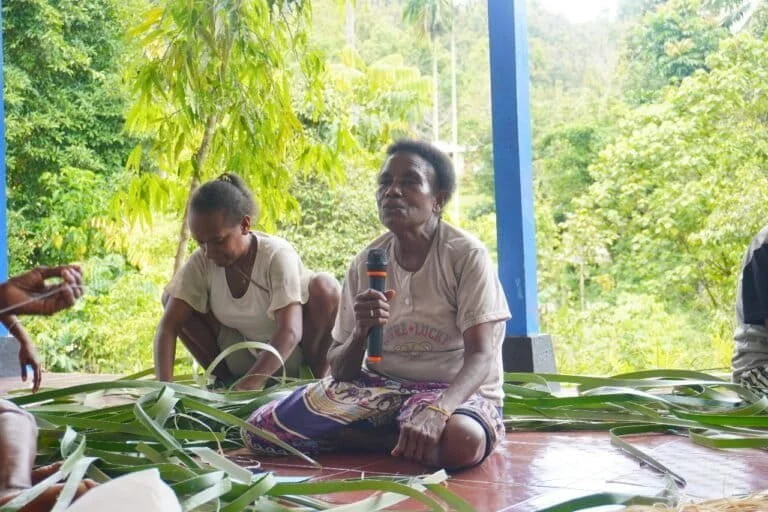
In the lush, towering forests of the Kampung Magis village, located in the Teminabuan District of South Sorong Regency, Southwest Papua, Devianti Sesa finds more than just timber and shade; she finds the literal and metaphorical fibers of her identity. For the 37-year-old indigenous woman of the Nafswa tribe, the forest is an inexhaustible storehouse of traditional medicine, food, and the raw materials required for noken—the iconic, hand-woven bags that serve as the backbone of Papuan cultural and economic life. However, this ancient symbiosis between the people and the land is increasingly threatened by rapid environmental shifts and top-down policy decisions that risk severing the connection between the Papuan people and their ancestral heritage.
The Cultural Significance of Noken
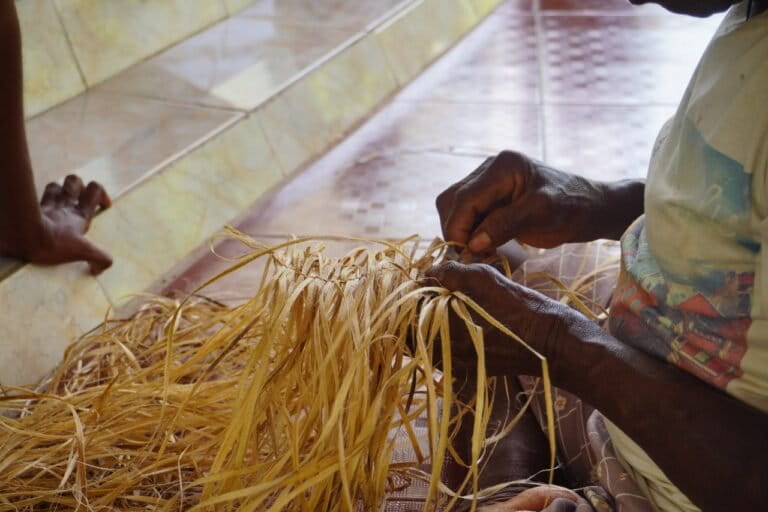
The noken is far more than a simple utility bag. Recognized by UNESCO as an Intangible Cultural Heritage of Humanity since 2012, the noken is a profound symbol of Papuan life. Crafted traditionally from the inner bark of specific trees, such as the melinjo (Gnetum gnemon), the process of weaving is a rite of passage and a daily practice that binds generations together.
In many indigenous Papuan communities, the noken is an indispensable element of social life. It is utilized for everything from carrying agricultural yields from the fields to serving as a mandatory dowry in traditional marriage ceremonies. Devianti notes that there is a strict cultural protocol regarding the material of the noken; synthetic or plastic alternatives, while convenient, are viewed as inappropriate for traditional functions. The authenticity of a noken is tied directly to the health of the surrounding forest. When the forest is degraded or inaccessible, the traditional practice of weaving with tree bark—the very essence of the craft—becomes impossible.
A Chronology of a Grassroots Movement
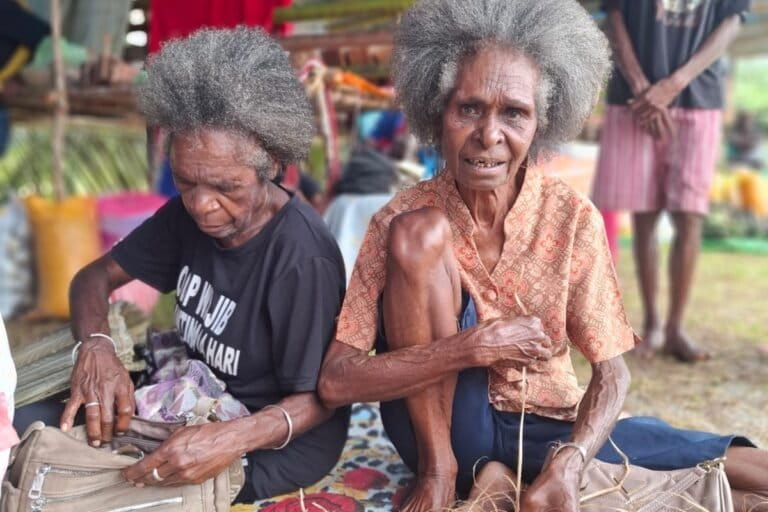
The inception of the "Mama Noken" community did not happen overnight. It was born from a period of self-reflection. In 2019, after participating in various vocational training programs, including sewing and weaving, Devianti realized a jarring disconnect: she had gained skills in textile traditions borrowed from other regions, such as East Nusa Tenggara, yet she felt the urgency to protect the vanishing art of her own ancestors.
By 2021, the Mama Noken community was officially established in Kampung Magis. Starting with just five members, the initiative has expanded to include 15 women, ranging from young women in their 20s to elders in their 50s. This intergenerational bridge is designed to ensure that the traditional techniques of bark stripping, fiber preparation, and intricate knotting are passed down, rather than lost to the convenience of modern, mass-produced plastic bags.
The Crisis of Conservation and Land Sovereignty
While the struggle to keep a craft alive is significant, the most pressing threat to the Mama Noken community is external: the unilateral designation of their ancestral forests as "state-owned conservation areas." In recent months, community members discovered that large swaths of the forest they have managed for generations had been reclassified by the government without prior consultation or community involvement.
This administrative shift carries profound implications. In the eyes of the indigenous Nafswa people, this is a form of "green grabbing"—where land is taken for conservation purposes under the guise of environmental protection, but in reality, it alienates the very people who have protected the biodiversity of these forests for centuries.
For Devianti and her peers, the forest is not a "vacant" or "untouched" wilderness that requires state protection. It is a managed landscape. The restriction of access to these areas means that the raw materials for noken-making, which were once free and abundant, now require either travel to more distant areas or the expenditure of money to acquire—an economic burden that many in the village are ill-equipped to bear.
Economic Viability and Community Resilience
Despite the obstacles, the Mama Noken community has created a self-sustaining economic model. The group produces not only noken but also bracelets, necklaces, and other woven goods. The financial mechanism is structured to ensure collective resilience:
- Pricing: Products are sold based on complexity, ranging from 150,000 IDR to 500,000 IDR per item.
- Revenue Distribution: Sales are divided between individual profit and a community fund. The community fund is explicitly designated for the purchase of materials during shortages and for providing food during collective weaving sessions.
- Operations: The group serves as a cooperative, ensuring that no member is left behind and that the cost of production is shared among the collective.
However, the community faces significant hurdles in market expansion. Without a digital presence or formal marketing infrastructure, they remain reliant on local, word-of-mouth trade. The lack of access to broader markets limits their ability to scale the economic benefits of their craft, which in turn weakens their argument for the economic importance of preserving their ancestral lands.
Implications of Losing Traditional Knowledge
The potential loss of the noken tradition is indicative of a broader crisis facing indigenous communities across Papua. When children no longer learn to weave, they lose a tangible link to their history, their environment, and their social responsibilities. Research on indigenous knowledge systems consistently demonstrates that when traditional practices vanish, the ecological knowledge associated with them—such as which trees to harvest and how to manage forest growth—disappears alongside them.
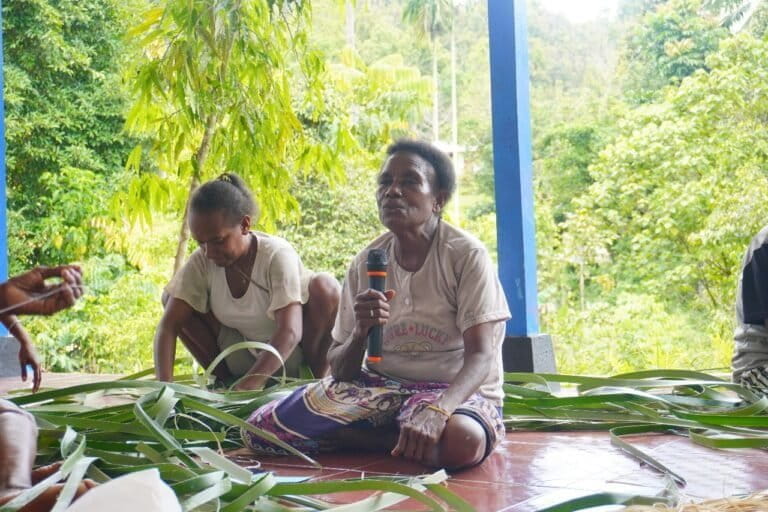
The "Mama Noken" movement is, therefore, a dual-purpose struggle. It is a cultural preservation project and a political act of resistance. By continuing to operate within the forests that have been declared state-owned, the women are asserting their right to exist and their role as the primary guardians of the land.
Expert Analysis and Future Outlook
The case of the Nafswa tribe highlights the friction between top-down conservation policies and indigenous rights. Environmental policy analysts argue that excluding local communities from forest management is often counterproductive. Indigenous peoples manage nearly 28% of the world’s land surface, and their presence is consistently linked to lower rates of deforestation and higher levels of biodiversity.
If the government continues to enforce conservation status without acknowledging customary land rights, it risks creating a "paper park"—an area that is protected on legal documents but neglected on the ground, potentially leading to increased illegal encroachment by third parties who have no traditional connection to the land.
For the women of Kampung Magis, the path forward is clear: they are calling for the state to rescind the unilateral conservation status of their ancestral forest. They argue that the protection of the forest is inherently tied to the protection of the people who live within it. Without access to their forests, the cultural and economic vitality of the Papuan people will inevitably decline, turning a vibrant, living culture into a museum piece.
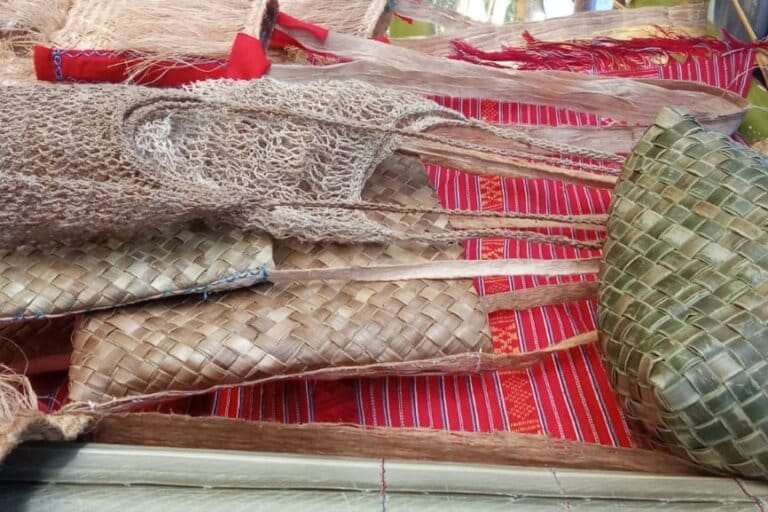
As the Mama Noken community continues to weave, they are not just creating bags; they are weaving a narrative of resilience. Every knot tied in a piece of melinjo bark is a rejection of the idea that their land is empty and that their traditions are obsolete. The future of the Papuan identity, they argue, is inextricably linked to the standing trees of their ancestral home. Whether the state will recognize this connection remains the defining question for the region’s indigenous rights movement.

