• Home
Nata News
keep your memories alive
Sports

Sabar Karyaman Gutama and Moh Reza Pahlevi Isfahani Advance to Second Round of China Open 2026 with Improved Physical Condition

by admin July 21, 2026
written by admin

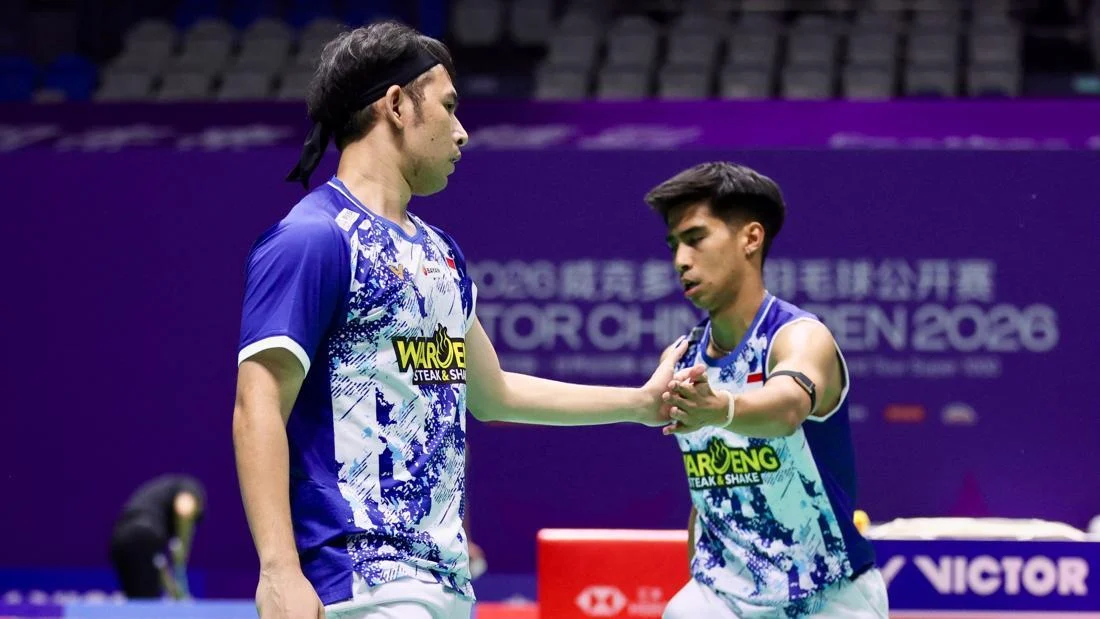
Jakarta – The Indonesian men’s doubles pair, Sabar Karyaman Gutama and Moh Reza Pahlevi Isfahani, have successfully navigated their opening match at the prestigious China Open 2026, securing their spot in the second round. Their decisive victory, achieved with a straight-games win over Malaysia’s emerging duo Aaron Chia and Aaron Tai, was significantly bolstered by a marked improvement in Reza’s physical condition, a crucial factor after a recent setback.

The China Open, a coveted Super 1000 event on the Badminton World Federation (BWF) World Tour, represents one of the pinnacle tournaments in the international badminton calendar. These events offer the highest BWF ranking points and attract the strongest contenders from across the globe, making every match a test of skill, strategy, and resilience. This year’s edition, commencing on Tuesday, July 21, 2026, in [Insert hypothetical city in China, e.g., Shanghai], promises fierce competition as players vie for crucial ranking points and significant prize money.

For Sabar and Reza, the tournament began with a determined performance against the Malaysian pair, who themselves are relatively new to playing together. The Indonesian duo clinched the first game 21-17 and followed up with a similarly dominant 21-19 victory in the second, demonstrating a solid understanding and effective execution of their game plan.

A Return to Form Amidst Challenges

The optimism surrounding Sabar/Reza’s performance is amplified by the personal battle Reza has been fighting. Just the previous week, during the Japan Open, the Indonesian shuttler experienced a recurrence of a back injury. This ailment significantly impacted their performance in Tokyo, curtailing their campaign to the round of 16. The Japan Open, a Super 750 tournament, is also a high-stakes event, and the discomfort Reza experienced undoubtedly hindered their ability to compete at their peak.

"Pastinya bersyukur bisa menang di babak pertama ini. Dengan kondisi lapangan yang berangin plus pasangan duo Aaron yang baru dipasangkan ini kami memang harus waspada dari awal," stated Sabar, reflecting on the opening match through a statement released by the Badminton Association of Indonesia (PBSI). His comments highlight the strategic awareness required, acknowledging the environmental factors like wind conditions often present in indoor arenas and the need to respect the tactical approach of a newly formed partnership.

"Kami coba untuk terus mengontrol pertandingan, terus menekan, mendahului depan untuk lebih berpeluang mendapat poin," Sabar elaborated, detailing their strategy of maintaining control, applying consistent pressure, and being proactive at the net to create scoring opportunities. This proactive approach is a hallmark of successful doubles play, aiming to dictate the tempo of the rallies and force errors from the opposition.

Reza’s Health: A Crucial Turning Point

Moh Reza Pahlevi Isfahani himself provided a positive update on his physical well-being, a factor that was clearly pivotal to their success in the opening round. "Hari ini saya merasa mendingan dibandingkan saat main di Japan Open. Kondisi punggung masih ada terasa sedikit tapi sudah 80% membaik setelah ada beberapa kali treatment kemarin," he shared. This assessment indicates a significant recovery, with his back pain reduced to a manageable level, estimated at 80% improved following dedicated treatment sessions.

The immediate impact of Reza’s improved condition was evident in their fluid movement and aggressive play. While a residual ache remains, the reduction in pain allowed him to commit fully to shots and maintain defensive stability, crucial elements for a doubles player. The commitment to rehabilitation and physiotherapy following the Japan Open has clearly paid dividends, enabling him to participate with renewed confidence.

Looking Ahead: A Familiar Challenge in the Second Round

The draw for the China Open has set up an immediate rematch for Sabar/Reza in the second round. They are slated to face the English pair, Ben Lane and Sean Vendy, a fixture in the men’s doubles circuit. This encounter is a direct carbon copy of their second-round fixture at the Japan Open just a week prior.

In that previous meeting, Sabar and Reza were defeated by Lane and Vendy in straight games, with the scoreline reading 11-21, 17-21. This result undoubtedly serves as a significant point of reference for both pairs. For Sabar and Reza, it presents an opportunity to analyze their previous performance, identify tactical errors, and implement adjustments to overturn the result. For Lane and Vendy, it offers the confidence of a recent victory, but also the challenge of facing an Indonesian pair that is likely to be more determined and potentially better prepared after their recent experience.

"Semoga lusa dan babak-babak selanjutnya bisa semakin membaik jadi saya juga bisa lebih maksimal," Reza expressed his hope for continued physical improvement and enhanced performance in the upcoming rounds. This statement underscores his personal ambition to reach his full potential and contribute more effectively to his partnership. The prospect of further recovery and the chance to exact revenge on a pair that recently defeated them adds an extra layer of intrigue to their next match.

The Significance of Super 1000 Events

The China Open is categorized as a BWF Super 1000 event, the highest tier of the BWF World Tour. These tournaments are characterized by:

  • Highest Ranking Points: Victories at Super 1000 events yield substantial BWF World Ranking points, crucial for players aiming to qualify for major championships like the Olympic Games and for securing favorable seeding in subsequent tournaments. Winning the China Open can propel a pair significantly up the rankings.
  • Elite Competition: All top-ranked players and emerging talents typically participate in Super 1000 events. This means Sabar and Reza are competing against the very best in the world, making every win a significant achievement.
  • Prize Money: These events also offer the most substantial prize money purses on the BWF World Tour, providing a financial incentive for players to perform at their highest level.
  • Prestige and Exposure: Winning a Super 1000 event is a career highlight for any badminton player, bringing immense prestige and recognition within the sport.

The BWF World Tour structure was revamped in 2018, with Super 1000 events forming the apex. The five Super 1000 tournaments are the All England Open, Indonesia Open, China Open, Denmark Open, and the World Tour Finals (which features only the top eight ranked players at the end of the season). The inclusion of the China Open in this elite category highlights its importance and the competitive landscape Sabar and Reza are navigating.

Historical Context and Indonesian Badminton

Indonesia has a rich and storied history in badminton, particularly in the men’s doubles discipline. The nation has produced numerous world champions and Olympic medalists, and the partnership of Sabar Karyaman Gutama and Moh Reza Pahlevi Isfahani is part of the ongoing legacy of Indonesian badminton excellence. Their performance at the China Open, therefore, carries national significance, with fans and the sporting federation keenly observing their progress.

The PBSI, the governing body for badminton in Indonesia, invests heavily in talent development and athlete support. The fact that Sabar and Reza are competing at this level is a testament to the robust development programs in place. The statements from PBSI officials and the athletes themselves highlight the close collaboration between the players and the federation, emphasizing the importance of physical conditioning, strategic preparation, and psychological resilience.

Analysis of the Upcoming Match

The second-round encounter against Ben Lane and Sean Vendy will be a critical test of Sabar and Reza’s ability to adapt and overcome recent defeats. The English pair, while not consistently in the top tier, have proven to be formidable opponents, capable of upsetting higher-ranked players on their day. Their recent victory over the Indonesians at the Japan Open will provide them with a psychological edge.

However, the key factor for Sabar and Reza will be Reza’s continued physical recovery. If he can maintain his improved condition and execute their game plan effectively, they have a strong chance of avenging their earlier loss. Their strategy of control and pressure, as outlined by Sabar, is well-suited to breaking down the defense of pairs like Lane and Vendy.

The implications of a win here are significant. A victory would not only propel them further into a prestigious tournament but would also provide a massive boost to their confidence, particularly for Reza, in managing his injury. It would also solidify their position as a competitive force on the international circuit, further enhancing their BWF ranking points and their prospects for future major events.

The journey of Sabar Karyaman Gutama and Moh Reza Pahlevi Isfahani at the China Open 2026 is a narrative of resilience, strategic adaptation, and the unwavering pursuit of excellence in the demanding world of professional badminton. Their progress in this Super 1000 event will be closely watched, as they aim to build upon their opening-round success and continue their quest for glory on the international stage. The focus now shifts to their next match, where the lessons from the past will be put to the ultimate test.

July 21, 2026 0 comment
0 FacebookTwitterPinterestEmail
Sports

Qatar’s Imminent Manchester United Bid Signals Escalating Economic Disparities in Elite Football

by admin July 21, 2026
written by admin

A potential takeover of Manchester United by Qatari investors, reportedly preparing an initial bid, is poised to further intensify the economic chasm within top-tier football, solidifying the sport’s elite status as a trophy asset for the ultra-wealthy and a vehicle for national ambition. The prospect of the third major English Premier League club falling under the control of oil-rich Middle Eastern investment groups raises significant questions about fairness, competition, and the very fabric of European football.

The Shifting Landscape of Football Ownership

The news, first reported by Bloomberg News on Tuesday, February 14, 2023, indicated that a consortium of Qatari investors is on the verge of submitting an early proposal for the iconic Manchester club. Sources familiar with the matter revealed that officials from the Qatar Investment Authority (QIA), the emirate’s sovereign wealth fund, are actively involved in the preparatory stages, working in conjunction with a local family office. This development has already sent ripples through the financial markets, with Manchester United’s shares experiencing a notable increase in New York trading on the same day, pushing the club’s market capitalization to approximately $3.9 billion USD (around Rp 59.8 trillion at the time).

If Qatar officially backs this bid, its financial muscle makes a successful acquisition seem highly probable. To date, the only other prominent party to publicly express interest is British billionaire Jim Ratcliffe, who has been collaborating with financial giants Goldman Sachs Group Inc. and JPMorgan Chase & Co. on his own potential offer. Ratcliffe, the founder and majority shareholder of the chemical producer Ineos Group Holdings Plc, is recognized as the second-wealthiest individual in the United Kingdom, with an estimated net worth of $13.4 billion USD (approximately Rp 203 trillion), according to the Bloomberg Billionaires Index. While Ratcliffe’s wealth is substantial, it pales in comparison to the estimated $450 billion USD (around Rp 6,826 trillion) managed by the QIA. The ruling Emir of Qatar, Sheikh Tamim bin Hamad Al Thani, is also known to be a fervent supporter of Manchester United, adding a layer of personal interest to the potential transaction.

Navigating Regulatory Hurdles: The UEFA Conundrum

The primary obstacle to any such acquisition, however, is not financial but regulatory. UEFA, European football’s governing body, has stringent rules stipulating that clubs with the same majority owner cannot compete in major European tournaments. This rule is designed to prevent conflicts of interest and ensure a level playing field.

Qatar Sports Investments (QSI), a separate entity from the QIA, already holds a controlling stake in French Ligue 1 club Paris Saint-Germain (PSG). The prospect of another club of Manchester United’s stature and global significance potentially being barred from lucrative competitions like the Champions League would undoubtedly create significant controversy among fan bases and the wider football hierarchy. The viability of the purchase, therefore, hinges on UEFA’s determination of whether QSI and QIA are considered sufficiently independent entities. Adding another layer of complexity, Nasser Al-Khelaifi, the chairman of QSI, also holds a position on UEFA’s executive committee, a role that could invite scrutiny regarding impartiality.

A Precedent and its Implications

This situation echoes previous instances where questions of multi-club ownership have arisen. In 2018, RB Leipzig of Germany and Red Bull Salzburg of Austria were permitted to compete against each other in the Champions League, despite both being part of the broader Red Bull GmbH group. UEFA’s decision at the time was based on its assessment that no single individual or entity held decisive control over both clubs. However, the scale and prominence of Manchester United and PSG present a far more significant challenge to the spirit of UEFA’s regulations.

Even if UEFA deems QSI and QIA to be operationally separate, the acquisition would still place two of the world’s top five revenue-generating clubs under the umbrella of state-backed Qatari investment. This scenario is likely to ignite widespread concern across Europe. Football officials on the continent have already been expressing unease about the overwhelming financial power wielded by Premier League clubs, which they argue distorts regional financial sustainability.

Under Qatari ownership, PSG has been responsible for two of the most expensive player transfers in history: the acquisition of Neymar from Brazil for €222 million ($238 million) in 2017, and Kylian Mbappé the following year for €180 million. Such extravagant spending, while potentially challenging for a Qatar-owned Manchester United in light of recent developments, highlights the financial capacity that such investors bring to the market.

The Premier League’s Financial Scrutiny

The Premier League itself has been intensifying its scrutiny of financial fair play. Just last week, the league formally accused cross-town rivals Manchester City, owned by Abu Dhabi’s state-backed City Football Group, of over 100 breaches of its financial regulations. This ongoing investigation casts a shadow over the financial practices of clubs with significant state investment. Meanwhile, Newcastle United, acquired by Saudi Arabia’s Public Investment Fund (PIF) in 2021, has demonstrated a more measured approach to spending compared to Manchester City or Chelsea, which was purchased by American investor Todd Boehly from Russian oligarch Roman Abramovich in 2022.

The Glazer family, the current owners of Manchester United, have reportedly been seeking a valuation of up to $6 billion USD for the club, according to Bloomberg News reports from the previous year. This valuation would translate to an enterprise value to EBITDA (earnings before interest, taxes, depreciation, and amortization) ratio exceeding 60 times. Despite a relative dip in on-field success over the past decade, Manchester United boasts an unparalleled history and the largest global fanbase among Premier League clubs, making it an exceptionally attractive, albeit expensive, proposition.

For the legions of Manchester United fans who have long criticized the Glazer ownership for what they perceive as excessive debt burdens and underinvestment, the prospect of a Qatari takeover could be met with cautious optimism. Many would welcome a scenario where their club achieves a financial footing comparable to that of their well-resourced, state-backed rivals.

A Historical Perspective on Ownership Changes

The potential Qatari bid for Manchester United is not an isolated event but part of a broader trend of significant investment in English football by entities from the Middle East. This trend began to accelerate in the early 2000s.

  • 2003: Roman Abramovich, a Russian oligarch, acquired Chelsea Football Club, ushering in an era of unprecedented spending and success for the London club.
  • 2008: The Abu Dhabi United Group, led by Sheikh Mansour bin Zayed Al Nahyan, purchased Manchester City. This acquisition marked the beginning of a dramatic transformation for the club, propelling it into one of the elite forces in English and European football through substantial investment in players, infrastructure, and personnel.
  • 2011: Qatar Sports Investments (QSI), a subsidiary of the Qatar Investment Authority, acquired Paris Saint-Germain. Similar to Manchester City, PSG experienced a meteoric rise, attracting world-class talent and becoming a dominant force in French football and a contender in European competitions.
  • 2021: The Saudi Public Investment Fund (PIF) completed its controversial takeover of Newcastle United. This move signaled Saudi Arabia’s increasing ambition in the global football landscape.

The current situation with Manchester United, should the Qatari bid materialize, represents the next significant chapter in this evolving narrative of global capital reshaping the ownership structures of the world’s most popular sport.

The Economic and Sporting Ramifications

The implications of a Qatari takeover of Manchester United extend far beyond the club’s immediate financial health. It raises critical questions about:

  • Competitive Balance: The sheer financial resources available to state-backed entities can create an uneven playing field, making it exceedingly difficult for clubs without similar backing to compete for top talent and trophies. This can stifle organic growth and lead to a more concentrated group of super-clubs dominating the sport.
  • Financial Sustainability: While Premier League clubs are subject to Financial Fair Play (FFP) regulations, the immense wealth behind some owners can create pressure to push the boundaries of these rules. The recent charges against Manchester City underscore the ongoing tension between investment and regulation.
  • National Ambition and Soft Power: For nations like Qatar, investing in globally recognized football clubs serves as a powerful tool for enhancing national prestige, promoting tourism, and projecting soft power on the international stage. The visibility and emotional connection associated with a club like Manchester United are invaluable assets in this regard.
  • Fan Engagement and Club Identity: While fans may welcome investment that leads to on-field success, there is also a growing concern about the commercialization of the sport and the potential erosion of traditional club identities when ownership is primarily driven by external economic or geopolitical interests.

The coming weeks and months will be crucial in determining the trajectory of this potential acquisition. The football world will be watching closely to see how regulatory bodies like UEFA navigate this complex situation, and what the ultimate impact will be on the delicate balance of power and economics in elite football. The potential for a Qatari-led Manchester United is a potent symbol of the sport’s increasing globalization and the growing influence of sovereign wealth funds in its most coveted assets.

July 21, 2026 0 comment
0 FacebookTwitterPinterestEmail
Automotive

Fabio Quartararo Signs Multi-Year Agreement with Honda Racing Corporation to Lead New Era of MotoGP Starting in 2027

by admin July 21, 2026
written by admin

In a move that has sent shockwaves through the international motorcycling community, Honda Racing Corporation (HRC) has officially confirmed the signing of 2021 MotoGP World Champion Fabio Quartararo for the 2027 and 2028 seasons. The French rider, widely regarded as one of the most naturally gifted talents on the grid, will spearhead Honda’s factory efforts as the premier class of motorcycle racing undergoes its most significant technical transformation in two decades. The announcement marks a definitive turning point for both the rider and the manufacturer, signaling a shared ambition to return to the pinnacle of the sport during the transition to 850cc engine regulations.

The partnership between Quartararo and Honda represents a strategic alignment designed to coincide with the introduction of new technical rules in 2027. Under these regulations, MotoGP will move from the current 1,000cc engines to 850cc power units, alongside significant restrictions on aerodynamic developments and the total prohibition of ride-height devices. By securing Quartararo’s services well in advance, HRC aims to build its next-generation prototype around the specific feedback and riding style of "El Diablo," ensuring that the Japanese giant is prepared to reclaim its historical dominance from the very first race of the new era.

A Career Defined by Speed and Precision

Fabio Quartararo’s journey to the factory Honda seat is a narrative of rapid ascension and resilient performance. Born in Nice, France, in 1999, Quartararo was a child prodigy who dominated the Spanish CEV Repsol series, winning back-to-back titles in 2013 and 2014. His arrival in the world championship was met with immense hype, and while his time in Moto3 and Moto2 saw flashes of brilliance—including a notable victory at the Catalan Grand Prix—it was his move to the premier class in 2019 that truly revealed his world-class potential.

Debuting with the Petronas Yamaha SRT satellite team, Quartararo defied expectations by securing six pole positions and seven podium finishes in his rookie year. His ability to extract maximum performance from the Yamaha M1, particularly in qualifying, quickly established him as the primary challenger to the then-dominant Marc Marquez. In 2021, having moved to the factory Yamaha squad, Quartararo reached the zenith of the sport, claiming the MotoGP World Championship with five race wins and ten podiums. He followed this with a valiant runner-up finish in 2022, a season where he led the standings for much of the year despite a clear machinery deficit compared to the burgeoning Ducati era.

To date, Quartararo’s premier class resume includes 11 victories, 32 podium appearances, and 21 pole positions. These statistics, achieved largely during a period of shifting power dynamics in MotoGP, underscore his status as a rider capable of making a difference regardless of the technical challenges at hand.

The Strategic Importance of the 2027 Technical Reset

The decision to join Honda for the 2027 season is intrinsically linked to the overhaul of MotoGP’s technical regulations. The shift to 850cc engines is not merely a reduction in displacement; it is a fundamental "reset" of the competitive landscape. For Honda, which has struggled to find its footing since the 2020 season due to a combination of rider injuries and a developmental philosophy that fell behind European manufacturers like Ducati, KTM, and Aprilia, 2027 represents a clean slate.

The new ruleset focuses on reducing top speeds and improving safety while emphasizing rider skill by limiting the influence of complex electronics and aerodynamics. By pairing with Quartararo, Honda is investing in a rider known for high corner speed and incredible front-end feel—attributes that are expected to be critical under the 850cc regulations. This long-term commitment allows HRC engineers to integrate Quartararo into the development cycle of the new bike as early as 2026, ensuring that the ergonomics, power delivery, and chassis characteristics are tailored to his requirements.

Strengthening the Pipeline: The Signing of David Alonso

While Quartararo represents the immediate veteran leadership Honda requires, the manufacturer is also looking toward the long-term future. Alongside the Quartararo announcement, HRC has confirmed the signing of David Alonso, the rising star from Colombia who has been dominating the junior categories. Alonso, currently a standout performer in the Moto2 class, is viewed as the next generational talent in the mold of Marc Marquez or Pedro Acosta.

Alonso’s trajectory has been nothing short of spectacular. After a record-breaking stint in Moto3, where he displayed tactical maturity beyond his years, he transitioned to Moto2 and continued his winning ways. With 20 career wins and 30 podiums across the smaller classes, Alonso has proven himself to be a versatile and aggressive competitor.

According to the official timeline provided by HRC, Alonso will continue his development in the intermediate class before making his highly anticipated debut on a Honda 850cc machine during the post-season Valencia test in late 2026. While his specific team placement for 2027—whether it be the factory HRC squad or a closely supported satellite team—has not been finalized, his inclusion in the Honda roster highlights a multi-tiered strategy to ensure the brand has both proven champions and elite prospects.

Chronology of the Deal and Market Impact

The path to this blockbuster agreement began during the 2024 season, a period characterized by intense "silly season" rumors. With Quartararo’s previous contract entering its final stages and Honda seeking a marquee name to replace the void left by Marc Marquez’s departure to the Ducati family, negotiations intensified behind closed doors.

  1. Late 2024: Initial contact between HRC management and Quartararo’s representatives focused on the feasibility of the 2027 project.
  2. Early 2025: Honda presented a comprehensive technical roadmap for the 850cc era, including a massive increase in R&D investment and a restructuring of their European-based testing team.
  3. Mid 2025: David Alonso’s preliminary agreement was secured, signaling Honda’s commitment to a youth movement.
  4. Present Day: Official confirmation of Quartararo’s two-year contract for 2027 and 2028.

The implications of this move for the rest of the paddock are profound. Yamaha now faces the daunting task of finding a replacement for the rider who has been their sole consistent performer for half a decade. Meanwhile, the move validates Honda’s resurgence as a destination for top-tier talent, dispelling concerns that the RC213V’s recent struggles would deter the world’s best riders.

Analysis of Implications: A New Era for HRC

The signing of Fabio Quartararo is more than a simple transfer; it is a statement of intent from the world’s largest motorcycle manufacturer. For years, Honda’s philosophy was built around a "rider-centric" approach, specifically tailored to Marc Marquez. The struggles of subsequent riders like Joan Mir, Luca Marini, and Jorge Lorenzo highlighted the difficulty of that singular focus.

By bringing in Quartararo, Honda is signaling a shift toward a more balanced developmental path. Quartararo’s riding style is often described as "surgical," relying on precision and momentum rather than the "point-and-squirt" aggression that characterized the previous Honda era. If HRC can deliver a chassis that provides the feedback Quartararo demands, the combination could prove to be the most formidable pairing on the grid.

Furthermore, the financial and technical resources at Honda’s disposal cannot be underestimated. With the 2027 regulations limiting certain areas of development, the battle will shift toward engine efficiency and chassis geometry—areas where Honda’s historical engineering prowess has traditionally excelled.

Official Reactions and Expectations

While official press releases from HRC emphasize "pride and excitement," internal sources suggest a renewed sense of urgency within the factory at Asaka. The goal is clear: to spend the 2025 and 2026 seasons refining the current package while simultaneously pouring every available resource into the 2027 prototype.

Quartararo’s camp has expressed confidence in the project, noting that the long-term nature of the contract provides the stability needed to build a championship-winning program from the ground up. For the fans, the prospect of seeing "El Diablo" in the iconic Repsol-inspired colors (or a new 2027 branding) adds a layer of intrigue to a sport that is currently seeing a European manufacturer’s hegemony.

As MotoGP approaches the end of the 1,000cc era, the narrative is no longer just about who is winning today, but who is best positioned for tomorrow. With Fabio Quartararo and David Alonso secured, Honda has arguably the strongest future-proof lineup in the paddock. The 2027 season will not only debut a new class of motorcycles but will also mark the beginning of what Honda hopes will be a return to the "Golden Era" of HRC dominance, led by a Frenchman determined to reclaim his crown.

July 21, 2026 0 comment
0 FacebookTwitterPinterestEmail
Travel

Trans Studio Bandung Enhances Regional Tourism Appeal Through Strategic Joliday Deals and World-Class Indoor Attractions

by admin July 21, 2026
written by admin

Trans Studio Bandung, recognized as one of the premier indoor theme parks in Southeast Asia, has officially launched its "Joliday Deals" promotional campaign, a strategic initiative designed to bolster domestic tourism and provide accessible high-quality entertainment for families and social groups. Situated in the heart of Bandung, West Java, the park continues to serve as a cornerstone of the regional leisure industry, offering a sophisticated blend of adrenaline-inducing rides, theatrical performances, and educational exhibits. The latest promotional offering provides a significant price reduction for group bookings, specifically targeting the mid-year travel window which traditionally sees a surge in local visitors seeking climate-controlled entertainment options.

Under the Joliday Deals framework, the park has introduced a tiered pricing structure that incentivizes group attendance. For weekday visits, a bundle of three tickets is priced at Rp408,000, while the weekend equivalent is set at Rp498,000. This pricing strategy reflects a broader trend in the global leisure sector where "bundled" or "family-pack" pricing is used to increase per-capita spending within the venue while lowering the barrier to entry for larger cohorts. The promotion is scheduled to remain active until July 24, 2024, emphasizing a limited-time opportunity for residents and tourists alike to experience the facility’s world-class infrastructure at a subsidized rate.

A Comprehensive Overview of World-Class Facilities

Trans Studio Bandung occupies a massive indoor area, making it a unique asset in Indonesia’s tourism portfolio where tropical weather patterns often disrupt outdoor activities. The park is meticulously divided into several themed zones, each designed to provide a distinct atmosphere and narrative experience. These zones—Studio Central, Lost City, and Magic Corner—house dozens of attractions that cater to a wide demographic spectrum, from toddlers to high-adrenaline seekers.

In Studio Central, visitors are transported to the "Golden Age of Hollywood," featuring 1960s-style architecture and a variety of attractions that celebrate the art of filmmaking. This zone is home to the Yamaha Racing Coaster, one of the park’s flagship installations. As one of only three of its kind in the world, this coaster utilizes advanced magnetic propulsion technology to accelerate from zero to high speeds in a matter of seconds, including a unique reverse-motion sequence that has become a hallmark of the Trans Studio brand.

The Magic Corner offers a more mystical and atmospheric environment, utilizing high-end set design and special effects to create an immersive "fantasy" experience. Meanwhile, the Lost City zone focuses on adventure and exploration, featuring the "Jelajah" ride, which simulates an expedition through a dense jungle, culminating in a high-speed water descent. The diversity of these rides ensures that the park remains competitive with international standards found in theme parks in Singapore or Hong Kong.

The Strategic Importance of the Joliday Deals Promotion

The timing of the Joliday Deals is no coincidence. Market analysts suggest that the period leading up to late July is a critical window for the Indonesian hospitality sector. As the school holiday season transitions back into the academic year, theme parks often experience a "softening" of demand. By implementing the Joliday Deals until July 24, Trans Studio Bandung is effectively maintaining its visitor volume during a period that might otherwise see a cyclical dip.

Furthermore, the requirement to purchase tickets in sets of three is a calculated move to tap into the "social circle" or "community" spending habit prevalent in Indonesian culture. In the Indonesian market, leisure activities are rarely individualistic; they are communal. By lowering the price point for groups of three, the park encourages "peer-to-peer" marketing, where individuals actively recruit friends or family members to join them to unlock the discount. This communal consumption model not only fills the park’s capacity but also drives secondary revenue streams, such as food and beverage sales and merchandise purchases within the Trans Studio Mall complex.

Chronology and Accessibility via Digital Platforms

The Joliday Deals campaign was initiated to capture the momentum of the mid-year holiday season. Since its launch, the promotion has seen a significant uptick in digital engagement. Trans Studio Bandung has integrated its ticketing system with detikevent, a prominent digital ticketing platform in Indonesia. This integration serves several logistical purposes:

  1. Inventory Management: By funneling sales through a centralized digital platform, the park can monitor real-time attendance figures and prevent overcrowding, ensuring that the visitor experience remains high-quality.
  2. Data Analytics: Digital booking allows the management to gather data on visitor demographics, peak booking times, and regional origin, which will inform future marketing strategies.
  3. Consumer Convenience: The shift toward digital-first ticketing mirrors the broader digital transformation of the Indonesian economy, allowing users to secure their slots without the need for physical queuing.

The promotional window closes on July 24, and park management has urged potential visitors to finalize their bookings early. Historical data from previous promotions suggests that the final week of such deals often sees a "last-minute" surge, leading to sold-out slots for weekend dates.

Supporting Data: Bandung as a Tourism Hub

Bandung’s position as a tourism powerhouse provides the necessary backdrop for Trans Studio’s success. According to data from the West Java Tourism and Culture Office (Disparbud), Bandung remains the top destination for domestic tourists in the province. The city’s accessibility has been further enhanced by the inauguration of the Whoosh high-speed rail, which connects Jakarta to Bandung in under 45 minutes. This technological leap has significantly expanded the "day-trip" market for Trans Studio Bandung, allowing residents of the capital city to visit the theme park and return home within a single day.

The presence of an indoor theme park of this scale also contributes significantly to the local economy. It provides employment for hundreds of staff members, including technicians, performers, hospitality professionals, and administrative personnel. Moreover, the synergy between the theme park and the adjacent Trans Luxury Hotel and Trans Studio Mall creates a "self-contained ecosystem" that encourages longer stays and higher expenditure within the city’s Integrated Trans Studio Complex.

Spectacles and Performances: Beyond the Rides

While the mechanical rides are the primary draw for many, Trans Studio Bandung distinguishes itself through its commitment to live entertainment. The park hosts several "spectacular" shows throughout the day, ranging from acrobatic performances to high-tech light shows and parades. These performances are designed to provide "dwell time" relief, allowing visitors to rest between high-intensity rides while still being entertained.

One of the most notable features is the "Magical Parade," which utilizes elaborate floats, professional dancers, and synchronized music to create a festive atmosphere that rivals international parks. For many families, these shows represent the "added value" that justifies the ticket price. In the context of the Joliday Deals, the inclusion of all shows within the ticket price makes the Rp136,000 to Rp166,000 per-person effective rate (when split among three) exceptionally competitive compared to other entertainment options like cinema or standalone high-end restaurants.

Operational Standards and Safety Protocols

As a world-class facility, Trans Studio Bandung adheres to rigorous safety standards. The theme park industry is heavily regulated, and the rides at Trans Studio are subject to regular inspections by both internal engineers and external safety auditors. This focus on safety is a critical component of the brand’s reputation. In an era where consumer reviews and social media can instantly impact a business’s credibility, maintaining an unblemished safety record is paramount.

The park’s operational philosophy also emphasizes "visitor flow management." Even during peak promotion periods like the Joliday Deals, the indoor layout is designed to handle thousands of visitors simultaneously without creating bottlenecks. The air conditioning and ventilation systems are high-capacity, ensuring that the indoor environment remains comfortable despite the high humidity and temperatures often found outside in West Java.

Implications for the Indonesian Leisure Industry

The success of Trans Studio Bandung and its promotional strategies offers several insights into the future of the Indonesian leisure industry. First, it demonstrates the resilience of the "Integrated Resort" model, where retail, hospitality, and entertainment are co-located. Second, it highlights the growing importance of "weather-proof" tourism. As climate change makes outdoor temperatures and weather patterns more unpredictable, indoor facilities offer a reliable alternative for event planners and families.

Furthermore, the use of targeted promotions like Joliday Deals indicates a maturing market where operators are using data-driven pricing to optimize occupancy. By focusing on "circle-based" groups, Trans Studio is acknowledging that the modern consumer values shared experiences above all else. This shift from "mass tourism" to "curated group experiences" is likely to define the next decade of the Indonesian entertainment landscape.

Conclusion and Final Recommendations

Trans Studio Bandung’s Joliday Deals represents more than just a discount; it is a strategic effort to democratize world-class entertainment and stimulate the regional economy of Bandung. With the promotion set to expire on July 24, the window for consumers to take advantage of these rates is rapidly closing. The park’s blend of high-speed thrills, immersive storytelling, and professional live performances ensures that it remains a benchmark for the industry in Asia.

For the city of Bandung, the continued popularity of the park reinforces its status as a premier travel destination. As infrastructure improvements like the high-speed rail continue to bridge the gap between regional hubs, facilities like Trans Studio Bandung are well-positioned to lead the recovery and growth of the post-pandemic tourism sector. Visitors are encouraged to utilize the detikevent platform to secure their tickets, ensuring they do not miss out on one of the most significant value-added promotions of the 2024 calendar year.

July 21, 2026 0 comment
0 FacebookTwitterPinterestEmail
Science

The Struggle of Pulau Kera Fishermen Against Forced Relocation and Tourism Development in East Nusa Tenggara

by admin July 21, 2026
written by admin

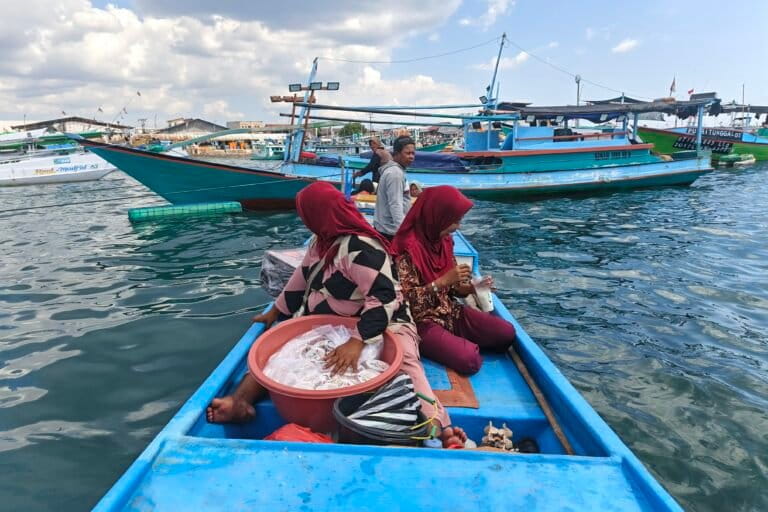
On a bright Monday morning in June, Novry steered his fiberglass boat across the glistening waters of Kupang Bay, heading toward the small enclave of Pulau Kera. Accompanied by his wife and several neighbors, he was returning from the Oeba Market in Kupang City, the capital of East Nusa Tenggara (NTT). The group had spent the early hours selling their fresh catch—a bounty of tuna and skipjack—and were now returning with essential supplies: clean water, rice, and household goods. For the inhabitants of Pulau Kera, this nautical commute is not merely a routine; it is the pulse of a community that has lived in harmony with the sea for over a century.

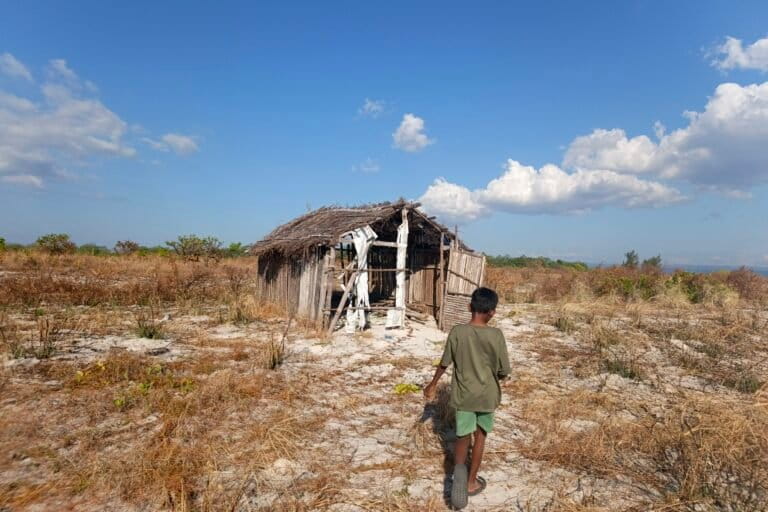
Pulau Kera, located within the Sulamu District of Kupang Regency, is a 45-hectare island home to approximately 120 families, totaling more than 500 people. The majority of the residents belong to the Bajo ethnic group, originally hailing from Buton and Wakatobi. Known historically as "Sea Nomads," the Bajo people of Pulau Kera represent the fifth generation of settlers on the island. Despite their long-standing presence, they now find themselves at the center of an intensifying conflict between traditional land rights and large-scale tourism investment.

Ketika Ancaman Relokasi Terus Hantui Warga Pulau Kera

A Life Sustained by the Sea

For Novry, who serves as the Chairman of the Pulau Kera Fishermen’s Union (SNPK), the island is a divine gift. His perspective reflects a deep-seated cultural philosophy where the ocean is not just a resource, but a co-habitant. "Pulau Kera is God’s grace. The most important thing is that we can live side by side with the sea; that is enough for us," Novry stated. The economic reality of the island supports his sentiment. By utilizing traditional fishing methods and fish aggregating devices known as rumpon, the fishermen harvest tuna, skipjack, and mackerel.

The division of labor on the island is a testament to the community’s resilience. Nana, a female fisherman, begins her workday before dawn. She maintains her husband’s boat, repairs the ropes for the rumpon, and frequently joins the fishing expeditions. During the day, she transitions to the shoreline to harvest seaweed, a task that continues until dusk. "From this sea, we can live," Nana explained. "The catch and the seaweed are sufficient to meet our family’s daily needs."

The financial data underscores a degree of self-sufficiency that contradicts government narratives of extreme poverty. On average, a family involved in seaweed cultivation can earn approximately Rp1.5 million per month. When combined with fishing yields, which average between Rp2 million and Rp3 million monthly, a household’s total income often surpasses the regional minimum wage. This income allows the residents to not only survive but also to fund their children’s education and maintain their communal lifestyle, despite the lack of state-provided infrastructure.

Ketika Ancaman Relokasi Terus Hantui Warga Pulau Kera

The Looming Shadow of Relocation

The tranquility of Pulau Kera is currently threatened by a two-decade-old plan for relocation. Since 2002, the Kupang Regency Government has sought to move the residents to mainland locations such as Semau, Manikin, Pariti, and Pantulan. While the proposal lay dormant for several years, it was revived in March 2025 by the Regent of Kupang, Yosef Lede. The government’s justification for the move is twofold: the island’s status as a protected nature park and the lack of basic services like clean water, electricity, and health facilities.

However, the community sees the situation differently. They argue that the lack of facilities is a result of systemic neglect by the state rather than a reason for eviction. "If the Regent says we are backward because there are no facilities, why haven’t they built schools, water systems, or electricity lines all this time?" asked Hamdan Saba, a prominent community leader. "We have guarded this island with our own strength. Now, because those facilities are missing, we are the ones being kicked out?"

Hamdan’s family history on the island dates back to 1884, when his ancestor, Jumilla, sailed from Messah Island to settle on Pulau Kera. For the residents, the island is their ruang hidup—their living space—intertwined with their identity as Bajo people. The prospect of being moved to Pantulan, a land-based location on Timor Island, is viewed as a death sentence for their culture and livelihood. As Biece, another local fisherman, noted, "If we are relocated, we lose more than just a job; we lose our identity. We are Bajo; our every activity is in the sea. If we cannot fish, how will our families eat?"

Ketika Ancaman Relokasi Terus Hantui Warga Pulau Kera

The Legal Battle: Conservation vs. Investment

The legal complexity of the Pulau Kera dispute began in January 1993, when the Indonesian Ministry of Forestry designated Kupang Bay as a Marine Natural Tourism Park (TWAL) under Decree No. 18/Kpts-II/1993. This 50,000-hectare conservation area includes Pulau Kera. The government has used this status to argue that the island is not a residential zone but a tourism and conservation area, making the villagers’ presence technically illegal in the eyes of the state.

This conservation narrative, however, overlaps with private interests. The Pitoby Group, a major regional developer, claims ownership of a significant portion of the island. Through its subsidiary, PT Pitoby Raya Resort, the company holds two Building Rights Title (HGB) certificates covering approximately 26 hectares—more than half of the island’s total area. These certificates, which are valid until 2047, were reportedly obtained based on a 1986 land transaction with the descendants of Fetor Bisilisin, the traditional ruler (Raja) of Kupang at the time.

Bobby Thinung Pitoby, the Managing Director of the Pitoby Group, maintains that the development of a luxury resort is essential for the region’s economic growth. The planned resort would feature 12 villas, restaurants, and facilities for snorkeling, diving, and jet skiing. "Kupang Regency currently does not have a resort. We hope this project can support regional economic growth through the tourism sector," Bobby told Mongabay. He further argued that the relocation is a humanitarian effort by the government to move citizens to "more habitable" locations with better access to services.

Ketika Ancaman Relokasi Terus Hantui Warga Pulau Kera

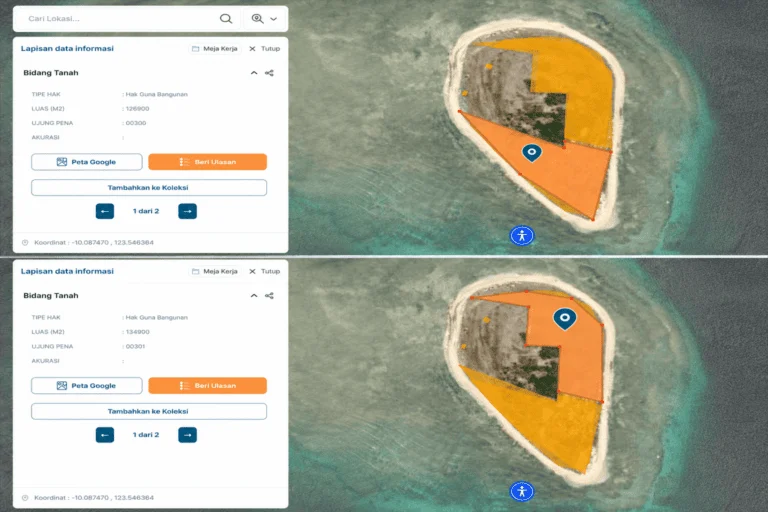
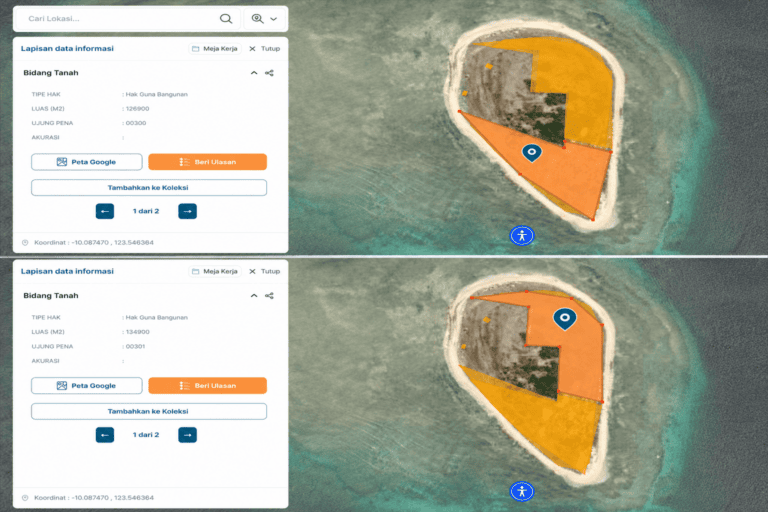
Visual data from the Ministry of Agrarian Affairs and Spatial Planning (ATR/BPN) shows that the Pitoby Group’s HGB areas directly overlap with the existing settlement of the fishermen. This spatial conflict has led to the suspension of villa construction, which began in mid-2025, as the company waits for the government to finalize the relocation of the residents.

Advocacy and Human Rights Implications

The community’s resistance reached a boiling point in June 2025, when the Advocacy Alliance for the People of Pulau Kera—a coalition including WALHI NTT, AGRA NTT, and other civil society groups—staged a mass demonstration in front of the NTT Governor’s office and the Regional Legislative Council (DPRD). The protesters carried signs reading "We Refuse Relocation," signaling their rejection of what they term the "theft of living space."

Fadly Anetong, the Coordinator of the Alliance of Agrarian Reform Movements (AGRA) in NTT, argues that the government’s actions violate Law No. 1/2014, which amended Law No. 27/2007 regarding the Management of Coastal Areas and Small Islands. "This law identifies local communities as the primary subjects in the management of small islands. The state should be protecting, recognizing, and empowering the residents of Pulau Kera, not relocating them to serve investment interests," Fadly stated.

Ketika Ancaman Relokasi Terus Hantui Warga Pulau Kera

The alliance has called for a shift in the government’s approach, urging them to resolve the agrarian conflict through the recognition of customary rights rather than through the threat of security forces. They argue that the "backwardness" of the island is a policy choice made by the administration to facilitate the eventual clearing of the land for private enterprise.

Analytical Overview and Broader Impact

The situation in Pulau Kera is emblematic of a broader trend in Indonesia, where "Blue Economy" initiatives and "Premium Tourism" developments often clash with the rights of indigenous and traditional coastal communities. The Bajo people, whose entire socio-economic structure is built around marine mobility, are particularly vulnerable to land-based relocation.

Chronology of Key Events:

Ketika Ancaman Relokasi Terus Hantui Warga Pulau Kera
  • 1884: Initial settlement of the Bajo people on Pulau Kera.
  • 1986: Pitoby Group claims to have purchased land from traditional heirs.
  • 1993: Pulau Kera designated as part of the Kupang Bay Marine Natural Tourism Park (TWAL).
  • 2002: First official relocation plan proposed by the Kupang Regency Government.
  • 2017: Pitoby Group’s HGB certificates extended until 2047.
  • March 2025: Regent Yosef Lede reactivates the relocation plan for Pantulan.
  • June 2025: Mass protests by residents and activists in Kupang.
  • July 2026: Pitoby Group confirms readiness to proceed with resort construction pending relocation.

The implications of this conflict extend beyond the 45 hectares of Pulau Kera. If the relocation proceeds, it sets a precedent that conservation and tourism designations can be used to override the ancestral rights of coastal communities. Furthermore, the move risks destroying the sustainable fishing practices maintained by the Bajo, potentially forcing a productive maritime community into a state of land-based poverty and dependence on government aid.

As of late June 2026, the Kupang Regency Government, including Vice Regent Aurum Titu Eki, has remained silent in response to formal inquiries regarding the status of the residents. Meanwhile, the people of Pulau Kera continue to go to sea, their lives anchored to the tides, even as the political currents seek to pull them away from the only home they have known for generations. The resistance of Novry, Nana, and their neighbors is a testament to a community that refuses to be erased from the map in the name of progress.

July 21, 2026 0 comment
0 FacebookTwitterPinterestEmail
Science

Solar Storms and the Growing Vulnerability of Global Satellite Infrastructure Amid Increasing Solar Activity

by admin July 21, 2026
written by admin

The escalating frequency and intensity of solar storms pose a significant and potentially catastrophic threat to the network of satellites currently orbiting Earth, according to insights shared by the National Research and Innovation Agency (BRIN). During a specialized workshop titled "Getting Closer to Satellite Disturbance Research" held in Jakarta on Tuesday, May 28, 2024, Nizam Ahmad, a senior researcher at BRIN’s Space Research Center, highlighted the destructive potential of solar phenomena. These storms, characterized by massive solar flares and Coronal Mass Ejections (CMEs), release immense quantities of energy and charged particles into the heliosphere. When these particles interact with the Earth’s magnetosphere and ionosphere, they create a volatile environment for the thousands of satellites that modern civilization relies upon for communication, navigation, and national security.

Nizam Ahmad emphasized that while the sky may appear vast and empty from a terrestrial perspective, the region between 100 and 1,000 kilometers above the Earth’s surface—the Low Earth Orbit (LEO) zone—is actually a dense theater of particle activity. This region coincides with the ionosphere, a layer of the atmosphere where solar radiation strips electrons from atoms, creating a sea of ionized gas. During peak solar activity, the process of ionization intensifies, leading to interactions with orbiting satellites that are often destructive. These interactions can range from minor electronic glitches to the total permanent failure of multi-million dollar assets.

The Mechanics of Solar Disturbance and the Ionospheric Gateway

The primary drivers of space weather are solar flares and Coronal Mass Ejections. Solar flares are sudden explosions of energy on the sun’s surface, releasing radiation across the entire electromagnetic spectrum. CMEs, on the other hand, involve the physical expulsion of billions of tons of plasma and magnetic fields from the sun’s corona. When these bursts reach Earth, they do not just produce beautiful auroras; they compress the Earth’s magnetic field and inject high-energy particles into the atmosphere.

As Nizam Ahmad explained, the ionosphere serves as the primary medium for these interactions. When solar storms strike, they generate geomagnetic induced currents (GICs). While these currents are well-known for their ability to disrupt terrestrial power grids—potentially causing widespread blackouts by overloading transformers—their impact on satellites is more direct and insidious. The increased particle density in the ionosphere creates a "drag" effect on satellites in low orbits. Furthermore, the high-energy electrons can penetrate satellite shielding, leading to internal charging or "single-event upsets" (SEUs), where a single particle flips a bit in the satellite’s computer memory, potentially causing the craft to lose control or shut down entirely.

A Hierarchy of Failure: From Voltage Drops to Total Loss

The research presented by BRIN classifies satellite disturbances into three distinct categories: light, moderate, and severe. Understanding these levels is crucial for satellite operators who must decide on mitigation strategies in real-time as solar activity spikes.

At the "light" level, the interaction between solar particles and the satellite typically manifests as minor fluctuations in power. Operators might observe a temporary drop in voltage or a slight increase in the temperature of external components. While these issues are manageable, they represent the first warning signs of a deteriorating space environment.

"Moderate" disturbances require active intervention. In these scenarios, the satellite may experience software glitches, loss of orientation (attitude control), or communication dropouts. Recovery involves complex technical maneuvers, such as rebooting onboard systems, switching to redundant hardware, or using thrusters to correct orbital decay caused by increased atmospheric drag.

The "severe" category, however, is the most feared by space agencies and private corporations alike. In these instances, the sheer volume of high-energy particles can lead to a "total failure" or "dead on arrival" scenario. If a satellite’s critical circuitry is fried by an electrostatic discharge or if its solar panels are degraded beyond use by a heavy bombardment of protons, the satellite becomes "space junk"—a non-functional hunk of metal that continues to orbit the Earth but serves no purpose.

The Longevity Paradox: Physical Presence vs. Operational Utility

One of the most striking points raised by Nizam Ahmad during the Jakarta workshop was the disparity between a satellite’s physical lifespan and its operational lifespan. Under ideal conditions, a satellite orbiting at an altitude of 500 to 600 kilometers could theoretically remain in orbit for 30 to 50 years before gravity and atmospheric drag finally pull it back to Earth.

However, the operational reality is much shorter. Most commercial satellites are designed with a mission life of 7 to 15 years. This window is drastically narrowed by solar activity. Ahmad noted that a satellite intended to operate for 10 years might see its functional life cut down to just 2 years if it is subjected to frequent or intense solar storms. In some extreme cases, satellites have been rendered useless almost immediately after reaching orbit because they launched during a period of unforeseen solar volatility. This "longevity paradox" highlights the immense financial risk involved in space ventures; the hardware may remain in the sky for decades, but its ability to perform its job is entirely at the mercy of the sun.

Contextualizing Solar Cycle 25 and Recent Precedents

The warnings from BRIN come at a critical juncture in the solar cycle. The sun operates on an approximately 11-year cycle of activity, transitioning from solar minimum to solar maximum. We are currently in Solar Cycle 25, which began in 2019 and is expected to reach its peak, or "solar maximum," between late 2024 and early 2026. Experts have noted that this cycle has already proven to be much more active than initial forecasts predicted.

The vulnerability of modern constellations was starkly demonstrated in February 2022, when SpaceX lost approximately 40 Starlink satellites following a relatively minor solar eruption. The storm caused the atmosphere to warm and expand, significantly increasing the drag on the satellites as they were in the process of reaching their final orbit. Unable to overcome the resistance, the satellites re-entered the atmosphere and burned up. This event served as a wake-up call for the industry, proving that even "minor" space weather can result in tens of millions of dollars in losses.

Global Economic and Technological Implications

The reliance of the global economy on satellite technology cannot be overstated. Beyond television broadcasts and satellite internet, space-based assets are fundamental to the Global Positioning System (GPS), which synchronizes everything from international banking transactions to the landing systems of commercial aircraft.

A severe solar storm that disables a significant portion of the LEO satellite population would have immediate "cascading" effects. Logistics and supply chains would be disrupted as GPS tracking fails. Precision agriculture, which relies on satellite data for planting and harvesting, would see a drop in efficiency. Perhaps most critically, global telecommunications and military reconnaissance capabilities would be severely compromised, leading to a "blindness" that could escalate geopolitical tensions.

The cost of replacing a damaged satellite fleet is exorbitant, but the indirect costs of service outages could reach billions of dollars per day. As Ahmad pointed out, this is why "reliability testing" before launch is no longer just a standard procedure—it is a survival necessity. Satellites must be "radiation-hardened," utilizing specialized materials and redundant electronic architectures to survive the harsh environment of the ionosphere.

Official Responses and the Path Toward Mitigation

In response to these threats, organizations like BRIN in Indonesia, along with NASA and the European Space Agency (ESA), are intensifying their monitoring of "space weather." The goal is to move from reactive measures to predictive ones. By using solar observatories to monitor the sun’s surface in real-time, scientists can provide satellite operators with early warnings—ranging from a few hours to a few days—before a CME reaches Earth.

During the workshop, the consensus among researchers was that international cooperation is essential. Because the ionosphere and the magnetosphere are global commons, the data collected by Indonesian researchers at BRIN contributes to a larger global map of space weather. Mitigation strategies discussed included the temporary "safe-moding" of satellites during peak storm activity, where non-essential systems are powered down to prevent electrical surges, and the development of more robust propulsion systems to counter atmospheric drag.

Conclusion: Navigating a Turbulent Space Frontier

As humanity enters a new era of space exploration characterized by "Mega-Constellations" and increased commercialization, the insights provided by Nizam Ahmad and the BRIN research team serve as a vital reminder of the Sun’s ultimate authority over our technological ambitions. The "quiet" appearance of the night sky is a deceptive mask for a high-stakes environment where particles smaller than an atom can dismantle the infrastructure of the digital age.

The focus must now remain on enhancing the "resilience" of space assets. As Solar Cycle 25 approaches its crescendo, the ability of researchers to predict these "badai matahari" (solar storms) and the ability of engineers to build satellites that can weather them will determine whether our transition into a space-faring society remains on track or faces a multi-billion dollar setback. For Indonesia and the rest of the world, the message is clear: the sky is no longer a passive void, but a dynamic and often hostile frontier that demands our constant vigilance.

July 21, 2026 0 comment
0 FacebookTwitterPinterestEmail
Science

NASA’s Psyche Spacecraft Captures Breathtaking Mars Images During Crucial Gravity Assist Maneuver.

by admin July 20, 2026
written by admin

NASA’s Psyche spacecraft, currently on a high-stakes mission to explore a metal-rich asteroid in the outer reaches of the main asteroid belt, has successfully completed a critical gravity assist maneuver at Mars, capturing a stunning array of images and scientific data in the process. This flyby, which occurred in May 2026, served as a pivotal "slingshot" to propel the spacecraft toward its final destination, the asteroid 16 Psyche. While the primary goal of the maneuver was to gain velocity using the Red Planet’s gravitational pull, the mission team utilized the proximity to test the spacecraft’s suite of scientific instruments, providing a unique perspective on Earth’s neighbor and confirming that the probe is in peak operating condition for its arrival at the asteroid in 2029.

The maneuver represents a significant milestone in a journey that spans 2.2 billion miles (3.5 billion kilometers). By flying within 2,864 miles (4,600 kilometers) of the Martian surface, the spacecraft used the planet’s mass to alter its trajectory and increase its speed without the need for excessive chemical propellant. This technique, a staple of deep-space navigation, allowed the mission to enter a new phase of its voyage, characterized by a sustained push from its solar-electric propulsion system.

A Photographic Album of the Red Planet

During the month-long approach and departure, the Psyche mission team activated the spacecraft’s pair of identical multispectral imagers. These cameras, designed to map the topography and composition of the asteroid 16 Psyche, were put through a rigorous series of tests as they tracked Mars. The result was a breathtaking "travel album" of images that showcase the diverse geography of the Red Planet, from its windswept plains to its massive impact craters and the stark white of the southern polar ice cap.

The images released by NASA and the Jet Propulsion Laboratory (JPL) offer more than just aesthetic value; they provided the first real-world calibration for the imaging system in deep space. Jim Bell, the lead for the Psyche imager instrument at Arizona State University, noted that the performance of the hardware was exemplary. "The imager performed brilliantly, delivering some rarely seen views of the Red Planet," Bell stated in a press release. The cameras successfully captured the planet from various angles, including a thin crescent view during the approach and detailed close-ups of the surface during the window of closest proximity.

Mars’ desolate desert landscape captured by asteroid-bound NASA spacecraft

Beyond the planet itself, the imagers were used to track Mars’ two small moons, Phobos and Deimos. This exercise was particularly important for the mission’s future objectives. When the spacecraft arrives at 16 Psyche, scientists will use these same imaging techniques to search for potential "moonlets"—small rocks orbiting the asteroid—which could provide clues about the asteroid’s history and gravitational field.

Testing the Scientific Arsenal

While the cameras provided the most visible evidence of the flyby’s success, other instruments on board were equally active. The Psyche spacecraft carries a Gamma-Ray and Neutron Spectrometer (GRNS) and a magnetometer, both of which are essential for determining whether the target asteroid is the exposed core of a primordial planetesimal.

The GRNS is designed to detect the chemical elements that make up an object’s surface. When cosmic rays—high-energy particles from deep space—strike a planetary body, the surface emits neutrons and gamma rays. By measuring these emissions, the spectrometer can identify the presence of iron, nickel, silicon, and other elements. During the Mars flyby, the altitude of 2,864 miles was too high to detect Martian gamma rays, but the mission’s science team was hopeful about capturing neutrons.

David Lawrence, the spectrometer science lead from the Johns Hopkins Applied Physics Laboratory, confirmed that the test was a success. "Around the time of Mars’ closest approach, the neutron spectrometer detected a count-rate enhancement close to what we anticipated," Lawrence said. This confirmation ensures that the instrument is sensitive enough to perform its primary task once it reaches the metal-rich environment of 16 Psyche.

Simultaneously, the spacecraft’s magnetometer was used to study the interaction between Mars and the solar wind. Unlike Earth, Mars does not have a global magnetic field, but it does have localized magnetic "crustal" fields. As Psyche approached the planet, the magnetometer recorded a significant spike in magnetic field strength. This data aligned perfectly with the "bow shock" region—the area where the solar wind is slowed and diverted as it hits the Martian atmosphere. This instrument has been operational since the spacecraft’s launch in October 2023, providing continuous data on the solar wind as the probe moves through the solar system.

Mars’ desolate desert landscape captured by asteroid-bound NASA spacecraft

The Significance of the Gravity Assist

The physics of the Mars flyby is a testament to the precision of modern celestial mechanics. To reach the main asteroid belt, which lies between Mars and Jupiter, a spacecraft must overcome the massive gravitational pull of the Sun. While Psyche is equipped with highly efficient Hall-effect thrusters, the "free" energy provided by a planetary flyby is invaluable.

By entering Mars’ sphere of influence at a specific angle and speed, the spacecraft "stole" a tiny fraction of the planet’s orbital momentum. For Mars, the loss is infinitesimal and undetectable, but for the Psyche spacecraft, it provides the necessary velocity boost to reach the outer solar system on schedule. This maneuver also allowed mission controllers to fine-tune the spacecraft’s path, ensuring it remains on a trajectory that will lead to an orbital insertion at the asteroid in August 2029.

Lindy Elkins-Tanton, the mission’s principal investigator at Arizona State University, emphasized that while Mars has been studied extensively by other missions, this flyby provided a unique opportunity. "We didn’t anticipate big discoveries, given how extensively the planet has been studied, but we did complement Mars science with the data we collected through Psyche’s unique perspective," she explained.

Chronology of the Psyche Mission

The journey to 16 Psyche has been a multi-year endeavor marked by technical challenges and triumphant milestones. The timeline of the mission highlights the complexity of deep-space exploration:

  • October 13, 2023: The Psyche spacecraft launched aboard a SpaceX Falcon Heavy rocket from Kennedy Space Center in Florida.
  • Late 2023 – Early 2024: Initial checkout phase. The mission team tested the Deep Space Optical Communications (DSOC) experiment, a laser-based communication system that successfully transmitted data from millions of miles away, far exceeding the speeds of traditional radio waves.
  • May 2026: The Mars flyby and gravity assist maneuver. This period involved intensive instrument testing and the capture of the images and data recently released by NASA.
  • Late 2026 – 2028: The cruise phase. The spacecraft will rely on its solar-electric propulsion system, which uses xenon gas accelerated by electricity from the solar panels to produce a gentle but constant thrust.
  • August 2029: Scheduled arrival at asteroid 16 Psyche. The spacecraft will begin a 26-month science mission, orbiting the asteroid at various altitudes to map its surface and interior.

The Target: A World of Metal

The ultimate goal of this journey, the asteroid 16 Psyche, is one of the most intriguing objects in the solar system. Measuring approximately 140 miles (226 kilometers) at its widest point, it is significantly different from the rocky or icy bodies that make up most of the asteroid belt. Radar observations and spectral analysis suggest that 16 Psyche is composed largely of iron and nickel.

Mars’ desolate desert landscape captured by asteroid-bound NASA spacecraft

Scientists hypothesize that the asteroid may be the "partial core" of a planetesimal—a building block of a planet—that had its outer rocky layers stripped away by violent collisions during the early days of the solar system. Because humans cannot travel to the Earth’s own core to study it directly, 16 Psyche offers a unique "look under the hood" of planetary formation.

The data collected during the Mars flyby confirms that the spacecraft’s instruments are ready to answer these fundamental questions. By mapping the asteroid’s gravity, magnetic field, and chemical composition, researchers hope to determine whether 16 Psyche truly is a planetary core or if it is a different type of primordial object that has yet to be categorized.

Implications and Future Operations

With Mars now receding in the rearview mirror, the Psyche mission enters its longest stretch of travel. The next major operational milestone involves the full reactivation of the solar-electric propulsion system. These Hall thrusters produce a blue glow as they expel ionized xenon, creating a thrust that is equivalent to the weight of a few business cards. While seemingly weak, in the vacuum of space, this constant acceleration allows the spacecraft to reach incredible speeds over time.

The success of the Mars flyby has bolstered confidence within the NASA and JPL teams. The integration of advanced imaging, magnetic sensing, and chemical analysis tools on a single platform represents a significant technological achievement. Furthermore, the use of the Mars flyby as a "dress rehearsal" has allowed the team to refine their data processing pipelines, ensuring that when the spacecraft finally reaches its destination, the flow of information back to Earth will be seamless.

As the spacecraft continues its 2.2-billion-mile odyssey, it serves as a reminder of the ingenuity required to explore the "final frontier." The images of Mars captured by Psyche are not just a record of a passing planet, but a signal that humanity is one step closer to uncovering the metallic secrets of the early solar system. The data gathered during this brief encounter will be studied by planetary scientists for years to come, providing a comparative baseline for the unprecedented discoveries expected at 16 Psyche in 2029.

July 20, 2026 0 comment
0 FacebookTwitterPinterestEmail
Education

Quipper Indonesia Launches Major Rewards Program to Incentivize Digital Learning Through 2025 Coin Exchange Initiative

by admin July 20, 2026
written by admin

Quipper, a leading global education technology provider, has officially announced the launch of its 2025 "Coin Exchange" program, a strategic gamification initiative designed to reward high-performing students and active educational institutions across Indonesia. This program, specifically tailored for users of the Quipper School Premium (QSP) All Access service, allows students to convert virtual currency earned through consistent study habits into tangible rewards, ranging from high-end consumer electronics to advanced classroom technology. The initiative represents a significant push by the EdTech giant to maintain student engagement during the critical year-end academic period and highlights the growing trend of reward-based learning in the Southeast Asian digital education market.

The Evolution of Gamification in Indonesian EdTech

The 2025 Coin Exchange program is built upon the psychological principles of gamification—the application of game-design elements in non-game contexts. By rewarding students with "coins" for completing assignments, watching educational videos, and mastering subject modules, Quipper aims to transform the often-tedious process of exam preparation into a competitive and rewarding experience. This strategy is particularly relevant in the Indonesian context, where digital literacy is rising, but maintaining long-term engagement on self-paced learning platforms remains a challenge for educators.

Hadiah Impianmu Tinggal Selangkah Lagi – Yuk Tukar Koinmu!

Market analysts suggest that such initiatives are essential in a post-pandemic landscape where students have become accustomed to digital tools but often struggle with "screen fatigue." By introducing a "Harvest Season" (Panen Hadiah) for these coins, Quipper is effectively creating a loyalty loop that encourages daily platform usage. The program is restricted to QSP All Access users, a premium tier that provides comprehensive curriculum coverage, indicating a move to add further value to Quipper’s paid subscriptions.

Comprehensive Prize Pool and Strategic Partnerships

The 2025 campaign features a multi-tiered reward structure designed to appeal to both individual students and entire school ecosystems. The "Grand Prize" category includes the iPhone 15 and high-performance laptops from brands such as HP and Asus. These items are positioned not merely as luxury goods but as essential tools for modern digital learning and content creation.

Beyond the headline prizes, the "Electronic and Lifestyle" category includes:

Hadiah Impianmu Tinggal Selangkah Lagi – Yuk Tukar Koinmu!
  • Samsung Galaxy Tab A9
  • Fujifilm Instax Mini 12
  • Huawei Band 9 Smartwatches
  • Baseus 20W Powerbanks
  • Shopping vouchers for various retail outlets

In a significant expansion of the program’s scope, Quipper has partnered with ViewSonic Indonesia to provide institutional rewards. This move addresses the "Smart Classroom" trend in Indonesia, where schools are increasingly seeking to upgrade their physical infrastructure to match digital curricula. The three most active schools—determined by the average coin accumulation per student—will be eligible for:

  • ViewSonic Interactive Flat Panels (IFP)
  • ViewSonic Projectors
  • ViewSonic Desktop Monitors

A representative from the educational sector, speaking on the condition of anonymity, noted that providing hardware to schools creates a "collective motivation" factor. "When the students know their individual efforts can lead to a new interactive display for their classroom, the motivation shifts from individual gain to community benefit," the source stated.

Technical Mechanics and Participation Timeline

The redemption period for the 2025 Coin Exchange is scheduled to run from May 5 to June 22, 2025. During this window, eligible students can access the "Coin Exchange" portal via the official Quipper website (learn.quipper.com). The system operates on a lottery-style ticket mechanism:

Hadiah Impianmu Tinggal Selangkah Lagi – Yuk Tukar Koinmu!
  1. Selection: Students choose the prize they wish to pursue.
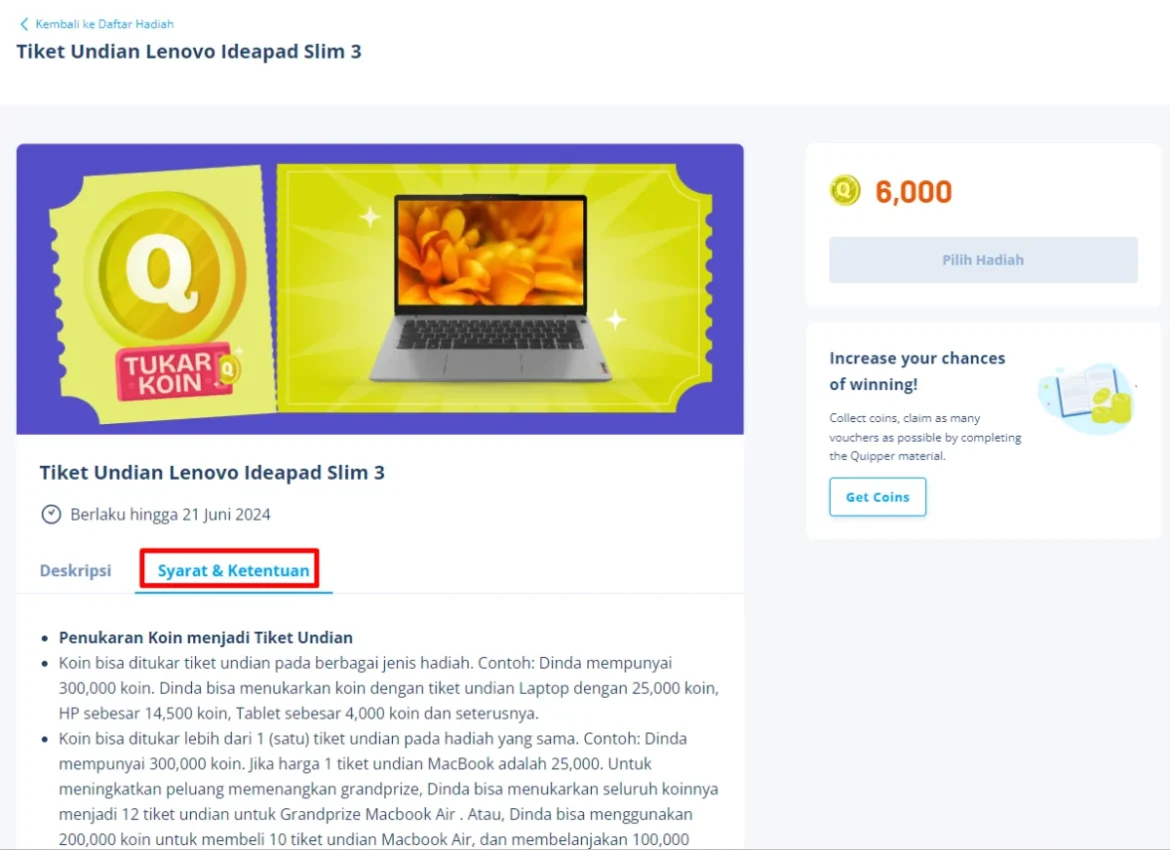
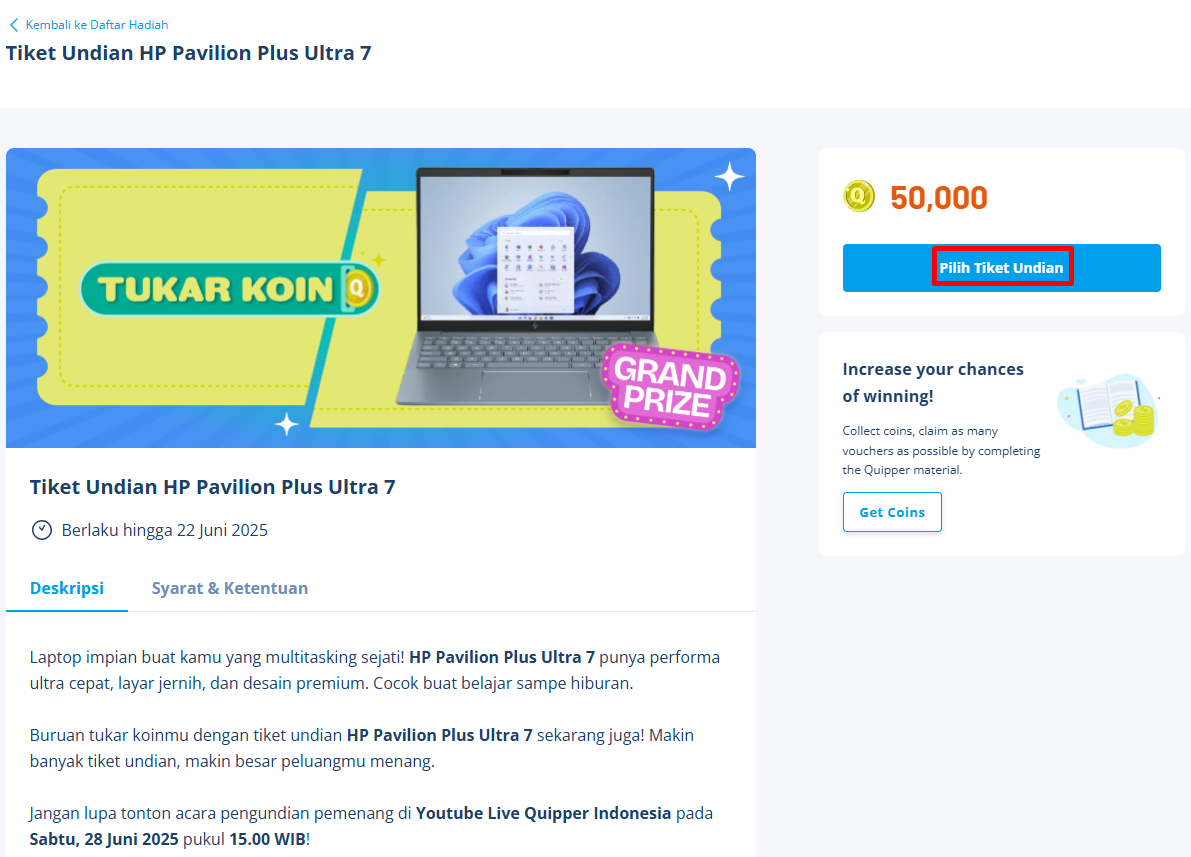
  2. Conversion: Coins are exchanged for "Lottery Tickets." For example, a student with 300,000 coins might spend 50,000 on a laptop ticket and 38,400 on an iPhone 15 ticket.
  3. Optimization: There is no limit to the number of tickets a student can acquire for a single prize, allowing those with higher coin balances to statistically increase their probability of winning.
  4. Verification: Upon successful exchange, participants must complete a validation form to confirm their identity and eligibility.

The official winners will be announced during a live broadcast on the Quipper Indonesia YouTube channel on June 28, 2025, at 15:00 WIB. This live-streaming approach serves a dual purpose: it ensures transparency in the drawing process and creates a high-visibility marketing event that celebrates student achievement.

Regulatory Compliance and Quality Assurance

To maintain the integrity of the program, Quipper has established a rigorous verification framework. The company’s internal team will conduct audits of student accounts to ensure that coins were earned through legitimate academic activity. Any accounts found to be using automated scripts or "farming" techniques to accumulate coins will be disqualified in accordance with the platform’s terms of service.

Furthermore, the "one prize per category" rule prevents a single user from monopolizing specific rewards, ensuring a broader distribution of prizes across the user base. Quipper has also committed to a 14-day verification window post-announcement, during which winners must confirm their details. Failure to respond within this timeframe results in the forfeiture of the prize and the associated coins.

Hadiah Impianmu Tinggal Selangkah Lagi – Yuk Tukar Koinmu!

Crucially, Quipper has announced that it will bear all shipping costs and applicable taxes for the prizes. This is a vital consideration in Indonesia, where luxury taxes and logistics costs to remote islands can be prohibitive for students. By absorbing these costs, Quipper ensures that the rewards remain accessible to all winners, regardless of their geographic location or socioeconomic status.

Impact Analysis: EdTech as a Driver for Educational Equity

The implications of Quipper’s Coin Exchange program extend beyond simple marketing. In a country as vast as Indonesia, digital platforms often serve as the primary bridge between urban and rural educational standards. By incentivizing the use of these platforms, Quipper is indirectly promoting standardized, high-quality curriculum engagement across diverse regions.

Furthermore, the inclusion of school-wide prizes suggests a shift in how EdTech companies interact with the formal education system. Rather than being a "supplement" used only at home, Quipper is positioning itself as a partner in school infrastructure development. The ViewSonic partnership, in particular, highlights a synergy between software providers and hardware manufacturers to create a holistic "ed-tech ecosystem."

Hadiah Impianmu Tinggal Selangkah Lagi – Yuk Tukar Koinmu!

However, some educational experts suggest that while reward-based systems are excellent for short-term engagement, the long-term goal must remain the cultivation of intrinsic motivation. "The challenge for platforms like Quipper," says Dr. Aris Wahyudi, an educational psychologist, "is to transition students from learning for the ‘coin’ to learning for the sake of knowledge. However, as an entry point to build a consistent study habit, these programs are undeniably effective."

Chronology of the 2025 Campaign

The 2025 cycle follows a structured timeline designed to align with the Indonesian academic calendar:

  • Academic Year 2024/2025: Students accumulate coins through daily study and assignments.
  • May 5, 2025: Opening of the Coin Exchange portal.
  • June 22, 2025: Deadline for coin redemption and ticket acquisition.
  • June 23 – June 27, 2025: Internal audit and validation of ticket entries.
  • June 28, 2025: Grand Prize Draw via YouTube Live.
  • July 2025: Verification of winners and commencement of prize shipping.

Conclusion and Future Outlook

As the 2025 Coin Exchange program approaches its launch, it stands as a testament to the competitive nature of the Indonesian EdTech sector. Companies are no longer competing solely on content quality; they are competing on user experience and the ability to keep students "hooked" on learning.

Hadiah Impianmu Tinggal Selangkah Lagi – Yuk Tukar Koinmu!

For students, the message is clear: academic consistency has immediate, tangible value. For schools, the program offers a path to modernization through the efforts of their own student body. As digital education continues to evolve, the industry will likely see more sophisticated versions of these "learn-to-earn" models, further blurring the lines between education, entertainment, and e-commerce.

Quipper’s initiative is a bold statement of intent in the 2025 academic landscape, promising to turn a year of hard work into a season of rewards for thousands of Indonesian students and their schools. The success of this program will likely set a benchmark for other providers in the region, potentially making reward-based digital learning a standard feature of the Indonesian educational experience.

July 20, 2026 0 comment
0 FacebookTwitterPinterestEmail
Politics

Israel Considers Controversial Nile Crocodile Moats for Palestinian Prison Security

by admin July 20, 2026
written by admin

JERUSALEM (July 20, 2026) – Israel is reportedly advancing a highly controversial plan to enhance security at prisons holding Palestinian detainees by utilizing Nile crocodiles as part of its perimeter defense system. The proposal, which has drawn significant attention and is expected to provoke widespread condemnation from human rights and animal welfare organizations, involves surrounding correctional facilities with moats populated by these dangerous reptiles. This move follows a recent legal reclassification of Nile crocodiles in Israel, paving the way for their potential deployment in such unconventional security roles.

The concept, initially floated in late 2025 by Israel’s Minister of National Security, Itamar Ben-Gvir, a prominent figure from the far-right political spectrum, envisioned prison perimeters fortified with crocodile-filled trenches to deter escape attempts. At its inception, the idea faced immediate legal hurdles, primarily due to the classification of Nile crocodiles as protected wild animals, restricting their keeping to accredited zoos or designated conservation areas. However, recent developments suggest a significant shift in this legal landscape.

A Controversial Legal Reclassification

According to reports from Israeli media outlets, including Maariv, the Minister of Environmental Protection, Idit Silman, recently issued a decision that reclassifies Nile crocodiles from "wild animal" to "tended wild animal" (or "domesticated wild animal"). This administrative change is viewed by proponents of the plan as a critical step in removing the primary legal obstacle to implementing Ben-Gvir’s controversial proposal. The new classification ostensibly allows for the reptiles to be held and utilized in a broader range of facilities, including correctional complexes.

The swiftness and nature of this reclassification have not been without internal dissent. Legal advisors within the Ministry of Environmental Protection have reportedly voiced strong objections, questioning Minister Silman’s authority to unilaterally alter the legal status of a protected species, particularly when such a change carries profound implications for both animal welfare and public safety. These advisors have reportedly warned that the minister’s decision may exceed her legal mandate and could be challenged in court, potentially delaying or even derailing the crocodile moat project. The legal intricacies surrounding this reclassification are expected to be a focal point of future scrutiny, with potential challenges from environmental groups and legal experts.

Architect of the Plan: Minister Itamar Ben-Gvir

Minister Itamar Ben-Gvir, known for his hardline stance on security and justice issues, has been the primary advocate for this audacious prison security measure. As the Minister of National Security, his portfolio encompasses the Israeli Prison Service (IPS) and other law enforcement bodies. Ben-Gvir’s political ideology is rooted in ultranationalism and a strong emphasis on punitive measures, particularly concerning Palestinian prisoners. His tenure has been marked by a series of proposals aimed at tightening security, reducing privileges for detainees, and projecting an image of uncompromising strength. The crocodile moat proposal aligns with this broader agenda, seeking an extreme deterrent against escapes and a highly visible symbol of enhanced security.

His past actions and statements have frequently drawn criticism from human rights organizations, both domestically and internationally, who accuse him of inciting tensions and advocating for policies that infringe upon the rights of Palestinian detainees. The crocodile plan, if implemented, would undoubtedly add another layer to these ongoing controversies.

Target Location: Ketziot Prison

The initial facility slated for the implementation of the crocodile moat program is Ketziot Prison, located in the vast Negev Desert in southern Israel. Ketziot is one of Israel’s largest correctional facilities, primarily housing Palestinian security prisoners and administrative detainees. Its remote location and the challenging desert terrain already contribute to its high-security status. However, the prison, like others in the IPS system, has faced ongoing security challenges, including occasional escape attempts and concerns about overcrowding, which have fueled calls for more stringent measures.

The selection of Ketziot suggests a strategic decision to test the controversial program in a high-stakes environment. The desert climate, while challenging for crocodile maintenance, also offers a degree of isolation that might be perceived as beneficial for controlling the perimeter. The IPS’s internal review, initiated after Ben-Gvir’s proposal, reportedly gave a positive response to the idea, indicating a readiness within the prison service to explore such unconventional security enhancements.

Logistical and Financial Considerations

Beyond the legal and ethical debates, the practical implementation of a crocodile moat system presents significant logistical and financial challenges. The Israeli Prison Service has reportedly been proactive in assessing the feasibility of the plan. Since January, IPS officers have been dispatched to Hamat Gader, a well-known crocodile farm and tourist attraction in northern Israel, to undergo training and familiarize themselves with the characteristics and behavior of these reptiles. This hands-on experience is crucial for understanding the unique demands of caring for and managing large, dangerous animals in a security context.

Financial considerations also play a role in the IPS’s evaluation. While adult Nile crocodiles can command a price of approximately US$20,000 (around 326 million Indonesian Rupiah, assuming an exchange rate of Rp16,300/US$), the IPS is reportedly considering acquiring smaller, juvenile crocodiles, which are significantly cheaper at around US$8,000 (approximately Rp130 million) per animal. An unnamed IPS source quoted by Maariv indicated that these costs are considered relatively minor when compared to the substantial investments typically required for conventional prison security infrastructure, such as advanced surveillance systems, reinforced walls, and expanded guard patrols.

However, the cost analysis must extend far beyond the initial purchase price of the animals. Constructing and maintaining a suitable moat environment – including robust concrete structures, an adequate and consistent water supply in a desert region, filtration systems, feeding protocols, veterinary care, and specialized handlers – would entail substantial ongoing expenses. The long-term operational costs and the inherent risks associated with housing dangerous predators within a prison complex would likely far outweigh the initial investment in the animals themselves.

Ethical and Humanitarian Concerns

The prospect of using Nile crocodiles as prison guards has immediately triggered a storm of ethical and humanitarian concerns. Human rights organizations, both Israeli and international, are expected to vehemently condemn the plan. Organizations such as B’Tselem, Amnesty International, and Physicians for Human Rights-Israel, which routinely monitor conditions in Israeli prisons and advocate for the rights of Palestinian detainees, would likely view this proposal as a severe violation of international humanitarian law and human rights standards.

The use of live animals, especially dangerous predators, as a deterrent raises questions about the dehumanization of prisoners and the potential for cruel, inhuman, or degrading treatment. International conventions, such as the UN Standard Minimum Rules for the Treatment of Prisoners (known as the Nelson Mandela Rules), emphasize humane treatment and the protection of prisoners’ physical and mental health. While moats are not explicitly prohibited, the introduction of lethal animals would be unprecedented and could be seen as an unacceptable form of psychological torture or a direct threat to life, far exceeding legitimate security needs. Critics would argue that such a measure transforms a correctional facility into a medieval-style dungeon, stripping away any semblance of dignity from those incarcerated.

Palestinian prisoners’ rights groups, such as Addameer, would undoubtedly denounce the plan as a barbaric and punitive measure, further exacerbating the already tense relationship between detainees and the Israeli authorities. They would likely highlight the psychological impact of living under the constant threat of a deadly predator.

Animal Welfare Perspectives

Beyond human rights, the proposal also raises significant animal welfare concerns. Animal rights organizations globally would likely voice strong opposition to using wild animals in such a manner. Nile crocodiles are complex creatures with specific environmental and behavioral needs. Confining them to a prison moat, potentially in an unnatural desert environment, and using them as a living security system could constitute animal cruelty.

Concerns would include:

  • Habitat Suitability: Ensuring the moat provides an adequate and suitable environment for the crocodiles’ long-term health and well-being, particularly in the harsh Negev climate.
  • Diet and Care: Proper feeding, veterinary care, and enrichment to prevent stress, aggression, or disease among the animals.
  • Ethical Treatment: The morality of intentionally placing animals in a role where they are expected to be a lethal threat, potentially leading to their own harm or death if escape attempts occur.
  • Risk to Handlers: The inherent danger to prison staff tasked with managing and caring for these predators.

Such organizations would advocate for more humane and ethical security solutions that do not exploit animals for punitive purposes.

International Legal Frameworks and Broader Implications

The international community is also likely to scrutinize this proposal. While specific international laws directly prohibiting the use of crocodiles in prison security are non-existent, the spirit and principles of international humanitarian law and human rights law would be invoked. The Third and Fourth Geneva Conventions, which govern the treatment of prisoners of war and civilians in occupied territories, respectively, mandate humane treatment and prohibit measures that could cause physical suffering or moral pressure. The use of crocodiles could be interpreted as a violation of these principles.

The broader implications of implementing such a plan are multifaceted:

  • International Reputation: It could severely damage Israel’s international standing, portraying it as resorting to extreme and inhumane measures.
  • Diplomatic Fallout: It could strain diplomatic relations with allies and draw formal condemnations from international bodies.
  • Precedent: It would set a dangerous precedent for prison security globally, potentially encouraging other nations to adopt similarly controversial methods.
  • Effectiveness vs. Risk: The actual security benefits versus the enormous ethical, legal, and practical risks remain highly questionable. Alternative, technologically advanced security solutions are generally preferred in modern correctional systems.

Uncertain Future

As of now, no official announcement has been made by the Israeli government regarding the definitive implementation timeline or the final decision on the crocodile moat plan. The proposal remains a contentious "wacana" (discourse or idea) that has rapidly escalated from a fringe concept to a tangible possibility due to the recent legal reclassification. The internal legal objections within the Ministry of Environmental Protection, coupled with anticipated widespread opposition from human rights and animal welfare advocates, suggest that the path to actual implementation will be fraught with legal challenges, public debate, and international pressure.

The unfolding situation highlights the complex interplay between national security concerns, political agendas, legal frameworks, and ethical considerations in Israel. Whether the Nile crocodile will ultimately become a part of the Israeli prison security apparatus remains to be seen, but the discussion surrounding it has already cemented its place as one of the most unusual and controversial security proposals in the nation’s history.

July 20, 2026 0 comment
0 FacebookTwitterPinterestEmail
Politics

Indonesia’s Finance Minister Considers Defense, Police Budget Cuts Amidst Fiscal Pressures

by admin July 20, 2026
written by admin

JAKARTA – Indonesia’s Minister of Finance (Menkeu), Purbaya Yudhi Sadewa, has indicated that the government is exploring the option of reducing the budgets allocated to defense and the national police if the nation’s fiscal condition comes under severe strain and deficit targets face pressure. The statement, made on Monday, July 20, 2026, following a Plenary Cabinet Meeting at the State Palace in Jakarta, underscores the government’s commitment to maintaining fiscal prudence in a dynamic economic landscape. While emphasizing that such a measure is currently a contingency and not an immediate plan, Minister Purbaya acknowledged the significant size of these budget posts and their potential as levers for fiscal adjustment.

Minister Purbaya clarified that, as of his statement, there have been no active discussions regarding the reallocation or reduction of defense and police budgets. He reassured the public and stakeholders that the country’s current financial situation remains robust and stable. "Not yet. But here’s the thing, the budget for these posts is substantial. If our deficit is genuinely threatened, then we will consider cuts," Purbaya stated to reporters. He further emphasized, "But I don’t think that’s likely; we are still far from that point. So, we are still quite sufficient." His remarks reflect a proactive stance on fiscal management, ensuring flexibility in addressing unforeseen economic challenges while not signaling an immediate crisis.

The Context of Fiscal Prudence in Indonesia

Indonesia, as Southeast Asia’s largest economy, has consistently aimed for a sound fiscal policy, particularly since the 1997-98 Asian Financial Crisis. The government typically targets a fiscal deficit below 3% of the Gross Domestic Product (GDP), a benchmark considered crucial for macroeconomic stability and investor confidence. The State Budget (APBN) is the primary instrument for public policy implementation, funding everything from infrastructure development and social welfare programs to national security and law enforcement. Balancing these diverse expenditure priorities while ensuring revenue generation aligns with economic growth targets is a perpetual challenge for the Ministry of Finance.

The period leading up to 2026 has been marked by global economic uncertainties, including lingering effects of the post-pandemic recovery, inflationary pressures stemming from geopolitical tensions, supply chain disruptions, and fluctuating commodity prices. While Indonesia has generally demonstrated resilience, benefiting from its robust domestic demand and commodity exports, these external factors necessitate a cautious approach to fiscal planning. The government’s annual budget cycle involves meticulous planning, projections, and adjustments based on anticipated global and domestic economic conditions. The Plenary Cabinet Meeting, where Minister Purbaya made his statement, is a critical forum for high-level discussions on national policy, including fiscal strategy and resource allocation.

Chronology of the Announcement

The sequence of events leading to Minister Purbaya’s statement highlights the routine yet critical nature of government fiscal reviews:

  • Monday, July 20, 2026, Morning: President Joko Widodo convenes a Plenary Cabinet Meeting at the State Palace in Jakarta. Such meetings typically involve key ministers discussing various national issues, including economic performance, development programs, and budget allocations for the upcoming fiscal year.
  • Monday, July 20, 2026, Post-Meeting: Following the conclusion of the cabinet meeting, Minister of Finance Purbaya Yudhi Sadewa addresses the press. It is during this engagement that he fields questions regarding the government’s fiscal outlook and potential contingency measures.
  • Minister Purbaya’s Statement: He communicates the government’s readiness to consider budget cuts for defense and police if fiscal conditions deteriorate, while simultaneously reassuring that such measures are not currently necessary. This nuanced position aims to project both preparedness and stability.

This timeline indicates that the statement was a direct outcome of high-level government discussions on the nation’s economic and fiscal health, emphasizing the strategic thinking behind the government’s approach to budget management.

The Significance of Defense and Police Budgets

The defense and police sectors represent substantial portions of Indonesia’s state expenditure, reflecting their critical roles in national sovereignty, internal security, and maintaining public order. While specific figures for the 2026/2027 fiscal year were not detailed in the Minister’s statement, historically, defense spending in Indonesia typically accounts for approximately 0.7-1.0% of GDP, or around 5-7% of the total state budget. Similarly, the National Police budget, crucial for law enforcement, crime prevention, and community policing, also constitutes a significant allocation, often in the range of 3-4% of the total state budget.

These budgets fund essential activities, including:

  • Defense: Modernization of military equipment, procurement of new assets (ships, aircraft, weaponry), personnel salaries and welfare, training exercises, and maintaining readiness to protect Indonesia’s vast maritime territory and land borders.
  • Police: Operational costs for law enforcement, combating crime, counter-terrorism efforts, public order maintenance, infrastructure development for police facilities, and personnel development.

Any potential cuts, even if hypothetical, would necessitate careful consideration of their impact on these vital functions. For instance, a reduction in the defense budget could delay crucial modernization programs, potentially affecting Indonesia’s strategic capabilities and regional influence. Similarly, cuts to the police budget might impact crime rates, response times, or the implementation of community safety initiatives.

Potential Triggers for Fiscal Pressure and Budget Adjustments

Minister Purbaya’s hypothetical scenario of budget cuts would likely be triggered by a confluence of adverse economic conditions. These could include:

  • Significant Shortfall in State Revenue: If tax collection, non-tax state revenue (PNBP), and customs duties fall substantially below targets due due to an economic slowdown, lower commodity prices, or unforeseen global trade disruptions.
  • Unexpected Increase in State Expenditure: Unforeseen events such as natural disasters requiring extensive relief and reconstruction efforts, a sudden surge in public debt servicing costs due to interest rate hikes, or new social safety net programs necessitated by economic hardship.
  • Global Economic Downturn: A severe global recession impacting Indonesia’s export markets, foreign direct investment, and overall economic growth, consequently reducing government income.
  • Currency Depreciation: A sharp and sustained depreciation of the Indonesian Rupiah against major currencies could significantly increase the cost of imported goods and services, including defense equipment procured from abroad, thereby straining the budget.
  • Failure to Meet Fiscal Deficit Targets: If projections indicate that without significant adjustments, the annual fiscal deficit will exceed the prudent 3% of GDP threshold, triggering the need for expenditure rationalization.

In such circumstances, the government would prioritize maintaining fiscal stability, which is foundational for long-term economic growth and investor confidence. Budget adjustments would likely involve re-prioritization of programs, deferment of non-critical projects, and efficiency drives across all ministries and state institutions, with large budget holders like defense and police naturally coming under scrutiny.

Broader Implications and Stakeholder Perspectives

The mere mention of potential budget cuts, even as a contingency, carries broader implications and could elicit various reactions from different stakeholders:

  • Ministry of Defense and National Police: While understanding the need for fiscal discipline, these institutions would likely express concerns about the potential impact on their strategic objectives. The Ministry of Defense, for instance, might highlight the ongoing need for military modernization to safeguard national interests and respond to evolving regional security dynamics. The National Police might emphasize the importance of adequate resources for maintaining law and order, combating terrorism, and addressing emerging forms of crime.
  • Parliament (DPR): As the body responsible for approving the state budget, the House of Representatives would play a critical oversight role. Commissions related to defense (Komisi I) and finance (Komisi XI) would scrutinize any proposed cuts, balancing the need for fiscal health with national security priorities and public service delivery. Debates would likely focus on the extent of potential cuts, their specific impact, and alternative cost-saving measures.
  • Economic Analysts and Rating Agencies: Economists would generally view the Minister’s statement as a positive sign of the government’s commitment to fiscal prudence. It signals that Jakarta is prepared to take difficult decisions to maintain macroeconomic stability, which could reinforce investor confidence and support the country’s credit ratings. However, they would also monitor the specific triggers and the magnitude of any actual cuts, assessing their potential impact on economic growth and development programs.
  • Civil Society Organizations: Some civil society groups might welcome a potential re-evaluation of defense and police spending, advocating for greater transparency and accountability in these sectors. Others might argue for prioritizing social welfare, education, or healthcare expenditures over security, especially if fiscal space is limited. Conversely, groups focused on national security might express apprehension regarding the potential weakening of state capacity.
  • International Partners: Indonesia’s commitment to fiscal stability is generally viewed favorably by international financial institutions and partner countries. Any budget adjustments would be watched to understand their implications for Indonesia’s regional role and its capacity to contribute to international peace and security efforts.

Maintaining Fiscal Resilience and Future Outlook

Minister Purbaya’s remarks underscore the Indonesian government’s proactive and pragmatic approach to fiscal management. By openly discussing potential contingencies, the Ministry of Finance aims to prepare for various economic scenarios while avoiding unnecessary alarm. The emphasis that such cuts are "far from happening" highlights the current strength of the state finances, a testament to prudent economic policies and resilient growth.

In the coming months and years, the government will continue to closely monitor global economic trends, domestic revenue performance, and expenditure needs. The annual budget planning process for the subsequent fiscal years will be critical in translating these strategic considerations into actionable policies. This process involves intricate consultations between various ministries, expert inputs, and parliamentary deliberations to ensure that the State Budget remains a robust tool for achieving Indonesia’s development goals while safeguarding fiscal health. The ability to consider difficult options, even if not immediately implemented, is a hallmark of responsible governance aimed at ensuring long-term stability and prosperity for the nation.

July 20, 2026 0 comment
0 FacebookTwitterPinterestEmail
Newer Posts
Older Posts

Posts Slider

Bald eagles Jackie and Shadow raise $10 million

July 25, 2026

Kemdiktisaintek Buka Beasiswa BPDDI 2026 untuk Dosen, Lanjut...

July 25, 2026

Quipper Indonesia Unveils 2025 Academic Reward Program Utilizing...

July 25, 2026

Indonesia’s Heightened Seismic Hazard: Updated 2024 Map Reveals...

July 25, 2026

Indonesia Intensifies Scrutiny on Unrepatriated Tax Amnesty and...

July 25, 2026

Popular Posts

  • 1

    Indonesia’s Domestic Market Obligation Policy for Palm Oil Proves Effective in Stabilizing Minyakita Prices Amidst Broader Market Dynamics.

    April 16, 2026
  • 2

    Extra Playtime Strengthens the Emotional Bond Between Owners and Dogs According to New Research

    April 22, 2026
  • 3

    OJK Propels South Sumatra’s Regional Economy with Strategic Export Initiatives and Youth Empowerment

    April 22, 2026
  • 4

    Jangan Sampai Ketinggalan! Skill Excel Ini Bisa Bikin Kerja Kamu 2x Lebih Cepat

    April 16, 2026
  • 5

    Mastering Solo Queue in Mobile Legends: Bang Bang: A Deep Dive into Self-Sufficient Carry Heroes

    April 22, 2026

Recent Posts

  • Bald eagles Jackie and Shadow raise $10 million

    July 25, 2026
  • Kemdiktisaintek Buka Beasiswa BPDDI 2026 untuk Dosen, Lanjut S3 Gratis!

    July 25, 2026
  • Quipper Indonesia Unveils 2025 Academic Reward Program Utilizing Gamified Learning Incentives for QSP All Access Users

    July 25, 2026
  • Indonesia’s Heightened Seismic Hazard: Updated 2024 Map Reveals 14 Megathrust Zones and Escalated Earthquake Risks

    July 25, 2026
  • Indonesia Intensifies Scrutiny on Unrepatriated Tax Amnesty and Voluntary Disclosure Program Assets, Setting End-2026 Deadline for Compliance.

    July 25, 2026
  • Facebook
  • Twitter

@2021 - All Right Reserved. Designed and Developed by PenciDesign


Back To Top
Nata News
  • Home

We are using cookies to give you the best experience on our website.

You can find out more about which cookies we are using or switch them off in .

Nata News
Powered by  GDPR Cookie Compliance
Privacy Overview

This website uses cookies so that we can provide you with the best user experience possible. Cookie information is stored in your browser and performs functions such as recognising you when you return to our website and helping our team to understand which sections of the website you find most interesting and useful.

Strictly Necessary Cookies

Strictly Necessary Cookie should be enabled at all times so that we can save your preferences for cookie settings.