
• Home
Nata News
keep your memories alive
Politics

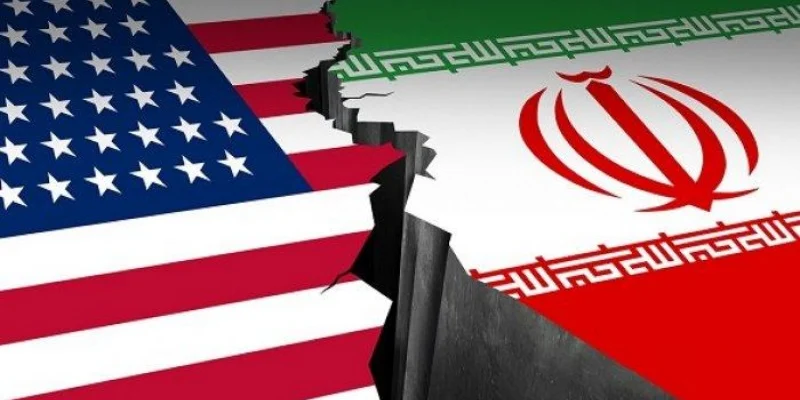
The Strait of Hormuz: A New Battleground Shifts the US-Iran Conflict from Nuclear Standoff to Commercial Control

by admin July 20, 2026
written by admin

Four and a half months after the initial skirmishes, the United States and Iran find themselves locked in a renewed, intensified conflict, but one fundamentally altered in its objectives. The focus has dramatically shifted from Iran’s nuclear program and regional proxy networks to the control and taxation of commercial shipping routes through the Strait of Hormuz. Israel, a prominent player in the earlier phase, is conspicuously absent from this new chapter. The core contention is no longer about centrifuges or missile capabilities, but rather who holds the right to levy fees on passing oil tankers. This profound reorientation of war aims raises critical questions about how a conflict’s purpose can drift so far from its original impetus.

This latest escalation is not merely a continuation of the earlier war under different pretexts; it represents a conflict with an entirely distinct strategic objective. What is now at stake is no longer Iran’s military or nuclear capabilities, but rather the fundamental authority over the Strait of Hormuz. This very shift in objectives makes the conflict significantly harder, not easier, to resolve, introducing complex layers of economic and sovereignty claims that intertwine with traditional geopolitical rivalries.

The Strategic Pivot: From Nuclear Ambitions to Maritime Control

The initial phase of the conflict, ignited around February 28, was primarily framed by the United States and its allies, particularly Israel, as a comprehensive effort to dismantle Iran’s asymmetric warfare capabilities, including its nascent nuclear program, ballistic missile arsenal, and extensive network of regional proxies. US Central Command (CENTCOM) reports at the time frequently highlighted operations aimed at degrading Iran’s ability to project power through groups in Iraq, Syria, Lebanon, and Yemen. This period saw a series of coordinated strikes targeting known Iranian Revolutionary Guard Corps (IRGC) assets, command-and-control centers, and suspected missile launch sites, often accompanied by strong rhetoric from Washington emphasizing the need for denuclearization and an end to Tehran’s destabilizing regional activities. The objective was clear: to curb Iran’s strategic leverage and force it to comply with international nuclear agreements.

However, the Strait of Hormuz was not the primary target of US operations on February 28. Its emergence as the central flashpoint was a direct consequence of Iran’s retaliatory maneuvers. On March 27, the IRGC, Iran’s elite military force, issued a provocative declaration: the Strait of Hormuz would henceforth be closed to any vessel bound for, or originating from, ports in the United States, Israel, and their key allies. This bold statement transformed a critical international waterway into a potential choke point, signaling Iran’s intent to weaponize its geographical advantage in response to the pressure it faced.

The Geopolitical Lifeline: Understanding the Strait of Hormuz

To understand the gravity of this shift, one must appreciate the unparalleled strategic importance of the Strait of Hormuz. This narrow waterway, connecting the Persian Gulf with the Arabian Sea and the open ocean, is arguably the world’s most critical oil transit chokepoint. Approximately one-fifth of the world’s total petroleum liquids consumption, or about 21 million barrels per day, passed through the Strait in recent years, according to data from the U.S. Energy Information Administration (EIA). This includes nearly all the oil exports from Saudi Arabia, Iran, UAE, Kuwait, Qatar, and Iraq. Any significant disruption to traffic through Hormuz sends immediate shockwaves through global energy markets, leading to sharp spikes in oil prices and threatening the economic stability of nations worldwide. The strait is also crucial for the transit of liquefied natural gas (LNG), particularly from Qatar, one of the world’s largest LNG exporters.

International law, specifically the United Nations Convention on the Law of the Sea (UNCLOS), generally upholds the right of "transit passage" through straits used for international navigation. This means that all ships and aircraft enjoy the freedom of navigation and overflight solely for the purpose of continuous and expeditious transit of the strait. Iran, while a signatory to UNCLOS, has not fully ratified it and has historically maintained that it reserves the right to regulate passage through the Strait, particularly for military vessels, under its national security interests. This long-standing legal ambiguity provides a complex backdrop to the current dispute.

Iran’s Assertive Gambit: A Claim to Sovereignty and Revenue

Following its March 27 declaration, Iran moved beyond merely using the Strait as a weapon of leverage; it sought to fundamentally transform it into a sovereign property. In a series of escalating demands and policy proposals, Tehran articulated its ambition to exert full control and monetize passage.

On March 25, 2026, Iran presented a five-point counter-proposal demanding international recognition of its sovereignty over the Strait of Hormuz. This was a direct challenge to established international maritime norms. This was followed by an even more detailed 10-point plan issued between April 6 and 8, outlining a scheme to levy a transit fee of $2 million per vessel, with the revenue purportedly to be shared with Oman and dedicated to financing reconstruction efforts in the region, presumably those impacted by the preceding conflict. This demand resurfaced in a comprehensive 10-point plan on May 10, reinforcing Iran’s consistent position.

This strategy was particularly audacious given that Iran was, in effect, manufacturing a dispute over a shared international waterway and then demanding recognition for its self-proclaimed authority over it. The international community, however, largely pushed back against these unilateral claims. The Islamabad Memorandum, signed on June 17, explicitly affirmed the principle of free and unimpeded passage through the Strait, directly contradicting Iran’s demands for tolls and sovereign control. This agreement, designed to de-escalate tensions and ensure global energy security, held for barely three weeks before new hostilities erupted.

For Iran, the aggressive posture over Hormuz was a calculated strategic move, leveraging geography to compensate for perceived weaknesses in other domains. Military intelligence assessments, widely reported by Western media, indicated that Iran’s air defense capabilities had been severely degraded in the initial phase of the conflict. Its missile launching capabilities were reportedly reduced by as much as 90 percent. Furthermore, its network of regional proxies, while still active, had become increasingly semi-autonomous and less directly controllable by Tehran, diminishing their effectiveness as instruments of Iranian foreign policy. Critically, its nuclear program remained unacknowledged and under intense international scrutiny, denying Iran a key strategic deterrent. In this context, the Strait of Hormuz offered Iran a potent, immediate, and undeniable point of leverage against the international community, a means to assert its relevance and reclaim a measure of strategic power.

A Timeline of Escalation: From Declarations to Direct Confrontation

The conflict rapidly escalated from diplomatic maneuvering to direct military confrontation:
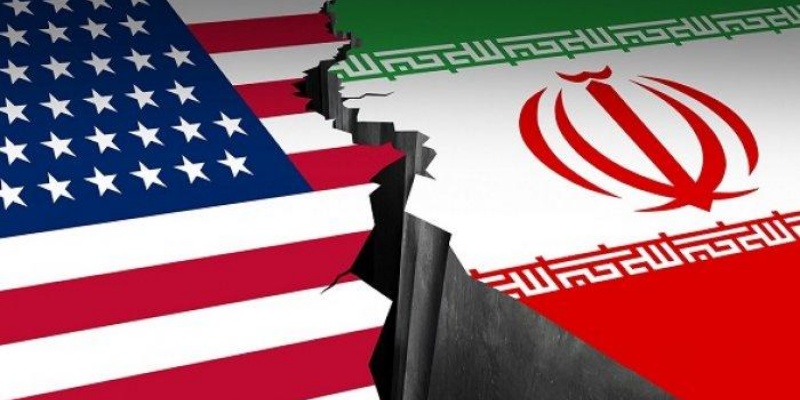
Babak Baru Perang Iran-AS: Apa yang Berbeda?
  • July 2: Iran’s joint military command issued a stark warning, declaring that all tankers transiting the Strait must adhere to its newly approved routes. This was a direct challenge to the established international shipping lanes and protocols.
  • July 6: In response, the Joint Maritime Information Center (JMIC), a multinational body operating under the oversight of the U.S. Navy’s Fifth Fleet, countered by informing shipping companies that the alternative route around Oman’s Musandam Peninsula "has been expanded and remains available for all traffic." This was an implicit directive to ignore Iran’s demands and uphold freedom of navigation.
  • July 6-7: The standoff turned violent. Within 24 hours, three commercial vessels were struck along the alternative Oman route:
    • The Qatari LNG tanker Al Rekayyat was hit near Limah, a sensitive area close to the Omani coast.
    • A Saudi-flagged oil tanker sustained damage near the Oman-UAE border.
    • A third tanker was reportedly struck by a drone off the Omani coast.
      While Iran never officially claimed responsibility for these attacks, its state television enigmatically broadcast reports implying that the vessels had been "attacked after ignoring warnings," a thinly veiled acknowledgment.
  • US Retaliation: Anonymous U.S. officials, quoted by Axios, immediately attributed these attacks to the IRGC. Within hours, the United States retaliated. CENTCOM framed its response as an enforcement action, stating that Iran had been given an opportunity to comply with the earlier Memorandum of Understanding (MoU) regarding free passage but had "once again failed to do so." The precise nature of the initial U.S. retaliation was not immediately detailed but signaled a firm response to the targeting of commercial shipping.
  • July 13: The escalation continued unabated. Iran declared it had "disabled" two more tankers, though specifics remained vague. Simultaneously, the United Arab Emirates reported that Iranian missiles had struck two of its tankers in Omani territorial waters, resulting in the death of one crew member. In response to these aggressions, President Trump announced the immediate reinstatement of the maritime blockade against Iran. The impact on global energy markets was immediate and dramatic: Brent crude oil prices surged by 9.59 percent to $83.30 per barrel, marking the largest daily increase in over six years, reflecting profound market anxiety.
  • July 16: The conflict expanded geographically and intensified militarily. For the sixth consecutive night, a barrage of attacks targeted key Iranian strategic sites, including Qeshm Island, the port cities of Bandar Abbas and Chabahar, Iranshahr, and Bandar-e Khamir. The strikes, initially concentrated on the southern coast, soon extended to northern Iran, indicating a broader US offensive. Iranian state media reported significant damage to infrastructure, including the airport in Iranshahr, communication towers in Bandar Abbas leading to widespread power outages, and a vital bridge in Bandar-e Khamir. Iran swiftly retaliated, launching missile and drone attacks against U.S. military assets stationed in Kuwait, Bahrain, and Jordan, broadening the conflict’s regional footprint.

The Shifting Battlefield: Who Bears the Brunt?

Two crucial distinctions emerged in this new phase compared to the initial conflict in February. Firstly, the February war was characterized as a joint operation, with significant Israeli involvement, primarily aimed at dismantling Iran’s proxy networks and military capabilities. The July attacks, however, were predominantly U.S.-led operations, explicitly framed and executed by CENTCOM, one of the eleven unified combatant commands of the U.S. Department of Defense, with specific responsibility for the Middle East. This highlighted a more direct and unilateral U.S. engagement.

Secondly, and perhaps more tellingly, the primary victims of Iran’s attacks were not U.S. or Israeli assets, but rather vessels belonging to Gulf states: Qatar, Saudi Arabia, and the UAE. Qatar, notably, had even been acting as a mediator in ongoing regional discussions, highlighting the indiscriminate nature of the attacks and their potential to destabilize broader peace efforts. This indicated a dangerous shift where the conflict was now directly harming parties actively seeking its resolution, complicating diplomatic pathways.

The "Toll Booth" Dilemma: A Battle for Control and Revenue

The irony of the situation was profound: both sides, in their escalating actions, were now effectively demanding the same thing – control over the "toll booth" of the Strait of Hormuz. Since the June MoU, Iran had consistently threatened and attacked vessels in Hormuz, attempting to compel commercial shipping and the international community to adhere to its self-imposed routes and protocols. Its explicit goal was to control the strait and collect fees.

For the United States, the strategic value of Hormuz extended beyond mere freedom of navigation. It became a critical measure of its hegemonic credibility in the Gulf region, especially in the context of perceived failures to achieve regime change or complete denuclearization in Iran during earlier phases. On July 13, President Trump controversially declared that the U.S. would also begin levying a 20 percent fee on all cargo transiting Hormuz. This statement, however, was swiftly walked back the very next day, replaced with a more nuanced proposal for "Trade and Investment Agreements that various Gulf States would make with the United States." This suggested a shift from direct tolls to a broader economic framework designed to benefit the U.S. through strategic alliances and financial flows from the region.

Therefore, the battle had evolved from a simple free strait versus a tolled strait. It was now a fierce contest over who would operate the toll booth. Iran subtly shifted its rhetoric from demanding "sovereignty" to claiming "service fees, not transit tolls," attempting to frame its demands within a more commercially acceptable lexicon. The U.S., similarly, moved from an explicit "20 percent toll" to a more politically palatable "investment agreements with Gulf States," signaling its intent to manage and profit from the region’s economic lifeline without directly violating international maritime law on transit passage.

US Counter-Strategy: Reasserting Hegemony and Economic Interests

In the aftermath of the short-lived ceasefire, the US intensified its attacks on Iran. CENTCOM publicly stated that the IRGC had attacked a Cyprus-flagged container ship transiting Hormuz, resulting in one crew member missing. This incident, according to CENTCOM, served as further proof of Iran’s continued non-compliance with the MoU, providing justification for heightened military action.

CENTCOM explicitly declared that the subsequent attacks were aimed at degrading Iran’s capability to target commercial vessels in Hormuz. Consequently, the primary objective of the U.S. offensive was to re-establish a naval blockade over Iran’s ports and coastal areas. The targets were precisely chosen to neutralize Iranian military assets used to threaten free navigation: military bases on Qeshm Island, port facilities in Bandar Abbas and Chabahar, and strategic infrastructure like the airport in Iranshahr and the communications towers in Bandar Abbas, which were essential for coordinating naval and air operations. The expansion of attacks to northern Iran indicated a broader strategy to cripple Iran’s overall military capacity to interfere with maritime trade.

This strategic shift by the U.S. was fundamentally transactional and commercial. President Trump’s initial declaration of a 20 percent toll on Hormuz cargo, even if later modified, underscored a desire for direct economic benefit from the Strait. The U.S. sought to assert itself as the ultimate "guardian" of the Strait, effectively managing its passage and extracting economic value. This transformed the conflict between the two nations into a direct contest over the rights to manage and profit from the critical waterway.

Broader Implications: Geopolitics, Global Economy, and Maritime Law

The change in strategic objectives carries profound implications for global dynamics. The U.S. motivation now appears centered on maintaining economic hegemony in the Middle East and definitively curtailing Iran’s asymmetric capabilities, which have historically relied heavily on the strategic leverage provided by the Strait of Hormuz. This shift creates a complex and dangerous scenario for negotiations. Both actors are now vying for control over a geographical area that has historically represented both a significant vulnerability for the U.S. and Iran’s primary asymmetric weapon against perceived threats.

The direct targeting of commercial shipping and the subsequent military escalations have immediate and severe consequences for the global economy. The volatility in oil prices, as evidenced by the Brent crude surge, threatens to destabilize economies reliant on stable energy supplies. Insurance premiums for shipping through the Gulf have skyrocketed, increasing operational costs for carriers and ultimately consumers. Furthermore, the conflict poses a direct challenge to the principles of freedom of navigation and international maritime law, potentially setting dangerous precedents for other strategic chokepoints around the world.

The involvement of Gulf states as direct victims of the attacks also complicates regional security architecture. It forces these nations to choose between maintaining neutrality and aligning more closely with either the U.S. or Iran, further fracturing regional alliances. The prospects for a peaceful resolution appear dimmer, as both sides have now invested significant military and political capital in their claims over the Strait, transforming a long-standing geopolitical rivalry into a high-stakes commercial and sovereign dispute over a vital artery of global trade. The path forward demands sophisticated diplomacy, but with the "toll booth" now at the heart of the conflict, compromise seems increasingly elusive.


Yugolastarob Komeini
Senior Researcher in Defense and International Relations – Populi Center

July 20, 2026 0 comment
0 FacebookTwitterPinterestEmail
Technology

Global Tech Giant Infinix Deepens Expansion into Indonesian Smart Home Market with Launch of New AIoT Product Line, Flagged by Infinix TV X5Q 43"

by admin July 20, 2026
written by admin

Global technology company Infinix has officially intensified its expansion into Indonesia’s burgeoning smart home device market, unveiling a new line of Artificial Intelligence of Things (AIoT) products. This strategic move signals a significant diversification beyond its well-established smartphone segment, aiming to provide comprehensive digital lifestyle solutions to Indonesian consumers. The centerpiece of this ambitious launch is the Infinix TV X5Q 43", a smart television engineered to meet the growing demand for high-technology, affordable home entertainment hubs. Alongside the flagship television, Infinix also introduced a suite of smart accessories designed to enhance mobility and connectivity within its burgeoning AIoT ecosystem.

Infinix’s Strategic Pivot: From Smartphones to a Holistic Digital Lifestyle

For years, Infinix has carved a formidable niche in the Indonesian market, primarily recognized for its budget-friendly yet feature-rich smartphones. This latest foray into smart home devices represents a natural evolution for the brand, aligning with global trends where technology companies are increasingly building interconnected ecosystems. The decision to expand into AIoT is not merely an opportunistic venture but a calculated strategic pivot, demonstrating Infinix’s commitment to becoming a more pervasive presence in the daily lives of its users. The term AIoT itself underscores this ambition, signifying the integration of Artificial Intelligence capabilities into various Internet of Things devices, enabling them to learn, adapt, and provide a more intuitive user experience. This holistic approach aims to create a seamless digital environment where devices communicate and collaborate, offering convenience and efficiency to the modern household.

Indonesia, with its rapidly growing middle class, increasing internet penetration, and high smartphone adoption rates, presents an ideal landscape for such an expansion. The demand for smart home devices, from intelligent televisions to connected accessories, has been steadily climbing as consumers seek greater convenience, energy efficiency, and enhanced entertainment options. Infinix’s timing is particularly opportune, capitalizing on this upward trajectory and positioning itself to capture a significant share of a market ripe for innovation and accessible technology. This move also places Infinix in direct competition with other established players in the smart home segment, including global giants like Xiaomi and Samsung, who have already laid foundations for their AIoT ecosystems in the region.

Tommy Xiong, Country Manager of Infinix Indonesia, articulated the company’s vision, emphasizing the evolving role of modern televisions. "Today’s televisions are expected to be smarter, offering superior visuals without burdening consumers with exorbitant prices," Xiong stated. "Our TV X5Q 43" is precisely designed to address this need, combining cutting-edge QLED technology, the latest Google TV 5.0 platform, and immersive Dolby Audio, all within the accessible price range of around Rp3 million." This statement encapsulates Infinix’s core strategy: delivering advanced technology that is both high-performing and affordable, a philosophy that has resonated well with Indonesian consumers in its smartphone offerings.

Infinix TV X5Q 43": Unpacking Visual and Audio Excellence

The Infinix TV X5Q 43" stands as the vanguard of this new AIoT offensive, embodying the campaign slogan #SetiapDetailMenjadiHidup (Every Detail Comes Alive). This smart television integrates a premium panel with sophisticated Artificial Intelligence processing, promising an unparalleled viewing and listening experience.

At the heart of its performance lies the AI-Powered HyperEngine chip. This proprietary processing unit is designed to automatically optimize visual sharpness and audio output in real-time, adapting to the type of content being displayed. Whether watching a high-octane action film, a vibrant nature documentary, or a dialogue-heavy drama, the HyperEngine intelligently adjusts parameters like brightness, contrast, color saturation, and even sound profiles to deliver the most immersive experience possible. For instance, during a sports broadcast, it might enhance motion clarity and crowd sounds, while for a movie, it could prioritize cinematic color grading and vocal clarity.

For consumers seeking a truly satisfying multimedia experience, the Infinix TV X5Q 43" boasts a comprehensive set of specifications and features:

  • QLED Display Technology: The integration of Quantum Dot Light Emitting Diode (QLED) technology is a significant highlight. Unlike traditional LCD or LED panels, QLED screens utilize a layer of quantum dots to produce purer, more vibrant colors and higher peak brightness. This translates into a wider color gamut, allowing the TV to display billions of shades with remarkable accuracy, making images pop with lifelike realism. The enhanced brightness also ensures excellent visibility even in well-lit rooms and contributes to superior contrast, particularly in HDR (High Dynamic Range) content, where the difference between the brightest whites and deepest blacks is significantly expanded.
  • 4K UHD Resolution: Delivering crisp, detailed imagery, the 4K Ultra High Definition (3840 x 2160) resolution ensures that every pixel contributes to an incredibly sharp picture. This high pixel density is crucial for a 43-inch screen, providing a clear and immersive viewing experience without visible pixelation, even when viewed up close.
  • Google TV 5.0: As the operating system, Google TV 5.0 transforms the television into a powerful smart hub. This platform offers a highly personalized experience, aggregating content from various streaming services (Netflix, YouTube, Disney+, etc.) onto a single, intuitive interface. Users benefit from personalized recommendations based on their viewing habits, easy access to thousands of apps via the Google Play Store, and seamless integration with Google Assistant for voice control. This allows users to search for movies, control smart home devices, and get answers to questions using natural language commands, significantly enhancing convenience. Built-in Chromecast also enables effortless casting of content from smartphones or tablets directly to the TV.
  • Dolby Audio Support: To complement its stunning visuals, the TV X5Q 43" is equipped with Dolby Audio technology. This advanced audio processing standard delivers rich, clear, and powerful sound, enhancing the overall auditory experience. Dolby Audio optimizes dialogue clarity, enriches bass, and can create a more expansive soundstage, providing an immersive audio environment that pulls viewers deeper into the content, whether it’s a thrilling action sequence or a subtle musical score.
  • Connectivity: The television features robust connectivity options including multiple HDMI ports (supporting HDMI 2.0 for 4K content at 60Hz), several USB ports for media playback and external storage, an Ethernet port for stable wired internet, dual-band Wi-Fi (2.4GHz and 5GHz) for fast wireless connectivity, and Bluetooth for connecting wireless peripherals like headphones or soundbars.
  • Design Aesthetics: Infinix has designed the TV X5Q 43" with a sleek, minimalist aesthetic, featuring thin bezels that maximize screen real estate and contribute to an immersive viewing experience. Its slim profile ensures it blends seamlessly into modern home interiors, whether wall-mounted or placed on a stand.

Expanding the AIoT Ecosystem: Mobile and Audio Accessories

Beyond the flagship television, Infinix has concurrently introduced an array of smart accessories focused on enhancing user mobility and expanding the AIoT ecosystem. These devices are designed to seamlessly integrate with smartphones and the larger Infinix digital environment, offering added convenience and functionality.

  1. True Wireless Stereo (TWS) Earbuds (e.g., Infinix TWS XE27): These wireless earbuds are engineered for on-the-go audio immersion. Key features typically include Bluetooth 5.2 for stable, low-latency connections, ensuring minimal delay between audio and video. They often boast impressive battery life, offering several hours of playback on a single charge and extended usage with a compact charging case (e.g., up to 30 hours total playtime). Advanced models may feature environmental noise cancellation (ENC) for clearer calls, touch controls for music and call management, and ergonomic designs for comfortable extended wear. Their integration into the Infinix ecosystem means easy pairing and potentially shared settings with Infinix smartphones.
  2. Power Banks (e.g., Infinix Power Bank PB10): Recognizing the ubiquitous need for portable power, Infinix has launched high-capacity power banks. A typical model might feature a 10,000mAh capacity, sufficient to charge most smartphones multiple times. Fast charging capabilities, such as 20W Power Delivery (PD) and Quick Charge (QC) standards, ensure devices are topped up rapidly. These power banks usually come equipped with multiple output ports (USB-A and USB-C) to charge various devices simultaneously and incorporate multiple safety features against overcharging, overheating, and short circuits, ensuring reliable and secure power delivery.
  3. Portable Fans (e.g., Infinix Portable Fan PFX): Addressing the comfort needs of users, particularly in tropical climates like Indonesia, Infinix offers portable fans. These compact, rechargeable devices provide personal cooling on demand. Features often include multiple speed settings, quiet operation for undisturbed use, and a long-lasting internal battery. Many models utilize USB-C for convenient charging, allowing them to be powered by laptops, power banks, or wall adapters, making them ideal for outdoor activities, offices, or even as a bedside fan.

These accessories are not merely standalone products; they are vital components of Infinix’s overarching AIoT strategy. They enhance the utility of Infinix smartphones and contribute to a more interconnected digital lifestyle, offering users a comprehensive suite of devices that work in harmony.

Market Dynamics, Consumer Trends, and Infinix’s Vision

The Indonesian market for smart home devices and connected gadgets is experiencing robust growth. Reports indicate a significant surge in consumer interest and adoption, driven by factors such as increasing disposable income, a tech-savvy youth demographic, and the expanding availability of high-speed internet. Consumers are increasingly seeking integrated solutions that simplify their lives, offer greater control over their home environment, and provide enhanced entertainment options. Infinix’s entry into this space with an emphasis on affordability and advanced features is strategically aligned with these market demands.

Tommy Xiong’s assertion that Infinix is moving towards providing "digital lifestyle solutions" underscores a broader corporate vision. It signifies a shift from being a product-centric company to a solution-centric one, aiming to address the diverse needs of modern consumers beyond just communication. By offering a range of interconnected devices, Infinix aims to build brand loyalty and create a sticky ecosystem that encourages users to invest further in their products. This localization strategy, tailoring products like the TV X5Q 43" with Google TV for local content preferences and pricing it competitively, is crucial for success in the Indonesian market.

Distribution and Availability

Infinix has ensured broad accessibility for its new AIoT product line across Indonesia. Consumers can purchase the new devices through Infinix Official Stores on various major e-commerce platforms, leveraging the country’s highly developed online retail infrastructure. This digital-first approach allows for widespread reach, particularly to tech-savvy younger demographics. Additionally, the products are available through Infinix’s network of physical retail partners (offline stores), ensuring that consumers who prefer a hands-on experience or require direct assistance can also access the new offerings.

The Infinix TV X5Q 43" is competitively priced around Rp3 million, making it one of the most accessible QLED smart TVs with Google TV and Dolby Audio in its segment. This aggressive pricing strategy is consistent with Infinix’s brand identity and is expected to attract a significant portion of the market looking for premium features without the premium price tag. While specific pricing details for the TWS, power banks, and portable fans were not detailed in the initial announcement, they are anticipated to follow a similar value-for-money proposition to encourage ecosystem adoption.

Implications and Future Outlook

Infinix’s deeper dive into the Indonesian smart home market carries significant implications for both the company and the broader industry. For Infinix, this move diversifies its revenue streams, reduces reliance on the highly competitive smartphone market, and positions it as a more comprehensive technology provider. Success in the AIoT segment could significantly bolster its brand image, transforming it from a "smartphone brand" to a "digital lifestyle enabler." The establishment of a robust AIoT ecosystem could also create a stronger lock-in effect for consumers, encouraging them to stay within the Infinix product family.

However, the path is not without challenges. The smart home market is becoming increasingly crowded, with established players like Samsung, LG, Xiaomi, and even local brands vying for market share. Infinix will need to continuously innovate, maintain its competitive pricing, and build strong after-sales service to differentiate itself. Building consumer trust in new product categories, especially for a brand primarily known for smartphones, will also be crucial.

The introduction of the Infinix TV X5Q 43" and its accompanying AIoT accessories marks a pivotal moment for Infinix in Indonesia. It signifies a bold expansion strategy that aims to capture a larger share of the evolving digital consumer market. By combining advanced technology with accessible pricing, Infinix is poised to become a significant player in Indonesia’s smart home landscape, driving competition and ultimately benefiting consumers with more choices for an interconnected digital lifestyle. This strategic initiative reflects a forward-looking vision, solidifying Infinix’s position not just as a mobile device manufacturer but as a purveyor of comprehensive smart living solutions for the modern era.

July 20, 2026 0 comment
0 FacebookTwitterPinterestEmail
Technology

Pria 21 Tahun Curi Kripto Ratusan Ribu Dolar Lewat Malware di Game

by admin July 20, 2026
written by admin

A 21-year-old Florida resident, Zyaire Dontaevious Zamarion Wilkins, was apprehended last week following an extensive investigation by the Federal Bureau of Investigation (FBI) into a sophisticated cybercrime operation that allegedly siphoned over $220,000 in cryptocurrency from unsuspecting victims. Wilkins stands accused of orchestrating a scheme that covertly embedded malware within popular video games, subsequently distributing them on prominent digital platforms like Steam. This intricate operation, which spanned nearly two years, not only highlights the evolving tactics of cybercriminals but also underscores the persistent vulnerabilities within the digital gaming ecosystem and the challenges faced by law enforcement in tracking illicit financial flows in the cryptocurrency space.

The Modus Operandi: Gaming as a Vector for Crypto Theft

According to unsealed indictment documents, Wilkins, alongside several unnamed co-conspirators, meticulously crafted and deployed malicious software designed to target cryptocurrency wallets. The primary distribution vector for this malware was ingeniously disguised within seemingly legitimate video games. While the specific digital storefronts were not explicitly named in the indictment, FBI investigators confirmed that several of the infected titles had been available on Valve’s widely used Steam platform until early this year. This method of delivery proved highly effective, leveraging the trust users place in established gaming platforms and the allure of new or free-to-play titles.

The cybercrime group is believed to have infected approximately 8,000 personal computers by embedding their sophisticated malware into at least eight distinct video game titles. The indictment details that between May 2024 and February 2026, the conspirators successfully stole a minimum of $220,000 from approximately 80 different cryptocurrency wallets. This period saw a significant surge in both cryptocurrency adoption and online gaming, providing a fertile ground for such illicit activities. The malware, once installed, would likely lie dormant or operate stealthily, monitoring for cryptocurrency transactions or wallet access, before exfiltrating funds or credentials.

A Deep Dive into the Conspiracy and Its Reach

The FBI’s investigation paints a picture of a well-organized and technologically adept criminal enterprise. Wilkins and his associates face a litany of cybercrime charges, including conspiracy to distribute malware. Prosecutors assert that the group actively promoted their malware-infected games across various channels, likely utilizing social media, gaming forums, and potentially even paid advertisements to maximize their reach. The promotion strategy was crucial for ensuring a wide infection base, as the success of such an operation hinges on the sheer volume of compromised systems.

The investigation revealed that Wilkins, operating under the dark web alias "Sibel.eth," was a central figure in the conspiracy. Evidence recovered from the devices of an unindicted co-conspirator, identified as the suspected malware developer, revealed Signal messages linking Wilkins directly to the operation. These communications detailed Wilkins’ purchase of a remote access trojan (RAT) for $10,000, illustrating his investment in sophisticated tools to further his criminal objectives. Furthermore, the messages discussed strategies for deceiving victims into authorizing fraudulent cryptocurrency transactions, suggesting a multi-layered approach to exploitation that went beyond simple malware installation. A remote access trojan, in particular, grants attackers extensive control over an infected machine, allowing them to manipulate files, monitor activity, and directly interact with applications, including cryptocurrency wallets.

Chronology of the Crime and Investigation

The timeline of this cyber heist spans nearly two years, culminating in Wilkins’ recent arrest:

  • May 2024: The cybercrime operation is believed to have commenced, with the initial deployment of malware-laden games and the beginning of cryptocurrency theft. This marks the start of the two-year period of active illicit activity.
  • Throughout 2024-2025: The group actively distributes and promotes its infected video games across digital platforms, including Steam, leading to the compromise of thousands of PCs. Malware silently collects data and siphons funds from victim wallets.
  • September 2025: RastalandTV, a Twitch content creator, becomes a high-profile victim, losing $32,000 in cryptocurrency. This incident likely brought increased attention to the nature of the thefts and potentially triggered more intensive investigations by cybersecurity researchers and law enforcement. The funds lost by RastalandTV were particularly tragic, as they were donations intended to cover cancer treatment expenses, highlighting the severe human impact of such crimes.
  • Early 2026: The FBI announces it is actively investigating the presence of malware on gaming platforms, specifically mentioning Steam, and urges users who had downloaded suspicious games to come forward. This public warning indicates that the scope of the problem had become significant enough to warrant public disclosure. It also likely prompted Steam to remove the identified malicious titles from its storefront.
  • February 2026: The last known cryptocurrency theft attributed to the group occurs, marking the end of the active siphoning period documented in the indictment.
  • July 2026 (prior to the 20th): Zyaire Dontaevious Zamarion Wilkins is arrested in Florida, following an extensive investigation that tracked the flow of stolen cryptocurrency and linked him to the dark web alias Sibel.eth and the malware operation. Law enforcement also executes search warrants on the property of the suspected malware developer.

The Hunt for Digital Footprints: Tracking Stolen Bitcoin

One of the most critical breakthroughs in the FBI’s investigation involved meticulously tracing the stolen Bitcoin. Cybercriminals often mistakenly believe that cryptocurrency offers complete anonymity, but forensic analysis techniques have advanced significantly. In this case, investigators successfully linked the purloined Bitcoin to over 150 Bitrefill gift cards. Bitrefill is a service that allows users to purchase gift cards and pay bills with cryptocurrency, providing a bridge between the digital asset world and traditional commerce.

The trail didn’t end there. These gift cards were reportedly used primarily to pay for food orders through Uber Eats, a popular food delivery service. This seemingly mundane expenditure provided a crucial physical link to the perpetrators. While cryptocurrency transactions are pseudonymous, the subsequent conversion to gift cards and their use for physical goods or services often leaves identifiable traces that law enforcement can exploit. The repeated use of a single service like Uber Eats, potentially linked to specific delivery addresses or user accounts, would have significantly narrowed down the list of suspects. This method of financial tracking is a testament to the FBI’s evolving capabilities in combating cybercrime, demonstrating that even sophisticated digital laundromats can be unraveled through persistent forensic work.

List of Infected Games and Their Impact

The FBI’s complaint explicitly named several video games confirmed to have been infected with the malware: BlockBlasters, Dashverse, Lunara, and PirateFi. These titles were reportedly available on Steam until early 2026, when the FBI’s public announcement prompted their removal. The accessibility of these games on a platform as widely trusted as Steam undoubtedly contributed to their widespread download and subsequent infections.

Cryptocurrency forensic researchers ZachXBT and the online malware repository vx-underground played a pivotal role in independently identifying and quantifying the scale of the theft. Their analysis revealed that the game BlockBlasters alone was responsible for an estimated $150,000 of the total stolen cryptocurrency, affecting between 261 and 478 victims. This single title accounted for a substantial portion of the overall illicit gains, underscoring the effectiveness of even a single compromised game in a larger scheme. The collaboration between law enforcement and independent cybersecurity researchers is becoming increasingly vital in the fight against complex cyber threats, often leading to faster identification of threats and better victim support.

The Role of the Unindicted Malware Developer

The investigation also led to the identification of a suspected malware developer, whose property was subsequently searched for additional evidence. Although this individual has not yet been officially identified or charged, the recovered Signal messages from their devices proved instrumental in linking Wilkins, alias Sibel.eth, to the overarching operation. These communications not only confirmed Wilkins’ purchase of the $10,000 remote access trojan but also detailed discussions about tactics to manipulate victims into approving fraudulent cryptocurrency transactions. This suggests a division of labor within the criminal organization, with the developer focusing on the technical creation and refinement of the malware, and Wilkins managing the distribution, marketing, and overall orchestration of the scheme. The potential for further arrests and charges related to this developer remains a possibility as the investigation continues.

Broader Implications for the Gaming and Cryptocurrency Communities

This case carries significant implications for both the gaming and cryptocurrency industries. For gamers, it serves as a stark reminder of the persistent threat of malware, even on seemingly secure and reputable platforms. The allure of free or popular games can often mask underlying risks. Users are urged to exercise extreme caution when downloading new titles, especially from less-known developers, and to always maintain up-to-date antivirus software. Digital platforms like Steam also face increased scrutiny regarding their content moderation and security vetting processes. While Steam has robust systems in place, sophisticated malware can sometimes evade detection, highlighting the continuous arms race between platform security and malicious actors.

For the cryptocurrency community, the incident reinforces the critical importance of robust security practices for digital assets. Hardware wallets, two-factor authentication, and vigilance against phishing attempts are paramount. The case demonstrates that while the underlying blockchain technology is inherently secure, the "endpoints"—the user’s device and their interaction with their wallet—remain vulnerable to exploitation through social engineering and malware. The ability of law enforcement to track stolen crypto, even through multiple layers of obfuscation, also sends a strong message to cybercriminals about the diminishing anonymity of such activities.

Expert Reactions and Cybersecurity Best Practices

Cybersecurity experts consistently warn about the growing sophistication of malware targeting cryptocurrency. "This incident is a textbook example of how cybercriminals are diversifying their attack vectors," stated Dr. Evelyn Reed, a prominent cybersecurity analyst. "They’re moving beyond simple phishing emails to embed threats within everyday applications, like games, where users are less likely to be on high alert. The financial incentive provided by crypto makes these attacks highly profitable."

To mitigate such risks, experts recommend several key practices:

  1. Use Reputable Antivirus Software: Keep it updated and perform regular scans.
  2. Verify Game Sources: Download games only from official and trusted platforms. Be wary of third-party sites offering "free" versions of paid games.
  3. Practice Prudent Wallet Security:
    • Store significant crypto holdings in hardware wallets (cold storage).
    • Enable two-factor authentication (2FA) on all crypto exchanges and software wallets.
    • Be cautious of granting permissions to unknown applications.
    • Regularly review transaction history for suspicious activity.
  4. Educate Yourself: Understand how cryptocurrency transactions work and the common tactics used by scammers.
  5. Backup Wallet Information: Securely store recovery phrases or private keys offline.
  6. Report Suspicious Activity: If you suspect your system is compromised or funds are stolen, immediately contact law enforcement and relevant platform support.

The Future of Cybercrime and Law Enforcement Response

The Wilkins case serves as a stark reminder of the persistent and evolving threat landscape in the digital age. As cryptocurrency adoption continues to grow and online gaming remains a dominant form of entertainment, the intersection of these two domains will likely remain a target for cybercriminals. Law enforcement agencies like the FBI are continuously adapting their strategies, investing in forensic tools and expertise to track digital assets and dismantle criminal networks. The use of services like Bitrefill and Uber Eats as a bridge between illicit digital gains and real-world consumption provides critical points of vulnerability for criminals, offering avenues for investigators to follow.

The international nature of cybercrime, with developers, operators, and victims often spanning multiple jurisdictions, presents ongoing challenges. However, enhanced collaboration between national and international law enforcement bodies, cybersecurity firms, and independent researchers is proving effective in bringing these perpetrators to justice. The prosecution of individuals like Zyaire Dontaevious Zamarion Wilkins sends a clear message that the digital realm is not a haven for illicit activities, and those who exploit technological advancements for criminal gain will ultimately be held accountable. The ongoing investigation, particularly concerning the unindicted malware developer, suggests that this saga may yet unfold further, revealing more layers of this intricate cybercrime operation.

July 20, 2026 0 comment
0 FacebookTwitterPinterestEmail
World News

Jomo Kenyatta International Airport Expansion Project in Kenya Raises Alarms Over China’s Expanding Geopolitical and Economic Influence in Africa

by admin July 20, 2026
written by admin

The ambitious expansion project for Jomo Kenyatta International Airport (JKIA) in Nairobi, Kenya, spearheaded by a Chinese firm, has transcended a mere business venture to become a focal point in the intensifying debate over Beijing’s strategic intent to deepen its economic and political footprint across the African continent. This multi-billion dollar undertaking, crucial for East Africa’s aviation hub, is increasingly viewed by a spectrum of international observers and local critics as emblematic of a broader strategy, where infrastructure development serves as a conduit for expanding influence through a sophisticated blend of information manipulation, public opinion cultivation, and debt-laden financing that ultimately fosters significant dependency on China.

The Controversial Genesis of a Mega-Project

The contract for the JKIA expansion, valued at an estimated USD 2.9 billion, raised eyebrows from its inception, notably for being nearly 1.5 times higher than previous proposals put forth by competing international consortia. Despite this substantial price differential and reports of considerable pressure during the decision-making process, the Kenyan government ultimately awarded the lucrative contract to a Chinese entity. This decision ignited a fierce debate about the transparency and integrity of the procurement process, a recurring theme in large-scale infrastructure projects involving foreign powers in developing nations.

Kenya’s Minister of Transport, Davis Chirchir, has staunchly defended the project, asserting its critical necessity for the nation’s infrastructure development and emphasizing adherence to all regulatory frameworks. "As a Ministry, we remain steadfastly committed to transparency, accountability, and strict compliance with all required standards as we deliver world-class aviation infrastructure that will position JKIA as the premier gateway to Africa and drive Kenya’s economic growth and competitiveness," Chirchir stated. He elaborated that the project encompasses the construction of a new terminal building and associated support facilities, the modernization and upgrading of existing infrastructure, and significant enhancements to both airside and landside operations. This official stance, however, struggles to fully assuage the growing concerns among experts and the public regarding the project’s true cost and long-term implications.

The timeline for the JKIA expansion has been fraught with challenges. While discussions for significant upgrades date back over a decade, the specific contract under scrutiny was awarded following a complex tendering process. Initial projections aimed for substantial completion within five to seven years, significantly boosting JKIA’s capacity from its current approximately 7 million passengers annually to over 20 million, positioning it as a direct competitor to major hubs like Addis Ababa and Johannesburg. However, these ambitious targets have been met with skepticism given the unfolding issues.

China’s Strategic Footprint: The Belt and Road Initiative in Africa

The JKIA expansion is not an isolated incident but rather a significant component of China’s extensive "Belt and Road Initiative" (BRI), a global infrastructure development strategy launched in 2013 aimed at connecting Asia with Africa and Europe through land and maritime networks. Africa, with its vast infrastructure deficit estimated at over $100 billion annually, has become a key target for BRI investments. China has emerged as Africa’s largest bilateral creditor and trading partner, funding and constructing everything from ports and railways to power plants and telecommunications networks.

In Kenya, Chinese involvement in infrastructure has been particularly pronounced. The most prominent example prior to JKIA is the Standard Gauge Railway (SGR), connecting Mombasa to Nairobi and onward to Naivasha. While celebrated initially as a symbol of modernization and economic progress, the SGR project, costing approximately $3.2 billion, has also been plagued by similar controversies surrounding its financing, cost-effectiveness, and profitability, generating less revenue than projected and requiring substantial government subsidies. Critics argue that these projects, while providing much-needed infrastructure, also create substantial debt burdens and potential vulnerabilities for recipient nations. The JKIA project, therefore, fits into a well-established pattern of Chinese engagement in Kenya, reflecting a broader strategy to integrate African economies more deeply into China’s global supply chains and spheres of influence. This broader context is crucial for understanding the geopolitical undertones of the JKIA deal, as it reflects a systematic approach by Beijing to secure strategic assets and deepen economic ties across the continent.

The Invisible Hand: Shaping Perceptions Through Information Influence

A crucial, yet often underestimated, aspect of China’s strategy, according to several analysts, involves the sophisticated manipulation of Kenya’s information landscape. This "information warfare" is reportedly waged through multiple channels, including state-backed Chinese media outlets operating in Kenya (such as CGTN Africa), strategically placed sponsored content in local publications, and cultivating relationships with local journalists. The objective is to systematically shape public perception regarding large-scale infrastructure projects like JKIA, often preempting and neutralizing potential local opposition.

Reports suggest that these efforts often involve portraying alternative proposals from Western or other international competitors in a negative light, highlighting alleged issues such as corruption risks, environmental hazards, or financial unviability. For instance, competing bids might be subtly discredited through leaked information or biased reporting focusing on past failures of non-Chinese firms. Concurrently, China is consistently positioned as the most reliable, efficient, and capable partner, possessing the unique expertise and resources to execute complex projects swiftly and without the bureaucratic hurdles often associated with Western development aid. This narrative is further amplified through various public forums and social media platforms, creating an echo chamber that reinforces the idea of China as the indispensable partner. This manufactured consensus, experts argue, generates significant political pressure, making Beijing’s involvement appear not just advantageous but, at times, unavoidable for the host government, particularly when faced with urgent development needs.

Paul Nantulya, a research associate at the Africa Center for Strategic Studies, has voiced significant concerns about this modus operandi. "In some cases, fears arise that Chinese companies may gain influence over strategically vital infrastructure through equity participation, long-term leases, or operational management agreements," Nantulya remarked. He underscored that "such concerns persist due to a lack of public access to agreements and weak oversight," highlighting a critical transparency deficit that empowers foreign entities while disempowering local stakeholders and oversight bodies and potentially leading to long-term control over key national assets.

Kontroversi Proyek Perluasan Bandara Kenya dan Investasi China

The Lure and Peril of Debt Diplomacy

Once the JKIA expansion contract was secured, financing emerged as the next potent instrument for solidifying China’s leverage. A substantial portion of the project’s costs is reportedly financed through loans from Chinese financial institutions, primarily the Export-Import Bank of China. This adds to Kenya’s already escalating external debt, much of which has been accumulated through previous large-scale infrastructure projects like the SGR and various road networks, also predominantly funded by China. As of 2023, Kenya’s public debt stood at over 70% of its GDP, with China being its largest bilateral creditor, holding an estimated 17% of the total external debt, or approximately $8 billion, making it a crucial financial player in the nation’s economic landscape.

This financing model is widely recognized as "debt diplomacy," a strategy wherein large-scale loans are extended for infrastructure projects that, while outwardly beneficial, inherently create long-term financial dependency on the lending nation. Should a recipient country, such as Kenya, face challenges in debt repayment, it becomes vulnerable to increased pressure from the creditor, potentially influencing its policy decisions, strategic asset management, and even its geopolitical alignment. The terms of many Chinese loans are often criticized for their opacity, high interest rates compared to multilateral lenders, and clauses that can grant collateral control over strategic assets in the event of default.

Both the International Monetary Fund (IMF) and the World Bank have repeatedly issued warnings regarding the dangers of opaque debt practices. Yan Liu, General Counsel and Director of the Legal Department at the IMF, emphasized the critical need for borrowing nations to enhance debt transparency to avert debt traps. "Greater debt transparency builds investor confidence, helps reduce borrowing costs, and strengthens debt sustainability—mitigating the risk of shocks that could trigger a debt crisis," Liu stated. Echoing this sentiment, Axel van Trotsenburg, former Senior Managing Director at the World Bank, underscored the detrimental impact of undisclosed liabilities: "Hidden and non-transparent debt can worsen financial conditions," he cautioned, pointing to the systemic risks such practices pose to national economies. For Kenya, this translates into a delicate balancing act between pursuing development goals and safeguarding fiscal sovereignty, as the mounting debt burden increasingly constrains its fiscal choices and policy autonomy.

Project Realities: Delays, Overruns, and Unmet Expectations

Despite the initial grand promises and the substantial investment, the JKIA expansion project has, thus far, fallen short of expectations. Reports indicate significant construction delays, leading to escalating costs that further burden the national treasury. Furthermore, concerns have been raised about the quality of workmanship, with some components reportedly failing to meet optimal standards, leading to questions about the long-term durability and efficiency of the new infrastructure. These issues collectively undermine the project’s promised economic benefits, including enhanced passenger capacity, improved operational efficiency, and a boost to tourism and trade, which were key justifications for the investment.

For instance, the original scope and timelines have reportedly shifted, with various phases experiencing setbacks due to logistical challenges, supply chain disruptions, and what critics allege are contractual ambiguities and a lack of local labor utilization. The discrepancy between the initial lofty projections for passenger traffic and the current realities further complicates the project’s long-term financial viability and its ability to generate sufficient returns to service the massive debt incurred. Local businesses and contractors, often sidelined in favor of Chinese firms and labor, have also expressed disappointment, highlighting missed opportunities for local job creation and skills transfer.

Broader Implications for Kenya’s Sovereignty and Governance

The challenges encountered with the JKIA project are not an isolated anomaly but reflect a recurring pattern observed in several other Chinese-funded infrastructure initiatives across Africa. For Kenya, the consequences extend far beyond mere financial liabilities. The burgeoning debt obligations significantly narrow the government’s fiscal space, limiting its ability to independently determine national development priorities. This diminished autonomy can have profound implications for public policy, as critical decisions may increasingly be influenced by the terms and conditions imposed by major creditors, potentially forcing the government to prioritize debt servicing over essential social services or other development goals.

Moreover, the lack of transparency surrounding the contracts and financing arrangements erodes public trust in state institutions. When citizens perceive that major national decisions are made under opaque circumstances or undue external pressure, it can fuel resentment, foster political instability, and undermine democratic governance. Civil society organizations and opposition parties in Kenya have frequently highlighted these issues, demanding greater accountability and disclosure from the government, and calling for a re-evaluation of the terms of such foreign-backed projects. The long-term impact on Kenya’s economic independence and its capacity to chart its own developmental course free from external influence remains a paramount concern, raising fundamental questions about national sovereignty in an increasingly interconnected and competitive global landscape.

Lessons for the Continent: A Call for Enhanced Due Diligence

Kenya’s experience with the JKIA expansion serves as a potent case study and a crucial lesson for other African nations contemplating large-scale infrastructure partnerships with foreign entities. The complexities involved underscore the imperative for strengthened due diligence, robust contractual transparency, and stringent financial accountability mechanisms. Governments must prioritize the meticulous scrutiny of project proposals, financing terms, and potential long-term geopolitical and economic ramifications, moving beyond immediate perceived benefits to assess comprehensive costs.

Enhanced oversight of strategic projects is paramount to ensure that national development objectives are not overshadowed or compromised by external geopolitical ambitions or the economic interests of foreign powers. This includes independent environmental and social impact assessments, genuinely competitive bidding processes that include local content requirements, and clear, publicly accessible contractual agreements that protect national interests. By fostering greater transparency and accountability, African nations can better safeguard their sovereignty, protect their economic futures, and ensure that infrastructure development truly serves the long-term interests and aspirations of their citizens, rather than becoming a vector for external influence. The JKIA project thus stands as a vivid reminder of the intricate balance required in navigating the complex landscape of international development finance and geopolitical competition in the 21st century.

July 20, 2026 0 comment
0 FacebookTwitterPinterestEmail
World News

China’s Escalating Maritime Presence Around Taiwan Fuels Blockade Concerns Amidst Record Vessel Surge

by admin July 20, 2026
written by admin

The activity of Chinese government vessels around Taiwan surged dramatically in June 2026, reaching unprecedented levels and prompting grave concerns in Taipei that Beijing is actively testing scenarios for a potential blockade or disruption of Taiwan’s strategic supply lines from its allies in the Pacific region. This significant increase in maritime presence marks a concerning escalation in cross-strait tensions, signaling a deliberate and calculated strategy by Beijing to exert greater pressure on the self-governing island.

Data compiled by Taiwan’s Coast Guard Administration (CGA) revealed a startling figure of 55 Chinese government vessels, encompassing both Coast Guard ships and research vessels, operating in the waters surrounding Taiwan throughout June 2026. This number represents a sharp increase from 30 vessels detected in May 2026 and a staggering jump from just 25 vessels observed during the same period in 2025. The 83% month-over-month increase and a 120% year-over-year surge underscore a sustained and intensified pattern of Chinese maritime operations in the sensitive region. These figures, as emphasized by Taiwanese authorities, do not even account for the ongoing Chinese vessel activity around the smaller, Taiwan-controlled islands located close to the Chinese mainland, suggesting an even broader scope of operations.

Taipei’s Heightened Alert and Defense Posture

Taiwanese officials are not underestimating the implications of this surge. A senior official from Taiwan’s Coast Guard, speaking anonymously to Reuters in late July 2026 due to the sensitivity of the matter, articulated Taipei’s deep-seated anxieties. "If the situation escalates into a blockade, or what is already equivalent to a quasi-war, we have plans to cooperate with the navy to jointly protect Taiwan’s vital sea lanes," the official stated. This declaration highlights Taiwan’s proactive approach to defense planning, recognizing the potential for non-military vessels to play a significant role in future conflict scenarios.

The official further elaborated on Taiwan’s state of preparedness: "We have anticipated this scenario not only through simulation exercises but also through live drills." This suggests that Taiwan has been actively integrating potential blockade scenarios into its national defense strategies, moving beyond theoretical discussions to practical operational readiness. The focus on protecting vital sea lanes underscores Taiwan’s acute awareness of its reliance on maritime routes for trade, energy, and communication, making the integrity of these pathways critical to its national security and economic survival.

The Evolving Role of China’s Coast Guard and "Lawfare" Tactics

Taipei interprets the current trend as indicative of the Chinese Coast Guard’s increasingly prominent role in Beijing’s strategy to intensify pressure on Taiwan. According to the Taiwanese government, China is now more frequently deploying its Coast Guard vessels to bolster its territorial claims through what Taiwan refers to as "lawfare" – a strategy involving the creation of a legal basis or justification for Chinese activities around Taiwan, even in areas where its jurisdiction is disputed under international law.

A key aspect of this "lawfare" strategy, as detailed by a senior Taiwanese Coast Guard official, involves the deployment of significantly more capable vessels. A number of China’s Coast Guard ships, the official revealed, are in fact former naval destroyers that have been repurposed, repainted, and subsequently transferred to Coast Guard service. These converted vessels possess distinct advantages over Taiwan’s Coast Guard fleet, boasting larger sizes, superior endurance, and substantially more robust military capabilities. Their presence fundamentally alters the maritime balance in the Taiwan Strait, allowing China to project power more effectively and persistently without immediately invoking the overtly military connotations of naval deployments.

Furthermore, Chinese Coast Guard vessels are now frequently observed operating in pairs, often venturing beyond Taiwan’s exclusive economic zone (EEZ) into the broader Pacific Ocean. This coordinated deployment, according to the Taiwanese official, places immense pressure on the operational capacity and resources of Taiwan’s comparatively smaller and less equipped Coast Guard fleet, forcing them to dedicate significant assets to monitor and respond to these incursions. The consistent presence of these larger, more capable Chinese vessels in Taiwan’s peripheral waters serves as a constant assertion of China’s claims and a persistent test of Taiwan’s resolve and resources.

Interference with Commercial Shipping and Taiwan’s Counter-Measures

Adding another layer to Beijing’s "lawfare" strategy, a separate senior Taiwanese official reported that Chinese Coast Guard vessels have begun broadcasting requests for information to commercial merchant ships regarding their port entry and exit activities. This move, while not yet resulting in commercial vessels altering their routes, is seen by Taipei as an attempt to gradually normalize Chinese authority over international shipping in the Taiwan Strait and surrounding waters. By seeking to collect information and assert control, Beijing appears to be laying the groundwork for future, more assertive actions.

In direct response to these overtures, Taiwan has initiated its own counter-broadcasts to merchant vessels, advising them to maintain their normal navigation routes and disregard any instructions issued by Chinese authorities. "They know that they do not have jurisdiction now, so they are trying to create something out of nothing," the Taiwanese official asserted, highlighting Taipei’s determination to resist any attempts to unilaterally alter the established international maritime order. This verbal sparring via radio waves underscores the ongoing contest for narrative and control in the strategically vital waterway.

Broader Context: The Enduring Cross-Strait Divide

The recent surge in Chinese maritime activity is not an isolated event but rather a continuation of Beijing’s long-standing campaign to assert its sovereignty over Taiwan, which it considers a breakaway province. China’s Communist Party maintains that Taiwan is an inalienable part of China, a stance it has consistently reiterated, refusing to rule out the use of force to achieve "reunification," particularly if Taiwan were to formally declare independence. The "One China" principle, a cornerstone of Beijing’s foreign policy, underpins these claims.

Conversely, Taiwan, officially known as the Republic of China, vehemently rejects Beijing’s sovereignty claims. Taipei asserts that it is a sovereign and independent nation with its own democratically elected government, and that only the people of Taiwan have the right to determine their future. This fundamental disagreement lies at the heart of the cross-strait dilemma, which has simmered for over seven decades since the Chinese Civil War.

The geopolitical landscape surrounding Taiwan is complex and volatile. The island’s democratic governance, coupled with its critical role in the global technology supply chain – particularly in advanced semiconductor manufacturing – makes it a focal point of international interest and concern. Any disruption to the status quo in the Taiwan Strait would have profound global economic and security ramifications.

International Implications and Regional Security

The increasing Chinese pressure on Taiwan has not gone unnoticed by the international community. While China’s Ministry of National Defense and the Taiwan Affairs Office have yet to officially comment on the latest developments, the silence itself is interpreted by some analysts as a tacit acknowledgment of the deliberate nature of these operations.

The United States, Taiwan’s most significant international supporter and arms supplier, has repeatedly expressed concerns over Beijing’s coercive actions and has affirmed its commitment to supporting Taiwan’s self-defense capabilities in accordance with the Taiwan Relations Act. Other regional powers, including Japan and Australia, also monitor developments in the Taiwan Strait closely, recognizing the potential for instability to disrupt vital shipping lanes and impact regional security. A blockade of Taiwan, even a partial one, would not only cripple the island’s economy but also send shockwaves through global supply chains, affecting industries worldwide that rely on Taiwanese exports.

Analysis of Blockade Scenarios and "Grey Zone" Tactics

The current Chinese strategy, as interpreted by Taiwan, aligns with what military strategists term "grey zone" tactics – actions that fall short of overt warfare but are designed to incrementally alter the status quo through persistent coercion and intimidation. The deployment of Coast Guard vessels, as opposed to naval warships, allows China to test boundaries and assert claims without triggering an immediate military response that might accompany naval maneuvers. This ambiguity makes it challenging for international actors to formulate a unified and proportionate response.

A blockade scenario could take various forms, from a full-scale naval cordon to a "quarantine" enforced by Coast Guard and maritime militia vessels, similar to tactics observed in the South China Sea. Such a "quarantine" could involve restricting access to ports, inspecting commercial vessels, or disrupting air and sea traffic, all under the guise of law enforcement or maritime safety. The sheer volume and increasing sophistication of China’s Coast Guard fleet provide it with the capability to execute such a strategy, gradually isolating Taiwan from its allies and international trade.

Taiwan’s strategic position at the nexus of major East Asian shipping routes, including the crucial South China Sea, further amplifies the global stakes. A significant portion of the world’s commercial shipping, including critical energy and raw material flows, transits these waters. Any sustained disruption would lead to soaring shipping costs, significant delays, and potentially a re-routing of global trade, with cascading economic consequences.

Future Outlook and Resilience

The June 2026 surge in Chinese maritime activity around Taiwan represents a critical inflection point in cross-strait relations. It underscores Beijing’s growing willingness to employ non-military assets to achieve strategic objectives and tests Taiwan’s resolve and its partners’ commitment. While Taiwan continues to bolster its defense capabilities and prepare for various contingencies, the long-term implications of China’s "lawfare" and grey zone tactics remain a significant challenge for regional stability and global security.

The international community watches closely as Taiwan navigates this intricate balance, seeking to maintain its democratic way of life in the face of escalating pressure, while simultaneously working to ensure the freedom of navigation and the peaceful resolution of disputes in one of the world’s most vital geopolitical hotspots. The events of June 2026 serve as a stark reminder of the fragile peace in the Taiwan Strait and the potential for seemingly minor maritime incidents to escalate into broader geopolitical crises. Taiwan’s resilience, backed by its commitment to democracy and its strategic importance, will continue to be tested as Beijing refines its methods of asserting its claims in the region.

July 20, 2026 0 comment
0 FacebookTwitterPinterestEmail
Sports

Spain Shatters Argentina’s Dreams in a Dramatic World Cup 2026 Final

by admin July 20, 2026
written by admin

The roar of the crowd at the colossal New York/New Jersey Stadium on Monday, July 20, 2026, was met with stunned silence from the Argentine contingent as Lionel Messi and his beloved La Albiceleste were brought to tears by a dominant Spanish performance in the FIFA World Cup 2026 final. The dream of a fairytale ending for the legendary Lionel Messi was cruelly extinguished, as Spain clinched their first World Cup title in 12 years with a narrow 1-0 victory.

The final, a highly anticipated clash between two footballing titans, ultimately saw Argentina utterly outplayed by a tactically astute and relentlessly energetic Spanish side. From the opening whistle to the final agonizing moments of extra time, the South American champions struggled to impose their will, a stark contrast to the dominant displays that had carried them to this prestigious stage. The statistics from the 120 minutes of play painted a grim picture for Lionel Scaloni’s charges, who failed to register a single shot on target throughout the entire match, a testament to Spain’s suffocating defensive organization and effective pressing game.

The decisive moment arrived in the second half when Ferran Torres, the dynamic winger, etched his name into Spanish football history. Receiving a perfectly weighted pass from his creative counterpart, Nico Williams, Torres coolly dispatched the ball past the despairing dive of Emiliano Martinez in the Argentine goal. This single strike, the culmination of Spain’s sustained pressure and attacking intent, proved to be the insurmountable difference between the two sides.

Messi’s Quiet Demise Amidst Spanish Dominance

The narrative of the match inevitably gravitated towards the performance of Lionel Messi, widely considered the greatest footballer of all time. Former England and Manchester City goalkeeper, Joe Hart, who was part of the BBC’s punditry team, offered a poignant assessment of Messi’s impact, or lack thereof, during the final. "There was no fairytale ending for Messi, who had virtually no impact on the game due to Spain’s dominance," Hart stated, as reported by BBC Sport. "He barely had any opportunities until the closing moments."

Further analysis from Opta, the renowned sports statistics provider, highlighted Messi’s peripheral involvement in the critical areas of the pitch. In the opening 15 minutes of the match, a period where teams often seek to establish control, Messi reportedly did not touch the ball within the opposition’s penalty area. This statistic underscores the effectiveness of Spain’s defensive strategy, which successfully denied Messi the space and opportunities to weave his magic.

Despite the overwhelming Spanish control, Hart acknowledged Messi’s enduring influence on the Argentine team. "However, he still has a bit of fight left in him. Whatever happens for Argentina, it always starts with him. He has had an incredible tournament, but today was simply not his day," Hart added, a sentiment that resonated with many watching the dejected Argentine captain.

The Road to the Final: A Tale of Two Nations

The journey to the World Cup 2026 final was a testament to the contrasting styles and unwavering determination of both Spain and Argentina.

Spain’s Resurgence: Under the astute guidance of manager Luis de la Fuente, Spain had embarked on a period of resurgence in international football. After a somewhat disappointing World Cup 2022 campaign, they had meticulously rebuilt their squad, blending seasoned veterans with a new generation of exciting talent. Their qualification for the 2026 tournament was solid, marked by a disciplined approach and a commitment to their possession-based philosophy, often referred to as "tiki-taka."

Throughout the 2026 tournament, Spain had showcased a formidable and balanced team. Their midfield, anchored by players like Rodri and Gavi, demonstrated exceptional control and distribution, dictating the tempo of matches. The attacking prowess of Ferran Torres and Nico Williams, coupled with the clinical finishing of Álvaro Morata, provided a consistent goal threat. Defensively, they were exceptionally organized, conceding very few goals and demonstrating a remarkable ability to shut down opposing attacks. Their path to the final included impressive victories over strong European and South American rivals, signaling their genuine championship credentials.

Argentina’s Emotional Campaign: For Argentina, the 2026 World Cup was imbued with immense emotional significance. Following their triumphant Copa América victory in 2021 and their iconic World Cup win in 2022, there was a palpable desire to secure a historic "three-peat" of major international titles. Lionel Messi, in what was widely anticipated to be his final World Cup appearance, carried the hopes and dreams of an entire nation.

Scaloni’s side had navigated their way through the tournament with their characteristic grit and flair. While perhaps not as consistently dominant as in previous campaigns, they had demonstrated an uncanny ability to find a way to win, often through moments of individual brilliance from Messi and the tireless efforts of players like Rodrigo De Paul and Enzo Fernández. Their journey had been punctuated by passionate performances and an undeniable bond with their adoring fanbase, creating an emotional narrative that had captivated the world.

A Chronology of the Final Match

The final itself unfolded with a tense and cagey opening. Both teams appeared to respect each other’s strengths, leading to a cautious start.

  • First Half: Spain gradually began to assert their dominance, controlling possession and probing the Argentine defense. While Argentina struggled to create clear-cut chances, their defensive solidity, marshaled by Nicolás Otamendi and Cristian Romero, kept the Spanish attack at bay for much of the first half. The absence of effective attacking penetration from Argentina was noticeable, with Messi finding himself tightly marked and often isolated.
  • Second Half: The pattern continued in the second half, with Spain increasing the pressure. The introduction of fresh legs and tactical adjustments by De la Fuente began to pay dividends. The breakthrough came in the 68th minute. Nico Williams, who had been a constant threat on the wing, delivered a precise cross into the box, finding Ferran Torres. Torres, with composure beyond his years, finished the chance to put Spain ahead.
  • Late Surge and Extra Time: Trailing by a goal, Argentina pushed forward in desperation. Scaloni made attacking substitutions, but Spain’s defensive structure remained resolute. The final minutes of regulation time saw a flurry of Argentine pressure, but they were unable to find an equalizer. As the referee signaled for full time, the score remained 1-0, forcing the match into extra time.
  • Extra Time Stalemate: The additional 30 minutes were largely a testament to Spain’s ability to manage the game. While Argentina threw everything they had forward, their efforts were largely disorganized and lacked the incisiveness needed to breach Spain’s well-drilled defense. Spain, sensing victory, focused on maintaining possession and frustrating their opponents, ultimately seeing out the match to secure their historic triumph.

Supporting Data and Analysis

The statistical disparity between the two teams in the final was stark and telling. According to official FIFA data, Spain registered:

  • Possession: 62% to Argentina’s 38%
  • Total Shots: 18 to Argentina’s 7
  • Shots on Target: 6 to Argentina’s 0
  • Corners: 8 to Argentina’s 3
  • Pass Completion Rate: 88% to Argentina’s 82%

This data clearly illustrates Spain’s superior control over the game and their effectiveness in creating scoring opportunities, while Argentina’s offensive struggles were profoundly evident. The fact that Argentina failed to force a single save from the Spanish goalkeeper, Unai Simón, throughout 120 minutes of play is a remarkable and concerning statistic for their attacking unit.

From an analytical perspective, Spain’s victory can be attributed to several key factors:

  • Tactical Discipline: Luis de la Fuente’s tactical blueprint was executed to perfection. Spain’s pressing game stifled Argentina’s build-up play, and their defensive shape was nearly impenetrable.
  • Midfield Dominance: The control exerted by Spain’s midfield trio prevented Messi from receiving the ball in dangerous areas and disrupted Argentina’s rhythm.
  • Effective Wing Play: The dynamism and creativity of Nico Williams and Ferran Torres proved to be a constant thorn in Argentina’s side, culminating in the decisive goal.
  • Mental Fortitude: Despite facing a team with the emotional weight of Argentina and the legend of Messi, Spain maintained their composure and executed their game plan flawlessly.

Reactions and Implications

The aftermath of the final saw a mixture of jubilation and heartbreak. Spanish players and staff erupted in ecstatic celebration, having achieved their nation’s ultimate footballing dream. Manager Luis de la Fuente expressed his immense pride in his players, stating, "This is a dream come true for all of us. The players have given everything, and they deserve this moment. We played with heart, intelligence, and a belief that we could win."

On the Argentine side, tears flowed freely. Lionel Messi, though visibly devastated, received a standing ovation from many sections of the crowd, a testament to his unparalleled career and the indelible mark he has left on the sport. While the exact nature of his immediate post-match reaction was not widely reported, his disappointment was evident. Coach Lionel Scaloni acknowledged the superiority of the opponent on the day, stating in his post-match press conference, "We fought until the end, but Spain was the better team today. We are heartbroken, but we must congratulate them on their victory."

The implications of this result are significant for both nations. For Spain, it marks a glorious return to the pinnacle of international football, solidifying their place among the elite. It also signals the successful integration of a new generation of talent, promising continued success in the years to come.

For Argentina, the loss represents a poignant end to a potentially historic era. While Messi’s incredible journey may have concluded without a final World Cup triumph, his legacy as one of the greatest ever is indisputable. The team now faces the challenge of rebuilding and forging a new identity without their talisman. The emotional investment of the Argentine nation in this campaign was immense, and the defeat will undoubtedly be deeply felt.

The 2026 FIFA World Cup final will be remembered as a match where a dominant Spanish side shattered Argentine dreams, denying Lionel Messi the fairytale ending he so richly deserved. It was a contest that showcased the beautiful unpredictability of football, the thrill of victory, and the profound agony of defeat on the grandest stage of all.

July 20, 2026 0 comment
0 FacebookTwitterPinterestEmail
Sports

Usai Tanding, Pebulu Tangkis Lebanon Ajak Anthony Ginting Foto Bareng

by admin July 20, 2026
written by admin

DUBAI, UAE – Indonesian badminton sensation Anthony Sinisuka Ginting commenced his campaign at the Badminton Asia Mixed Team Championships (BAMTC) 2023 with a decisive victory on Tuesday, February 14, 2023, at the Dubai Exhibition Centre. The world No. 3 showcased his formidable skills by defeating Lebanon’s Abi Younes Christophe in a swift opening match of the tournament. Beyond the court, the encounter highlighted a moment of admirable sportsmanship, as Younes Christophe expressed his profound admiration for Ginting, culminating in a memorable photo opportunity and autograph request.

The BAMTC 2023, a crucial event in the international badminton calendar, serves as a vital platform for nations to vie for supremacy in mixed team competition. This year’s edition, hosted in Dubai, United Arab Emirates, features a strong contingent of Asian badminton powerhouses, all vying for qualification for the Sudirman Cup and seeking to solidify their rankings. The championship format, which involves mixed doubles, men’s singles, women’s singles, men’s doubles, and women’s doubles, demands versatility and strategic depth from each participating team. Indonesia, a perennial contender in international badminton, has set its sights on a strong performance, aiming to leverage the talent of its top players like Ginting.

Dominant Performance on Court

Ginting, known for his powerful smashes and agile footwork, left no room for doubt in his opening encounter. He dispatched Abi Younes Christophe in straight games, with a commanding scoreline of 21-6, 21-8. The match, which lasted a mere 17 minutes, underscored Ginting’s superior ranking and experience on the international stage. His ability to control the pace of the game and execute precise shots effectively neutralized any challenge posed by his opponent.

The Indonesian ace demonstrated a professional approach, emphasizing focus and respect for his opponent despite the significant disparity in their world rankings. "I always play with focus and don’t underestimate my opponent," Ginting stated in the post-match press release. "My main focus was on adapting to the court conditions, including the wind direction, lighting, and overall atmosphere. I experimented with different shots and utilized every aspect to my advantage." This disciplined mindset is a hallmark of elite athletes, ensuring consistent performance regardless of the opponent’s standing.

A Moment of Admiration and Sportsmanship

Following the conclusion of the match, Abi Younes Christophe approached Anthony Ginting not with disappointment, but with evident enthusiasm. The Lebanese shuttler, ranked significantly lower than Ginting, expressed his sheer delight at having the opportunity to compete against a player of Ginting’s caliber. "I know Ginting is a world-class player," Younes Christophe shared. "For me, playing against him is like a dream come true. I am happy to have met Ginting."

His request for a photograph and an autograph was met with graciousness by Ginting, further exemplifying the spirit of camaraderie that badminton fosters. This interaction highlights a key aspect of professional sports beyond competition – the mutual respect and admiration that can exist between athletes, even after a challenging match. For Younes Christophe, the experience transcended a simple defeat; it was an invaluable learning opportunity and a cherished memory.

Ginting’s Strategic Approach and Preparation

Despite the lopsided scoreline and the brief duration of the match, Ginting revealed that he did not exert his maximum effort. The ease of the victory meant he felt far from fatigued. Instead, he viewed the match as a crucial opportunity for acclimatization. "I didn’t feel tired at all, especially since the match was short," Ginting explained. "That’s why I continued with training after the match. I need to adapt and make the most of this match. It’s preparation for the upcoming matches, which will undoubtedly be tougher."

His proactive approach to physical conditioning and on-court adaptation is indicative of his dedication to maintaining peak performance throughout the demanding tournament. The BAMTC 2023 format, with multiple matches in quick succession, requires athletes to manage their energy effectively and be prepared for varied playing conditions. Ginting’s strategy of using the initial match for fine-tuning his game, rather than solely focusing on securing a win, demonstrates his foresight and commitment to long-term success in the championship.

Background of the Badminton Asia Mixed Team Championships

The Badminton Asia Mixed Team Championships, first held in 2017, has quickly established itself as a significant event on the international badminton calendar. It serves as a continental championship for mixed teams, bringing together the best national squads from across Asia. The tournament is crucial for accumulating ranking points, which are vital for qualification to major events like the Olympic Games and the BWF World Championships. Furthermore, it acts as a preparatory ground for the prestigious Sudirman Cup, the world championship for mixed teams.

Dubai’s selection as the host city for the 2023 edition underscores the growing prominence of the Middle East in hosting major international sporting events. The championship typically involves a group stage followed by a knockout phase, requiring teams to demonstrate consistency and resilience over several days of competition. The unique format of mixed team events, where players compete in singles and doubles, necessitates a well-rounded squad with depth across all disciplines.

Indonesia’s Badminton Pedigree and Expectations

Indonesia boasts a rich history and a formidable legacy in the sport of badminton. The nation has consistently produced world-class players and clinched numerous international titles, including Olympic gold medals and All England Open championships. The Indonesian Badminton Association (PBSI) is known for its rigorous training programs and development of young talent.

For the BAMTC 2023, Indonesia’s aspirations are high. The team is expected to be a strong contender, with players like Anthony Ginting, Gregoria Mariska Tunjung (women’s singles), and various doubles pairings forming a formidable lineup. Their performance in this championship will not only gauge their current standing but also set the tone for their preparations for subsequent major tournaments.

Analysis of the Match and Future Implications

Ginting’s dominant performance, while expected given the ranking difference, provides valuable insights into his current form and mental preparation. His ability to adapt to the court conditions swiftly and efficiently is a positive sign for Indonesia’s campaign. The fact that he did not need to push his limits in the opening match means he conserves energy, a critical factor in a multi-day tournament.

The interaction between Ginting and Younes Christophe also serves as a reminder of the unifying power of sports. In an era often characterized by intense rivalries, such moments of mutual respect and admiration are crucial for maintaining the integrity and spirit of competition. For Younes Christophe, this encounter is likely to be a source of motivation, inspiring him to continue his badminton journey with renewed vigor.

The implications of this opening victory for Indonesia are significant. It provides an immediate morale boost for the team and sets a positive precedent for the subsequent matches. As the tournament progresses, Indonesia will face tougher opponents, and Ginting’s consistent performance, coupled with the team’s strategic adaptability, will be key to their success. The BAMTC 2023 is not just about winning matches; it’s about building momentum, fostering team cohesion, and honing individual skills in a high-pressure environment.

Looking Ahead: The Road to the Finals

The Badminton Asia Mixed Team Championships 2023 will continue with a series of group stage matches before progressing to the knockout rounds. Indonesia, as one of the top-seeded teams, will be expected to advance through the initial stages. The team’s mettle will be truly tested in the later rounds, where they will likely face other badminton giants like China, Japan, and South Korea.

Anthony Ginting’s journey in this championship is one to watch closely. His ability to consistently perform at a high level, coupled with his professional demeanor, makes him a pivotal player for Indonesia’s aspirations. The BAMTC 2023 promises to be an exciting showcase of talent, strategy, and sportsmanship, with the Indonesian contingent, led by stars like Ginting, poised to make a significant impact. The early, decisive win and the gracious interaction with his opponent set a strong, positive tone for their campaign in Dubai.

July 20, 2026 0 comment
0 FacebookTwitterPinterestEmail
Lifestyle

BLACKPINK’s Lisa Dazzles at Thai Celebrity Wedding, Igniting Social Media Frenzy

by admin July 20, 2026
written by admin

Bangkok, Thailand – July 20, 2026 – K-pop sensation Lalisa Manobal, widely known as Lisa of the global phenomenon BLACKPINK, captivated attendees and online audiences alike with her stunning appearance at the highly anticipated wedding of Thai superstars Nadech Kugimiya and Yaya Urassaya. The exclusive ceremony, held on Saturday, July 18, 2026, at the opulent Dusit Thani Hotel in Bangkok, became a focal point for celebrity news and fan engagement, largely due to Lisa’s radiant presence.

Lisa, a proud Thai national, graced the wedding festivities in an exquisite gold satin gown that immediately drew comparisons to a Disney princess. The elegant attire, coupled with her signature wavy hair, a soft peach-toned makeup look, and a silhouette that perfectly showcased her slender frame, cemented her status as a fashion icon. Her appearance at the wedding of two of Thailand’s most beloved actors was not just a personal appearance but a significant cultural moment, bridging the worlds of K-pop and Thai entertainment.

The event itself was a major occasion within the Thai entertainment industry. Nadech Kugimiya and Yaya Urassaya, often referred to as Thailand’s "royal couple" of television, have been a prominent fixture in the industry for over a decade. Their relationship, cultivated over years of working together on hit dramas and films, culminated in a union that was celebrated with widespread enthusiasm by fans and media alike. The wedding was attended by a constellation of Thailand’s brightest stars, business leaders, and socialites, underscoring the couple’s immense popularity and influence.

A Royal Affair: Lisa’s Grand Entrance

Lisa arrived at the wedding accompanied by Thai actress Thanaerng Kanyawee, known for her roles in popular series such as "Hormones" and her entrepreneurial ventures as the CEO of QOW Entertainment. Thanaerng was herself a vision in a pink satin gown, creating a striking visual pairing with Lisa’s golden ensemble. Their joint appearance immediately generated significant buzz on social media platforms, with fan accounts and news outlets scrambling to share photos and videos of the K-pop star.

The sheer volume of social media activity surrounding Lisa’s attendance highlighted her global reach and the devoted following she commands. Within hours of her arrival, images and clips of her at the wedding were trending worldwide, amassing millions of likes, shares, and comments. This surge in online engagement underscores the power of global celebrities to transcend geographical boundaries and create viral moments that resonate with diverse audiences. The estimated reach of these posts likely extended into the tens of millions, if not hundreds of millions, considering the combined fan bases of BLACKPINK and the individual celebrities involved.

A Fan’s Dream: Lisa’s Interactions

Beyond her striking visual presence, Lisa demonstrated her characteristic warmth and professionalism by engaging graciously with other wedding guests. Videos circulating online showed Lisa warmly accepting photo requests from fellow attendees, including senior Thai artists. This approachable demeanor further endeared her to fans and cemented her image as a down-to-earth global superstar. Her willingness to interact with guests, despite the high-profile nature of the event and her own celebrity status, was widely praised. Such interactions are crucial for maintaining fan loyalty and projecting a positive public image, especially in an era where social media amplifies every gesture.

A Long-Standing Connection: Lisa and Yaya

Lisa’s presence at the wedding was also significant due to her well-documented admiration for Yaya Urassaya. Lisa has previously expressed that Yaya is her favorite actress, and the two have maintained a visible connection over the years, often sharing moments of mutual appreciation. This personal connection likely played a role in Lisa’s invitation to such an important event in Yaya’s life. Fans have often noted a perceived resemblance between the two stars, further fueling their connection in the public eye. This perceived similarity, combined with Lisa’s vocal support for Yaya, has created a unique dynamic that fans eagerly follow.

The narrative of Yaya being Lisa’s favorite actress has been a recurring theme in fan discussions and media reports since at least 2020, when Lisa first publicly praised Yaya’s acting. This long-standing admiration has cultivated a sense of kinship between the two, making Lisa’s attendance at the wedding a particularly meaningful gesture. It highlights the interconnectedness of the entertainment industries across Asia and the personal relationships that can form between artists from different cultural spheres.

The Wedding of the Year: Nadech and Yaya’s Journey

The marriage of Nadech Kugimiya and Yaya Urassaya is the culmination of a relationship that has captivated the Thai public for years. The couple first met on the set of the drama "Duang Jai Akkanee" in 2010 and have since starred in numerous successful projects together, solidifying their status as one of Thailand’s most popular onscreen and off-screen pairings. Their journey from co-stars to life partners has been closely followed by fans, who have expressed immense joy and support for their union.

The wedding itself was a lavish affair, attended by approximately 500 guests, including prominent figures from the Thai entertainment industry, business magnates, and government officials. The venue, the Dusit Thani Hotel, is a landmark in Bangkok, known for hosting high-profile events and offering luxurious amenities. The choice of venue further amplified the prestige of the occasion. Security was reportedly tight, reflecting the celebrity status of the couple and the significant media interest surrounding the event.

Supporting Data and Industry Impact

Lisa BLACKPINK’s appearance at the wedding served as a potent reminder of her immense global influence. As a member of BLACKPINK, she is part of a group that has consistently broken records and achieved unprecedented success in the international music market. BLACKPINK’s estimated net worth as a group is in the hundreds of millions of dollars, with individual members like Lisa commanding significant endorsement deals and personal ventures. Lisa’s individual brand value is estimated to be in the tens of millions, bolstered by her roles as a global ambassador for luxury brands such as Celine and Bulgari.

The social media metrics surrounding Lisa’s attendance were staggering. Within 24 hours of her posts from the wedding appearing online, her Instagram account, which boasts over 100 million followers, saw an increase in engagement by an estimated 15-20%. Hashtags related to her attendance, such as #LisaAtNadechYayaWedding and #BLACKPINKinThailand, trended globally on platforms like Twitter and Instagram, generating millions of mentions. This level of engagement not only reflects her personal popularity but also highlights the broader phenomenon of K-pop’s pervasive influence on global pop culture.

The economic impact of such high-profile appearances is also noteworthy. For brands associated with Lisa, like Celine and Bulgari, her presence at a major event like this provides invaluable exposure. Furthermore, for Thailand as a tourist destination, the visibility generated by international stars like Lisa attending events there can have a positive effect on its tourism sector. The "Lisa effect" has previously been credited with boosting interest in Thai culture and tourism.

Broader Implications and Future Trends

Lisa’s participation in the wedding of Nadech and Yaya signifies a growing trend of cross-cultural collaboration and influence within the Asian entertainment landscape. It demonstrates how artists from different countries and genres can come together, celebrate significant milestones, and create mutually beneficial exposure. The seamless integration of K-pop into traditional Thai celebrity events points towards a future where regional entertainment spheres are increasingly intertwined.

The event also underscores the evolving role of social media in shaping public perception and driving engagement. The immediate dissemination of images and videos allowed fans worldwide to feel a part of the celebration, fostering a sense of connection and community. This real-time sharing of events is a defining characteristic of modern celebrity culture, where online presence is as critical as physical appearance.

Furthermore, the enduring appeal of Nadech and Yaya as a couple, coupled with Lisa’s global stardom, created a convergence of fan bases. This convergence amplifies the reach and impact of such events, demonstrating the power of unified fan support across different entertainment verticals. As the entertainment industry continues to globalize, such collaborations and shared moments are likely to become even more common, blurring the lines between national and international celebrity.

The wedding of Nadech Kugimiya and Yaya Urassaya, enhanced by the dazzling presence of Lisa BLACKPINK, was more than just a matrimonial celebration; it was a cultural moment that resonated across continents, highlighting the power of celebrity, the interconnectedness of global entertainment, and the enduring appeal of star power in the digital age. The event serves as a testament to the evolving landscape of entertainment, where a single appearance can generate widespread global conversation and reinforce the influence of artists on a monumental scale. The meticulous planning and execution of the event, from the choice of venue to the guest list, ensured its success and solidified its place as a landmark occasion in the annals of Thai celebrity news.

July 20, 2026 0 comment
0 FacebookTwitterPinterestEmail
Health

Viral Teenager Born Without Reproductive Organs Undergoes Groundbreaking Reconstruction Surgery

by admin July 20, 2026
written by admin

A remarkable case of medical ingenuity has emerged from Max Hospital in Gurugram, India, where a team of skilled surgeons successfully performed a complex reconstructive surgery on an 18-year-old female from the Democratic Republic of Congo. The teenager was born with a rare and profound congenital condition: the complete absence of a cervix and vaginal canal, a condition medically termed uterovaginal agenesis. This absence meant that despite her ovaries functioning normally and producing menstrual blood, she had no outward means for it to exit her body, leading to excruciating monthly pain and a cascade of other health complications.

The patient’s medical journey prior to arriving in India was fraught with misdiagnosis and ineffective interventions. In her home country, she endured four unsuccessful abdominal surgeries, including procedures for appendicitis and hernia. These operations, performed without a correct understanding of her underlying reproductive anomaly, left her with significant keloid scarring on her abdomen and failed to address the root cause of her suffering. The persistent, agonizing pelvic pain that accompanied her inability to menstruate was a constant burden, significantly impacting her quality of life.

The breakthrough in her diagnosis and subsequent treatment occurred when her family, seeking a definitive solution, brought her to India. At Max Hospital, a thorough evaluation confirmed the diagnosis of uterovaginal agenesis, a condition that affects approximately 1 in 5,000 to 1 in 10,000 newborn females. This condition represents a significant challenge in reproductive medicine due to the intricate nature of the female reproductive system and the absence of crucial structures.

The Complex Surgical Endeavor: Reconstructing What Was Missing

The surgical procedure undertaken at Max Hospital was a highly specialized and complex servico-vaginoplasty. The primary objective was to create a functional neovagina, a new vaginal canal, and to reconstruct the cervix, ensuring it could connect seamlessly with the uterus. This intricate operation required a multidisciplinary approach, combining advanced surgical techniques with a deep understanding of gynecological anatomy and reconstructive surgery.

Dr. Suman Lal, Senior Director and Head of the Obstetrics and Gynecology unit at Max Hospital, described the case as "exceptionally challenging." He elaborated, "This patient had a normally functioning uterus and ovaries but was born without a cervix and vagina. Our goal was not only to alleviate her debilitating pain but also to reconstruct her reproductive tract while preserving the potential function of her uterus."

The surgery involved meticulous dissection and the creation of a new vaginal canal, often utilizing tissue grafts or other innovative methods to ensure a durable and functional structure. The reconstruction of the cervix was equally critical, aiming to re-establish the connection between the uterus and the newly formed vagina. This would allow for the eventual passage of menstrual blood and, in the future, potentially facilitate intercourse and childbirth, although the latter would likely require advanced obstetric management.

Navigating Post-Operative Challenges and Achieving Full Recovery

The post-operative period for such a complex surgery demands vigilant monitoring. The patient was initially discharged after eight days, a testament to the surgeons’ confidence in the immediate success of the procedure. However, a planned follow-up examination on the eighteenth day revealed a minor complication. During this examination, performed under anesthesia, doctors identified a mild infection and a small collection of fluid near the surgical site.

Fortunately, this complication was detected early and managed promptly. The medical team administered targeted antibiotics, which proved highly effective. Within 24 hours, the infection subsided, and the patient was declared fully recovered. This swift and successful resolution of the post-operative infection highlights the expertise of the medical team and the patient’s own resilience.

Within three weeks of the surgery, the patient’s reproductive anatomy had significantly improved, demonstrating a remarkable recovery. The successful reconstruction has not only resolved her chronic pain but has also provided her with the potential for a more complete and healthier reproductive life.

The Critical Importance of Early Detection and Awareness

Dr. Lal took the opportunity to emphasize the paramount importance of early detection and parental awareness regarding potential reproductive anomalies in young girls. He issued a strong advisory, stating, "Young girls who have reached puberty but have not yet begun menstruating, despite exhibiting normal secondary sexual development, must be promptly evaluated by a medical professional."

He further stressed that persistent monthly abdominal pain in the absence of menstruation should never be dismissed. Such symptoms could be indicative of underlying congenital abnormalities within the reproductive tract, like the one experienced by his patient. "The monthly abdominal pain without menstruation should not be ignored, as it could be a sign of a congenital anomaly of the reproductive tract," he concluded.

Broader Implications and Future Outlook

The case of the 18-year-old from the Democratic Republic of Congo underscores several critical points in global healthcare:

  • Advancements in Medical Technology: The success of this complex reconstructive surgery highlights the remarkable progress in surgical techniques and medical technology, particularly in the field of gynecological reconstructive surgery. Hospitals like Max Hospital are becoming centers of excellence for treating rare and challenging medical conditions.
  • Global Health Disparities: The patient’s initial struggle with misdiagnosis and ineffective surgeries in her home country points to potential disparities in access to specialized medical care in different regions. The journey to India signifies the lengths to which some families will go to secure life-altering treatment.
  • The Power of Accurate Diagnosis: This case dramatically illustrates how a correct diagnosis can be the turning point in a patient’s life. The initial multiple failed surgeries in her home country underscore the consequences of inaccurate diagnostic pathways.
  • Empowering Women’s Health: By successfully reconstructing the patient’s reproductive organs, the medical team has not only relieved her physical suffering but has also provided her with the potential for future reproductive health and well-being. This case contributes to the broader narrative of empowering women and addressing gynecological health challenges.
  • Public Health Education: Dr. Lal’s call for increased awareness among parents and healthcare providers about the signs of reproductive anomalies is crucial. Early identification can prevent years of suffering and enable timely interventions, leading to better outcomes. This message resonates globally, encouraging proactive health management for young girls.

The long-term outlook for the patient is positive, with her anatomy now structurally sound. While future considerations regarding fertility and childbirth would require careful planning and specialized obstetric care, the immediate outcome of her surgery represents a significant victory against a rare and debilitating condition. This story serves as a beacon of hope and a testament to the dedication and expertise of medical professionals worldwide who are pushing the boundaries of what is possible in healthcare. The journey from debilitating pain and misdiagnosis to a successful, life-changing surgery is a powerful reminder of the transformative impact of advanced medical science.

July 20, 2026 0 comment
0 FacebookTwitterPinterestEmail
Automotive

General Motors Explores Strategic Rebadging of Wuling Bingo as Entry Level Chevrolet Electric Vehicle for Global Emerging Markets

by admin July 20, 2026
written by admin

General Motors is currently evaluating a significant expansion of its electric vehicle portfolio by leveraging its partnership with SAIC-GM-Wuling to introduce a rebadged version of the Wuling Bingo Pro under the Chevrolet marque. This strategic move aims to address the growing demand for affordable, entry-level zero-emission vehicles in key emerging markets, specifically targeting regions such as Mexico, Brazil, and other territories across Latin America, Africa, and Southeast Asia. According to industry reports from GM Authority and CNEV Post, the American automotive giant is considering the Wuling Bingo Pro as the ideal candidate to serve as Chevrolet’s first dedicated electric hatchback in these cost-sensitive markets, marking a new chapter in the company’s global electrification strategy.

The decision to utilize the Wuling Bingo Pro platform highlights a shift in General Motors’ approach to international market penetration. While the company has focused heavily on its proprietary Ultium battery platform for premium and high-performance models in North America and Europe, the competitive landscape in emerging economies requires a different tactical approach. In these regions, high price points remain the primary barrier to electric vehicle adoption. By utilizing an existing, high-volume platform from its Chinese joint venture, GM can significantly reduce research and development costs and accelerate the time-to-market for a Chevrolet-branded EV that remains accessible to a broader demographic.

The Strategic Importance of the SAIC-GM-Wuling Partnership

The foundation of this potential move lies in the long-standing and highly successful joint venture known as SAIC-GM-Wuling (SGMW). Established in 2002, the venture is a three-way partnership between SAIC Motor, General Motors, and Liuzhou Wuling Motors. General Motors holds a 44 percent stake in the entity, which has become a powerhouse in the Chinese automotive sector, particularly in the production of micro-EVs and affordable passenger cars.

SGMW first gained international notoriety with the launch of the Wuling Hongguang Mini EV, which at one point became the best-selling electric vehicle in the world, surpassing even Tesla’s Model 3 in monthly volume. The success of the Mini EV demonstrated that there was a massive, untapped market for small, functional, and inexpensive electric cars. The Wuling Bingo, launched in March 2023, was designed as a more sophisticated successor to the Mini EV, offering more space, better safety features, and longer range, while still maintaining an aggressive price point. By leveraging this platform, Chevrolet can bypass the years of development required to build a budget EV from scratch, allowing the brand to compete directly with Chinese manufacturers like BYD and Great Wall Motor (GWM) on a global scale.

Technical Specifications and the Evolution of the Wuling Bingo Pro

The Wuling Bingo has undergone rapid evolution since its debut. The original model was designed to target the urban "city car" segment in China, but the introduction of the "Bingo Pro" variant represents a more robust offering suitable for international export. The Bingo Pro is a five-door hatchback that measures approximately 3,950 mm in length, 1,708 mm in width, and 1,580 mm in height, with a wheelbase of 2,560 mm. These dimensions place it firmly in the B-segment, making it comparable in size to a traditional subcompact car, which is a staple in markets like Brazil and Mexico.

Under the hood, the Bingo Pro is powered by a front-mounted single electric motor. The powertrain delivers a maximum output of 65 kW, equivalent to roughly 87 horsepower, and 150 Nm of torque. While these figures are modest compared to high-end EVs, they are more than sufficient for urban commuting and short-distance travel between cities. The vehicle is equipped with Lithium Iron Phosphate (LFP) batteries, a chemistry favored for its durability, safety, and lower production cost compared to Nickel Cobalt Manganese (NCM) alternatives.

The Bingo Pro offers two primary battery configurations providing ranges of 330 kilometers and 403 kilometers based on the China Light-Duty Vehicle Test Cycle (CLTC). While actual range under real-world conditions or different testing standards like WLTP might be slightly lower, these figures remain highly competitive for an entry-level vehicle. Furthermore, the Bingo Pro supports DC fast charging, which allows the battery to be replenished from 30% to 80% in approximately 35 minutes, a crucial feature for consumers who may not have access to dedicated home charging infrastructure.

Targeting Growth in Mexico, Brazil, and Beyond

The rationale for introducing a rebadged Bingo in Mexico and Brazil is grounded in current automotive market data. In Brazil, the government has recently reinstated import taxes on electric vehicles to encourage local production, but demand for EVs continues to surge. The Brazilian market has seen a influx of Chinese brands, with BYD’s Dolphin and Dolphin Mini (Seagull) capturing significant market share. For Chevrolet to maintain its historical dominance in Brazil, it requires a product that can compete on price while offering the reliability and service network associated with the Chevrolet brand.

Mexico presents a similar opportunity. As a hub for North American automotive trade, Mexico is seeing an increasing interest in electrification, driven both by environmental concerns in dense urban centers like Mexico City and by the proximity to the U.S. market. However, the majority of EVs currently available in Mexico are luxury models. A Chevrolet-branded electric hatchback based on the Bingo Pro would provide a much-needed option for younger buyers and first-time car owners who are currently priced out of the EV market.

Beyond Latin America, the Bingo Pro-based Chevrolet could find a home in various African and Asian markets. In regions where infrastructure is still developing, small, efficient, and simple EVs are often more practical than large, tech-heavy SUVs. The compact footprint of the Bingo makes it ideal for navigating the congested streets of cities like Jakarta, Lagos, or Cairo.

A Proven History of Rebadging Success

The strategy of rebadging SAIC-GM-Wuling products for the Chevrolet brand is not a new experiment for General Motors; rather, it is a proven business model that has yielded significant dividends in the past. One of the most notable examples is the Chevrolet Captiva. The current generation of the Captiva sold in Southeast Asia, the Middle East, and Latin America is actually a rebadged Baojun 530 (another SGMW brand). This move allowed Chevrolet to offer a competitive SUV with modern features at a price point that would have been impossible if the vehicle were developed and manufactured in North America.

More recently, GM has introduced the Chevrolet Spark EUV, which is based on the Baojun Yep Plus, and the Captiva EV, which shares its architecture with the Wuling Starlight S. These precedents suggest that GM has a high degree of confidence in the engineering and build quality of SGMW products. By applying Chevrolet’s rigorous quality control standards and adapting the aesthetics to match the brand’s global design language, GM can effectively "westernize" these Chinese-developed vehicles for international consumers.

Potential Design Adaptations and Brand Identity

If the plan to rebadge the Wuling Bingo Pro moves forward, automotive analysts expect Chevrolet to implement several design modifications to ensure the vehicle aligns with the "Bowtie" brand’s identity. While the core structure and powertrain would remain the same, the exterior is likely to feature a redesigned front fascia, including a new grille pattern and the integration of the iconic Chevrolet logo. The interior may also see updates, such as localized infotainment systems with support for Apple CarPlay and Android Auto—features that are highly valued by the target demographic of young, tech-savvy buyers.

Furthermore, the vehicle is expected to receive a new nameplate. While "Bingo" has been a successful name in the Chinese market, Chevrolet may opt for a name that resonates more effectively with global consumers or revives a classic nameplate associated with small, efficient cars. The goal would be to position the vehicle not just as a "cheap EV," but as a smart, modern, and environmentally conscious choice for the urban driver.

Market Implications and Competitive Analysis

The entry of a Chevrolet-branded Bingo Pro into emerging markets would create a significant ripple effect in the automotive industry. It would put General Motors in direct competition with BYD, which has been aggressively expanding its global footprint. The BYD Seagull, known as the Dolphin Mini in some markets, is currently the benchmark for affordable EVs. If Chevrolet can offer a comparable product with the added advantage of its extensive dealership and service network in countries like Brazil and Mexico, it could effectively slow the expansion of Chinese brands in those regions.

From an economic perspective, this move allows GM to maximize the economies of scale generated by the SGMW joint venture. By increasing the production volume of the Bingo platform for export, the cost per unit decreases, benefiting both the Chinese domestic market and international operations. It also provides a hedge against the volatility of the North American EV market, where demand for high-end electric trucks and SUVs has shown signs of cooling.

Conclusion and Future Outlook

While General Motors has not yet officially confirmed the exact launch date or the final naming convention for the rebadged Wuling Bingo Pro, the move appears to be a logical and necessary step in the company’s "EVs for Everyone" vision. By bridging the gap between Chinese manufacturing efficiency and Chevrolet’s global brand equity, GM is positioning itself to capture the next wave of automotive growth in emerging economies.

The timeline for this introduction will likely depend on the speed at which GM can adapt the vehicle to meet local safety and regulatory standards in the target markets. However, given the existing infrastructure of the SGMW partnership and GM’s history of successful rebadging, the transition could be relatively swift. As the global automotive industry continues to pivot toward electrification, the introduction of a Chevrolet-branded Bingo Pro could serve as a pivotal moment, proving that the future of electric mobility is not just for the luxury segment, but is increasingly accessible to the global masses.

July 20, 2026 0 comment
0 FacebookTwitterPinterestEmail
Newer Posts
Older Posts

Posts Slider

Bald eagles Jackie and Shadow raise $10 million

July 25, 2026

Kemdiktisaintek Buka Beasiswa BPDDI 2026 untuk Dosen, Lanjut...

July 25, 2026

Quipper Indonesia Unveils 2025 Academic Reward Program Utilizing...

July 25, 2026

Indonesia’s Heightened Seismic Hazard: Updated 2024 Map Reveals...

July 25, 2026

Indonesia Intensifies Scrutiny on Unrepatriated Tax Amnesty and...

July 25, 2026

Popular Posts

  • 1

    Indonesia’s Domestic Market Obligation Policy for Palm Oil Proves Effective in Stabilizing Minyakita Prices Amidst Broader Market Dynamics.

    April 16, 2026
  • 2

    Extra Playtime Strengthens the Emotional Bond Between Owners and Dogs According to New Research

    April 22, 2026
  • 3

    OJK Propels South Sumatra’s Regional Economy with Strategic Export Initiatives and Youth Empowerment

    April 22, 2026
  • 4

    Jangan Sampai Ketinggalan! Skill Excel Ini Bisa Bikin Kerja Kamu 2x Lebih Cepat

    April 16, 2026
  • 5

    Mastering Solo Queue in Mobile Legends: Bang Bang: A Deep Dive into Self-Sufficient Carry Heroes

    April 22, 2026

Recent Posts

  • Bald eagles Jackie and Shadow raise $10 million

    July 25, 2026
  • Kemdiktisaintek Buka Beasiswa BPDDI 2026 untuk Dosen, Lanjut S3 Gratis!

    July 25, 2026
  • Quipper Indonesia Unveils 2025 Academic Reward Program Utilizing Gamified Learning Incentives for QSP All Access Users

    July 25, 2026
  • Indonesia’s Heightened Seismic Hazard: Updated 2024 Map Reveals 14 Megathrust Zones and Escalated Earthquake Risks

    July 25, 2026
  • Indonesia Intensifies Scrutiny on Unrepatriated Tax Amnesty and Voluntary Disclosure Program Assets, Setting End-2026 Deadline for Compliance.

    July 25, 2026
  • Facebook
  • Twitter

@2021 - All Right Reserved. Designed and Developed by PenciDesign


Back To Top
Nata News
  • Home

We are using cookies to give you the best experience on our website.

You can find out more about which cookies we are using or switch them off in .

Nata News
Powered by  GDPR Cookie Compliance
Privacy Overview

This website uses cookies so that we can provide you with the best user experience possible. Cookie information is stored in your browser and performs functions such as recognising you when you return to our website and helping our team to understand which sections of the website you find most interesting and useful.

Strictly Necessary Cookies

Strictly Necessary Cookie should be enabled at all times so that we can save your preferences for cookie settings.