
• Home
Nata News
keep your memories alive
Travel

Lack of Forensic Evidence and Light Sentencing in Laos Methanol Poisoning Tragedy Sparks International Outcry and Diplomatic Tension

by admin July 20, 2026
written by admin

The Government of Laos has officially disclosed the findings of its investigation into the tragic deaths of six foreign tourists who succumbed to methanol poisoning approximately 1.5 years ago in the popular backpacker hub of Vang Vieng. In a statement that has drawn sharp criticism from the international community, the Lao Ministry of Public Security announced that it has been unable to pinpoint specific individuals or entities responsible for the fatalities, citing a critical lack of forensic evidence. The announcement follows a legal proceeding that resulted in what many perceive as remarkably lenient sentences for those involved in the production and distribution of the contaminated alcohol.

The tragedy, which unfolded in November 2024, resulted in the deaths of one British national, two Australians, two Danes, and one American. The victims had been enjoying the vibrant nightlife of Vang Vieng, a riverside town known for its hospitality and social atmosphere, before falling catastrophically ill. Despite the gravity of the incident, the Lao authorities have maintained that because autopsies were not conducted on the deceased at the time of the incident, they lack the necessary scientific proof to pursue charges of manslaughter or criminal negligence.

The Victims and the Circumstances of the Tragedy

The six individuals whose lives were cut short were part of the vibrant international youth travel community. They were identified as Simone White, 28, from the United Kingdom; Bianca Jones and Holly Morton-Bowles, both 19, from Australia; Anne-Sofie Orkild Coyman, 20, and Freja Vennervald Sorensen, 21, from Denmark; and James Louis Hutson, 57, from the United States.

Most of the victims were guests at the Nana Backpacker Hostel, a well-known establishment in Vang Vieng. On the night of November 12, 2024, many of the guests reportedly consumed "free shots" offered by the hostel as part of a social mixer. By the following morning, November 13, several guests were found severely ill in their rooms, suffering from symptoms ranging from extreme nausea and vomiting to vision loss and seizures. As their conditions worsened, they were transported to local clinics and eventually to better-equipped hospitals in the capital, Vientiane, and across the border into Thailand. However, for six of them, the medical intervention came too late.

A Legal Outcome Met with International Disappointment

The conclusion of the legal proceedings in Laos has sparked a diplomatic row, particularly with the Australian government. Earlier this week, it was revealed that the owners of the distillery responsible for producing the tainted vodka were charged only with the sale of dangerous food products and the operation of an illegal business. Under Lao law, these charges carry a maximum penalty of just one year in prison and a fine of approximately USD 1,100 (roughly 19.77 million Indonesian Rupiah).

The Australian Ministry of Foreign Affairs expressed profound frustration and disappointment over the ruling, arguing that the severity of the charges does not reflect the loss of six lives. In a rare move, the ministry summoned the Lao Ambassador in Canberra to register a formal and strenuous protest. The families of the victims have also voiced their heartbreak, describing the light sentencing as a "slap in the face" and a failure of the justice system to protect foreign visitors.

In response to the backlash, the Lao Ministry of Public Security issued a clarifying statement on Saturday, July 20, 2026. The ministry reiterated that they were legally barred from conducting autopsies in 2024, though it did not specify whether this was due to local religious customs, administrative hurdles, or a lack of forensic infrastructure. "Without the forensic evidence required to determine the exact physiological cause of death, we cannot satisfy the legal threshold for homicide or negligence charges," the statement read.

The Investigation and the Refusal of Foreign Aid

The investigation into the deaths was marred by procedural delays and a perceived lack of transparency from the outset. Reports from Australian media outlets indicate that the Australian Federal Police (AFP) had offered their specialized forensic and investigative services to the Lao government immediately following the incident. This offer was reportedly declined by Vientiane, which insisted on handling the matter internally.

Forensic experts note that the window for a successful autopsy in cases of suspected poisoning is narrow, ideally within 48 to 72 hours. By the time the bodies of the Australian victims were repatriated to their home country two weeks later, the opportunity for a definitive local autopsy had passed, and the presence of volatile substances like methanol had likely dissipated or metabolized beyond the point of easy detection.

Furthermore, earlier this year, ten individuals associated with the Nana Backpacker Hostel were sentenced for their roles in the incident. However, their charges were limited to the destruction of evidence. They received suspended sentences and fines of approximately USD 185 each. This has led to allegations from international observers that the initial crime scene was not properly secured, allowing for the disposal of the contaminated alcohol containers before they could be seized as evidence.

The Chemistry of a Silent Killer: Understanding Methanol Poisoning

Methanol, also known as wood alcohol or methyl alcohol, is a clear, colorless liquid that smells and tastes almost identical to ethanol (the alcohol found in traditional beverages). It is an industrial chemical primarily used as a solvent, fuel, or paint thinner. In many developing nations, unscrupulous producers add methanol to bootleg liquor to increase the alcohol content cheaply, unaware or indifferent to its extreme toxicity.

The human body processes methanol through the liver using the enzyme alcohol dehydrogenase. This process converts methanol into formaldehyde and then into formic acid. It is the accumulation of formic acid that causes systemic toxicity. The danger of methanol lies in its "latent period"; a person may feel mildly intoxicated for several hours before the toxic metabolites begin to attack the central nervous system, the optic nerves, and vital organs.

Consuming as little as 10ml of pure methanol can cause permanent blindness by destroying the optic nerve, while 30ml is often fatal. Symptoms include severe abdominal pain, headache, dizziness, and a characteristic "snowstorm" blurred vision. Because the symptoms can mimic a severe hangover or food poisoning, many victims do not seek medical help until the damage is irreversible.

Vang Vieng: A History of Tourism Safety Challenges

Vang Vieng has long been a focal point for the "Banana Pancake Trail," a popular travel route for young Westerners in Southeast Asia. Located on the Nam Song River, the town became famous in the early 2000s for "tubing"—floating down the river in tractor tire inner tubes while stopping at makeshift riverside bars.

However, the town’s reputation was tarnished by a string of fatalities in 2011 and 2012, when dozens of tourists died from drowning or alcohol-related accidents. This prompted a massive government crackdown that saw the closure of many riverside bars and a shift toward eco-tourism. The November 2024 tragedy has once again placed Vang Vieng under intense scrutiny, raising questions about whether the safety regulations for the sale of alcohol are being adequately enforced.

Broader Implications and Global Travel Warnings

The fallout from the Vang Vieng tragedy has prompted Western governments to rethink their travel advisories for Southeast Asia. The British government recently launched a comprehensive educational campaign aimed at young travelers, warning them of the specific risks of methanol poisoning in regions where unregulated alcohol is common.

Travelers are now being advised to avoid "free pours," house cocktails, and locally brewed spirits in favor of bottled beer or reputable brands where the seal is broken in front of them. The incident has also sparked a broader conversation about the responsibility of host nations to protect tourists and the necessity of international cooperation in criminal investigations involving foreign nationals.

For Laos, a country that relies heavily on tourism as a driver of economic growth, the perceived failure to provide justice for the victims could have long-term repercussions. Industry analysts suggest that if travelers perceive the legal system as incapable of holding local businesses accountable for safety failures, they may choose to bypass the country in favor of destinations with more robust consumer protections.

As the families of Simone White, Bianca Jones, Holly Morton-Bowles, Anne-Sofie Orkild Coyman, Freja Vennervald Sorensen, and James Louis Hutson continue to seek closure, the Vang Vieng tragedy remains a sobering reminder of the hidden dangers in the global illicit alcohol trade. The case underscores the critical importance of forensic transparency and the need for stringent oversight in the hospitality industry to prevent such a catastrophe from recurring.
July 20, 2026 0 comment
0 FacebookTwitterPinterestEmail
Science

The Deadly Allure of Danau Biru: Abandoned Mining Pits in South Kalimantan Claim More Lives Amid Environmental and Regulatory Negligence

by admin July 20, 2026
written by admin

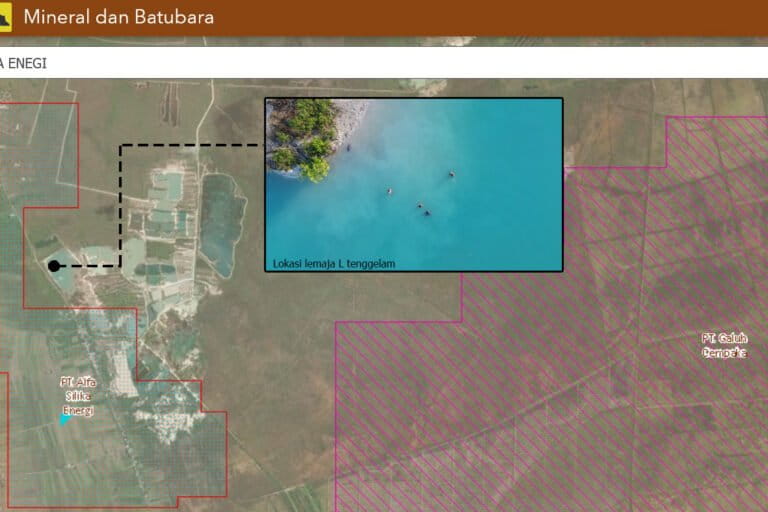
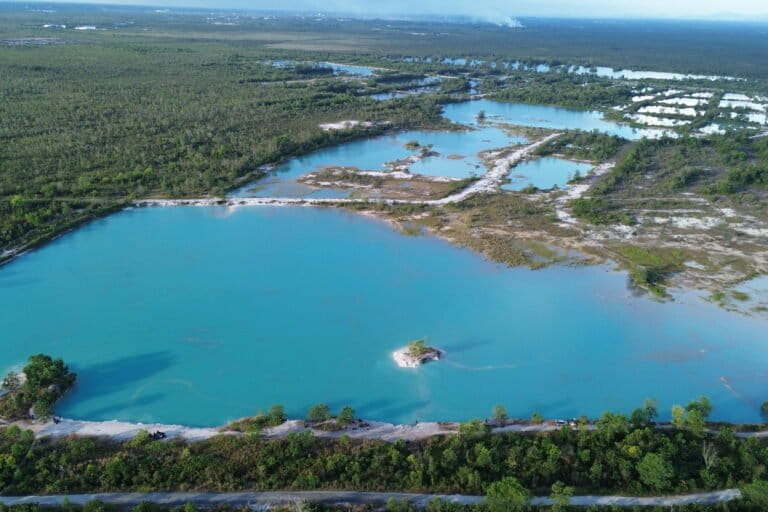
The shimmering turquoise waters and stark white sands of Danau Biru in Tambak Padi Village, Beruntung Baru District, Banjar Regency, present a deceptive paradise. Since gaining viral status on social media platforms, this site in South Kalimantan has seen a surge in visitors, with dozens of tourists from both within and outside the region flocking to its shores. However, beneath the aesthetic appeal lies a grim reality: the site is not a natural wonder but a series of abandoned "Galian C" (Type C) mining pits, long discarded by excavators and now serving as a recurring site for tragedy. The recent drowning of a local teenager has once again ignited a fierce debate over the lack of reclamation, the proliferation of illegal mining, and the dangerous intersection of social media trends and public safety.

On a typical afternoon, the atmosphere at Danau Biru appears festive. Visitors lounge on the white sand—actually mining tailings—to watch the sunset, while others venture into the water. Recently, a group of nine people was observed being guided by a teenager across shallow sections toward a mound of earth resembling a small island, approximately 44 meters from the shore. The scene was one of leisure, yet it took place just three days after a teenager, identified by the initial L from Kertak Hanyar District, lost his life in those very same waters. The tragedy serves as a stark reminder that these pits are unregulated, unmonitored, and inherently unstable environments.

The Chronology of a Preventable Tragedy

The incident involving the teenager L began on June 22, 2026. According to Wasis Nugraha, the Chief Executive of the Banjar Regency Disaster Management Agency (BPBD), the official report reached his office at 3:55 PM WITA. However, witness accounts suggest the drowning occurred much earlier, around 12:00 PM WITA. By the time emergency responders arrived, the victim had been missing beneath the surface for nearly four hours. The delay in reporting highlights the remote nature of these sites and the lack of immediate safety infrastructure.

Arianto, the Operations Head of the Banjarmasin Search and Rescue Office (Basarnas), detailed the subsequent recovery mission. Following a 5:00 PM briefing, a joint search team conducted surface sweeps and diving operations at the point where L was last seen. Within 20 minutes, divers located the body approximately 10 meters from the shoreline. Despite the depth being a relatively shallow 2 to 3 meters, the search was hampered by nearly zero visibility. The bottom of the pit was described as a thick, silty mud that easily clouds the water at the slightest disturbance, a common characteristic of abandoned mining sites that can trap unsuspecting swimmers.

Ironi Lubang Tambang Maut di Kalsel jadi Objek Wisata

The frequency of these incidents has prompted Basarnas to issue stern warnings. Arianto noted that the area is a high-potential hazard zone for drowning, yet the lack of physical barriers or effective enforcement continues to allow public access. The allure of "Instagrammable" locations has, in this instance, proven fatal.

A Pattern of Fatalities: SAR Data and Regional Statistics

The death of L is not an isolated event but part of a disturbing multi-year trend in South Kalimantan. Data provided by the Banjarmasin Search and Rescue Office reveals a persistent pattern of fatalities in abandoned mining pits across the province between 2023 and 2025.

In July 2023, a person died after falling into a gold mining pit in the Gunung Lintang protected forest, Tanah Laut Regency. The year 2024 saw even higher casualty rates. In September 2024, two separate incidents occurred on the same day: one in Hulu Sungai Selatan Regency, where a resident was crushed by limestone, and another in Tanah Bumbu Regency, involving a drowning in a mining excavation. Earlier that year, in June, another life was claimed at the Danau Biru Baroh site in Banjarbaru. Perhaps most tragically, in July 2025, two children drowned after falling into a pit in Batu Ampar, Tanah Laut.

Raden Rafiq Sepdian Fadel Wibisono, the Executive Director of the Indonesian Forum for the Environment (Walhi) in South Kalimantan, stated that victim L represents the 23rd death recorded in the province’s mining pits since 2019. "This year alone, we have seen three drowning victims in mining holes, and all of them were children or teenagers," Rafiq noted. The demographic of the victims—primarily women, children, and youth—underscores the vulnerability of local populations who use these pits for recreation or daily needs due to a lack of better alternatives.

The scale of the problem is immense. By 2024, the estimated area of mining pits in South Kalimantan reached 53,590 hectares, with 814 documented holes spread across eight regencies. Banjar Regency, where Danau Biru is located, ranks third in the province with 117 pits. Critically, hundreds of these pits exist outside of official concession areas, indicating a massive footprint of illegal or "community-led" mining operations that operate without any obligation for environmental restoration.

Ironi Lubang Tambang Maut di Kalsel jadi Objek Wisata

The Science of Danger: Water Quality and Physical Hazards

To understand the hidden dangers of Danau Biru, environmental experts have conducted independent assessments of the water quality. Murjani, the Chairman of the Association of Indonesian Environmental Experts (Pertalindo) for South Kalimantan, analyzed five key parameters using a water quality tester. The results paint a picture of a chemically imbalanced environment.

The water’s pH level was recorded at 5.14, indicating significant acidity. According to Indonesian Government Regulation (PP) No. 22/2021, the standard pH for lakes and rivers should range between 6 and 9. While the acidity is not as extreme as some acid mine drainage sites—which can reach pH levels of 2 or 3—it is still unsuitable for direct consumption and can cause skin irritation or long-term health issues.

The electrical conductivity (EC) was measured at 38 µS/cm, and Total Dissolved Solids (TDS) at 20 ppm. While these low numbers suggest few dissolved minerals, Murjani warned that they do not account for heavy metal contamination. Abandoned pits often contain traces of iron (Fe), manganese (Mn), and lead (Pb), which require sophisticated laboratory analysis to detect. Furthermore, there is the risk of dissolved gases like carbon dioxide (CO₂) and hydrogen sulfide (H₂S), which can displace oxygen in the water, leading to rapid exhaustion or asphyxiation for swimmers.

Beyond chemistry, the physical structure of the pit is a primary killer. "The temperature at the surface was 31.3° Celcius, which feels warm," Murjani explained. "However, in deep mining pits, the temperature drops drastically as you go deeper. This sudden change can trigger muscle cramps or cold shock, rendering even a strong swimmer helpless." When combined with unstable, steep slopes and a muddy floor that acts like quicksand, the pits become "death traps" disguised as swimming holes.

The Shadow of Illegal Mining and Regulatory Failure

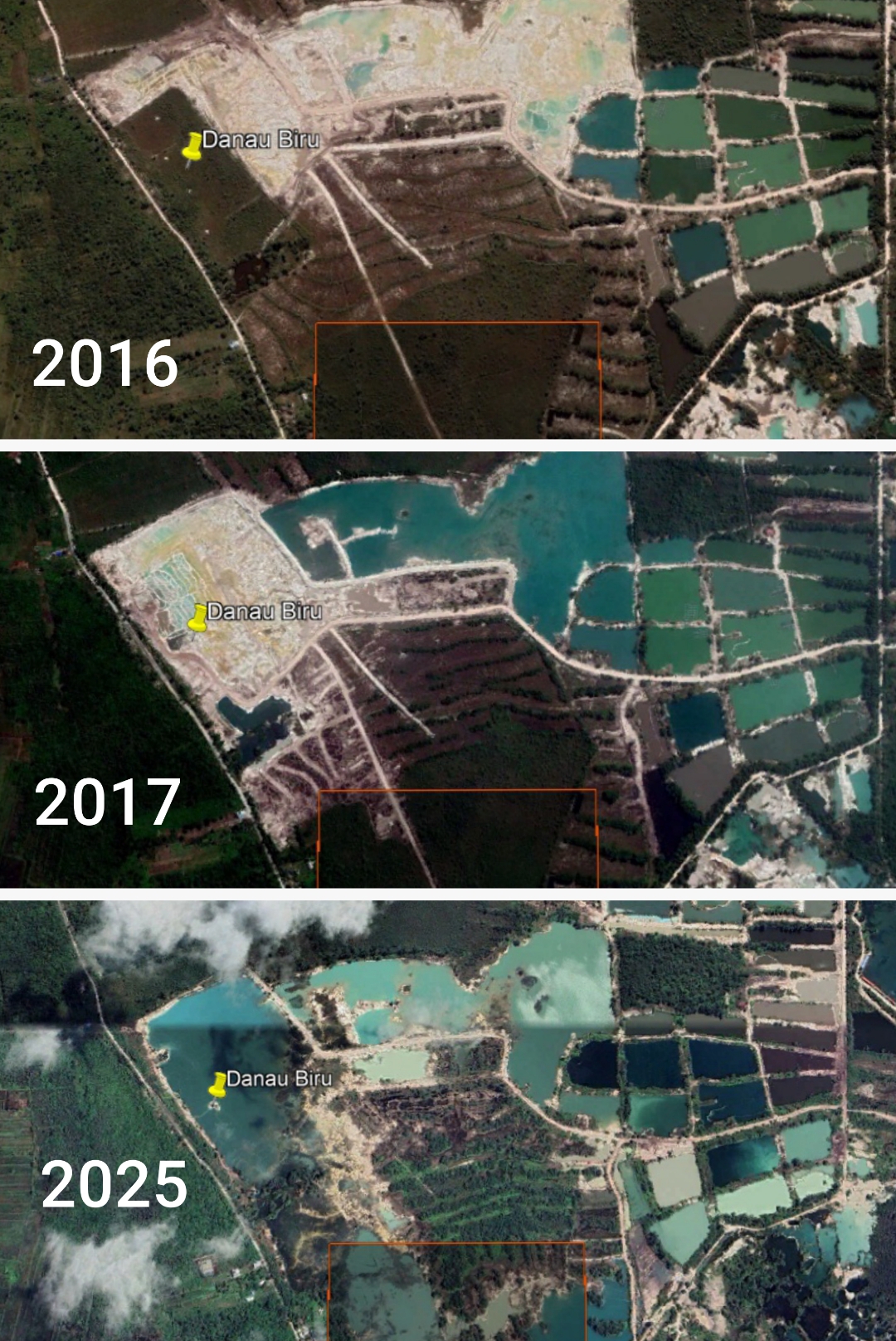
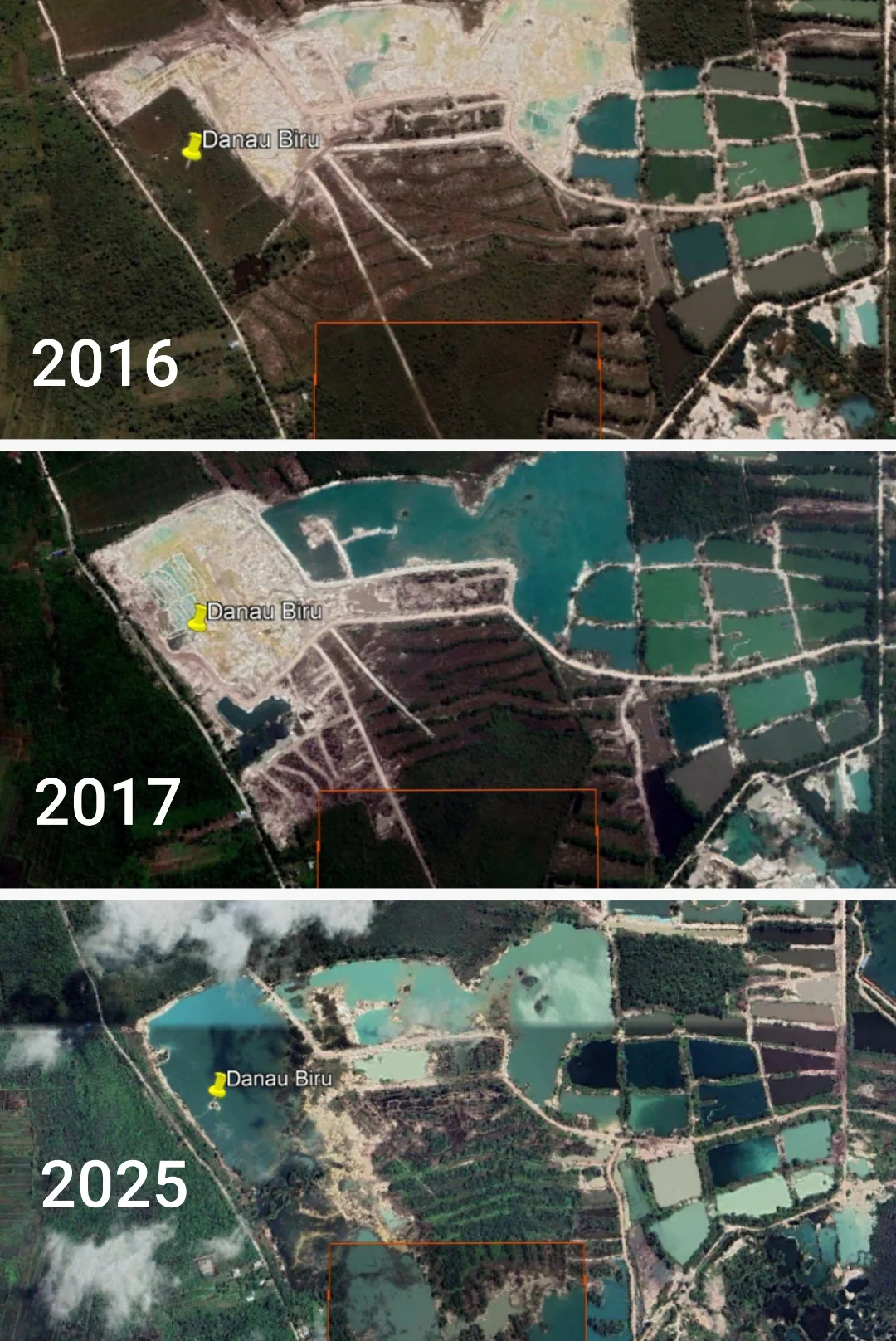
The existence of Danau Biru is a direct consequence of unregulated "Galian C" mining, specifically for sand, quartz, and stone (sirtu). Historical data from Google Earth Pro shows that the excavations in Tambak Padi Village began around 2017 and expanded aggressively through 2025. Despite the visibility of the operations—marked by long suction pipes crossing roads, heavy machinery, and constant truck traffic—much of the activity is suspected to be illegal.

Ironi Lubang Tambang Maut di Kalsel jadi Objek Wisata

Walhi South Kalimantan argues that the proliferation of these pits is a symptom of weak law enforcement and a lack of government oversight. "This is the result of lax enforcement against illegal mining. Must we always wait for a victim before taking action?" Rafiq questioned. The absence of reclamation bonds or post-mining plans for these sites means that once the material is exhausted, the miners simply move on, leaving the community to deal with the environmental and safety hazards.

The response from local law enforcement has been criticized as reactive rather than proactive. IPDA Deden Aprianto Lesmana, the Police Chief of Beruntung Baru, stated that a police line was briefly installed following L’s drowning but was later removed because the incident was deemed an accident rather than a criminal act. While the police claim to have installed warning banners, journalists on the ground found no such signs, with officials suggesting they may have been blown away by the wind.

Regarding the legality of the mines, the police stated that investigations into "Pertambangan Tanpa Izin" (Mining Without a Permit or PETI) fall under the jurisdiction of the Banjarbaru Police Resort (Polres). While some owners have been questioned, inspections conducted after the drowning reportedly found no active mining at the specific site of the accident. This "cat-and-mouse" game between miners and authorities often results in temporary pauses in activity following a tragedy, only for operations to resume once the public attention fades.

Implications and the Need for Systemic Change

The tragedy at Danau Biru is a microcosm of a larger crisis facing Indonesia’s mining regions. The transformation of hazardous industrial ruins into viral tourist attractions is a dangerous trend fueled by social media’s "aesthetic" culture, which often strips away the context of risk. When a site is presented as a "Blue Lake" rather than a "Toxic Abandoned Pit," the public’s perception of safety is dangerously skewed.

The implications of this neglect are three-fold:

Ironi Lubang Tambang Maut di Kalsel jadi Objek Wisata
  1. Public Safety: Without immediate fencing, clear signage, and permanent closure of hazardous pits, the death toll will continue to rise, particularly among the youth.
  2. Environmental Degradation: The failure to reclaim land leads to permanent loss of biodiversity, soil erosion, and the contamination of local water tables.
  3. Governance Crisis: The continued operation of illegal mines undermines the rule of law and deprives the state of revenue that could be used for regional development and environmental restoration.

To prevent further loss of life, a multi-stakeholder approach is required. The government must enforce the Mining Law (UU No. 3 of 2020), which mandates reclamation and post-mining activities. For illegal sites where no responsible party can be found, the state must step in to remediate the land using environmental disaster funds. Furthermore, local communities must be educated on the specific dangers of mining pits to counter the romanticized narratives found online.

Until Danau Biru is treated as a liability rather than a landmark, its turquoise waters will remain a beautiful facade for a recurring tragedy. The death of teenager L should be the final warning for authorities to close the gap between environmental policy and ground-level enforcement in South Kalimantan.

July 20, 2026 0 comment
0 FacebookTwitterPinterestEmail
Science

Indonesia Braces for Prolonged Dry Season as BMKG Issues Critical Water Conservation Warning Amidst Regional Water Scarcity

by admin July 20, 2026
written by admin

The Indonesian government, through the Meteorology, Climatology, and Geophysics Agency (BMKG), has issued an urgent directive to provincial governments and the general public to maximize water conservation efforts as the nation enters a critical seasonal transition. This warning comes at a time when several regions are already grappling with severe water shortages, highlighting a growing disparity between water demand and natural supply as the 2024 dry season approaches its peak. The call for action is particularly focused on the window between late May and early June, which meteorologists identify as the final opportunity to harvest rainwater before a projected period of extreme aridity sets in across the archipelago.

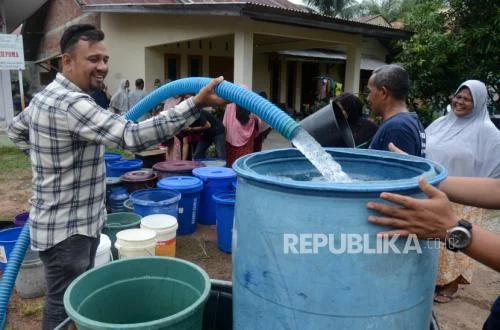
The urgency of this meteorological warning is underscored by the deteriorating conditions in various parts of the country, most notably in Aceh Besar. On Sunday, May 12, 2024, residents of Gampong Lamcok in the Lhoknga District were observed queuing for clean water supplied by mobile tank trucks. Local village officials reported that the crisis has extended to 23 villages across the Lhoknga District, where the cessation of distribution from the regional water utility (PDAM) and the drying up of residential wells have left thousands of citizens without adequate water for drinking, bathing, and sanitation. This localized crisis serves as a stark precursor to the broader challenges predicted by the BMKG for the coming months.

The Meteorological Forecast and the Rossby Wave Phenomenon

Guswanto, the Deputy of Meteorology at the BMKG, stated in Jakarta on Tuesday, May 28, 2024, that the transition from the rainy season to the dry season is expected to occur between May 29 and June 3, 2024. While this transition period is relatively brief, BMKG’s meteorological analysis indicates the presence of Equatorial Rossby waves. These are massive, slow-moving atmospheric waves that can trigger low to moderate intensity rainfall even as the overall climate shifts toward dryness.

The BMKG has identified specific regions that still possess the potential for rainfall during this short window. These include North Maluku, Maluku, South Kalimantan, South Sulawesi, Southeast Sulawesi, Central Sulawesi, and parts of Papua and Sumatra. Guswanto emphasized that this remaining time must be utilized optimally to fill reservoirs, dams, and household storage containers. Once this window closes, the nation is expected to enter a "dry" dry season, characterized by monthly rainfall totals dropping below 50 mm—a threshold that signifies a high risk for drought and agricultural failure. This period of significant rainfall deficit is projected to last from early June through at least September 2024.

Regional Vulnerabilities and Agricultural Risks

The BMKG has issued a specific alert for Indonesia’s primary agricultural hubs, including East Java, Bali, West Nusa Tenggara (NTB), and East Nusa Tenggara (NTT). These regions are of particular concern because they are already recording "Days Without Rain" (HTH) ranging from 21 to 30 days. Despite the lingering potential for sporadic rain, the underlying trend in these provinces points toward a rapid depletion of soil moisture.

The implications for national food security are profound. East Java and the Nusa Tenggara islands are critical producers of staples such as rice, corn, and cattle. Guswanto warned that if water resources are not managed with extreme precision during this transition, the impending drought will inevitably lead to a decline in agricultural productivity. Reduced crop yields could trigger price volatility in food markets, complicating the government’s efforts to maintain inflation stability and food sovereignty.

In the Nusa Tenggara regions, which are historically more prone to aridity, the 21-30 day HTH status is a signal for local authorities to activate drought mitigation protocols. This includes the monitoring of dam levels and the prioritization of water allocation for irrigation versus domestic use. The BMKG’s concern is that without proactive management, the "dry" dry season will exhaust existing water reserves long before the return of the monsoon rains later in the year.

The Crisis in Aceh Besar: A Case Study in Infrastructure Failure

The situation in Lhoknga, Aceh Besar, provides a sobering look at how seasonal shifts can expose weaknesses in local infrastructure. The failure of the PDAM distribution system in the district has forced the government to rely on expensive and logistically challenging water trucking operations. When residential wells—the primary source for many households—run dry, the burden on state resources increases exponentially.

The 23 villages affected in Lhoknga represent a cross-section of rural and semi-urban communities that are now entirely dependent on external aid for their basic survival. Local reports indicate that the drought in Aceh began to intensify in early May, leading to the current state of emergency. The dry wells in Gampong Lamcok are not merely a result of low rainfall but also reflect the lowering of the water table, a phenomenon that is becoming more common across Indonesia due to a combination of climate change and land-use shifts.

The chronology of the crisis in Aceh Besar highlights the gap between meteorological warnings and local readiness. While the BMKG provides the data, the ability of local governments to maintain utility services like PDAM during periods of environmental stress remains a significant hurdle. The Lhoknga crisis demonstrates that for many Indonesians, the "impact" of the dry season begins long before the official meteorological start date.

Strategic Recommendations and Government Response

In response to these findings, the BMKG and related agencies are advocating for a multi-tiered approach to drought mitigation. For the government, this involves:

  1. Weather Modification Technology (TMC): Exploring the use of cloud seeding to maximize rainfall during the remaining days of the transition period, particularly over catchment areas and reservoirs.
  2. Infrastructure Maintenance: Ensuring that irrigation canals and water distribution networks are free of leaks to prevent the waste of precious water resources.
  3. Emergency Logistics: Preparing a fleet of water tanks and portable pumps to be deployed to regions like Aceh Besar that are already in a state of crisis.

For the public and the agricultural sector, the advice is centered on "water harvesting." This includes the traditional practice of using large vats or "embung" (small farm ponds) to collect whatever rain falls during the Rossby wave activity. Farmers are also being encouraged to adjust their planting schedules and switch to more drought-resistant crop varieties where possible.

Broader Implications and Climate Analysis

The current climate outlook for Indonesia is shaped by a complex interplay of global and regional factors. While the intense El Niño of previous years has weakened, the transition to a neutral phase—and potentially a La Niña later in the year—creates a period of unpredictability. However, the immediate forecast for June to September remains dominated by the seasonal migration of the Intertropical Convergence Zone (ITCZ), which moves away from the equator, leaving much of Indonesia under the influence of dry Australian air masses.

The socio-economic impact of a "dry" dry season extends beyond agriculture. Water scarcity often leads to an increase in water-borne diseases as people turn to less-than-ideal water sources when wells dry up. Furthermore, the risk of forest and land fires (karhutla) increases significantly in provinces with extensive peatlands, such as those in Sumatra and Kalimantan, if the water table drops too low.

The BMKG’s proactive communication is an attempt to shift the national strategy from reactive disaster management to proactive risk reduction. By identifying the May 29 to June 3 window as a "last call" for water collection, the agency is providing a clear, actionable timeline for stakeholders.

Conclusion

As the sun sets on the 2024 rainy season, the images of residents in Aceh Besar carrying buckets to water trucks serve as a poignant reminder of the fragility of water security in the face of climate variability. The BMKG’s data-driven warnings provide the necessary roadmap for the months ahead, but the success of Indonesia’s response will depend on the coordination between central authorities, local governments, and the resilience of the citizens themselves. With the "dry" dry season looming, every drop of water harvested during the current transition period is a critical investment in the nation’s stability and food security for the remainder of the year. The transition period is not just a change in the weather; it is a final call for preparation in an increasingly thirsty landscape.

July 20, 2026 0 comment
0 FacebookTwitterPinterestEmail
Science

Mallomar Defends Title at the 2025 Great Goat Graze-Off in New York City’s Riverside Park

by admin July 20, 2026
written by admin

In a display of rhythmic chewing and environmental stewardship, the reigning champion goat, Mallomar, successfully defended his title at the 2025 Great Goat Graze-Off held in West Harlem’s Riverside Park. This professional eating competition, the only one of its kind globally where the competitors are caprine rather than human, saw Mallomar face off against formidable challengers Romeo and Big Buddy. According to official statistics released by the Riverside Park Conservancy, Mallomar consumed 1.5 packets of invasive weeds in a mere three minutes, solidifying his reputation as the "G.O.A.T. Grazer" for the second consecutive year.

The event was hosted by George Shea, the legendary promoter and master of ceremonies best known for his theatrical introductions at the Nathan’s Famous Fourth of July International Hot Dog Eating Contest. Shea brought his signature bombast to the park, elevating the ecological task of weed management into a high-stakes sporting spectacle. While the atmosphere was lighthearted, the implications for the park’s health were significant. The goats were not merely performing for the crowd; they were engaged in a critical component of New York City’s nature restoration strategy.

The Evolution of the Goatham Initiative

The Great Goat Graze-Off is the centerpiece of a broader program colloquially known as "Goatham," which began as a pilot project in 2019. The Riverside Park Conservancy introduced the program to address the persistent problem of invasive plant species that thrive along the park’s steep and often inaccessible terrain. Before the goats arrived, park staff and volunteers struggled to manage aggressive vegetation on the cliffs and slopes between 119th and 125th Streets. The inclines are too dangerous for traditional lawn-mowing equipment and too labor-intensive for manual removal.

The 2025 season marks a milestone in the program’s history, demonstrating the long-term efficacy of "conservation grazing." Unlike mechanical removal, which often leaves root systems intact, or chemical herbicides, which can leach into the Hudson River ecosystem, goats offer a biological solution that is both sustainable and effective. By focusing on the "Graze-Off" as a public event, the Conservancy has successfully turned a maintenance necessity into a major community attraction that draws thousands of New Yorkers to the West Side.

The Mechanics of Caprine Biological Control

The success of Mallomar and his peers lies in the unique digestive physiology of goats. As ruminants, goats possess a four-chambered stomach—the rumen, reticulum, omasum, and abomasum—which allows them to break down tough cellulose and neutralize toxins found in plants that would be harmful to other animals. In Riverside Park, the goats are tasked with consuming a "buffet" of invasive species, including Japanese knotweed, porcelain berry, English ivy, mugwort, and multiflora rose.

The strategy employed by the Riverside Park Conservancy is one of "exhaustion." When a goat eats an invasive plant, it does not just remove the foliage; it forces the plant to tap into its energy reserves stored in the roots to regrow. According to the Conservancy’s horticultural experts, if the goats consume the plant repeatedly throughout the season, the plant eventually becomes stunted. Over several seasons, the root system is weakened to the point of failure, allowing native species to be reintroduced and flourish.

Furthermore, goats are particularly adept at consuming plants that are hazardous to humans. They can eat poison ivy and giant hogweed without suffering the skin irritations or allergic reactions that would plague human gardeners. This capability makes them the ideal frontline workers for clearing neglected "wild" patches of urban parkland.

Supporting Data and Economic Benefits

The use of goats in urban environments is supported by a growing body of data suggesting that biological control is more cost-effective than traditional methods in specific contexts. While the initial setup—including temporary fencing, water supply, and animal transport—requires an investment, the long-term savings are notable. A 2023 internal review of the Goatham program indicated that the goats could clear an acre of dense brush in a fraction of the time it would take a human crew of five, with the added benefit of zero carbon emissions from power tools.

Additionally, the environmental benefits extend to soil health. Goat manure is an excellent natural fertilizer, rich in nitrogen, phosphate, and potassium. As the goats graze, they simultaneously till the soil with their hooves and deposit organic matter, preparing the ground for future restoration efforts. This creates a closed-loop system where the "waste" from the weed-clearing process becomes the fuel for the next generation of native flora.

Mallomar wins the 2026 Great Goat Graze-Off

The impact on biodiversity is also measurable. In areas of Riverside Park where goats have been deployed since 2019, park rangers have noted a decrease in the monoculture of invasive vines and an increase in the variety of local insects and birds that rely on native shrubs for habitat.

The 2025 Competitors: Personalities and Performance

While the Graze-Off is an ecological exercise, the personalities of the goats have turned them into local celebrities. Mallomar, the 2025 champion, is described by the Riverside Park Conservancy as having a "calm, steadfast nature." Unlike some of his more flighty peers, Mallomar is known for his focus and his ability to provide a sense of security to the herd. This temperament is likely what allows him to remain undistracted by the cheering crowds and the booming voice of George Shea during the three-minute competition.

His competitors, Romeo and Big Buddy, also showcased impressive stats. Romeo, known for his agility, focused on the higher-reaching vines, while Big Buddy lived up to his name by tackling the thickest stalks of mugwort. However, Mallomar’s efficiency in clearing a concentrated "packet" of weeds gave him the edge in the judges’ eyes. The "packets" used in the competition are standardized bundles of invasive greens harvested from the park, ensuring a fair playing field for all participants.

Official Responses and Municipal Support

The success of the 2025 Great Goat Graze-Off has drawn praise from city officials. Tricia Shimamura, the NYC Parks Commissioner, emphasized the dual role the goats play in the city’s green infrastructure. In a statement, Shimamura noted that the goats have "earned their place on the team" by providing innovative care for green spaces. She highlighted that the initiative not only makes the parks healthier but also fosters a sense of joy and community among New Yorkers.

The Riverside Park Conservancy, a non-profit organization that works in partnership with the city to maintain the four-mile-long park, views the goats as essential ambassadors. The presence of the animals encourages residents to learn more about the challenges of park management and the importance of native ecosystems. The "Goat Fund," supported by public donations, helps cover the costs of bringing the herd from a farm in upstate New York to the city each summer.

Broader Implications and the Future of Urban Grazing

The 2025 Graze-Off in New York City is part of a growing national trend. Cities such as Chicago, San Francisco, and Atlanta have increasingly turned to "prescribed grazing" to manage fire hazards and invasive species. In an era of climate change, where invasive plants are often more resilient to rising temperatures than native species, the need for adaptive management strategies is paramount.

The Riverside Park model is particularly significant because it demonstrates that conservation grazing can thrive in a densely populated urban environment. The "spectacle" of the Graze-Off serves as a blueprint for how municipalities can engage the public in boring but essential maintenance tasks. By framing weed removal as a professional eating contest, the Conservancy has secured a level of public interest and funding that a standard weeding crew would likely never receive.

Looking forward, the Conservancy plans to expand the grazing area as the current sites become stabilized. The long-term goal is to transition the "cleared" zones into "Native Plant Zones," where the goats’ work is followed by the planting of oaks, dogwoods, and native grasses. The 2025 Graze-Off is not just a one-day event; it is a milestone in a multi-year ecological transition.

As Mallomar returns to his daily duties of munching through the underbrush of West Harlem, he does so as a symbol of a new era of park management—one that is chemical-free, carbon-neutral, and undeniably entertaining. The Great Goat Graze-Off has proven that sometimes, the most sophisticated solution to a complex environmental problem is a four-legged friend with a healthy appetite. For the residents of New York City, the sight of Mallomar defending his title is a reminder that nature restoration can be both effective and a source of local pride.

July 20, 2026 0 comment
0 FacebookTwitterPinterestEmail
Education

Jakarta Provincial Government Collaborates with Bandung Institute of Technology to Provide Scholarships for Underprivileged Students

by admin July 20, 2026
written by admin

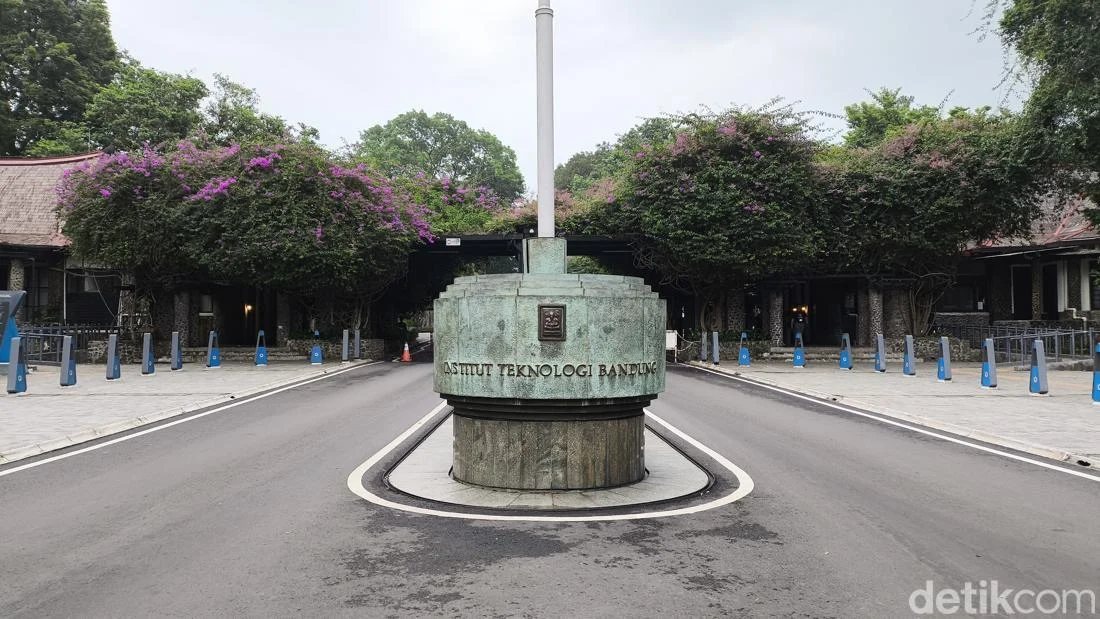
The Jakarta Provincial Government has officially announced a strategic partnership with the Bandung Institute of Technology (ITB) to provide comprehensive scholarship support for students originating from Jakarta. This initiative is specifically designed to assist 85 students who have successfully gained admission to one of Indonesia’s most prestigious technical universities but face significant financial hurdles. The collaboration underscores a growing commitment by the metropolitan administration to ensure that academic merit is not stifled by economic limitations, fostering a pathway for the city’s brightest minds to contribute to national development.

The formalization of this agreement took place at the Jakarta City Hall on Friday, July 17, 2026. During the event, the Rector of ITB, Prof. Dr. Ir. Tatacipta Dirgantara, personally handed over the list of eligible candidates to the Governor of Jakarta, Pramono Anung. This meeting served as a pivotal moment in the administration’s efforts to bridge the gap between secondary education and high-level tertiary academic achievement. By targeting students from low-income families, the program aims to alleviate the burden of tuition fees, allowing students to focus entirely on their rigorous academic schedules at ITB.

Strengthening the Educational Safety Net in Jakarta

Governor Pramono Anung emphasized that the Jakarta Provincial Government’s readiness to support these students is part of a broader, long-term vision for the city. The administration has historically prioritized education as a cornerstone of its social welfare policy. Each year, the provincial government facilitates thousands of scholarships for Jakarta residents holding provincial ID cards (KTP DKI) who are accepted into various state and private universities across the Indonesian archipelago.

"Our commitment is clear: no child in Jakarta should be forced to abandon their dreams of higher education because of their family’s financial status," the Governor stated during the handover ceremony. He further noted that the partnership with ITB is particularly significant given the institution’s reputation for producing the nation’s top engineers, scientists, and business leaders. The 85 students selected for this specific program represent a vanguard of Jakarta’s youth, chosen for their resilience and academic excellence despite their socio-economic backgrounds.

The scholarship program is designed to operate within the established legal and bureaucratic frameworks of the provincial government. This ensures transparency and accountability in the disbursement of public funds. The selection process involves a rigorous verification of the students’ economic status, ensuring that the aid reaches those truly in need. This collaborative effort also involves the Jakarta Education Agency, which monitors the academic progress of scholarship recipients to ensure that the investment yields tangible results for the city’s human capital.

A Chronology of the Academic Collaboration

The journey toward this scholarship agreement began earlier in the academic year as ITB finalized its admission cycles through the National Selection Based on Merit (SNBP) and the National Selection Based on Tests (SNBT). As the results were announced, it became evident that a significant number of qualified candidates from Jakarta were hesitant to enroll due to the projected costs of living and tuition in Bandung.

Recognizing this trend, the ITB administration initiated a dialogue with the Jakarta Provincial Government to find a sustainable solution. Over the course of several months, administrative teams from both the university and the City Hall worked to align the university’s tuition categories (UKT) with the city’s scholarship budget. The timeline of the collaboration can be summarized as follows:

  1. Early 2026: Identification of high-achieving Jakarta-based candidates through national entrance exams.
  2. May 2026: ITB’s admissions office conducts an internal audit of students requiring financial assistance.
  3. June 2026: Preliminary discussions between the ITB Rectorate and the Jakarta Education Agency regarding quota allocations.
  4. Early July 2026: Finalization of the 85-student list based on socio-economic verification and residency requirements.
  5. July 17, 2026: Official handover of the scholarship recipients’ names at Jakarta City Hall, marking the commencement of the funding for the upcoming semester.

Understanding the Financial Landscape: ITB Tuition Fees

To understand the necessity of this scholarship, one must look at the cost structure of education at the Bandung Institute of Technology. ITB utilizes a Single Tuition Fee (UKT) system, which categorizes students based on their family’s economic capability. While the system is designed to be equitable, the higher tiers of UKT can still pose a significant challenge for middle-to-low-income households.

The cost of tuition at ITB varies significantly depending on the faculty and the specific selection path. For those entering through the SNBP and SNBT tracks, the UKT is divided into several groups. The highest tier, Group 7, is found within the School of Business and Management (SBM), where fees reach Rp 14,500,000 per semester. Conversely, the lowest tier across all faculties is Group 1, set at a nominal Rp 500,000 per semester.

Detailed Breakdown of UKT at the School of Business and Management (SBM)

The SBM is often cited as one of the most expensive schools within ITB, reflecting the high demand and the specialized resources required for business education:

  • UKT 7: Rp 14,500,000
  • UKT 6: Rp 12,500,000
  • UKT 5: Rp 10,500,000
  • UKT 4: Rp 8,500,000
  • UKT 3: Rp 6,500,000
  • UKT 2: Rp 1,000,000
  • UKT 1: Rp 500,000

Tuition Fees for the Faculty of Mathematics and Natural Sciences (FMIPA) – Mathematics

The mathematics department within FMIPA has a slightly different cost structure compared to the broader science and engineering faculties:

  • UKT 7: Rp 12,250,000
  • UKT 6: Rp 10,250,000
  • UKT 5: Rp 8,250,000
  • UKT 4: Rp 6,250,000
  • UKT 3: Rp 4,250,000
  • UKT 2: Rp 1,000,000
  • UKT 1: Rp 500,000

General Tuition for Other Faculties and Schools

The majority of other faculties—including the Faculty of Earth Sciences and Technology (FITB), Faculty of Mining and Petroleum Engineering (FTTM), Faculty of Industrial Technology (FTI), and the School of Electrical Engineering and Informatics (STEI)—follow a standardized UKT structure:

  • UKT 7: Rp 12,500,000
  • UKT 6: Rp 10,500,000
  • UKT 5: Rp 8,500,000
  • UKT 4: Rp 6,500,000
  • UKT 3: Rp 4,500,000
  • UKT 2: Rp 1,000,000
  • UKT 1: Rp 500,000

For many families in Jakarta, even the mid-range UKT levels (Groups 3 to 5) can represent a substantial portion of their annual income. The scholarship provided by the Jakarta Provincial Government is intended to cover these costs, ensuring that students can maintain their focus on the demanding ITB curriculum.

Complementary Support Systems: KIP-Kuliah

In addition to the local government scholarships, ITB continues to facilitate the Kartu Indonesia Pintar Kuliah (KIP-Kuliah), a national program initiated by the central government. KIP-Kuliah allows eligible students to attend university for free, with the government covering both tuition fees and providing a monthly living allowance.

The integration of local provincial scholarships with national programs like KIP-Kuliah creates a multi-layered support system. While KIP-Kuliah serves as a primary safety net, the Jakarta Provincial Government’s scholarship fills the gap for those who may not qualify for the national program but still fall within a vulnerable economic bracket. This "filling the gap" strategy is essential in a high-cost urban environment like Jakarta, where the poverty line and cost of living often differ from national averages.

Broader Implications for Social Mobility and Economic Growth

The decision to fund 85 students at ITB is more than just a philanthropic gesture; it is a calculated investment in Jakarta’s future economic resilience. ITB is a primary feeder for Indonesia’s industrial, technological, and entrepreneurial sectors. By ensuring that Jakarta’s underprivileged youth can access this institution, the provincial government is actively promoting vertical social mobility.

Analysts suggest that such programs have a "multiplier effect." When a student from a low-income background graduates from a top-tier university like ITB, they are likely to secure high-paying employment, which in turn lifts their entire family out of poverty. Furthermore, these graduates often return to Jakarta to work in its burgeoning tech hubs, contributing to the city’s tax base and innovation ecosystem.

The Rector of ITB, Prof. Tatacipta Dirgantara, noted that diversity in the student body is vital for the university’s mission. "A university thrives when it brings together the best minds from all walks of life. By collaborating with the Jakarta Provincial Government, we are ensuring that ITB remains an inclusive environment where talent is the only currency that matters," he said.

Future Outlook: Expanding Educational Access

As the 2026 academic year approaches, the Jakarta Provincial Government has signaled that this is not a one-off initiative. There are plans to review the program’s success and potentially expand the number of recipients in future years. Additionally, the administration is looking to establish similar formal agreements with other "Big Three" universities in Indonesia, such as the University of Indonesia (UI) and Gadjah Mada University (UGM), to create a standardized support network for Jakarta’s students.

The collaboration between the Jakarta Provincial Government and ITB serves as a model for how local governments can take a proactive role in higher education. By removing the financial barriers to entry at the nation’s premier institutions, Jakarta is securing its place as a leader in human resource development. The 85 students set to benefit from this program now carry not only their personal aspirations but also the hopes of a city committed to the idea that education is the most powerful tool for change.

In the coming months, these students will begin their journey in Bandung, supported by the knowledge that their home city has invested in their potential. As they navigate the complexities of engineering, business, and science, the partnership between City Hall and ITB stands as a testament to the power of institutional synergy in solving the most pressing challenges of modern education.

July 20, 2026 0 comment
0 FacebookTwitterPinterestEmail
Education

Laporan Prediksi SNBP 2026: Panduan Strategis Sekolah Menyiapkan Siswa Sejak Dini

by admin July 20, 2026
written by admin

The landscape of Indonesian higher education admissions has undergone a seismic shift in recent years, moving away from a purely grade-based evaluation toward a more holistic and strategic assessment of student potential. As the 2026 academic cycle approaches, Quipper School Premium has announced the launch of its comprehensive SNBP 2026 Prediction Report, a sophisticated analytical tool designed to help partner schools navigate the complexities of the National Selection Based on Merit (Seleksi Nasional Berdasarkan Prestasi). This initiative comes at a critical juncture for Indonesian secondary education, where the pressure to secure spots in State Universities (Perguruan Tinggi Negeri or PTN) has reached unprecedented levels, necessitating a move toward data-driven counseling and objective academic mapping.

The transition from the previous SNMPTN system to the current SNBP framework was codified under Ministry of Education, Culture, Research, and Technology (Kemendikbudristek) Regulation No. 48 of 2022. This regulation fundamentally altered the criteria for university entrance, emphasizing a combination of overall academic performance and specific subject mastery relevant to a student’s chosen field of study. However, this shift has also introduced significant challenges for school administrators and guidance counselors (Guru BK), who must now interpret vast amounts of data to provide accurate advice. The Quipper School Premium (QSP) report seeks to bridge this gap by offering a structured, evidence-based approach to student placement, ensuring that both schools and students can make informed decisions long before the official registration window opens.

The Regulatory Framework and the Need for Predictive Analytics

The introduction of the SNBP Prediction Report is a direct response to the transparency requirements mandated by Regulation No. 48 of 2022. The regulation stipulates that at least 50% of the selection criteria must be based on the average of all report card grades from the first to the fifth semester. The remaining 50% is determined by a combination of "supporting components," which include grades in specific subjects relevant to the chosen major, academic or non-academic achievements, and other criteria determined by individual universities.

For many schools, calculating these variables manually for hundreds of students is an insurmountable task. The competitive nature of the SNBP—where students from across the archipelago vie for a limited number of seats—means that even a minor miscalculation in strategy can lead to a rejection. Quipper’s predictive model addresses this by utilizing a percentile-based ranking system, comparing a student’s performance not just against their peers within the same school, but against a broader national database of students participating in the QSP program. This multi-layered comparison provides a realistic view of a student’s standing in the national arena.

Chronology of the Prediction Cycle: The Importance of Early Intervention

The timeline for the SNBP 2026 cycle is already in motion, with Quipper emphasizing that the most effective time for grade rationalization is "now." According to the program’s roadmap, the window for data collection and submission is currently open, with a firm deadline set for January 16, 2026. This deadline is strategic; it ensures that schools receive their finalized reports with sufficient lead time to conduct one-on-one counseling sessions before the official government registration period begins.

Data submitted by the January 16 deadline allows the Quipper analytical team to process information through their proprietary algorithms, which factor in historical admission trends, university-specific quotas, and the relative difficulty of various academic tracks. While the system will continue to process data received after this date, Quipper officials have cautioned that late submissions will significantly limit the time available for schools to adjust their strategies. Early intervention allows counselors to identify students who may be aiming for "over-reach" universities and suggest alternative institutions or majors where their probability of success is statistically higher.

Methodology: How Data Transforms into Strategy

The accuracy of the SNBP 2026 Prediction Report is heavily dependent on the quality and volume of data provided by partner schools. To generate a high-fidelity prediction, the system requires four primary data points: the student’s full name, their comprehensive report card grades from semesters one through five, their intended majors and universities, and any official certificates of achievement.

Once this data is ingested, the Quipper system performs a series of complex calculations. First, it determines the "Academic Progress" of the student, looking for upward or downward trends in performance over the three-year high school period. Second, it applies the "Weighting Component" based on the student’s chosen major. For instance, a student applying for an Engineering program will have their Mathematics and Physics grades weighted more heavily than their language grades, mirroring the actual selection process used by top-tier PTNs like ITB or UGM.

The report also incorporates an "Achievement Validation" phase. Not all certificates are created equal in the eyes of university admissions boards. Quipper’s system categorizes achievements from the international level down to the regional level, assigning specific point values that contribute to the student’s overall competitiveness score. This level of granularity helps students understand how their extracurricular successes translate into academic currency.

Interpreting Outcomes: The Predicate System

Upon completion of the analysis, students are assigned one of four predicates that reflect their likelihood of admission. These categories serve as the foundation for the school’s counseling strategy:

  1. Sangat Berpeluang (Very Likely): Reserved for students whose academic profile and achievements place them in the top percentiles for their chosen major and university. These students are encouraged to maintain their current performance.
  2. Berpeluang (Likely): Indicates a strong candidate who meets the general requirements but may face stiff competition. Minor adjustments to their portfolio or a focus on maintaining grades in the final semester are recommended.
  3. Cukup Berpeluang (Fairly Likely): A "bubble" category where the student is at the median of the applicant pool. For these students, the report often suggests a "Plan B" or a slightly less competitive university to ensure a higher chance of placement.
  4. Perlu Strategi Lain (Needs Other Strategy): A critical designation indicating that the student’s current choices are statistically unrealistic. This allows counselors to pivot the student toward different majors or prepare them for the SNBT (Selection Based on Test) route early on.

The Simulation Sheet: A Tool for Dynamic Counseling

One of the most innovative features of the 2026 report is the "Lembar Simulasi" or Simulation Sheet. Recognizing that university admission is not a static target, Quipper provides schools with a flexible tool that allows teachers to test various "what-if" scenarios. If a student changes their mind about their major or if a university announces a sudden change in its quota, the Simulation Sheet allows the counselor to input new variables and see the immediate impact on the student’s predicted outcome.

This feature has been praised by educational experts as a significant step toward professionalizing the role of guidance counselors in Indonesia. Rather than relying on intuition or outdated historical data, counselors can now act as strategic consultants, providing students with a clear map of their educational future.

Broader Implications for the Indonesian Education Sector

The launch of the SNBP 2026 Prediction Report by Quipper School Premium is indicative of a broader trend in the global education sector: the "EdTech-fication" of university admissions. As selection processes become more competitive and data-heavy, the role of third-party analytical platforms becomes indispensable. For schools, participating in such programs is no longer just an "extra" service; it is becoming a necessity for maintaining institutional reputation. A high SNBP acceptance rate is a key metric for school rankings in Indonesia, directly influencing a school’s ability to attract top-tier students in future enrollment cycles.

Furthermore, this data-driven approach promotes equity. By providing objective benchmarks, the system helps minimize the "prestige trap"—where students apply to famous universities regardless of their actual fit—and instead directs them toward programs where they can thrive. It also provides schools in regional areas with the same analytical power as elite urban institutions, leveling the playing field for students across Indonesia.

As the January 16 deadline approaches, the focus remains on the synergy between technology and human guidance. While the Quipper report provides the data, the ultimate success of the SNBP 2026 cycle will depend on how effectively school leaders and teachers translate these insights into actionable advice for their students. In the high-stakes environment of Indonesian university admissions, the transition from "guessing" to "knowing" may be the most valuable asset a student can have.

July 20, 2026 0 comment
0 FacebookTwitterPinterestEmail
Politics

Spain’s World Cup Euphoria Turns to Tragedy as Historic Fountain Collapse Kills Teen, Injures Two in Ciudad Rodrigo

by admin July 20, 2026
written by admin

What began as an outpouring of national joy following Spain’s triumphant victory in the 2026 FIFA World Cup tragically culminated in death and injury in the historic city of Ciudad Rodrigo. A 13-year-old boy lost his life, and two other individuals sustained injuries, when a centuries-old public fountain, the revered Arbol Gordo, unexpectedly collapsed amidst exuberant celebrations. The incident, which occurred shortly after midnight on Monday, July 20, 2026, cast a somber shadow over what was meant to be a moment of unparalleled national pride, transforming collective euphoria into profound grief.

The Catastrophic Incident and Immediate Aftermath

The tragic event unfolded in the early hours, as hundreds of elated citizens had gathered around the Arbol Gordo Fountain, a prominent landmark in Ciudad Rodrigo, a municipality within the province of Salamanca, near the Portuguese border. The crowds were reveling in Spain’s momentous achievement—securing their second FIFA World Cup title. In the midst of the fervent celebrations, a significant portion of the fountain’s upper structure gave way without warning, collapsing onto a section of the dense crowd below.

Emergency services were immediately deployed to the scene, responding to frantic calls for help. Paramedics and rescue workers faced a chaotic environment, navigating through the debris and the stunned crowd to reach the victims. It was swiftly confirmed that a 13-year-old boy had succumbed to his injuries at the site, pronounced dead on arrival. Two other individuals, whose identities have not been fully released but are understood to be adults, were treated for various injuries before being transported to a local hospital for further medical attention. Their conditions were reported as stable, though the emotional trauma was undoubtedly significant. The city’s authorities, through a public statement, expressed their profound sorrow: "The entire city feels this immense loss and extends its deepest condolences to the family and friends of the victim. What should have been a celebration of the national team’s World Cup victory has, instead, turned into a devastating tragedy."

Ciudad Rodrigo: A City Steeped in History

Ciudad Rodrigo, with a population of approximately 12,000 residents, is renowned for its rich historical heritage, particularly its well-preserved medieval walls and a cathedral dating back to the 12th century. The city’s strategic location near the Agueda River and its historical significance, including its role in the Napoleonic Wars, have cemented its status as a cultural and historical gem in Spain. The Arbol Gordo Fountain, while perhaps not as ancient as the city walls, is believed to have stood for over two centuries, serving as a popular gathering point and a symbol of local identity. Its ornate design and central location in one of the city’s main plazas made it a natural focal point for public assembly, especially during significant community events or national celebrations.

On this particular night, the plaza surrounding the fountain was filled to capacity, testament to the unifying power of football and national success. Families, friends, and neighbors had converged, their faces alight with anticipation and then bursting with unbridled joy as Spain clinched the coveted trophy. The atmosphere was described as electric, a collective exhalation of excitement and pride that permeated every corner of the ancient city. It was this very concentration of joyous humanity, however, that inadvertently contributed to the scale of the disaster when the structural failure occurred.

Spain’s Second Star: A Nation’s Elation

The 2026 FIFA World Cup triumph marked a monumental achievement for Spanish football, securing the nation’s second star on the coveted trophy. The first victory, famously achieved in 2010 in South Africa, had similarly sparked nationwide celebrations of unprecedented scale, with millions taking to the streets across Madrid, Barcelona, and countless other towns and cities. The 2026 victory, coming 16 years after their initial triumph, reignited that same fervent passion and national unity. From the bustling avenues of the capital to the smallest villages, Spaniards had spent weeks following their team’s journey through the tournament, culminating in a dramatic final match that saw them emerge victorious.

Hours before the Ciudad Rodrigo incident, spontaneous street parties had erupted across the country. Car horns blared, flags waved, and chants echoed through the night. Television reports and social media feeds were awash with images of jubilant crowds, draped in red and yellow, celebrating what many considered a golden era for Spanish sport. This widespread euphoria underscored the deep emotional connection Spaniards have with their national football team, making the subsequent news from Ciudad Rodrigo all the more devastating. The joy of victory was almost immediately tempered by the profound sorrow of an unforeseen tragedy, creating a stark and heartbreaking juxtaposition.

Chronology of a Celebratory Night Turned Tragic

The sequence of events leading to the catastrophe unfolded rapidly, illustrating the swift transition from jubilation to despair:

  • Late Evening, Sunday, July 19, 2026: Millions across Spain, including the residents of Ciudad Rodrigo, are glued to their television screens, radios, and mobile devices, watching the final moments of the FIFA World Cup 2026.
  • Approximately 11:00 PM (CEST), Sunday, July 19, 2026: The final whistle blows, confirming Spain’s victory and their second World Cup title. Immediately, celebrations erupt across the country.
  • 11:00 PM – Midnight, Sunday, July 19, 2026: In Ciudad Rodrigo, hundreds converge on the historic Arbol Gordo Fountain plaza, a traditional hub for public gatherings, to partake in collective celebrations. The atmosphere is joyous, with cheering, singing, and flag-waving.
  • Shortly After Midnight, Monday, July 20, 2026: As celebrations reach their peak, a section of the upper structure of the Arbol Gordo Fountain unexpectedly collapses.
  • Immediate Aftermath: Panic ensues among the crowd. Eyewitnesses describe a sudden crash, followed by screams and desperate efforts to assist those caught beneath the falling masonry.
  • 00:15 AM – 00:30 AM, Monday, July 20, 2026: Emergency services, including local police, firefighters, and medical personnel, receive multiple distress calls and rapidly deploy to the scene.
  • 00:30 AM – 01:00 AM, Monday, July 20, 2026: Rescue operations commence. The area is cordoned off, and efforts focus on stabilizing the scene, extracting victims from the debris, and providing immediate medical aid.
  • Early Morning, Monday, July 20, 2026: Emergency personnel confirm the death of a 13-year-old boy at the scene. Two other injured individuals are stabilized and transported to the hospital.
  • Throughout Monday, July 20, 2026: The City Council of Ciudad Rodrigo issues official statements, expressing condolences and announcing the initiation of a comprehensive investigation into the cause of the collapse. National media outlets begin to report on the tragedy, intertwining stories of national triumph with profound sorrow.

Official Response and Ongoing Investigation

The City Council of Ciudad Rodrigo has wasted no time in initiating a thorough investigation into the structural failure of the Arbol Gordo Fountain. Local authorities, in coordination with regional and national experts, are examining several potential factors that could have contributed to the collapse. The primary focus of the inquiry includes the structural integrity of the centuries-old monument, its maintenance history, and the potential impact of the large crowd and celebratory activities on its stability.

Forensic engineers and architectural conservation specialists have been dispatched to the site to meticulously analyze the debris and the remaining structure. Their work will involve assessing the materials used in the fountain’s construction, identifying any pre-existing weaknesses or damage, and determining if the stresses imposed by hundreds of people gathering on and around the monument contributed to its failure. Questions are also being raised about the adequacy of public safety protocols for managing large crowds around historic structures, especially during spontaneous mass gatherings that are difficult to predict or control fully. The investigation aims to provide clear answers regarding the immediate cause of the collapse and to identify any systemic issues that need to be addressed to prevent similar incidents in the future.

The national government, through the Ministry of Culture and Sport, has also acknowledged the tragedy, offering its deepest sympathies to the victim’s family and pledging full support to the local authorities in their investigation. While the joy of the World Cup victory resonated across the nation, the sombre news from Ciudad Rodrigo has prompted a nationwide reflection on public safety during mass celebrations.

Expert Perspectives on Public Safety and Heritage Preservation

The incident in Ciudad Rodrigo highlights a critical challenge faced by many European towns: balancing the preservation of historical landmarks with the demands of modern public life, particularly during large-scale events. Architectural historians and structural engineers often warn about the inherent vulnerabilities of aging structures, especially those exposed to the elements and frequent human interaction.

Dr. Elena Ramirez, a leading expert in structural conservation at the Polytechnic University of Madrid, commented on the complexities involved. "Historic fountains and monuments, while robust in their time, were not always designed to withstand the dynamic loads imposed by hundreds, sometimes thousands, of people simultaneously congregating on or around them, often with celebratory movements like jumping or climbing," she explained. "Regular, meticulous inspections and maintenance are paramount, but even then, predicting the exact point of failure under unforeseen circumstances like an ecstatic crowd can be incredibly difficult."

Crowd management specialists also emphasize the need for adaptable safety plans. Dr. Javier Gomez, an expert in urban planning and public event safety, noted, "Spontaneous celebrations, while a natural expression of communal joy, present unique challenges. It’s often impractical to fully cordon off every historic monument in every city. The focus must be on clear communication, robust public education about respecting historical sites, and where possible, pre-emptive measures for high-risk structures during major events." This incident may prompt a review of how historic public spaces are managed during national celebrations, urging local councils to reassess the structural integrity of popular gathering points and implement stricter crowd control measures or temporary protective barriers where necessary.

Broader Implications and Lessons Learned

The tragedy in Ciudad Rodrigo casts a long shadow over Spain’s World Cup triumph, serving as a poignant reminder of the fragility of life and the inherent risks that can accompany even the most joyous occasions. Beyond the immediate grief, the incident carries several significant implications.

Firstly, it will undoubtedly lead to a nationwide re-evaluation of public safety protocols for large gatherings, particularly those that are spontaneous and involve historic infrastructure. Local councils across Spain may be compelled to conduct urgent structural assessments of their own public monuments, especially those known to be popular gathering points. This could result in stricter regulations regarding public interaction with these structures, potentially including temporary barriers or restrictions during major events.

Secondly, the incident underscores the ongoing challenge of heritage preservation in an age of mass tourism and public engagement. While historical sites are meant to be enjoyed and celebrated, their structural integrity must be constantly monitored and maintained, often requiring significant public investment. The balance between accessibility and preservation will become an even more critical debate.

Finally, the emotional toll on the community of Ciudad Rodrigo is immense. What was meant to be a moment of shared glory has been forever marked by profound loss. The death of a young boy during such a celebratory event is a particularly heartbreaking aspect, resonating deeply within the community and across the nation. It transforms the narrative of a national victory into a complex tapestry of triumph and sorrow, a stark reminder that even in moments of greatest joy, vigilance and safety remain paramount. The investigation’s findings will be crucial not only for understanding what went wrong in Ciudad Rodrigo but also for informing future public safety policies across Spain, ensuring that national celebrations can be enjoyed safely and without tragic consequence.

Community Reaction and Mourning

The immediate aftermath saw Ciudad Rodrigo enveloped in a profound sense of grief. Flags across the city were lowered to half-mast, and public celebrations, which had been planned to continue into the next day, were immediately cancelled or scaled back to solemn vigils. A period of official mourning was declared by the City Council.

The local community rallied together, offering support to the grieving family of the 13-year-old victim. Spontaneous memorials began to appear near the collapsed fountain, with residents leaving flowers, candles, and heartfelt notes expressing their condolences and shock. The incident has left an indelible mark on the city, forever linking the memory of Spain’s 2026 World Cup victory with the tragic loss of a young life. While the nation rejoices in its footballing success, Ciudad Rodrigo mourns, grappling with the heavy irony of joy turned to sorrow in the blink of an eye. The coming weeks and months will undoubtedly be a period of healing and reflection for the ancient city, as it comes to terms with the devastating cost of a night that promised only celebration.

July 20, 2026 0 comment
0 FacebookTwitterPinterestEmail
Politics

A Confluence of Global Phenomena: IShowSpeed Meets BTS at the FIFA World Cup 2026 Final

by admin July 20, 2026
written by admin

An unexpected and highly anticipated encounter between globally renowned American streamer Darren Watkins Jr., widely known as IShowSpeed, and the iconic South Korean K-pop sensation BTS, captivated millions worldwide during the grand finale of the FIFA World Cup 2026. The impromptu meeting, which transpired on Sunday, July 19, 2026, at the illustrious MetLife Stadium in New York New Jersey, United States, quickly became one of the most talked-about moments on social media, transcending the boundaries of sports, music, and digital entertainment. This convergence of two distinct yet equally powerful cultural forces underscored the evolving landscape of global celebrity and fan engagement in the 21st century.

The Grand Stage: FIFA World Cup 2026 Final at MetLife Stadium

The backdrop for this extraordinary meeting was the pinnacle event of international football, the FIFA World Cup 2026 Final. This particular tournament was historic, being the first to be jointly hosted by three nations: the United States, Canada, and Mexico. MetLife Stadium, a colossal multi-purpose venue situated in East Rutherford, New Jersey, served as a fitting stage for the final showdown between footballing giants Argentina and Spain. With a seating capacity exceeding 82,500, the stadium buzzed with an electrifying atmosphere, hosting not only fervent football fans but also a constellation of global celebrities, dignitaries, and influential figures from various industries. The tension on the pitch was palpable as both nations vied for the coveted World Cup trophy, yet it was an off-field interaction that would steal much of the post-match headlines, demonstrating the immense power of viral, organic moments in the digital age.

The Protagonists: IShowSpeed and BTS

To fully appreciate the magnitude of this encounter, it is essential to understand the individual global standing of its protagonists.

  • IShowSpeed: The Energetic Digital Dynamo
    Darren Watkins Jr., known universally as IShowSpeed, has carved out a colossal presence in the digital streaming sphere. Hailing from the United States, Speed rose to prominence through his high-energy, often boisterous, and highly entertaining live streams, primarily focusing on gaming, reactions, and various internet challenges. His charismatic persona, unfiltered reactions, and dedicated fan base, often referred to as "Speedy Nation," have propelled him to millions of followers across platforms like YouTube, Twitch, and TikTok. Beyond his gaming exploits, Speed is also a passionate football enthusiast, known for his fervent support of particular players and teams, often traveling internationally to attend major matches and meet football stars. His journey from an internet personality to a figure capable of sharing the same space as global music icons at a major sporting event epitomizes the blurred lines of modern celebrity. He had previously engaged with several prominent football figures, further cementing his status as a unique cross-cultural influencer.

  • BTS: Global K-Pop Icons and Cultural Ambassadors
    BTS, an acronym for Bangtan Sonyeondan (or Beyond The Scene), is a seven-member South Korean boy band that has redefined the global music landscape. Comprising RM, Jin, Suga, J-Hope, Jimin, V, and Jungkook, the group debuted in 2013 and has since achieved unprecedented success, breaking numerous records and garnering an astronomical global following known as ARMY. Their music, often characterized by introspective lyrics, diverse genres, and compelling performances, resonates deeply with millions. Beyond their musical achievements, BTS has become a significant cultural phenomenon, influencing fashion, social discourse, and even international relations. They have addressed the United Nations, collaborated with major global brands, and consistently rank among the most influential figures in entertainment. Their presence at the World Cup Final was a testament to their pervasive global influence, attracting media attention from every corner of the globe.

A Chronology of the Viral Moment

The serendipitous meeting unfolded with a series of interactions that quickly circulated across all major social media platforms, creating a domino effect of excitement and commentary.

  • Pre-Match Anticipation and Speed’s Presence: As the World Cup Final approached, IShowSpeed was visibly present at MetLife Stadium, his characteristic enthusiasm for the sport evident. Known for his immersive fan experiences, he was actively engaging with the atmosphere, capturing content for his vast audience, and undoubtedly soaking in the thrill of the grand event. His journey to such high-profile events is often documented, building anticipation among his followers.

  • The Sighting: From Streamer to Superfan: The pivotal moment arrived when Speed, scanning the celebrity-filled stands, spotted the seven members of BTS. His reaction was instantaneous and unadulterated. A video, later uploaded to his personal Instagram account, showed him bolting towards the group with an infectious energy that is unmistakably his signature. The raw, unfiltered excitement of a global streamer encountering arguably the biggest music group in the world was captured for posterity.

  • Individual Interactions: Hugs, Familiarity, and Acrobatics: Upon reaching BTS, Speed’s enthusiasm was on full display. He was seen extending warm, congratulatory hugs to each member, repeatedly exclaiming, "Big fan, bro!" This candid expression of admiration was met with equally warm and receptive responses from the BTS members, who appeared genuinely amused and appreciative of Speed’s spirited demeanor.
    One particularly noteworthy interaction involved J-Hope, who visibly enjoyed Speed’s high-octane energy, smiling and nodding as Speed bounced around the group. The moment that sent shockwaves through the fandoms was when RM, BTS’s leader, addressed Speed by his birth name, "Darren." This seemingly small detail suggested a level of prior awareness or even familiarity, elevating the interaction beyond a mere fan-celebrity encounter and fueling speculation about mutual respect between the artists.
    Adding to the spectacle, Speed, ever the showman, performed an impromptu backflip in front of the assembled group. This athletic feat elicited varied but equally engaging reactions from BTS. Jimin, known for his graceful stage presence, was playfully depicted by fans as being slightly startled or "scared" by Speed’s sudden burst of acrobatics, a humorous observation that resonated widely. In contrast, Jungkook, the group’s youngest member and an acclaimed performer himself, was observed watching Speed’s backflip with an almost mesmerized focus, seemingly impressed by the display of agility.

  • Post-Meeting Virality: The video of the encounter, once uploaded by IShowSpeed to his Instagram, instantly went viral. Within hours, it had amassed tens of millions of views, shares, and comments across Instagram, X (formerly Twitter), TikTok, and various fan communities. The sheer volume of engagement underscored the immense combined reach of both IShowSpeed and BTS. Fan accounts meticulously re-posted clips, dissected reactions, and created memes, ensuring the moment permeated every corner of the internet.

The Social Media Firestorm: Fandoms Converge

The meeting served as a unique point of convergence for distinct yet powerful online communities: the "Speedy Nation" (IShowSpeed’s fanbase) and the "ARMY" (BTS’s fanbase). The ensuing social media activity was nothing short of a firestorm, demonstrating the unparalleled power of collective fan engagement.

  • ARMY’s Playful Observations: The ARMY, known for their meticulous attention to detail and passionate engagement, swiftly took to social media to share their delight. Beyond expressing excitement over BTS’s presence at the World Cup, their comments often centered on the individual reactions of the members to Speed’s energetic display. The playful "fear" attributed to Jimin and Jungkook’s focused gaze on the backflip became trending topics, generating a wave of humorous content and inside jokes within the fandom. This level of interaction highlights the deep connection fans have with BTS members’ personalities.

  • Official Responses from BTS Members: The interaction gained another layer of authenticity when several BTS members themselves engaged with IShowSpeed’s Instagram post. V, known for his unique charm, left a comment that resonated deeply: "Kami juga sama takjubnya bisa bertemu denganmu" (We were equally amazed to meet you), as quoted by India Today on Monday, July 20, 2026. This reciprocal sentiment from a global superstar like V further validated Speed’s celebrity status and indicated that the admiration was mutual. RM, the group’s leader, contributed to the online conversation with simple yet impactful heart and fire emojis, symbolizing warmth and excitement. J-Hope, consistent with his vibrant personality, posted raising hands emojis and subsequently re-posted Speed’s video on his Instagram Story, amplifying the reach and confirming his enjoyment of the interaction. These direct engagements from the BTS members themselves transformed a viral moment into a cross-cultural event of significant note.

  • Metrics of Virality: While specific figures fluctuate hourly, the immediate aftermath saw the video and related discussions trending globally across multiple platforms. Hashtags combining "IShowSpeed" and "BTS" dominated trending lists, with engagement metrics — likes, shares, comments, and views — reaching into the tens of millions within the first 24-48 hours. This unprecedented level of organic virality is a testament to the combined star power of both entities and their respective, highly engaged fan bases. Media outlets worldwide, from entertainment news to sports commentaries, picked up on the story, recognizing its broader cultural significance beyond the football match itself.

Beyond the Frame: Cultural Intersection and Implications

The meeting between IShowSpeed and BTS at the World Cup Final was more than just a fleeting celebrity encounter; it was a potent symbol of several evolving cultural and entertainment trends.

  • Bridging Entertainment Worlds: This event vividly demonstrated the increasing overlap and synergy between traditionally distinct entertainment spheres. IShowSpeed, a product of new media and the digital streaming revolution, stood on equal footing, in terms of global attention, with BTS, who represent the pinnacle of traditional music industry success albeit with a highly sophisticated digital strategy. The World Cup, a global sports spectacle, provided the neutral ground for this unprecedented crossover, uniting fans of gaming, K-pop, and football under one viral umbrella.

  • The Evolving Landscape of Celebrity: The incident highlights the shifting definition of celebrity in the 21st century. Digital creators like IShowSpeed, who build their empires on authenticity and direct fan engagement, now command a global reach comparable to, and in some metrics even surpassing, traditional celebrities. Their ability to generate massive organic engagement makes them invaluable figures in the cultural zeitgeist, capable of influencing trends and narratives on a global scale. The fact that BTS members recognized and acknowledged Speed by name further solidifies this shift, indicating that the new guard of digital stars is firmly on the radar of established entertainment icons.

  • The Power of Organic Moments: In an era often dominated by carefully curated content and strategic collaborations, the IShowSpeed-BTS meeting stood out as a genuinely organic, unscripted moment. Its authenticity was a key driver of its virality. Fans reacted not just to the celebrities involved but to the raw, human excitement of the interaction, proving that genuine emotion and spontaneous encounters can often yield far greater engagement than meticulously planned campaigns. This serves as a valuable case study for brands and public figures seeking authentic connection with their audiences.

  • Potential Future Echoes: While the encounter was unplanned, its overwhelmingly positive reception and massive virality could subtly pave the way for future interactions or collaborations, whether direct or indirect. The mutual respect and positive energy exchanged could lead to further recognition, or even inspire cross-promotional content that taps into the unique demographics of both fanbases. This incident has opened a new dialogue about potential intersections between K-pop, global sports, and the burgeoning world of digital content creation.

Spain’s Victory and Speed’s Humorous Aside

Adding a final, humorous layer to Speed’s memorable day, Spain ultimately triumphed over Argentina with a decisive 1-0 victory in the World Cup Final. Reflecting on the day’s extraordinary events, Speed light-heartedly quipped, "Begitu saya bertemu BTS, mereka langsung mencetak gol" (As soon as I met BTS, they immediately scored a goal). While undoubtedly a playful jest with no factual correlation between his celebrity encounter and the game’s outcome, the timing of Spain’s goal shortly after his meeting with BTS provided a fittingly whimsical conclusion to an already surreal day for Darren Watkins Jr. The coincidence, however purely coincidental, added another memorable anecdote to a day that will undoubtedly be etched in the annals of both sports and pop culture history.

The meeting of IShowSpeed and BTS at the FIFA World Cup 2026 Final stands as a compelling testament to the interconnectedness of global culture, the power of digital platforms, and the ever-expanding definition of celebrity in the modern world. It was a moment where two distinct universes collided, creating a ripple effect that resonated far beyond the stadium walls, cementing its place as an iconic, unscripted chapter in contemporary pop culture.

July 20, 2026 0 comment
0 FacebookTwitterPinterestEmail
Politics

Rupiah Under Pressure, Closing at IDR 17,948 Against the US Dollar This Afternoon

by admin July 20, 2026
written by admin

Indonesia’s financial markets presented a nuanced picture on Monday, July 20, 2026, as the benchmark Jakarta Composite Index (IHSG) closed positively, yet the national currency, the Rupiah, continued its depreciation against the US Dollar, nearing a critical psychological threshold of IDR 18,000. This divergence highlights the complex interplay of domestic resilience and persistent external pressures shaping the archipelago’s economic landscape.

Market Dynamics: A Mixed Picture

The day’s trading saw the IHSG defy broader currency headwinds, securing a gain in early week trading. The index settled at 6,231 points, marking an increase of 57.2 points or 0.91 percent from the previous trading session. This upward movement was largely driven by robust activity across several key sectors, suggesting a degree of investor confidence in specific segments of the Indonesian economy despite the prevailing currency weakness.

Indonesian Equities Defy Currency Headwinds

Throughout the trading day, the IHSG demonstrated moderate volatility, reaching an intra-day high of 6,249 points before retracing slightly to its closing level. The lowest point touched during the session was 6,191 points, indicating that while there was buying interest, profit-taking also occurred. This resilience in the equity market could be attributed to a variety of factors, including potentially strong corporate earnings reports from major listed companies, sector-specific positive catalysts, or an influx of domestic liquidity seeking opportunities amidst global uncertainties.

Trading volume on the Indonesia Stock Exchange (BEI) was substantial, with 35 billion shares changing hands, reflecting active participation from both institutional and retail investors. The total transaction value for the day amounted to IDR 16 trillion (approximately USD 1.1 billion at current exchange rates), executed across 2.3 million transactions. This high frequency of transactions underscores a dynamic market environment. Furthermore, the overall market capitalization experienced a significant surge, reaching IDR 10,860 trillion (approximately USD 735 billion), signaling an increase in the aggregate value of listed companies.

The breadth of the market’s strength was notable, with 399 stocks recording gains, outweighing the 210 stocks that experienced declines. An additional 185 stocks remained stagnant, indicating a generally positive sentiment permeating a significant portion of the market. Analysts suggested that the rally might have been concentrated in sectors perceived as defensive or those benefiting from specific commodity price movements or government infrastructure spending initiatives. For instance, large-cap banking stocks, which often serve as bellwethers for economic health, or resource-based companies benefiting from global commodity cycles, could have played a significant role in propping up the index. The performance of the IHSG, therefore, painted a picture of selective strength, underpinned by internal market dynamics that, for the moment, were able to absorb the pressure from a weakening Rupiah.

Rupiah’s Retreat: Diving Towards Critical Thresholds

While the equity market showed resilience, the Indonesian Rupiah continued its downward trajectory, concluding the day’s trading session considerably weaker against the US Dollar. According to Bloomberg data, the Rupiah closed at IDR 17,948 per US Dollar, marking a depreciation of 27 points or 0.15 percent compared to its previous close. This move brings the currency alarmingly close to the IDR 18,000 psychological barrier, a level that historically has triggered heightened concerns among policymakers and market participants.

IHSG Parkir Zona Hijau

Global and Domestic Pressures on the Garuda

The weakening of the Rupiah is not an isolated event but rather a confluence of global and domestic factors. Globally, the persistent strength of the US Dollar, driven by the US Federal Reserve’s monetary policy stance and its perceived safe-haven status amidst geopolitical uncertainties, has put significant pressure on emerging market currencies worldwide. If the US Fed had recently signaled or implemented further interest rate hikes, or if global risk aversion was high due to ongoing conflicts or economic slowdowns in major economies, capital could have flowed out of riskier assets like Indonesian bonds and equities, leading to Rupiah depreciation.

Domestically, factors such as Indonesia’s current account balance, inflation outlook, and foreign direct investment (FDI) inflows play crucial roles. A widening current account deficit, where a country imports more goods, services, and capital than it exports, typically puts downward pressure on the currency. Similarly, higher domestic inflation relative to trading partners can erode purchasing power and weaken the Rupiah. While Indonesia has generally maintained a healthy trade balance in recent years, shifts in global commodity prices or domestic demand patterns can quickly alter this equilibrium. Furthermore, any perception of reduced FDI or increased capital outflows by foreign investors, perhaps due to concerns over regulatory stability or economic growth prospects, can exacerbate currency weakness.

Chronology of the Day’s Currency Movement (Inferred): The Rupiah likely opened in a defensive posture, reflecting the previous day’s closing weakness or overnight global market movements. Throughout the morning, it might have experienced minor fluctuations, possibly reacting to local economic data releases or initial equity market movements. As European and US markets began to open and global dollar demand solidified, the Rupiah could have faced increased selling pressure, pushing it further down. Bank Indonesia, the country’s central bank, might have been active in the foreign exchange market, potentially intervening to manage excessive volatility, though such interventions are often subtle and not immediately visible in daily closing figures. The consistent downtrend towards the close suggests that fundamental pressures outweighed any short-term support mechanisms.

Official Responses and Policy Stances

The persistent pressure on the Rupiah inevitably draws attention to the responses from Indonesia’s monetary and fiscal authorities. Both Bank Indonesia (BI) and the Ministry of Finance are key stakeholders in maintaining economic stability and currency integrity.

Bank Indonesia’s Vigilance

Bank Indonesia, as the guardian of currency stability, has a clear mandate to manage inflation and maintain the Rupiah’s value. In situations of significant currency depreciation, BI typically reiterates its commitment to market stability and its readiness to intervene in the foreign exchange market to curb excessive volatility. Governor Perry Warjiyo, or his successor in 2026, would likely issue statements emphasizing BI’s data-driven approach, highlighting the robust fundamentals of the Indonesian economy, and assuring market participants that the central bank possesses adequate foreign exchange reserves to manage currency fluctuations. Any potential policy adjustments, such as changes to the benchmark interest rate (BI 7-Day Reverse Repo Rate), would be carefully considered, balancing the need to support the Rupiah against the imperative to foster economic growth and manage inflation. Analysts would be closely watching for any hawkish signals from BI that might indicate a readiness to raise interest rates to make Rupiah-denominated assets more attractive, thereby stemming capital outflows.

Fiscal Policy in Support

Concurrently, the Ministry of Finance plays a complementary role. The Minister of Finance, Sri Mulyani Indrawati, or her successor in 2026, would likely emphasize the government’s commitment to prudent fiscal management, aiming to maintain investor confidence. This could involve highlighting efforts to control the budget deficit, manage national debt sustainably, and implement structural reforms to improve Indonesia’s investment climate. A strong fiscal position provides a crucial buffer against external shocks and can reassure investors about the country’s long-term economic stability, indirectly supporting the Rupiah. Government statements might also focus on initiatives to boost exports, diversify revenue streams, and attract quality foreign direct investment, all of which contribute to improving Indonesia’s external balance and strengthening the currency over time.

Economic Implications and Forward Outlook

The continued weakening of the Rupiah, even as the stock market shows signs of strength, has several critical implications for the broader Indonesian economy and its various stakeholders.

IHSG Parkir Zona Hijau

Inflationary Pressures and Trade Balances

One of the most immediate concerns arising from a depreciating currency is its potential to fuel imported inflation. As the Rupiah weakens, the cost of imported goods, raw materials, and components increases in local currency terms. This can lead to higher production costs for domestic industries and subsequently higher prices for consumers, eroding purchasing power. Sectors heavily reliant on imports, such as manufacturing, electronics, and pharmaceuticals, would feel this impact most acutely.

Conversely, a weaker Rupiah can make Indonesian exports more competitive in international markets, potentially boosting export volumes and revenues. However, the net effect on the trade balance depends on the price elasticity of demand for Indonesian exports and imports. If Indonesia primarily exports commodities with inelastic demand and imports essential goods, the benefits of a weaker currency on exports might be offset by the higher cost of imports. For an economy like Indonesia, which is a significant exporter of commodities such as coal, palm oil, and nickel, global commodity price trends remain a crucial determinant of the trade balance, alongside currency movements.

Investor Sentiment and Capital Flows

Currency volatility can significantly influence investor sentiment, particularly among foreign portfolio investors. While a depreciating Rupiah might make Indonesian assets cheaper in dollar terms, sustained weakness or sharp declines can deter new foreign investment and even trigger capital outflows, as investors seek more stable or higher-yielding alternatives. The psychological threshold of IDR 18,000 per US Dollar is particularly important; crossing this level could trigger further panic selling and increase speculative pressure on the currency.

Foreign direct investment (FDI), which is more long-term in nature, is generally less sensitive to daily currency fluctuations but can still be impacted by perceptions of economic stability and long-term currency trajectory. The government’s efforts to streamline investment processes, provide incentives, and ensure a predictable regulatory environment become even more critical in periods of currency stress to maintain FDI inflows.

Corporate Earnings and Debt Servicing

For Indonesian corporations, a weaker Rupiah presents a mixed bag. Export-oriented companies that earn in foreign currencies but incur costs in Rupiah may see their profitability improve. Conversely, companies with significant foreign currency-denominated debt or those heavily reliant on imported raw materials will face increased debt servicing costs and higher operational expenses, potentially squeezing profit margins. Banks, while often having natural hedges through foreign currency assets and liabilities, would need to closely monitor their clients’ foreign currency exposures and assess potential increases in non-performing loans.

The Path Ahead

Looking forward, market participants will be keenly observing several key indicators and events. The future trajectory of the Rupiah will largely depend on the US Federal Reserve’s monetary policy path, global risk appetite, and Indonesia’s own economic data releases, including inflation figures, trade balance reports, and GDP growth rates. Bank Indonesia’s future monetary policy decisions, particularly any moves on interest rates or interventions in the foreign exchange market, will be crucial in shaping the currency’s outlook.

Furthermore, the government’s commitment to structural reforms aimed at enhancing productivity, improving the business climate, and strengthening domestic demand will be vital for long-term economic resilience and currency stability. While the IHSG’s performance offers a silver lining, the continued pressure on the Rupiah underscores the ongoing challenges Indonesia faces in navigating a complex global economic environment. The convergence or divergence of these two key financial indicators in the coming weeks will offer further insights into the health and direction of Indonesia’s economy.

July 20, 2026 0 comment
0 FacebookTwitterPinterestEmail
Economy

Indonesia Unveils 50-Year 0% Corporate Income Tax Incentive for International Financial Centre, Navigating Global Minimum Tax Compliance

by admin July 20, 2026
written by admin

Jakarta, Indonesia – The Indonesian Ministry of Finance (Kemenkeu) has formally detailed its ambitious plan to offer a groundbreaking 50-year 0% corporate income tax (PPh Badan) incentive for foreign investors establishing operations within the upcoming Indonesian International Financial Centre (PFII). This strategic move, aimed at significantly bolstering foreign direct investment (FDI) and positioning Indonesia as a regional financial powerhouse, comes with the crucial clarification that while the PPh incentive is substantial, it does not translate to complete tax exemption for investors, primarily due to the impending global minimum tax (GMT) framework. The announcement, preceding the expected ratification of the PFII Law by the House of Representatives (DPR RI) on Tuesday, July 21, 2026, marks a pivotal moment in Indonesia’s economic transformation agenda.

Herman Saheruddin, Director General for Stability and Development of the Financial Sector (SPSK) at Kemenkeu, elaborated on the comprehensive suite of incentives prepared by the government. These measures encompass both fiscal and non-fiscal benefits designed to attract a diverse range of international financial entities to the PFII. Beyond the headline 0% corporate income tax, the package includes incentives related to Value Added Tax (VAT/PPN), Luxury Goods Sales Tax (PPnBM), and import duties (Bea Masuk). Saheruddin, speaking to reporters at the parliament complex in Central Jakarta on Monday, July 20, 2026, emphasized that the precise details of these incentives would be fully outlined within the PFII Law, which is slated for approval during the DPR RI’s final plenary session of the 2025-2026 period. “Tomorrow is still the plenary session, right? The details will become clear during the plenary. There are PPh, PPN, PPnBM, and also import duties; they are all different,” Saheruddin stated, hinting at the complexity and tailored nature of the incentive structure.

The Strategic Vision Behind the PFII

The establishment of the PFII is a cornerstone of Indonesia’s broader economic strategy to accelerate growth, diversify its economy beyond traditional commodities, and climb the global value chain. For years, Indonesia has sought to attract greater foreign capital and expertise to develop its domestic financial markets and foster a more sophisticated financial ecosystem. The G20 Presidency in 2022 provided significant momentum, highlighting Indonesia’s commitment to sustainable finance, digital transformation, and resilient global supply chains – all areas where a robust international financial centre can play a critical role.

The government envisions the PFII not merely as a hub for traditional banking but as a dynamic nexus for emerging financial services, including green finance, digital banking, fintech innovation, venture capital, and asset management. By offering competitive incentives and a streamlined regulatory environment, Indonesia aims to rival established financial centres like Singapore, Kuala Lumpur, and Dubai, positioning itself as the preferred gateway for investment into Southeast Asia’s largest economy and beyond. The PFII is expected to facilitate greater access to capital for Indonesian businesses, promote technology transfer, create high-value jobs, and ultimately enhance Indonesia’s overall economic competitiveness on the global stage. This initiative aligns with the government’s long-term vision of transforming Indonesia into a high-income country by 2045, requiring substantial and sustained foreign investment to fuel innovation and industrial growth.

Understanding the Global Minimum Tax (GMT) and Its Interaction with Incentives

A critical aspect of Kemenkeu’s explanation revolves around the interplay between the 0% PPh incentive and the Organisation for Economic Co-operation and Development (OECD)/G20’s Inclusive Framework on Base Erosion and Profit Shifting (BEPS) Pillar Two, commonly known as the Global Minimum Tax (GMT). Saheruddin was quick to clarify that while the domestic corporate income tax rate for eligible PFII entities might be zero, this does not absolve foreign investors from their tax obligations entirely. “But don’t misunderstand, for example, 0% PPh, that doesn’t mean not paying tax at all, because it will then be subject to global minimum tax. So, that means it’s similar to other financial centres; you can see the details in the law,” he explained.

The GMT, set at 15%, is designed to ensure that multinational enterprises (MNEs) with annual revenues exceeding €750 million pay a minimum level of tax regardless of where they operate. Under this framework, if a company’s effective tax rate in a jurisdiction (like Indonesia’s PFII with its 0% PPh) falls below 15%, the parent company’s home country jurisdiction can levy a "top-up tax" to bring the effective rate up to the 15% minimum. Therefore, while Indonesia offers a domestic PPh exemption, the ultimate tax burden for the MNE might still reach 15%, with the difference being paid to their home tax authority.

Despite this, the 0% PPh incentive remains a powerful draw. It simplifies tax compliance within Indonesia, eliminates the administrative burden of calculating and paying domestic corporate income tax, and signals a strong government commitment to creating an investor-friendly environment. For investors, the clarity and predictability offered by such a long-term incentive, even with GMT considerations, can significantly de-risk investment decisions and enhance financial modelling. It also aligns Indonesia with a global trend where various jurisdictions are adapting their incentive structures to remain competitive while adhering to the new international tax architecture. By offering the domestic exemption, Indonesia ensures that any potential top-up tax is collected by other jurisdictions rather than creating an additional tax burden within Indonesia itself, thus preserving the attractiveness of the PFII as a base for operations.

Eligibility Criteria and Phased Incentives for Diverse Stakeholders

Herman Saheruddin also underscored that the 0% PPh incentive for 50 years would not be universally applied to all companies within the PFII. Strict criteria, to be detailed in the PFII Law and subsequently in implementing government regulations (Peraturan Pemerintah/PP), will govern eligibility. Companies must meet these specific conditions and, crucially, demonstrate a commitment to bringing significant foreign investment into Indonesia’s PFII. “Companies will certainly want to follow certain criteria, the important thing is that they (foreign companies) must bring their investments into the PFII. But, the clearer details will be regulated in the Government Regulation (PP),” Herman clarified. These criteria are likely to include factors such as the nature of the financial services offered (e.g., asset management, insurance, capital markets, fintech), the minimum size of the investment, the number of jobs created for local talent, and the extent of technology and knowledge transfer to the Indonesian economy. This targeted approach ensures that the incentives benefit strategic investments that align with Indonesia’s development goals.

Furthermore, Director General of Taxes, Bimo Wijayanto, reiterated that the comprehensive tax exemption would not cover all aspects or individuals associated with the PFII. He specifically mentioned that incentives for highly skilled foreign experts and other personnel working within the PFII would be regulated separately. “There are some aspects that are regulated separately, not all 50 years. For example, for experts and so on, there will be a separate Minister of Finance Regulation (PMK) for them,” Bimo stated. This tiered approach suggests that while attracting capital investment is a priority, the government is also mindful of balancing the need to attract top global talent with fostering domestic human capital development and ensuring fairness across different taxpayer categories. It indicates a nuanced strategy to provide specific, tailored benefits to attract the best talent without creating unintended distortions in the broader labor market.

Chronology of a Vision: From Economic Reform to Legislative Milestone

The journey towards establishing the PFII and its enabling legal framework has been a multi-year undertaking, reflecting Indonesia’s sustained commitment to economic reforms and its aspiration to become a key player in the global financial landscape.

  • 2022-2023: Conceptualization and Feasibility Studies. Following Indonesia’s successful G20 Presidency, which emphasized global financial stability and sustainable development, discussions intensified within government circles regarding the need for a dedicated international financial centre. Initial feasibility studies were conducted, drawing lessons from successful global examples like the Dubai International Financial Centre (DIFC) and Singapore’s financial district, and identifying key sectors for focus (e.g., green finance, digital finance, Islamic finance).
  • 2023-2024: Policy Formulation and Drafting. Expert teams from the Ministry of Finance, Bank Indonesia, and the Financial Services Authority (OJK) collaborated to draft the foundational legal framework for the PFII. This period involved extensive internal discussions on incentive structures, regulatory oversight, legal certainty, and the precise scope of financial activities to be permitted within the centre. Special attention was paid to integrating the PFII with existing regulatory frameworks while ensuring international competitiveness.
  • 2025: Inter-Ministerial Coordination and Stakeholder Engagement. The draft PFII Law underwent rigorous inter-ministerial coordination, ensuring alignment with broader economic policies, national development plans, and commitments to international financial standards. While specifics of public consultations were not widely publicized, it is plausible that key industry stakeholders, financial institutions, and business associations were engaged to gather feedback on the proposed framework and gauge market interest. This phase was crucial for refining the law to meet both national objectives and investor expectations.
  • Early 2026: Parliamentary Review Begins. The draft PFII Law was formally submitted to the House of Representatives (DPR RI) for deliberation. Parliamentary commissions, particularly those related to finance, economic affairs, and legal matters, undertook a detailed review, including extensive committee meetings, public hearings, and discussions with government officials and experts. This legislative scrutiny aimed to ensure the law’s robustness, fairness, and long-term viability.
  • July 20, 2026: Official Announcement of Key Incentives. On the eve of the final parliamentary vote, Kemenkeu officials, including Herman Saheruddin and Bimo Wijayanto, provided public clarification on the key incentive provisions, notably the 50-year 0% corporate income tax, and addressed the crucial interaction with the Global Minimum Tax. This proactive communication aimed to build confidence and manage expectations ahead of the law’s enactment.
  • July 21, 2026: Anticipated Ratification. The DPR RI is expected to hold its final plenary session of the 2025-2026 period to formally ratify the PFII Law. This legislative milestone will pave the way for the centre’s establishment and operationalization, signaling Indonesia’s readiness to open its doors to a new era of international finance.
  • Post-Ratification: Implementing Regulations. Following the enactment of the PFII Law, the government will embark on drafting and issuing various implementing regulations, including Government Regulations (Peraturan Pemerintah/PP) and Minister of Finance Regulations (Peraturan Menteri Keuangan/PMK). These regulations will provide the granular details on eligibility criteria, operational guidelines, specific tax treatments for different categories of entities and individuals within the PFII, and the mechanisms for regulatory oversight. The speed and clarity of these follow-up regulations will be critical for the PFII’s immediate success.

Broader Economic Impact and Implications for Indonesia

The launch of the PFII with its generous incentives carries significant implications for Indonesia’s economic landscape:

  • Boosting Foreign Direct Investment (FDI): The 50-year 0% PPh incentive is among the most competitive in the region, signaling Indonesia’s strong commitment to attracting long-term capital. This could significantly boost FDI inflows, which are crucial for economic growth, job creation, and infrastructure development. Indonesia has consistently aimed to increase its FDI, and the PFII could be a game-changer in achieving these targets, particularly in the high-value financial services sector, moving beyond traditional resource-based investments.
  • Enhancing Regional and Global Competitiveness: The PFII positions Indonesia as a serious contender against established financial hubs. By offering a stable, predictable, and attractive regulatory environment, coupled with its immense domestic market size (over 270 million people) and growing economy (projected to be among the world’s largest by 2045), Indonesia aims to capture a larger share of regional and global financial flows. This move demonstrates Indonesia’s ambition to become a central node in the global financial network, particularly for Asia.
  • Fiscal Considerations and Economic Multiplier Effect: While the 0% corporate income tax rate might raise questions about immediate tax revenue, the government’s strategy is clearly focused on the broader economic multiplier effect. Increased investment translates to substantial job creation (both direct and indirect in supporting industries), demand for ancillary services, technology transfer, and a widening of the overall tax base through personal income tax, VAT on consumption, and taxes from ancillary industries. The GMT framework also ensures that the lost domestic corporate income tax is not entirely foregone, as the top-up tax would otherwise be collected by other jurisdictions. This ensures that the global tax pie remains consistent while Indonesia benefits from increased economic activity.
  • Modernizing Indonesia’s Financial Sector: The PFII is expected to bring in international best practices, cutting-edge technologies, and sophisticated financial products and services. This influx of expertise and innovation will spur the modernization and deepening of Indonesia’s domestic financial sector, enhancing its resilience, competitiveness, and capacity to serve a growing economy. It will also foster the development of new financial instruments, particularly in areas like sustainable finance and digital assets.
  • Regulatory Clarity and Governance: The long-term success of the PFII will heavily depend on the clarity, consistency, and stability of its regulatory framework. The detailed implementing regulations (PPs and PMKs) will be critical in providing investors with the certainty they need to commit significant capital. Strong governance, transparency, efficient dispute resolution mechanisms, and a commitment to anti-money laundering and counter-terrorist financing (AML/CFT) standards will also be paramount to building trust and attracting high-quality, reputable investments.
  • Human Capital Development: The establishment of the PFII will create significant demand for highly skilled professionals in finance, technology, and related fields. This will necessitate strategic investments in education and training, fostering a robust pipeline of local talent capable of supporting the centre’s growth and contributing to the broader economy. The separate incentives for foreign experts acknowledge the immediate need for international expertise while implicitly encouraging knowledge transfer and capacity building among Indonesian professionals.

Challenges and Outlook for the PFII

Despite the ambitious incentives, the PFII will face several challenges in its operational phase. Competition from established financial centres in the region, such as Singapore and Kuala Lumpur, remains fierce. These centres have decades of experience, deep talent pools, and mature ecosystems. The need for continuous regulatory adaptation, especially in rapidly evolving sectors like fintech and green finance, and ensuring the seamless integration of foreign entities into Indonesia’s broader legal and business environment will require sustained governmental effort and flexibility. The effective communication and implementation of the GMT implications will also be crucial to manage investor expectations and prevent misunderstandings.

However, with its strong economic fundamentals, large and growing domestic market, and clear commitment from the government, the Indonesian International Financial Centre holds immense potential. The impending ratification of the PFII Law and the subsequent rollout of detailed regulations will be closely watched by the global financial community. Economic analysts generally view the initiative positively, cautiously optimistic about its potential to draw significant investment, provided the implementation is robust and consistent. If successfully executed, the PFII could mark a transformative chapter for Indonesia, solidifying its position not just as a major emerging economy but as a vital hub in the global financial architecture, effectively balancing the allure of aggressive tax incentives with the realities of international tax compliance.

The coming months will be critical as Kemenkeu and other relevant authorities work to translate the legislative framework into actionable policies, paving the way for the operational launch of an international financial centre designed to attract capital, foster innovation, and drive Indonesia’s economic future for the next half-century.

July 20, 2026 0 comment
0 FacebookTwitterPinterestEmail
Newer Posts
Older Posts

Posts Slider

Bald eagles Jackie and Shadow raise $10 million

July 25, 2026

Kemdiktisaintek Buka Beasiswa BPDDI 2026 untuk Dosen, Lanjut...

July 25, 2026

Quipper Indonesia Unveils 2025 Academic Reward Program Utilizing...

July 25, 2026

Indonesia’s Heightened Seismic Hazard: Updated 2024 Map Reveals...

July 25, 2026

Indonesia Intensifies Scrutiny on Unrepatriated Tax Amnesty and...

July 25, 2026

Popular Posts

  • 1

    Indonesia’s Domestic Market Obligation Policy for Palm Oil Proves Effective in Stabilizing Minyakita Prices Amidst Broader Market Dynamics.

    April 16, 2026
  • 2

    Extra Playtime Strengthens the Emotional Bond Between Owners and Dogs According to New Research

    April 22, 2026
  • 3

    OJK Propels South Sumatra’s Regional Economy with Strategic Export Initiatives and Youth Empowerment

    April 22, 2026
  • 4

    Jangan Sampai Ketinggalan! Skill Excel Ini Bisa Bikin Kerja Kamu 2x Lebih Cepat

    April 16, 2026
  • 5

    Mastering Solo Queue in Mobile Legends: Bang Bang: A Deep Dive into Self-Sufficient Carry Heroes

    April 22, 2026

Recent Posts

  • Bald eagles Jackie and Shadow raise $10 million

    July 25, 2026
  • Kemdiktisaintek Buka Beasiswa BPDDI 2026 untuk Dosen, Lanjut S3 Gratis!

    July 25, 2026
  • Quipper Indonesia Unveils 2025 Academic Reward Program Utilizing Gamified Learning Incentives for QSP All Access Users

    July 25, 2026
  • Indonesia’s Heightened Seismic Hazard: Updated 2024 Map Reveals 14 Megathrust Zones and Escalated Earthquake Risks

    July 25, 2026
  • Indonesia Intensifies Scrutiny on Unrepatriated Tax Amnesty and Voluntary Disclosure Program Assets, Setting End-2026 Deadline for Compliance.

    July 25, 2026
  • Facebook
  • Twitter

@2021 - All Right Reserved. Designed and Developed by PenciDesign


Back To Top
Nata News
  • Home

We are using cookies to give you the best experience on our website.

You can find out more about which cookies we are using or switch them off in .

Nata News
Powered by  GDPR Cookie Compliance
Privacy Overview

This website uses cookies so that we can provide you with the best user experience possible. Cookie information is stored in your browser and performs functions such as recognising you when you return to our website and helping our team to understand which sections of the website you find most interesting and useful.

Strictly Necessary Cookies

Strictly Necessary Cookie should be enabled at all times so that we can save your preferences for cookie settings.