
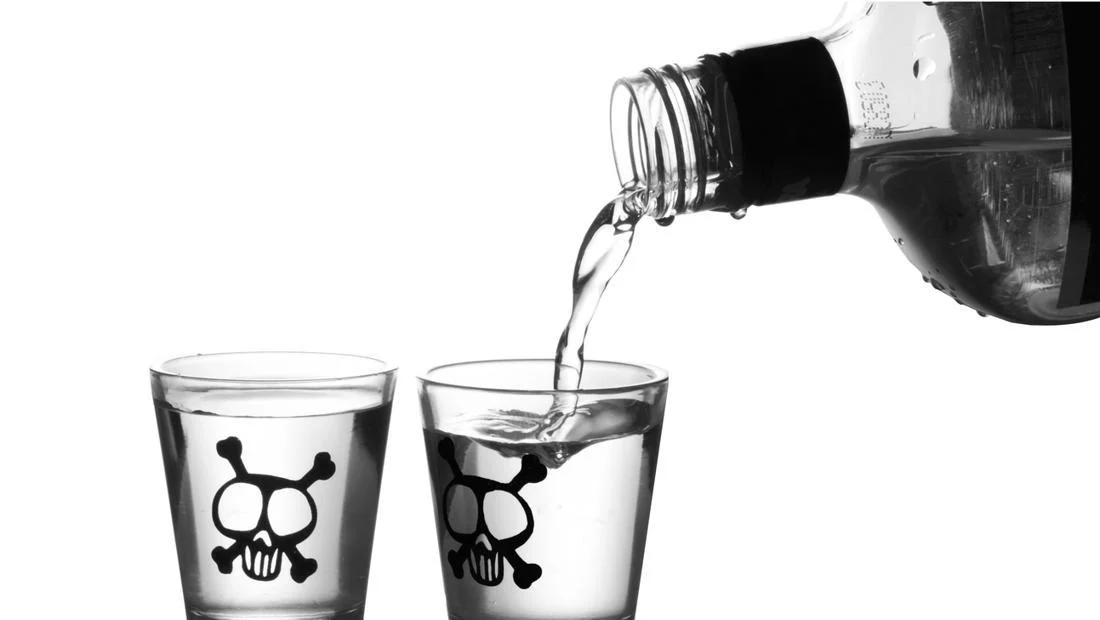
The Government of Laos has officially disclosed the findings of its investigation into the tragic deaths of six foreign tourists who succumbed to methanol poisoning approximately 1.5 years ago in the popular backpacker hub of Vang Vieng. In a statement that has drawn sharp criticism from the international community, the Lao Ministry of Public Security announced that it has been unable to pinpoint specific individuals or entities responsible for the fatalities, citing a critical lack of forensic evidence. The announcement follows a legal proceeding that resulted in what many perceive as remarkably lenient sentences for those involved in the production and distribution of the contaminated alcohol.
The tragedy, which unfolded in November 2024, resulted in the deaths of one British national, two Australians, two Danes, and one American. The victims had been enjoying the vibrant nightlife of Vang Vieng, a riverside town known for its hospitality and social atmosphere, before falling catastrophically ill. Despite the gravity of the incident, the Lao authorities have maintained that because autopsies were not conducted on the deceased at the time of the incident, they lack the necessary scientific proof to pursue charges of manslaughter or criminal negligence.
The Victims and the Circumstances of the Tragedy
The six individuals whose lives were cut short were part of the vibrant international youth travel community. They were identified as Simone White, 28, from the United Kingdom; Bianca Jones and Holly Morton-Bowles, both 19, from Australia; Anne-Sofie Orkild Coyman, 20, and Freja Vennervald Sorensen, 21, from Denmark; and James Louis Hutson, 57, from the United States.
Most of the victims were guests at the Nana Backpacker Hostel, a well-known establishment in Vang Vieng. On the night of November 12, 2024, many of the guests reportedly consumed "free shots" offered by the hostel as part of a social mixer. By the following morning, November 13, several guests were found severely ill in their rooms, suffering from symptoms ranging from extreme nausea and vomiting to vision loss and seizures. As their conditions worsened, they were transported to local clinics and eventually to better-equipped hospitals in the capital, Vientiane, and across the border into Thailand. However, for six of them, the medical intervention came too late.
A Legal Outcome Met with International Disappointment
The conclusion of the legal proceedings in Laos has sparked a diplomatic row, particularly with the Australian government. Earlier this week, it was revealed that the owners of the distillery responsible for producing the tainted vodka were charged only with the sale of dangerous food products and the operation of an illegal business. Under Lao law, these charges carry a maximum penalty of just one year in prison and a fine of approximately USD 1,100 (roughly 19.77 million Indonesian Rupiah).
The Australian Ministry of Foreign Affairs expressed profound frustration and disappointment over the ruling, arguing that the severity of the charges does not reflect the loss of six lives. In a rare move, the ministry summoned the Lao Ambassador in Canberra to register a formal and strenuous protest. The families of the victims have also voiced their heartbreak, describing the light sentencing as a "slap in the face" and a failure of the justice system to protect foreign visitors.
In response to the backlash, the Lao Ministry of Public Security issued a clarifying statement on Saturday, July 20, 2026. The ministry reiterated that they were legally barred from conducting autopsies in 2024, though it did not specify whether this was due to local religious customs, administrative hurdles, or a lack of forensic infrastructure. "Without the forensic evidence required to determine the exact physiological cause of death, we cannot satisfy the legal threshold for homicide or negligence charges," the statement read.
The Investigation and the Refusal of Foreign Aid
The investigation into the deaths was marred by procedural delays and a perceived lack of transparency from the outset. Reports from Australian media outlets indicate that the Australian Federal Police (AFP) had offered their specialized forensic and investigative services to the Lao government immediately following the incident. This offer was reportedly declined by Vientiane, which insisted on handling the matter internally.
Forensic experts note that the window for a successful autopsy in cases of suspected poisoning is narrow, ideally within 48 to 72 hours. By the time the bodies of the Australian victims were repatriated to their home country two weeks later, the opportunity for a definitive local autopsy had passed, and the presence of volatile substances like methanol had likely dissipated or metabolized beyond the point of easy detection.
Furthermore, earlier this year, ten individuals associated with the Nana Backpacker Hostel were sentenced for their roles in the incident. However, their charges were limited to the destruction of evidence. They received suspended sentences and fines of approximately USD 185 each. This has led to allegations from international observers that the initial crime scene was not properly secured, allowing for the disposal of the contaminated alcohol containers before they could be seized as evidence.
The Chemistry of a Silent Killer: Understanding Methanol Poisoning
Methanol, also known as wood alcohol or methyl alcohol, is a clear, colorless liquid that smells and tastes almost identical to ethanol (the alcohol found in traditional beverages). It is an industrial chemical primarily used as a solvent, fuel, or paint thinner. In many developing nations, unscrupulous producers add methanol to bootleg liquor to increase the alcohol content cheaply, unaware or indifferent to its extreme toxicity.
The human body processes methanol through the liver using the enzyme alcohol dehydrogenase. This process converts methanol into formaldehyde and then into formic acid. It is the accumulation of formic acid that causes systemic toxicity. The danger of methanol lies in its "latent period"; a person may feel mildly intoxicated for several hours before the toxic metabolites begin to attack the central nervous system, the optic nerves, and vital organs.
Consuming as little as 10ml of pure methanol can cause permanent blindness by destroying the optic nerve, while 30ml is often fatal. Symptoms include severe abdominal pain, headache, dizziness, and a characteristic "snowstorm" blurred vision. Because the symptoms can mimic a severe hangover or food poisoning, many victims do not seek medical help until the damage is irreversible.
Vang Vieng: A History of Tourism Safety Challenges
Vang Vieng has long been a focal point for the "Banana Pancake Trail," a popular travel route for young Westerners in Southeast Asia. Located on the Nam Song River, the town became famous in the early 2000s for "tubing"—floating down the river in tractor tire inner tubes while stopping at makeshift riverside bars.
However, the town’s reputation was tarnished by a string of fatalities in 2011 and 2012, when dozens of tourists died from drowning or alcohol-related accidents. This prompted a massive government crackdown that saw the closure of many riverside bars and a shift toward eco-tourism. The November 2024 tragedy has once again placed Vang Vieng under intense scrutiny, raising questions about whether the safety regulations for the sale of alcohol are being adequately enforced.
Broader Implications and Global Travel Warnings
The fallout from the Vang Vieng tragedy has prompted Western governments to rethink their travel advisories for Southeast Asia. The British government recently launched a comprehensive educational campaign aimed at young travelers, warning them of the specific risks of methanol poisoning in regions where unregulated alcohol is common.
Travelers are now being advised to avoid "free pours," house cocktails, and locally brewed spirits in favor of bottled beer or reputable brands where the seal is broken in front of them. The incident has also sparked a broader conversation about the responsibility of host nations to protect tourists and the necessity of international cooperation in criminal investigations involving foreign nationals.
For Laos, a country that relies heavily on tourism as a driver of economic growth, the perceived failure to provide justice for the victims could have long-term repercussions. Industry analysts suggest that if travelers perceive the legal system as incapable of holding local businesses accountable for safety failures, they may choose to bypass the country in favor of destinations with more robust consumer protections.
As the families of Simone White, Bianca Jones, Holly Morton-Bowles, Anne-Sofie Orkild Coyman, Freja Vennervald Sorensen, and James Louis Hutson continue to seek closure, the Vang Vieng tragedy remains a sobering reminder of the hidden dangers in the global illicit alcohol trade. The case underscores the critical importance of forensic transparency and the need for stringent oversight in the hospitality industry to prevent such a catastrophe from recurring.

