
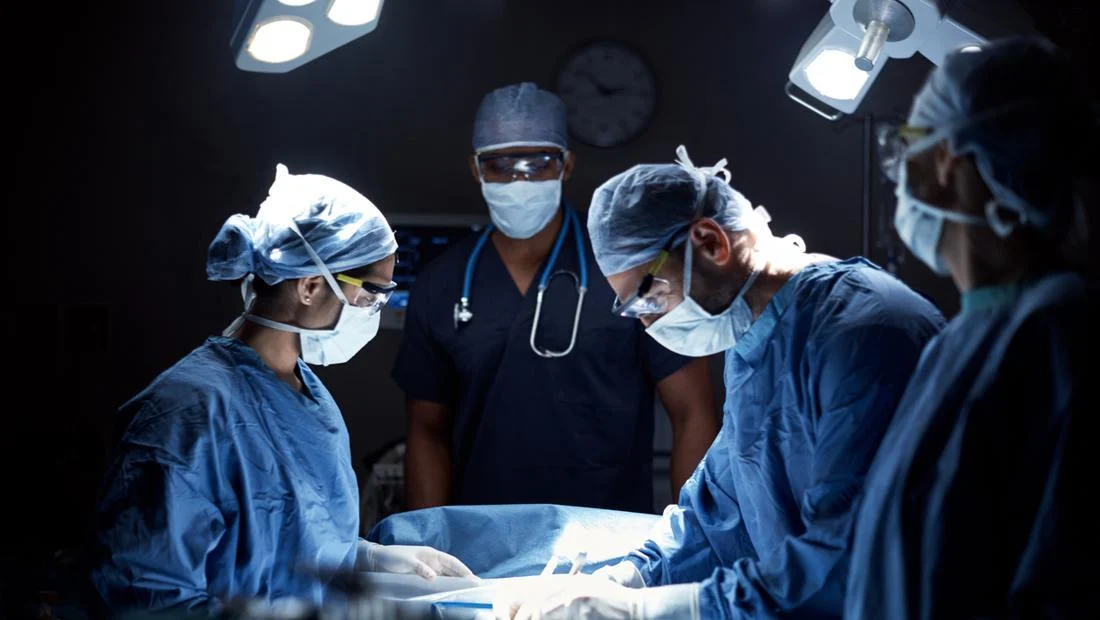
A remarkable case of medical ingenuity has emerged from Max Hospital in Gurugram, India, where a team of skilled surgeons successfully performed a complex reconstructive surgery on an 18-year-old female from the Democratic Republic of Congo. The teenager was born with a rare and profound congenital condition: the complete absence of a cervix and vaginal canal, a condition medically termed uterovaginal agenesis. This absence meant that despite her ovaries functioning normally and producing menstrual blood, she had no outward means for it to exit her body, leading to excruciating monthly pain and a cascade of other health complications.
The patient’s medical journey prior to arriving in India was fraught with misdiagnosis and ineffective interventions. In her home country, she endured four unsuccessful abdominal surgeries, including procedures for appendicitis and hernia. These operations, performed without a correct understanding of her underlying reproductive anomaly, left her with significant keloid scarring on her abdomen and failed to address the root cause of her suffering. The persistent, agonizing pelvic pain that accompanied her inability to menstruate was a constant burden, significantly impacting her quality of life.
The breakthrough in her diagnosis and subsequent treatment occurred when her family, seeking a definitive solution, brought her to India. At Max Hospital, a thorough evaluation confirmed the diagnosis of uterovaginal agenesis, a condition that affects approximately 1 in 5,000 to 1 in 10,000 newborn females. This condition represents a significant challenge in reproductive medicine due to the intricate nature of the female reproductive system and the absence of crucial structures.
The Complex Surgical Endeavor: Reconstructing What Was Missing
The surgical procedure undertaken at Max Hospital was a highly specialized and complex servico-vaginoplasty. The primary objective was to create a functional neovagina, a new vaginal canal, and to reconstruct the cervix, ensuring it could connect seamlessly with the uterus. This intricate operation required a multidisciplinary approach, combining advanced surgical techniques with a deep understanding of gynecological anatomy and reconstructive surgery.
Dr. Suman Lal, Senior Director and Head of the Obstetrics and Gynecology unit at Max Hospital, described the case as "exceptionally challenging." He elaborated, "This patient had a normally functioning uterus and ovaries but was born without a cervix and vagina. Our goal was not only to alleviate her debilitating pain but also to reconstruct her reproductive tract while preserving the potential function of her uterus."
The surgery involved meticulous dissection and the creation of a new vaginal canal, often utilizing tissue grafts or other innovative methods to ensure a durable and functional structure. The reconstruction of the cervix was equally critical, aiming to re-establish the connection between the uterus and the newly formed vagina. This would allow for the eventual passage of menstrual blood and, in the future, potentially facilitate intercourse and childbirth, although the latter would likely require advanced obstetric management.
Navigating Post-Operative Challenges and Achieving Full Recovery
The post-operative period for such a complex surgery demands vigilant monitoring. The patient was initially discharged after eight days, a testament to the surgeons’ confidence in the immediate success of the procedure. However, a planned follow-up examination on the eighteenth day revealed a minor complication. During this examination, performed under anesthesia, doctors identified a mild infection and a small collection of fluid near the surgical site.
Fortunately, this complication was detected early and managed promptly. The medical team administered targeted antibiotics, which proved highly effective. Within 24 hours, the infection subsided, and the patient was declared fully recovered. This swift and successful resolution of the post-operative infection highlights the expertise of the medical team and the patient’s own resilience.
Within three weeks of the surgery, the patient’s reproductive anatomy had significantly improved, demonstrating a remarkable recovery. The successful reconstruction has not only resolved her chronic pain but has also provided her with the potential for a more complete and healthier reproductive life.
The Critical Importance of Early Detection and Awareness
Dr. Lal took the opportunity to emphasize the paramount importance of early detection and parental awareness regarding potential reproductive anomalies in young girls. He issued a strong advisory, stating, "Young girls who have reached puberty but have not yet begun menstruating, despite exhibiting normal secondary sexual development, must be promptly evaluated by a medical professional."
He further stressed that persistent monthly abdominal pain in the absence of menstruation should never be dismissed. Such symptoms could be indicative of underlying congenital abnormalities within the reproductive tract, like the one experienced by his patient. "The monthly abdominal pain without menstruation should not be ignored, as it could be a sign of a congenital anomaly of the reproductive tract," he concluded.
Broader Implications and Future Outlook
The case of the 18-year-old from the Democratic Republic of Congo underscores several critical points in global healthcare:
- Advancements in Medical Technology: The success of this complex reconstructive surgery highlights the remarkable progress in surgical techniques and medical technology, particularly in the field of gynecological reconstructive surgery. Hospitals like Max Hospital are becoming centers of excellence for treating rare and challenging medical conditions.
- Global Health Disparities: The patient’s initial struggle with misdiagnosis and ineffective surgeries in her home country points to potential disparities in access to specialized medical care in different regions. The journey to India signifies the lengths to which some families will go to secure life-altering treatment.
- The Power of Accurate Diagnosis: This case dramatically illustrates how a correct diagnosis can be the turning point in a patient’s life. The initial multiple failed surgeries in her home country underscore the consequences of inaccurate diagnostic pathways.
- Empowering Women’s Health: By successfully reconstructing the patient’s reproductive organs, the medical team has not only relieved her physical suffering but has also provided her with the potential for future reproductive health and well-being. This case contributes to the broader narrative of empowering women and addressing gynecological health challenges.
- Public Health Education: Dr. Lal’s call for increased awareness among parents and healthcare providers about the signs of reproductive anomalies is crucial. Early identification can prevent years of suffering and enable timely interventions, leading to better outcomes. This message resonates globally, encouraging proactive health management for young girls.
The long-term outlook for the patient is positive, with her anatomy now structurally sound. While future considerations regarding fertility and childbirth would require careful planning and specialized obstetric care, the immediate outcome of her surgery represents a significant victory against a rare and debilitating condition. This story serves as a beacon of hope and a testament to the dedication and expertise of medical professionals worldwide who are pushing the boundaries of what is possible in healthcare. The journey from debilitating pain and misdiagnosis to a successful, life-changing surgery is a powerful reminder of the transformative impact of advanced medical science.

