
• Home
Nata News
keep your memories alive
Politics

Indonesian Government Issues Stern Warning Against Illegal Hajj 2026 Promotions Promising ‘No Queue’ Visas Amid Surging Scams

by admin April 12, 2026
written by admin

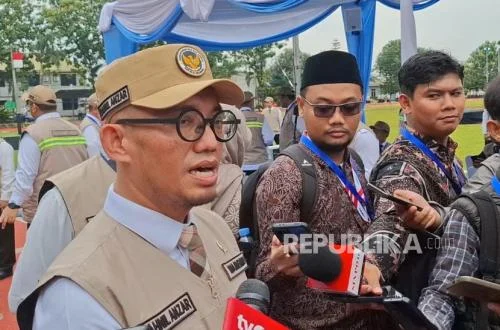
JAKARTA – As the Hajj season for 2026 draws closer, Indonesian authorities are sounding a critical alarm regarding the alarming proliferation of unauthorized Hajj pilgrimage promotions that promise immediate departure without the customary lengthy waiting periods. These deceptive schemes, frequently advertised on social media and various online platforms, market packages for "Hajj 2026 without queue" at exorbitant prices, often reaching US$29,900 (approximately Rp512 million), falsely claiming the use of official Furoda or Mujamalah visas. The Deputy Minister of Hajj and Umrah, Dahnil Anzar Simanjuntak, has vehemently reiterated that the only guaranteed visa for Hajj is the one issued under the official government-to-government quota, urging the public to exercise extreme caution and avoid falling victim to these high-risk, unofficial offers.

The allure of bypassing the notoriously long Hajj waiting list in Indonesia has created a fertile ground for unscrupulous agents to prey on the fervent desire of Muslims to fulfill their religious obligation. Advertisements, such as those prominently displayed by entities like Hajifuroda.id, detail comprehensive packages including airfare, accommodation, meals, and spiritual guidance in the Holy Land. Some even dangle the enticing promise of early departure in Dzulhijjah 1447 H and offer a "100 Percent Money-Back Guarantee" should the visa not materialize. However, the government’s warning underscores the fragile nature of such assurances, emphasizing that the issuance of non-quota visas lies solely with the Saudi Arabian government, making any third-party claims of certainty highly dubious.

The Sacred Journey and Indonesia’s Hajj Dilemma

Hajj, the annual pilgrimage to Mecca, Saudi Arabia, is one of the five pillars of Islam, a spiritual journey that every able-bodied Muslim is expected to undertake at least once in their lifetime. For Indonesians, who constitute the world’s largest Muslim-majority population, the aspiration to perform Hajj is profound and deeply ingrained in their faith and culture. Each year, millions express their desire to embark on this sacred journey, but the logistical realities of accommodating such a vast global contingent mean that Saudi Arabia allocates specific quotas to each Muslim-majority nation.

Indonesia, despite consistently receiving the largest Hajj quota globally – for instance, approximately 221,000 pilgrims in recent years – faces an unprecedented challenge: an exceptionally long waiting list. The average waiting period for regular Hajj pilgrimage in Indonesia currently stretches to an astounding 20 to 40 years, depending on the province of registration. In some densely populated regions, this wait can even exceed 45 years. This protracted delay, driven by overwhelming demand far outstripping the annual quota, creates immense pressure and emotional distress for many prospective pilgrims, particularly the elderly, who fear they may not live long enough to fulfill their lifelong dream. It is this desperate yearning and the desire for a faster path that unscrupulous individuals exploit, leading to the proliferation of "Hajj without queue" schemes.

Understanding Mujamalah and Furoda Visas: A Closer Look

The terms "Mujamalah" and "Furoda" have become central to these deceptive promotions, often misused or misunderstood. It is crucial to differentiate between their legitimate application and their dubious use by unauthorized travel agents.

  • Mujamalah Visa: Also known as a "royal invitation visa" or "private invitation," a Mujamalah visa is issued directly by the Kingdom of Saudi Arabia to individuals by special invitation, typically extended to prominent figures, diplomats, or those with unique connections. These visas are outside the official Hajj quota system agreed upon between Saudi Arabia and other countries. Crucially, Mujamalah visas are non-transferable and are granted on a highly discretionary basis. When travel agencies claim to "procure" or "guarantee" a Mujamalah visa for a fee, they are often operating in a gray area, as the direct issuance from the Saudi government to an ordinary pilgrim through a third party is highly irregular and usually not legitimate. The process is opaque, lacks official oversight from the pilgrim’s home country, and carries significant risks of fraud.

  • Furoda Visa: While often used interchangeably with Mujamalah in common parlance, "Furoda" (which translates to "private" or "individual") generally refers to Hajj visas obtained outside the regular government quota. These are also typically issued directly by the Saudi Ministry of Foreign Affairs or other Saudi entities. While legally recognized by Saudi Arabia if properly issued, the means by which Indonesian travel agents claim to acquire these for a fee are often unregulated by the Indonesian government. The key distinction from the official quota Hajj is the absence of direct oversight from the Indonesian Ministry of Religious Affairs (Kemenag). This lack of governmental regulation in Indonesia makes Furoda packages offered by private entities inherently riskier, as pilgrims lack the protection and guarantees afforded by official Hajj programs.

The fundamental issue highlighted by Deputy Minister Simanjuntak is the "certainty" of these visas. "Once again, the only certain visa is the Hajj visa based on the Hajj quota," Dahnil stated unequivocally during an interview with Republika following a discussion with the Minister of Immigration and Correctional Affairs, Agus Andrianto, at the Ministry of Hajj and Umrah office in Jakarta on Wednesday, April 15, 2026. He further elaborated that numerous Mujamalah visa offers circulating online lack any guarantee of departure. The authority to issue such visas rests exclusively with the Saudi Arabian government, meaning no travel agent can genuinely guarantee their issuance. "Because later there will be people selling on the internet as if they can get Mujamalah visas, the level of certainty for those is very low," he warned.

Chronology of Warnings and Inter-Agency Coordination

The Indonesian government’s proactive stance against Hajj fraud is not new, but the warnings have intensified as the 2026 Hajj season approaches. The timeline of official pronouncements and coordinated efforts illustrates the gravity of the situation:

  • January 30, 2026: Deputy Minister Dahnil Anzar Simanjuntak participated in a briefing for Indonesian Hajj officers at the Galaxy Field, Air Operations Command Headquarters 1, Halim Perdanakusuma, East Jakarta. While the primary focus of this briefing would have been operational readiness and service quality for the upcoming Hajj, it is highly probable that early warnings regarding potential scams and the importance of educating prospective pilgrims about legitimate channels would have been a significant agenda item. Equipping Hajj officers with information to counter misinformation is a crucial preventive measure.

  • Leading up to April 15, 2026: Throughout the preceding months, a noticeable surge in online advertisements promoting "Hajj 2026 without queue" packages was observed across various social media platforms, travel agency websites, and even messaging applications. These promotions leveraged persuasive language, attractive imagery, and often, misleading endorsements, capitalizing on the high demand and long waiting lists. The promise of immediate departure, combined with seemingly comprehensive packages and financial guarantees, made these offers particularly enticing to vulnerable individuals.

  • April 15, 2026: The definitive warning from Deputy Minister Dahnil Anzar Simanjuntak came after his meeting with Minister of Immigration and Correctional Affairs, Agus Andrianto. This specific interaction underscores a coordinated effort between the Ministry of Religious Affairs (which oversees Hajj and Umrah) and the Ministry of Law and Human Rights (which includes immigration). The presence of the Minister of Immigration suggests that the government is not only focused on public awareness but also on potential enforcement actions against fraudulent travel agents and tighter scrutiny of travel documents. Such a high-level meeting indicates a serious commitment to addressing the issue comprehensively, from prevention to potential legal recourse.

The Mechanics of Deception: How Scams Operate

Fraudulent Hajj schemes often follow a predictable pattern designed to exploit the emotional and financial vulnerability of prospective pilgrims:

  1. Aggressive Online Marketing: Scammers heavily utilize social media platforms (Facebook, Instagram, WhatsApp groups), paid search ads, and dedicated websites (like Hajifuroda.id mentioned in the article) to reach a wide audience. They use compelling visuals, testimonials (sometimes fabricated), and urgent calls to action to create a sense of exclusivity and limited availability.

  2. False Promises of Visa Certainty: The core of the deception lies in promising "guaranteed" Mujamalah or Furoda visas. They often claim to have "special connections" or "exclusive allocations" from the Saudi government, which are rarely true for mass pilgrims.

  3. Exorbitant Pricing with "Premium" Facilities: The high price point (US$29,900 or Rp512 million) is presented as justified by the "exclusivity" of the visa and the "premium" services, including luxury hotels, private transport, and personalized religious guidance. While some legitimate Furoda packages exist at higher price points, the problem arises when the visa itself is not guaranteed or when the services promised are not delivered.

  4. Misleading Financial Guarantees: The "100% Money-Back Guarantee if visa fails to issue" is a common tactic. In reality, victims often find it impossible to reclaim their funds once the visa fails. The agencies disappear, become unreachable, or stall the refund process indefinitely, citing various fabricated bureaucratic hurdles. The legal recourse for pilgrims in such cases can be protracted and often unsuccessful.

  5. Lack of Transparency and Official Registration: Many of these operators are either unregistered, operate under misleading names, or lack the necessary licenses from the Indonesian Ministry of Religious Affairs to organize Hajj travel. This lack of official oversight makes it difficult for authorities to track them and for pilgrims to seek redress.

Broader Impact and Implications

The repercussions of these Hajj scams extend far beyond individual financial losses, impacting pilgrims, government institutions, and even international relations:

  1. Devastating Financial and Emotional Loss: For many Indonesian pilgrims, the Hajj fund represents a lifetime of savings, accumulated through immense sacrifice. Losing such a substantial amount not only causes severe financial hardship but also profound emotional distress and spiritual disappointment, as their ultimate religious aspiration is shattered.

  2. Reputational Damage to Indonesia: When Indonesian citizens are repeatedly involved in unauthorized Hajj attempts or fall victim to scams, it can negatively impact Indonesia’s standing with Saudi Arabian authorities. It can lead to stricter scrutiny of Indonesian travelers and even potentially affect future Hajj quota negotiations.

  3. Strain on Saudi Hajj Infrastructure: Unauthorized pilgrims, even if they manage to enter Saudi Arabia, strain the meticulously planned logistics and resources intended for official quota pilgrims. This can lead to overcrowding, logistical bottlenecks, and compromise the safety and comfort of all pilgrims. Saudi authorities have strict penalties for individuals found performing Hajj without proper permits.

  4. Legal Consequences for Pilgrims and Agents: While pilgrims are often victims, they can still face legal consequences in Saudi Arabia, including deportation, fines, and even a ban from future travel to the Kingdom, if caught without valid Hajj permits. For fraudulent agents, Indonesian law provides for severe penalties, including imprisonment and substantial fines, under various consumer protection and Hajj and Umrah travel regulations. However, enforcement remains a challenge due to the often transient nature of these operations.

  5. Erosion of Trust: Such incidents erode public trust in travel agencies and even, indirectly, in the government’s ability to protect its citizens and regulate religious travel.

Official Responses and Recommendations for Prospective Pilgrims

To combat this persistent problem, the Indonesian government, primarily through the Ministry of Religious Affairs, is actively engaged in public awareness campaigns and inter-agency coordination.

  • Public Awareness Campaigns: The Ministry regularly issues advisories through official channels, social media, and religious leaders, urging citizens to verify the legality and licensing of any Hajj or Umrah travel agency with the Ministry of Religious Affairs. Prospective pilgrims are advised to only register for Hajj through official government programs or with travel agencies explicitly approved and monitored by Kemenag.

  • Inter-Agency Collaboration: The meeting between Deputy Minister Dahnil Anzar Simanjuntak and Minister Agus Andrianto highlights the crucial collaboration between religious affairs and immigration authorities. This partnership is vital for monitoring suspicious travel patterns, identifying potential visa fraud, and taking legal action against perpetrators. Immigration authorities can play a key role in preventing individuals with suspicious travel documents from departing Indonesia.

  • Legal Enforcement: The government is committed to pursuing legal action against fraudulent travel agents. This involves investigations, arrests, and prosecution to deter others from engaging in similar illicit activities. However, the transient nature of many online scams makes tracking and prosecuting difficult.

For prospective pilgrims, the message is clear and consistent:

  1. Verify Licensing: Always check if a travel agency has an official Hajj and Umrah operating license from the Ministry of Religious Affairs (Kemenag). This can usually be done through the Ministry’s official website or by contacting their call center.
  2. Be Skeptical of "No Queue" Promises: Any offer promising immediate Hajj departure outside the official quota system should be treated with extreme suspicion. The Hajj waiting list is a known and unavoidable reality.
  3. Avoid Unofficial Channels: Do not engage with individuals or entities promoting Hajj packages through informal social media groups or personal contacts without official verification.
  4. Understand Visa Types: Be fully aware of the differences between official quota Hajj visas and private visas. Understand that the latter carries significant risks if not acquired through legitimate and transparent means directly sanctioned by Saudi authorities.
  5. Report Suspicious Activity: Report any suspicious Hajj or Umrah promotions to the Ministry of Religious Affairs or relevant law enforcement agencies.

The Indonesian government’s firm warnings serve as a critical reminder of the pervasive risks associated with unregulated Hajj packages. While the dream of performing Hajj is deeply cherished, it is imperative for prospective pilgrims to prioritize safety, legality, and official channels to ensure their spiritual journey is undertaken genuinely and without the heartbreak of financial loss and unfulfilled promises. The path to Mecca must be through legitimate means, safeguarding the sanctity of the pilgrimage and the well-being of the pilgrims.
April 12, 2026 0 comment
0 FacebookTwitterPinterestEmail
Politics

Gus Irfan: Avtur Meroket, Maskapai Minta Tambahan Rp8 Juta/Jemaah

by admin April 12, 2026
written by admin

Jakarta, Indonesia – On Wednesday, April 15, 2026, the Indonesian government, under the direct instruction of President Prabowo Subianto, announced a significant allocation of Rp 1.77 trillion (approximately US$ 110 million, based on an assumed exchange rate of Rp 16,000/US$ 1 for contextual understanding, though the original article cited Rp 17,142/US$ for a specific airline quote) to subsidize the escalating costs of Hajj pilgrimage airfares. This decisive move aims to shield prospective Indonesian pilgrims from the burden of sharply increased jet fuel (avtur) prices, ensuring that the sacred journey remains accessible to its citizens. Minister of Hajj and Umrah, Mochamad Irfan Yusuf Hasyimz, widely known as Gus Irfan, revealed that this substantial financial commitment comes alongside an unprecedented decision by President Prabowo to further reduce the overall Hajj pilgrimage cost by Rp 2 million per pilgrim for the 2026 season.

The announcement follows a period of intense negotiations and critical financial assessments prompted by major airlines, Garuda Indonesia and Saudia Airlines, demanding substantial fare increases to cover their operational expenditures. Minister Hasyimz detailed the pressing situation, explaining that Garuda Indonesia initially sought an additional Rp 7 million per pilgrim, while Saudia Airlines requested an increase of US$ 485 per pilgrim. At the time of Saudia’s request, with an exchange rate of Rp 17,142 per US dollar, this translated to approximately Rp 8.31 million per pilgrim for the Saudi national carrier. These demands collectively presented a formidable financial challenge, signaling a potential total additional cost of Rp 1.77 trillion for the Indonesian Hajj program. The core of the problem, as Minister Hasyimz underscored, was the dramatic surge in jet fuel prices, which had climbed from Rp 13,656 per liter to Rp 23,551 per liter.

The Escalating Cost of Hajj Travel and Global Fuel Dynamics

The Hajj pilgrimage, one of the five pillars of Islam, holds immense spiritual significance for millions of Indonesians. As the country with the world’s largest Muslim population, Indonesia consistently sends the largest contingent of pilgrims to Saudi Arabia annually. The affordability of this journey is therefore a matter of national importance and public welfare. The recent volatility in global energy markets, particularly crude oil prices, directly translates into fluctuating jet fuel costs, posing a recurring challenge for Hajj organizers worldwide. The period preceding the airlines’ requests was characterized by peak global oil prices, driven by a confluence of geopolitical tensions, supply chain disruptions, and robust post-pandemic demand. This environment created an untenable situation for airlines, whose operational costs are heavily weighted towards fuel.

Garuda Indonesia, as the national flag carrier, plays a pivotal role in transporting Indonesian pilgrims. Its request for an additional Rp 7 million per pilgrim underscored the severity of the financial strain. Similarly, Saudia Airlines, a major international carrier facilitating Hajj travel, faced similar cost pressures. The total estimated additional expenditure of Rp 1.77 trillion for both airlines highlighted the scale of the financial gap that emerged due to the fuel price hikes. This figure represents a substantial portion of the overall Hajj operational budget, necessitating an immediate and comprehensive government response.

Presidential Intervention and Policy Directives: A Commitment to Pilgrims

Upon being informed of the dire situation and the potential financial burden on pilgrims, President Prabowo Subianto acted swiftly and decisively. Minister Hasyimz recounted the President’s unequivocal directive: "The President said this additional cost must not be passed on to the pilgrims. This is the President’s commitment to Hajj pilgrims." This statement reflects a fundamental principle of the current administration to prioritize the welfare of its citizens, especially concerning religious obligations as significant as the Hajj.

Beyond merely absorbing the additional costs, President Prabowo went a step further, demonstrating an extraordinary commitment to making Hajj more accessible. He mandated a reduction of Rp 2 million in the overall Hajj cost for 2026. This unprecedented move is a clear signal of the government’s dedication to supporting its citizens’ spiritual journeys, potentially setting a new standard for Hajj affordability. The Rp 1.77 trillion allocated for subsidies will directly compensate the airlines for the increased fuel costs, preventing any direct impact on the pilgrims’ already paid fees. This dual approach—subsidizing the increase and actively reducing the base cost—is expected to be met with widespread relief and gratitude across the nation.

Chronology of a Crisis: From Airline Requests to Government Resolution

The events unfolded rapidly, highlighting the urgency of the situation:

  • Approximately Ten Days Prior to April 15, 2026: Both Garuda Indonesia and Saudia Airlines formally submitted requests for significant fare adjustments. These requests were a direct consequence of the sharp increase in jet fuel prices, which had seen avtur costs surge by over 70% from Rp 13,656 to Rp 23,551 per liter. The airlines, operating on tight margins, deemed these adjustments necessary to maintain operational viability for the Hajj season.
  • Intensive Negotiations and Assessments: The Ministry of Hajj and Umrah, led by Minister Mochamad Irfan Yusuf Hasyimz, immediately engaged in rigorous discussions with the airlines. The ministry meticulously reviewed the justifications for the requested increases, scrutinizing fuel cost data and operational expenditure reports. During this period, the minister emphasized the criticality of the situation, describing it as "ten crucial days."
  • Reporting to the Highest Authority: Recognizing the profound implications for national policy and pilgrim welfare, Minister Hasyimz presented the full scope of the challenge, including the airlines’ demands and the total projected additional cost of Rp 1.77 trillion, directly to President Prabowo Subianto.
  • Presidential Decree and Financial Commitment: Following the briefing, President Prabowo issued his clear directive: the additional costs would not be borne by the pilgrims. He simultaneously approved the allocation of Rp 1.77 trillion from state coffers as a subsidy to cover the increased airfare components. Crucially, he also announced the additional Rp 2 million reduction in the overall Hajj cost for 2026, signaling a broader commitment to affordability.
  • Dynamic Market Response: Minister Hasyimz noted a significant development subsequent to the airlines’ initial requests. He explained, "Now, jet fuel prices are falling. They submitted these requests before the ceasefire, when oil prices were at their peak." This indicates that the global energy market has begun to cool down, potentially driven by eased geopolitical tensions or increased supply, leading to a reduction in jet fuel costs from their previous highs. This dynamic situation suggests that the actual amount required for the subsidy might even be lower than the initially calculated Rp 1.77 trillion, a possibility the ministry is actively exploring through continued negotiations.

The Mechanics of Jet Fuel Prices and Global Energy Markets

Jet fuel, or avtur (aviation turbine fuel), is a refined petroleum product that powers jet-engine aircraft. Its price is directly correlated with crude oil prices, which are notoriously volatile. Several factors contribute to this volatility:

  • Geopolitical Events: Conflicts, political instability in oil-producing regions, and sanctions can disrupt supply chains and trigger price spikes. The mention of "before the ceasefire" in Minister Hasyimz’s statement strongly implies that ongoing global conflicts or significant international tensions had pushed oil prices to their zenith, directly impacting avtur costs.
  • Supply and Demand: Global economic growth drives demand for air travel and freight, increasing jet fuel consumption. Conversely, oversupply or reduced demand can lead to price drops.
  • OPEC+ Decisions: The Organization of the Petroleum Exporting Countries and its allies (OPEC+) often influence global supply through production quotas, impacting prices.
  • Refining Capacity: The availability and efficiency of refineries to process crude oil into jet fuel can also affect supply and pricing.
  • Exchange Rates: For countries like Indonesia, the strength of the local currency against the US dollar (the primary currency for oil transactions) plays a significant role in the domestic cost of imported fuel.

The surge from Rp 13,656 to Rp 23,551 per liter represents an approximate 72.4% increase, a staggering jump that would be catastrophic for airline profitability without fare adjustments. The subsequent decline in prices, as observed by Minister Hasyimz, offers a glimmer of hope for potential savings on the government’s subsidy outlay and highlights the necessity of flexible financial planning in such dynamic environments.

Indonesia’s Hajj Management: A National Priority and Economic Implication

Managing the Hajj pilgrimage for over 200,000 pilgrims annually (Indonesia’s typical quota) is a colossal logistical and financial undertaking. The Indonesian government, primarily through the Ministry of Religious Affairs and the Hajj Financial Management Agency (BPKH), plays a central role in ensuring the smooth execution and financial sustainability of the pilgrimage. The BPKH manages the Hajj funds, which consist of deposits from prospective pilgrims, and invests them to generate returns that can then be used to subsidize various Hajj components, including accommodation, transportation, and living expenses.

Historically, Hajj costs in Indonesia have always involved a degree of subsidy, drawing from the investment returns of the BPKH. However, a direct, substantial state budget allocation of Rp 1.77 trillion specifically to offset unexpected airfare surges is a significant fiscal decision. This demonstrates the government’s deep commitment to the principle of "istitha’ah" or financial capability, ensuring that unexpected external shocks do not render the pilgrimage unaffordable for those who have long saved and prepared.

Implications for Airlines and Ongoing Negotiations

For Garuda Indonesia and Saudia Airlines, the government’s subsidy provides crucial relief. Without it, they would face the unenviable choice of either operating Hajj flights at a significant loss or passing on the full cost increase to pilgrims, potentially leading to widespread cancellations and public outcry. The Rp 1.77 trillion allocation ensures that their operational costs, specifically the fuel component, are covered.

However, Minister Hasyimz indicated that negotiations with the airlines are not entirely concluded. "However, according to Gus Irfan, his party will continue to negotiate even though the government has allocated Rp 1.77 trillion to compensate for avtur prices," the article states. This is a strategic move. Given that jet fuel prices have now reportedly decreased from their peak, there is a strong possibility that the actual cost burden on the airlines might be lower than initially projected. The government, therefore, aims to renegotiate the exact compensation amount, potentially reducing the final subsidy outlay if fuel prices remain subdued. This proactive approach demonstrates fiscal prudence while upholding the commitment to pilgrims.

Economic and Fiscal Analysis of the Subsidy

The Rp 1.77 trillion subsidy, while essential for pilgrim welfare, represents a significant expenditure from the state budget. The precise source of these funds—whether directly from the national budget or via transfers to the BPKH for disbursement—will be critical in assessing its fiscal impact.

  • Fiscal Impact: While substantial, the government prioritizes the social and religious welfare aspects. This allocation must be balanced against other national development priorities. It highlights the vulnerability of Hajj financing to global market fluctuations.
  • Sustainability: Relying on ad-hoc state budget subsidies for such large sums might not be a sustainable long-term strategy if fuel prices remain volatile. It underscores the need for robust hedging mechanisms or diversified Hajj fund investments that can absorb such shocks.
  • Precedent: President Prabowo’s decision to absorb costs and even reduce Hajj fees sets a strong precedent. Future administrations may face similar expectations from the public regarding Hajj affordability.
  • Economic Stimulus: While a cost for the government, the Hajj program itself generates economic activity through travel, logistics, and services, both domestically and in Saudi Arabia. Ensuring its continuity without price shocks can have positive ripple effects.

Pilgrim Sentiment and Public Reaction

The news is expected to be met with immense relief and gratitude among the hundreds of thousands of prospective Indonesian Hajj pilgrims. Many save for decades to undertake the pilgrimage, and unexpected cost increases can shatter these long-held dreams. The President’s commitment ensures that their meticulously planned finances are not disrupted by external economic factors. This move is likely to significantly bolster public trust and approval for the current administration, demonstrating a tangible commitment to the welfare of its citizens.

Looking Ahead: Long-Term Hajj Financing Strategies

The current situation highlights the critical need for comprehensive, long-term strategies for Hajj financing in Indonesia. Potential avenues include:

  • Diversified Investments of Hajj Funds: The BPKH’s investment portfolio could be further diversified to generate higher and more stable returns, providing a stronger buffer against cost fluctuations.
  • Fuel Price Hedging: Exploring financial instruments to hedge against future jet fuel price volatility could provide greater predictability for Hajj airfare costs, reducing reliance on ad-hoc subsidies.
  • Operational Efficiencies: Continuous efforts to identify and implement efficiencies in all aspects of Hajj operations, from transportation to accommodation and ground services, can help keep overall costs in check.
  • Airline Partnerships: Developing more stable, long-term partnerships with airlines, possibly including fuel price clauses that share risk, could be beneficial.
  • Transparency and Communication: Maintaining transparent communication with pilgrims about cost structures and any changes is crucial for managing expectations.

In conclusion, President Prabowo Subianto’s decisive action to allocate Rp 1.77 trillion in subsidies and further reduce Hajj costs by Rp 2 million underscores the Indonesian government’s unwavering commitment to ensuring the accessibility and affordability of the Hajj pilgrimage for its citizens. While providing immediate relief from the pressures of volatile global jet fuel prices, this event also serves as a poignant reminder of the complex interplay between global economic forces and national religious obligations, prompting a continued focus on robust and sustainable long-term financing strategies for this sacred journey. The ongoing negotiations regarding the final subsidy amount, given the recent decline in avtur prices, reflect a prudent approach to fiscal management even amidst a strong commitment to public welfare.

April 12, 2026 0 comment
0 FacebookTwitterPinterestEmail
Newer Posts
Older Posts

Posts Slider

Bald eagles Jackie and Shadow raise $10 million

July 25, 2026

Kemdiktisaintek Buka Beasiswa BPDDI 2026 untuk Dosen, Lanjut...

July 25, 2026

Quipper Indonesia Unveils 2025 Academic Reward Program Utilizing...

July 25, 2026

Indonesia’s Heightened Seismic Hazard: Updated 2024 Map Reveals...

July 25, 2026

Indonesia Intensifies Scrutiny on Unrepatriated Tax Amnesty and...

July 25, 2026

Popular Posts

  • 1

    Indonesia’s Domestic Market Obligation Policy for Palm Oil Proves Effective in Stabilizing Minyakita Prices Amidst Broader Market Dynamics.

    April 16, 2026
  • 2

    Extra Playtime Strengthens the Emotional Bond Between Owners and Dogs According to New Research

    April 22, 2026
  • 3

    OJK Propels South Sumatra’s Regional Economy with Strategic Export Initiatives and Youth Empowerment

    April 22, 2026
  • 4

    Jangan Sampai Ketinggalan! Skill Excel Ini Bisa Bikin Kerja Kamu 2x Lebih Cepat

    April 16, 2026
  • 5

    Mastering Solo Queue in Mobile Legends: Bang Bang: A Deep Dive into Self-Sufficient Carry Heroes

    April 22, 2026

Recent Posts

  • Bald eagles Jackie and Shadow raise $10 million

    July 25, 2026
  • Kemdiktisaintek Buka Beasiswa BPDDI 2026 untuk Dosen, Lanjut S3 Gratis!

    July 25, 2026
  • Quipper Indonesia Unveils 2025 Academic Reward Program Utilizing Gamified Learning Incentives for QSP All Access Users

    July 25, 2026
  • Indonesia’s Heightened Seismic Hazard: Updated 2024 Map Reveals 14 Megathrust Zones and Escalated Earthquake Risks

    July 25, 2026
  • Indonesia Intensifies Scrutiny on Unrepatriated Tax Amnesty and Voluntary Disclosure Program Assets, Setting End-2026 Deadline for Compliance.

    July 25, 2026
  • Facebook
  • Twitter

@2021 - All Right Reserved. Designed and Developed by PenciDesign


Back To Top
Nata News
  • Home

We are using cookies to give you the best experience on our website.

You can find out more about which cookies we are using or switch them off in .

Nata News
Powered by  GDPR Cookie Compliance
Privacy Overview

This website uses cookies so that we can provide you with the best user experience possible. Cookie information is stored in your browser and performs functions such as recognising you when you return to our website and helping our team to understand which sections of the website you find most interesting and useful.

Strictly Necessary Cookies

Strictly Necessary Cookie should be enabled at all times so that we can save your preferences for cookie settings.