• Home
Nata News
keep your memories alive
Economy

OJK Wanti-Wanti Bank Digital Tak Sediakan Bisnis Sekadar Gimik

by admin September 13, 2026
written by admin

The landscape of Indonesia’s financial sector has undergone a profound transformation over the past several years, catalyzed by rapid technological advancements, shifting consumer behaviors, and an aggressive regulatory push toward financial inclusion. At the heart of this revolution is the emergence of digital banks—financial institutions operating entirely or predominantly through digital channels without traditional branch networks. However, as the market becomes increasingly saturated, regulatory scrutiny has tightened. The Financial Services Authority of Indonesia, universally known as Otoritas Jasa Keuangan (OJK), has recently issued a stern warning to industry players: digital banking must transcend superficial marketing and transient promotional campaigns.

OJK has explicitly urged the digital banking industry to refrain from treating digitalization merely as a promotional gimmick. Instead, regulators are demanding concrete innovations that deliver tangible value propositions and effectively reach underserved and unbanked segments of the population. This pivotal directive underscores a broader regulatory shift from mere quantitative expansion—measured by user sign-ups and app downloads—to qualitative sustainability, profitability, and deep market penetration. As Indonesia strives to build a resilient and inclusive digital economy, the expectations placed upon digital banks have never been higher.

The Core Regulatory Stance: Beyond Marketing Fluff

The warning from OJK was delivered by Dian Ediana Rae, the Chief Executive of Banking Supervision at OJK. Addressing stakeholders within the financial ecosystem, Dian emphasized that businesses operating in the digital banking sphere must capitalize on the momentum of the digital era to establish genuine differentiation from conventional banks.

According to Dian, the existence of a digital bank should not be reduced to flashy user interfaces, temporary cash-back offers, or superficial promotional gimmicks designed solely to capture headlines or temporary customer acquisition metrics. Rather, digital banks are expected to leverage technology to solve real financial friction points.

This regulatory philosophy challenges the prevailing operational models of several new entrants in the market. In the early rush to capture market share, numerous digital banking startups relied heavily on high-interest savings rates, zero-fee transfers, and aggressive referral bonuses. While these strategies successfully attracted millions of price-sensitive customers, they frequently failed to foster long-term customer loyalty or sustainable revenue streams. OJK’s stance makes it clear that the era of growth-at-all-costs driven by marketing gimmicks is drawing to a close, replaced by a mandate for substantive financial engineering and sustainable business models.

Chronology and Evolution of Digital Banking Regulation in Indonesia

To understand the weight of OJK’s recent warning, it is essential to examine the chronological progression of digital banking oversight in Southeast Asia’s largest economy. The journey of digital banking in Indonesia can be categorized into three distinct phases: the exploratory boom, the regulatory codification, and the current phase of consolidation and maturation.

1. The Exploratory Boom (2019–2021)

The groundwork for digital banking was laid as fintech companies began capturing significant market share in payments and peer-to-peer (P2P) lending. Traditional banks recognized the threat and the opportunity, leading to the acquisition of smaller, legacy banks to transform them into digital-first entities. This period was characterized by rapid experimentation. Investors poured billions of dollars into digital banking ventures, driven by the immense potential of Indonesia’s large unbanked and underbanked population, estimated at over 50 million adults.

2. Regulatory Codification and Guidelines (2021–2023)

Recognizing the systemic risks and the need for standardized supervision, OJK issued formal guidelines governing commercial banks through digital channels. In August 2021, OJK released POJK No. 12/POJK.03/2021 concerning Commercial Banks. This regulation formally established the legal framework for digital banks, distinguishing them based on whether they are established as new entities or transformed from existing conventional banks. During this period, OJK permitted fully digital operations provided institutions met stringent minimum capital requirements, robust cybersecurity standards, and risk management protocols.

3. Maturation and Performance Scrutiny (2023–Present)

As the novelty of digital banking wore off, regulators began evaluating the financial health and operational viability of these institutions. While top-tier digital banks backed by major tech ecosystems or large conglomerates began showing promising metrics, several smaller players struggled with high customer acquisition costs, sluggish loan growth, and mounting net losses. This current phase is defined by strict regulatory oversight, with OJK demanding that digital banks prove their long-term viability, capital adequacy, and genuine contribution to the national economy rather than relying on unsustainable promotional burn rates.

Market Dynamics: Moving Beyond Conventional Offerings

A central pillar of OJK’s critique is that digital banks cannot simply replicate the products and services offered by traditional brick-and-mortar institutions while merely shifting them to a smartphone screen. Simply offering basic savings accounts, standard time deposits, and consumer credit through a mobile application does not constitute a true digital banking business model.

Dian Ediana Rae pointed out that the industry must design innovative financial schemes capable of reaching layers of society that have yet to obtain adequate access to formal banking services. This includes micro-entrepreneurs, small and medium enterprises (SMEs) in remote regions, gig economy workers, and agricultural communities who operate largely on cash and lack formal credit histories.

OJK Wanti-Wanti Bank Digital Tak Sediakan Bisnis Sekadar Gimik

Traditional banks often find these segments unprofitable due to the high operational costs associated with physical branches and manual credit assessments. Digital banks, equipped with advanced data analytics, alternative credit scoring models, and streamlined digital onboarding processes, are uniquely positioned to bridge this gap. However, achieving this requires more than just developing a sleek mobile application; it demands deep integration into digital ecosystems, such as e-commerce platforms, ride-hailing networks, and agricultural supply chains, where everyday economic transactions occur.

Data and Industry Realities: The Performance of Digital Banks

The financial data surrounding Indonesia’s digital banking sector reveals a nuanced picture of high potential tempered by operational hurdles. According to banking statistics published by OJK and Bank Indonesia, digital banks have experienced exponential growth in total assets and third-party funds (deposits) over the past five years. Total customer accounts managed by digital-first platforms have surged into the tens of millions.

However, profitability remains a critical challenge. While a handful of market leaders—supported by robust ecosystems such as GoTo, Sea Group, and major local conglomerates like BCA and Bank Aladin—have successfully transitioned into profitable operations or narrowed their losses significantly, many others continue to face bottom-line pressures.

Metric / Indicator Early Phase (2020–2021) Current Phase (2024–2026)
Primary Focus Customer acquisition, brand awareness, rapid scaling Sustainability, asset quality, monetization, profitability
Acquisition Strategy High cash-back, zero fees, promotional high interest rates Ecosystem partnerships, embedded finance, targeted lending
Target Audience Urban tech-savvy millennials, Gen Z Underbanked SMEs, unbanked rural populations, gig workers
Regulatory Focus Licensing compliance, cybersecurity minimums Substantive business models, risk management, financial inclusion

The data indicates that reliance on high-interest promotional campaigns to attract deposits has driven up the Cost of Funds (CoF) for many digital banks. When interest rates fluctuate or promotional budgets dry up, these digital banks often experience high customer churn rates. OJK’s warning serves as a direct macroeconomic intervention to curb unsustainable interest rate wars and encourage prudent financial management.

Broader Implications and Strategic Imperatives for the Industry

The supervisory directive issued by OJK carries profound implications for the future trajectory of Indonesia’s financial technology and banking sectors. Financial analysts and industry observers have noted several key takeaways from the regulator’s stance:

1. Shift Toward Embedded Finance and Ecosystems

To survive and thrive without relying on gimmicks, digital banks must integrate deeply into the daily digital lives of consumers and businesses. This involves moving away from standalone applications toward embedded finance—where banking services are seamlessly woven into non-financial platforms, such as supply chain management apps for farmers or inventory platforms for mom-and-pop stores (warung).

2. Enhanced Credit Risk Management

With OJK pushing for broader market penetration into underserved segments, digital banks must refine their risk models. Expanding credit access to the unbanked inherently involves higher risk profiles. Therefore, institutions must invest heavily in advanced machine learning algorithms, behavioral analytics, and alternative data sources to assess creditworthiness accurately without relying on traditional collateral.

3. Consolidation and M&A Activity

As regulatory compliance costs rise and the tolerance for loss-making operations diminishes, smaller digital banks lacking strong financial backers or clear differentiation may face increased pressure. Industry consolidation through mergers and acquisitions (M&A) is widely anticipated. Stronger conventional banks or foreign financial institutions may acquire smaller digital players to absorb their technology stacks and customer bases.

4. Consumer Protection and Financial Literacy

True financial inclusion goes hand in hand with financial literacy. OJK’s emphasis on substantive business models implies that digital banks must also take responsibility for educating their users. Transparent fee structures, clear terms and conditions, and responsible lending practices are paramount to ensuring that digital banking does not lead to predatory debt traps for vulnerable populations.

Conclusion

Otoritas Jasa Keuangan’s explicit warning against treating digital banking as a mere promotional gimmick marks a watershed moment for Indonesia’s financial sector. As the industry matures past its exploratory infancy, the regulatory message is unequivocally clear: future success will not be measured by viral marketing campaigns or the sheer volume of transient accounts, but by sustainable innovation, prudent risk management, and meaningful contributions to national financial inclusion.

For digital banking executives and institutional investors, the mandate is set. The coming years will separate fleeting digital experiments from resilient financial institutions capable of driving genuine economic empowerment across the archipelago. By embracing substantive technological solutions and targeting the true pockets of the unbanked economy, Indonesia’s digital banking sector can fulfill its promise as a cornerstone of modern, inclusive economic prosperity.


September 13, 2026 0 comment
0 FacebookTwitterPinterestEmail
Technology

Amazon Web Services Launches Global Student Rewards Program to Accelerate Digital Talent Development with 500 Million USD Investment

by admin September 13, 2026
written by admin

Amazon Web Services (AWS) has officially unveiled its global Student Rewards initiative, a transformative program integrated into the AWS Builder Center designed to bridge the widening gap between academic theory and the practical demands of the modern technology sector. Backed by a substantial global investment of more than 500 million USD—equivalent to approximately 8.8 trillion Indonesian Rupiah—this initiative seeks to democratize access to advanced cloud computing and artificial intelligence (AI) education for university students worldwide. By providing verified students with AWS credits, premium training modules, and vouchers for industry-recognized certification exams, the program aims to equip the next generation of developers with the tangible skills required to thrive in a competitive digital economy.

Bridging the Academic-Industry Divide

The rapid evolution of cloud infrastructure and the integration of generative AI into enterprise workflows have created an urgent need for a workforce that is not only theoretically grounded but also technically proficient. Traditionally, university curricula often struggle to keep pace with the hyper-accelerated release cycles of cloud service providers. AWS’s decision to launch the Student Rewards program acknowledges this friction. By incentivizing active participation in the AWS Builder Center, the company is effectively creating a sandbox environment where students can experiment, fail, and innovate without the financial barriers typically associated with high-performance cloud infrastructure.

Kim Majerus, Vice President of Global Education and Local Government at AWS, emphasized that the core objective of this multi-million dollar investment is to convert academic curiosity into verifiable professional expertise. "We are allocating more than 500 million USD to support the next generation of talent," Majerus stated. "Our goal is to ensure that students do not merely engage in passive learning; we want them to build, iterate, and enter the workforce with a portfolio of real-world projects that demonstrate their capabilities to prospective employers."

The Mechanics of the AWS Builder Center

At the heart of this initiative lies the AWS Builder Center, a community-driven platform designed to foster collaboration among software developers of all experience levels. A standout feature of this ecosystem is the AWS Student Builder Groups, a network currently active across more than 60 countries. These groups, led by students for students, serve as incubators for collaborative technology projects, allowing participants to solve complex problems in a peer-to-peer setting.

To participate, students aged 18 and older must verify their enrollment status through SheerID, a secure verification platform. Once verified, they gain access to a tiered reward system that gamifies the learning process. As students engage with the platform—by authoring technical articles, contributing to community discussions, and completing rigorous cloud training modules—they earn digital badges. These badges act as milestones, unlocking a total potential value of up to 579 USD per individual in the form of cloud credits and certification subsidies.

Rick Suttles, Head of the AWS Builder Center, noted that the philosophy behind the program is rooted in active, experiential learning. "The students who are building today are the ones who will define the technological landscape of tomorrow," Suttles remarked. "We firmly believe that the most effective way to master cloud architecture and AI is through the act of creation."

Historical Context and Institutional Commitment

This global initiative is not an isolated event but rather the latest chapter in a long-standing commitment by Amazon to address the global digital skills shortage. Since 2017, AWS has made significant strides in educational outreach, training over 1.3 million individuals in Indonesia alone through a diverse array of programs. These include the AWS Academy, which integrates cloud computing content into higher education curricula; AWS Educate, which provides foundational cloud learning for beginners; and various professional development bootcamps.

The timing of this launch is strategically significant. As nations across Southeast Asia and the globe prioritize digital transformation to bolster their economies, the demand for cloud-native talent has skyrocketed. In Indonesia, the government has set an ambitious target of producing 12 million skilled digital workers by 2030. AWS’s investment directly complements this national objective by providing a pathway for students to achieve professional-level certifications—such as the AWS Certified Cloud Practitioner or Solutions Architect—which are highly sought after by recruiters in the banking, telecommunications, and tech-startup sectors.

Analytical Perspective: Why This Matters

The broader implications of the AWS Student Rewards program extend beyond individual professional development. By lowering the entry threshold for cloud infrastructure, AWS is effectively shaping the future of the enterprise cloud market. When a student learns to build, deploy, and scale applications on AWS, they are more likely to advocate for or utilize AWS services when they eventually transition into decision-making roles within their future organizations. This is a classic "bottom-up" ecosystem strategy that ensures long-term market dominance while simultaneously addressing a critical societal need.

Furthermore, the focus on AI is particularly timely. As generative AI models become standard tools in software development, the ability to integrate these models with cloud-based data storage and processing power is a highly marketable skill set. The program’s emphasis on "building" suggests that AWS is pushing students to go beyond the basics, encouraging them to utilize AI services like Amazon Bedrock or SageMaker to build functional prototypes, which are essential components of a modern developer’s resume.

The Path Forward for Students

For students looking to take advantage of these resources, the process is streamlined to ensure accessibility. After completing the verification process via SheerID, students are encouraged to map out a learning journey that aligns with their career interests—whether that is data engineering, cloud security, or machine learning.

The progression of rewards is designed to encourage consistency. A student who begins their journey by reading documentation and engaging in forum discussions might initially earn smaller credits, but sustained engagement leads to access to premium training and full exam vouchers. This structure effectively mimics the professional career path, where initial tasks lead to more complex projects and increased responsibilities.

Impact on Global Competitiveness

While the 500 million USD figure is a massive capital infusion, the real value lies in the standardization of cloud literacy. By providing a common framework for learning, AWS is helping to create a global language of technology. A computer science student in Jakarta will be learning the same foundational cloud principles as a student in Berlin or San Francisco, theoretically making the global tech workforce more interchangeable and mobile.

As the program rolls out, industry analysts will likely monitor the conversion rate—how many of these students transition from the "Builder Center" to full-time roles in the cloud industry. If the program succeeds in producing a steady pipeline of certified, job-ready graduates, it could serve as a model for other multinational technology corporations facing similar talent acquisition challenges.

In conclusion, the AWS Student Rewards program represents a sophisticated synthesis of corporate social responsibility and strategic market expansion. By investing in the human capital that will eventually run the world’s digital infrastructure, AWS is ensuring that the next generation is not just prepared for the future, but actively building it. For the thousands of students currently navigating the complexities of higher education, this initiative offers a rare, high-value bridge into a career defined by innovation, scalability, and technical excellence. Students are encouraged to visit the AWS Builder Center portal to begin the verification process and explore the full suite of available resources, marking the first step toward securing their place in the future of the digital economy.

September 13, 2026 0 comment
0 FacebookTwitterPinterestEmail
World News

South Korea expands espionage laws to protect strategic technologies from foreign intelligence threats

by admin September 13, 2026
written by admin

South Korea has officially broadened the scope of its national espionage legislation, marking a significant shift in how the country protects its vital industrial sectors. Effective Sunday, September 13, the legal framework governing acts of spying now extends beyond the traditional focus on North Korea, encompassing espionage activities conducted on behalf of any foreign state or foreign entity. This legislative overhaul, formalized through an amendment to the Criminal Act, aims to safeguard the nation’s technological dominance in high-stakes fields such as semiconductor manufacturing, display technology, advanced battery production, and artificial intelligence.

The move represents a long-awaited response to the evolving nature of global industrial competition, where state-sponsored economic espionage has increasingly threatened the viability of South Korea’s leading conglomerates. By updating the legal definition of espionage, Seoul is closing a loophole that, for decades, had rendered the country’s legal system ill-equipped to prosecute those stealing commercial secrets for the benefit of non-North Korean actors.

A Legislative Evolution: From Cold War Focus to Economic Security

For the better part of the last century, South Korea’s anti-espionage laws were rooted in the unique geopolitical reality of the Korean Peninsula. Under the previous iterations of the Criminal Act, "espionage" was legally synonymous with providing intelligence to a "hostile state"—a term almost exclusively applied to the Democratic People’s Republic of Korea (DPRK).

This narrow definition created a paradoxical situation for the South Korean judiciary. When instances of industrial espionage involved entities from other nations, prosecutors were often unable to charge suspects with the grave crime of "espionage." Instead, they were forced to rely on more lenient statutes related to the protection of industrial secrets or trade regulations. These secondary laws typically carried lighter sentences, often failing to reflect the long-term economic damage caused by the theft of proprietary technological blueprints or manufacturing processes.

The push for reform gained momentum as South Korea’s tech sector became a primary target for global industrial poaching. Following years of criticism from security analysts and legal experts regarding the lack of deterrence, the South Korean National Assembly finally passed the revision to the Criminal Act on February 26. The bill was subsequently promulgated on March 12, initiating a six-month grace period before full implementation.

The New Legal Framework and Penalties

Under the newly amended law, the legal definition of espionage now includes activities performed for the benefit of any foreign government, or any organization deemed to be acting on behalf of a foreign power. The core innovation of this amendment is the establishment of a specific crime for "foreign espionage," which carries a mandatory minimum sentence of three years in prison.

While the existing provisions concerning "hostile states" remain in place, the inclusion of broader foreign actors provides the National Intelligence Service (NIS) and the state prosecution service with a much sharper tool. Officials from the NIS have lauded the amendment, noting that it provides a critical legal foundation for interdicting the unauthorized transfer of "core national technologies."

The legislation is not merely punitive; it is designed to serve as a deterrent. By raising the stakes for those involved in the illicit transfer of intellectual property, the South Korean government aims to force foreign intelligence services and their corporate proxies to reconsider the risks associated with targeting South Korean firms.

Chronology of Key Events

The path to this legal transformation has been punctuated by high-profile scandals that highlighted the inadequacy of the previous laws:

  • Pre-2024: South Korean legal framework remains restricted to espionage involving North Korea; industrial leaks are prosecuted under weaker "trade secret" laws.
  • 2023: A major scandal erupts when five former employees of Samsung Electronics are indicted. They are accused of transferring proprietary technology related to dynamic random-access memory (DRAM) to ChangXin Memory Technologies (CXMT), a Chinese memory chip manufacturer.
  • February 26, 2024: The South Korean National Assembly passes the revision to the Criminal Act.
  • March 12, 2024: The amendment is officially promulgated by the government.
  • March 12 – September 13, 2024: A six-month transition period is observed to allow industry stakeholders and legal systems to adapt to the new regulatory environment.
  • September 13, 2024: The expanded espionage law officially comes into force.

Economic Context: Protecting the "Crown Jewels"

The urgency behind this law is driven by the strategic importance of South Korea’s technology exports. Semiconductors, in particular, account for a massive share of the nation’s GDP. As the world transitions toward more complex AI-driven economies, the demand for high-bandwidth memory (HBM) and advanced logic chips has skyrocketed.

Data from the South Korean Ministry of Trade, Industry and Energy indicates that industrial espionage cases have grown in complexity. While trade secret laws are useful, they often fail to capture the national security dimension of a technological leak. If a foreign entity gains access to a new generation of chip architecture, it does not just hurt a single company—it erodes the national competitive advantage of South Korea.

The 2023 Samsung-CXMT case serves as a quintessential example of the threat. The leaked DRAM technology, if successfully reverse-engineered or integrated, could have allowed competitors to leapfrog years of R&D investment. By elevating such acts to the level of state-sponsored espionage, the law now treats these incidents as direct threats to national security rather than mere commercial disputes.

Official Responses and International Repercussions

The implementation of the law has been closely watched by international observers, particularly in Beijing, which is frequently the target of South Korean investigations into technology theft. During a routine press conference on September 11, Chinese Foreign Ministry spokesperson Mao Ning was questioned on whether the new law was implicitly designed to target Chinese enterprises.

Mao Ning responded by emphasizing the importance of a fair business environment. "We believe all countries should protect the normal investment and business activities of companies and provide an open, fair, and non-discriminatory business environment," she stated, noting that Chinese firms are expected to adhere to international laws.

From the perspective of Seoul, the law is not aimed at any specific nationality but at the act of espionage itself. The government maintains that as long as foreign firms operate within the bounds of international trade and patent law, they have nothing to fear. However, the law serves as a clear signal that the era of "soft penalties" for industrial espionage is over.

Broader Implications and Future Outlook

The expansion of the espionage law is expected to have several long-term impacts on the global technology landscape:

  1. Enhanced Corporate Compliance: South Korean companies, particularly those in the supply chain, are expected to implement more rigorous internal security protocols, including stricter control over data access and exit interviews for employees transitioning to overseas firms.
  2. Stricter Judicial Scrutiny: With the new law, South Korean courts will likely see an increase in cases where the prosecution pushes for harsher penalties, setting new precedents for how "foreign espionage" is defined in a court of law.
  3. Diplomatic Friction: While necessary for domestic security, the enforcement of this law may lead to periodic diplomatic tensions with major trading partners who may feel their companies are being unfairly targeted by broad interpretations of "espionage."

As the global race for dominance in artificial intelligence and next-generation hardware intensifies, intellectual property has become a primary currency of geopolitical power. By modernizing its espionage statutes, South Korea is asserting its role as a proactive guardian of its economic sovereignty. The success of this policy will ultimately depend on the NIS’s ability to identify threats before they manifest and the judiciary’s willingness to enforce these new, stiffer penalties with consistency.

For the international tech community, the message from Seoul is clear: the unauthorized acquisition of strategic technology is no longer a civil matter—it is a matter of national security. As the September 13 deadline passes, the legal landscape for tech firms operating within or alongside the South Korean ecosystem has been fundamentally altered, ushering in a period of heightened caution and rigorous legal compliance.

September 13, 2026 0 comment
0 FacebookTwitterPinterestEmail
Lifestyle

Daily Horoscope Forecast: Navigating Opportunities and Challenges for Aries, Taurus, and Gemini

by admin September 13, 2026
written by admin

The celestial alignment for today, as analyzed by astrological experts in Jakarta, suggests a dynamic shift in fortunes for Aries, Taurus, and Gemini. As planetary transits influence individual decision-making processes, these three signs are navigating distinct professional and personal landscapes. While Aries finds itself in a position of potential expansion, Taurus is urged to exercise caution amid market volatility, and Gemini is prompted to utilize historical data to inform future strategies. This report examines the implications of these planetary shifts and provides a comprehensive outlook for those seeking to align their daily activities with current cosmic patterns.

The Astrological Landscape: Context and Methodology

Astrology, while categorized as a pseudoscientific practice by the academic community, continues to command significant public interest, particularly in Southeast Asia, where it is often integrated into cultural decision-making processes. Modern astrological forecasting utilizes the positions of celestial bodies—primarily the Sun, Moon, and planets within the solar system—at the time of an individual’s birth and their current transits.

In the context of today’s forecasts, the interplay between major planetary bodies suggests a day characterized by decisive action for those in fire signs, whereas earth and air signs are facing a period of introspection and risk management. These forecasts are not intended as deterministic outcomes but rather as situational lenses through which individuals might view their daily challenges.

Aries: Seizing the Moment of Opportunity

For individuals born under the sign of Aries (March 21 – April 19), the current astrological climate indicates a period of high efficiency and favorable conditions. Market analysts and life coaches often suggest that periods of "high luck" are, in practical terms, windows of opportunity where external obstacles are minimized.

Strategic Execution

The recommendation for Aries today is to bypass hesitation. Plans that have been meticulously drafted during the previous lunar cycle are now primed for implementation. From a professional standpoint, this is an optimal time to initiate projects, sign contracts, or pursue negotiations that have been pending. The alignment of Mars, the ruling planet of Aries, suggests a boost in assertive energy, which, when channeled correctly, can lead to substantial progress.

Financial and Interpersonal Dynamics

Financially, the forecast remains optimistic. However, in interpersonal relationships, Aries is cautioned against the tendency to project excessive expectations onto partners. Relationships require a balance of support and independence; placing the burden of one’s emotional needs on a partner who is currently navigating their own professional stressors can lead to friction. By maintaining realistic expectations, Aries can preserve the harmony of their personal lives while pursuing professional growth.

Taurus: Navigating Uncertainty with Prudence

Taurus (April 20 – May 20) faces a day defined by the need for stabilization. In the current economic climate, where market fluctuations are prevalent, the astrological advice to avoid speculation mirrors sound financial practice.

The Case for Conservatism

For those born under Taurus, the "not yet clear" status of current affairs suggests that capital preservation is a superior strategy to aggressive investment. Astrologers suggest that when external signs are ambiguous, the most prudent course of action is to refrain from high-stakes decision-making until more data becomes available. This aligns with the principle of "waiting for the market to correct" before taking a new position.

Managing Professional and Personal Boundaries

While the financial outlook is bolstered by the reliability of external promises and contracts, the personal life of a Taurus remains a sanctuary. There is a strong emphasis on maintaining a physical and emotional closeness with partners. However, the report cautions against "petty disputes." In an era of high-stress work environments, the home should remain a neutral ground. Avoiding unnecessary conflict over trivial matters will allow the Taurus to maintain the emotional resilience needed to tackle professional challenges.

Gemini: Learning from Historical Precedent

Gemini (May 21 – June 20) enters a phase where historical analysis is paramount. The primary takeaway for this sign is the necessity of reviewing past failures—not to dwell on them, but to use them as a framework for current decision-making.

The Methodology of Experience

The concept of "learning from the past" is a cornerstone of professional development. For Gemini, this means assessing previous business ventures or personal projects that did not yield the intended results. By identifying the variables that led to past setbacks, Gemini can implement necessary safeguards for new endeavors. When embarking on something new, the focus should be on rigorous preparation rather than rapid expansion.

The Psychology of Public Perception

Financially, Gemini is advised to remain stoic. The influence of external opinions—both praise and criticism—can often lead to skewed decision-making. Whether one is being lauded for a success or critiqued for a shortfall, the underlying value of the work remains the same. Maintaining an objective view of one’s performance, regardless of external feedback, is essential for long-term success.

In terms of relationships, Gemini is reminded that social and emotional connectivity is essential for well-being. Avoiding the tendency to create conflict out of minor misunderstandings is crucial. Clear, transparent communication is the antidote to the "hollow" feeling that can arise when emotional connections are neglected.

Broader Implications and Sociological Analysis

The popularity of these daily horoscopes reflects a broader human desire for narrative and structure in an increasingly unpredictable world. Whether or not one subscribes to the tenets of astrology, the advice provided—such as "act with confidence," "avoid unnecessary risk," and "learn from past mistakes"—is rooted in universal principles of success and well-being.

Data Trends in Horoscope Consumption

Data from digital media platforms in Indonesia shows a consistent spike in horoscope traffic during the early morning hours. This suggests that these forecasts act as a "psychological primer" for many individuals. By engaging with these articles, readers are essentially setting an intention for their day. From a sociological perspective, this is a form of cognitive framing. If an Aries reads that they are "lucky," they may approach a negotiation with more confidence, thereby increasing their chances of a positive outcome through their own behavior rather than cosmic intervention.

Economic Context: The Role of Advice

In the current economic landscape, where many individuals feel a lack of control over inflation, job security, and global market trends, the structure provided by an astrological forecast offers a sense of agency. Even if the guidance is general, the act of applying a framework to one’s day can reduce anxiety.

Conclusion: Synthesizing the Forecasts

As we analyze the current astrological cycle, the overarching themes for Aries, Taurus, and Gemini are preparation, moderation, and reflection.

  1. Aries must capitalize on current momentum while maintaining emotional balance in their personal relationships.
  2. Taurus is advised to prioritize caution and avoid speculation, while focusing on maintaining domestic peace.
  3. Gemini should lean into the lessons of the past to prepare for future initiatives, while remaining impervious to the volatility of public opinion.

While these insights are derived from traditional astrological observations, their practical application remains grounded in the realities of daily life. By viewing these forecasts as a tool for introspection and intentionality, individuals can navigate their day with greater clarity and purpose. As the week progresses, keeping these principles in mind will likely prove beneficial, regardless of one’s belief in the underlying celestial mechanics. In the professional sphere, maintaining an objective, data-driven approach to decision-making—while acknowledging the emotional needs of oneself and those around them—remains the most effective strategy for navigating the complexities of the modern world.

September 13, 2026 0 comment
0 FacebookTwitterPinterestEmail
Lifestyle

Riset Baru Ungkap Tidur dengan Lampu Terang Berisiko Masalah Jantung, Ini Temuannya

by admin September 13, 2026
written by admin

A growing body of scientific research continues to link modern lifestyle habits with long-term cardiovascular health consequences, with a recent landmark study pointing toward an unexpected culprit: nighttime light exposure. Published in the prestigious European Heart Journal, the comprehensive study reveals that sleeping in a room with even low levels of ambient light is significantly associated with adverse structural and functional changes in the human heart muscle. As urbanization and the proliferation of artificial lighting alter nocturnal environments worldwide, public health experts are increasingly warning that the ambient glow from streetlights, glowing electronic devices, and bedside lamps may be quietly sabotaging cardiovascular wellness.

The investigation, which adds to the burgeoning field of chronobiology and environmental cardiology, underscores how nocturnal light pollution transcends mere sleep disruption. It suggests a direct biological pathway through which external illumination may alter cardiac morphology over time. While modern societies have largely conquered the dark, adapting our sleeping quarters to mimic the perpetual twilight of urban centers, human physiology remains fundamentally tethered to natural circadian rhythms. This evolutionary mismatch is now drawing intense scrutiny from cardiologists, sleep specialists, and environmental epidemiologists alike.

Methodology and Key Findings of the Landmark Study

To uncover the relationship between nocturnal illumination and cardiac health, researchers analyzed a massive cohort consisting of more than 11,000 adult participants free of pre-existing cardiovascular diseases. Drawing data from the UK Biobank—a globally recognized, large-scale biomedical database and research resource containing deep genetic and health information—the investigative team meticulously tracked the daily habits and physiological markers of the cohort.

The methodology combined high-resolution tracking with advanced clinical imaging. For a continuous seven-day period, participants wore specialized wrist-mounted light-sensor devices that accurately recorded their personal exposure to light throughout both day and night cycles. Approximately three years following the initial light-monitoring phase, the participants underwent sophisticated cardiac Magnetic Resonance Imaging (MRI) scans. These detailed scans allowed researchers to precisely map and evaluate the structural dimensions and functional capacity of the heart chambers.

The clinical findings were both striking and concerning. Researchers observed a direct correlation between light exposure exceeding 3 lux during habitual sleep hours and structural alterations in the left ventricle of the heart. Specifically, individuals exposed to this level of nocturnal light exhibited a noticeable thickening of the left ventricular walls when compared to counterparts who slept in complete darkness.

This pathological thickening, clinically referred to as left ventricular hypertrophy, has profound implications for circulatory efficiency. As the muscular walls of the primary pumping chamber thicken, the internal volume or space within the ventricle diminishes. Furthermore, the rigidity associated with this hypertrophic response impairs the heart muscle’s natural ability to expand and relax adequately during the diastolic phase of each heartbeat. Such mechanical stiffness is frequently recognized by clinicians as an early subclinical indicator of impending cardiac dysfunction and potential heart failure.

Quantifying the Risk: What is 3 Lux?

To contextualize the findings for the general public, health researchers emphasize that 3 lux represents an extremely low threshold of illumination. To put this measurement into perspective, 3 lux is roughly equivalent to the soft luminescence of moonlight filtering through a window, or the faint sliver of light bleeding under a closed bedroom door from a lit hallway.

Despite its seemingly innocuous intensity, this minimal level of environmental light was sufficient to trigger measurable physiological shifts in the study participants. Consequently, sleep medicine experts and cardiologists have updated their environmental recommendations, asserting that the ideal sleeping sanctuary should approach absolute darkness, with recommended maximum light exposure capped well below 1 lux.

The Mechanisms at Play: Sleep Deprivation and Physiological Stress

While the imaging results established a clear association between nighttime illumination and adverse cardiac remodeling, the researchers sought to understand the underlying biological mechanisms driving these structural changes. Statistical mediation analysis revealed that a substantial portion—specifically between 24 and 49 percent—of the observed cardiac modifications could be attributed to shortened sleep duration. Participants residing in brighter environments consistently reported sleeping less than the medically recommended five to six hours per night.

Dr. Lu Qi, a prominent professor and director of the Tulane University Obesity Research Center in New Orleans who served as the senior author of the study, noted that artificial light pollution operates on multiple fronts. According to Dr. Qi, nocturnal illumination does not merely truncate sleep; it systematically perturbs autonomic nervous system functions, thereby influencing well-established cardiovascular risk factors such as chronic psychological stress, elevated resting blood pressure, and erratic nocturnal heart rates.

The disruption of the circadian clock suppresses the nocturnal dip in blood pressure that normally occurs during deep sleep, a physiological phenomenon known as non-dipping blood pressure. Over extended periods, the chronic elevation of nocturnal autonomic arousal places sustained hemodynamic strain on the myocardium, ultimately compelling the heart muscle to adapt through maladaptive structural remodeling.

Expert Perspectives and Critical Scientific Limitations

The release of the study has elicited widespread commentary within the international cardiology community. Dr. Andrew Freeman, director of cardiovascular prevention and wellness at National Jewish Health in Denver, Colorado—who was not directly involved in the research—offered a stark assessment of the findings. Emphasizing the delicate nature of cardiac tissue, Dr. Freeman remarked that the human heart is not designed to endure continuous mechanical or biochemical stress driven by environmental disruption.

"We do not want the heart muscle to thicken, we do not want the heart muscle to become stiff, and we do not want the heart to undergo pathological enlargement," Dr. Freeman stated, highlighting that such structural deformations invariably compromise long-term cardiovascular resilience.

Nevertheless, independent researchers have urged caution against drawing premature causal conclusions, pointing out inherent limitations in the study’s design. Karl Lawrence, a lecturer at the Institute of Pharmaceutical Science at King’s College London, noted that the initial light exposure measurements were restricted to a single one-week tracking window. This brief sampling period may not entirely capture an individual’s chronic, long-term exposure patterns over the multi-year interval preceding the cardiac MRI scans.

Additionally, Lawrence and other critics pointed out that wrist-worn sensors do not necessarily reflect the exact intensity of light that penetrates closed eyelids or directly impacts the retina during sleep, as individuals frequently shift positions, pull blankets over their heads, or sleep facing away from light sources. Consequently, while the epidemiological association is robust, further prospective, randomized controlled investigations are deemed necessary to conclusively establish direct causality between nocturnal light exposure and irreversible cardiac remodeling.

Broader Public Health Implications of Artificial Light Pollution

The implications of this research extend far beyond individual bedroom habits, touching upon urban planning, architectural design, and public health policy. As artificial light at night (ALAN) becomes an inescapable byproduct of modern industrialization, urban populations are exposed to unprecedented levels of environmental stress. Epidemiological studies increasingly frame light pollution not merely as an aesthetic nuisance that obscures the night sky, but as a legitimate environmental health hazard capable of disrupting endocrine function, suppressing melatonin synthesis, and contributing to metabolic and cardiovascular disorders.

Public health campaigns are now pivoting to incorporate sleep hygiene education as a fundamental pillar of primary cardiovascular prevention. Traditional risk factor management has long focused on modifiable lifestyle parameters such as diet, physical activity, tobacco cessation, and cholesterol control. However, sleep quality and environmental optimization are rapidly gaining parity in clinical guidelines as essential determinants of lifelong heart health.

Actionable Recommendations for Optimal Cardiac Health

In light of these findings, medical professionals recommend several practical, low-cost interventions to mitigate nocturnal light exposure and safeguard cardiovascular integrity:

  1. Prioritize Total Darkness: Invest in heavy, opaque blackout curtains or blinds to block out external street lighting, vehicle headlights, and early morning sunlight.
  2. Eliminate Indoor Light Sources: Remove glowing electronic devices, LED charging indicators, and digital alarm clocks from the immediate bedside area, or utilize dimmer settings that emit minimal light.
  3. Utilize Red-Spectrum Nightlights: If nighttime navigation lighting is necessary for safety reasons, opt for low-intensity red or amber-spectrum bulbs, which have a less disruptive impact on human circadian melatonin production compared to blue-spectrum or white LED lights.
  4. Establish Consistent Sleep Schedules: Aim for a consistent sleep duration of seven to eight hours nightly to prevent the chronic sleep restriction that exacerbates autonomic nervous system stress.
  5. Address Environmental Triggers: Seal doorways where hallway light leaks into the bedroom, and consider the use of comfortable sleep masks if environmental modifications prove insufficient.

As scientific inquiry continues to unravel the intricate biological dialogue between our external environment and internal organ systems, optimizing the nocturnal sanctuary emerges as a vital, highly accessible strategy for preserving long-term cardiovascular health.

September 13, 2026 0 comment
0 FacebookTwitterPinterestEmail
Health

Debunking the Carrot Myth: Why Diet Alone Cannot Prevent Myopia and Eye Health Issues

by admin September 13, 2026
written by admin

The persistent belief that consuming carrots can prevent or reverse myopia, or nearsightedness, remains one of the most pervasive health myths in modern society. For decades, parents have encouraged children to consume this orange vegetable under the guise that it acts as a panacea for ocular health, specifically promising protection against the need for corrective eyewear. However, ophthalmological experts emphasize that this narrative is a vast oversimplification of complex physiological and genetic processes. While carrots are undeniably nutritious, they do not hold the specific, singular power to correct refractive errors or prevent the progression of myopia, which is influenced by a multifactorial interplay of genetics, environmental factors, and lifestyle choices.

The Origins and Limitations of the Carrot Myth

The cultural association between carrots and superior vision largely stems from a combination of nutritional fact and historical propaganda. During World War II, the British Royal Air Force propagated the idea that their pilots’ nocturnal success in intercepting enemy aircraft was due to high carrot consumption. In reality, this was a cover story designed to hide the development of secret airborne radar technology. While carrots are rich in beta-carotene—a precursor to Vitamin A, which is essential for maintaining a healthy retina and preventing night blindness—this does not equate to the ability to fix a structural refractive error like myopia.

Myopia occurs when the eyeball grows too long or the cornea is too curved, causing light to focus in front of the retina rather than directly on it. Consuming Vitamin A does not alter the shape of the eyeball, nor does it address the underlying biomechanical issues that lead to nearsightedness.

The Role of Genetics in Myopia Progression

Dr. Rini Sulastiwaty Situmorang, an ophthalmologist at the Mayapada Eye Center (MEC), clarifies that the development of myopia is heavily dictated by hereditary factors. If a child inherits a genetic predisposition for high myopia, dietary interventions—no matter how diligent—cannot counteract the physiological trajectory of the eye.

"If someone has a genetic predisposition for high myopia, eating carrots is simply insufficient to prevent it," Dr. Rini explained. This underscores the necessity of moving away from "superfood" myths and toward a more clinical understanding of refractive health. Genetic research indicates that over 200 genes are associated with refractive errors, meaning that for many, myopia is an inherited condition rather than a result of nutritional deficiency.

Environmental Drivers and Modern Lifestyle Impacts

Beyond genetics, the rapid rise of myopia globally is increasingly attributed to environmental factors. The modern lifestyle, characterized by prolonged periods of near-work—such as reading, using smartphones, and working on computers—has been linked to the elongation of the eyeball. This phenomenon is often exacerbated by a lack of time spent in natural daylight.

Dr. Rini highlights that failure to undergo regular eye examinations or wearing incorrect prescriptions further compounds the problem. When a patient uses an improper prescription, the focal point of light does not hit the macula or the retina accurately. This misalignment can lead to eye strain, headaches, and, in some cases, the acceleration of myopia progression. The irony of the carrot myth is that it provides a false sense of security, leading individuals to believe that nutritional intake can compensate for poor visual hygiene or the lack of professional eye care.

The Need for Comprehensive Eye Care

The transition from a "dietary-only" approach to a "comprehensive care" approach is essential for public health. Professional ophthalmological standards dictate that children and adults alike should follow a rigorous schedule of eye health maintenance.

  1. Regular Screenings: Comprehensive eye exams can detect not only refractive errors but also early signs of glaucoma, diabetic retinopathy, and macular degeneration, none of which can be prevented by consuming beta-carotene.
  2. Corrective Measures: For those who are already myopic, the use of properly fitted spectacles, contact lenses, or, in some cases, orthokeratology or myopia-control lenses, is the standard of care.
  3. The 20-20-20 Rule: To mitigate the strain of digital screens, experts recommend the 20-20-20 rule: every 20 minutes, look at an object at least 20 feet away for at least 20 seconds. This simple habit is significantly more effective at reducing eye fatigue than any specific dietary adjustment.

Nutritional Health vs. Ocular Correction

It is crucial to acknowledge that while carrots are not a "cure" for myopia, they are not useless. Nutrition remains a foundational pillar of systemic health. Vitamin A, lutein, zeaxanthin, and Omega-3 fatty acids are all critical components of a diet that supports ocular longevity. However, these nutrients function best as part of a "colorful" and balanced diet rather than as a singular focus.

"Carrots are just one of many sources of vitamins and minerals required by the body," notes Dr. Rini. "They do not stand alone. They need their ‘colorful friends’—a variety of vegetables and fruits—to keep our eyes healthy." This holistic view is supported by clinical data suggesting that diets high in antioxidants, such as those found in leafy greens, berries, and citrus, are associated with a lower risk of age-related macular degeneration (AMD) and cataracts. Therefore, the focus should shift from "eating for perfect vision" to "eating for systemic ocular maintenance."

Analyzing the Global Myopia Crisis

The global burden of myopia is increasing at an alarming rate. According to the Brien Holden Vision Institute, it is estimated that by 2050, half of the world’s population will be myopic. This projection is not driven by a global decline in carrot consumption, but rather by urbanization, increased educational demands, and the ubiquitous nature of digital devices.

The implications are significant. High myopia is a major risk factor for sight-threatening conditions, including retinal detachment, myopic macular degeneration, and early-onset glaucoma. By continuing to promote the myth that diet is the primary defense against myopia, public health awareness campaigns risk trivializing a condition that requires medical intervention. The shift must be toward early detection, lifestyle modification, and evidence-based treatment strategies.

Policy and Public Awareness Implications

Public health institutions and media outlets play a vital role in dismantling these myths. There is a clear need for educational campaigns that prioritize professional eye examinations over anecdotal health advice. When patients prioritize diet over clinical check-ups, they delay the diagnosis of refractive errors, which, in a pediatric population, can lead to permanent visual impairment or "lazy eye" (amblyopia).

Moving forward, the medical community advocates for a paradigm shift:

  • Medical Literacy: Emphasizing that vision correction is a clinical necessity, not a dietary choice.
  • School-Based Initiatives: Promoting outdoor activities and "green time" over screen time, which has been shown to have a protective effect against myopia onset.
  • Professional Consultation: Normalizing annual eye exams as part of routine health check-ups, similar to dental or general physician visits.

Conclusion: A Realistic View of Vision

In summary, while the carrot remains a healthy addition to any diet, it is not a medicinal tool for correcting myopia. The health of our eyes is determined by a complex interaction between our genetic makeup, our environmental exposure, and our commitment to professional eye care. By dispelling the myth of the "magic carrot," we can encourage individuals to take proactive, evidence-based steps to protect their vision. Whether through regular screenings, proper prescription usage, or adopting healthier digital habits, the path to clear vision lies in medical science and consistent care, not in the produce aisle. Relying on carrots to fix vision issues is a distraction from the reality of modern eye health; it is time to look at the facts and prioritize comprehensive eye care for the long term.

September 13, 2026 0 comment
0 FacebookTwitterPinterestEmail
Travel

Dream Forest Langkawi Offers Immersive Nighttime Journey Through Malaysian Folklore and Rainforest Ecosystems

by admin September 13, 2026
written by admin

Nestled within the ancient rainforests of Malaysia’s premier island destination, Dream Forest Langkawi has emerged as a groundbreaking nocturnal attraction that blends cutting-edge multimedia technology with rich regional heritage. Situated at the foothills of Gunung Raya in Lubuk Semilang, this immersive experiential destination transforms a traditional jungle trek into an interactive theatrical narrative, captivating international travelers and local visitors alike.

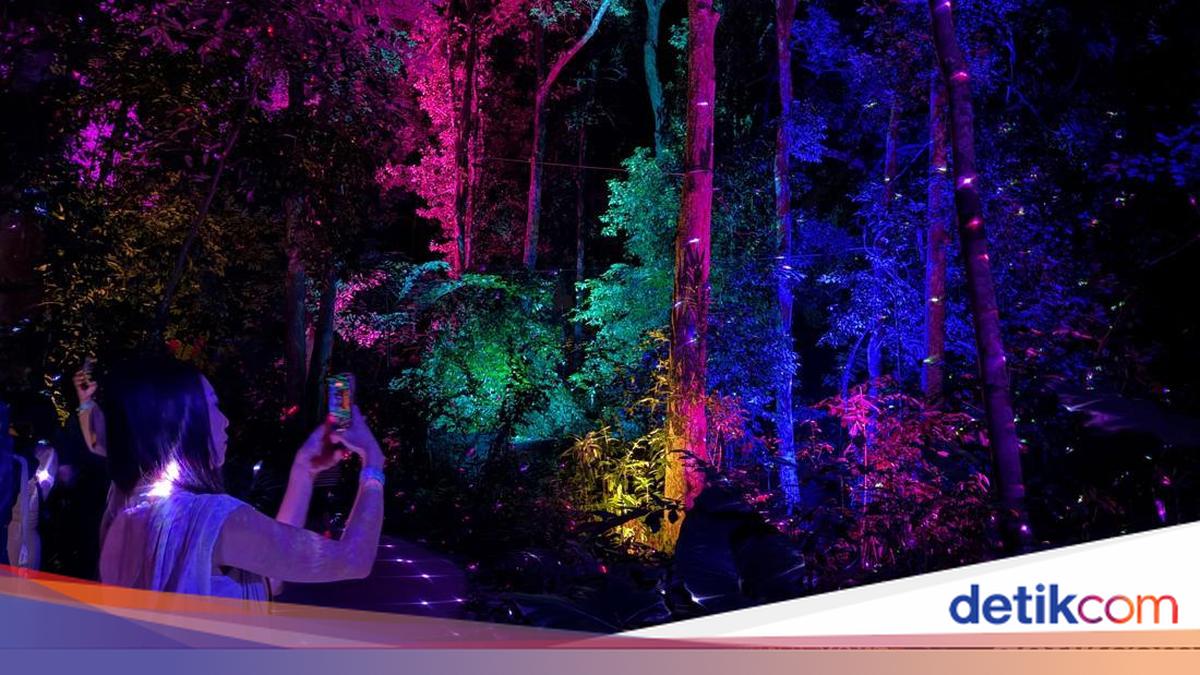
Foto-foto Estetik Wisata Malam di Hutan Langkawi

Operating exclusively after dark, the attraction redefines conventional ecotourism by offering a multisensory exploration of biodiversity and indigenous mythology. As global tourism trends increasingly shift toward unique, technology-driven evening experiences, Dream Forest Langkawi provides a compelling case study in how natural landscapes can be safely and creatively utilized without compromising environmental integrity.

Conceptualization and Location

The genesis of Dream Forest Langkawi lies in the desire to celebrate the rich tapestry of Kedah and Malaysian folklore through a modern lens. Developed by Zum Coolwood Industries in collaboration with famed Malaysian theatre director Puan Sri Tiara Jacquelina, the project took years of meticulous planning to ensure that the integration of high-tech audio-visual equipment would harmonize with the sensitive tropical ecosystem.

Foto-foto Estetik Wisata Malam di Hutan Langkawi

The location itself—Lubuk Semilang at the foot of Gunung Raya, Langkawi’s highest peak—carries profound geographical significance. The area is characterized by dense rainforest canopies, meandering streams, and rich flora and fauna that thrive in the tropical climate. By situating the attraction here, developers intended to foster a deeper appreciation for Langkawi’s natural heritage, encouraging visitors to see the jungle not merely as a physical terrain, but as a living archive of historical legends.

The Immersive Nighttime Experience

Unlike standard daytime jungle excursions, Dream Forest Langkawi welcomes visitors strictly during evening hours, typically operating from 7:00 PM to 10:00 PM local time. This nocturnal timing is fundamental to the attraction’s atmospheric design, allowing darkness to serve as a natural canvas for advanced projection mapping, holographic displays, and dynamic soundscapes.

Foto-foto Estetik Wisata Malam di Hutan Langkawi

Upon entering, visitors embark on a carefully curated 1.2-kilometer trekking route that winds through the heart of the secondary rainforest. The journey is engineered to be fully accessible while maintaining an adventurous ambiance. As guests walk the illuminated pathways, they are enveloped in a layered sound design that mimics nocturnal wildlife while weaving in dramatic musical scores and narrative voiceovers.

The core attraction diverges from traditional light-and-sound shows by anchoring its visual spectacles in authentic Malaysian mythology. Rather than relying on generic colorful illuminations, the installation brings to life enduring regional legends that have been passed down through generations.

Foto-foto Estetik Wisata Malam di Hutan Langkawi

Prominent narratives featured along the trail include:

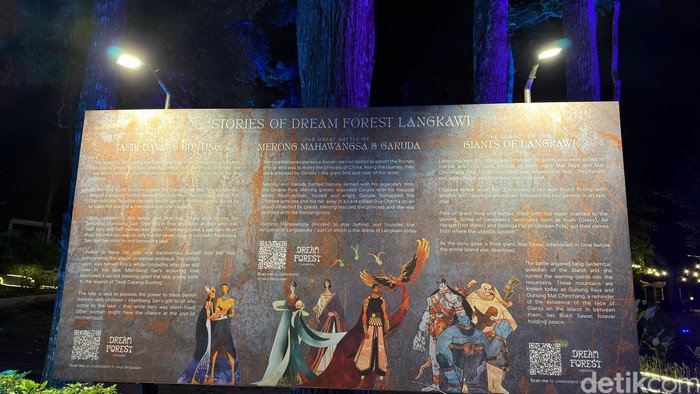
  • The Legend of Lake Dayang Bunting (Tasik Dayang Bunting): A poignant tale associated with the iconic freshwater lake on an adjacent island, steeped in folklore regarding a heavenly princess and earthly romance.
  • The Epic of Merong Mahawangsa: Historical and mythological accounts chronicling the ancient lineage and founding of the Kedah Sultanate.
  • The Tales of Langkawi Giants: Local folklore detailing mythical colossal figures—such as Mat Cincang and Mat Raya—whose mythical battles and unions allegedly shaped the island’s dramatic topography, including its famous mountains.

Technical Execution and Ecosystem Considerations

The realization of an immersive attraction inside a living rainforest required rigorous environmental engineering. Organizers utilized state-of-the-art projection mapping techniques onto natural surfaces, including centuries-old tree trunks, cascading waterfalls, and rock faces, eliminating the need for intrusive physical structures.

Foto-foto Estetik Wisata Malam di Hutan Langkawi

Energy-efficient LED fixtures and localized directional speakers were deployed to minimize light and noise pollution, safeguarding the natural habitats of nocturnal fauna inhabiting Gunung Raya. Environmental consultants were integrated into the development process to monitor ecological impact, ensuring that visitor traffic remains strictly confined to designated boardwalks and pathways. This careful balance between commercial tourism and conservation highlights a growing industry standard for sustainable entertainment venues in Southeast Asia.

Visitor Demographics, Ticketing, and Economic Impact

Since its opening, Dream Forest Langkawi has successfully diversified the island’s tourism portfolio, which has historically relied heavily on daytime activities such as duty-free shopping, beach excursions, and cable car rides. By giving tourists a reason to remain active after sundown, the attraction significantly contributes to the local nighttime economy, benefiting nearby F&B establishments, hospitality providers, and transport services.

Foto-foto Estetik Wisata Malam di Hutan Langkawi

Ticketing structures are designed to accommodate a wide demographic of travelers. Standard admission for international tourists ranges from approximately 48 Malaysian Ringgit (MYR) to 98 MYR (roughly equivalent to USD 11 to USD 22, or IDR 200,000 to IDR 432,000), depending on age brackets and promotional packages. Tickets can be conveniently secured via online platforms or purchased directly at the on-site ticketing counters.

Feedback from early visitors and travel reviewers highlights the emotional resonance of the storytelling, noting that the combination of natural jungle humidity, mysterious atmospheric lighting, and haunting audio creates a genuinely otherworldly environment. Families, photography enthusiasts, and cultural tourists make up the primary segments of the visitor base.

Foto-foto Estetik Wisata Malam di Hutan Langkawi

Broader Implications for Regional Tourism

The success of Dream Forest Langkawi signals a broader evolution in how heritage destinations market themselves to modern travelers. In an era where experiential travel dominates consumer preferences, passive sightseeing is increasingly being replaced by narrative-driven, interactive engagements.

By breathing new life into traditional folklore, destinations like Dream Forest serve an important cultural preservation function. Younger generations and international audiences who might not otherwise engage with written texts or traditional oral histories are introduced to regional heritage in a highly engaging, memorable format.

Foto-foto Estetik Wisata Malam di Hutan Langkawi

Furthermore, the project demonstrates a viable model for tropical destinations seeking to extend visitor length-of-stay. By activating the nocturnal economy through environmentally conscious attractions, Langkawi reinforces its competitive edge as a multifaceted global travel destination capable of blending natural splendor with world-class entertainment innovation.

September 13, 2026 0 comment
0 FacebookTwitterPinterestEmail
Education

Global Korea Scholarship 2025: Your Comprehensive Guide to Undergraduate Studies in South Korea Without Financial Barriers

by admin September 13, 2026
written by admin

The pursuit of higher education abroad has taken an exciting turn for international students, particularly those captivated by South Korea’s surging global cultural footprint. The Global Korea Scholarship (GKS), formerly known as the Korea Government Scholarship Program (KGSP), continues to serve as the premier gateway for ambitious students seeking to earn their undergraduate degrees at prestigious South Korean universities without bearing the financial burden of tuition and living expenses. Administered by the National Institute for International Education (NIIED), a body under the Ministry of Education in South Korea, this fully funded scholarship program aims to foster international cooperation in education and promote mutual understanding between nations by inviting talented students from around the world.

Understanding the Global Korea Scholarship (GKS) Framework

The Global Korea Scholarship is meticulously designed to attract high-achieving global talent to South Korea’s robust academic ecosystem. By covering virtually all expenses associated with an undergraduate degree—including complete tuition waivers, monthly living allowances, airfare, settlement grants, health insurance, and intensive Korean language training—the program removes economic barriers that often deter prospective international applicants.

Historically established to strengthen global educational ties, GKS has expanded significantly over the decades. It now supports thousands of scholars from over 150 countries. Beyond the financial incentives, the program offers a strategic advantage: graduates are not bound by a mandatory return-to-home-country policy upon completion of their studies. This unique policy allows alumni to transition smoothly into the South Korean workforce, capitalizing on the nation’s advanced technological industries, dynamic corporate sectors, and vibrant multicultural urban centers.

Eligibility Criteria and Academic Requirements

Securing a GKS undergraduate slot requires strict adherence to academic and administrative prerequisites set by the South Korean government. While specific requirements can vary slightly depending on the annual application guidelines released by NIIED, the baseline criteria remain consistent:

  • Nationality: Applicants and their parents must hold citizenship in a country invited by the GKS program. South Korean citizens are strictly ineligible.
  • Age Restrictions: Candidates must generally be under the age of 25 as of the official entrance date (exact age limits may vary by academic level or regional agreement).
  • Educational Background: Applicants must have successfully graduated or be scheduled to graduate from a high school or equivalent educational institution by the designated arrival date. High school GPA requirements are typically stringent, often requiring applicants to rank in the top 20% of their graduating class or maintain a cumulative Grade Point Average (CGPA) above 80% on a 100-point scale.
  • Health and Character: Candidates must be in good physical and mental health, capable of residing in South Korea for an extended academic period. Individuals with severe chronic illnesses or criminal records are automatically disqualified.

Comprehensive Application Documentation

Preparing a competitive GKS application demands meticulous attention to detail and adherence to strict formatting guidelines. Missing or improperly authenticated documents often result in immediate disqualification during the initial screening phases. The mandatory documentation portfolio typically includes:

Gratis Kuliah S1 di Korea? Daftar GKS Aja!
  1. Application Form: Completed accurately with the applicant’s chosen universities and majors clearly specified.
  2. Personal Statement and Study Plan: Detailed essays outlining the applicant’s academic motivation, life goals, and reasons for choosing South Korea and their specific field of study.
  3. Letters of Recommendation: Confidential evaluations from high school teachers, principals, or academic mentors who can attest to the applicant’s intellectual capability and character.
  4. Academic Transcripts and Graduation Certificates: Official high school transcripts and diplomas bearing apostille or consular authentication from the South Korean embassy.
  5. Proof of Citizenship: Official documents, such as birth certificates or family registries, verifying both the applicant’s and parents’ nationalities.
  6. Optional Credentials: Standardized language proficiency test scores, such as the Test of Proficiency in Korea (TOPIK) or English proficiency certifications like TOEFL, TOEIC, or IELTS. While formally categorized as optional in certain application tracks, possessing high-level language scores substantially elevates an applicant’s competitive edge.

Dual Application Tracks: Embassy versus University

Candidates navigating the GKS undergraduate admissions process must choose between two distinct application pathways: the Embassy Track and the University Track. Each track operates under distinct administrative procedures and timelines.

  • Embassy Track: Applicants apply through the South Korean Embassy in their home country. Successful candidates nominated by the embassy proceed through multiple rounds of screening, including a rigorous regional evaluation by NIIED followed by university-specific evaluations. This track generally offers a broader selection of participating institutions, allowing applicants to apply to up to three different universities.
  • University Track: Applicants apply directly to a participating regional or metropolitan university in South Korea. This track is ideal for candidates who have targeted a specific institution renowned for their intended major. However, applicants under the University Track are restricted to applying to a single university, increasing the stakes of institutional selection.

Chronological Timeline and Key Application Periods

Navigating the GKS application cycle requires a long-term strategic approach, as the entire selection process spans several months.

  • September to October: The application window officially opens for the Embassy Track, announced via the official Study in Korea portal (studyinkorea.go.kr) and local South Korean embassy websites.
  • October to November: The application window opens for the University Track, managed independently by participating higher education institutions.
  • December to February: Document screening, preliminary evaluations, and interviews are conducted by embassies and universities.
  • March to April: NIIED announces the successful candidates who have passed the second round of evaluations.
  • May: Final successful scholars are announced, followed by visa issuance and pre-departure orientation sessions.
  • September: Scholars arrive in South Korea to commence their mandatory one-year Korean language training program prior to undergraduate degree enrollment.

Strategic Selection of Universities and Academic Majors

To maximize admission probability, applicants must carefully evaluate institutional quotas and departmental competitiveness. South Korea boasts world-class higher education institutions, with top-tier universities concentrated heavily in the capital region. Prominent institutions frequently chosen by GKS scholars include Seoul National University, Korea University, Yonsei University, Sungkyunkwan University, and Hanyang University.

Furthermore, academic major selection plays a pivotal role in admission outcomes. Natural sciences, engineering, information technology, and specialized regional studies often feature higher departmental quotas compared to heavily saturated humanities or social science programs. Choosing fields aligned with South Korea’s national strategic development goals—such as artificial intelligence, advanced robotics, semiconductor technology, and green energy—can significantly enhance an applicant’s prospects during the NIIED final review.

Broader Socioeconomic Implications and Career Pathways

The continuous expansion of the Global Korea Scholarship reflects Seoul’s broader geopolitical and economic strategy to cement its status as a global hub for higher education and technological innovation. By integrating international scholars directly into its academic and professional pipelines, South Korea actively addresses demographic shifts, including a declining domestic student population and a growing demand for specialized global labor in high-tech industries.

For international recipients, the long-term implications extend far beyond obtaining a degree. Alumni equipped with fluency in the Korean language, a degree from an internationally recognized institution, and direct immersion in South Korea’s corporate culture are uniquely positioned for transnational careers. Whether entering multinational corporations based in Seoul, bridging diplomatic and economic ties between South Korea and their home countries, or advancing into postgraduate research, GKS graduates represent a new generation of globally mobile professionals equipped to navigate an increasingly interconnected world economy.

September 13, 2026 0 comment
0 FacebookTwitterPinterestEmail
Politics

Arizona Becomes the First U.S. State to Sue L’Oreal Over Alleged Cancer Risks Linked to Chemical Hair Relaxers

by admin September 13, 2026
written by admin

The legal landscape surrounding the personal care industry is facing a profound shift as state-level enforcement steps into complex toxic tort litigation. In a landmark legal action, the State of Arizona has officially filed a lawsuit against cosmetics giant L’Oreal SA and its American subsidiary, alleging that the multinational corporation deliberately concealed critical health risks associated with its chemical hair straightening products. Filed by Arizona Attorney General Kristin Mayes, the lawsuit marks a historic milestone as the first time a U.S. state government has taken direct legal action against a major beauty manufacturer over the suspected carcinogenic properties of hair relaxers heavily marketed toward women of color.

The complaint, lodged in a state court, accuses L’Oreal of engaging in deceptive trade practices and violating state consumer protection laws. According to the filing, the company aggressively promoted chemical hair straightening products without providing adequate warnings regarding potential links to severe health conditions, specifically ovarian and uterine cancers. This legal escalation significantly intensifies the pressure on L’Oreal and other beauty industry stakeholders, transforming what was once a collection of individual civil lawsuits into a broader governmental crusade for consumer safety and corporate accountability.

Core Allegations and the Focus on Vulnerable Consumer Demographics

At the heart of Arizona’s lawsuit is the assertion that L’Oreal knowingly prioritized corporate profitability over consumer health and safety. The state’s legal team argues that the company capitalized on systemic social pressures and discriminatory beauty standards that have historically penalized natural hair textures, particularly among Black and African-American women. For generations, these demographic groups have faced intense socioeconomic pressures to conform to Eurocentric standards of professional and personal grooming, making chemical hair straightening treatments a staple in many households.

The lawsuit asserts that L’Oreal exploited these vulnerabilities by marketing products designed to permanently straighten textured hair under popular brand names such as Dark and Lovely and Optimum, without disclosing internal safety concerns or mounting scientific suspicion. Government prosecutors are seeking substantial financial penalties, civil restitution, and comprehensive injunctive relief. Specifically, Arizona is demanding a court order that would permanently halt the sale of these chemical relaxers within the state unless L’Oreal incorporates prominent, explicit warnings regarding the suspected risks of uterine and ovarian cancer directly on product packaging and in marketing campaigns.

The Catalyst: The 2022 National Institutes of Health Study

The scientific foundation for Arizona’s lawsuit—and the broader wave of litigation currently plaguing the cosmetics industry—traces back to a watershed epidemiological study published in October 2022. Conducted by researchers at the National Institutes of Health (NIH), specifically the National Institute of Environmental Health Sciences (NIEHS), the study analyzed data from more than 33,000 U.S. women over a multi-year period to evaluate the long-term health impacts of various hair products.

The findings of the NIH study sent shockwaves through the public health community and the cosmetics sector. Researchers discovered that women who reported frequent use of chemical hair straightening products—defined as more than four times a year—faced a uterine cancer risk more than double that of women who reported never using such products. While the absolute risk of developing uterine cancer remains relatively rare in the general population, the doubling of that risk among frequent users of chemical straighteners established a statistically significant correlation that could no longer be ignored by regulators or legal advocates.

The study also highlighted potential endocrine-disrupting chemicals found in many relaxers, including parabens, bisphenol A, metals, and formaldehyde-releasing agents. When absorbed through the scalp—particularly via chemical burns or lesions frequently caused by the application process—these substances can mimic natural hormones, potentially triggering oncogenic cellular changes in female reproductive organs.

Broadening Litigation and the Federal Multidistrict Framework

Arizona’s historic intervention does not occur in a vacuum. It arrives as L’Oreal, alongside other industry heavyweights such as Revlon, defends itself against a massive wave of private litigation. To date, more than 12,000 individual lawsuits have been filed by women or the surviving family members of women who developed uterine cancer, ovarian cancer, or other reproductive health complications after years of using chemical hair straighteners.

Due to the sheer volume of cases sharing common factual and scientific questions, federal judges consolidated these disparate actions into a centralized multidistrict litigation (MDL) proceeding. Housed in the U.S. District Court for the Northern District of Illinois in Chicago under Judge Mary Rowland, this legal mechanism is designed to streamline pretrial discovery, expert witness testimonies, and motion practice, ensuring judicial efficiency across multiple jurisdictions.

The consolidation has allowed plaintiffs’ steering committees to pool resources and conduct extensive depositions of corporate executives, review internal safety testing documents, and analyze decades of marketing strategies. Legal analysts note that while Arizona’s lawsuit was filed separately in state court rather than being directly folded into the federal MDL, the state’s involvement introduces formidable investigative resources and sovereign enforcement powers that private plaintiffs traditionally lack. The first bellwether trials—test cases designed to gauge how juries react to the scientific evidence and legal arguments—are widely anticipated to commence in federal court next year.

Corporate Defense and Industry Responses

In response to the mounting legal pressure, L’Oreal USA has maintained a steadfast defense, vigorously denying any liability or scientific wrongdoing. Representatives for the company issued public statements following the filing of the Arizona lawsuit, reiterating their unwavering confidence in the safety profile of their portfolio.

A spokesperson for L’Oreal USA asserted that the company’s products undergo rigorous safety assessments and comply with all applicable regulatory standards. Furthermore, corporate defense teams have consistently challenged the methodologies and conclusions of the foundational 2022 NIH study, arguing that epidemiological observations cannot establish definitive causation. According to L’Oreal’s legal representatives, the scientific literature fails to demonstrate a direct, causal link between the application of their hair smoothing formulas and the specific medical conditions alleged by the plaintiffs and state prosecutors.

Similarly, other prominent defendants caught in the litigation web, including Revlon, have issued parallel denials. Revlon and other manufacturers maintain that their product formulations are safe when used as directed and emphasize that regulatory bodies like the U.S. Food and Drug Administration (FDA) have historically permitted the sale of these cosmetic goods. Defense attorneys are expected to argue during upcoming trials that a multitude of confounding lifestyle, genetic, and environmental factors contribute to uterine and ovarian cancers, making it scientifically unsound to isolate chemical hair straighteners as the primary culprit.

Economic and Personal Impact on Plaintiffs

For the thousands of women participating in the litigation, the legal battle is deeply personal. Plaintiffs’ claims extend far beyond economic compensation for medical bills and the initial retail cost of purchasing the relaxer kits. Many lawsuits detail excruciating physical pain, the emotional trauma of aggressive cancer treatments, loss of fertility, and the profound grief of families who have lost mothers, daughters, and sisters to reproductive cancers.

Attorneys representing the plaintiffs argue that corporate entities had ample opportunity over decades of production to investigate consumer safety concerns, reformulate products to eliminate hazardous endocrine disruptors, or at minimum, provide transparent warnings. Instead, critics contend, companies allegedly opted to protect profit margins and market share within lucrative demographic segments, leaving consumers completely unaware of potential biological hazards.

Broader Implications for Regulatory Policy and the Beauty Industry

The legal confrontation between the State of Arizona and L’Oreal carries far-reaching implications that extend well beyond the courtroom. First and foremost, it signals a potential paradigm shift in how state attorneys general utilize consumer protection statutes to address public health crises associated with commercial products. If Arizona successfully navigates this litigation or secures a substantial settlement, it could pave the way for other U.S. states to initiate parallel investigations and enforcement actions, multiplying the legal and financial exposure facing beauty conglomerates.

Second, the controversy has intensified legislative and regulatory scrutiny surrounding the oversight of the personal care and cosmetics industry. In the United States, the FDA has traditionally held limited authority over cosmetic ingredients compared to pharmaceuticals or food additives. However, incidents like the L’Oreal relaxer litigation amplify calls for tighter federal regulations, mandatory pre-market safety testing, and greater transparency regarding chemical formulations, particularly for products marketed to vulnerable populations.

Finally, the case underscores a cultural and economic reckoning within the beauty industry itself. Major cosmetic brands are facing mounting pressure from consumers, advocacy groups, and investors to pivot away from potentially harmful chemical treatments and toward safer, natural alternatives for textured hair. Regardless of the ultimate verdict in the federal MDL or the Arizona state court, the ongoing legal scrutiny has permanently altered consumer awareness, forcing a public re-evaluation of historical beauty standards, corporate transparency, and the fundamental duty of care owed to consumers.

September 13, 2026 0 comment
0 FacebookTwitterPinterestEmail
Economy

Understanding the Impact of SLIK OJK Credit Scores on Financial Inclusion and Employment Prospects in Indonesia

by admin September 13, 2026
written by admin

The credit score maintained within the Financial Information Services System (SLIK) of the Financial Services Authority (OJK), historically recognized by the public as BI Checking, has emerged as a critical gatekeeper for Indonesian citizens seeking access to financial services, property ownership, and even professional employment. As the digital economy expands, the integration of Peer-to-Peer (P2P) lending data into this system has fundamentally shifted the landscape of personal finance, creating a more interconnected, albeit more rigid, credit environment.

The Evolution of Financial Oversight

For decades, the banking sector in Indonesia relied on the Credit Information System managed by Bank Indonesia. Following the enactment of Law No. 21 of 2011, the mandate to oversee and regulate the financial services industry was transferred to the OJK. The establishment of SLIK served as a modernization effort, aimed at providing a more comprehensive view of a debtor’s financial obligations across various institutions, ranging from commercial banks and multifinance firms to rural banks (BPRs) and, most recently, fintech lenders.

The inclusion of P2P lending data into the SLIK framework marks a significant policy milestone. Previously, fintech borrowers operated in a somewhat parallel ecosystem where defaults were often siloed within individual platforms. By mandating that P2P lenders report to the OJK, the regulator has bridged the gap between traditional banking and the digital lending sector. This integration is designed to mitigate systemic risk, prevent over-indebtedness among consumers, and provide lenders with a clearer picture of an applicant’s total debt-to-income ratio.

Decoding the Scoring Mechanism

The SLIK OJK system categorizes credit performance into five distinct levels, serving as a universal language for financial institutions to assess risk:

  • Collectibility 1 (Current): Debitors who consistently meet their payment obligations on time.
  • Collectibility 2 (Special Mention): Debitors who are in arrears for 1 to 90 days.
  • Collectibility 3 (Substandard): Debitors with arrears ranging from 91 to 120 days.
  • Collectibility 4 (Doubtful): Debitors with arrears between 121 and 180 days.
  • Collectibility 5 (Loss): Debitors with arrears exceeding 180 days, often categorized as non-performing loans (NPL).

In the current regulatory environment, financial institutions typically approve credit applications only for those maintaining a status of 1 or 2. Those falling into categories 3, 4, or 5 are effectively locked out of conventional credit facilities, including KPR (mortgage) loans, vehicle financing, and unsecured personal loans. This high barrier to entry has triggered a ripple effect across the real estate market, where the Indonesian Real Estate Association (REI) has reported that nearly 40% of mortgage applications are rejected, largely attributed to poor credit histories linked to unpaid digital loan installments.

The Real-World Consequences: Beyond Banking

The implications of a degraded credit score have transcended the banking lobby and entered the human resources sector. There is an increasing trend among employers—particularly in the financial, banking, and sensitive operational sectors—to conduct background checks on prospective employees. A negative SLIK record is often interpreted by hiring managers as a potential indicator of a candidate’s fiscal responsibility, integrity, and susceptibility to financial pressure, which could pose a risk to the firm.

This development has prompted concerns from labor advocates and economists alike, who argue that the original intent of the SLIK system—to assess credit risk for lending—is being repurposed in a way that may exacerbate social inequality. For an individual who has defaulted on a small P2P loan due to a temporary economic downturn, the "digital footprint" of that failure can become a persistent barrier to gainful employment, creating a cycle of financial instability that is difficult to break.

Official Stance and Regulatory Guidance

Agusman, the Chief Executive of the OJK’s Supervisor for Financing Institutions, Venture Capital, Microfinance Institutions, and Other Financial Services, has emphasized that the SLIK system is not intended to be a permanent black mark. The OJK maintains that the system is dynamic; data is updated periodically to reflect changes in a debtor’s financial status.

"Data within the SLIK system can be updated provided that the borrower has fulfilled their outstanding payment obligations or taken the necessary steps in accordance with the prevailing regulations," Agusman noted. He further clarified that the system is designed for transparency and accountability, urging the public to be proactive in managing their financial reputations.

Strategies for Credit Rehabilitation

For individuals currently facing a poor credit rating, the path to rehabilitation requires a structured approach. The process involves several critical steps:

  1. Verification: Borrowers should first access their credit report through the official OJK portal, idebku.ojk.go.id. This provides a clear picture of what information is being reported and by which institutions.
  2. Addressing Arrears: The primary method for clearing a negative record is the full settlement of the outstanding debt. Once a debt is paid, the lender is required by regulation to update the status in the SLIK database.
  3. Dispute Resolution: In instances where a credit record contains errors—such as a debt that was already paid or a loan that was never taken out due to identity theft—the debtor must contact the creditor directly to lodge a formal complaint. Creditors are obligated to investigate and rectify verified inaccuracies.
  4. Documentation: Upon successful settlement, it is highly recommended that borrowers obtain a "Surat Keterangan Lunas" (SKL), or a Letter of Settlement. This document serves as legal proof that the obligation has been discharged and is essential if the debtor needs to contest the record in the future.

The OJK stipulates that the updating of SLIK data should typically occur within 30 days of the settlement of the debt. However, it is incumbent upon the borrower to monitor the status of their record following the payment to ensure that the correction has been processed by the lending institution.

The Broader Economic Implications

The integration of fintech into the formal credit reporting structure is a double-edged sword. On one hand, it fosters financial inclusion by allowing those without a traditional banking history to establish a credit profile based on their behavior in the digital lending space. For a young professional or a small business owner, consistent repayment of a digital loan can act as a "stepping stone" toward securing larger, lower-interest loans from commercial banks.

On the other hand, the ease of access to digital loans has led to a proliferation of "impulse borrowing." Many consumers, lured by the speed and convenience of fintech platforms, may find themselves over-leveraged. The subsequent failure to manage these multiple small debts leads to a cascading effect that degrades their overall credit score, effectively cutting them off from the broader financial system.

Economists observe that this trend requires a more robust approach to financial literacy in Indonesia. As the line between digital lending and traditional banking continues to blur, the burden of education falls on both the regulator and the platforms themselves. Consumers must be fully aware that every transaction, regardless of the amount, carries long-term consequences for their financial mobility.

Future Outlook and Policy Recommendations

As the OJK continues to refine its supervisory role, several policy analysts suggest that there may be a need for a "grace period" or a more nuanced classification for small-scale digital defaults. While maintaining the integrity of the credit system is paramount for the stability of the national financial sector, ensuring that the system does not become a tool for permanent exclusion is equally important.

The ongoing digital transformation of the Indonesian financial sector is undeniably creating a more transparent and efficient market. However, the success of this system will be measured not just by its efficiency in identifying risk, but by its ability to facilitate the rehabilitation of borrowers. For the average Indonesian, the message is clear: in the era of digital credit, reputation is an asset that must be managed with the same rigor as one’s own savings. The ability to navigate the complexities of the SLIK system will remain a cornerstone of economic participation in the years to come.

September 13, 2026 0 comment
0 FacebookTwitterPinterestEmail
Newer Posts
Older Posts

Posts Slider

Celetuk SAFEnet, Ajak Prabowo Lapor Jadi Korban Penyadapan

November 4, 2026

Apa Itu Senat AS yang Diperebutkan Kubu Trump...

November 4, 2026

Massa Pro Palestina Geruduk Mahkamah Agung Inggris, Protes...

November 4, 2026

Ratu Suthida dari Thailand Mencetak Sejarah Dunia Sebagai...

November 4, 2026

MS Viking Venus Bersandar di Tanjung Perak, Ratusan...

November 4, 2026

Popular Posts

  • 1

    Indonesia’s Domestic Market Obligation Policy for Palm Oil Proves Effective in Stabilizing Minyakita Prices Amidst Broader Market Dynamics.

    April 16, 2026
  • 2

    Extra Playtime Strengthens the Emotional Bond Between Owners and Dogs According to New Research

    April 22, 2026
  • 3

    Jangan Sampai Ketinggalan! Skill Excel Ini Bisa Bikin Kerja Kamu 2x Lebih Cepat

    April 16, 2026
  • 4

    Mastering Solo Queue in Mobile Legends: Bang Bang: A Deep Dive into Self-Sufficient Carry Heroes

    April 22, 2026
  • 5

    OJK Propels South Sumatra’s Regional Economy with Strategic Export Initiatives and Youth Empowerment

    April 22, 2026

Recent Posts

  • Celetuk SAFEnet, Ajak Prabowo Lapor Jadi Korban Penyadapan

    November 4, 2026
  • Apa Itu Senat AS yang Diperebutkan Kubu Trump dan Oposisi di Pemilu?

    November 4, 2026
  • Massa Pro Palestina Geruduk Mahkamah Agung Inggris, Protes Cap Teroris

    November 4, 2026
  • Ratu Suthida dari Thailand Mencetak Sejarah Dunia Sebagai Ratu Pertama yang Menerbangkan Jet Tempur Gripen Secara Mandiri

    November 4, 2026
  • MS Viking Venus Bersandar di Tanjung Perak, Ratusan Turis Asing Jelajahi Surabaya

    November 4, 2026
  • Facebook
  • Twitter

@2021 - All Right Reserved. Designed and Developed by PenciDesign


Back To Top
Nata News
  • Home

We are using cookies to give you the best experience on our website.

You can find out more about which cookies we are using or switch them off in .

Nata News
Powered by  GDPR Cookie Compliance
Privacy Overview

This website uses cookies so that we can provide you with the best user experience possible. Cookie information is stored in your browser and performs functions such as recognising you when you return to our website and helping our team to understand which sections of the website you find most interesting and useful.

Strictly Necessary Cookies

Strictly Necessary Cookie should be enabled at all times so that we can save your preferences for cookie settings.