• Home
Nata News
keep your memories alive
Technology

Xiaomi Redefines Smartphone Durability and Battery Longevity with the Official Indonesian Launch of the Redmi Note 17 Series on September 16 2026

by admin September 14, 2026
written by admin

Xiaomi is set to make a significant impact on the Indonesian smartphone market with the official introduction of its latest midrange flagship lineup, the Redmi Note 17 Series, scheduled for launch on September 16, 2026. This release represents a pivotal shift in the company’s product strategy, moving away from a primary focus on raw processing speed toward a comprehensive philosophy of "Titan Quality." By prioritizing structural integrity, battery endurance, and AI-enhanced photography, Xiaomi aims to address the growing consumer demand for devices that remain relevant and functional for several years, rather than succumbing to the typical two-year obsolescence cycle.

A Strategic Shift Toward Longevity

The Redmi Note 17 Series arrives at a time when the global smartphone market is experiencing a cooling trend in upgrade cycles. Consumers are increasingly holding onto their devices longer due to economic factors and a plateau in meaningful hardware innovation. Recognizing this, Xiaomi Indonesia has developed the "Titan Quality" standard. According to the company, this initiative is not merely a marketing term but a rigorous engineering commitment to durability.

Andi Renreng, Director of Marketing at Xiaomi Indonesia, emphasized that the series is a direct response to consumer anxiety regarding device failure. "Perangkat ini dirancang untuk menemani aktivitas pengguna sepanjang hari sekaligus memberi rasa percaya diri bahwa ponsel mereka akan tetap andal dalam jangka waktu bertahun-tahun ke depan," Renreng stated. By focusing on longevity, Xiaomi is positioning the Redmi Note 17 to become the go-to device for high-mobility users who require a reliable daily driver that can withstand the rigors of modern life.

Titan Battery System: Challenging Industry Standards

Perhaps the most notable engineering feat in the new lineup is the integration of the "Titan Battery System." As battery degradation remains one of the top reasons for early smartphone replacement, Xiaomi has opted to include high-density, long-life cells paired with their signature 100W HyperCharge technology.

While the standard models offer competitive battery capacities, the spotlight falls on the Pro Max 5G variant, which houses a massive 10,000mAh battery. In an era where most premium smartphones struggle to exceed 5,000mAh, this doubling of capacity is a bold move. Laboratory tests indicate that the Pro Max 5G can sustain up to 40 hours of continuous video playback, 16 hours of intensive GPS navigation, and 15 hours of 1080p video recording.

Beyond raw capacity, the most critical advancement is the battery health management system. Xiaomi claims that the Redmi Note 17 Series can maintain over 80 percent of its original battery health even after 1,600 charging cycles. Given that a standard user cycles their battery roughly once a day, this translates to approximately six years of heavy use before significant degradation occurs. This claim has been validated by TÜV SÜD, which awarded the series a five-star certification for battery performance and safety—a milestone that sets a new benchmark for the mid-range segment.

Structural Integrity and the Quest for Unbreakability

The "Titan Quality" framework extends far beyond internal components to the physical chassis of the devices. The Redmi Note 17 Pro and Pro Max 5G models have been constructed using advanced materials designed to withstand extreme environmental stress.

In controlled testing, these devices demonstrated resistance to high-pressure impacts, drops on abrasive surfaces, and even exposure to extreme temperature fluctuations. The focus on structural rigidity is intended to eliminate the need for bulky protective cases, allowing users to experience the intended design of the phone without fear of catastrophic damage.

Xiaomi Siap Luncurkan REDMI Note 17 Series di Indonesia, Usung Baterai 10.000mAh dan Sertifikasi Ketahanan Bintang Lima - Hybrid.co.id

For the entry-level and standard 5G models, Xiaomi has implemented IP65-rated ingress protection. While not as rugged as the Pro variants, this rating ensures that the devices are well-protected against dust and accidental water splashes, a necessary feature for users in tropical climates like Indonesia. The combination of these protective measures signifies that Xiaomi is treating "durability" as a core feature of the Redmi series, rather than an afterthought.

AI-Driven Photography and Underwater Capabilities

The imaging system on the Redmi Note 17 Series relies on a symbiotic relationship between hardware sensors and proprietary AI algorithms. Xiaomi has moved beyond simple megapixel counts, focusing instead on computational photography to enhance image clarity, color accuracy, and low-light performance.

The new AI suite includes:

  • Intelligent Scene Recognition: Automatically adjusts exposure, contrast, and white balance based on the subject matter, from urban landscapes to portraits.
  • Advanced Night Mode: Utilizes multi-frame noise reduction to capture details in near-dark conditions without the "muddy" artifacts typical of budget sensors.
  • Underwater Mode: A specialized software calibration that compensates for the refraction and color absorption of water, allowing users to capture high-quality photos and videos in aquatic environments—a feature rarely seen outside of flagship-tier devices.

These software enhancements are designed to ensure that even as hardware ages, the user experience remains fresh through ongoing software updates that improve the AI’s capability to process new types of imagery.

Market Context and Implications

The launch of the Redmi Note 17 Series in Indonesia is not an isolated event; it is part of a broader, long-term strategy to cement Xiaomi’s market share in Southeast Asia. By introducing four distinct models, the company is attempting to capture the entire spectrum of the mid-range market, from the budget-conscious consumer to the power user who requires the longevity of the Pro Max.

The decision to focus on durability could have significant implications for the secondary market. If these devices prove as durable as the specifications suggest, their resale value may remain higher for longer, which in turn increases the brand’s prestige. Furthermore, by passing the rigorous testing protocols of TÜV SÜD, Xiaomi is distancing itself from the perception that "budget-friendly" devices are inherently fragile.

Looking Ahead: The September 16 Reveal

As the industry prepares for the September 16, 2026, announcement, the primary point of speculation remains the pricing strategy. While the technical specifications place these devices in a high-performance category, the Redmi brand has historically been synonymous with value. Xiaomi faces the challenge of balancing the premium costs of "Titan Quality" engineering with the expectations of a price-sensitive audience.

Industry analysts suggest that if Xiaomi can price the Pro Max 5G competitively, it could disrupt the market dominance of higher-priced flagship phones from competitors. The event, which will be streamed across multiple digital platforms, will also likely detail the regional distribution plan, confirming which retailers and e-commerce platforms will carry the initial stock.

With the Redmi Note 17 Series, Xiaomi is clearly signaling that the "mid-range" category is no longer a compromise. By merging industrial-grade durability with flagship-level battery life and AI capabilities, the company is betting that the future of the smartphone market lies in longevity. Whether this strategy will resonate with the Indonesian public—and whether the devices will live up to the "Titan" moniker in real-world usage—will be the defining story of the year for the mobile industry. As of now, the technical foundation is laid, and the industry is waiting to see if the market response matches the manufacturer’s ambitious claims.


September 14, 2026 0 comment
0 FacebookTwitterPinterestEmail
Lifestyle

Syifa Hadju and Yasmin Napper Command Attention at Coach Spring 2027 Show During New York Fashion Week

by admin September 14, 2026
written by admin

The intersection of global luxury fashion and Indonesian entertainment talent was on full display this past Wednesday, September 9, 2026, as renowned Indonesian actresses Syifa Hadju and Yasmin Napper graced the front row at the Coach Spring 2027 runway show. Held at the expansive Basketball City venue in New York, the presentation served as a cornerstone event of the New York Fashion Week (NYFW) calendar, marking a significant milestone in Coach’s 85-year history. As international brands increasingly look toward Southeast Asian markets for representation, the presence of these two prominent Indonesian figures highlights the growing influence of Indonesian celebrities in the global fashion ecosystem.

A Milestone for Coach: Celebrating 85 Years of Heritage and Innovation

The Coach Spring 2027 collection arrived at a pivotal moment for the heritage American brand. Founded in 1941, Coach has spent the last eight decades evolving from a small leather goods workshop in Manhattan into a global powerhouse of luxury accessories and ready-to-wear fashion. The decision to host the Spring 2027 show at Basketball City was not merely a logistical choice but a thematic one; the industrial, expansive setting mirrored the brand’s deep-rooted connection to the grit and energy of New York City.

Creative Director Stuart Vevers, who has been instrumental in modernizing the brand’s image since his appointment in 2013, utilized this collection to bridge the gap between historical craftsmanship and contemporary youth culture. The show, which took place during one of the most anticipated weeks in the global fashion industry, showcased a bold evolution in design language. By blending high-quality leather tailoring—a hallmark of the Coach identity—with experimental silhouettes and playful motifs, Vevers signaled that the brand is aggressively targeting Gen Z demographics without alienating its core base.

Indonesian Representation at the Global Forefront

Syifa Hadju and Yasmin Napper were invited as official representatives of Indonesia, underscoring the brand’s commitment to engaging with the Southeast Asian market. Their placement in the "front row"—the most coveted seating arrangement in any fashion show—signifies the high status afforded to these talents within the luxury fashion hierarchy.

Syifa Hadju, known for her diverse acting portfolio and significant social media influence, opted for an ensemble that balanced sophistication with modern edge. She wore a tailored black dress featuring intricate bow accents on the shoulders, a design choice that echoed the collection’s refined aesthetic. She paired the look with a Soft Tabby shoulder bag in an off-white hue, a strategic styling move that highlighted the versatility of the brand’s signature accessories.

Yasmin Napper, meanwhile, opted for a "chic-utilitarian" approach that resonated well with the show’s urban-industrial theme. Her outfit consisted of a sleek, long-sleeved black top paired with a midi-length plaid skirt. Her choice of the Soft Grain Tabby Quilted bag provided a textured contrast to the streamlined clothing, showcasing a keen eye for styling that aligns with current global street-style trends.

Industry Context and the "Front Row" Phenomenon

The presence of Indonesian talent at major fashion weeks is no longer an anomaly but a strategic business maneuver. In recent years, luxury houses have recognized that Southeast Asia, and Indonesia specifically, represents one of the fastest-growing consumer bases for high-end fashion. By inviting celebrities like Hadju and Napper, brands are able to cultivate brand loyalty among millions of followers, effectively bridging the gap between a high-fashion runway in New York and the digital screens of consumers in Jakarta.

This practice, often referred to as "KOL (Key Opinion Leader) diplomacy," has become a staple of global marketing strategies for brands like Coach, Dior, and Louis Vuitton. The ROI (Return on Investment) for such appearances is calculated through Earned Media Value (EMV), where the social media reach, engagement rates, and press coverage generated by these ambassadors are measured against traditional advertising costs. By participating in this event, both actresses have further cemented their status as international style icons, expanding their professional reach beyond the Indonesian film industry.

Networking and Cross-Cultural Engagement

Beyond the runway, the event served as a high-stakes networking environment. Photographs from the venue captured Hadju and Napper engaging with a diverse array of global figures, including Stuart Vevers himself. Such interactions are vital for building personal brand equity in the competitive world of fashion.

Perhaps most notable was the interaction between the Indonesian actresses and Soyeon, the acclaimed rapper and leader of the South Korean girl group (G)I-DLE. The meeting between these prominent figures from the Indonesian and South Korean entertainment industries underscores the "pan-Asian" influence currently sweeping the global stage. As K-culture continues to dominate international trends, collaborations and proximity between Indonesian and Korean talent are likely to become more frequent, creating a powerful cultural synergy that appeals to younger demographics globally.

The Evolution of the Coach Aesthetic: A Gen Z Lens

The Spring 2027 collection itself was a masterclass in modernizing heritage. For an 85th-anniversary collection, the pressure to honor the past while looking toward the future is immense. Vevers’ approach was to take iconic elements—the Coach "C" logo, classic leather textures, and structured tailoring—and inject them with a sense of playfulness.

The collection featured unexpected color palettes, oversized accessories, and layering techniques that felt more aligned with street style than traditional runway fare. This transition is essential for a brand that seeks to remain relevant in a market that is increasingly dictated by short-form video content and viral trends. By positioning these items alongside figures like Syifa and Yasmin, Coach is framing their products not as static heirlooms, but as dynamic components of a modern wardrobe.

Broader Implications for the Indonesian Fashion Industry

The participation of these two actresses at an event as prestigious as the Coach Spring 2027 show has several implications for the broader Indonesian fashion and entertainment landscape:

  1. Increased Global Visibility: The visibility of Indonesian talent on global stages serves as a catalyst for future international collaborations. It signals to other luxury houses that Indonesia is a viable market with influential voices capable of representing global luxury brands.
  2. Professional Development: For actors like Hadju and Napper, transitioning into the role of fashion ambassadors offers new revenue streams and professional opportunities outside of acting, mirroring the career trajectories of major Hollywood stars.
  3. Local Inspiration: The presence of these stars at NYFW encourages the local Indonesian fashion industry to aim for higher production standards. When domestic talent engages with international luxury, it creates a feedback loop where local designers and stylists are challenged to elevate their work to match international expectations.
  4. Cultural Diplomacy: Fashion shows are inherently political and cultural spaces. By participating in New York’s cultural dialogue, these actresses act as soft-power ambassadors, representing a modern, globalized, and stylish Indonesia.

Looking Ahead: The Future of Fashion Week

As New York Fashion Week continues to evolve, the definition of what constitutes a "fashionable" guest is shifting. While editors and buyers remain the backbone of the industry, the inclusion of actors, influencers, and digital creators is now mandatory for the survival and growth of luxury brands.

The success of the Coach event—bolstered by the high-profile attendance of figures like Syifa Hadju and Yasmin Napper—proves that the appetite for celebrity-driven fashion content is at an all-time high. As we look toward future seasons, it is highly probable that we will see a greater concentration of Southeast Asian talent across all major fashion capitals, including Paris, Milan, and London.

For Coach, the 85th-anniversary milestone was a success, not just in terms of the garments showcased, but in the narrative it built. By honoring its heritage while embracing a youthful, international, and diverse audience, the brand has successfully positioned itself for the next decade of fashion. For the Indonesian audience watching from afar, the presence of their favorite stars on that stage serves as a point of national pride and a testament to the country’s burgeoning role in the international fashion zeitgeist.

As the dust settles on the Spring 2027 season, the images of Hadju and Napper at Basketball City will likely remain a significant footnote in the history of Indonesian influence in global luxury. They represent a new generation of talent—one that is as comfortable on a movie set in Jakarta as they are on a front row in New York, proving that in the modern era, style knows no borders.

September 14, 2026 0 comment
0 FacebookTwitterPinterestEmail
Automotive

Historic Collection of 300 Classic Vehicles and Automotive Memorabilia to be Auctioned in Eaton Colorado

by admin September 14, 2026
written by admin

The automotive world is turning its eyes toward the small town of Eaton, Colorado, as a monumental auction event prepares to liquidate one of the most extensive private collections of classic vehicles in recent memory. Scheduled for September 19, 2026, the auction—managed by the renowned VanDerBrink Auctions—will see the dispersal of approximately 300 vehicles, alongside an exhaustive array of vintage signage and rare automotive memorabilia. This event marks the end of a multi-generational labor of love and represents a significant opportunity for collectors, restorers, and automotive historians to acquire pieces of American industrial heritage.

A Legacy Spanning Three Generations

The collection is the culmination of over half a century of dedicated pursuit by the Born family. What began as an interest for the late Doug Born’s grandfather eventually blossomed into a deep-seated family passion that spanned three distinct generations. Doug Born, who passed away recently, continued the family tradition by scouring the United States for rare finds, attending auctions, and negotiating private sales to amass a collection that would eventually occupy significant storage space in Colorado.

Wujud Mobil-mobil Klasik yang Dilelang Mulai Rp 8 Ribu Perak

The sheer volume of the inventory offers a comprehensive look at the evolution of the American automobile. From the early days of the 20th century to the muscle car era of the 1970s, the Born collection serves as a physical timeline of the domestic automotive industry. Experts in the field suggest that such "barn-find" collections are increasingly rare in an era where digital marketplaces have made vehicle valuation and acquisition more transparent, making this auction a high-profile event for serious enthusiasts.

Diverse Inventory and Automotive Archeology

The breadth of the inventory is staggering, with a heavy emphasis on the Ford Motor Company. The collection features iconic pieces such as a 1912 Ford Model T Touring, a variety of Ford Model A vehicles, and the highly sought-after 1932 Ford Roadster—a staple for any pre-war hot rod enthusiast. Beyond these marquee models, the collection includes an array of coupes, sedans, and light-duty pickups, many of which remain in their original, unrestored condition.

While Ford products define the bulk of the collection, the Born family did not limit themselves to a single marque. The auction catalog lists an impressive array of General Motors and Chrysler products. Notable entries include a 1931 Chevrolet sedan, a rugged 1955 Chevrolet NAPCO (Northwestern Auto Parts Company) 4×4 pickup, and a sleek 1964 Chevrolet Bel Air two-door.

Wujud Mobil-mobil Klasik yang Dilelang Mulai Rp 8 Ribu Perak

The collection further branches out into specialized and niche vehicles, including a 1957 Pontiac Super Chief Wagon, a 1961 Oldsmobile 98 two-door, and a 1958 Dodge Wagon. For those interested in the post-war performance era, the 1974 Pontiac Firebird Esprit and the robust Plymouth Ramcharger stand as highlights. The presence of orphan brands and utility vehicles, such as International trucks and the compact Henry J, adds a layer of depth that will appeal to collectors focused on the social history of American transportation.

Condition and the Economics of Restoration

A critical aspect of this auction is the varied state of the vehicles on offer. Prospective buyers will encounter a spectrum ranging from fully restored, show-ready examples to "project cars" that have sat dormant for decades. For many, the value lies not in the current operational status of the vehicle, but in the availability of authentic, original components.

According to local reports from KDVR, some of the lots have been assigned an opening bid as low as 50 cents. While these nominal starting prices have generated significant public interest, they are strictly procedural and do not reflect the anticipated market value of the vehicles. The final hammer price will be determined by competitive bidding, with high-quality, rare-spec models expected to fetch substantial figures.

Wujud Mobil-mobil Klasik yang Dilelang Mulai Rp 8 Ribu Perak

VanDerBrink Auctions has emphasized the "as-is" nature of the sale. Because many of these vehicles have not seen the road in years, the logistical challenges of transport and restoration are factors that participants must account for. The auction house has advised that the cost of acquisition is only the first step in a long process of potential revitalization.

Auction Logistics and Participation Requirements

The auction is set to commence promptly at 9:00 AM on September 19, 2026. Recognizing the logistical hurdles of hosting an event of this scale in a rural setting, the organizers have implemented a multi-channel bidding system. While online bidding is available for those unable to travel to Colorado, the auction house has issued a unique disclaimer: the site where the vehicles are stored suffers from notoriously poor cellular and data connectivity. Consequently, they strongly encourage serious bidders to attend in person to ensure their bids are processed reliably.

Financial transparency is a key component of the proceedings. Beyond the final bid price, successful purchasers will be subject to a "buyer’s premium." This is a standard industry fee that covers the administrative and operational costs of the auction house. For those bidding in person, the premium is set at 8 percent, while those bidding via online platforms will face a 10 percent premium. These costs, combined with the expense of potentially transporting non-running vehicles, are essential considerations for the professional collector.

Wujud Mobil-mobil Klasik yang Dilelang Mulai Rp 8 Ribu Perak

The Broader Impact on the Collector Market

The liquidation of the Born family collection arrives at a pivotal time for the classic car market. Over the past decade, interest in pre-war and mid-century American vehicles has shifted. While the "Blue Chip" collectors continue to invest in concours-quality examples, there is a growing trend among younger enthusiasts toward "patina" and authentic, unrestored vehicles. This collection is perfectly positioned to satisfy both segments of the market.

Analysts note that large-scale auctions like this act as a market barometer. The results from the Eaton event will likely influence the valuation of similar Ford and GM models across the Midwest. Furthermore, the dispersal of such a vast collection provides a rare influx of parts and chassis into the restoration ecosystem, potentially fueling hundreds of future projects across the country.

A Final Tribute to the Born Family

For the community and the family involved, the auction is an emotional conclusion to a decades-long stewardship. Doug Born and his predecessors were more than just car owners; they were curators of a specific era of American life. The memorabilia accompanying the vehicles—pumps, signs, and tools—provides the context of the service stations and garages where these vehicles were once the primary mode of travel.

Wujud Mobil-mobil Klasik yang Dilelang Mulai Rp 8 Ribu Perak

As the gavel falls on September 19, the Born legacy will transition from a singular private collection into a distributed network of new owners. Whether these vehicles end up in museums, private collections, or modern workshops for full-scale restoration, they will carry with them the history of three generations of the Born family’s dedication.

For prospective bidders, the event is not merely a transaction but an opportunity to preserve a piece of automotive heritage. With the logistical framework in place and the catalog finalized, the auction stands as one of the most anticipated automotive events of the 2026 season. Those planning to participate are urged to review the catalog thoroughly, understand the condition reports, and prepare for the unique challenges of a high-stakes, rural-based auction event. As the date approaches, all eyes remain on Eaton, Colorado, waiting to see which of these historic machines will find new life and which will serve as the foundation for the next generation of automotive restoration.

September 14, 2026 0 comment
0 FacebookTwitterPinterestEmail
Travel

Menjahit Tradisi: Intip Proses Pembuatan Dirndl Bavaria di Nuremberg

by admin September 14, 2026
written by admin

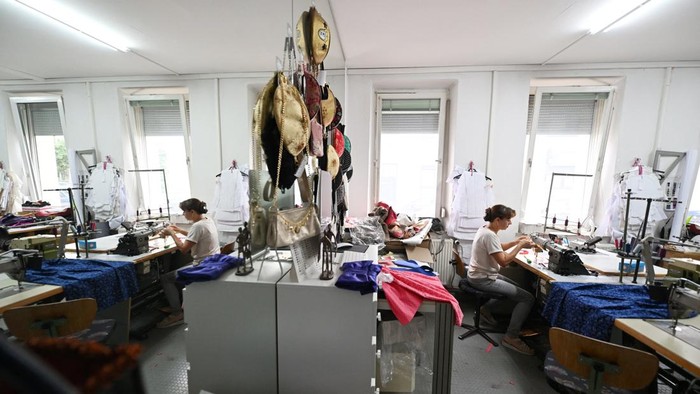
In the historic heart of Nuremberg, Germany, the steady hum of sewing machines and the meticulous snip of fabric scissors keep centuries-old European heritage alive. While modern fast fashion dominates global apparel markets, a dedicated community of traditional artisans continues to meticulously craft the Dirndl—the iconic traditional dress of the Bavaria region. This painstaking process, bridging past and present, relies heavily on high levels of precision, specialized craftsmanship, and a profound respect for cultural preservation.

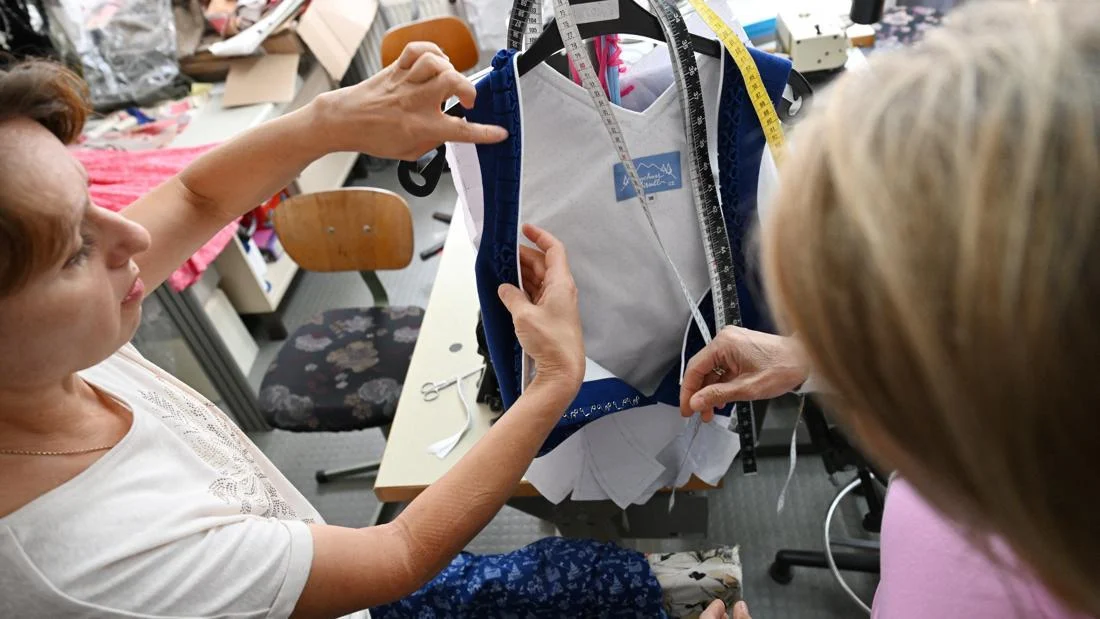
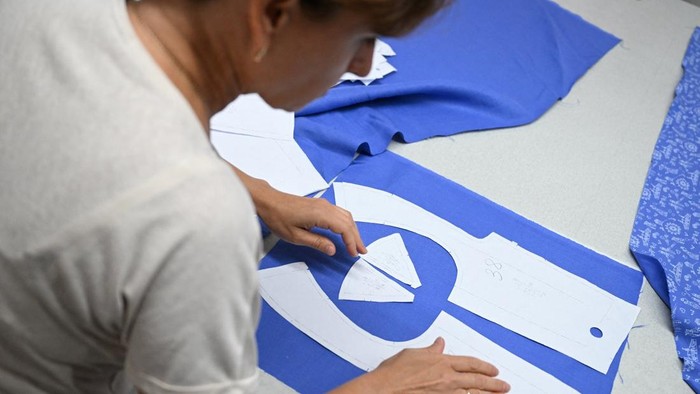
Photographed recently in her Nuremberg workshop, a skilled tailor named Irina carefully measures, cuts, and arranges yards of premium fabric to construct a single garment. Her work reflects a broader, persistent movement across Germany to protect historical sartorial practices from fading into obscurity. As global consumerism shifts toward mass production, the creation of an authentic Dirndl stands as a testament to the enduring value of bespoke, heritage-driven craftsmanship.

Menjahit Tradisi, Intip Proses Pembuatan Dirndl Bavaria di Nuremberg

The Anatomy and Heritage of the Bavarian Dirndl

The Dirndl is far more than a simple dress; it is a complex ensemble deeply rooted in the Alpine traditions of Bavaria and Austria. Historically originating as practical attire for working-class women and maids in the Alps during the 19th century, the garment gradually evolved into a symbol of regional identity and pride. By the late 19th century, upper-class nobility adopted the style for summer retreats, cementing its status across multiple social strata.

An authentic Dirndl typically consists of several distinct components: a bodice (or Leibchen), a full skirt, a blouse worn underneath, and an apron tied over the top. Each component requires specialized tailoring techniques. The bodice must fit impeccably to the wearer’s torso, often featuring intricate lacing, subtle embroidery, or hand-sewn metallic eyelets. Meanwhile, the skirt is traditionally gathered tightly at the waistband to create a voluminous silhouette, requiring precise calculation of fabric folds.

The materials chosen are equally significant. Authentic Bavarian tailors frequently utilize robust, natural textiles such as heavy cotton, fine linen, delicate silk, and traditional wool blends. The choice of fabric often reflects the occasion, with simpler cotton designs reserved for everyday or regional festivals, and rich silks or velvets designated for weddings and formal celebrations. Furthermore, regional variations in color combinations, patterns, and apron-tying customs have historically communicated the wearer’s marital status, geographic origin, and social standing.

Menjahit Tradisi, Intip Proses Pembuatan Dirndl Bavaria di Nuremberg

The Meticulous Craftsmanship Behind Every Stitch

The production of a traditional Dirndl is an intricate journey that defies industrial shortcuts. In workshops like the one in Nuremberg, artisans spend hours—sometimes days—working on a single garment. The process begins with pattern-making, where tailors must adjust historical templates to fit modern proportions while preserving the authentic structural lines of the dress.

Once the pattern is finalized, the fabric is laid out and cut by hand. Unlike automated laser-cutting systems used in mass manufacturing, manual cutting allows experienced tailors to inspect the material for flaws and align intricate woven patterns—such as checks, florals, or traditional prints—seamlessly across seams.

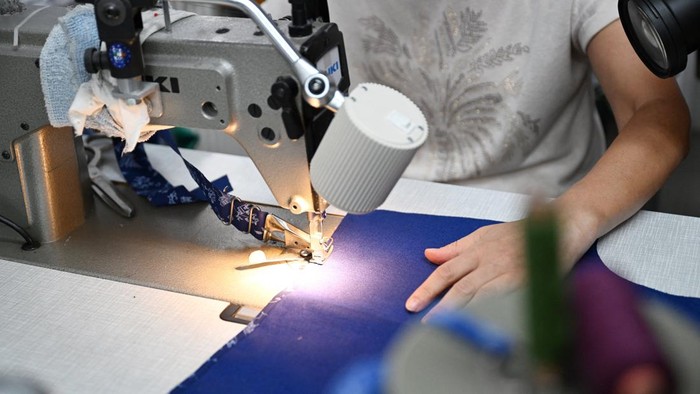
Sewing the garment requires a harmonious blend of modern machinery and delicate hand-finishing. While heavy seams are reinforced using industrial sewing machines to ensure durability, details such as bodice boning, decorative piping, intricate smocking, and hem adjustments are frequently executed by hand. Tailors must possess an acute understanding of textile tension, ensuring that the heavy skirts hang evenly from the bodice without pulling or distorting the fabric’s grain.

Menjahit Tradisi, Intip Proses Pembuatan Dirndl Bavaria di Nuremberg

Cultural Resilience in the Face of Modern Fashion

The persistence of Dirndl production in modern Germany represents a fascinating paradox. In an era dominated by fast fashion trends, synthetic materials, and rapidly changing global aesthetics, the demand for authentic, high-end traditional attire remains remarkably stable, largely driven by cultural festivals, weddings, and a growing appreciation for sustainable, slow-fashion practices.

The most prominent global showcase for these garments is Oktoberfest, held annually in Munich, Bavaria. Originally established in 1810 to celebrate the marriage of Crown Prince Ludwig of Bavaria to Princess Therese of Saxe-Hildburghausen, the festival has grown into the world’s largest Volksfest, drawing millions of international visitors. During the weeks of Oktoberfest, wearing traditional attire—Dirndls for women and Lederhosen for men—becomes an essential social norm.

However, cultural experts note a distinct shift away from cheap, imported costume-grade Dirndls sold in discount supermarkets toward authentic, custom-tailored garments. Consumers are increasingly willing to invest hundreds or even thousands of euros in a bespoke Dirndl crafted by local tailors. This trend not only supports regional artisans and local economies but also ensures that traditional textile techniques are passed down to younger generations of apprentices.

Menjahit Tradisi, Intip Proses Pembuatan Dirndl Bavaria di Nuremberg

Economic and Societal Implications of Heritage Tailoring

The economic footprint of traditional Bavarian attire extends far beyond individual tailoring shops. It supports a specialized supply chain of European textile mills, button makers, haberdasheries, and embroidery workshops. Many of these businesses are multi-generational family enterprises that rely on the continued production of garments like the Dirndl to sustain their operations.

From a sociological perspective, the creation and wearing of traditional garments serve as a vital anchor for community identity. In a globalized world where cultures frequently intersect and homogenize, regional dress acts as a tangible expression of local heritage and continuity. By choosing to wear handcrafted traditional clothing, individuals participate in a living history project that bridges historical eras.

Moreover, the emphasis on handmade production aligns closely with contemporary sustainability movements. In contrast to the environmentally damaging practices of disposable fashion, bespoke Dirndls are designed to last for decades. They are frequently altered to accommodate changing body sizes, repaired when damaged, and passed down as family heirlooms from mothers to daughters.

Menjahit Tradisi, Intip Proses Pembuatan Dirndl Bavaria di Nuremberg

Preserving the Future of Bavarian Sartorial Art

As master tailors in Nuremberg and across Bavaria continue their daily work, the future of the Dirndl appears secure, anchored by a deep reverence for history and an uncompromising commitment to quality. The process captured in workshops—where human hands carefully guide needles through rich fabrics—is more than just garment construction; it is the active preservation of cultural memory.

Through the dedication of artisans like Irina, the complex techniques of cutting, fitting, and embellishing traditional Bavarian wear continue to thrive. By refusing to compromise on precision and authenticity, these tailors ensure that every finished Dirndl carries forward a rich legacy of craftsmanship, identity, and historical pride into the modern era.

September 14, 2026 0 comment
0 FacebookTwitterPinterestEmail
Science

Oarfish Sighting in Lombok Triggers Debate Over Seismic Myths and Marine Environmental Shifts

by admin September 14, 2026
written by admin

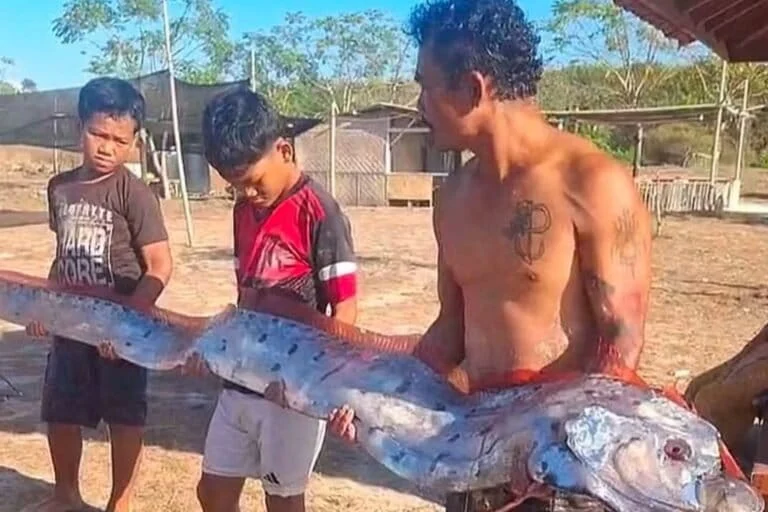
On August 25, 2026, the serene shores of Pink Beach in Sekaroh Village, East Lombok, became the focal point of a scientific and cultural stir after local children discovered a rare, silver-scaled creature washed up on the sand. The creature was identified as an oarfish (genus Regalecus), a deep-sea denizen rarely observed by human eyes. Measuring several meters in length with a flattened, ribbon-like body, the carcass quickly drew crowds and sparked a frenzy on social media. While the visual spectacle was undeniable, the appearance of this "sea serpent" immediately reignited long-standing folklore linking the species to impending seismic activity—a narrative that persists despite overwhelming scientific evidence to the contrary.

The Anatomy and Habitat of the Regalecus

To understand why the appearance of an oarfish is considered a rare event, one must look at the creature’s natural habitat. Oarfish are mesopelagic to bathypelagic organisms, residing in the deep-sea zones ranging from 200 to 1,000 meters below the ocean surface. In these depths, the environment is characterized by crushing hydrostatic pressure, near-freezing temperatures, and a total absence of sunlight.

There are two primary recognized species: Regalecus glesne, which inhabits the Atlantic, Pacific, and Indian Oceans and can reach lengths exceeding 11 meters, and Regalecus russellii, more commonly associated with the waters surrounding Japan and the Western Pacific. Their physiology, characterized by a fragile, elongated dorsal fin that runs the entire length of their bodies, is evolved specifically for the quiet, stable conditions of the deep ocean. When these animals surface, it is often a sign that they are physically distressed, sick, or struggling against currents they are not biologically equipped to navigate.

The Folklore of the Ryugu no Tsukai

The myth linking the oarfish to earthquakes is most deeply rooted in Japanese culture, where the fish is known as Ryugu no Tsukai, or "Messenger from the Sea God’s Palace." According to local legend, the fish rises from the depths to warn coastal inhabitants of impending underwater tremors. This belief gained significant traction following the 2011 Tōhoku earthquake and tsunami, as anecdotal reports surfaced claiming that several oarfish had been seen along the Japanese coastline in the months leading up to the disaster.

However, scientific consensus has consistently challenged this correlation. The psychological phenomenon known as "illusory correlation" is frequently cited by seismologists and marine biologists to explain why humans associate the two. Humans have a natural tendency to seek patterns in disconnected events, especially in the wake of traumatic natural disasters. When an oarfish appears—a rare, eerie, and visually striking event—it leaves a lasting impression. If an earthquake occurs weeks or even months later, the human brain is hard-wired to draw a causal link, ignoring the hundreds of instances where oarfish appeared without subsequent seismic activity, or where earthquakes occurred without any preceding biological anomaly.

Scientific Analysis: Disproving the Seismic Link

The recent incident in East Lombok provides a case study in why such myths persist despite geographical and chronological inconsistencies. The community’s anxiety was fueled by a moderate earthquake that had shaken Flores roughly two weeks prior to the Lombok sighting.

Sukuryadi, an expert in environmental science and the head of the Environmental Science Program at the Graduate School of the Universitas Muhammadiyah Mataram, argues that the presence of the fish is not a harbinger of geological catastrophe but a warning of ecological degradation. "There is no correlation with earthquakes," Sukuryadi stated. "Instead, we are likely looking at the effects of global climate anomalies that are degrading deep-sea habitats."

The logic behind this scientific perspective is sound: the ocean is currently undergoing significant changes in temperature, oxygen levels, and current patterns due to climate change. These shifts can force deep-sea organisms out of their comfort zones. If the water temperature in the bathypelagic zone rises or the dissolved oxygen levels drop, species that are highly specialized to those conditions may lose their orientation or be forced into shallower waters, where they eventually succumb to the environment.

Kusnadi, Deputy Chair of the Indonesian Association of Geologists (IAGI), further clarified the logistical impossibility of the connection. "The location of the sighting in southern Lombok is geographically disconnected from the seismic activity in northern Flores," he noted. "Furthermore, the time gap of more than a week precludes any direct physical link that would be expected if the two events were part of the same seismic chain reaction."

Ketika Oarfish Terdampar di Lombok, Mitos Gempa Kembali Muncul

Empirical Data and the Tokai University Study

The most robust debunking of the oarfish-earthquake hypothesis comes from researchers at Tokai University. Led by Yoshiaki Orihara, the team conducted a comprehensive analysis of 336 reports of deep-sea fish appearances and 221 seismic events in Japan. The study, which spanned several decades of data, found that only one single event showed even a remote potential correlation.

The findings were definitive: the appearance of deep-sea fish in shallow waters is a poor predictor of seismic activity. The statistical probability of a major earthquake occurring shortly after an oarfish sighting is no higher than the probability of an earthquake occurring on any random day in a seismically active region like the Pacific "Ring of Fire."

Ecological Implications: What the Oarfish Actually Tells Us

If we move away from the realm of myth, the appearance of an oarfish in shallow water becomes a valuable, albeit tragic, indicator of environmental health. Marine biologists suggest that the surfacing of such a creature should be treated as a "sentinel event."

When a deep-sea creature is found in shallow, warm, and sunlight-rich coastal waters, it suggests that there is a significant disturbance in its home environment. This could be caused by:

  1. Marine Heatwaves: Unusually high water temperatures at depth that stress deep-sea organisms.
  2. Upwelling Anomalies: Changes in oceanic currents that transport deep-sea fauna to the surface against their biological capacity.
  3. Pollution and Eutrophication: Shifts in nutrient levels that alter the oxygen content of the water column.
  4. Anthropogenic Noise: Industrial activity or sub-sea mining that may disorient species reliant on pressure and acoustic signals for navigation.

Rather than looking for omens of disaster in the movements of marine life, scientists urge the public to view these events as a prompt to monitor the health of the ocean. The oarfish is not a messenger of the gods, but a victim of a changing climate—a silent witness to the unseen shifts occurring beneath the waves.

Toward Evidence-Based Disaster Mitigation

The incident in Lombok underscores the ongoing need for public education regarding natural disasters. Relying on folklore or unverified social media trends for disaster prediction can lead to unnecessary panic or, conversely, a false sense of security.

True disaster mitigation, as emphasized by experts like Kusnadi, must be rooted in scientific monitoring, infrastructure resilience, and community preparedness. Geological agencies use sophisticated equipment—seismographs, GPS crustal monitoring, and tide gauges—to track the movement of tectonic plates. These tools provide the only reliable data for early warning systems.

As Indonesia remains one of the most seismically active nations in the world, the reliance on scientific data is not merely a preference; it is a necessity for public safety. While the sight of a ten-meter-long, silver-skinned fish is undoubtedly a wonder of the natural world, it should be treated with the curiosity of a naturalist rather than the fear of the superstitious.

The story of the Pink Beach oarfish, therefore, concludes not with a warning of the earth cracking, but with a challenge to humanity to protect the fragile, hidden ecosystems of the deep ocean. As the global community continues to face the realities of a warming planet, the most important "omens" we should focus on are the measurable changes in our environment that warn us of the challenges ahead. Protecting the ocean’s health is the only way to ensure that such rare and magnificent creatures can continue to thrive in their rightful, deep-sea homes, far away from the shores where they are currently, and tragically, found out of place.

September 14, 2026 0 comment
0 FacebookTwitterPinterestEmail
Science

Yellowstone National Park workers retrieve hundreds of lost items from hydrothermal areas in annual cleanup effort

by admin September 14, 2026
written by admin

Every year, millions of travelers descend upon Yellowstone National Park to witness the geothermal wonders that have defined the American wilderness for over a century. However, as the 2026 summer season concludes, park officials have released a sobering inventory of what those millions of visitors leave behind. Beyond the standard refuse of water bottles and snack wrappers, park maintenance crews have recovered a staggering array of personal belongings—including hundreds of hats, assorted currencies, and bizarre curiosities—from the park’s fragile hydrothermal basins. This annual ritual of recovery serves as both a logistical necessity and a stark reminder of the human footprint in one of the world’s most protected ecological sanctuaries.

The Anatomy of an Accidental Loss

The geographic nature of Yellowstone—characterized by high-altitude plateaus, steep canyons, and vast, open thermal basins—creates unique environmental challenges for visitors. Gusty, unpredictable winds, particularly in exposed areas surrounding geysers and hot springs, act as a persistent thief. According to park rangers, the loss of headwear is so common that it has become a predictable seasonal phenomenon.

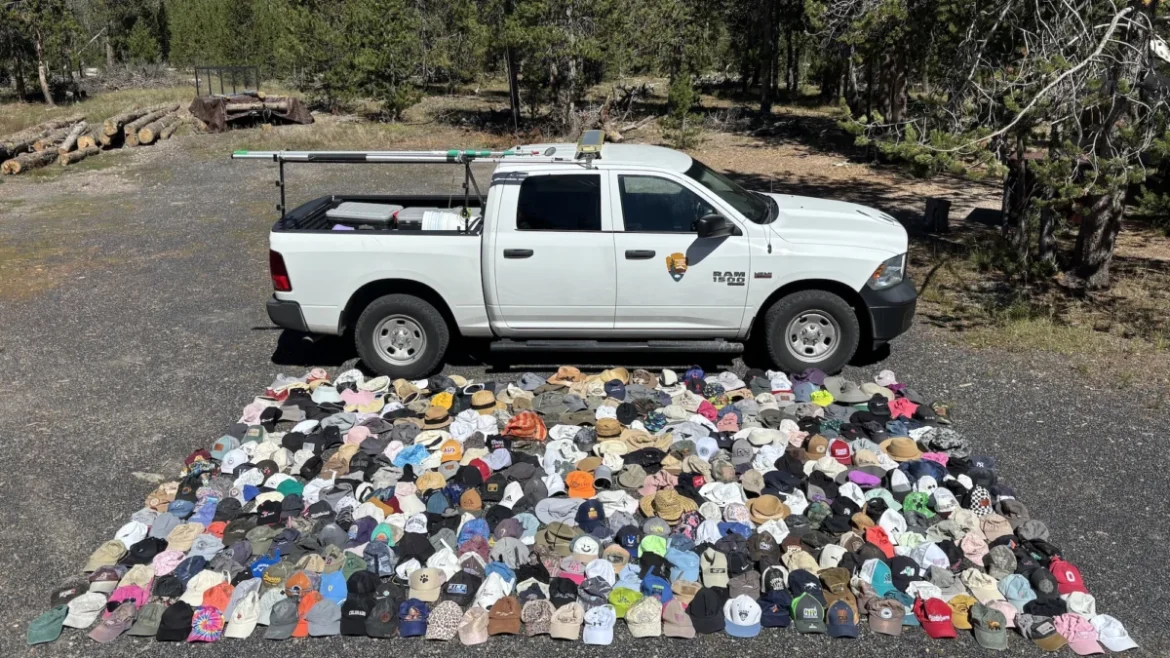
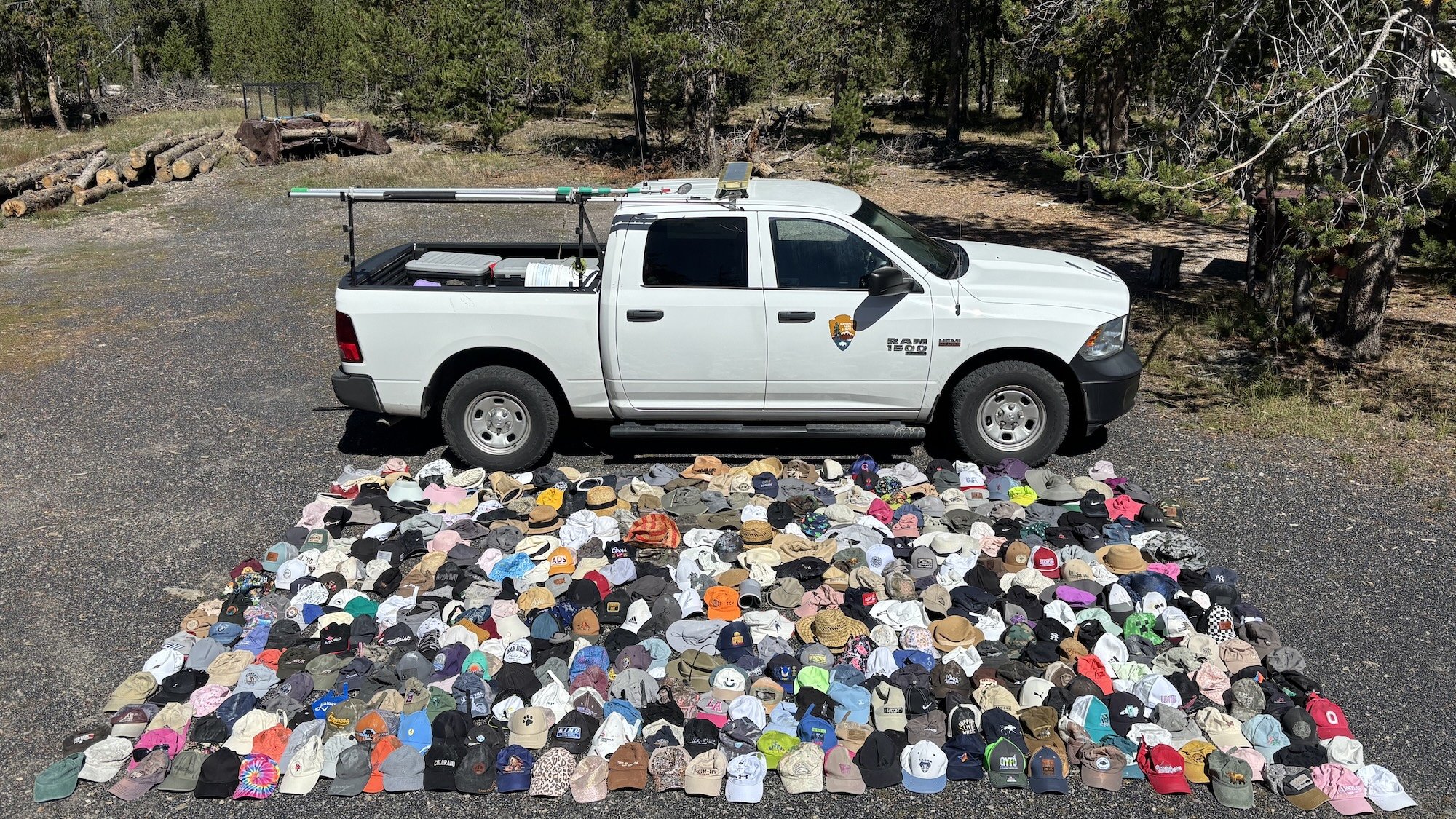
In 2026 alone, crews retrieved more than 280 hats from restricted thermal zones. These items, ranging from high-end athletic caps to souvenir headwear, often tumble into areas where human access is strictly prohibited for safety and conservation reasons. The recovery process is not merely a service for the forgetful; it is an environmental imperative. Because many of these hats land in sensitive, boiling, or highly acidic waters, they can cause immediate damage to the delicate microbial mats and mineral formations that define the park’s iconic geysers.

A Chronology of the 2026 Cleanup

The cleanup operation typically ramps up as the peak summer tourism months conclude. By late August and early September, when wind patterns shift and the density of the crowds begins to thin, the park’s geology team initiates a systematic sweep of high-traffic thermal areas.

Yellowstone National Park retrieved 280 hats from hydrothermal vents this summer

Throughout the summer, the collection process is continuous, though it peaks during the autumn transition. Rangers and research staff, who are already on-site to monitor water chemistry and seismic activity, maintain a "found-items" log. This year’s haul included a notable range of items:

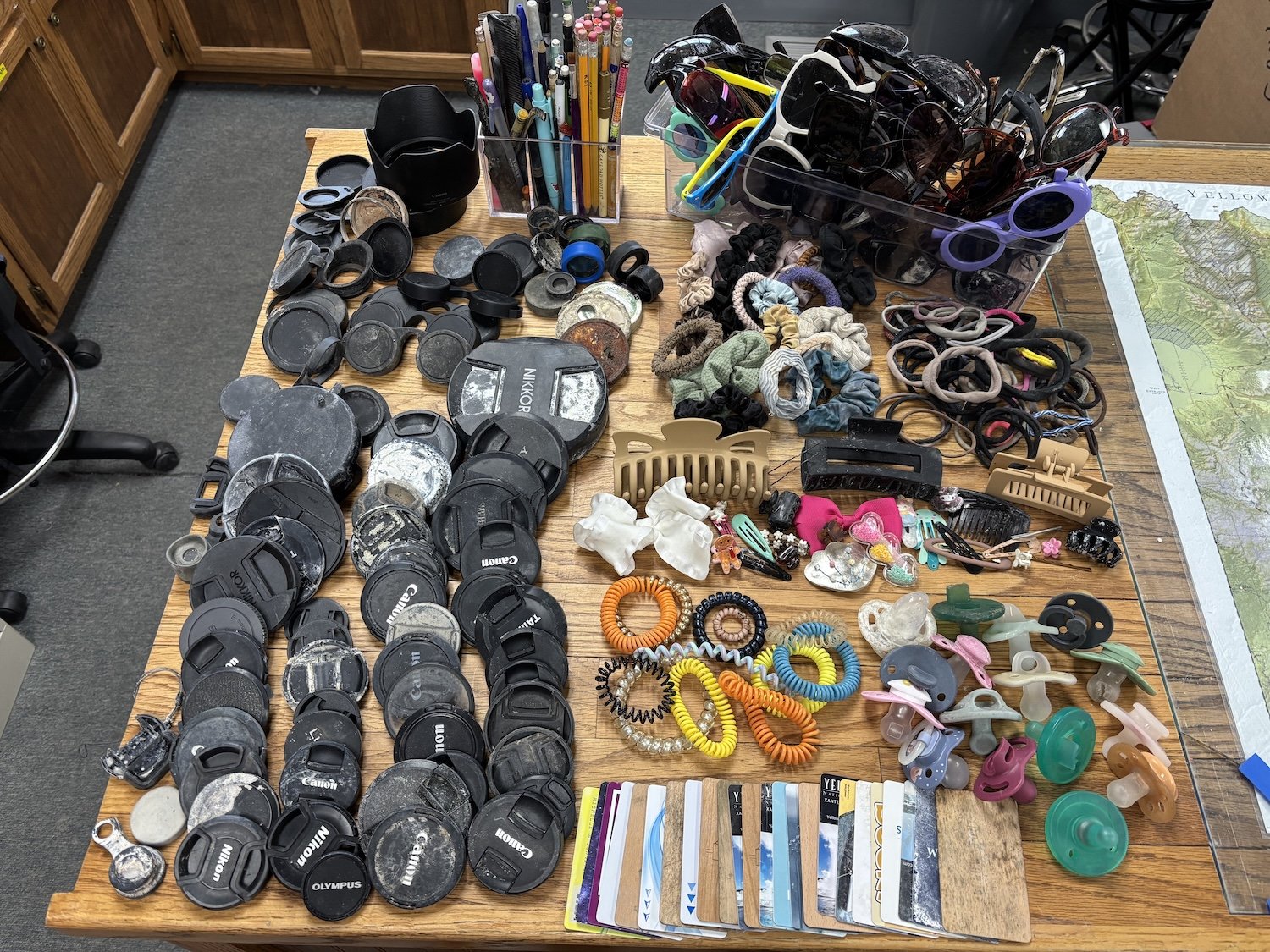
  • Early Summer: Primarily sunglasses, lens caps, and lightweight plastic debris.
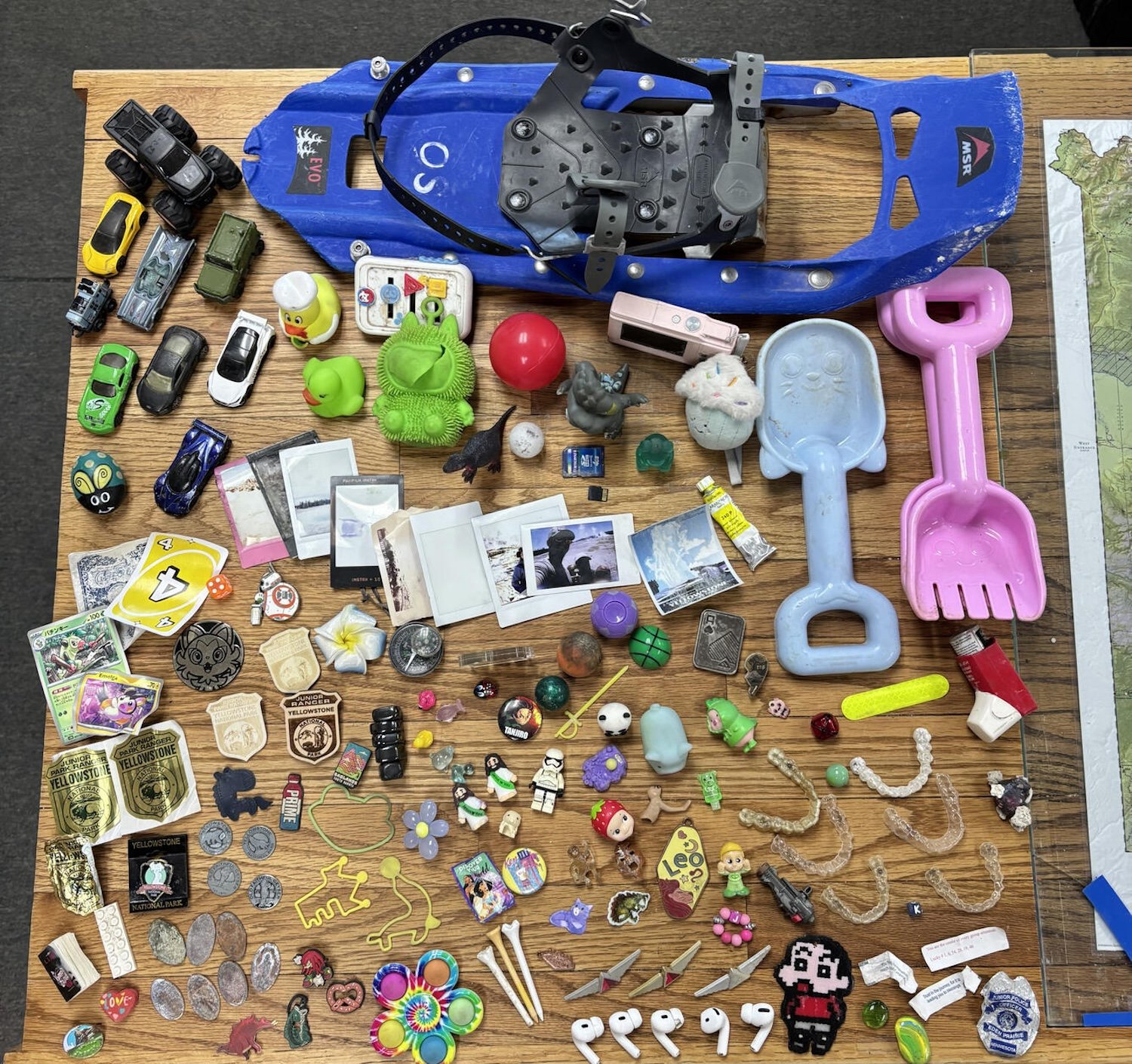
  • Mid-Summer: A surge in lost electronics, including AirPods and mobile phone accessories, as visitor traffic hit its seasonal zenith.
  • Late Summer: The final sweep uncovered larger objects, including children’s toys, discarded clothing, and miscellaneous items that had been blown into deeper, harder-to-reach crevices over the preceding months.

Economic and Ecological Costs of "Wishing Wells"

Perhaps the most concerning aspect of the 2026 haul was the recovery of more than $18 in international currency. Visitors often treat the park’s geothermal features as traditional "wishing wells," tossing coins into the boiling water. This practice, while perhaps born of a romanticized view of the landscape, is strictly prohibited under federal law.

The ecological impact of this behavior is well-documented by the United States Geological Survey (USGS). When coins and other metal objects are introduced into hydrothermal vents, they do not simply vanish. They dissolve or settle into the plumbing of the geyser, potentially obstructing water flow. More critically, the introduction of non-native materials and metals into these extreme environments can introduce destructive algae and invasive bacteria. These organisms can outcompete the unique thermophilic life forms that have evolved in Yellowstone’s vents for millennia. The presence of foreign currency—including euros, pesos, and yen—suggests that this is a global issue, highlighting the need for clearer international communication regarding park etiquette at entrance points.

Official Responses and Operational Logistics

Yellowstone National Park officials have utilized the 2026 findings to launch a renewed campaign on visitor responsibility. While the park maintains a robust Lost and Found department, the volume of items recovered from thermal basins poses a logistical burden.

"We want our visitors to have a memorable experience, but that experience must not come at the cost of the park’s natural integrity," said one park spokesperson during the briefing on the 2026 findings. The strategy for managing these items has evolved; rather than discarding the hundreds of hats collected, the park has implemented a donation program. After being cleaned and inspected, the reclaimed items are diverted to local charitable organizations in nearby Montana and Wyoming communities, turning a nuisance into a modest social good.

Yellowstone National Park retrieved 280 hats from hydrothermal vents this summer

However, officials emphasize that this is a "best-case scenario." Most items—such as the single Uno card or various pieces of plastic debris—are not salvageable and contribute to the park’s waste management costs. The administrative time spent by highly trained geology staff on retrieving trash is time diverted from essential scientific research and site preservation.

Broader Implications for National Park Management

The situation at Yellowstone is a microcosm of a larger challenge facing the United States National Park Service (NPS). As park attendance continues to climb toward record levels—with Yellowstone regularly welcoming over 4.5 million visitors annually—the wear and tear on the infrastructure and the environment becomes increasingly difficult to manage.

The "Stash Your Trash" initiative is a direct response to the mounting volume of debris. The park’s recommendation is straightforward: if an item is not being used, it should be secured deep within a zipped pocket or a heavy bag. For hats and sunglasses, the park advises that visitors remove them entirely when walking near the edges of thermal basins or in high-wind zones.

Furthermore, the data collected from the 2026 cleanup provides valuable insights into visitor behavior. The prevalence of small, easily lost items like hair ties and lens caps suggests that visitors are often ill-prepared for the reality of the park’s physical environment. Educational programs at visitor centers are now being adjusted to include visual displays of these recovered items, providing a tangible example of the consequences of negligence.

Future Perspectives

As technology advances, some have suggested that drone surveillance could be used to monitor thermal areas for debris. However, the use of drones in national parks is heavily regulated to protect wildlife and the visitor experience, making this an unlikely solution in the immediate future. Instead, the park remains focused on human-led solutions: signage, digital warnings, and the collective effort of the millions of visitors who do follow the rules.

Yellowstone National Park retrieved 280 hats from hydrothermal vents this summer

The 2026 collection is a reminder that the boundary between human convenience and ecological preservation is razor-thin. While a baseball cap or a pair of AirPods may seem inconsequential to the individual, the cumulative effect of millions of visitors—even with a tiny percentage of them losing items—threatens the very features they came to see. As Yellowstone looks toward future seasons, the goal is to shift the narrative from "recovery" to "prevention," ensuring that the park remains a protected geological sanctuary rather than a repository for the world’s lost trinkets.

Ultimately, the 2026 findings serve as a benchmark for environmental stewardship. The fact that the park remains largely pristine despite the massive influx of human activity is a testament to the hard work of its staff, but the persistence of this annual "lost and found" haul highlights the ongoing need for public education. Whether it is a coin tossed for luck or a hat lost to a sudden gust, the message from the park service is clear: the only thing a visitor should leave behind is their footprints—and even those should be kept strictly to the designated boardwalks.

September 14, 2026 0 comment
0 FacebookTwitterPinterestEmail
Education

Mastering Financial Data: Why General Spreadsheet Skills Fall Short in Modern Accounting

by admin September 14, 2026
written by admin

Jakarta — In the fast-paced landscape of modern corporate finance, Microsoft Excel remains an indispensable tool, serving as the digital backbone for ledger management, budgeting, and financial reporting. However, a growing competency gap has emerged among professionals who assume that basic proficiency in creating simple tables or executing elementary arithmetic qualifies them to handle complex financial data ecosystems. Industry experts note that accounting and finance operations require a specialized suite of analytical functions, dynamic formulas, and structural frameworks that extend far beyond standard administrative spreadsheet usage.

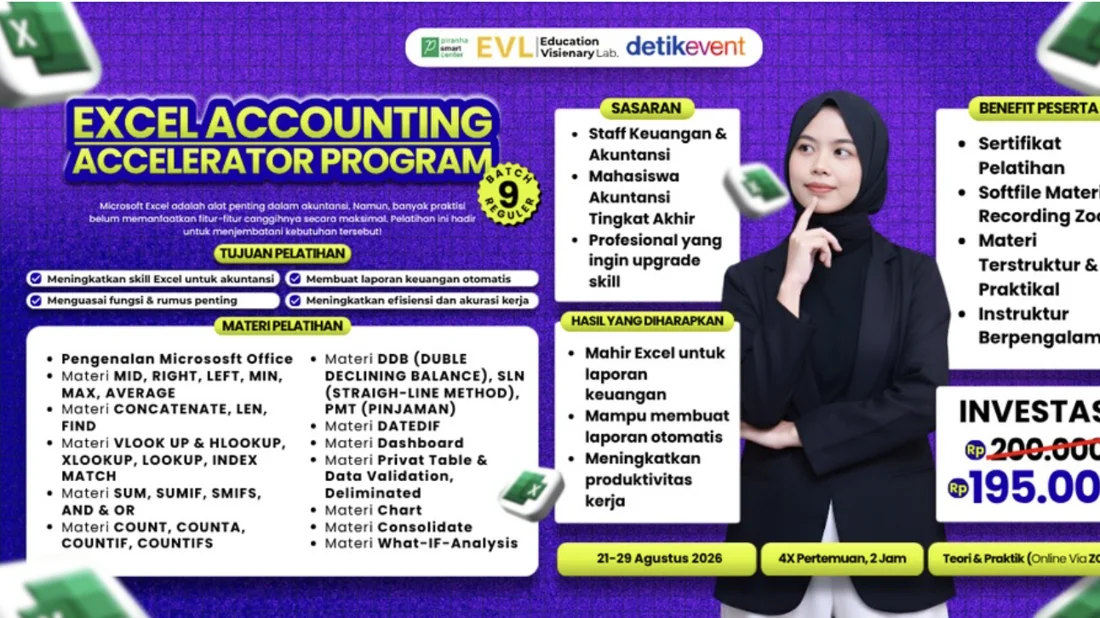
The inability to leverage advanced Excel capabilities often results in operational inefficiencies, where accounting professionals resort to manual data processing for tasks that could otherwise be automated through sophisticated formulas. To bridge this critical skills gap, targeted educational initiatives such as the upcoming Excel Accounting Accelerator Program Reguler Batch 10 have been established to equip professionals with industry-specific analytical competencies.

The Limitations of General Excel Proficiency in Corporate Finance

While corporate training programs frequently introduce basic spreadsheet functionalities—such as fundamental cell formatting, rudimentary sorting, and standard addition or subtraction formulas—they rarely address the intricate demands of accounting departments. Financial reporting, transaction auditing, and variance analysis require a deep understanding of logical operators, lookup functions, database management tools, and automated dashboard generation.

When finance professionals lack fluency in advanced functions, the margin for human error expands exponentially. Manual data entry and repetitive calculations increase the risk of discrepancies in financial statements, which can delay auditing processes and compromise strategic decision-making at the executive level. Furthermore, companies lose valuable man-hours when personnel spend hours compiling reports manually instead of utilizing dynamic tools like Pivot Tables, INDEX-MATCH arrays, or conditional aggregation formulas.

Recognizing this disconnect, industry trainers emphasize that learning Excel through the lens of general application is no longer sufficient. Professionals operating within accounting and financial sectors must contextualize their spreadsheet education around real-world financial scenarios, ensuring they can translate raw transactional data into actionable insights.

Curriculum Structure and Targeted Learning Outcomes

Designed specifically to address the nuances of financial data management, the Excel Accounting Accelerator Program Reguler Batch 10 aims to transition participants from basic users to proficient financial analysts. Rather than relying on abstract mathematical exercises, the curriculum integrates practical accounting frameworks into every module.

The program’s syllabus is structured to cover several core competency areas critical to modern financial operations:

  1. Advanced Mathematical and Logical Formulas: Moving beyond basic arithmetic to implement nested IF statements, SUMIFS, COUNTIFS, and error-handling functions that maintain data integrity across large ledgers.
  2. Advanced Lookup and Reference Functions: Mastering tools such as VLOOKUP, HLOOKUP, XLOOKUP, and the combination of INDEX and MATCH to retrieve, cross-reference, and reconcile financial records efficiently.
  3. Data Aggregation and Summarization: Utilizing Pivot Tables and Pivot Charts to distill thousands of line items into digestible summaries for management review.
  4. Financial Modeling and Analysis: Constructing dynamic financial models that project revenue, calculate depreciation schedules, and evaluate capital budgeting scenarios.
  5. Executive Dashboard Creation: Designing visual reporting interfaces that synthesize complex financial metrics into clear, real-time indicators for executive stakeholders.

By embedding case studies derived from actual corporate accounting challenges into the syllabus, organizers ensure that participants comprehend not only the mechanical execution of formulas but also the underlying financial logic.

Event Timeline and Operational Schedule

The Excel Accounting Accelerator Program Reguler Batch 10 has been structured to accommodate the demanding schedules of working professionals. The intensive training course will be conducted entirely online, allowing participants from various geographical locations to join without commuting constraints.

The chronological rollout of the program is scheduled across two consecutive weekends in September 2026:

  • Session 1: Saturday, September 21, 2026, from 18:30 to 20:30 Western Indonesia Time (WIB).
  • Session 2: Sunday, September 22, 2026, from 18:30 to 20:30 WIB.
  • Session 3: Saturday, September 28, 2026, from 18:30 to 20:30 WIB.
  • Session 4: Sunday, September 29, 2026, from 18:30 to 20:30 WIB.

This evening schedule allows accountants, financial analysts, corporate controllers, and business owners to upgrade their technical capabilities without disrupting their daytime professional responsibilities. Each two-hour session combines theoretical instruction with guided practical exercises, ensuring immediate application of the concepts taught.

Broader Economic Implications and Workforce Competitiveness

In an era characterized by rapid digital transformation, the automation of routine accounting tasks has redefined the role of the modern financial professional. Routine bookkeeping is increasingly handled by enterprise resource planning (ERP) systems and automated software, shifting the demand toward professionals who possess advanced data interpretation and synthesis skills.

Labor market analysts observe that employers across diverse industries—from multinational corporations to agile startups—prioritize candidates who demonstrate advanced spreadsheet proficiency. Mastery of tools like Excel serves as a foundational stepping stone toward higher-level business intelligence applications. Professionals who can navigate complex datasets with precision are better positioned to conduct variance analyses, assess financial risk, and contribute strategically to organizational growth.

Moreover, educational programs focused on practical skill acquisition play a vital role in addressing structural unemployment and underemployment. By upskilling the existing workforce, initiatives like the Excel Accounting Accelerator Program enhance overall labor productivity, driving higher standards of financial governance within the business sector.

Registration and Participation Details

Professionals seeking to eliminate inefficiencies in their daily workflows, resolve recurring data management challenges, and elevate their analytical credentials are encouraged to secure their enrollment ahead of the commencement date.

Registration for the Excel Accounting Accelerator Program Reguler Batch 10 is currently open. Interested candidates can access the official registration portal and review comprehensive syllabus details by visiting detikevent. Given the interactive nature of the online sessions and the focus on personalized instruction through practical casework, prospective participants are advised to register early to ensure placement in this milestone batch.

September 14, 2026 0 comment
0 FacebookTwitterPinterestEmail
Education

Ministry of Health Scholarship 2025 Opens Pathways for Aspiring Indonesian Medical and Healthcare Professionals

by admin September 14, 2026
written by admin

The Indonesian Ministry of Health has officially launched its comprehensive scholarship program for the 2025 academic year, targeting high school graduates, undergraduate medical students, and residents who aspire to build careers in the national healthcare sector. Designed to alleviate the financial burdens associated with medical education, the initiative arrives at a critical juncture for Indonesia’s healthcare system, which continues to grapple with a shortage and uneven distribution of qualified medical personnel across the archipelago.

Medical and dental education in Indonesia is historically among the most expensive and rigorous academic pathways, often placing a heavy financial strain on students and their families. Recognizing these structural barriers, the 2025 Ministry of Health scholarship aims to widen access for talented candidates from diverse socioeconomic backgrounds. By subsidizing tuition fees and providing living allowances, the government seeks to ensure that financial limitations do not prevent qualified individuals from pursuing careers as physicians, dentists, and specialized allied health professionals.

Addressing the National Healthcare Deficit

The launch of the 2025 scholarship cycle is closely aligned with the Ministry of Health’s broader strategic roadmap to reform the national health system. According to data from the World Health Organization (WHO) and national health authorities, Indonesia—despite its vast population of over 275 million—faces a persistent deficit in its physician-to-population ratio. Furthermore, the geographical distribution of healthcare workers remains severely skewed toward major urban centers like Jakarta, Surabaya, and Medan, leaving remote, frontier, and island regions underserved.

Through targeted funding models, the government is not merely financing education; it is strategically deploying future healthcare assets. The initiative is divided into primary categories, notably the general medical and dental scholarship tracks for aspiring clinicians, and the Affirmative Higher Education Program for Health Workers (PADINAKES). Together, these programs form the cornerstone of the government’s human resource development strategy for the health sector.

Program Breakdown: Scholarships for Future Physicians and Dentists

The first major component of the 2025 initiative is tailored specifically for high school graduates aspiring to enter Faculty of Medicine (FK) or Faculty of Dentistry (FKG) programs, as well as current undergraduate medical students and those undergoing professional clerkship programs.

This track addresses the immense cost of clinical rotations, laboratory fees, and national competency examinations, which often extend the financial timeline of medical training. Recipients admitted under this scheme receive comprehensive financial coverage, which encompasses standard tuition fees, semester-based operational costs, and essential educational stipends. In exchange, scholarship recipients are expected to fulfill a mandatory service commitment within the public healthcare network upon graduation, thereby directly reinforcing hospital and clinic staffing levels in regions with high medical needs.

Expanding Access Through the PADINAKES Affirmative Program

The second core initiative, the Affirmative Higher Education Program for Health Workers (PADINAKES), focuses specifically on bridging the healthcare gap in Indonesia’s 3T regions—defined as lagging, frontier, and outermost territories (Tertinggal, Terdepan, dan Terluar)—as well as disaster-prone or medically underserved islands.

PADINAKES is designed for high school graduates and students enrolled in the Ministry of Health’s Health Polytechnics (Poltekkes Kemenkes) originating from these designated zones. The overarching philosophy of the affirmative program is rooted in community-based retention: local students are trained within the public health polytechnic system with full government support and are subsequently deployed back to their home regions. Empirical studies in public health administration consistently demonstrate that healthcare professionals recruited from local communities exhibit significantly higher retention rates in rural and remote postings compared to urban-trained personnel placed in unfamiliar environments.

Comprehensive Benefits and Institutional Support

Recipients of the 2025 Ministry of Health scholarships are entitled to a robust package of financial and professional benefits designed to secure their academic focus. Beyond complete tuition waivers disbursed directly to participating educational institutions, scholars receive monthly living allowances to cover housing, sustenance, and study materials.

Additionally, the program provides direct pathways into civil service or contractual placement within the national health infrastructure upon successful completion of studies and licensure examinations. This eliminates the post-graduation employment uncertainty that frequently affects young professionals, allowing them to transition seamlessly from academic environments into active clinical practice within public health centers (Puskesmas) and regional referral hospitals.

Application Procedure and Timeline for 2025

The Ministry of Health has streamlined the application process for the 2025 intake to ensure transparency, accessibility, and equal opportunity for applicants nationwide. Prospective candidates are required to complete their registrations through the official Ministry of Health scholarship portal.

The general application workflow comprises several key stages:

  1. Online Registration: Applicants must access the official Ministry of Health scholarship website, create a profile, and fill out the electronic application form with accurate personal, academic, and demographic data.
  2. Document Submission: Candidates are required to upload digital copies of essential administrative documents, including academic transcripts, national identity cards, family registry cards, enrollment proof or university acceptance letters, and letters of recommendation where applicable.
  3. Administrative and Substantive Verification: Submitted files undergo a rigorous screening process conducted by the Ministry’s selection committee to verify academic eligibility and regional qualifications, particularly for affirmative tracks.
  4. Selection Examinations: Shortlisted candidates must participate in academic aptitude tests, psychological evaluations, and interviews designed to assess their commitment to public service and medical ethics.
  5. Announcement of Results: Final successful candidates are announced via the official portal, followed by institutional onboarding and scholarship contract signing.

While specific operational dates are subject to periodic adjustments announced on the official platform, the application window typically opens in the second quarter of the year, preceding the commencement of the primary academic intake cycles. Applicants are strongly advised to monitor official channels continuously to avoid missing critical administrative deadlines.

Implications for the Future of Indonesian Public Health

The long-term implications of the 2025 Ministry of Health scholarship program extend far beyond individual tuition relief. By strategically injecting thousands of funded medical, dental, and allied health professionals into the system over the coming decade, the government aims to accelerate universal health coverage (UHC) targets under the National Health Insurance (JKN) scheme managed by BPJS Kesehatan.

Independent health economists and policy analysts have noted that sustained investment in domestic health education is critical for reducing reliance on foreign medical importation and mitigating the domestic brain drain of clinical talent. However, analysts also emphasize that the ultimate success of the program will depend heavily on the continuous improvement of regional healthcare infrastructure. Ensuring that scholarship graduates arrive in remote areas equipped with adequate medical supplies, diagnostic equipment, and administrative support remains a paramount challenge for regional health offices.

As the 2025 application cycle commences, the initiative stands as a vital bridge between individual career ambitions and national development goals. For thousands of young Indonesians carrying the ambition to wear a white coat and serve their communities, the Ministry of Health scholarship offers a tangible roadmap from classroom to clinic, reinforcing the foundation of the nation’s health security for generations to come.

September 14, 2026 0 comment
0 FacebookTwitterPinterestEmail
Politics

Navigating 21st-Century Geopolitics: Why Strategic Optionality and Energy Resilience Matter for Indonesia

by admin September 13, 2026
written by admin

In the complex architecture of modern international relations, traditional metrics of power—such as military might, economic volume, or territorial size—no longer solely dictate a nation’s standing on the global stage. Instead, a quieter yet vastly more decisive form of power has emerged: the institutional and structural capacity of a state to decline external pressure when sovereign national interests demand it. This autonomy is not forged through absolute isolation or self-sufficiency, but through the sophisticated management of global interdependence. As contemporary supply chains face unprecedented volatility, nations like Indonesia must cultivate strategic optionality—ensuring that economic connections do not morph into vulnerabilities that compromise national sovereignty.

The Evolution of Global Interdependence and Vulnerability

The modern global economy is fundamentally constructed on interconnectedness. No major state operates as an entirely closed-loop system; nations inherently rely on foreign energy sources, advanced technological hubs, international capital markets, raw material deposits, and diverse export destinations. Even resource-rich economies require sophisticated infrastructure, foreign direct investment, and access to international trade corridors.

However, political economists draw a sharp distinction between interdependence—a mutual reliance that benefits participating economies—and vulnerability, a condition where a disruption in a single node can paralyze an entire national market. Throughout recent history, structural vulnerabilities have repeatedly weaponized economic linkages.

The historical precedent of vulnerability is well-documented. The global energy crises of the 1970s, triggered by the 1973 oil embargo by the Organization of Arab Petroleum Exporting Countries (OAPEC), starkly illustrated how heavy reliance on singular energy imports could destabilize industrial economies. Within months, crude oil prices quadrupled, instigating severe stagflation, mounting industrial unemployment, and forcing governments worldwide to enact emergency rationing policies. The crisis transformed oil from a mere commodity into a profound geopolitical instrument, proving that nations lacking diversified energy supplies possessed drastically diminished bargaining power.

Lessons from Modern Crises: Pandemics and Geopolitical Conflicts

The structural lessons of the 1970s energy shocks have evolved rather than disappeared in the 21st century. Today, economic security encompasses not only crude oil but also natural gas, electricity grids, critical minerals, advanced battery technologies, renewable power generation components, and digital infrastructure.

Recent global shocks have accelerated this realization. The COVID-19 pandemic of 2020 exposed the severe fragility of hyper-optimized, single-source global supply chains. Lockdowns in critical manufacturing hubs triggered cascading bottlenecks across international logistics networks, inflating freight costs and driving up consumer prices worldwide.

Subsequent geopolitical flashpoints, notably the war in Ukraine and intensifying strategic competition between major superpowers, further demonstrated how energy, food supplies, and vital trade routes are routinely leveraged for geopolitical leverage. Disruptions thousands of miles away now rapidly transmit shockwaves into domestic markets via commodity prices, inflationary pressures, and constrained manufacturing inputs. Consequently, national security in the 21st century cannot rely solely on traditional military defense; it demands comprehensive resilience across energy, food, industrial technology, financial sectors, and supply chain logistics.

Energy Security as the Core of Economic Resilience

Within this framework of comprehensive national resilience, energy security occupies a paramount position. Virtually all modern economic activity is inextricably linked to reliable energy access. Industrial manufacturing plants require steady electricity; modern logistics and transportation rely on liquid fuels; data centers—the backbone of the digital economy—demand uninterrupted power; and agricultural sectors depend heavily on energy for irrigation, processing, and distribution.

When energy systems face disruption, the economic fallout rarely remains localized; it propagates rapidly through every sector of the economy. For emerging economies like Indonesia, building robust energy security does not necessitate economic autarky or retreating from international trade. Rather, the central challenge lies in restructuring import dependencies and cultivating domestic buffers.

According to energy market analysts, nations that maintain diversified suppliers, robust strategic petroleum reserves, flexible energy storage infrastructure, and well-connected domestic power grids significantly enhance their geopolitical leverage. This concept, known in strategic studies as strategic optionality, grants a government the freedom to pivot when external disruptions occur. Just as a diversified corporate supply chain or an investment portfolio mitigates systemic risk, a sovereign state with multiple energy sources, varied trade partners, and strong domestic industrial capabilities retains the flexibility required to navigate turbulent international waters.

Indonesia’s Strategic Position and the Path Forward

As the largest economy in Southeast Asia and a central anchor of ASEAN, Indonesia possesses substantial structural advantages to build this strategic optionality. The country commands a massive domestic market, a strategic geographic position straddling vital international trade routes, diverse energy resources, and critical minerals—such as nickel and bauxite—that are indispensable to the global transition toward green energy.

To translate these inherent advantages into tangible geopolitical leverage, Indonesian policymakers are increasingly championing a pragmatic, multi-layered approach to national development:

  1. Energy Diversification: Indonesia is actively balancing its energy mix. While traditional fossil fuels continue to guarantee immediate grid reliability and economic affordability during the ongoing transition, renewable energy sources—including geothermal, solar, hydro, and biomass—are being scaled up to diversify the national grid and reduce susceptibility to global oil and gas price shocks.
  2. Industrial Downstreaming (Hilirisasi): Moving beyond raw commodity exports, Indonesia’s aggressive downstreaming policy mandates the domestic processing of critical minerals. By building domestic manufacturing capacity for electric vehicle batteries and refined metals, the nation retains higher value-added economic activity and reduces reliance on foreign finished goods.
  3. Diversified International Partnerships: Rather than aligning exclusively with a single economic superpower, Indonesia practices a principled, independent foreign policy. Jakarta maintains robust trade and manufacturing ties with China, collaborates with Japan and Korea on industrial technology, engages the United States and European nations on investment and innovation, and champions regional integration through ASEAN.
  4. Strategic Reserves and Domestic Buffers: Expanding national strategic reserves for critical commodities provides the government with a vital asset: time. In geopolitics, time equates to diplomatic leverage, allowing decision-makers space to negotiate alternatives during international supply disruptions without succumbing to panic.

Conclusion: The True Measure of 21st-Century Sovereignty

Ultimately, the overarching objective of these integrated national strategies is not to isolate Indonesia from the global community, but to ensure that openness does not come at the expense of sovereign decision-making. International trade, foreign direct investment, and cross-border technological cooperation remain vital engines for Indonesia’s continued economic growth and development.

However, openness must be intelligently coupled with the institutional capacity to safeguard national interests. A strong nation in the 21st century is not defined by an absence of international dependence, but by its ability to manage those dependencies so adeptly that it never forfeits its freedom of choice. For Indonesia, the ultimate strategic goal is clear: to remain an open, active, and globally connected participant in international trade, while firmly maintaining the resilience, optionality, and autonomy that ensure the nation remains difficult to coerce.

September 13, 2026 0 comment
0 FacebookTwitterPinterestEmail
Economy

Panduan Lengkap Membuka Bisnis Waralaba Alfamart: Investasi, Syarat, dan Prosedur Kemitraan

by admin September 13, 2026
written by admin

The retail landscape in Indonesia has undergone a significant transformation over the past two decades, with convenience store chains becoming the backbone of local neighborhood commerce. Among the dominant players, Alfamart, operated by PT Sumber Alfaria Trijaya Tbk, stands out as a household name with a massive footprint spanning across the archipelago. For aspiring entrepreneurs, the Alfamart franchise model represents a gateway into the organized retail sector, offering a blend of brand recognition, established supply chain management, and operational support. This comprehensive guide details the pathways, financial requirements, and strategic considerations for those looking to partner with one of Indonesia’s most successful retail enterprises.

The Evolution of the Alfamart Franchise Model

Since its inception, Alfamart has meticulously refined its business model to balance corporate expansion with local entrepreneurship. The franchise system was designed to allow individuals to own and operate their own retail outlets while benefiting from the economies of scale, marketing power, and logistical infrastructure of a national corporation. By democratizing access to the retail market, Alfamart has effectively penetrated secondary and tertiary cities, integrating itself into the daily lives of millions of consumers.

The core philosophy behind their franchising strategy is to provide a "turnkey" solution. By providing the systems, the branding, and the inventory management protocols, the corporation lowers the barrier to entry for business owners who may lack extensive retail experience. However, the rigor of their operational standards ensures that every store, whether corporate-owned or franchised, maintains a consistent customer experience.

Pathway 1: The New Store Development (Regular Franchise)

The most common entry point for investors is the "New Store" model. This process is driven by the potential franchisee’s identification of a strategic location. It is a collaborative effort where the investor provides the capital and the site, while the company provides the operational framework.

The investment tiers for a new store are categorized by the size of the sales area, which dictates the number of racks available for inventory:

  • Small Footprint (9 Racks/30 m2): Requires an approximate investment of IDR 300 million.
  • Medium Footprint (18 Racks/60 m2): Requires an approximate investment of IDR 350 million.
  • Large Footprint (36 Racks/80 m2): Requires an approximate investment of IDR 450 million.
  • Extended Footprint (45 Racks/100 m2): Requires an approximate investment of IDR 500 million.

These figures are comprehensive, covering the essential startup costs: the five-year franchise fee (currently IDR 45 million), electrical installation, climate control systems (AC), cash registers, information technology infrastructure, signage, and pre-opening marketing expenses.

Pathway 2: Conversion and Local Empowerment

Recognizing that many local entrepreneurs already operate small grocery stores or "warungs," Alfamart offers a conversion program. This is a strategic initiative designed to upgrade local, independent retailers into the Alfamart ecosystem. This pathway is particularly popular in residential areas where independent stores are struggling to compete with modern retail standards.

The primary advantage here is the preservation of capital. Alfamart allows for the "Stock Opname" or valuation of existing inventory, which can be integrated into the new store’s initial stock. Furthermore, existing infrastructure, such as shelves, can be utilized if they meet the corporation’s rigid technical specifications, thereby reducing the total capital expenditure (CAPEX) for the franchisee.

Pathway 3: The Take-Over Model

For investors who prefer to bypass the site-selection and construction phase, the "Take-Over" model allows for the acquisition of an already operational Alfamart outlet. This model is often chosen by investors who prioritize immediate cash flow over the potential long-term growth of a brand-new, unproven location.

The cost for a take-over is higher, typically starting at IDR 800 million. This higher entry price reflects the value of an existing customer base, established daily sales volume, and the "Goodwill" associated with a functioning business. The package includes the five-year franchise fee, leasehold agreements for the location, and all necessary operational equipment.

The Financial Structure: Royalty and Sustainability

A critical aspect of the Alfamart franchise agreement is the royalty fee structure. Unlike a fixed monthly fee, Alfamart employs a progressive royalty model based on the store’s net monthly sales. This structure is designed to be equitable, as it aligns the corporation’s success with the actual performance of the individual store.

The royalty brackets are as follows:

  • Sales up to IDR 150 million: 0% royalty.
  • Sales IDR 150.000.001 – IDR 175 million: 1% royalty.
  • Sales IDR 175.000.001 – IDR 200 million: 2% royalty.
  • Sales IDR 200.000.001 – IDR 250 million: 3% royalty.
  • Sales above IDR 250 million: 4% royalty.

This tiered system provides a safety net for lower-performing stores while ensuring that high-revenue outlets contribute a fair share to the brand’s maintenance and national marketing efforts.

Prerequisite Standards for Prospective Franchisees

Entering into a franchise agreement with a publicly listed company like PT Sumber Alfaria Trijaya Tbk requires adherence to strict legal and operational guidelines. To be considered, a candidate must meet several non-negotiable criteria:

  1. Legal Entity Requirement: Franchisees must operate under a registered business entity, such as a CV (Commanditaire Vennootschap), PT (Perseroan Terbatas), Koperasi (Cooperative), or Yayasan (Foundation). This ensures professional accountability and tax compliance.
  2. Spatial Requirements: A standard store requires a sales area of at least 100 square meters, with a total land area ranging between 150 to 250 square meters. This ensures adequate space for inventory, customer flow, and back-office operations.
  3. Licensing and Compliance: The franchisee is responsible for securing all local government permits, including neighborhood permits (Izin Tetangga), domicile permits, business registration numbers (NIB), and specialized retail licenses (IUTM). These requirements vary by region, necessitating thorough due diligence by the franchisee.
  4. Operational Commitment: Beyond the financial investment, the franchisee must commit to the "Alfamart Way." This involves strictly adhering to the corporate Standard Operating Procedures (SOPs), which cover everything from staff uniforms and inventory display to customer service interactions.

Market Context and Strategic Implications

The Indonesian retail market is characterized by intense competition. The rise of e-commerce and delivery apps has forced convenience stores to adapt. Alfamart’s success lies in its hybrid role as both a retail outlet and a service hub. By offering bill payment services, ticket booking, and e-commerce pickup points, these stores have become essential utility nodes in urban and rural environments alike.

From an economic perspective, the franchise model acts as a catalyst for local employment and regional development. By sourcing products from local SMEs (Small and Medium Enterprises) and hiring from the immediate vicinity of the store, franchisees contribute directly to their local economy. However, prospective investors must conduct their own feasibility studies. Factors such as proximity to schools, residential density, and traffic patterns are critical variables that dictate the long-term viability of a specific location.

Conclusion: A Calculated Investment

Investing in an Alfamart franchise is not a passive income strategy. It is a business venture that demands active management, adherence to corporate standards, and a deep understanding of local market dynamics. While the support provided by the corporate entity mitigates many of the risks associated with independent retail, the responsibility for maintaining profitability and operational excellence rests firmly with the franchisee.

For those with the necessary capital, legal structure, and entrepreneurial drive, the Alfamart brand provides a platform that is deeply entrenched in the Indonesian consumer psyche. By meticulously following the established procedures—from the initial presentation and location evaluation to the final signing of the agreement—aspiring entrepreneurs can align themselves with one of the most resilient business models in the Southeast Asian retail sector. As the retail landscape continues to evolve, the demand for accessible, high-quality, and reliable convenience retail remains a robust engine for wealth creation for those prepared to navigate the complexities of the modern franchise landscape.

September 13, 2026 0 comment
0 FacebookTwitterPinterestEmail
Newer Posts
Older Posts

Posts Slider

Celetuk SAFEnet, Ajak Prabowo Lapor Jadi Korban Penyadapan

November 4, 2026

Apa Itu Senat AS yang Diperebutkan Kubu Trump...

November 4, 2026

Massa Pro Palestina Geruduk Mahkamah Agung Inggris, Protes...

November 4, 2026

Ratu Suthida dari Thailand Mencetak Sejarah Dunia Sebagai...

November 4, 2026

MS Viking Venus Bersandar di Tanjung Perak, Ratusan...

November 4, 2026

Popular Posts

  • 1

    Indonesia’s Domestic Market Obligation Policy for Palm Oil Proves Effective in Stabilizing Minyakita Prices Amidst Broader Market Dynamics.

    April 16, 2026
  • 2

    Jangan Sampai Ketinggalan! Skill Excel Ini Bisa Bikin Kerja Kamu 2x Lebih Cepat

    April 16, 2026
  • 3

    Extra Playtime Strengthens the Emotional Bond Between Owners and Dogs According to New Research

    April 22, 2026
  • 4

    Mastering Solo Queue in Mobile Legends: Bang Bang: A Deep Dive into Self-Sufficient Carry Heroes

    April 22, 2026
  • 5

    OJK Propels South Sumatra’s Regional Economy with Strategic Export Initiatives and Youth Empowerment

    April 22, 2026

Recent Posts

  • Celetuk SAFEnet, Ajak Prabowo Lapor Jadi Korban Penyadapan

    November 4, 2026
  • Apa Itu Senat AS yang Diperebutkan Kubu Trump dan Oposisi di Pemilu?

    November 4, 2026
  • Massa Pro Palestina Geruduk Mahkamah Agung Inggris, Protes Cap Teroris

    November 4, 2026
  • Ratu Suthida dari Thailand Mencetak Sejarah Dunia Sebagai Ratu Pertama yang Menerbangkan Jet Tempur Gripen Secara Mandiri

    November 4, 2026
  • MS Viking Venus Bersandar di Tanjung Perak, Ratusan Turis Asing Jelajahi Surabaya

    November 4, 2026
  • Facebook
  • Twitter

@2021 - All Right Reserved. Designed and Developed by PenciDesign


Back To Top
Nata News
  • Home

We are using cookies to give you the best experience on our website.

You can find out more about which cookies we are using or switch them off in .

Nata News
Powered by  GDPR Cookie Compliance
Privacy Overview

This website uses cookies so that we can provide you with the best user experience possible. Cookie information is stored in your browser and performs functions such as recognising you when you return to our website and helping our team to understand which sections of the website you find most interesting and useful.

Strictly Necessary Cookies

Strictly Necessary Cookie should be enabled at all times so that we can save your preferences for cookie settings.