• Home
Nata News
keep your memories alive
Technology

Jakarta Terror Confirmed as ISIS Operation, Nation Mourns and Mobilizes Against Extremism

by admin July 23, 2026
written by admin

The heart of Jakarta was plunged into chaos on January 14, 2016, as a series of coordinated bomb blasts and gun attacks rocked the bustling Jalan M.H. Thamrin area, with subsequent official confirmations identifying the Islamic State of Iraq and Syria (ISIS) as the orchestrator of the brutal assault. The nation’s top security officials moved swiftly to contain the unfolding horror, with National Police Deputy Chief Commissioner General Budi Gunawan announcing from the scene that the militant group was indeed behind the terror. The attacks, which involved bombs, grenades, and FN-type firearms, targeted various strategic locations, leaving a trail of death and injury and profoundly shaking the Indonesian capital. Initial assessments confirmed the presence of active explosive devices, highlighting the sophisticated and deadly intent of the perpetrators.

A Day of Terror: Chronology of the Jakarta Attack

The morning of Thursday, January 14, 2016, began like any other in the vibrant metropolis, but shortly before 11:00 AM local time, the serenity was shattered. The meticulously planned assault commenced with a powerful explosion at a Starbucks cafe located within the Sarinah shopping complex, a prominent landmark on Jalan M.H. Thamrin. This initial blast caused immediate panic and drew the attention of nearby security personnel. Almost simultaneously, another explosion ripped through a police post strategically positioned at a busy intersection directly opposite the Sarinah complex.

Eyewitness accounts painted a grim picture of the ensuing pandemonium. Following the blasts, at least two gunmen emerged, engaging in a direct shootout with police officers at the targeted post. The attackers, later identified as part of the ISIS cell, demonstrated a chilling resolve, indiscriminately firing their weapons at both law enforcement and passing civilians. The use of FN-type firearms, known for their compact design and lethality, allowed the assailants to inflict maximum damage in the crowded urban environment. As security forces rapidly converged on the scene, more explosions were reported, indicating a multi-pronged attack designed to overwhelm and terrorize. One of the attackers was reportedly seen taking a hostage briefly before being neutralized.

The rapid response from Indonesia’s elite counter-terrorism unit, Densus 88, along with uniformed police and military personnel, was critical in preventing a more catastrophic outcome. Within hours, security forces had cornered the remaining attackers. A tense standoff unfolded near the Djakarta Theater building, where some of the perpetrators had retreated. The decisive actions of law enforcement, involving tactical maneuvers and direct engagement, led to the neutralization of all active assailants. By approximately 3:00 PM local time, National Police Chief General Badrodin Haiti declared the situation under control, though the aftermath of the violence left a deep scar on the city and its people. The swift resolution, however, was lauded globally as a testament to Indonesia’s preparedness and capability in responding to terrorist threats.

Confirming the ISIS Link and Modus Operandi

The immediate aftermath of the attacks saw a flurry of investigative activity. Deputy Chief of Police Komjen Budi Gunawan, speaking from the scene, was among the first to confirm the ISIS connection, stating, "It is true (ISIS)." This swift attribution was crucial in understanding the nature of the threat and mobilizing the necessary counter-terrorism resources. The confirmation was further bolstered by ISIS’s Amaq News Agency, which later claimed responsibility for the attack, stating that "fighters of the Islamic State carried out an armed attack this morning targeting foreign nationals and the security forces protecting them in the Indonesian capital, Jakarta."

The modus operandi of the Jakarta attackers bore striking similarities to other ISIS-inspired or directed attacks observed globally, particularly in Europe. The use of a combination of suicide bombings, improvised explosive devices (IEDs), and small arms fire in a public, high-profile location is a hallmark of ISIS tactics designed to maximize casualties, create widespread fear, and demonstrate the group’s reach. The discovery of active bombs and grenades at the scene indicated a planned escalation or a secondary wave of attacks that were successfully thwarted by the swift police response. The targeting of a police post and foreign-affiliated establishments like Starbucks also aligns with ISIS’s ideological agenda of striking symbols of state authority and Western influence. The perpetrators were later identified as members of a local cell linked to Bahrun Naim, an Indonesian militant fighting with ISIS in Syria, who was believed to have orchestrated the attack remotely.

Casualties and Victims: A Nation in Mourning

The attacks resulted in a tragic loss of life and numerous injuries. While initial reports from the scene were fluid, the confirmed final casualty count stood at eight fatalities, including four attackers and four civilians. Among the civilians killed were three Indonesian nationals and one Canadian citizen, Tahar Amer Ouali. Additionally, over twenty individuals, including police officers and civilians, sustained various injuries, ranging from shrapnel wounds to gunshot wounds. The victims represented the diverse fabric of Jakarta, from ordinary citizens going about their daily lives to dedicated law enforcement officers. The death of the Canadian national underscored the international dimension of the terrorist threat and garnered global attention.

The police officers at the targeted post, who bravely engaged the attackers, were among those injured and killed, highlighting the immense courage and sacrifice of Indonesia’s security forces. The attacks also affected foreign nationals, with one Dutch citizen among the injured, reinforcing the notion that foreign interests were indeed targets, as stated by Komjen Budi Gunawan, who mentioned "foreign objects/interests" as intended targets. The government and civil society quickly rallied to support the victims and their families, providing medical assistance, psychological counseling, and financial aid. The incident sparked an outpouring of grief and solidarity across the archipelago, with prayers and messages of support flooding social media platforms.

Government and Security Response: Unwavering Resolve

In the immediate aftermath, the Indonesian government demonstrated a firm and coordinated response. President Joko Widodo, cutting short a visit to West Java, rushed back to Jakarta and visited the scene of the attack. In a televised address, he condemned the acts of terror, stating, "Our nation and our people should not be afraid, we will not be defeated by these acts of terror." He emphasized the government’s resolve to hunt down the perpetrators and bring them to justice, vowing that "the state, the nation, and the people must not be afraid, must not be defeated by acts of terror like this."

Security measures across Jakarta and other major cities were immediately heightened. Thousands of additional police and military personnel were deployed to secure critical infrastructure, government buildings, foreign embassies, and public spaces. Roadblocks were set up, and checkpoints were reinforced. The national police’s Densus 88 counter-terrorism unit launched an extensive investigation, leading to numerous arrests in the days and weeks following the attack. These operations targeted individuals suspected of involvement in the Thamrin attack, as well as broader networks linked to ISIS and other extremist groups. Weapons caches, bomb-making materials, and radical propaganda were seized in raids across Java and other islands.

The government also launched a public awareness campaign, urging citizens to remain vigilant and report any suspicious activities or individuals. This call for community engagement, coupled with intensified intelligence gathering, was crucial in bolstering national security. The authorities emphasized that while the immediate threat was neutralized, the underlying challenge of radicalization and terrorism remained.

Background Context: Indonesia’s Enduring Struggle Against Terrorism

Indonesia has a long and complex history with Islamist extremism, predating the rise of ISIS. The country experienced some of the deadliest terrorist attacks in Southeast Asian history, most notably the 2002 Bali bombings, which killed 202 people, including many foreign tourists. These attacks were primarily carried out by Jemaah Islamiyah (JI), a regional affiliate of Al-Qaeda, which aimed to establish an Islamic caliphate in Southeast Asia. Following the Bali bombings, Indonesia significantly enhanced its counter-terrorism capabilities, establishing Densus 88 and implementing robust anti-terror laws. These efforts largely succeeded in dismantling JI’s core leadership and preventing large-scale attacks for over a decade.

However, the emergence of ISIS in 2014 presented a new and evolving threat. Thousands of Indonesians were drawn to ISIS’s extremist ideology, with hundreds traveling to Syria and Iraq to fight alongside the group. These foreign fighters, upon their potential return, posed a significant security risk, bringing battlefield experience and radicalized ideologies. Bahrun Naim, the alleged mastermind of the Thamrin attack, was one such individual who had traveled to Syria and used online platforms to incite and coordinate attacks back home. The ISIS threat was characterized by its decentralized nature, its effective use of social media for propaganda and recruitment, and its encouragement of "lone wolf" or small-cell attacks. The Thamrin attack was seen as ISIS’s first major strike in Indonesia, signaling a shift from traditional JI-style attacks to a more globally aligned, ISIS-inspired approach.

International and Domestic Reactions: Solidarity and Resilience

The Jakarta attack drew widespread international condemnation and expressions of solidarity. Leaders from around the world, including the United States, Australia, the United Kingdom, and the United Nations, offered their condolences to the victims and pledged support for Indonesia’s fight against terrorism. The incident highlighted the global nature of the ISIS threat and underscored the need for international cooperation in counter-terrorism efforts. Foreign embassies in Jakarta issued travel advisories and tightened security protocols, while reassuring their citizens of their commitment to safety.

Domestically, the reaction was a powerful display of resilience and unity. The hashtag #KamiTidakTakut (We Are Not Afraid) quickly went viral on social media, becoming a rallying cry for Indonesians to reject fear and stand together against extremism. Citizens gathered at the attack site, laying flowers and leaving messages of defiance. The public’s response demonstrated a strong rejection of the terrorists’ agenda to sow discord and fear. Religious leaders from various faiths condemned the attacks, emphasizing that terrorism has no place in Islam or any religion and that Indonesia’s pluralistic society would not be fractured by such violence. This collective defiance was a powerful counter-narrative to the terrorists’ aims.

Broader Impact and Implications: A Long-Term Challenge

The Jakarta Thamrin attack had profound and lasting implications for Indonesia. Economically, while the immediate impact on tourism and investment was manageable due to the swift containment and robust government response, the incident served as a stark reminder of the security risks that could deter foreign visitors and investors. The government and tourism industry worked tirelessly to reassure the international community of Indonesia’s safety and stability.

Security policy underwent further review and enhancement. The attacks spurred calls for strengthening anti-terrorism laws, particularly concerning the ability to prosecute foreign fighters and individuals involved in propaganda and recruitment. The debate over the balance between national security and civil liberties intensified, but the consensus remained that a proactive and robust counter-terrorism framework was essential. The attack also reinforced the importance of intelligence sharing and collaboration with international partners to track and disrupt transnational terrorist networks.

Socially, the incident tested Indonesia’s long-cherished values of Pancasila, the state ideology promoting unity in diversity, and religious tolerance. However, the overwhelming public response of unity and defiance demonstrated the resilience of Indonesian society against divisive extremist ideologies. The government intensified its deradicalization programs, focusing on education, rehabilitation of convicted terrorists, and counter-narrative campaigns to combat extremist propaganda, particularly online.

On a regional level, the Jakarta attack underscored the growing threat of ISIS in Southeast Asia. It prompted greater cooperation among ASEAN member states on intelligence sharing, border security, and counter-terrorism strategies. The fear of returning foreign fighters and the establishment of ISIS cells in other regional countries became a shared concern, leading to enhanced multilateral efforts to address the common threat.

In conclusion, the Jakarta Thamrin terror attack of January 14, 2016, was a dark day for Indonesia, an act of brutal violence orchestrated by ISIS that claimed innocent lives and sought to instill fear. However, it also became a testament to the nation’s unwavering resolve, the bravery of its security forces, and the enduring spirit of its people. The swift containment, the outpouring of national solidarity, and the ongoing commitment to counter-terrorism efforts demonstrated that while the threat of extremism remains a persistent challenge, Indonesia stands united and unafraid in its determination to combat terror and safeguard its future.
July 23, 2026 0 comment
0 FacebookTwitterPinterestEmail
World News

Liulan Reservoir Collapse Exposes Deeper Flaws in China’s Dam Management System

by admin July 23, 2026
written by admin

The catastrophic failure of the Liulan Reservoir in Guangxi, southern China, in early July, specifically on July 6th, has thrust China’s extensive dam management system back into the international spotlight. This incident, occurring amidst torrential rains brought by Typhoon Maysak, has prompted numerous observers and geopolitical analysts to suggest it reflects systemic, broader issues concerning the quality of infrastructure, the efficacy of warning systems, and the overall transparency and governance of the nation’s vast network of water conservancy projects.

China boasts the world’s largest inventory of dams and reservoirs, numbering close to 100,000. This colossal infrastructure is fundamental to the country’s development, serving crucial roles in storing water for agriculture, generating hydroelectric power, and providing critical flood control for its dense population centers and fertile river basins. However, as analyst Sun Lee points out, during every rainy season, these very structures, if not managed meticulously and transparently, possess the inherent potential to transform from assets into devastating sources of disaster for communities downstream.

The Liulan Catastrophe: A Detailed Chronology

The events surrounding the Liulan Reservoir’s collapse in Hengzhou City, Nanning, Guangxi, unfolded rapidly and with tragic consequences. The region had been experiencing days of exceptionally heavy rainfall, intensified by the passage of Typhoon Maysak. Local authorities in Nanning had already acknowledged that large swathes of the city were enduring "heavy to extremely heavy rainfall" in the days leading up to the incident, setting the stage for potential hydrological stress on infrastructure.

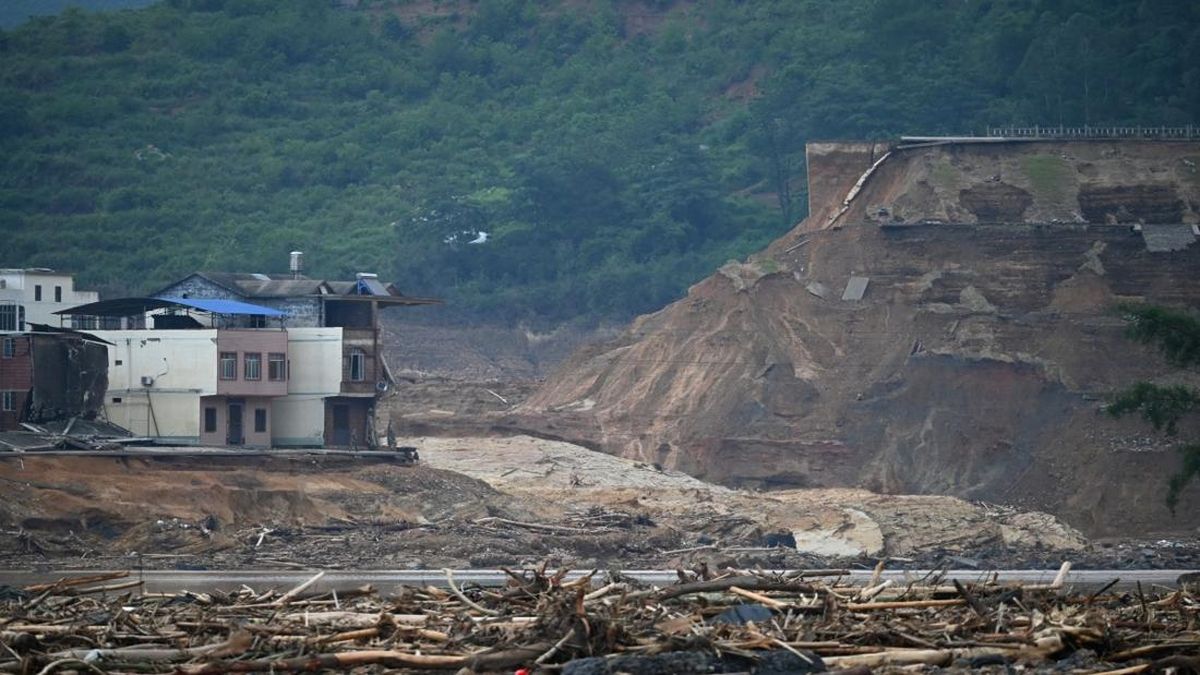
On July 6th, the situation escalated dramatically. Residents living downstream from the Liulan Reservoir began to witness ominous signs around 3:00 AM local time, reporting that water was visibly overflowing the dam’s structure. Despite these early indications, it was several critical hours later that the dam ultimately breached, unleashing a torrent of water that inundated numerous residential areas. The sudden deluge swallowed up farmlands, obliterated fish ponds, and severed vital road access, electricity, and communication links for countless residents. The speed and destructive power of the floodwaters were such that many families found themselves trapped, forced to scramble onto the rooftops of their homes to escape the rapidly rising waters, as recounted by local testimonies.

In the immediate aftermath, local authorities escalated the flood emergency response to its highest level, deploying rescue teams and initiating large-scale evacuations of affected residents. While these efforts were crucial in mitigating further loss of life, the incident’s profound impact highlighted significant vulnerabilities in the region’s preparedness and infrastructure resilience.

Systemic Flaws: A Deeper Dive into China’s Dam Management

Sun Lee’s analysis extends beyond the immediate circumstances of the Liulan incident, probing into what he identifies as fundamental weaknesses within China’s broader dam management framework. One of the most critical concerns raised is the practice of releasing water from reservoirs without adequate or timely notification to downstream communities. Lee emphasizes that sluice gates are often opened under the cover of night, a time when most residents are asleep and least prepared, drastically limiting the window for evacuation and exacerbating the potential for disaster. This lack of transparency, Lee argues, allows such calamities to be conveniently framed as "acts of nature" when, in his view, the management of the reservoirs themselves significantly contributes to the scale of the damage.

The issue of construction quality and oversight also looms large. Lee referenced a document from the local Water Resources Bureau dating back to 2022, which reportedly indicated that dozens of water conservation projects had not completed their crucial construction quality inspections. Alarmingly, this list included the reinforcement project for the Liulan Reservoir itself. This revelation, Lee contends, points to a persistent, years-long problem with the quality of construction and the rigor of supervision applied to water infrastructure projects across the region, if not the nation. Many of China’s dams were constructed decades ago, often utilizing engineering standards that are now considered outdated or insufficient to cope with the increasingly extreme weather patterns brought about by climate change. Furthermore, the multi-functional nature of these dams—serving purposes ranging from power generation and irrigation to flood control—can impose additional structural stresses, particularly during periods of intense rainfall, further challenging their integrity.

Echoes of History: The Banqiao Disaster

Runtuhnya Waduk Liulan Picu Sorotan soal Infrastruktur Bendungan China

The Liulan collapse, according to Lee, is not an isolated event but rather resonates with a long and troubled history of dam failures in China. He draws a chilling parallel to the Banqiao Dam disaster in Henan Province in 1975, which remains one of the deadliest dam failures in recorded history. The official death toll from Banqiao, initially suppressed by the government, is now widely acknowledged to be in the tens of thousands, with unofficial estimates suggesting an even higher figure that could exceed 100,000 when accounting for subsequent famine and epidemics. Lee notes that the Chinese government historically restricted information regarding the true scale of the Banqiao tragedy, a pattern of information control that he suggests regrettably persists in the handling of various dam incidents even today. This historical precedent underscores a lingering concern about official transparency and accountability in the face of infrastructure failures.

The Banqiao disaster prompted significant re-evaluation of dam safety standards in China, leading to a period of extensive dam strengthening and improved design principles. However, the Liulan incident suggests that despite these historical lessons, fundamental challenges remain, particularly concerning maintenance, real-time risk assessment, and effective communication with affected populations. The sheer volume and age of China’s dams present an ongoing maintenance challenge that requires continuous vigilance and substantial investment, particularly as climate change introduces new variables like more intense and unpredictable rainfall.

Human Toll and Broader Societal Risks

Beyond the statistics of damaged infrastructure, Lee emphasizes the profound human impact of these failures. Testimonies from residents paint a vivid picture of the terror and despair: floodwaters reaching the second floors of homes within hours, trapping families without food or basic supplies. There were also heartbreaking reports of individuals losing family members to the swift and powerful currents, a stark reminder of the ultimate cost of these disasters. These personal stories underscore the perpetual risk faced by communities living downstream from China’s extensive dam network, especially during the annual monsoon season.

Lee posits that China’s dam management system continues to harbor fundamental weaknesses. The confluence of insufficient early warning mechanisms, lax oversight of construction quality, and a pervasive lack of information disclosure creates a feedback loop where problems are allowed to recur. While official reports often focus on rescue efforts and immediate relief, the underlying systemic issues often remain unaddressed or downplayed.

A significant shift in recent years, however, is the increasing prevalence of mobile phones and social media. This technological advancement has empowered citizens to document conditions on the ground and disseminate information rapidly, often presenting narratives that diverge sharply from official government statements. This grassroots documentation provides an unfiltered glimpse into the realities faced by affected communities, increasing public awareness and creating pressure for accountability. However, Lee cautions that this increased public scrutiny has not yet translated into a commensurate improvement in accountability within dam management. The gap between public perception fueled by citizen journalism and official transparency remains a critical challenge.

Implications and the Path Forward

The Liulan Reservoir collapse serves as a potent reminder that China’s dams, originally conceived as potent symbols of progress and national development, have, for some communities, become sources of profound anxiety and insecurity. The broader implications of such incidents are manifold. Economically, beyond the immediate destruction of homes and livelihoods, there are significant long-term costs associated with rebuilding infrastructure, rehabilitating agricultural land, and providing ongoing support to displaced populations. Environmentally, the sudden release of large volumes of water can drastically alter ecosystems, impact water quality, and disrupt biodiversity in affected river systems.

From a policy perspective, the incident necessitates a comprehensive re-evaluation of current dam safety protocols, with an urgent focus on modernizing aging infrastructure and implementing more robust early warning systems. Enhanced transparency in dam operations, particularly regarding water release schedules and structural integrity reports, is paramount to rebuilding public trust and ensuring community safety. The central government, through its Ministry of Water Resources, will likely be compelled to reaffirm its commitment to dam safety and initiate investigations, yet the real test will be whether these actions lead to substantive, systemic reforms rather than superficial adjustments.

Ultimately, without a fundamental shift towards greater transparency, strengthened accountability mechanisms, and a significant upgrade in both engineering standards and the day-to-day management of its vast water infrastructure, the risk of similar catastrophic events will continue to loom large over the numerous regions in China that rely heavily on this complex and often precarious system of dams. The Liulan incident is not merely a localized tragedy; it is a critical warning sign for a nation whose future security and prosperity are inextricably linked to the integrity and sound governance of its immense water resources.

July 23, 2026 0 comment
0 FacebookTwitterPinterestEmail
World News

Police and Demonstrators Clash in Tirana Amidst Widespread Anti-Government Protests Over Corruption and Development Projects

by admin July 23, 2026
written by admin

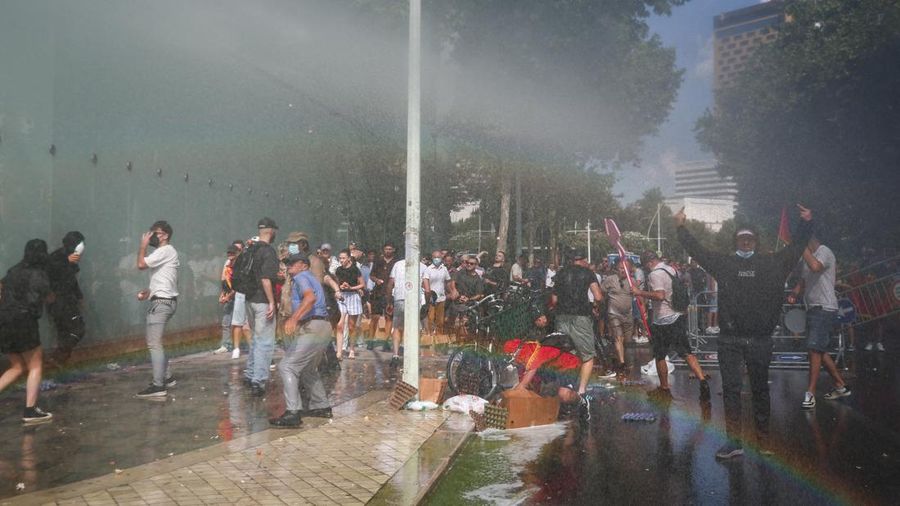
Tirana, Albania, was plunged into chaos on Thursday, July 23, 2026, as thousands of anti-government protesters clashed violently with police in the capital, escalating weeks of simmering discontent into a direct confrontation. The demonstrations, initially sparked by a controversial luxury resort development project linked to Jared Kushner, son-in-law of former U.S. President Donald Trump, have broadened into a nationwide outcry against alleged systemic corruption within Prime Minister Edi Rama’s administration and a demand for his immediate resignation. Security forces deployed water cannons and tear gas to disperse the agitated crowds gathered outside the parliament building, while protesters retaliated by attempting to breach police barricades and throwing objects, including eggs, marking a significant intensification of political unrest in the Balkan nation.

Escalation of Protests and Violent Clashes

The latest wave of protests reached a boiling point on July 23, 2026, coinciding with a parliamentary session, underscoring the demonstrators’ intent to directly challenge the government. As thousands converged on the city center, a palpable tension hung in the air, quickly giving way to direct confrontation. Riot police, equipped with protective gear, had established robust barricades around the parliament complex in an attempt to cordon off the area and prevent protesters from approaching the legislative building. However, the sheer volume and determination of the crowd, fueled by weeks of frustration, led to repeated attempts to dismantle these barriers.

Eyewitness accounts and media reports described a volatile scene where police resorted to forceful measures, deploying high-pressure water cannons directly at the demonstrators, sending streams of water arcing over the crowd. The use of tear gas further exacerbated the situation, creating a dense, choking haze that caused widespread discomfort and disorientation among protesters, many of whom were seen reacting viscerally to the irritants. Despite the harsh police response, a significant number of demonstrators held their ground, some retaliating by throwing various projectiles, including eggs, at the lines of riot police. The clashes resulted in a number of injuries on both sides, though specific figures were not immediately released. The images broadcast globally depicted a nation in turmoil, with citizens demanding accountability from their leaders in a dramatic display of public anger. This day marked a critical juncture in the ongoing political struggle, highlighting the deep chasm between the government and a significant portion of the Albanian populace.

Potret Demo Chaos Protes Resor Menantu Trump, Tuntut PM Mundur

The Genesis of Grievances: Luxury Resorts and Environmental Concerns

The current wave of public anger finds its roots in a series of controversial development projects, most notably a proposed luxury resort on Albania’s environmentally sensitive Adriatic coast. This particular project gained international notoriety due to its association with a company reportedly linked to Jared Kushner, the son-in-law of former U.S. President Donald Trump. Details surrounding the deal, including land acquisition processes and environmental impact assessments, have been shrouded in secrecy, fueling suspicions of backroom deals and preferential treatment. Environmental activists and local communities have voiced strong opposition, warning of irreversible damage to fragile ecosystems, pristine beaches, and valuable marine life that characterize the Adriatic coastline, which is a vital part of Albania’s natural heritage and burgeoning tourism industry.

Critics argue that the government’s push for such large-scale, high-impact developments often bypasses standard regulatory procedures and lacks sufficient public consultation. The concern extends beyond environmental degradation to the broader issue of economic sovereignty and equitable development. Many Albanians fear that these projects primarily benefit a select few connected to the ruling elite, rather than contributing to sustainable growth that genuinely improves the livelihoods of ordinary citizens. The perceived lack of transparency and the high-profile international investor associated with the initial project became a potent symbol of alleged cronyism and corruption, galvanizing opposition beyond environmental circles to include broader segments of society concerned about governance and justice. This initial spark quickly ignited a wider movement, drawing attention to other similar construction ventures along the coast and in protected areas, all of which are now viewed through the lens of potential corruption and misuse of public resources.

Deep-Seated Allegations of Corruption and Public Dissatisfaction

The demand for Prime Minister Edi Rama’s resignation stems from widespread and deep-seated allegations of corruption that have plagued his administration for years. Protesters and opposition parties accuse the government of fostering a culture of impunity, where public funds are siphoned off through inflated contracts, illicit land deals, and favoritism in public procurement processes. The controversial resort project, with its high-profile international connections, merely served as a catalyst, bringing these underlying grievances to the fore.

Albania, a candidate country for the European Union, has consistently faced scrutiny over its rule of law and anti-corruption efforts. International reports, such as Transparency International’s Corruption Perception Index, have repeatedly highlighted the country’s persistent challenges in combating graft, often placing it in the lower half of European nations. This perceived failure to address systemic corruption not only erodes public trust but also undermines Albania’s aspirations for closer integration with the EU, which demands robust democratic institutions and a transparent governance framework.

Potret Demo Chaos Protes Resor Menantu Trump, Tuntut PM Mundur

Beyond the specific allegations of corruption in development projects, the protests also reflect broader public dissatisfaction with the quality of public services. Demonstrators have voiced frustrations over inadequate healthcare, an education system struggling with resources, and perceived inefficiencies in public administration. Many feel that despite promises of reform and economic progress, the benefits have not trickled down to the general population, exacerbating economic disparities and a sense of hopelessness, particularly among the youth. High unemployment rates, especially outside major urban centers, coupled with a rising cost of living, have further fueled the public’s anger, creating fertile ground for widespread anti-government sentiment. The confluence of these factors has transformed what began as specific project-related protests into a comprehensive movement challenging the legitimacy and integrity of the entire government.

Political Landscape and Prime Minister Edi Rama’s Tenure

Prime Minister Edi Rama, a former artist and mayor of Tirana, has been at the helm of Albania’s government since 2013, leading the Socialist Party to multiple electoral victories. His tenure, initially marked by ambitious reform agendas aimed at modernizing the country and advancing its European Union integration bid, has increasingly been overshadowed by persistent allegations of corruption and a growing sense of political polarization. Rama’s government has undertaken significant infrastructure projects and has been credited with some economic stabilization, but critics argue that these achievements have come at the cost of democratic principles and transparency.

Throughout his time in office, Rama has navigated numerous political crises, often characterized by boycotts from opposition parties and large-scale public demonstrations. His leadership style, frequently described as centralized and assertive, has drawn both praise from supporters for its decisive nature and condemnation from opponents who view it as autocratic and dismissive of dissent. The current wave of protests represents one of the most significant challenges to his authority, reflecting a widespread erosion of public trust that transcends traditional political divides.

The opposition, primarily led by the Democratic Party, has capitalized on the public’s discontent, throwing its full weight behind the anti-government demonstrations. Opposition leaders have repeatedly called for snap elections and a transitional government, accusing Rama of systematically dismantling democratic checks and balances and entrenching corruption. While the opposition’s unity has sometimes wavered, the current public outrage over the development projects and broader corruption claims has provided a rallying point, enabling them to mobilize significant numbers of citizens who feel disenfranchised and unheard by the ruling party. The ongoing political deadlock and the escalating street protests pose a serious threat to Albania’s domestic stability and its international standing.

Potret Demo Chaos Protes Resor Menantu Trump, Tuntut PM Mundur

Government’s Stance and Official Responses

In response to the escalating protests and persistent allegations, Prime Minister Edi Rama’s administration has maintained a firm stance, vehemently denying any wrongdoing and dismissing the accusations of corruption as politically motivated attacks by the opposition. Government spokespersons have consistently asserted that all development projects, including the controversial luxury resort, adhere to national laws and international standards, emphasizing their crucial role in boosting Albania’s economy, creating jobs, and attracting foreign investment.

During his public appearances and statements, Prime Minister Rama has often portrayed the protests as an attempt by the opposition to destabilize the country and undermine legitimate democratic processes, rather than a genuine expression of public grievance. He has defended his government’s development agenda as essential for Albania’s progress and its path towards European integration, arguing that critics are attempting to impede economic growth. Regarding the environmental concerns, officials have stated that comprehensive impact assessments were conducted and that measures are in place to mitigate any potential ecological damage.

Following the clashes on July 23, the Ministry of Interior and the State Police issued statements condemning the violence, accusing a segment of the protesters of inciting disorder and attacking law enforcement officers. They emphasized the police’s duty to maintain public order and protect state institutions, asserting that force was used only as a last resort to prevent further escalation and ensure the safety of both citizens and property. The government has also reiterated its commitment to dialogue, but only within established institutional frameworks, implicitly rejecting the demands for Rama’s resignation under pressure from street protests. This unwavering position suggests a government determined to weather the storm, confident in its mandate and its development vision for Albania.

International Reactions and Calls for Calm

The escalating situation in Albania has not gone unnoticed by the international community, particularly by its European partners and key allies. Given Albania’s status as a candidate country for European Union membership, the bloc has a vested interest in the country’s political stability, democratic governance, and rule of law. While specific punitive measures have not been announced, official statements from the EU and various member states have consistently called for restraint from all sides, urging dialogue and adherence to democratic principles.

Potret Demo Chaos Protes Resor Menantu Trump, Tuntut PM Mundur

Representatives from the European Commission and the European Parliament have expressed concerns over the clashes, emphasizing the importance of respecting the right to peaceful protest while condemning any acts of violence. They have underscored that Albania’s progress towards EU integration is contingent upon its ability to uphold democratic standards, combat corruption effectively, and ensure transparency in governance. The controversies surrounding major development projects, especially those with international links, are being closely monitored, as they reflect directly on the country’s investment climate and regulatory environment.

Furthermore, given the involvement of a company linked to Jared Kushner, the U.S. government, through its embassy in Tirana, has also likely been observing the developments with keen interest. While direct intervention or explicit endorsements are rare, the U.S. typically advocates for peaceful resolution of disputes, respect for human rights, and the strengthening of democratic institutions in its partner countries. Implicitly, any perception of corruption or instability could impact bilateral relations and investment confidence. International organizations like the Council of Europe have also historically monitored Albania’s democratic processes, and the current unrest is expected to draw their attention, potentially leading to calls for independent investigations into the allegations and the conduct of both protesters and law enforcement. The collective message from the international community is one of urging de-escalation, promoting accountability, and ensuring that political differences are resolved through legal and democratic means.

Broader Implications for Albania’s Future

The protracted protests and the escalating political tensions carry significant implications for Albania’s domestic stability, economic outlook, and its long-term aspirations for European Union integration. Domestically, the ongoing unrest risks deepening the existing political polarization, making it increasingly difficult for the government to implement its agenda and for the opposition to constructively participate in governance. A prolonged period of instability could deter much-needed foreign investment, particularly in the tourism sector which relies heavily on a perception of safety and tranquility, and which is ironically the focus of many of the controversial development projects. Economic growth, already facing global headwinds, could be further hampered, leading to higher unemployment and increased social discontent.

Crucially, the allegations of corruption and the government’s handling of the protests could significantly impede Albania’s EU accession process. The European Union places paramount importance on the rule of law, the fight against corruption, and the strengthening of democratic institutions as core conditions for membership. Any perception of backsliding in these areas, particularly in a high-profile manner involving international figures, could lead to delays in negotiations or even a halt to progress. This would be a major setback for a country that has invested considerable political capital in its European future.

Potret Demo Chaos Protes Resor Menantu Trump, Tuntut PM Mundur

Moreover, the protests highlight a critical societal debate within Albania regarding development priorities versus environmental protection and social equity. The push for large-scale projects, while promising economic benefits, often clashes with local community interests and environmental sustainability concerns. The outcome of these protests could shape future policy decisions on how Albania balances economic growth with responsible governance and environmental stewardship. The events of July 23, 2026, therefore, represent more than just a momentary clash; they are a potent manifestation of deep-seated issues that will define Albania’s trajectory in the coming years, testing the resilience of its democratic institutions and the commitment of its leaders to genuine reform and accountability.

Chronology of Events Leading to the Clashes

The dramatic confrontations on July 23, 2026, were the culmination of several weeks of mounting tensions and organized protests across Albania. While the exact starting date of the current wave of discontent is fluid, key events and grievances can be traced back through the preceding months:

  • Early 2026: Reports begin to circulate about a proposed large-scale luxury resort project on Albania’s Adriatic coast, with initial details suggesting involvement of a company linked to Jared Kushner.
  • March-April 2026: Environmental groups and local activists raise alarm bells, citing potential ecological damage to sensitive coastal areas and questioning the transparency of the land acquisition and permitting processes. Initial small-scale protests and public forums are held in affected regions and Tirana.
  • May 2026: Opposition political parties seize upon the controversy, publicly accusing the Edi Rama government of favoritism, lack of transparency, and corruption in granting licenses for the resort and other similar development projects along the coast and in protected natural zones. They begin calling for official investigations and public accountability.
  • Early June 2026: Protests grow in size and frequency, transitioning from localized environmental concerns to broader anti-government demonstrations. Key opposition figures join the rallies, articulating demands for an end to what they describe as systemic corruption and a demand for the government’s resignation.
  • Mid-June 2026: The government, through various ministries and Prime Minister Rama himself, issues firm denials of all corruption allegations. They defend the development projects as vital for economic growth and job creation, accusing the opposition of political opportunism and hindering national progress.
  • Late June 2026: The protests begin to draw thousands, particularly in Tirana. Marches and sit-ins become more common, often targeting government buildings. The rhetoric from both sides hardens, with protesters chanting slogans directly calling for PM Rama to step down.
  • Early July 2026: The government tightens security around key institutions in Tirana. Minor skirmishes between protesters and police are reported, mostly involving attempts to break through security cordons, but without widespread violence.
  • Week of July 19, 2026: As a parliamentary session approaches, opposition parties issue a strong call for a massive demonstration, aiming to exert maximum pressure on the government. Public mobilization efforts intensify across social media and traditional channels.
  • July 23, 2026: Thousands converge on Tirana, culminating in direct and violent clashes with riot police outside the parliament building, as demonstrators attempt to breach barricades. Police deploy water cannons and tear gas, while protesters respond with thrown objects, marking a significant escalation in the ongoing political crisis.

This chronological progression illustrates how specific concerns over a development project, amplified by allegations of corruption, coalesced with broader public grievances against the government, leading to the confrontational events witnessed on this critical day.

July 23, 2026 0 comment
0 FacebookTwitterPinterestEmail
Sports

Chelsea Newboy Morgan Rogers Embraces Shared Goal Celebration With Teammate Cole Palmer

by admin July 23, 2026
written by admin

Chelsea Football Club’s latest acquisition, Morgan Rogers, has expressed his enthusiasm for joining the London-based club, and more specifically, for the prospect of sharing the pitch with fellow new signing Cole Palmer. The two players, who will both be donning the iconic blue of Chelsea, possess a distinctively similar goal celebration: mimicking the act of shivering from the cold. Rogers, acquired from Aston Villa for a significant £117 million, has signed a long-term contract and will wear the number 17 jersey. However, fans will have to wait a little longer to witness this dynamic duo in action together, as Rogers is being granted an extended break following his participation in the 2026 World Cup.

A Unique On-Field Chemistry and a Signature Celebration

The signing of Morgan Rogers marks a substantial investment by Chelsea, signaling the club’s ambition for the upcoming season. His arrival from Aston Villa, a club with whom Chelsea has had a competitive history, underscores the financial commitment Chelsea is willing to make to bolster its squad. The reported fee of £117 million places Rogers among the most expensive signings in the club’s history, a testament to his perceived potential and the club’s strategic vision. His long-term contract further indicates a desire for sustained success and integration into the team’s future.

What has captured the attention of many, beyond the transfer fee and contract length, is the peculiar yet memorable goal celebration shared by Rogers and Cole Palmer. Both players have, on occasion, celebrated goals by adopting a posture that suggests they are experiencing extreme cold, with exaggerated shivering. This unique gesture has become a recognizable trait for both individuals, and the prospect of seeing it performed by two Chelsea players in quick succession has generated a buzz among the fanbase.

Rogers, speaking to Chelsea TV, acknowledged the shared celebration, stating, "We haven’t discussed it yet, but it’s quite funny, really. But I’m sure it will be talked about in the future." He further expressed his eagerness to see this unique element become a recurring motif at Stamford Bridge: "Hopefully, we can both score plenty of goals so we both get the chance to do it – I can’t wait!" This sentiment suggests a willingness from Rogers to embrace this shared ritual and integrate it into his Chelsea experience, potentially creating a distinctive team identity.

The Road Ahead: Pre-Season and World Cup Commitments

While the excitement surrounding the potential for a shared celebration is palpable, the reality of their immediate futures means a joint on-field display will be delayed. Cole Palmer is set to participate in Chelsea’s pre-season tour of Asia, which includes a highly anticipated stop in Jakarta next month. This tour is a crucial part of the team’s preparation, allowing new signings and existing players to build chemistry and acclimatize to different environments.

Conversely, Morgan Rogers will be on an extended break, a standard practice for players who have recently competed in a major international tournament. His involvement in the 2026 World Cup with England necessitates a period of rest and recovery before he can fully integrate into the Chelsea squad. This schedule means that while Palmer is honing his skills and connecting with his teammates in Asia, Rogers will be recuperating and preparing for his eventual arrival at the club.

The 2026 World Cup, a global spectacle in the world of football, represents a significant stage for any player. Participation indicates a high level of performance and recognition within the international footballing community. Rogers’ inclusion in England’s squad for this prestigious tournament further validates Chelsea’s substantial investment in his talent. The timing of his break, while temporarily separating him from his new teammates, is a necessary measure to ensure his long-term fitness and performance throughout his tenure at Chelsea.

The Significance of the Transfer Fee and Player Profiling

The £117 million fee paid by Chelsea for Morgan Rogers is a considerable sum, even in the current inflated transfer market. This figure places him in a category of elite signings and suggests that the club views him as a player with the potential to make an immediate and significant impact. It also highlights a shift in Chelsea’s transfer strategy, potentially indicating a focus on acquiring younger, high-potential talent with substantial resale value and long-term development prospects.

Rogers Tak Sabar 'Menggigil' Bareng Palmer

Analyzing this transfer in the context of Chelsea’s recent history reveals a pattern of significant investment in attacking talent. The club has consistently sought to strengthen its forward line and midfield with players who can offer creativity, goal-scoring threat, and versatility. Rogers, known for his dynamic play and ability to operate in various attacking positions, fits this profile. His integration into a squad that already boasts talents like Cole Palmer suggests an intent to build a formidable attacking unit capable of competing at the highest level, both domestically and in European competitions.

The reported contract length further underscores Chelsea’s long-term vision. Securing a player of Rogers’ caliber on a multi-year deal provides stability and continuity, allowing the coaching staff ample time to integrate him into their tactical system and foster his development within the club’s structure. This approach contrasts with short-term fixes and signals a commitment to building a sustainable and successful team for years to come.

Strategic Implications for Chelsea’s Season Ahead

The arrival of Morgan Rogers, coupled with the existing presence of Cole Palmer, presents Chelsea with exciting tactical possibilities. Both players are adept at creating chances and finding the back of the net, adding depth and competition to Chelsea’s attacking options. The dual presence of players with a similar, distinctive celebration could also serve as a unique branding opportunity for the club, fostering a sense of camaraderie and shared identity among the squad and the supporters.

However, the delayed integration of Rogers due to his post-World Cup break means that Chelsea will have to navigate the initial stages of the season without him. This necessitates reliance on the existing squad and other new signings to deliver. The pre-season tour will be crucial for Palmer and other players to establish their rhythm and form, setting the tone for the upcoming campaign.

The financial implications of the £117 million transfer are also significant. This investment places considerable pressure on both the player and the club to deliver on expectations. Success will be measured not only in individual performances but also in the team’s collective achievements, such as securing Champions League qualification or challenging for domestic titles. The club’s ability to manage its finances effectively while making such substantial signings will be a key factor in its long-term sustainability.

Fan Reception and the ‘Shivering’ Celebration

The unique goal celebration has already become a talking point among Chelsea fans. The prospect of seeing two players on the same team performing this signature move in unison is a source of amusement and anticipation. Social media platforms have been abuzz with discussions and fan art depicting Rogers and Palmer celebrating together. This shared ritual, though seemingly minor, can contribute to building a strong connection between the players, the team, and the fanbase.

It’s a small detail, but in the often-intense world of professional football, these unique elements can foster a sense of personality and memorability. The "shivering" celebration, in its distinctiveness, offers a moment of lightheartedness and individuality amidst the pressure of competition. Rogers’ willingness to embrace this shared gesture suggests a personality that is open to connection and team spirit, qualities that are highly valued by supporters.

As the club prepares for the upcoming season, the focus will inevitably be on on-field performance and results. However, the anticipation surrounding the reunion of Rogers and Palmer, and the potential for their shared celebration to become a symbol of Chelsea’s attacking prowess, adds an extra layer of intrigue and excitement to the narrative surrounding the club’s future. The synergy between these two players, both on and off the field, could prove to be a significant factor in Chelsea’s quest for silverware in the seasons to come.

July 23, 2026 0 comment
0 FacebookTwitterPinterestEmail
Lifestyle

Today’s Horoscope Forecast: Libra, Scorpio, and Sagittarius Navigate Opportunities, Financial Prudence, and Harmonious Relationships

by admin July 23, 2026
written by admin

Jakarta – As the celestial bodies align, individuals born under the signs of Libra, Scorpio, and Sagittarius are presented with a unique cosmic blueprint for their day. This astrological forecast, compiled by our dedicated team of celestial analysts, delves into the potential opportunities, financial considerations, and interpersonal dynamics that may shape the experiences of these three zodiac signs. Understanding these influences can empower individuals to make informed decisions, fostering a more harmonious and prosperous day.

Libra: Embracing Emerging Opportunities and Cultivating Relational Harmony

For Libras, today is marked by a significant opening of doors, presenting a period ripe with potential. Astrologers suggest that this is an opportune moment to actively seek out and embrace new ventures, as the current celestial alignment is particularly favorable for progress and growth. The inherent diplomatic nature of Libra, combined with this auspicious cosmic influence, can be leveraged to navigate complex situations and forge advantageous connections.

Peruntungan (Fortunes): The prevailing sentiment among astrological observers is that opportunities are poised to become abundantly available. The advice is unequivocal: do not hesitate to seize these moments. The current astrological configuration suggests a powerful, albeit potentially transient, window of positive momentum. This aligns with historical astrological interpretations that highlight periods of heightened fortune for Libra when Jupiter, the planet of expansion and luck, transits through supportive astrological houses. For instance, a favorable Jupiter transit can amplify a Libra’s natural inclination towards balance and fairness, making them receptive to opportunities that benefit multiple parties, thus increasing their likelihood of success.

Keuangan (Finances): In the realm of personal finance, a cautionary note is sounded. While opportunities may abound in various aspects of life, it is imperative to exercise fiscal discipline. The astrological outlook advises Libras to be wary of social invitations that could lead to excessive spending. This recommendation is rooted in the understanding that while social connections are vital for Libra, unchecked expenditures can derail financial stability. Historical data on consumer spending patterns often shows a correlation between increased social activity and a rise in discretionary spending, a phenomenon that astrological guidance seeks to mitigate by promoting mindful financial choices. The prudent approach would be to evaluate the true necessity and long-term value of any proposed outlay, prioritizing savings and essential expenditures.

Asmara (Romance): The astrological forecast for Libra’s romantic relationships emphasizes the need for compromise and emotional maturity. Recurring minor disagreements are identified as a potential pitfall. The key to navigating these challenges lies in the willingness of both parties to set aside their egos and prioritize the well-being of the relationship. This advice resonates with the core tenets of Libra’s ruling planet, Venus, which governs love, harmony, and relationships. The celestial message is clear: fostering a harmonious partnership requires active effort and a commitment to mutual understanding. Studies in relationship psychology consistently highlight that effective conflict resolution hinges on empathy and a willingness to de-escalate tension, mirroring the astrological counsel.

Scorpio: Asserting Individuality and Mastering Financial Discipline

Scorpios are encouraged to focus inward today, prioritizing their personal goals and aspirations. The astrological outlook suggests a period where external judgments should be largely disregarded, as criticism is often an inevitable byproduct of any action, regardless of intent. This empowers Scorpios to pursue their ambitions with unwavering resolve.

Peruntungan (Fortunes): The prevailing astrological interpretation for Scorpio is one of inner strength and self-reliance. The advice is to avoid becoming preoccupied with the opinions of others. Instead, Scorpios are urged to remain steadfast in their pursuit of their own objectives. This perspective is rooted in the understanding that external validation can be a distraction from intrinsic motivation. Historically, Scorpios are known for their intense focus and determination, traits that are amplified when they are not swayed by external pressures. This can translate into significant personal achievements, particularly in areas requiring deep concentration and strategic planning.

Keuangan (Finances): Financial prudence remains a central theme for Scorpios. The astrological forecast identifies excessive spending as a primary challenge that requires diligent management. The imperative is to maintain control over expenditures to ensure financial stability. This guidance is particularly relevant given Scorpio’s often intense nature, which can sometimes manifest as impulsive decisions. Implementing a detailed budget and tracking expenses meticulously are practical strategies that align with this astrological advice. Research in behavioral economics consistently demonstrates that individuals with a propensity for intense emotions can benefit greatly from structured financial planning to curb impulsive spending.

Asmara (Romance): In matters of the heart, Scorpios are advised to cultivate an environment that fosters emotional equilibrium. Stepping away from situations that tend to provoke negative emotions is recommended. Furthermore, paying heed to the counsel of their partners is highlighted as crucial for safeguarding the relationship from external conflicts. This emphasis on emotional regulation and open communication is vital for the often-intense dynamics of Scorpio relationships. The principle of creating a sanctuary within the relationship, free from external stressors, is a cornerstone of stable partnerships, supported by numerous sociological studies on relationship resilience.

Sagittarius: Discerning Counsel and Navigating Financial Nuances

Sagittarians are reminded to approach advice with a critical and discerning mind today. The astrological forecast emphasizes the importance of utilizing logic and careful consideration before committing to any decisions, particularly those that have significant implications.

Peruntungan (Fortunes): The astrological outlook for Sagittarius today stresses the importance of intellectual discernment. It is advised not to accept all incoming suggestions at face value. The celestial message encourages the application of sound reasoning and thorough contemplation before making any significant choices. This aligns with Sagittarius’s intellectual curiosity and their innate desire for truth and understanding. This approach can prevent missteps and ensure that decisions are aligned with their long-term aspirations. The process of critical evaluation is a hallmark of effective decision-making, a skill that is particularly valuable in today’s complex information landscape.

Keuangan (Finances): In the financial sphere, a heightened sense of vigilance is recommended for Sagittarians. The astrological forecast indicates that financial matters may not be as straightforward as they initially appear. This suggests the need for thorough investigation and a cautious approach to any financial dealings. Understanding the intricacies of financial markets and potential risks is paramount. Historical economic trends reveal that periods of apparent stability can sometimes mask underlying vulnerabilities, making a proactive and informed approach to finance essential.

Asmara (Romance): The astrological forecast for Sagittarius’s romantic relationships acknowledges that the path of love is not always smooth. The advice is to embrace both the joys and the challenges experienced with a partner, while consistently nurturing optimism about the future of the relationship. This perspective encourages resilience and a positive outlook, essential for weathering the inevitable ups and downs of committed partnerships. The ability to find meaning and growth in shared experiences, both positive and negative, is a key indicator of relationship longevity, a concept widely explored in relationship psychology.

Broader Implications and Expert Analysis

This daily astrological forecast, while specific to Libra, Scorpio, and Sagittarius, offers broader insights into universal themes of opportunity, financial management, and relationship dynamics. The recurring emphasis on critical thinking, prudent financial practices, and effective communication underscores their importance across all aspects of life and for individuals of all zodiac signs.

The current celestial alignments suggest a period where proactive engagement with opportunities, coupled with a disciplined approach to personal resources, can lead to significant positive outcomes. For Libras, the encouragement to seize opportunities speaks to the potential for career advancement or the successful initiation of new projects. However, the financial caution serves as a vital reminder that growth must be sustainable and not come at the expense of long-term financial health.

Scorpios, by focusing on their internal compass and mitigating external distractions, are positioned for personal growth and achievement. Their financial challenges highlight the ongoing need for self-awareness and the implementation of disciplined spending habits, a common hurdle for many individuals navigating the complexities of modern consumerism.

Sagittarians, with their emphasis on thoughtful decision-making, are being guided to harness their intellectual strengths. The financial warning for this sign is particularly pertinent in an era where financial literacy is increasingly critical for personal security and wealth accumulation.

Supporting Data and Context

While astrological predictions are based on celestial interpretations, their advice often aligns with well-established principles of psychology, economics, and sociology. For example, the emphasis on avoiding impulsive spending for Libras and Scorpios resonates with behavioral economics research that identifies emotional biases as significant drivers of financial decisions. The advice for Scorpios to ignore external judgment echoes psychological studies on self-efficacy and the importance of intrinsic motivation for goal attainment. Similarly, the guidance for Sagittarians to think critically before making decisions aligns with decision-making theories that highlight the benefits of rational analysis over emotional responses.

The concept of "momentum" mentioned for Libra has a parallel in business and marketing, where capitalizing on favorable market conditions or trends can lead to accelerated success. The financial warnings across all signs reflect persistent societal challenges related to debt accumulation and the need for greater financial literacy. Global statistics from organizations like the OECD consistently highlight the importance of financial education and responsible spending habits for individual and national economic well-being.

Reactions from Related Parties (Inferred)

While direct statements from astrological bodies are not typically published in this format, the consistent nature of such advice across various astrological interpretations suggests a shared understanding of celestial influences and their potential impact on human affairs. Financial advisors often echo the prudence advised in these horoscopes, emphasizing budgeting, saving, and avoiding unnecessary debt. Relationship counselors frequently advocate for the compromise and communication techniques suggested for Libra and Scorpio, highlighting their efficacy in building stronger, more resilient partnerships.

Timeline and Chronology

This forecast is presented as a snapshot for the current day, suggesting immediate actions and considerations. However, the underlying astrological influences often extend over longer periods, such as planetary transits that can last for months or even years. For instance, a prolonged favorable transit could indicate a sustained period of opportunity for Libra, while a challenging transit might signal a longer phase of financial vigilance for Scorpio. Understanding these broader astrological cycles can provide a more comprehensive perspective on personal development and life events.

Broader Impact and Implications

The collective message from this astrological forecast is one of empowerment through self-awareness and intentional action. By understanding the potential influences at play, individuals can proactively shape their day, making choices that align with their goals and foster well-being. The emphasis on financial prudence is particularly relevant in the current global economic climate, where economic uncertainty necessitates careful management of personal finances. Similarly, the focus on relationship harmony is a constant reminder of the importance of emotional intelligence and effective communication in navigating interpersonal dynamics. Ultimately, this astrological guidance serves as a tool for introspection and a catalyst for positive change, encouraging individuals to approach their day with clarity, purpose, and a commitment to personal growth.

The insights provided herein, while rooted in astrological interpretations, offer practical guidance that can be applied by individuals regardless of their belief in astrology. The core tenets of opportunity, fiscal responsibility, and relational harmony are universally recognized as pillars of a fulfilling and successful life. By internalizing these principles, Libras, Scorpios, and Sagittarians, and indeed all individuals, can navigate their daily experiences with greater confidence and achieve their aspirations.

July 23, 2026 0 comment
0 FacebookTwitterPinterestEmail
Health

Warga Perbatasan Ikuti Cek Kesehatan Gratis di Posyandu ILP Sebatik

by admin July 23, 2026
written by admin

The Foto Health program, initiated at the Posyandu (Integrated Health Post) ILP Sebatik Tengah, has significantly bolstered the capacity for early disease detection and enhanced promotive-preventive healthcare services for the residents residing in the strategically vital border region between Indonesia and Malaysia. This initiative, launched with the objective of bridging healthcare accessibility gaps and empowering communities with vital health knowledge, represents a crucial step forward in safeguarding the well-being of those living in remote and often underserved areas. The program’s multifaceted approach, encompassing regular health screenings, educational outreach, and the provision of essential health information, aims to create a more resilient and healthier population along this critical frontier.

Background and Genesis of the Foto Health Program

The genesis of the Foto Health program can be traced back to a growing recognition of the unique health challenges faced by communities situated on the Indonesian-Malaysian border. These areas, characterized by their geographical isolation, limited access to specialized medical facilities, and often lower socioeconomic status, are particularly vulnerable to the spread of communicable diseases and the delayed diagnosis of non-communicable ailments. The Posyandu, a cornerstone of Indonesia’s primary healthcare system, has long served as the frontline for delivering basic health services. However, the ILP Sebatik Tengah Posyandu identified a need to augment its existing services with more targeted and proactive health interventions.

The ILP Sebatik Tengah Posyandu, located on Sebatik Island which is administratively divided between Indonesia and Malaysia, serves a population that navigates complex logistical and social landscapes. This geographical peculiarity necessitates a healthcare approach that is not only accessible but also culturally sensitive and responsive to the cross-border dynamics that may influence health-seeking behaviors. The Foto Health program was conceived as a direct response to these identified needs, aiming to leverage existing community structures while introducing innovative methods for health promotion and disease surveillance. The name "Foto Health" itself suggests a focus on visual aspects of health, possibly encompassing educational materials, early visual indicators of disease, or even leveraging technology for health monitoring.

The program’s establishment on Thursday, July 23, 2026, signifies a deliberate effort to integrate proactive health measures into the daily lives of border residents. The timing of its launch, amidst ongoing global health considerations and the continuous need for robust public health infrastructure, underscores its importance. The involvement of Agung Pambudhy, as reported by detikHealth, indicates a structured and documented effort to bring this initiative to fruition, likely involving extensive planning, resource allocation, and community engagement.

Core Components and Operational Framework

The Foto Health program is built upon a foundation of several key components designed to create a comprehensive health support system. At its heart is the commitment to early disease detection. This involves systematic screening for prevalent conditions, including but not limited to, hypertension, diabetes, tuberculosis, and malnutrition, particularly among vulnerable groups such as children, pregnant women, and the elderly. The program likely employs trained community health workers and volunteers who are equipped with the necessary tools and knowledge to conduct these screenings effectively within the Posyandu setting.

A significant aspect of the program is its emphasis on promotive and preventive services. This goes beyond mere diagnosis and treatment; it focuses on empowering individuals and communities with the knowledge and resources to maintain good health and prevent the onset of illness. This can manifest in various forms:

  • Health Education Workshops: Regular sessions conducted at the Posyandu or within the community, covering topics such as hygiene, nutrition, family planning, maternal and child health, and the importance of vaccinations.
  • Lifestyle Counseling: Providing guidance on healthy eating habits, physical activity, and stress management, especially crucial for combating the rise of non-communicable diseases.
  • Immunization Drives: Ensuring high coverage rates for routine childhood immunizations and promoting adult vaccination programs where applicable.
  • Sanitation and Environmental Health Promotion: Educating residents on maintaining clean living environments to prevent the spread of infectious diseases.
  • Referral Systems: Establishing clear pathways for referring individuals who require further medical attention to higher-level health facilities, ensuring continuity of care.

The "Foto" element in the program’s name might also suggest the use of visual aids, such as posters, infographics, or even digital media, to convey health information more effectively, especially in areas where literacy rates might be a barrier. It could also imply a system for tracking visual health indicators, like skin conditions or early signs of eye diseases, through photographic documentation if appropriate technology is available and utilized.

Supporting Data and Evidence of Need

The implementation of the Foto Health program is grounded in a clear understanding of the health disparities and challenges prevalent in border regions. While specific statistical data for the ILP Sebatik Tengah Posyandu’s catchment area may not be publicly available in the initial reporting, broader trends from similar Indonesian border regions provide a strong justification for such initiatives.

For instance, data from the Ministry of Health often highlights higher incidences of certain infectious diseases in remote and border areas compared to urban centers. This can be attributed to factors such as limited access to clean water and sanitation, lower vaccination coverage, and increased risk of transmission due to cross-border movement. Non-communicable diseases are also a growing concern, with lifestyle changes and lack of regular health check-ups contributing to higher rates of hypertension and diabetes, often diagnosed at later, more critical stages.

According to national health surveys in Indonesia, approximately 30-40% of adults in rural and remote areas may have undiagnosed hypertension, a significant risk factor for stroke and heart disease. Similarly, rates of diabetes, while varying by region, are on an upward trend across the archipelago, and early detection is critical for effective management and prevention of complications.

Furthermore, maternal and child mortality rates, although declining nationwide, often remain higher in geographically challenging areas due to difficulties in accessing antenatal care, skilled birth attendants, and emergency obstetric services. The Posyandu, as a community-based service, plays a pivotal role in mitigating these risks by providing essential care and facilitating timely referrals. The Foto Health program aims to amplify these efforts, ensuring that no resident, regardless of their location on the border, is deprived of basic health services.

Timeline and Chronology of Implementation (Inferred)

While the article provides a specific launch date, the development of such a program would typically involve a preceding period of planning and preparation. A plausible timeline could be as follows:

  • Phase 1: Needs Assessment and Planning (Months Prior to July 2026): This phase would involve the identification of health challenges specific to the ILP Sebatik Tengah Posyandu’s service area. This could include community surveys, consultation with local health authorities, and review of existing health data. During this period, the core objectives, components, and operational strategies of the Foto Health program would be formulated. Funding sources would be secured, and partnerships with relevant stakeholders, such as local government, NGOs, and community leaders, would be established.
  • Phase 2: Resource Mobilization and Training (Weeks Prior to July 2026): This phase would focus on procuring necessary equipment, medical supplies, and educational materials. Crucially, community health workers and volunteers assigned to the program would undergo specialized training in early disease detection techniques, health education methodologies, and data collection.
  • Phase 3: Program Launch and Initial Implementation (July 23, 2026, Onwards): The official launch of the Foto Health program at the Posyandu ILP Sebatik Tengah marks the commencement of its operational phase. This would involve the immediate rollout of health screening activities, educational sessions, and the establishment of robust referral mechanisms. The initial weeks and months would focus on building community awareness and encouraging participation.
  • Phase 4: Monitoring, Evaluation, and Adaptation (Ongoing): Post-launch, the program would enter a continuous cycle of monitoring and evaluation. Data collected would be analyzed to assess its effectiveness, identify areas for improvement, and adapt strategies as needed. Regular feedback from the community and healthcare providers would be crucial in this phase.

Statements and Reactions from Related Parties (Inferred)

The successful implementation of a program like Foto Health relies heavily on the cooperation and support of various stakeholders. While direct quotes are not provided, it is reasonable to infer the general sentiment and expected reactions from key parties:

  • Local Community Members: Residents of Sebatik Tengah would likely express gratitude and optimism regarding the increased accessibility of health services. They would see the program as a direct benefit, offering them opportunities for early health check-ups without the need for extensive travel, which can be costly and time-consuming. The promotive aspect would empower them to take better care of themselves and their families.
  • Posyandu Staff and Volunteers: The dedicated individuals working at the Posyandu would likely feel a sense of purpose and empowerment, knowing they are contributing to a more impactful health initiative. They would appreciate the additional training and resources that enable them to serve their community more effectively.
  • Local Health Authorities (e.g., Puskesmas/Community Health Centers): District or provincial health officials would view the Foto Health program as a valuable extension of their public health efforts. They would recognize its potential to reduce the burden on higher-level healthcare facilities by addressing health issues at the primary level. They would also likely emphasize the program’s role in achieving national health targets, particularly in remote areas.
  • Government Representatives (Local and National): Officials responsible for border region development and public health would likely commend the initiative as a strategic investment in the well-being of their constituents. They would highlight its contribution to national security and sovereignty by ensuring the health and stability of border communities. They might also see it as a model for similar programs in other border areas.
  • Potential Partner Organizations (NGOs, International Agencies): If external support was involved, these organizations would likely emphasize the program’s sustainability, its alignment with broader development goals, and its potential for replicability. They would highlight the importance of community-based approaches in achieving equitable healthcare access.

Analysis of Implications and Broader Impact

The Foto Health program at Posyandu ILP Sebatik Tengah carries significant implications, extending beyond the immediate health benefits to the local population.

Enhanced Disease Surveillance and Control

By facilitating early detection, the program contributes to more effective disease surveillance. Identifying cases of infectious diseases at their nascent stages allows for prompt isolation and treatment, thereby preventing wider outbreaks within the community and potentially across the border. This proactive approach is particularly crucial in border regions where movement between countries can facilitate disease transmission.

Reduction in Healthcare Costs

Early detection and prevention are invariably more cost-effective than treating advanced diseases. By identifying health issues early, the Foto Health program can help reduce the incidence of costly chronic conditions and acute illnesses that require extensive medical intervention and long-term care. This benefits both individual families and the broader healthcare system.

Empowerment of Border Communities

The promotive and preventive aspects of the program empower residents with knowledge and skills to manage their health proactively. This fosters a sense of ownership and responsibility for their well-being, leading to more sustainable health outcomes. An informed and healthy population is also a more productive population, contributing to the socio-economic development of the region.

Strengthening National Health Security

The health of border populations is intrinsically linked to national health security. By ensuring that residents in these often-vulnerable areas receive adequate healthcare, the Foto Health program contributes to a more robust national health defense system. It helps to prevent health crises from escalating and impacting the broader population.

A Model for Other Border Regions

The success of the Foto Health program in ILP Sebatik Tengah could serve as a valuable model for other Indonesian border regions facing similar challenges. The strategies and methodologies employed can be adapted and replicated, fostering a nationwide improvement in healthcare access and quality for all citizens, particularly those in geographically disadvantaged areas.

Cross-Border Health Cooperation

Given the location of Sebatik Island, the program also presents an opportunity for enhanced cross-border health cooperation. By standardizing some health promotion messages or sharing data on prevalent health issues (with appropriate privacy safeguards), Indonesia and Malaysia could collaborate to address shared health concerns more effectively, fostering a more integrated approach to regional public health.

In conclusion, the Foto Health program at Posyandu ILP Sebatik Tengah represents a vital and forward-thinking initiative. By focusing on early detection and robust promotive-preventive services, it addresses critical healthcare needs in a strategically important border region. Its success hinges on sustained community engagement, strong local partnerships, and a commitment to continuous improvement, ultimately contributing to a healthier, more resilient, and secure future for Indonesia’s border communities. The program’s impact is set to resonate far beyond the immediate health benefits, reinforcing the principle that equitable access to healthcare is a fundamental right for all citizens, regardless of their geographical location.

July 23, 2026 0 comment
0 FacebookTwitterPinterestEmail
Automotive

Honda Perpanjang Kontrak Kerja Sama dengan Pabrikan China

by admin July 23, 2026
written by admin

Honda Motor (China) Investment Co., Ltd. (HMC), a wholly-owned subsidiary of Honda Motor Co., Ltd., has officially announced the extension of its joint venture agreement with Guangzhou Automobile Group Co., Ltd. (GAC Group), ensuring the continued operation of GAC Honda Automobile Co., Ltd. (GAC Honda) through the year 2038. This strategic renewal underscores Honda’s long-term commitment to the Chinese market, which currently stands as the world’s largest and most competitive arena for automotive sales and technological innovation. By extending this partnership, both entities aim to leverage their combined manufacturing expertise, research and development capabilities, and extensive supply chains to address the surging demand for electrified vehicles and intelligent driving systems.

A Legacy of Cooperation: The Genesis of GAC Honda

The partnership between Honda and GAC Group is one of the most storied in the history of the Chinese automotive industry. GAC Honda, originally known as Guangzhou Honda Automobile Co., Ltd., was established in July 1998. At the time, it represented a pioneering effort as the first joint venture for Honda in China dedicated to both the production and sales of passenger vehicles. The venture was a cornerstone of China’s "Market for Technology" policy, which encouraged foreign automakers to partner with domestic firms to modernize the local industrial base.

Production officially commenced in March 1999 at a facility in Guangzhou, Guangdong Province. The first model to roll off the assembly line was the Honda Accord, a vehicle that would go on to define the mid-size sedan segment in China for decades. The success of the Accord was not merely a result of its engineering but also due to GAC Honda’s innovative approach to customer service. The joint venture introduced the "four-in-one" (4S) dealership model to the Chinese market—integrating Sales, Spare parts, Service, and Survey (feedback) into a single location. This model set a new standard for the retail experience in China, fostering high levels of brand loyalty and trust among early Chinese car buyers.

Chronology of Growth and Milestones

Since its inception in the late 1990s, GAC Honda has navigated through several distinct phases of the Chinese economic miracle. The following timeline illustrates the key milestones that have defined the joint venture’s trajectory:

  • 1998 (July): GAC Honda is officially established with a 50:50 investment split between Honda and GAC Group.
  • 1999 (March): Mass production begins with the sixth-generation Accord, marking a significant entry into the Chinese premium sedan market.
  • 2003: GAC Honda achieves a cumulative production milestone of 200,000 units, reflecting the rapid expansion of the Chinese middle class.
  • 2007: The joint venture establishes its own Research and Development Center in Guangzhou, signaling a shift from simple assembly to localized engineering.
  • 2016: GAC Honda enters the luxury segment with the launch of the Acura brand in China (though Acura would later undergo strategic restructuring, the manufacturing experience remained vital).
  • 2020: Despite global supply chain disruptions, GAC Honda maintains robust sales, crossing the 8 million cumulative units mark.
  • 2023-2024: The partnership surpasses 11 million cumulative sales and announces a pivot toward a "China-first" electrification strategy.
  • 2024 (Current): The signing of the contract extension ensures the partnership will remain active until 2038, focusing on New Energy Vehicles (NEVs).

Performance Data and Market Significance

The scale of GAC Honda’s operations is reflected in its massive cumulative sales volume, which has now exceeded 11 million units. This figure places the joint venture among the most successful foreign-domestic partnerships in the country. Honda’s performance in China is dual-pronged, as it also operates a second major joint venture, Dongfeng Honda, based in Wuhan. Together, these entities have made Honda a household name across every province in China.

In recent years, however, the market landscape has shifted. China’s total automotive market has transitioned from a period of hyper-growth to one of structural transformation. In 2023, China’s total vehicle sales reached 30.09 million units, a record high, but the growth was driven almost entirely by New Energy Vehicles (EVs and Plug-in Hybrids), which saw a 37.9% year-on-year increase. Traditional Internal Combustion Engine (ICE) vehicles, the historical strength of Japanese automakers, have faced declining market share.

To counter this, GAC Honda has been aggressively restructuring its product portfolio. The extension of the contract to 2038 provides the necessary timeframe for the joint venture to transition its manufacturing facilities. Honda has announced plans to introduce 10 Honda-brand EV models in China by 2027 and aims for EVs to represent 100% of its automobile sales in China by 2035. This ambitious target is five years ahead of Honda’s global goal, reflecting the unique speed of the Chinese market.

Strategic Objectives for the 2038 Extension

The decision to extend the partnership for another 14 years is a calculated move to stabilize operations amidst geopolitical and economic uncertainties. Several key strategic objectives underpin this agreement:

1. Acceleration of the "e:N" and "Ye" Series

Honda is launching a new generation of electric vehicles specifically designed for the Chinese consumer. The "e:N" series and the more recently announced "Ye" series are built on dedicated EV platforms. The GAC Honda plant in Guangzhou is currently being upgraded to serve as a hub for these new models, incorporating advanced automation and carbon-neutral manufacturing processes.

2. Integration of Intelligent Connected Vehicles (ICV)

China leads the world in the adoption of smart cabin technologies and autonomous driving features. Through the extended partnership, Honda will collaborate more closely with GAC Group’s ecosystem of technology partners. This includes the integration of AI-driven voice assistants, advanced driver-assistance systems (ADAS) tailored for complex Chinese urban environments, and over-the-air (OTA) software updates.

3. Supply Chain Localization and Cost Optimization

The rise of domestic Chinese brands like BYD and Geely has put immense price pressure on traditional automakers. By extending the GAC Honda contract, Honda secures its relationship with local suppliers for batteries and semiconductors. GAC Group’s own advancements in battery technology (through subsidiaries like GAC Aion) provide a potential synergy for Honda to reduce costs and improve the range and charging speeds of its electric offerings.

4. Navigating the Regulatory Landscape

The Chinese government’s "Dual Credit" policy—which penalizes the production of high-emission vehicles while rewarding the production of NEVs—makes a strong local partner essential. GAC Group, as a state-owned enterprise, possesses a deep understanding of local regulatory shifts and industrial policies, providing Honda with a vital navigational guide in a complex political environment.

Official Responses and Industrial Impact

In the official press release accompanying the announcement, Honda emphasized the mutual benefits of the long-standing relationship. "GAC Honda has contributed significantly to the development and growth of the automotive industry in China," the statement noted. "By fully utilizing the respective technologies and resources of Honda and GAC Group, and continuing to offer products that meet the diverse needs of customers, Honda will further strengthen its automotive business in China."

Industry analysts view this extension as a signal of resilience. While some Western manufacturers have scaled back their presence in China or shifted focus to other emerging markets, Honda is doubling down. This move is seen as an acknowledgement that to be a global leader in the automotive sector, one must remain competitive in China.

"The extension to 2038 is a clear message to dealers, suppliers, and customers that Honda is not exiting," said a senior automotive analyst based in Shanghai. "It provides the stability needed to invest billions into new EV platforms. The challenge for GAC Honda will be to match the speed of innovation seen in Chinese tech-heavy startups while maintaining the reliability and build quality that the Honda brand is known for."

Broader Implications for the Global Auto Industry

The renewal of the GAC Honda partnership carries implications beyond the borders of China. It serves as a blueprint for how legacy automakers can attempt to pivot in the face of the "EV disruption." The transition is not without its difficulties; Honda recently announced a reduction in its ICE production capacity in China to better align with current demand, including the closure of certain assembly lines. However, the long-term extension suggests that these closures are part of a broader "pruning" process to allow for the growth of the electric division.

Furthermore, the Guangzhou region continues to solidify its status as a global automotive powerhouse. With GAC Honda at its heart, the city has developed a massive cluster of parts suppliers, logistics providers, and research institutes. The continuation of this joint venture ensures that thousands of jobs are preserved and that the regional economy continues to benefit from foreign direct investment.

As 2038 approaches, the automotive world will likely look vastly different than it does today. By securing this partnership, Honda and GAC Group are betting that their combined heritage and future-focused technology will allow them to remain at the forefront of the mobility revolution. The 11 million units sold to date are viewed not just as a historical achievement, but as a foundation upon which the next generation of intelligent, electrified transportation will be built.

July 23, 2026 0 comment
0 FacebookTwitterPinterestEmail
Travel

Trans Snow World Bekasi Joliday Deals Offer Affordable Family Recreation and Indoor Winter Experiences Through Late July

by admin July 23, 2026
written by admin

The challenge of balancing diverse family interests during holiday periods often leads to significant logistical hurdles for parents in metropolitan areas like Greater Jakarta. While children frequently seek active play and novel environments, parents often prioritize comfort, relaxation, and accessibility. In a tropical climate where temperatures regularly exceed 30 degrees Celsius, the search for a refreshing escape traditionally involved long-distance travel to mountainous regions such as Puncak or Bandung. However, the emergence of high-tech indoor recreation centers has shifted this dynamic, allowing families to access temperate climates and winter-themed activities within the urban confines of Bekasi. Trans Snow World Bekasi, located within the Transpark Mall Juanda complex, has positioned itself as a primary solution to these seasonal dilemmas by offering a comprehensive winter experience that caters to multiple generations simultaneously.

To further incentivize domestic tourism and provide value during the mid-year break, Trans Snow World Bekasi has launched the Joliday Deals promotion. This initiative significantly lowers the barrier to entry for families looking for premium indoor entertainment. Under this promotional scheme, which is scheduled to run until July 24, visitors can secure packages of three admission tickets at a fraction of the standard cost. Specifically, the weekday rate for a three-person entry is set at Rp 68,000, while the weekend rate is adjusted to Rp 98,000. This pricing strategy reflects a broader trend in the Indonesian leisure industry to stabilize foot traffic through volume-based discounts and targeted seasonal offers.

The Evolution of Indoor Snow Recreation in Indonesia

The concept of a snow park in a tropical country is a feat of modern engineering and a testament to the growing demand for "experiential" retail. Trans Snow World Bekasi represents one of the largest indoor snow attractions in Southeast Asia, utilizing sophisticated climate control systems to maintain a consistent sub-zero environment. The facility is designed to replicate the atmosphere of a Swiss alpine village, complete with a chairlift (gondola) that provides a panoramic view of the snow-covered expanse below.

The snow itself is produced using high-pressure water and compressed air, avoiding the use of chemicals to ensure safety for children and those with sensitive skin. This technical infrastructure allows for a variety of activities that were previously unavailable to the Indonesian public without international travel. Visitors can engage in traditional winter pastimes such as building snowmen and engaging in snowball fights, or participate in more structured activities like sledding and tubing. The "Snow Tube" and "Sledge" areas are particularly popular, offering various slope gradients to accommodate different age groups and thrill-seeking levels.

Strategic Integration with Urban Lifestyle Hubs

The placement of Trans Snow World within Transpark Mall Juanda is a strategic decision that aligns with the "One-Stop Living" and "One-Stop Entertainment" concepts. This integration addresses a common pain point for families: the "itinerary fatigue" caused by moving between different locations for entertainment, dining, and shopping. By housing a major attraction within a commercial center, the facility allows parents to transition seamlessly from a winter play session to a family dinner or a grocery shopping trip.

From an urban planning perspective, Bekasi has evolved from a satellite industrial city into a major residential and lifestyle hub. The presence of such high-caliber entertainment venues indicates the rising purchasing power of the Bekasi population and the increasing investment in the city’s service sector. The accessibility of the venue is further enhanced by its proximity to the Bekasi Timur toll gate and the LRT (Light Rail Transit) station, making it a viable destination not only for local residents but also for those commuting from East Jakarta and neighboring regencies.

Detailed Breakdown of the Joliday Deals Promotion

The Joliday Deals promotion is structured to reward group visits, acknowledging that the majority of the facility’s demographic consists of family units or groups of friends. The pricing tiers—starting from Rp 68,000 for three tickets on weekdays—represent a significant discount compared to the standard individual ticket prices, which typically range from Rp 200,000 to Rp 275,000 depending on the season.

This promotional window, ending on July 24, targets the tail end of the school holiday season and the beginning of the new academic term, a period when consumer spending on leisure typically begins to plateau. By offering these rates, Trans Snow World Bekasi aims to maintain high occupancy rates during both peak and off-peak hours. Management has emphasized the importance of digital booking through platforms like detikevent to manage visitor flow and ensure that the facility does not exceed its optimal capacity, which is crucial for maintaining the quality of the snow and the safety of the patrons.

Economic and Social Implications of Localized Winter Tourism

The success of indoor snow parks in Indonesia provides a fascinating case study in the democratization of travel experiences. For many Indonesian families, a trip to Europe or Japan to experience snow is financially prohibitive. Facilities like Trans Snow World Bekasi provide a "proxy experience" that fulfills the aspirational desire for winter tourism at a localized price point. This phenomenon contributes to the growth of the domestic creative economy by keeping leisure spending within the country.

Furthermore, the facility serves as an educational tool. For many children in Indonesia, this is their first physical interaction with snow and sub-zero temperatures. It provides a sensory understanding of different climates and weather patterns, often sparking interest in geography and science. Socially, the park acts as a communal space where families can bond over shared physical activities, a stark contrast to the sedentary nature of digital entertainment that often dominates modern domestic life.

Operational Standards and Visitor Safety

Operating a snow park in a tropical environment requires rigorous adherence to safety and maintenance protocols. The temperature inside Trans Snow World is generally kept between 10 to 15 degrees Celsius for the spectator areas, while the snow-covered zones are significantly colder. To mitigate health risks, the facility provides rental boots included in the ticket price, though visitors are strongly encouraged to bring their own warm clothing, including jackets, gloves, and thick socks.

Inferred statements from the operational management suggest that the cooling systems undergo daily audits to ensure the structural integrity of the snow slopes. During high-occupancy periods, such as weekends and the final days of the Joliday Deals promotion, additional staff are deployed to supervise the sliding areas and the chairlift operations. This focus on safety is a critical component of the brand’s reputation, as the target demographic includes toddlers and young children who may be unfamiliar with moving on slippery surfaces.

The Role of Digital Transformation in Leisure Booking

The requirement to book through detikevent highlights the ongoing digital transformation within the Indonesian tourism sector. Digital ticketing platforms allow for better data collection, enabling operators to understand peak visiting times and consumer preferences. For the consumer, it provides a guarantee of entry, which is particularly important during promotional periods when walk-in availability may be limited.

This shift toward digital-first interactions also allows for more targeted marketing. The Joliday Deals promotion was disseminated primarily through digital news outlets and social media, reaching a tech-savvy audience that values convenience and instant gratification. The integration of payment gateways further streamlines the process, allowing a family to plan and pay for their entire outing in a matter of minutes.

Future Outlook for Indoor Theme Parks in the Region

The continued popularity of Trans Snow World Bekasi suggests a robust future for specialized indoor theme parks in Indonesia. As urbanization continues and the middle class expands, the demand for high-quality, weather-independent entertainment is expected to grow. There is potential for further diversification of these spaces, perhaps incorporating more advanced simulated environments or integrating augmented reality (AR) to enhance the winter narrative.

Moreover, the success of this model in Bekasi serves as a blueprint for other satellite cities. By combining retail, dining, and a unique "anchor" attraction, developers can create resilient commercial ecosystems that thrive even as traditional retail faces pressure from e-commerce. The "snow" factor remains a powerful draw in the Southeast Asian market, offering a novelty that is difficult to replicate in a standard playground or cinema environment.

Conclusion and Call to Action for Consumers

As the July 24 deadline for the Joliday Deals approaches, Trans Snow World Bekasi is preparing for a final surge in attendance. The promotion offers a rare intersection of affordability and premium entertainment, making it a high-value proposition for those remaining in the Greater Jakarta area during the transition back to the school and work routine.

Prospective visitors are advised to finalize their plans early, particularly for weekend visits which historically see the highest demand. By securing tickets through the detikevent portal, families can ensure they don’t miss out on this seasonal opportunity to experience a winter wonderland in the heart of West Java. Whether it is for the thrill of the slopes, the novelty of the snow, or simply a desire for a cool reprieve from the tropical sun, Trans Snow World Bekasi stands as a premier destination for modern family recreation.

July 23, 2026 0 comment
0 FacebookTwitterPinterestEmail
Science

The Guardian of Papua Green Crown How Professor Charlie Danny Heatubun Bridges Botanical Discovery and Sustainable Policy

by admin July 23, 2026
written by admin

Professor Dr. Charlie Danny Heatubun views the sprawling rainforests of Papua not merely as a scenic landscape harboring immense biological wealth, but as a living laboratory and a foundational reservoir of knowledge that must dictate the trajectory of regional development. As a Professor of Forest Botany at the Faculty of Forestry, University of Papua (UNIPA), Heatubun has emerged as one of the world’s preeminent authorities on palms (Arecaceae), having dedicated more than a quarter-century to the meticulous study of the flora that defines the Indonesian provinces of Papua and West Papua. His work represents a critical intersection between rigorous academic inquiry and the pragmatic demands of governance, ensuring that the "Princes of Plants"—as palms are often called—remain central to the conservation and economic strategies of the region.

The scientific journey of Professor Heatubun is intrinsically linked to the broader effort to document the biodiversity of New Guinea, the most floristically diverse island on Earth. Recent studies, including a landmark 2020 report in the journal Nature, have confirmed that New Guinea hosts more than 13,000 species of vascular plants, surpassing even the biodiversity hotspots of Madagascar and the Amazon. Within this vast botanical tapestry, palms hold a position of both aesthetic and ecological dominance. For Heatubun, the fascination began with their structural elegance and their ubiquitous utility in the daily lives of indigenous Papuan communities. This early interest evolved into a lifelong mission that has seen him traverse the island’s most inhospitable terrains to bring hidden species to light.

A Chronological Foundation of Botanical Mastery

The academic and professional trajectory of Charlie Danny Heatubun reflects a steady progression from localized research to international scientific leadership. He completed his undergraduate studies in 1995, focusing his thesis on the diverse palm varieties found within the Papuan landscape. This initial research served as the springboard for a career defined by field exploration. By 1996, he was actively participating in botanical expeditions across Papua and other parts of the Indonesian archipelago, honing the skills necessary to identify and classify species in some of the world’s most challenging environments.

A pivotal moment in his career arrived in the year 2000 when he was officially integrated into the "Palms of New Guinea" project. This ambitious international collaboration sought to provide a comprehensive taxonomic account of every palm species on the island. The culmination of this monumental effort was realized in 2024 with the publication of a definitive book on the subject, a work that serves as a cornerstone for tropical botany. Throughout this period, Heatubun’s contributions were not merely additive; they were transformative. To date, he has been responsible for the publication of 50 new species and the identification of five entirely new genera, a feat that places him in the highest echelon of modern plant taxonomists.

From the Cycloop Mountains to the Corridors of Raja Ampat

The discovery of new species is rarely a matter of simple observation; it often requires extraordinary physical endurance and scientific intuition. One of the most storied chapters in Heatubun’s career involves the search for the elusive Zebra Palm, or Caryota zebrina, in the rugged Cycloop Mountains. In an expedition that tested the limits of his team’s resolve, Heatubun spent nearly a week stationed in the high-altitude forests of the range. The team was forced to take shelter beneath massive rock formations, enduring days without adequate water for bathing or basic comforts, as they scoured the terrain for the distinctive striped patterns of the Caryota zebrina. The successful documentation and subsequent publication of this species in 2000 remains a testament to the "extreme botany" that characterizes Papuan research.

Conversely, some of Heatubun’s most significant discoveries have occurred in the most unexpected settings, highlighting his constant state of scientific vigilance. While attending a Regional Development Planning Meeting (Musrenbang) in Raja Ampat—a setting usually reserved for administrative and political discourse—Heatubun noticed a large, unfamiliar palm growing just outside the meeting hall. His trained eye immediately recognized features that deviated from known classifications. Subsequent phylogenetic analysis conducted in collaboration with research institutions in the United Kingdom confirmed his suspicion: the palm belonged to an entirely new genus. It was named Wallaceodoxa, honoring the legendary naturalist Alfred Russel Wallace. This discovery underscored a vital truth in Heatubun’s philosophy: that scientific wonder can be found anywhere, provided one has the knowledge to see it.

The Evolution of the West Papua Research and Innovation Agency

In recent years, Professor Heatubun has expanded his influence beyond the herbarium and the forest canopy into the sphere of high-level policy. Recognizing that scientific data is often siloed away from the decision-makers who need it most, he took on the leadership of the West Papua Regional Research and Innovation Agency (BRIDA). Under his guidance, BRIDA has become a vital organ of the provincial government, serving as a bridge between academic research and the formulation of public policy.

Charlie Heatubun, Ahli Palem yang Mendeskripsikan 50 Spesies Baru

The role of BRIDA, as envisioned by Heatubun, is to ensure that every developmental decision in West Papua is "evidence-based." This is particularly crucial in a region where the pressure for industrial expansion—such as palm oil plantations and mining—often clashes with the need for environmental preservation. Heatubun’s agency transforms complex botanical and ecological data into "policy briefs" that are accessible to governors and legislators. This approach has been instrumental in the drafting of regulations regarding the recognition and protection of indigenous peoples, as well as the establishment of West Papua as a "Conservation Province" (Provinsi Konservasi), a legal framework that prioritizes ecological integrity as the foundation of the economy.

Integrating Traditional Knowledge with Modern Bio-Economics

A core tenet of Professor Heatubun’s work is the integration of indigenous wisdom with modern scientific methodology. He argues that the people of Papua have functioned as the primary stewards of the forest for millennia, and their traditional ecological knowledge (TEK) is an invaluable resource for sustainable development. By documenting how local communities use palms for food, construction, and ritual, Heatubun’s research provides a roadmap for "non-deforestation commodities."

The economic implications of his work are profound. Heatubun advocates for a transition toward a "nature-based economy" where the standing forest is worth more than its cleared counterpart. This involves:

  1. Ecotourism Development: Leveraging the unique flora of Papua, such as the rare palms he has discovered, to attract high-value, low-impact scientific and nature tourism.
  2. Non-Timber Forest Products (NTFPs): Identifying and commercializing products derived from the forest that do not require the felling of trees, such as specialized oils, fibers, and medicinal extracts from palms.
  3. Sustainable Agriculture: Promoting the cultivation of native species that thrive under the forest canopy, thereby preserving the ecosystem while providing livelihoods for local farmers.

Global Significance and Future Implications

The work of Charlie Danny Heatubun carries weight far beyond the borders of Indonesia. As the global community grapples with the dual crises of climate change and biodiversity loss, the preservation of the Papuan rainforest—the third-largest tropical forest in the world—is a matter of international security. Heatubun’s research provides the taxonomic and ecological "inventory" necessary for international conservation bodies to prioritize their efforts.

Furthermore, his success in transitioning from a researcher to a policymaker provides a model for other biodiversity-rich nations. It demonstrates that the "ivory tower" of academia can and must be dismantled in favor of a more integrated approach where scientists are active participants in the machinery of the state. His leadership suggests that the future of conservation lies not in locking the forest away, but in understanding its complexity so deeply that it can be managed sustainably for the benefit of all.

As Professor Heatubun continues his work at the University of Papua and BRIDA, his legacy is already visible in the next generation of Papuan scientists he mentors. He emphasizes that the task of documenting and protecting Papua’s green heritage is far from over. With thousands of square miles of forest still unexplored and many species yet to be named, the "Princes of Plants" still have many secrets to reveal. Through his tireless dedication, Charlie Danny Heatubun ensures that these secrets will be used to build a future where the people of Papua and their majestic forests can thrive in tandem.

The story of this botanical pioneer is a reminder that the most effective way to protect the natural world is to understand it, value it, and weave it into the very fabric of human governance. In the shadows of the Cycloop Mountains and the meeting halls of Manokwari, the work continues, ensuring that the green crown of Papua remains intact for generations to come.

July 23, 2026 0 comment
0 FacebookTwitterPinterestEmail
Science

Orca Whales in the Gulf of California Observed Using Unique Hold to Ram Technique to Process Sunfish Prey

by admin July 23, 2026
written by admin

Marine biologists and researchers have documented a previously unobserved hunting and feeding behavior among orca whales (Orcinus orca) in the Gulf of California, revealing a sophisticated level of coordination and "food processing" that further cements their status as the ocean’s ultimate apex predators. According to a study published in the journal Frontiers in Ethology, these cetaceans have been filmed using a "hold-to-ram" technique to break apart the massive, gelatinous bodies of sunfish. This discovery provides new insights into the cultural transmission of hunting techniques within orca pods and suggests that these animals may be utilizing high-impact collisions to facilitate easier consumption for juveniles and to potentially share beneficial microbiomes.

While the great white shark often occupies the public imagination as the most fearsome creature in the sea, the orca is the true master of the marine food web. Orcas are known for their high intelligence, complex social structures, and diverse hunting strategies that vary by region and "ecotype." In the Pacific Northwest, some pods specialize in salmon; in the Antarctic, others create synchronized waves to wash seals off ice floes. In the Gulf of California—a region Jacques Cousteau famously dubbed the "Aquarium of the World"—orcas have now demonstrated a specialized method for handling one of the ocean’s heaviest bony fish: the sunfish.

The Discovery of the Hold-to-Ram Technique

The research, co-authored by Dr. Katy Ayres, a research scientist with Beneath The Waves and Orcas Mexico, stems from two independent sightings that occurred approximately one year apart. The first significant observation took place in July 2024. Dr. Ayres and her team witnessed a pod of orcas interacting with a deceased sharp-tail sunfish (Masturus lanceolatus).

The interaction was far from a simple feeding frenzy. Instead, it involved a high degree of physical coordination between two adult whales. A female orca was observed holding the sunfish by its tail fin, stabilizing the carcass in the water column. Simultaneously, a male orca distanced himself before accelerating to a high speed and ramming the sunfish. The impact was so great that the sunfish’s tissue fragmented into hundreds of small pieces, creating a cloud of organic material.

"At first, I was just excited because I could see what they were eating and document it," Dr. Ayres noted regarding the footage. "But then I wasn’t expecting the sunfish to fragment into so many pieces. As it happened, it became clear we were witnessing something special."

A second, nearly identical event was captured on film in September 2025 by Héctor Franz. This second observation confirmed that the behavior was not an isolated incident of play, but rather a deliberate and repeatable technique used by the orcas in this region to process their prey.

Orcas smash dead sunfish into bite-sized pieces

Biological Profile of the Prey: The Sharp-Tail Sunfish

To understand why the orcas utilize such a violent processing method, one must look at the biology of the sunfish. Sunfish are among the heaviest bony fish in the world, with some species reaching lengths of over 10 feet and weights exceeding 4,000 pounds. The sharp-tail sunfish (Masturus lanceolatus) is a deep-water relative of the more common Mola mola.

These fish are characterized by a thick, tough, and gelatinous layer of skin known as a "capsule." This skin is notoriously difficult to penetrate and is often covered in a dense variety of parasites and microorganisms. For an orca, biting through this leathery exterior can be inefficient. The hold-to-ram technique appears to use kinetic energy to bypass the structural integrity of the sunfish’s capsule, effectively "tenderizing" or shattering the meat into manageable portions.

Sunfish often frequent surface waters to regulate their body temperature or to seek out cleaner fish and birds to remove parasites. It is during these surface intervals that they become most vulnerable to the orcas of the Gulf of California, who are known to have an incredibly diverse diet including sharks, rays, sea turtles, and other cetaceans.

Chronology of Behavioral Observations

The timeline of these observations suggests a consistent cultural practice within the Gulf of California orca population:

  • July 2024: Dr. Katy Ayres documents a group of orcas, including a juvenile, processing a sharp-tail sunfish. The male orca delivers the ramming blow while the female holds the prey. The juvenile is seen consuming the smaller fragments immediately following the impact.
  • Late 2024 – Early 2025: Researchers begin analyzing the footage, noting the "fragmentation" of tissue which had not been previously described in marine biology literature regarding sunfish predation.
  • September 2025: Héctor Franz captures high-quality video of the same behavior, providing the secondary evidence required to categorize this as a documented foraging strategy.
  • December 2025: The findings are officially published in Frontiers in Ethology, introducing the "hold-to-ram" terminology to the scientific community.

Parental Investment and Social Learning

One of the most compelling aspects of the hold-to-ram behavior is its potential role in "parental investment." In both recorded instances, younger orcas were present and were the primary beneficiaries of the smaller tissue fragments created by the impact.

Orcas are known to teach their young how to hunt through demonstration and "provisioning." By shattering the sunfish into small, bite-sized pieces, the adults may be making a difficult-to-eat prey item accessible to calves who lack the jaw strength or experience to tear through a sunfish capsule on their own. This aligns with other observed orca behaviors, such as "sharing" salmon or teaching calves how to beach themselves to catch seals in Patagonia.

Furthermore, the study explores the "meeting of the microbiomes." When the sunfish tissue fragments, the internal microbes of the fish are released into the water column and onto the orcas. Researchers hypothesize that this contact could provide immune system regulation or nutritional benefits to the whales. This horizontal transfer of microbiota is a growing field of interest in cetacean research, suggesting that feeding is not just about caloric intake, but also about maintaining the health of the pod’s internal biological systems.

Orcas smash dead sunfish into bite-sized pieces

Implications for Marine Science and Ecosystem Health

The discovery of this behavior highlights how much remains unknown about the orcas of the Gulf of California. Unlike the well-studied "Resident" and "Transient" populations of the North Pacific, the orcas in the Sea of Cortez are relatively understudied. Every new observation helps scientists map the "cultural boundaries" of different orca groups.

The fragmentation of the sharp-tail sunfish specifically also raises questions about fish anatomy. Scientists believe the disintegration of the tissue may be a species-specific structural response. Larger sunfish species, like the Mola mola, may have different tissue densities that would not react the same way to a high-speed ramming. Future research will focus on whether orcas attempt this technique on other large-bodied prey or if it is a specialized tool reserved exclusively for the sharp-tail sunfish.

Conservation and Ethical Wildlife Observation

As the popularity of whale watching grows in the Gulf of California, researchers are expressing concern over the impact of human interference. The documentation of rare behaviors like the hold-to-ram technique requires a pristine environment where animals feel comfortable acting naturally.

Dr. Ayres emphasized the importance of respectful observation, noting that the increase in boats searching for orcas can lead to "forced encounters" that disrupt hunting and social behaviors. "Seeing orcas here is a real privilege and a relatively rare experience," she said. "I think it’s important that visitors come with realistic expectations and appreciate these animals in their natural environment and not just as an opportunity for a photo or social media post."

The Gulf of California remains a critical laboratory for understanding marine apex predators. As climate change shifts the migratory patterns of prey species like the sunfish, the ability of orcas to adapt their hunting techniques—such as the hold-to-ram method—will be a key factor in their continued dominance of the region’s waters. For now, the "king of the ocean" has proven once again that its most powerful weapon is not just its teeth, but its ability to innovate and cooperate.

July 23, 2026 0 comment
0 FacebookTwitterPinterestEmail
Newer Posts
Older Posts

Posts Slider

Bursa Efek Indonesia Set to Implement Real-Time Flagging...

November 5, 2026

Paraguay Political Crisis Deepens as President Santiago Pena...

November 5, 2026

Potret Teror Bom Pesawat Serentak Guncang Eropa, Penumpang...

November 5, 2026

Abdul El-Sayed Mengukir Sejarah sebagai Senator Muslim Pertama...

November 5, 2026

Gigi Susu Runcing Semua? Kenali Penyebab dan Cara...

November 5, 2026

Popular Posts

  • 1

    Indonesia’s Domestic Market Obligation Policy for Palm Oil Proves Effective in Stabilizing Minyakita Prices Amidst Broader Market Dynamics.

    April 16, 2026
  • 2

    Extra Playtime Strengthens the Emotional Bond Between Owners and Dogs According to New Research

    April 22, 2026
  • 3

    Jangan Sampai Ketinggalan! Skill Excel Ini Bisa Bikin Kerja Kamu 2x Lebih Cepat

    April 16, 2026
  • 4

    Mastering Solo Queue in Mobile Legends: Bang Bang: A Deep Dive into Self-Sufficient Carry Heroes

    April 22, 2026
  • 5

    OJK Propels South Sumatra’s Regional Economy with Strategic Export Initiatives and Youth Empowerment

    April 22, 2026

Recent Posts

  • Bursa Efek Indonesia Set to Implement Real-Time Flagging System to Enhance Market Integrity and Investor Protection

    November 5, 2026
  • Paraguay Political Crisis Deepens as President Santiago Pena Resigns Amidst Ueno Bank Collapse

    November 5, 2026
  • Potret Teror Bom Pesawat Serentak Guncang Eropa, Penumpang Dievakuasi

    November 5, 2026
  • Abdul El-Sayed Mengukir Sejarah sebagai Senator Muslim Pertama Michigan dengan Pilihan Horologi yang Mencerminkan Identitas Lokal dan Profesionalisme

    November 5, 2026
  • Gigi Susu Runcing Semua? Kenali Penyebab dan Cara Merawatnya

    November 5, 2026
  • Facebook
  • Twitter

@2021 - All Right Reserved. Designed and Developed by PenciDesign


Back To Top
Nata News
  • Home

We are using cookies to give you the best experience on our website.

You can find out more about which cookies we are using or switch them off in .

Nata News
Powered by  GDPR Cookie Compliance
Privacy Overview

This website uses cookies so that we can provide you with the best user experience possible. Cookie information is stored in your browser and performs functions such as recognising you when you return to our website and helping our team to understand which sections of the website you find most interesting and useful.

Strictly Necessary Cookies

Strictly Necessary Cookie should be enabled at all times so that we can save your preferences for cookie settings.