• Home
Nata News
keep your memories alive
Education

NF Academy Launches Cyber Security Track for SIB Mandiri Batch 5 to Address Growing Digital Talent Gap in Indonesia

by admin July 23, 2026
written by admin

The landscape of Indonesian higher education and professional development is witnessing a significant shift as NF Academy officially announces the opening of its Cyber Security track within the SIB Mandiri Batch 5 program. This latest addition marks a strategic expansion of the Certified Independent Study (Studi Independen Bersertifikat or SIB) initiative, which operates under the broader framework of the Indonesian Ministry of Education, Culture, Research, and Technology’s Kampus Merdeka program. For the first time in the history of the SIB Mandiri batches, participants will have the opportunity to delve into the complexities of digital defense, moving beyond theoretical knowledge of hacking incidents often reported in the media to gain hands-on, practical expertise in cybersecurity.

The program is meticulously designed to cater to a diverse demographic, including active university students, recent graduates, and professionals seeking to transition their careers into the technology sector. By offering a curriculum that blends technical proficiency with essential soft skills, NF Academy aims to bridge the critical shortage of cybersecurity professionals in the Southeast Asian region. In addition to the newly minted Cyber Security track, the fifth batch of SIB Mandiri continues to offer four other high-demand specializations: Artificial Intelligence (AI) for Business, Digital Marketing, Fullstack Web Development, and Codeless Data Science.

The Strategic Context of Cybersecurity Education in Indonesia

The introduction of a specialized cybersecurity curriculum comes at a pivotal moment for Indonesia’s digital infrastructure. According to data from the National Cyber and Crypto Agency (BSSN), Indonesia recorded hundreds of millions of cyberattacks in recent years, ranging from ransomware and phishing to sophisticated data breaches targeting both government institutions and private enterprises. As the nation pushes toward its "Golden Indonesia 2045" vision, the demand for "digital guardians" has never been higher.

Industry reports suggest that the global cybersecurity workforce gap remains a significant hurdle, with millions of positions left unfilled. In Indonesia, the challenge is twofold: a lack of specialized training centers and a disconnect between academic curricula and industry requirements. The SIB Mandiri Batch 5 program serves as a corrective measure, providing a structured environment where students can acquire industry-standard skills that are immediately applicable in the workforce.

Curriculum Structure and Pedagogical Approach

The Cyber Security track within SIB Mandiri Batch 5 is not merely an introductory course but an intensive 900-hour program spanning approximately five months. Scheduled to run from August 1, 2026, to December 31, 2026, the program utilizes an online learning model that ensures accessibility for students across the Indonesian archipelago.

The curriculum begins with a focus on Linux Fundamentals. In the world of cybersecurity, proficiency in Linux is considered a mandatory foundation, as the majority of security tools, servers, and cloud infrastructures operate on various Linux distributions. By mastering the command-line interface, file systems, and network configurations within Linux, participants build the necessary technical literacy to handle advanced security protocols.

Furthermore, NF Academy emphasizes the development of soft skills. In a professional setting, a cybersecurity expert must not only identify vulnerabilities but also communicate risks effectively to stakeholders, collaborate with IT teams, and adhere to ethical standards. This holistic approach ensures that graduates are well-rounded professionals capable of navigating the corporate environment.

Tailored Learning Paths: Regular versus Plus (PPIDK)

To accommodate different learning paces and career goals, the program offers two distinct learning pathways. The "Reguler" path is structured around comprehensive study cases and projects guided by experienced mentors. This path is ideal for students who wish to build a strong theoretical foundation while applying their knowledge to simulated scenarios.

Conversely, the "Plus" or PPIDK (Program Praktik Industri dan Kerja) path is designed for those seeking a more immersive experience. This track focuses heavily on industrial project practices and real-world workplace simulations. Participants in the Plus track work on projects that mirror the actual challenges faced by cybersecurity firms, providing them with a competitive edge during the recruitment process. This differentiation allows NF Academy to cater to both beginners and those who may already have some technical background but require professional refinement.

Multi-Disciplinary Opportunities in SIB Mandiri Batch 5

While the Cyber Security track is the headline addition for Batch 5, the other four programs remain vital components of the NF Academy ecosystem. The "AI for Business" track addresses the growing integration of machine learning and automation in corporate decision-making. "Digital Marketing" focuses on data-driven growth strategies, while "Fullstack Web Development" equips students with the ability to build robust end-to-end applications. Lastly, "Codeless Data Science" provides a gateway for non-programmers to leverage data analytics through visual tools and platforms like KNIME.

This multi-disciplinary offering reflects the interconnected nature of the modern digital economy. For instance, a cybersecurity professional benefits from understanding how AI can be used to detect anomalies, while a web developer must understand secure coding practices to prevent cross-site scripting (XSS) or SQL injection attacks.

Academic Integration and Professional Certification

One of the most compelling aspects of the SIB Mandiri program is its integration with the national credit system. Participants are eligible to convert their 900 hours of intensive learning into up to 20 SKS (Satuan Kredit Semester) or semester credit units. This policy, supported by the Ministry of Education, ensures that students do not have to delay their graduation to gain industry-specific skills. Instead, the program counts toward their degree requirements, legitimizing non-traditional learning pathways.

Upon successful completion of the program, participants receive more than just academic credit. NF Academy facilitates the acquisition of professional certifications, including those from BNSP (Badan Nasional Sertifikasi Profesi) or specialized tool certifications such as KNIME. In the Indonesian job market, a BNSP certification serves as a formal acknowledgment of a worker’s competency, often acting as a prerequisite for positions in state-owned enterprises (BUMN) and major corporations.

Timeline and Enrollment Logistics

The enrollment period for SIB Mandiri Batch 5 is currently active, with the program officially commencing in August 2026. The five-month duration is designed to be rigorous, requiring a full-time commitment similar to a standard university semester. The online nature of the program is supported by a robust digital learning management system (LMS), where students can access recordings, participate in live mentoring sessions, and submit their project portfolios.

Prospective participants are encouraged to review the specific requirements for each track. For the Cyber Security track, while there are no strict prerequisites regarding major of study, a strong interest in technology and a willingness to engage with technical documentation are essential. Interested individuals can access detailed information and registration portals through the official Detik Event platform.

Analysis of Broader Socio-Economic Impact

The expansion of NF Academy’s offerings through the SIB Mandiri program represents a significant contribution to Indonesia’s human capital development. By democratizing access to high-level cybersecurity training, the program helps decentralize tech talent, which has historically been concentrated in the Jakarta metropolitan area.

From an economic perspective, increasing the pool of cybersecurity experts reduces the potential financial losses incurred by businesses due to data breaches. Furthermore, it strengthens Indonesia’s position as a hub for digital innovation in Southeast Asia. As more companies move their operations to the cloud and adopt FinTech solutions, the presence of a locally trained, certified workforce provides the necessary security assurance for foreign and domestic investment.

The emphasis on portfolio building is also a critical shift in educational philosophy. In the tech industry, a tangible portfolio of completed projects often carries more weight than a traditional transcript. By the end of the 900-hour program, SIB Mandiri participants will have a documented history of problem-solving and technical implementation, making them "job-ready" the moment they graduate.

Conclusion and Future Outlook

The launch of the Cyber Security track in SIB Mandiri Batch 5 by NF Academy is a proactive response to the evolving digital landscape. It acknowledges that the defense of national and corporate digital assets is not just the responsibility of the government but requires a steady pipeline of skilled professionals from the academic sector.

As the program progresses toward its August 2026 start date, it stands as a model for how public-private partnerships and industry-led education can transform the traditional university experience. For students and career switchers, it offers a rare opportunity to learn from industry practitioners, earn national certification, and secure a place in one of the most resilient and critical sectors of the modern economy. The success of this batch will likely influence the future trajectory of the SIB programs, potentially leading to even more specialized tracks in areas such as Cloud Security, Forensics, and Blockchain technology.


July 23, 2026 0 comment
0 FacebookTwitterPinterestEmail
Education

PT Quipper Edukasi Indonesia Issues Urgent Public Advisory Regarding Brand Misuse and Financial Fraud Risks

by admin July 23, 2026
written by admin

PT Quipper Edukasi Indonesia, a leading education technology provider operating under the brand name Quipper, has released an official public advisory to alert students, teachers, and parents—collectively known as Quipperians—regarding the unauthorized use of its corporate identity. The company has identified instances where its name, logo, and various brand attributes are being exploited by third parties for potentially fraudulent activities. This proactive warning comes amid a rising trend of digital impersonation and social engineering scams targeting the Indonesian education sector.

The advisory serves as a critical defense mechanism to protect the integrity of the platform’s community. As digital transformation in education continues to accelerate, the vulnerability of users to sophisticated phishing and identity theft schemes has increased. Quipper’s management emphasized that maintaining vigilance is the first line of defense against cybercriminals who leverage the reputation of established institutions to gain illicit access to personal data or financial resources.

Context and the Rising Threat of Digital Impersonation

The education technology (EdTech) sector has become a prime target for bad actors due to the high volume of personal data processed and the large demographic of young, digitally active users. In Indonesia, the surge in "Pinjol" (unauthorized online lending) and fraudulent investment schemes has led many scammers to hide behind the banners of reputable companies. By masquerading as a trusted entity like Quipper, these unauthorized parties attempt to bypass the natural skepticism of the public.

PT Quipper Edukasi Indonesia’s decision to issue this warning is rooted in a commitment to user safety and corporate transparency. The company noted that the misuse of its brand is not merely a trademark issue but a security concern that could lead to significant financial loss for its stakeholders. This situation reflects a broader regional challenge where the rapid adoption of digital services has outpaced the general public’s digital literacy regarding cybersecurity.

Official Communication Protocols and Verification Standards

To mitigate the risk of fraud, PT Quipper Edukasi Indonesia has outlined strict protocols for all official communications. The company has clarified that any interaction claiming to represent Quipper must be verified against their established channels. A primary point of verification is the electronic mail domain used by company representatives. All official emails from Quipper staff, including management and support teams, are sent exclusively from the "@quipper.com" domain. Any communication received from generic providers such as Gmail, Yahoo, or alternative domains claiming to be affiliated with the company should be treated as highly suspicious.

Furthermore, the company highlighted that its official contact information is centrally managed by an internal team and is consistently listed on the verified Quipper platform. Users are urged to cross-reference any outreach—whether via WhatsApp, Telegram, or social media—with the contact details provided on the official website. This centralized approach ensures that there is a "single source of truth" for users who are unsure about the legitimacy of a message or offer.

Strict Disclaimer on Financial Activities and Online Lending

One of the most critical components of the advisory is the explicit clarification regarding financial services. PT Quipper Edukasi Indonesia has categorically stated that it is not involved in any form of online lending (Pinjol), investment schemes, or the distribution of funds. The EdTech firm’s core mission remains focused on providing educational content, learning management systems, and academic support.

The rise of illegal online lending in Indonesia has seen many victims lured by messages claiming a partnership between a reputable brand and a lending platform. Quipper’s management has made it clear that any financial transaction or loan application involving its name is fraudulent. Furthermore, the company has addressed the issue of personal conduct by its employees. Any personal financial dealings, including private loans or individual investments made by employees or third parties, are strictly personal responsibilities. Quipper does not assume liability for risks arising from private financial activities conducted by individuals associated with the company outside of their official professional duties.

Data Privacy and Compliance with National Regulations

In alignment with Indonesia’s Law No. 27 of 2022 on Personal Data Protection (UU PDP), Quipper has reaffirmed its dedication to safeguarding user information. The company maintains that all personal data is kept strictly confidential and is processed within the boundaries of legal consent.

The advisory clarifies that if there is a legitimate need to share user data with a third-party partner, the company will always seek explicit, written consent from the data owner first. This policy is designed to prevent the unauthorized harvesting of data, which is often the first step in more complex financial crimes. By adhering to these stringent privacy standards, Quipper aims to build a secure digital environment where students and educators can interact without the fear of their information being sold or misused.

Chronology of Proactive Measures and Legal Stance

While the advisory did not cite a specific singular incident, it follows a pattern of increasing digital threats observed in the first quarter of 2025. The company has been monitoring digital spaces for unauthorized use of its intellectual property. The timeline of this response suggests a strategic effort to get ahead of "back-to-school" or "exam season" periods when EdTech usage typically spikes and users are more frequently contacted by various educational services.

PT Quipper Edukasi Indonesia has also signaled its readiness to take legal action. The advisory notes that the company will handle cases of fraud or brand misuse through the appropriate legal channels. This includes collaborating with law enforcement and cybersecurity agencies to track and prosecute those who damage the company’s reputation or harm its users. This legal posture serves as a deterrent to potential scammers who view the digital education space as an easy target.

Supporting Data: The Landscape of Digital Fraud in Indonesia

The necessity of Quipper’s warning is underscored by data from the Indonesian Financial Services Authority (OJK) and the National Cyber and Crypto Agency (BSSN). Recent reports indicate that thousands of illegal lending entities and fraudulent websites are taken down annually in Indonesia. However, as soon as one entity is blocked, several more often emerge under different names.

In the education sector specifically, "social engineering"—the psychological manipulation of people into performing actions or divulging confidential information—has become the preferred method for cybercriminals. According to industry analysis, users are 70% more likely to engage with a fraudulent message if it uses a brand they already use for daily tasks, such as a learning platform. This data highlights why Quipper’s insistence on verifying communication through the @quipper.com domain is a vital security practice.

Broader Implications for the EdTech Industry

The move by PT Quipper Edukasi Indonesia reflects a maturing EdTech industry that is beginning to take cybersecurity as seriously as its pedagogical content. As these platforms become integral to the national education infrastructure, they also become "critical infrastructure" in terms of data security.

For the broader industry, this advisory sets a standard for corporate responsibility. It shifts the burden of awareness from the user alone to a shared responsibility model where the corporation provides the tools and information necessary for the user to stay safe. Industry analysts suggest that other major digital service providers in Indonesia may follow suit with similar high-visibility campaigns to protect their brand equity and user base from the "Pinjol" epidemic.

Conclusion and Recommendations for Quipperians

PT Quipper Edukasi Indonesia concludes its advisory by reiterating its commitment to maintaining the trust of its customers and employees. To ensure continued safety, the company recommends several immediate actions for all teachers and students:

  1. Always check the sender’s email address and ensure it ends exactly in "@quipper.com."
  2. Do not click on links or download attachments from unknown sources claiming to be Quipper.
  3. Report any suspicious activity or unauthorized use of the Quipper logo to the official customer support channels.
  4. Remember that Quipper will never ask for sensitive financial information, such as bank PINs or passwords, via chat or email.
  5. Be skeptical of any "too good to be true" offers, such as cash prizes or investment opportunities, that require an upfront payment or personal data disclosure.

By following these guidelines, the Quipperian community can continue to utilize digital learning tools effectively while remaining insulated from the evolving threats of the digital landscape. The company remains dedicated to its mission of bringing the best education to every corner of the country, backed by a secure and trustworthy digital ecosystem.

July 23, 2026 0 comment
0 FacebookTwitterPinterestEmail
Politics

Albania Rocked by Violent Clashes as Thousands Protest Corruption, Demand PM Rama’s Resignation Amid Controversial Luxury Resort Project

by admin July 23, 2026
written by admin

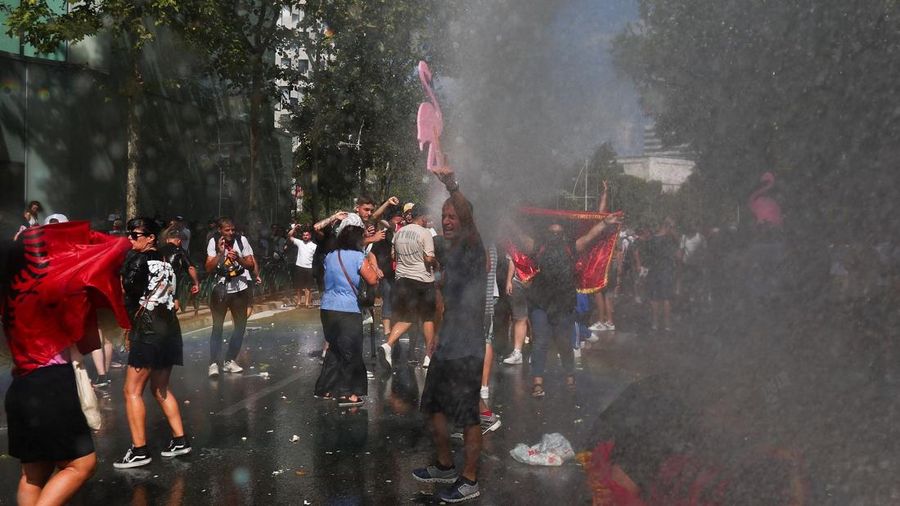
TIRANA, ALBANIA – The streets of Albania’s capital, Tirana, erupted into violent confrontations on July 23, 2026, as thousands of anti-government protesters clashed with riot police in front of the parliament building. The demonstrations, which have been ongoing for weeks, escalated significantly, fueled by widespread allegations of corruption surrounding various development projects, most notably a controversial luxury resort linked to former U.S. President Donald Trump’s son-in-law, Jared Kushner. Protesters, expressing profound discontent with the government, are now vociferously demanding the immediate resignation of Prime Minister Edi Rama.

The day’s events unfolded with palpable tension. Early in the morning, thousands of citizens began to converge on the central boulevards leading to the parliament, defying heavy police presence. Security forces had erected multiple layers of barricades around the parliamentary complex, aiming to prevent the surging crowds from approaching the legislative building where sessions were scheduled to commence. However, the sheer volume and determination of the demonstrators quickly tested these defenses. Chants of "Rama Go!" and accusations of systemic corruption reverberated through the city center, setting a confrontational tone for the day.

The Genesis of Discontent: The Kushner-Linked Resort

Potret Chaos Demo Resor Menantu Trump, Polisi & Massa Adu Jotos

The current wave of unrest traces its roots back several weeks, initially sparked by public outrage over a proposed luxury resort development. This ambitious project, planned for an environmentally sensitive stretch of Albania’s pristine Adriatic coastline, quickly became a lightning rod for criticism due to its perceived lack of transparency and the involvement of Affinity Partners, an investment firm founded by Jared Kushner. The proposed development, which envisions high-end hotels and villas, has drawn fire from environmental groups, local communities, and opposition parties alike. Critics argue that the project poses a significant threat to the region’s delicate ecosystem, including coastal wetlands and marine biodiversity, which are crucial for both local livelihoods and Albania’s burgeoning tourism sector. Furthermore, the land deals and regulatory approvals for such large-scale projects have frequently been opaque, leading to accusations of favoritism and backroom dealings.

The involvement of a figure with international prominence like Jared Kushner added another layer of complexity and scrutiny. For many Albanians, the project symbolized a broader concern about how foreign investments, particularly those with powerful connections, might bypass environmental protections and local regulations, potentially at the expense of national interests and sustainable development. The government’s defense of the project, touting its potential for economic growth and job creation, failed to quell the growing public apprehension, which instead intensified into a broader anti-corruption movement.

Escalation and Broadening Demands

What began as a specific protest against a single development quickly metastasized into a wider expression of public frustration with what many perceive as entrenched corruption within the Albanian state. Over the past month, the demonstrations have steadily grown in size and intensity, incorporating grievances related to numerous other infrastructure and property development projects along the coast and in areas adjacent to protected natural reserves. Allegations of illicit land acquisitions, rigged public tenders, and the enrichment of politically connected individuals have become central themes.

Potret Chaos Demo Resor Menantu Trump, Polisi & Massa Adu Jotos

The protests evolved from focusing on environmental and transparency concerns to a direct challenge to the legitimacy of Prime Minister Edi Rama’s administration. The demand for his resignation, initially a fringe call, has now become the rallying cry for thousands, signifying a profound loss of public trust in the government’s ability or willingness to combat corruption effectively. The shift highlights a deeper societal frustration with governance, where citizens feel their voices are unheard and their resources are being mismanaged or siphoned off through corrupt practices.

Allegations of Deep-Rooted Corruption

Albania has long struggled with issues of corruption, a persistent challenge that has hindered its democratic development and its aspirations for integration into the European Union. Transparency International’s Corruption Perception Index consistently ranks Albania poorly, indicating a widespread perception of corruption across various sectors. Protesters and opposition figures point to a pattern of alleged irregularities in public procurement, concessions, and urban planning. The accusations extend beyond property development to encompass public services, with citizens frequently lamenting the deteriorating quality of healthcare, education, and public infrastructure, which they attribute to systemic corruption and a lack of accountability.

For many Albanians, the current government’s perceived failure to adequately address these issues, coupled with its vigorous defense of contentious projects, has solidified the belief that corruption has become deeply institutionalized. The lack of independent oversight, coupled with a judiciary often seen as susceptible to political influence, exacerbates public distrust and fuels the demand for radical political change. The slogan "Rama Go!" encapsulates not just a desire for a change in leadership, but a yearning for a fundamental shift towards more transparent and accountable governance.

Potret Chaos Demo Resor Menantu Trump, Polisi & Massa Adu Jotos

Government’s Stance and Political Landscape

Prime Minister Edi Rama, who has led Albania since 2013, finds himself at a critical juncture in his political career. His Socialist Party has dominated Albanian politics for over a decade, overseeing periods of economic growth and infrastructure development. However, his administration has been consistently plagued by accusations of corruption and authoritarian tendencies. In response to the latest wave of protests, the government has vehemently denied all allegations of wrongdoing. Officials maintain that the development projects are legitimate, adhere to all legal frameworks, and are essential for driving economic progress, attracting foreign investment, and creating much-needed jobs for the Albanian populace.

In official statements, government spokespersons have often dismissed the protests as politically motivated, orchestrated by opposition parties seeking to destabilize the country. They argue that critics are exaggerating environmental concerns and fabricating corruption claims to undermine the government’s development agenda. Despite these denials, the sustained and increasingly aggressive nature of the protests presents a significant political challenge to Rama, testing the resilience of his long-standing grip on power and potentially impacting his party’s future electoral prospects. The government’s firm stance, however, has only served to deepen the divide between the ruling elite and a frustrated segment of the population.

Clash Dynamics: A Day of Confrontation

Potret Chaos Demo Resor Menantu Trump, Polisi & Massa Adu Jotos

On July 23, 2026, the confrontation between state authority and public anger reached a peak. As thousands of protesters attempted to breach the barricades surrounding the parliament, riot police, clad in full protective gear, responded forcefully. Water cannons were deployed repeatedly, sending powerful jets of water into the dense crowds, attempting to disperse them. Simultaneously, tear gas canisters were fired, creating plumes of stinging smoke that blanketed the area, causing widespread discomfort and disarray among the demonstrators.

The scene was chaotic. Protesters, some wearing diving masks with "Rama Go!" slogans scrawled on them, demonstrated fierce resistance. They pushed against police lines, attempting to dismantle the metal barricades, and retaliated by throwing various objects, including eggs, at the officers. Images captured by photojournalists depicted scenes of intense struggle: individuals reacting in pain from water cannon blasts, others engaging in direct physical confrontations with officers, and the general pandemonium of a large crowd facing off against state security. Despite the forceful intervention, the protesters largely refused to yield, highlighting the depth of their grievances and their determination to make their voices heard. The clashes continued for several hours, marking one of the most significant confrontations in Tirana in recent years.

Broader Implications for Albania

The ongoing unrest carries profound implications for Albania, both domestically and on the international stage.

Potret Chaos Demo Resor Menantu Trump, Polisi & Massa Adu Jotos

EU Accession Hopes: Albania is a candidate country for European Union membership, a process that places significant emphasis on the rule of law, good governance, and the fight against corruption. The persistent allegations of corruption and the violent suppression of protests could severely jeopardize Tirana’s progress in accession negotiations. EU officials and member states are likely to scrutinize these events closely, potentially delaying further steps towards integration if concerns about democratic standards and judicial independence are not adequately addressed. The European Commission has repeatedly stressed the importance of tackling organized crime and corruption as key benchmarks for Albania’s path to membership.

Economic Impact: While the government champions large-scale development projects as economic boons, the protests, coupled with allegations of corruption, could deter legitimate foreign investors seeking stable and transparent markets. The controversy surrounding projects linked to international figures like Jared Kushner could also damage Albania’s reputation as a reliable business destination, raising questions about legal certainty and fairness in competition. Furthermore, unsustainable development in environmentally sensitive areas threatens long-term tourism potential and ecological stability, impacting future economic resilience.

Political Future and Stability: The sustained pressure from the streets poses a serious threat to Prime Minister Rama’s political longevity. A continued erosion of public trust and ongoing civil unrest could lead to increased political instability, potentially forcing early elections or prompting a significant reshuffle within the ruling party. The opposition, energized by the public’s discontent, will likely intensify its efforts to capitalize on the current climate, further polarizing the political landscape. The crisis also highlights the fragility of democratic institutions if public grievances are not addressed through constructive dialogue and reforms.

Freedom of Expression and Human Rights: The heavy-handed response by police, involving water cannons and tear gas against largely peaceful (though at times confrontational) demonstrators, raises concerns about the state of freedom of assembly and expression in Albania. International human rights organizations will be monitoring the situation closely, potentially issuing condemnations or calls for investigations into excessive force. Respect for fundamental freedoms is another critical component of Albania’s EU integration process.

Potret Chaos Demo Resor Menantu Trump, Polisi & Massa Adu Jotos

International Scrutiny: Given the involvement of a company linked to a prominent American political family member, the situation in Albania is drawing increased international attention. This could lead to calls for greater transparency in international investment deals and scrutiny of how such projects are approved and implemented, particularly in developing nations with nascent democratic institutions.

Looking Ahead

The clashes in Tirana on July 23, 2026, mark a significant escalation in Albania’s ongoing political and social crisis. The government faces the formidable task of restoring public trust and addressing the deep-seated grievances related to corruption and governance. For the protesters, the challenge lies in maintaining momentum and channeling their collective anger into a cohesive movement for meaningful reform. The coming weeks will be crucial in determining whether dialogue can prevail over confrontation, and whether Albania can navigate this turbulent period towards a future of greater transparency, accountability, and sustainable development. The eyes of both the region and the international community will remain fixed on Tirana as this critical political drama continues to unfold.

July 23, 2026 0 comment
0 FacebookTwitterPinterestEmail
Politics

Ratas Percepatan KDKMP

by admin July 23, 2026
written by admin

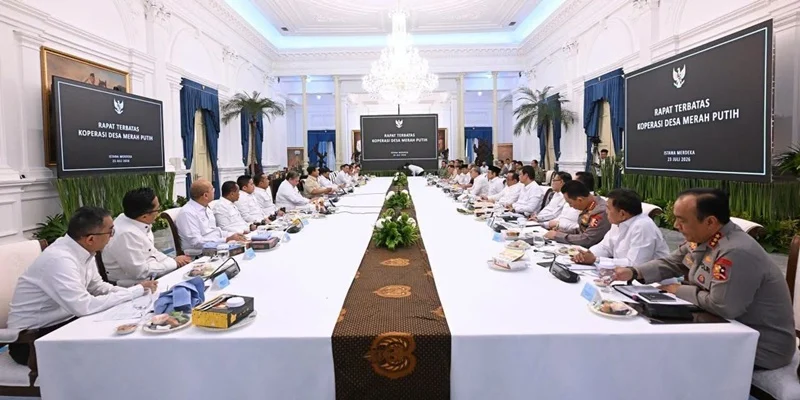
President Prabowo Subianto led a high-level limited meeting on Thursday, July 23, 2026, at the Presidential Palace in Jakarta, focusing on the strategic acceleration and strengthening of the Merah Putih Village/Urban Cooperatives (KDKMP) and Merah Putih Fishermen Cooperatives (KNMP). This pivotal gathering underscored the administration’s commitment to leveraging grassroots economic structures as a primary engine for national growth and equitable development, particularly in rural and coastal areas. The discussions emphasized the critical importance of robust synergy among various ministries and government institutions, including the Indonesian National Armed Forces (TNI) and the National Police (Polri), to ensure these ambitious programs are implemented effectively, integrated seamlessly across sectors, and sustained for long-term impact.

The meeting serves as a clear indication of President Subianto’s strategic vision to empower local economies, reduce regional disparities, and enhance the welfare of communities often at the forefront of economic vulnerability. By focusing on KDKMP and KNMP, the government aims to create resilient economic ecosystems that provide direct benefits to villagers and fishermen, fostering self-sufficiency and improved livelihoods.

The Mandate for Grassroots Empowerment: KDKMP and KNMP

The Merah Putih Village/Urban Cooperatives (KDKMP) and Merah Putih Fishermen Cooperatives (KNMP) are envisioned as cornerstone initiatives in the government’s broader economic strategy. These cooperatives are designed to be more than just business entities; they are intended as platforms for collective action, shared resources, and mutual benefit, deeply rooted in the principles of Indonesia’s Pancasila ideology and the spirit of mutual cooperation (gotong royong).

KDKMP targets the vast potential of Indonesia’s rural and urban periphery populations. These cooperatives are expected to facilitate access to capital, technology, training, and markets for village communities engaged in agriculture, small and medium-sized enterprises (SMEs), local crafts, and nascent tourism initiatives. By pooling resources, villagers can overcome individual limitations in production, processing, and distribution, thereby increasing their bargaining power and profitability. For instance, farmers within a KDKMP could collectively purchase fertilizers at lower prices, share modern farming equipment, process their harvests into higher-value products, and market them directly, bypassing exploitative middlemen. This approach seeks to address perennial challenges faced by rural communities, such as limited access to finance, market volatility, and technological disparities.

Similarly, KNMP is tailored to address the unique challenges and opportunities within Indonesia’s extensive coastal and maritime sectors. As an archipelago nation with immense marine resources, the welfare of its fishing communities is paramount. Fishermen often contend with issues ranging from fluctuating catch prices and limited access to cold storage and processing facilities to the threats of illegal fishing and unsustainable practices. KNMP aims to empower these communities by enabling collective ownership of fishing gear, shared access to ice machines and processing units, direct sales channels to urban markets, and promotion of sustainable fishing practices. Through these cooperatives, fishermen can enhance their productivity, improve the quality of their catch, add value through processing (e.g., dried fish, fish crackers, surimi), and secure fairer prices for their produce, ultimately elevating their economic standing and ensuring the sustainability of marine resources.

Strategic Context and Economic Imperatives

The meeting on July 23, 2026, reflects a timely and urgent response to ongoing economic challenges and opportunities. Indonesia’s economy, while robust, continues to grapple with issues of income inequality and regional disparities. Data from the Central Statistics Agency (BPS) consistently highlight that poverty rates are significantly higher in rural and coastal areas compared to urban centers. Agriculture and fisheries, despite contributing substantially to the national GDP and employing a large segment of the population, often see producers earning meager incomes due to fragmented supply chains and lack of value addition.

Indonesia boasts over 12,000 villages and more than 17,000 islands, many of which are home to traditional fishing communities. The total population engaged in agriculture and fisheries combined runs into tens of millions, underscoring the massive potential impact of successful cooperative movements. Strengthening KDKMP and KNMP aligns perfectly with the government’s broader agenda of fostering inclusive economic growth, enhancing food security, and achieving national self-sufficiency in key commodities.

President Prabowo Subianto’s administration has consistently articulated a commitment to strengthening the grassroots economy, viewing it as the bedrock of national resilience. This initiative is seen as a practical manifestation of his campaign promises to uplift farmers, fishermen, and small entrepreneurs, ensuring that economic development is not merely concentrated in urban hubs but permeates every corner of the archipelago.

The Crucial Role of Inter-Agency Synergy

A central theme of the presidential meeting was the absolute necessity of integrated and synergistic action across various governmental and non-governmental entities. The complexity of rural and coastal development demands a multi-sectoral approach that transcends traditional bureaucratic silos. The President’s emphasis on involving not just civilian ministries but also the TNI-Polri highlights a comprehensive strategy aimed at ensuring holistic support.

Key ministries and institutions expected to play pivotal roles include:

  • Ministry of Cooperatives and SMEs: This ministry will serve as the primary policy architect and implementation guide, providing legal frameworks, training programs on cooperative management, financial literacy, and business development for KDKMP and KNMP members. Their expertise is crucial for ensuring cooperatives are well-managed and sustainable.
  • Ministry of Villages, Disadvantaged Regions, and Transmigration: This ministry is vital for integrating KDKMP initiatives with the existing Village Fund program. By channeling village funds into productive cooperative activities, infrastructure development (e.g., storage facilities, local processing units), and capacity building, they can amplify the impact of KDKMP.
  • Ministry of Maritime Affairs and Fisheries: For KNMP, this ministry will provide technical guidance on sustainable fishing practices, marine resource management, aquaculture development, and access to modern fishing technologies. They will also play a role in market access for marine products and combating illegal, unreported, and unregulated (IUU) fishing that threatens the livelihoods of legitimate fishermen.
  • Ministry of Agriculture: This ministry will be instrumental in supporting KDKMP through agricultural extension services, provision of quality seeds and livestock, pest and disease control, and promotion of modern farming techniques to enhance productivity and crop quality.
  • Ministry of Trade: This ministry’s involvement is crucial for facilitating market access for cooperative products, both domestically and internationally. They can help establish fair pricing mechanisms, connect cooperatives with buyers, and provide training on product standardization and quality control.
  • Ministry of Finance: Beyond initial funding, the Ministry of Finance will work on developing sustainable financial models, including access to microcredit, rural banks, and other financial institutions tailored to the needs of cooperatives. They will also oversee fiscal incentives and regulatory frameworks that support cooperative growth.
  • TNI-Polri (Indonesian National Armed Forces and National Police): Their involvement, as highlighted by President Subianto, extends beyond traditional security roles. In remote and coastal areas, TNI-Polri assets can provide logistical support, especially in transporting goods to and from distant markets or distributing essential supplies. They can also play a crucial role in maintaining security along supply chains, preventing theft, and combating illegal activities that undermine cooperative efforts, such as illegal fishing or smuggling of agricultural products. Furthermore, their presence can facilitate community outreach programs, build trust, and ensure a stable environment conducive to economic development. This integrated approach ensures that security and development go hand-in-hand, creating a holistic support system for grassroots initiatives.

This synergy aims to prevent fragmented efforts, optimize resource allocation, and create a cohesive support system that addresses the multifaceted challenges faced by rural and coastal communities. Without such coordinated action, even well-intentioned programs risk faltering due to lack of comprehensive support or conflicting priorities.

Historical Precedent and Economic Philosophy

The emphasis on cooperatives is deeply embedded in Indonesia’s economic philosophy, particularly Article 33 of the 1945 Constitution, which states that the economy shall be organized as a common endeavor based on the principle of familialism, with cooperatives playing a central role. Throughout Indonesia’s history, cooperatives have been seen as a democratic economic institution capable of promoting equitable distribution of wealth and fostering self-reliance.

However, the cooperative movement in Indonesia has faced its share of challenges, including issues of mismanagement, lack of capital, limited access to markets, and competition from larger private enterprises. The current administration’s initiative to "accelerate and strengthen" KDKMP and KNMP suggests a renewed commitment to revitalizing this sector, learning from past experiences, and implementing more robust frameworks for success. President Subianto’s vision aligns with a broader global trend of recognizing the importance of local economies and community-led development as a sustainable path to prosperity.

Implementation Challenges and Safeguards

While the vision is ambitious and promising, the successful implementation of KDKMP and KNMP will inevitably face significant challenges. These include:

  • Bureaucratic Hurdles: Coordinating numerous ministries and agencies, each with its own mandates and procedures, can be complex. Streamlining processes and ensuring effective communication will be critical.
  • Funding and Sustainability: Ensuring adequate and sustainable funding mechanisms beyond initial government injections will be vital. Cooperatives must ultimately become self-reliant and financially viable.
  • Human Resources and Capacity Building: Many rural and coastal communities lack the necessary skills in financial management, marketing, and modern business practices. Extensive training and ongoing mentorship will be required.
  • Market Access and Competition: Even with collective efforts, cooperatives will need support to compete effectively in broader markets against established private sector players.
  • Oversight and Accountability: Robust mechanisms for monitoring progress, evaluating impact, and preventing corruption or mismanagement will be essential to maintain public trust and program integrity.

To mitigate these challenges, the government is expected to establish clear performance indicators, implement transparent reporting systems, and empower local communities with ownership and decision-making authority within their respective cooperatives. The involvement of academic institutions and non-governmental organizations in technical assistance and oversight could also play a significant role.

Projected Impact and Long-Term Vision

If successfully implemented, the acceleration and strengthening of KDKMP and KNMP could have profound and far-reaching impacts on Indonesia’s socio-economic landscape:

  • Poverty Reduction and Income Growth: By empowering communities to increase productivity, add value, and access fairer markets, these cooperatives can significantly boost incomes and lift families out of poverty.
  • Job Creation: The growth of cooperative enterprises will create new employment opportunities within villages and coastal areas, reducing the pressure for rural-to-urban migration.
  • Food Security: Stronger agricultural and fisheries cooperatives will contribute directly to national food security by enhancing production efficiency and ensuring more stable supply chains.
  • Sustainable Resource Management: By promoting collective responsibility and providing better economic incentives, KNMP can encourage more sustainable fishing practices and KDKMP can foster environmentally friendly agricultural methods.
  • Enhanced Social Cohesion: The cooperative model, inherently built on shared ownership and mutual benefit, can strengthen community bonds and foster a greater sense of collective purpose.
  • Regional Development and Reduced Disparities: By focusing on grassroots empowerment, these programs will contribute to more balanced regional development, narrowing the economic gap between urban centers and peripheral areas.

Economic analysts generally welcome initiatives that focus on empowering local communities, though they often emphasize the need for meticulous planning, adequate funding, and robust oversight for such large-scale programs to succeed. The integrated approach involving various government bodies and security forces is seen as a pragmatic response to the multi-dimensional nature of rural and coastal development challenges in Indonesia.

The meeting on July 23, 2026, marks a significant step in President Prabowo Subianto’s administration to translate its economic vision into tangible action. The focus on KDKMP and KNMP, underpinned by a commitment to inter-agency synergy, signals a serious effort to build a more inclusive, equitable, and resilient Indonesian economy from the ground up. The coming months and years will reveal the efficacy of this ambitious strategy as it moves from policy formulation to nationwide implementation.

July 23, 2026 0 comment
0 FacebookTwitterPinterestEmail
Economy

Indonesia Secures US$2 Billion in Strategic Business Deals with China, Fortifying Future Sector Collaboration

by admin July 23, 2026
written by admin

Jakarta, Indonesia – July 23, 2026 – Indonesia has successfully inked business agreements worth US$2 billion (approximately Rp 35.87 trillion, based on an exchange rate of Rp 17,936 per US dollar) with China. These pivotal deals were finalized during a high-profile business forum held at the office of the Coordinating Ministry for Economic Affairs today, bringing together representatives from both nations’ private sectors. The agreements underscore a deepening economic partnership, particularly in critical emerging and future-oriented sectors.

The forum, a testament to the robust and evolving bilateral ties between Jakarta and Beijing, saw the participation of approximately 30 leading Chinese companies. These firms, curated by the Indonesian Embassy in Beijing, represent advanced fields ranging from future technology and innovation to renewable energy and healthcare. Djauhari Oratmangun, the Indonesian Ambassador to China, highlighted the strategic intent behind inviting these specific sectors, emphasizing Indonesia’s commitment to economic transformation and sustainable development.

A Deep Dive into the US$2 Billion Agreement

The US$2 billion in agreements encompasses a diverse portfolio of new investments and collaborative ventures designed to inject significant capital and technological expertise into Indonesia’s economy. These commitments are not merely financial transactions but represent strategic partnerships aimed at fostering innovation, creating high-value jobs, and enhancing Indonesia’s competitiveness on the global stage. The focus on future technology, innovation, renewable energy, and health sectors aligns seamlessly with Indonesia’s long-term economic development blueprint, often referred to as "Indonesia Emas 2045" (Golden Indonesia 2045), which envisions the nation becoming a developed and prosperous economy by its centenary.

Ambassador Oratmangun elaborated on the nature of these agreements, stating, "I am here with around 30 companies from China operating in future technology, innovation technology, and secondly, in renewable energy, focusing on energy transformation. There are also several in the health sector." He added that these partnerships were a direct outcome of the meticulously organized business forum, which provided a platform for direct engagement between Indonesian and Chinese enterprises. The substantial sum of US$2 billion reflects the tangible outcomes and mutual trust cultivated through these interactions.

Strategic Sectors Driving Future Growth

The selection of future technology, renewable energy, and healthcare as primary investment areas is highly strategic. For Indonesia, these sectors are vital for transitioning from a resource-dependent economy to a knowledge-based, high-tech industrial powerhouse.

  • Future and Innovation Technology: This category includes advanced manufacturing, artificial intelligence (AI), big data analytics, cloud computing, and smart infrastructure. Chinese companies are at the forefront of many of these innovations, and their investment in Indonesia is expected to catalyze local technological capabilities, foster a vibrant startup ecosystem, and facilitate digital transformation across various industries. This aligns with Indonesia’s aspirations to become a leading digital economy in Southeast Asia. Investments could range from establishing research and development centers to building data infrastructure and supporting local tech ventures.

  • Renewable Energy: Indonesia, with its vast natural resources, possesses immense potential for renewable energy generation, including solar, geothermal, hydro, and wind power. As the country commits to achieving its Nationally Determined Contributions (NDCs) under the Paris Agreement and aims for net-zero emissions, Chinese expertise and capital in renewable energy projects are crucial. The agreements are expected to accelerate the development of new clean energy infrastructure, support the electric vehicle (EV) ecosystem, and contribute to Indonesia’s energy transition roadmap, reducing its reliance on fossil fuels. This sector not only promises environmental benefits but also significant economic opportunities in manufacturing, installation, and maintenance.

  • Healthcare: The pandemic underscored the critical importance of a resilient healthcare system. Investments in this sector could cover pharmaceutical manufacturing, medical device production, digital health solutions, and healthcare infrastructure development. China has a robust and rapidly advancing healthcare industry, and collaboration can enhance Indonesia’s capacity to provide accessible, high-quality healthcare services to its large population, addressing issues like disease prevention, treatment, and medical research. This also aligns with Indonesia’s efforts to reduce its dependence on imported medical supplies and pharmaceuticals.

Bilateral Trade and Investment: A Trajectory of Growth

The recent agreements are built upon a foundation of steadily expanding trade and investment between Indonesia and China. Ambassador Oratmangun provided a comprehensive overview of the escalating economic relationship, showcasing impressive growth metrics.

"Last year, trade between Indonesia and China stood at approximately US$168 billion," Djauhari stated. "This year, up to June, it has already reached US$101 billion, according to Chinese customs data, with a surplus for Indonesia of US$5.6 billion." This significant surplus for Indonesia is a positive indicator, demonstrating the growing demand for Indonesian commodities and manufactured goods in the Chinese market. It also reflects Indonesia’s efforts to diversify its exports beyond raw materials, including value-added products.

Furthermore, Chinese investment in Indonesia has shown remarkable acceleration. "The value of investment from China to Indonesia has now approached US$10 billion up to June, and we hope this positive trend continues until the end of the year," he added. China consistently ranks among the top foreign direct investors in Indonesia, playing a crucial role in infrastructure development, manufacturing, and resource processing industries. This investment inflow is vital for job creation, technology transfer, and overall economic expansion, contributing directly to Indonesia’s national development goals. The robust investment figures underscore the confidence of Chinese businesses in Indonesia’s economic stability and growth prospects.

Facilitating Transactions: The Role of Local Currency Settlement and QRIS

Beyond traditional trade and investment, Indonesia and China are also making significant strides in enhancing financial connectivity and efficiency. A key initiative is the implementation of the Local Currency Settlement (LCS) framework, which allows bilateral trade and investment transactions to be settled in Rupiah and Yuan, bypassing the need for a third currency like the US dollar.

Djauhari highlighted the success of this framework, noting, "Our business activities using Rupiah and Yuan have seen an increase of over 200% from January to June 2026, based on data from Bank Indonesia." This substantial growth signifies a strong uptake by businesses, reducing exchange rate risks and transaction costs, thereby making cross-border trade and investment more attractive and stable. The LCS framework is part of a broader regional effort to strengthen financial resilience and reduce reliance on major international currencies, providing greater autonomy in monetary policy.

In a move set to revolutionize tourism and small-scale trade, Indonesia’s Quick Response Code Indonesian Standard (QRIS) payment system has been fully integrated across mainland China since May 2026. "The latest is that QRIS, since last May, can be used across mainland China. So, if you go there, you don’t need to carry cash anymore; you can use QRIS," Djauhari explained. This integration allows Indonesian tourists and business travelers to make payments directly from their mobile banking apps using QRIS, offering unparalleled convenience and security. Conversely, it also paves the way for Chinese tourists in Indonesia to use their domestic QR payment systems, fostering greater people-to-people exchange and boosting tourism revenues for both nations. This seamless payment connectivity is a significant step towards greater financial interoperability.

Official Endorsements and Strategic Outlook

The Indonesian government views these partnerships as central to its long-term economic strategy. Ambassador Djauhari Oratmangun’s statements reflect Indonesia’s proactive diplomacy in attracting high-quality investment and fostering mutually beneficial relationships. His emphasis on future-oriented sectors like renewable energy and innovation technology aligns with President Joko Widodo’s vision for Indonesia to leapfrog into advanced industrialization and a green economy. The Coordinating Ministry for Economic Affairs, by hosting such a crucial forum, underscores the government’s commitment to facilitating these strategic collaborations and ensuring a conducive business environment for foreign investors. The government’s consistent efforts in streamlining regulations, improving infrastructure, and investing in human capital are designed to maximize the benefits derived from these international partnerships.

Private Sector Enthusiasm and Partnership Imperatives

The enthusiasm from the private sector for these collaborations is palpable. Shinta Kamdani, Chairperson of the Indonesian Employers’ Association (Apindo), representing a vast network of Indonesian businesses, affirmed the readiness of local enterprises to engage with their Chinese counterparts. "We, the Indonesian business community, are ready to cooperate and forge partnerships with companies from China. China is a major trading and investment partner for Indonesia," Shinta stated. Her remarks highlight the strategic importance of China as not just a market, but also a source of capital, technology, and expertise.

Shinta also emphasized the vast untapped potential for further cooperation between the two countries, particularly within the framework of the agreements secured at the forum. She acknowledged that many Chinese companies have already established a significant presence in Indonesia and stressed the importance of ongoing support and collaboration. "Many have already invested their capital in Indonesia, and we need to oversee them, working together with Indonesian businesses to identify challenges and opportunities that we must continuously monitor," she explained. This collaborative approach, she added, is essential for ensuring that investments are sustainable, generate local benefits, and contribute to the overall economic development of Indonesia. Apindo’s role extends to advocating for a fair and transparent business environment, ensuring that these partnerships yield equitable benefits for both sides.

Broader Economic Implications for Indonesia

The US$2 billion in agreements, coupled with the ongoing robust trade and investment flows, carries significant broader economic implications for Indonesia:

  • Job Creation and Human Capital Development: Investments in high-tech and renewable energy sectors will create new job opportunities, particularly for skilled labor. These projects often come with technology transfer clauses and training programs, enhancing the capabilities of the Indonesian workforce and fostering a culture of innovation.
  • Technological Advancement and Industrial Diversification: By attracting leading Chinese firms in future technologies, Indonesia accelerates its technological absorption and upgrades its industrial base. This diversification reduces reliance on traditional sectors and positions Indonesia as a key player in emerging global industries.
  • Energy Transition and Sustainability: The focus on renewable energy investments is critical for Indonesia’s energy security and environmental sustainability goals. These projects contribute to reducing carbon emissions, promoting green growth, and fulfilling international climate commitments.
  • Infrastructure Development: While not explicitly detailed, investments often spill over into related infrastructure development, from logistics and transportation to digital connectivity, which further enhances the overall business ecosystem.
  • Strengthening Global Value Chains: Strategic partnerships with Chinese companies can integrate Indonesian businesses more deeply into global and regional value chains, especially in high-growth sectors, enhancing export capabilities and market access.
  • Regional Economic Leadership: By fostering dynamic economic ties with China, Indonesia reinforces its position as a key economic hub in Southeast Asia, attracting further international interest and investment.

Navigating the Geopolitical Landscape and Future Challenges

While the economic partnership with China presents immense opportunities, it also operates within a complex geopolitical landscape. Indonesia maintains a non-aligned foreign policy, seeking balanced relations with all major global powers. The deepening economic ties are strategically managed to ensure national interests are prioritized.

Potential challenges include ensuring fair labor practices, adherence to environmental standards, and maximizing local content requirements to prevent over-reliance on foreign inputs. Indonesia’s regulatory framework continues to evolve to address these aspects, aiming for partnerships that are truly mutually beneficial and contribute to sustainable development. Ongoing dialogue and transparent communication between both governments and private sectors will be crucial in mitigating any potential friction and fostering a relationship built on trust and shared objectives.

The Path Forward: Sustaining Momentum

The business forum and the resulting US$2 billion in agreements mark a significant milestone in the evolving economic relationship between Indonesia and China. They underscore a shared vision for growth, innovation, and sustainable development. As Indonesia progresses towards its "Golden Indonesia 2045" vision, strategic partnerships with global economic powerhouses like China will remain indispensable. The focus on future technologies, renewable energy, and healthcare, coupled with enhanced financial connectivity through LCS and QRIS, sets a promising trajectory for continued cooperation. The commitment from both governments and private sectors to nurture these alliances will be key to unlocking their full potential and ensuring long-term prosperity for both nations. Future forums and ongoing dialogues are expected to build upon this momentum, exploring new avenues for collaboration and solidifying the strategic economic partnership between Jakarta and Beijing.

July 23, 2026 0 comment
0 FacebookTwitterPinterestEmail
Economy

Indonesia’s International Financial Center Navigates Global Minimum Tax with Strategic Incentives

by admin July 23, 2026
written by admin

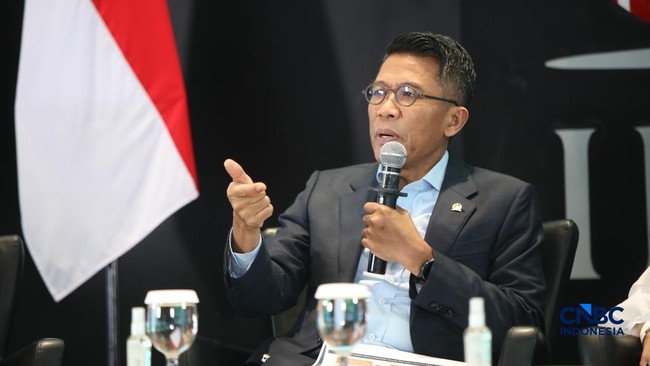
Indonesia is poised to solidify its position in the global financial landscape with the establishment of the Indonesia International Financial Center (PFII), a strategic initiative designed to attract significant investment through a comprehensive package of tax facilities. Crucially, these incentives are being meticulously crafted to operate in full compliance with the Global Minimum Tax (GMT) agreement, a testament to Indonesia’s commitment to international tax standards while fostering domestic economic growth. Mukhamad Misbakhun, Chairman of Commission XI of the House of Representatives (DPR), affirmed on Thursday, July 23, 2026, that while the existing legal framework allows for substantial tax exemptions, the nation is fully adapting to the evolving global tax landscape.

The Vision Behind the Indonesia International Financial Center (PFII)

The establishment of the PFII is not merely an exercise in offering tax breaks; it represents a pivotal component of Indonesia’s broader strategy to deepen its financial markets, diversify financing instruments and sources, and significantly boost investment. Enshrined in Article 248A of Law Number 4 Year 2026, which amends Law Number 4 Year 2023 concerning Financial Sector Development and Strengthening (P2SK), the PFII is mandated to be regulated by its own dedicated legislation. This legislative foundation underscores the government’s long-term vision for the PFII as a catalyst for economic transformation, aiming to elevate Indonesia’s stature within the global financial ecosystem. By creating a robust and attractive hub, Indonesia seeks to channel both domestic and international capital into productive sectors, fostering sustainable development and enhancing resilience against global economic fluctuations. The P2SK Law itself, enacted in late 2023 and subsequently amended, represents a landmark effort to modernize and strengthen Indonesia’s financial sector, encompassing banking, insurance, capital markets, and fintech, with the PFII serving as a critical engine for international engagement.

Navigating the Dual Mandate: Incentives and Global Compliance

The core appeal of the PFII lies in its attractive tax incentives, initially envisioned to include a tax exemption period of up to 50 years for eligible investors. This generous provision reflects a common strategy employed by emerging economies to lure foreign direct investment (FDI) and stimulate economic activity. However, the advent of the Global Minimum Tax (GMT), a groundbreaking international agreement, has introduced a new layer of complexity and necessitates a nuanced approach. Misbakhun emphasized, "The law already stipulates that investors are granted a tax exemption for 50 years. But we are, of course, aware of the changes in the international tax landscape, and we are following all of them." This statement highlights Indonesia’s proactive stance in aligning its domestic policies with global norms, even as it strives to maintain its competitive edge in attracting capital. The challenge for the PFII, therefore, is to craft a framework that leverages its attractive incentives without inadvertently triggering additional tax liabilities for investors under the GMT regime.

The Global Minimum Tax: A Paradigm Shift in International Taxation

The Global Minimum Tax, often referred to as Pillar Two of the OECD/G20 Base Erosion and Profit Shifting (BEPS) 2.0 initiative, represents a monumental shift in international corporate taxation. Developed by the Organisation for Economic Co-operation and Development (OECD) and endorsed by the G20, the GMT aims to ensure that large multinational enterprises (MNEs) pay a minimum effective tax rate of 15% on their profits, regardless of where they operate or book their profits. This initiative was born out of growing concerns over aggressive tax planning strategies employed by MNEs, which often resulted in profits being shifted to low-tax jurisdictions, eroding the tax bases of other countries.

The GMT framework comprises several interconnected rules designed to achieve this minimum taxation:

  1. Qualified Domestic Minimum Top-up Tax (QDMTT): This allows a jurisdiction to impose a top-up tax on the domestic profits of MNEs if their effective tax rate in that jurisdiction falls below 15%. This ensures that any additional tax revenue generated by the minimum tax stays within the country where the profits are earned.
  2. Income Inclusion Rule (IIR): This is the primary rule, imposing a top-up tax on a parent entity in respect of the low-taxed income of its foreign subsidiaries. The ultimate parent entity’s jurisdiction is responsible for applying the IIR.
  3. Undertaxed Payment Rule (UTPR): This acts as a backstop, denying deductions or requiring an equivalent adjustment if the low-taxed income is not subject to IIR. It allocates the top-up tax among other group entities in jurisdictions that have adopted the UTPR.

Indonesia, alongside more than 60 other countries including regional financial powerhouses like Singapore, Malaysia, Hong Kong, and the UAE, has committed to implementing the GMT, with the effective date for its application in Indonesia being January 1, 2025. This widespread adoption signifies a global consensus on the need for greater tax fairness and stability, fundamentally reshaping the competitive landscape for international financial centers.

PFII’s Framework Under GMT: Who Benefits and How

For the PFII, the application of GMT introduces specific conditions for the highly sought-after tax incentives. The GMT rules will primarily apply to Multinational Enterprises (MNEs) with a consolidated global turnover of at least 750 million Euro. This threshold is critical in determining which entities will be subject to the new global tax regime within the PFII.

Misbakhun Pastikan PFII Tetap Mengacu pada Kesepakatan GMT

Misbakhun clarified the mechanism: "The mechanism is already in place; we just need to see whether the companies that will invest in the PFII fall within the scope of the global minimum tax or not. If not, it means they can still enjoy the 50-year tax exemption." This distinction is vital for potential investors.

  • Entities NOT Subject to GMT: Individuals and businesses that are not part of an MNE group with a global turnover below 750 million Euro will remain fully eligible for the original 50-year tax holiday and other incentives offered by the PFII. This ensures that the PFII remains highly attractive to smaller, domestically focused entities, as well as start-ups and individual investors, who are not the primary target of the GMT.
  • MNEs Subject to GMT: For MNEs exceeding the 750 million Euro threshold, the tax incentives offered by the PFII will be re-evaluated through the lens of the GMT. However, even within this category, there are critical nuances. An MNE operating within the PFII will not incur additional top-up tax if its effective tax rate in Indonesia, when combined with its other subsidiaries in Indonesia (even outside the PFII), already exceeds the 15% minimum threshold. This provision is significant as it allows MNEs to benefit from the PFII’s incentives as long as their overall Indonesian tax contribution meets the global minimum. The application of QDMTT within Indonesia further ensures that any top-up tax required to reach the 15% minimum stays within Indonesia, contributing to domestic revenue.

Beyond the corporate tax holiday, the PFII is designed to offer a suite of other attractive facilities. Misbakhun detailed these, stating, "In addition to the tax holiday, investors, businesses, and experts there are also provided with various other facilities, such as income tax exemption for foreign permanent establishments (SPLN), as well as various VAT and Luxury Goods Sales Tax (PPnBM) facilities." These additional incentives aim to create a holistic environment conducive to investment, covering not just corporate profits but also operational costs, expatriate talent attraction, and the flow of goods and services within the financial center.

Chronology of Indonesia’s Financial Sector Reform and GMT Adoption

Indonesia’s journey towards establishing the PFII and integrating GMT has been a multi-year process, reflecting both domestic aspirations and international commitments:

  • Early 2010s: Discussions around establishing an international financial center in Indonesia begin, recognizing the nation’s economic potential and large domestic market.
  • 2013: The OECD/G20 launches the BEPS project to address tax avoidance strategies by MNEs.
  • 2016: Indonesia becomes a member of the OECD/G20 Inclusive Framework on BEPS, signaling its commitment to participate in global tax reform efforts. This is likely the period when initial discussions and policy intentions, as perhaps referenced by Misbakhun’s original statement (if 2016 was indeed the correct year for the quote, implying a very early foresight), began to form.
  • October 2021: The OECD/G20 Inclusive Framework reaches a political agreement on the two-pillar solution, including the Global Minimum Tax (Pillar Two). Indonesia is among the signatories.
  • December 2023: Law Number 4 Year 2023 on Financial Sector Development and Strengthening (P2SK) is enacted, providing a comprehensive framework for financial sector reform and laying the groundwork for the PFII.
  • January 1, 2025: The Global Minimum Tax officially comes into effect in Indonesia, alongside many other jurisdictions globally. This marks a critical juncture for all tax incentive regimes, including those planned for the PFII.
  • 2026: Law Number 4 Year 2026 amends the P2SK Law, specifically mandating the establishment of the PFII through a separate, dedicated law (as per Article 248A). This legislative move solidifies the government’s commitment and provides the explicit legal basis for the PFII’s operationalization. Misbakhun’s statement on July 23, 2026, would therefore be a contemporary affirmation of the PFII’s tax framework within the context of the newly amended P2SK law and the already implemented GMT.
  • Ongoing: Drafting and enactment of the specific law for the PFII, alongside the development of detailed implementing regulations, is anticipated to ensure its full operational readiness.

Stakeholder Perspectives and Reactions

The announcement and subsequent clarification regarding the PFII’s tax framework, particularly its adherence to GMT, have elicited varied but generally positive responses from key stakeholders.

  • Government Officials: The Ministry of Finance and the Investment Coordinating Board (BKPM) have consistently emphasized that Indonesia’s approach demonstrates a commitment to being a responsible global economic player. They highlight that compliance with GMT enhances Indonesia’s reputation, reduces risks of being labeled a tax haven, and promotes fair competition. The focus is on attracting "quality" investment—long-term, value-adding capital that contributes to technology transfer, job creation, and sustainable economic growth, rather than just tax arbitrage.
  • Business Community and Foreign Investors: While some multinational corporations might initially perceive the GMT as reducing the attractiveness of pure tax-driven incentives, many appreciate the clarity and stability provided by a globally harmonized tax system. Chambers of commerce representing foreign investors have expressed optimism that a well-regulated and transparent PFII, even with GMT, can still be a strong magnet if complemented by other factors like ease of doing business, legal certainty, a skilled workforce, and robust infrastructure. They recognize that a predictable tax environment, even at 15%, is often preferred over opaque or constantly changing regimes.
  • Tax Experts and Economists: Analysts largely view Indonesia’s strategy as pragmatic and necessary. They point out that in a post-GMT world, countries cannot solely rely on low tax rates to attract MNEs. Instead, the focus shifts to other competitive advantages. The QDMTT mechanism is particularly lauded as it allows Indonesia to retain any top-up tax, potentially boosting domestic tax revenues without making the country less attractive for genuine economic activity. However, experts also caution that the success of the PFII will hinge on the efficiency of its regulatory framework, the depth of its financial markets, and its ability to cultivate a vibrant ecosystem of supporting services.

Broader Implications for Indonesia’s Financial Landscape

The strategic alignment of the PFII with the Global Minimum Tax carries profound implications for Indonesia’s economic future:

  • Enhanced FDI Quality: By filtering out purely tax-driven investments, the PFII is expected to attract MNEs seeking genuine business opportunities, market access, and operational efficiencies, rather than just minimal tax burdens. This could lead to more sustainable and impactful FDI.
  • Deepening Capital Markets: The PFII is envisioned to serve as a hub for sophisticated financial transactions, promoting the development of new financial instruments (e.g., green bonds, Islamic finance products, derivatives), and enhancing liquidity in Indonesia’s capital markets. This diversification will reduce reliance on traditional financing sources and create more avenues for businesses to raise capital.
  • Regional Competitiveness: In a post-GMT era, the competitive landscape for financial centers will shift. While regional peers like Singapore, Hong Kong, and the UAE have historically leveraged low tax rates, they too are now grappling with GMT implementation. Indonesia’s PFII will need to differentiate itself through its unique market size, strategic location, demographic dividend, and potentially specialized niches (e.g., sustainable finance, digital economy focus). The clarity on GMT compliance can, paradoxically, be a competitive advantage by offering certainty to investors.
  • Increased Tax Revenue: The implementation of QDMTT within the PFII means that if an MNE’s effective tax rate falls below 15%, Indonesia will be able to collect the difference as a top-up tax. This mechanism is crucial for safeguarding the nation’s tax base and potentially increasing domestic revenue streams from large MNEs.
  • Strengthening International Reputation: Adhering to global tax standards reinforces Indonesia’s image as a responsible and transparent player in the international economic arena. This can foster greater trust among foreign investors and international organizations, potentially leading to increased collaborations and partnerships.

Challenges and Future Outlook

Despite the robust legal framework and strategic intent, the journey for the PFII will not be without challenges. Operationalizing the center will require meticulous planning, including developing a world-class regulatory environment, attracting top-tier financial talent, and establishing efficient business processes. The ongoing evolution of global tax policies and economic conditions will also necessitate continuous monitoring and potential adjustments to the PFII’s framework. Furthermore, beyond tax incentives, the PFII’s long-term success will hinge on the overall ease of doing business in Indonesia, the stability of its legal system, and the quality of its infrastructure.

In conclusion, Indonesia’s International Financial Center represents a bold and strategic move to enhance the nation’s global economic standing. By thoughtfully integrating attractive tax incentives with the imperatives of the Global Minimum Tax, Indonesia is demonstrating a sophisticated approach to global finance. The PFII is set to become a vital pillar in the nation’s economic development, driving investment, deepening financial markets, and reinforcing Indonesia’s position as a dynamic and responsible participant in the global economy.

July 23, 2026 0 comment
0 FacebookTwitterPinterestEmail
Economy

IHSG Diprediksi Uji Rentang 6.470-6.667, Berikut Analisa Saham BBRI-EMAS

by admin July 23, 2026
written by admin

The Indonesian Composite Stock Price Index (IHSG) is projected to experience a potential strengthening today, July 24, 2026, with analysts anticipating a test of the 6,470-6,667 range, which also encompasses a significant "gap area" on its technical chart. This outlook comes despite a slight correction observed in the previous trading session, prompting investors to closely monitor key support and resistance levels. According to research from MNC Sekuritas, while upward momentum is expected, a crucial correction zone between 6,146 and 6,219 should be carefully watched by market participants.

On Thursday, July 23, 2026, the IHSG concluded its trading day with a 0.30 percent decline, settling at 6,315. This downward movement was notably accompanied by an increase in selling pressure, indicating a cautious sentiment among some investors. Technical analysis conducted by MNC Sekuritas suggests that the current trajectory of the IHSG is positioned within "wave iv of wave (c) of wave [iv]," a designation derived from the Elliott Wave Principle, which is a common tool used by technical analysts to forecast market trends by identifying repetitive long-term price patterns and investor psychology. This specific wave configuration often implies a corrective phase within a larger trend, hinting at potential volatility before a clearer direction emerges.

Understanding the Technical Landscape: Gaps, Support, and Resistance

The concept of a "gap" in technical analysis refers to a break in price action where a security’s price moves sharply up or down with no trades occurring in between. When a gap is "tested" or "closed," it often signifies a significant technical event, potentially acting as a magnet for price action. The identified range of 6,470-6,667 as a gap area suggests that historical price movements left a void, and the market now has a tendency to revisit these levels. A successful test and closure of this gap could reinforce bullish sentiment.

Conversely, "support" levels are price points where buying interest is expected to overcome selling pressure, preventing further declines. MNC Sekuritas has pinpointed critical support levels for the IHSG at 6,226 and 6,111. Should the index fall below these levels, it could signal a deeper correction. "Resistance" levels, on the other hand, are price points where selling pressure is anticipated to outweigh buying interest, hindering further upward movement. For the upcoming session, the resistance levels are identified at 6,599 and 6,705. A decisive break above these resistance points would be a strong bullish indicator, confirming the potential for sustained gains.

The daily analysis provided by MNC Sekuritas serves as a vital guide for traders and investors, offering insights into potential price movements based on technical indicators and proprietary models. Their detailed breakdown of wave theory, combined with clear support and resistance levels, allows market participants to formulate their trading strategies with greater precision.

Market Performance Leading Up to July 24, 2026: A Chronological Snapshot

The IHSG’s performance in the days and weeks leading up to July 24, 2026, provides essential context for today’s predictions. The previous day’s 0.30 percent correction, while modest, underscores the prevailing cautious sentiment that can quickly escalate or dissipate. This particular dip, characterized by increased selling pressure, could be a natural profit-taking event after a period of gains or a reaction to specific macroeconomic news, either domestic or international.

Looking at the broader trajectory, the Indonesian market, like many emerging markets, has been influenced by a confluence of global and domestic factors throughout 2026. Global interest rate decisions by major central banks, particularly the U.S. Federal Reserve, have had a ripple effect on capital flows into emerging economies. If global liquidity conditions were tightening, it could lead to outflows from riskier assets, including Indonesian equities. Conversely, expectations of easing monetary policies could attract foreign capital, bolstering the IHSG.

Domestically, Indonesia’s economic performance, including its Gross Domestic Product (GDP) growth rates, inflation figures, and government spending on infrastructure, has been a primary driver. Investor confidence often hinges on the stability of the rupiah against major currencies, the country’s trade balance, and the health of its key export sectors, such as commodities (palm oil, coal, nickel). Any significant policy announcements from the government or Bank Indonesia, particularly concerning fiscal stimulus, subsidies, or regulatory changes, would have directly impacted market sentiment and the IHSG’s movements in the preceding period. The mid-2026 period often sees companies releasing half-year financial results, which can also trigger sector-specific or market-wide reactions depending on the overall earnings picture.

Key Macroeconomic Influences on the IHSG in Mid-2026

The Indonesian economy in mid-2026 likely navigates a complex global landscape. Several macroeconomic factors would be pivotal in shaping the IHSG’s direction:

  • Global Economic Growth: A robust global economy generally translates to higher demand for Indonesian exports and improved corporate earnings. Conversely, a slowdown in major trading partners like China or the US could dampen investor enthusiasm.
  • Inflation and Monetary Policy: Bank Indonesia’s stance on interest rates, influenced by domestic inflation and global monetary tightening/easing cycles, directly impacts borrowing costs for companies and consumer spending, thus affecting corporate profitability and market valuations. Stable and predictable monetary policy fosters investor confidence.
  • Commodity Prices: As a major commodity exporter, Indonesia’s economy and corporate sector are highly sensitive to fluctuations in global commodity prices. Strong prices for coal, palm oil, and nickel typically boost national income and the performance of related sectors on the stock exchange.
  • Foreign Direct Investment (FDI) and Portfolio Flows: Attracting sustained FDI and foreign portfolio investment is crucial for market liquidity and growth. Policies promoting ease of doing business, political stability, and attractive valuations play a significant role.
  • Domestic Consumption: Indonesia’s large domestic market means consumer spending is a significant component of GDP. Factors like employment rates, wage growth, and consumer confidence indices directly influence the performance of consumer-related stocks.
  • Government Policies and Infrastructure Development: The Indonesian government’s commitment to infrastructure projects, regulatory reforms, and investment incentives can create long-term growth opportunities for various sectors, driving investor interest.

An economist from a leading regional bank, speaking on condition of anonymity due to internal policy, might have commented, "Indonesia’s resilience has been a consistent theme, underpinned by its strong domestic consumption and rich natural resources. However, global headwinds, particularly evolving interest rate expectations and geopolitical developments, always warrant caution. The IHSG’s movements reflect a delicate balance between these internal strengths and external pressures."

Spotlight on Strategic Stock Picks: PT Bank Rakyat Indonesia (BBRI)

Among the stock recommendations highlighted by MNC Sekuritas for Friday, July 24, 2026, is PT Bank Rakyat Indonesia (Persero) Tbk (BBRI). BBRI, one of Indonesia’s largest state-owned banks, is a bellwether stock for the Indonesian economy, particularly known for its strong focus on micro, small, and medium-sized enterprises (MSMEs).

IHSG Diprediksi Uji Rentang 6.470-6.667, Berikut Analisa Saham BBRI-EMAS

On the previous day, BBRI shares experienced a 0.99 percent correction, closing at Rp2,990. This decline was primarily driven by selling pressure, mirroring the broader market sentiment. However, a critical technical observation made by MNC Sekuritas is that BBRI’s share price "still managed to stay above MA60." The 60-day Moving Average (MA60) is a widely used technical indicator that smooths out price data to create a trend-following line. Staying above the MA60 is generally considered a bullish sign, indicating that despite recent selling, the stock’s intermediate-term trend remains upward. This suggests that the correction might be temporary and not a reversal of its underlying strength.

MNC Sekuritas’ analysis places BBRI in "wave (iii) of wave [c]," again using the Elliott Wave Principle. This specific wave count often implies that the stock is in a strong, impulsive move, even if it’s within a larger corrective pattern. The recommendation for BBRI is "Buy on Weakness," a strategy where investors look to purchase shares when their price has temporarily dipped, expecting a rebound.

The specific parameters for this strategy are:

  • Buy on Weakness Range: Rp2,910-Rp2,950
  • Target Price: Rp3,120, Rp3,180
  • Stop Loss: Below Rp2,890

These levels provide clear entry, target, and exit points for traders. The target prices suggest a potential upside of approximately 4.3% to 7.2% from the current closing price of Rp2,990, if bought within the specified range. The stop-loss level is crucial for risk management, limiting potential losses if the stock’s price action deviates negatively from the prediction.

The prominence of BBRI in MNC Sekuritas’ recommendations underscores the banking sector’s importance in the Indonesian market. Banking stocks often represent a significant portion of the IHSG’s capitalization and are considered proxies for the health of the broader economy. BBRI’s consistent performance, extensive branch network, and focus on the resilient MSME sector typically make it a favored choice among both domestic and international institutional investors. Any corporate news related to BBRI, such as its latest quarterly earnings reports, dividend policies, or strategic acquisitions, would have been closely scrutinized by investors leading up to this analysis. Strong earnings growth and prudent risk management by BBRI would naturally contribute to positive market sentiment for the stock.

Broader Market Sentiment and Expert Commentary

The prevailing market sentiment on July 24, 2026, appears to be one of cautious optimism. While the IHSG is predicted to strengthen, the acknowledgement of a correction area and increased selling pressure from the previous day indicates that investors are not entirely without apprehension. This mixed sentiment is typical in markets influenced by both strong fundamental tailwinds and potential external uncertainties.

A senior market analyst from a local investment firm, preferring to remain unnamed, might have remarked, "The IHSG’s ability to test critical resistance and gap levels will be a strong indicator of underlying investor confidence. However, the increased selling volume yesterday reminds us that profit-taking remains a significant factor, especially after periods of sustained gains. Investors should remain agile, balancing growth opportunities with robust risk management." This perspective aligns with MNC Sekuritas’ dual outlook of potential gains coupled with a watchful eye on correction zones.

Regulators, such as the Financial Services Authority (OJK) and the Indonesia Stock Exchange (IDX), continuously monitor market activity to ensure fair and orderly trading. Their statements, while generally not making specific market predictions, often emphasize the importance of investor protection, market transparency, and the overall stability of the financial system. Such overarching regulatory assurances contribute to a foundational level of confidence for both domestic and foreign investors.

Implications for Investors and Economic Outlook

For individual and institutional investors, the current IHSG forecast presents a nuanced picture. The potential for the index to test higher levels offers opportunities for capital appreciation, particularly in strategically chosen stocks like BBRI. However, the identified correction zone and the previous day’s selling pressure serve as important reminders of market volatility and the need for prudent risk management.

  • Risk Management: Investors should consider setting stop-loss orders for their positions and diversifying their portfolios to mitigate risks associated with market fluctuations.
  • Sectoral Focus: While banking stocks like BBRI are often considered defensive due to their essential role, investors might also look into other sectors that could benefit from the predicted market strengthening, such as consumer cyclicals, infrastructure, or technology, depending on the specific drivers of the rally.
  • Long-Term Perspective: For long-term investors, short-term corrections might present attractive entry points for fundamentally sound companies.

From a broader economic perspective, a strengthening IHSG often reflects positive investor sentiment regarding Indonesia’s economic trajectory. It can facilitate capital raising for corporations through IPOs and rights issues, supporting business expansion and job creation. A buoyant stock market can also have a wealth effect, boosting consumer confidence and spending. Conversely, a prolonged period of market weakness could signal underlying economic concerns, potentially impacting investment and consumption.

Navigating Potential Risks and Opportunities

While the technical analysis points to potential upside, several risks could derail the IHSG’s upward momentum. These include:

  • Global Economic Downturn: A sharp slowdown in global growth, particularly in major economies, could reduce demand for Indonesian exports and impact corporate earnings.
  • Inflationary Pressures: Persistent high inflation, both domestically and globally, could force central banks to maintain or even tighten monetary policy, potentially stifling economic growth and making equities less attractive compared to fixed-income assets.
  • Geopolitical Instability: Any escalation of geopolitical tensions globally could trigger risk-off sentiment, leading to capital outflows from emerging markets.
  • Domestic Political Uncertainty: Major political events or unexpected policy shifts in Indonesia could create uncertainty and deter investment.
  • Commodity Price Volatility: A significant drop in key commodity prices would negatively impact Indonesia’s export revenues and the performance of commodity-linked stocks.

Despite these risks, opportunities remain. Indonesia’s large and growing middle class, ongoing infrastructure development, and digital transformation initiatives continue to offer compelling long-term investment themes. Companies that are well-positioned to capitalize on these trends, coupled with strong fundamentals and prudent management, are likely to perform well in the medium to long term, irrespective of short-term market fluctuations.

In conclusion, as the Indonesian stock market gears up for trading on Friday, July 24, 2026, the IHSG stands at a pivotal juncture. The technical analysis by MNC Sekuritas, forecasting a potential test of the 6,470-6,667 range and a significant gap area, offers a bullish outlook, albeit with a crucial cautionary note on the identified correction zone. The detailed recommendation for BBRI underscores the strategic importance of key banking stocks. Investors will be keenly observing how the market navigates these technical levels, weighing the optimistic projections against broader macroeconomic conditions and potential risk factors to make informed decisions. The day’s trading will provide further clarity on whether the IHSG can successfully confirm its upward trajectory or if it will consolidate within its corrective phase.

July 23, 2026 0 comment
0 FacebookTwitterPinterestEmail
Technology

The Enduring Legacy of Barcelona’s Grid: A Masterpiece of Urban Planning

by admin July 23, 2026
written by admin

From a satellite perspective or on any digital map, Barcelona presents an almost alien contrast to the organic, often chaotic sprawl typical of ancient European cities. Its urban fabric, a meticulously organized grid of buildings and thoroughfares, appears as if meticulously laid out with a ruler, a stark geometric masterpiece. Yet, Barcelona is far from a modern creation, boasting a rich history spanning over two millennia. This apparent paradox – an ancient city with a strikingly contemporary urban plan – finds its explanation in the transformative period of the mid-19th century, when Barcelona grappled with a severe crisis of population density and public health.

A City Bursting at its Seams: The 19th-Century Crisis

For centuries, Barcelona’s population was largely confined within its formidable medieval defensive walls, a legacy of its Roman origins as Barcino and its subsequent growth through the Middle Ages. The heart of this ancient settlement, now famously known as the Gothic Quarter (Barri Gòtic), epitomized the urban challenges of the era. It was a labyrinthine maze of narrow, winding alleys, densely packed tenements, and a woefully inadequate sanitation system. This environment became a breeding ground for diseases, with frequent outbreaks of cholera and other epidemics plaguing its inhabitants. By the mid-19th century, the city’s population had swelled dramatically, fueled by the burgeoning Industrial Revolution which attracted a significant influx of people seeking work in Catalonia’s rapidly industrializing economy.

With its walls acting as an impenetrable barrier to outward expansion, the city became dangerously overcrowded. Reports from the time indicate a population density that far exceeded sustainable levels, with tens of thousands crammed into an area designed for a fraction of that number. The air quality was poor, sunlight struggled to penetrate the deep, narrow streets, and the general living conditions were dire, leading to high mortality rates and social unrest. It became unequivocally clear that for Barcelona to survive and prosper, its restrictive walls had to come down, and a radical expansion was imperative.

The Visionary Behind the Grid: Ildefons Cerdà and the Pla Cerdà

The decision to demolish the defensive walls marked a pivotal moment, opening up vast tracts of land for urban development. The Spanish government, keen to modernize and improve its provincial capitals, sought a comprehensive solution. This task fell to Ildefons Cerdà i Sunyer, an extraordinary engineer, urban planner, and visionary. Cerdà, often considered the father of modern urbanism, was not merely an architect; he was a social reformer deeply influenced by the hygienist movement and socialist ideals of his time. He believed that urban planning should prioritize the health, well-being, and social equality of all citizens.

In 1859, Cerdà introduced his revolutionary concept, the "Pla Cerdà" (Cerdà Plan), which would forever redefine Barcelona’s urban landscape. His approach was meticulously scientific, detailed in his seminal 1867 work, "Teoría General de la Urbanización" (General Theory of Urbanization). Cerdà meticulously studied the existing conditions, analyzing everything from demographics and topography to the flow of air and light, and the psychological effects of urban living. He envisioned a city that would not only alleviate overcrowding but also promote public health, efficient transport, and social equity.

Despite the brilliance of Cerdà’s plan, its adoption was not without controversy. Local authorities initially favored a different proposal, the "Pla Rovira," which was more traditional and hierarchical. However, the central government in Madrid ultimately intervened, imposing Cerdà’s radical design. This decision sparked considerable political friction but ultimately ensured the implementation of a plan that would prove to be globally influential.

Anatomy of the Eixample: Innovations in Design

Cerdà’s plan gave birth to the district known as Eixample (Catalan for "expansion"), a masterclass in rational urban design. Its defining feature is a rigid grid pattern, but it’s the ingenious details within this grid that set it apart.

  • The Grid System: Cerdà’s choice of a grid was deliberate. He saw it as the most efficient and equitable way to distribute land, facilitate movement, and ensure uniform access to essential services. Unlike the winding streets of the old city, the straight, intersecting roads of the Eixample allowed for better circulation of people, vehicles (initially horse-drawn carriages, now modern traffic), and critically, air and sunlight. The consistent block sizes and street widths created a sense of order and democratic distribution of urban space. Most blocks were designed to be 113.3 meters (371.7 feet) square, with streets typically 20 meters (65.6 feet) wide, though some main avenues were wider, up to 50 meters (164 feet).

  • Chamfered Corners (Xamfrans): Perhaps the most distinctive and innovative aspect of the Eixample blocks is their octagonal shape, achieved by cutting off the corners of each square block. These "chamfered corners" or xamfrans were a stroke of genius. Cerdà envisioned them primarily for practical reasons related to traffic flow. At a time when horse-drawn carriages were the primary mode of transport, the expanded intersection provided a wider turning radius, significantly improving visibility for drivers and reducing congestion. Today, these xamfrans continue to serve their purpose, aiding the smooth flow of modern vehicle traffic and, importantly, creating expansive public plazas at every intersection. These open spaces often host café terraces, street furniture, and serve as crucial meeting points, enhancing the pedestrian experience and providing pockets of urban respite.

  • Light, Air, and Green Spaces: Cerdà’s profound concern for public health was central to his design. He meticulously calculated the optimal street widths and block orientations to maximize the penetration of natural light and ensure a continuous flow of fresh air throughout the district. His original vision for each Eixample block included a large, communal open space or garden in its interior. These inner courtyards were intended to provide residents with vital green areas for recreation, further improving air quality and offering a quiet refuge from the bustling streets. This concept was a direct response to the suffocating conditions of the Gothic Quarter, aiming to democratize access to nature and open space.

  • Social Equity: Beyond the physical design, Cerdà’s plan embodied a deep commitment to social equality. He believed that all citizens, regardless of their social standing, should have equal access to light, air, sanitation, and efficient transportation. The uniformity of the grid and the standardized block sizes were intended to prevent the creation of segregated wealthy enclaves and impoverished slums, fostering a more egalitarian urban society.

Implementation, Evolution, and Deviations from the Ideal

The construction of the Eixample proceeded gradually throughout the late 19th and early 20th centuries. While Cerdà’s fundamental grid structure and chamfered blocks were largely adhered to, some aspects of his idealistic vision were inevitably compromised by the realities of urban development and economic pressures.

One significant deviation was the fate of the internal block courtyards. As Barcelona continued to grow and the demand for urban land intensified, many of these envisioned green spaces were eventually built upon, converting them into additional residential or commercial structures. This compromise, driven by property developers and the need to maximize usable space, meant that the Eixample lost a significant portion of its intended internal green lung, a testament to the ongoing tension between urban ideals and market forces.

Nonetheless, the Eixample became a canvas for some of the most iconic architecture of the Catalan Modernisme movement. Architects like Antoni Gaudí, Lluís Domènech i Montaner, and Josep Puig i Cadafalch created masterpieces such as Casa Batlló, La Pedrera, and Casa Amatller within the Eixample’s grid, blending artistic flair with Cerdà’s rational framework. This fusion of systematic planning and architectural exuberance gave the district its unique character, attracting both the city’s bourgeoisie and its burgeoning professional class. Over time, the Eixample did experience some socio-economic stratification, with certain areas becoming more affluent than others, but its underlying democratic structure remained.

Comparative Context and Supporting Data

To fully appreciate Cerdà’s foresight, it’s useful to place the Pla Cerdà within the broader context of 19th-century urban planning. While other European cities like Paris underwent massive transformations under figures like Baron Haussmann, their motivations and methodologies differed significantly. Haussmann’s Paris, with its grand boulevards and monumental public buildings, prioritized imperial grandeur, military control, and aesthetic uniformity. Cerdà, by contrast, was driven by a more scientific, hygienic, and socially progressive agenda. His focus was on creating a functional, healthy, and equitable city for its inhabitants, rather than merely an impressive capital.

In terms of public health impact, while direct statistics specifically linking the Eixample’s design to disease reduction are complex to isolate, the general improvements in urban sanitation, airflow, and access to light during this period across Europe were significant. Barcelona’s high mortality rates, particularly from respiratory diseases and epidemics, began to decline as the city expanded and infrastructure improved. The provision of wider streets and better ventilation inherently reduced the density of airborne pathogens and allowed for more sunlight, a natural disinfectant.

The Pla Cerdà also stands in contrast to the more organic, less planned growth of many American cities which adopted grid systems, often driven by speculative land division rather than a comprehensive, socially conscious vision. Cerdà’s plan was unique in its holistic, scientifically underpinned approach to urbanization, making it a foundational text for modern urban planning.

Modern Relevance and Future Challenges

More than 160 years after its inception, the Pla Cerdà continues to define Barcelona’s identity and functionality. The Eixample remains a vibrant, bustling district, admired globally for its unique aesthetic and livability. However, a 19th-century plan, no matter how visionary, faces new challenges in the 21st century.

One of the most pressing issues is traffic congestion and air pollution. While Cerdà’s wide streets were ideal for horse-drawn carriages, they now accommodate millions of cars, contributing to noise and smog. In response, Barcelona has embarked on an ambitious "Superblocks" (Superilles) initiative, a contemporary evolution of Cerdà’s principles. This project aims to reclaim street space from vehicles by grouping nine Eixample blocks into a "superblock" where internal streets are largely pedestrianized or have restricted traffic, reducing through-traffic and creating new public squares, green areas, and community spaces. This initiative reflects a modern interpretation of Cerdà’s original desire for more public green space and a healthier urban environment, directly addressing issues like urban heat island effect and air quality.

The Eixample’s enduring success lies in its adaptability. The consistent grid provides a robust framework that can accommodate changing needs, from the rise of the automobile to the demand for pedestrian-friendly zones. Its chamfered corners continue to enhance urban flow, while the architectural diversity within its blocks showcases a rich historical tapestry.

Conclusion: A Testament to Visionary Planning

The Pla Cerdà is not just a historical blueprint; it is a living testament to the power of visionary urban planning. Ildefons Cerdà’s ability to foresee the needs of a rapidly industrializing society and design a city that prioritized public health, efficient circulation, and social equity was remarkable. His detailed studies and innovative solutions, particularly the grid with its chamfered corners and the initial emphasis on internal green spaces, continue to inspire urban planners worldwide.

Barcelona’s Eixample stands as a monumental achievement, a district that is both aesthetically pleasing and profoundly functional. It underscores the critical role that comprehensive planning plays in shaping not just the physical form of a city, but also the quality of life for its inhabitants. The story of Barcelona’s grid is a powerful reminder that while cities evolve, the foundational principles of good urban design, rooted in a deep understanding of human needs and environmental considerations, remain timeless.

July 23, 2026 0 comment
0 FacebookTwitterPinterestEmail
Technology

Samsung Unveils Galaxy Watch Ultra2 and Galaxy Watch9: A New Era of AI-Powered Proactive Health Monitoring and Performance

by admin July 23, 2026
written by admin

Samsung Electronics has officially launched its latest generation of smartwatches, the Galaxy Watch Ultra2 and Galaxy Watch9, marking a significant evolution in its fitness and health ecosystem. These new wearable devices are engineered with a substantial leap in performance, powered by the cutting-edge Snapdragon Wear Elite Platform, delivering enhanced power efficiency alongside the brightest displays ever integrated into the Galaxy Watch series. The paramount selling point of this launch is the deeply integrated artificial intelligence (AI) optimized for comprehensive biometric data monitoring, signaling a strategic shift in smartwatch technology from mere tracking tools to sophisticated, proactive healthcare companions.

TM Roh, Chief Executive Officer, President, and Head of the Device eXperience (DX) Division at Samsung Electronics, underscored the company’s unwavering commitment to innovation in this rapidly evolving sector. "The Galaxy Watch Ultra2 and Galaxy Watch9 represent a monumental stride in realizing Samsung’s vision for health technology," Roh stated. "By providing continuous, real-time health data monitoring directly from the wrist, these smartwatches are designed to serve as ever-vigilant health companions, empowering users with actionable insights into their well-being." This sentiment reflects Samsung’s broader strategy to position its wearables at the forefront of the digital health revolution, leveraging advanced hardware and intelligent software to transform how individuals manage their personal health.

Under the Hood: Performance, Display, and Durability

At the core of both the Galaxy Watch Ultra2 and Galaxy Watch9 lies the new Qualcomm SDW6100 processor, a 3nm Penta-Core chipset that promises unprecedented performance and power efficiency for a wearable device. This advanced silicon enables smoother user experiences, faster app loading times, and more accurate data processing, crucial for sophisticated AI algorithms. The shift to a 3nm process node is particularly noteworthy, allowing for greater transistor density and reduced power consumption compared to previous generations, thereby extending battery life even with more demanding features.

Beyond raw processing power, Samsung has significantly upgraded the display technology. Both models feature the brightest screens in the history of the Galaxy Watch lineup. While specific nits were not detailed in the initial announcement, industry speculation suggests peak brightness levels could reach or exceed 3,000 nits for the Ultra2, making it exceptionally readable even under direct sunlight, an essential feature for outdoor athletes. The Watch9 is also expected to offer significantly improved brightness, likely surpassing 2,000 nits. These vibrant AMOLED displays, protected by robust Sapphire Crystal glass, offer superior clarity, color reproduction, and durability, ensuring that health metrics and notifications are always legible, regardless of environmental conditions.

Durability is another hallmark of this generation. The Galaxy Watch Ultra2, in particular, is built to withstand the most demanding environments. It boasts an IP69K rating, a standard typically reserved for equipment requiring high-pressure, high-temperature washdowns, indicating extreme resistance to dust and water ingress. Furthermore, it is certified for 10 ATM (Atmospheres) water resistance, making it suitable for swimming, snorkeling, and even recreational diving. Crucially, it also carries the EN13319 certification, a European standard for diving equipment, signifying its readiness for professional diving activities. This trifecta of durability certifications positions the Ultra2 as a formidable competitor in the rugged smartwatch segment, directly challenging established players like the Apple Watch Ultra and Garmin’s Fenix series. The Galaxy Watch9, while focusing on daily elegance, still maintains robust water and dust resistance, making it suitable for everyday wear and light athletic activities.

Deep Dive: Galaxy Watch Ultra2 – The Extreme Athlete’s Companion

The Galaxy Watch Ultra2 is meticulously crafted for professional extreme sports enthusiasts and adventurers. Its robust construction, featuring a titanium casing, ensures resilience against harsh impacts and corrosive elements. The watch’s design incorporates tactile buttons and a prominent bezel, facilitating easy operation even with gloves or wet hands.

Key features tailored for outdoor and extreme activities include:

  • Professional Diving Capabilities: Beyond its impressive water resistance, the Ultra2 integrates a dedicated "Ultra2 Diving" application, developed in collaboration with Mares, a renowned diving equipment brand. This app provides critical real-time data for divers, including current depth, water temperature, ascent/descent rates, and crucial no-decompression limits, enhancing safety and compliance with diving protocols. The large, bright display ensures vital information is visible underwater.
  • Advanced GPS and Navigation: Equipped with enhanced dual-band GPS, the Ultra2 offers superior accuracy and faster signal acquisition, essential for precise location tracking during trail runs, hikes, and other outdoor explorations. Features like ‘Track Back’ navigation assist users in returning to their starting point, while detailed topographical maps can be downloaded for offline use.
  • Trail Run Feature: This specialized mode provides comprehensive metrics for trail runners, including elevation gain/loss, stride length analysis, and real-time pace adjustments based on terrain. It helps runners optimize their performance and prevent overexertion on challenging routes.
  • Nutrition Alert: For endurance athletes like marathon runners, proper nutrition and hydration are paramount. The ‘Nutrition Alert’ feature provides personalized reminders and recommendations based on activity intensity, duration, and individual physiological data, helping to prevent bonking and maintain peak performance.
  • Environmental Sensors: An advanced barometer, altimeter, and compass are integrated to provide accurate environmental data, crucial for mountaineering, hiking, and other outdoor pursuits.

Galaxy Watch9: Elegance Meets Everyday Wellness

Apa Saja Kecanggihan Fitur Kesehatan AI di Samsung Galaxy Watch Ultra2 dan Watch9? - Hybrid.co.id

In contrast to the Ultra2’s rugged focus, the Galaxy Watch9 is designed as an elegant daily companion, seamlessly blending advanced health monitoring with sophisticated style. Available in 40mm and 44mm sizes, and a variety of finishes, it caters to a broader audience seeking a stylish yet powerful smartwatch for everyday use. Its sleeker profile and lighter build make it comfortable for continuous wear, including during sleep.

The Watch9 leverages the same cutting-edge Snapdragon Wear Elite Platform and AI-powered health algorithms as the Ultra2, ensuring that everyday users also benefit from Samsung’s latest advancements in wellness technology. Its focus lies in providing comprehensive, user-friendly health insights that integrate effortlessly into daily routines, from managing stress to optimizing sleep and tracking fitness goals. The Watch9’s design emphasizes versatility, allowing users to customize its appearance with a wide array of straps to match any outfit or occasion, reinforcing its role as a fashion-forward tech accessory.

The AI Revolution in Health Monitoring

The most groundbreaking aspect of the new Galaxy Watch lineup is the profound integration of AI-powered health features. Samsung’s proprietary BioActive Sensor, a multi-sensor array capable of measuring optical heart rate, electrical heart signal, and bioelectrical impedance analysis, forms the hardware backbone. This sensor suite, combined with sophisticated AI-Powered Health algorithms developed through extensive global medical research, transforms raw biometric data into actionable, proactive medical information. This represents a paradigm shift from simply collecting data to actively interpreting it and providing personalized guidance.

Key AI-enhanced health features include:

  • Advanced Sleep Coaching: Leveraging AI, the watches analyze various sleep stages (REM, light, deep), duration, and quality. Beyond basic tracking, the AI identifies sleep patterns, detects potential disturbances like snoring, and provides personalized coaching programs with actionable tips and behavioral adjustments to improve sleep hygiene over time.
  • Personalized Heart Rate Zone: For fitness enthusiasts, AI intelligently determines optimal heart rate zones based on individual physiological data, age, and fitness level. During workouts, the watch provides real-time feedback, guiding users to stay within their target zones for effective fat burning, cardio improvement, or peak performance.
  • Irregular Heart Rhythm Notification (IHRN) & ECG: The BioActive Sensor can perform an electrocardiogram (ECG) to detect signs of Atrial Fibrillation (AFib), a common form of irregular heart rhythm. AI algorithms continuously monitor heart rate in the background and can proactively notify users of potentially irregular rhythms, prompting them to take an ECG for further analysis and consult a physician.
  • Blood Oxygen Monitoring (SpO2) with Trend Analysis: The watches accurately measure blood oxygen saturation levels. AI goes a step further by analyzing trends in SpO2 data, especially during sleep, which can be indicative of underlying respiratory issues like sleep apnea, providing early warnings for medical consultation.
  • Body Composition Analysis (BIA): Utilizing bioelectrical impedance analysis, the watches can measure key body composition metrics like body fat percentage, skeletal muscle mass, and body water. AI helps users understand these metrics in the context of their fitness goals, offering personalized insights and tracking progress more effectively than just weight alone.
  • Stress Management and Mindfulness: AI algorithms continuously monitor heart rate variability (HRV) and other physiological indicators to detect stress levels. When high stress is identified, the watch can prompt users with guided breathing exercises or mindfulness sessions, helping to mitigate stress in real-time.
  • Skin Temperature Sensing for Cycle Tracking and Health Insights: The integrated skin temperature sensor, enhanced by AI, provides more accurate and nuanced data for menstrual cycle tracking. AI can also analyze temperature fluctuations to potentially detect early signs of illness or changes in metabolic activity.
  • Fall Detection and Emergency SOS: Utilizing accelerometers and gyroscopes, AI algorithms can detect severe falls. If a fall is detected and the user remains unresponsive, the watch can automatically trigger an Emergency SOS call to pre-selected contacts or emergency services, sending their location.
  • Proactive Health Alerts: Beyond specific features, the AI system can learn user baselines and detect significant deviations in vital signs, such as unusually high or low heart rates, prolonged inactivity, or other anomalies, and issue proactive alerts, encouraging users to take appropriate action or seek medical advice.

This comprehensive suite of AI-driven health features positions the Galaxy Watch Ultra2 and Watch9 not just as fitness trackers, but as sophisticated personal health assistants capable of providing early warnings and actionable insights, moving users towards a truly proactive approach to their well-being.

Expanding the Ecosystem: Straps and Software

Samsung understands that a smartwatch is not just a gadget but also a personal statement. To complement the diverse needs and styles of its users, Samsung has launched an extensive collection of interchangeable straps:

  • Rugged Sport Band: Designed for the Ultra2, offering extreme durability and comfort for intense workouts and outdoor adventures.
  • Hybrid Leather Band: A classic choice for the Watch9, combining the elegance of leather with the sweat resistance of a fluoroelastomer lining.
  • Fabric Band: Lightweight and breathable, ideal for comfortable all-day wear and sleep tracking.
  • D-Buckle Sport Band: Provides a secure and adjustable fit, perfect for dynamic activities.
  • Ocean Band: Specifically designed for water activities, made from a flexible, high-performance elastomer.
  • Alpine Loop: A robust, textile strap with a G-hook fastener, suitable for rugged outdoor use.
  • Trail Loop: Soft, flexible, and adjustable, designed for long runs and hikes.

All straps feature a quick-release mechanism, allowing users to effortlessly switch between styles. This customization ensures that the Galaxy Watch seamlessly integrates into various aspects of a user’s lifestyle, from professional settings to extreme sports.

Beyond hardware, Samsung is enhancing the software experience. The new watches come with a bundled offer of premium third-party applications. Users will receive a 60-day free trial of Strava premium, providing access to advanced training metrics, route planning, and community features for athletes. Additionally, a two-month trial of iFIT’s virtual exercise coaching service offers personalized workout programs and guided sessions from world-class trainers, directly accessible from the wrist.

To further bolster user confidence, the devices are eligible for Samsung Care+, Samsung’s comprehensive device protection plan. This service offers extended warranty, accidental damage protection, and dedicated technical support, ensuring peace of mind for users investing in these advanced wearables.

Apa Saja Kecanggihan Fitur Kesehatan AI di Samsung Galaxy Watch Ultra2 dan Watch9? - Hybrid.co.id

Market Positioning and Competitive Landscape

The launch of the Galaxy Watch Ultra2 and Galaxy Watch9 strategically positions Samsung to cater to distinct segments of the booming smartwatch market. The Ultra2 directly targets the premium rugged smartwatch category, where Apple Watch Ultra and high-end Garmin models currently dominate. By offering advanced durability, specialized outdoor features, and professional diving certifications, Samsung aims to capture a share of users who demand uncompromising performance in extreme environments. Its competitive pricing relative to some rivals, coupled with the robust Android ecosystem integration, could make it an attractive alternative.

The Galaxy Watch9, on the other hand, solidifies Samsung’s presence in the mainstream smartwatch market, competing with the standard Apple Watch series, Google Pixel Watch, and various Fitbit models. Its focus on elegant design, comprehensive daily health tracking, and seamless integration with Samsung’s broader Galaxy ecosystem makes it a strong contender for everyday users seeking a balance of style and functionality.

Analysts predict that Samsung’s aggressive push into AI-powered proactive health monitoring will be a significant differentiator. As the wearable market matures, the ability to not just track but interpret health data and provide actionable insights becomes paramount. This move solidifies Samsung’s commitment to transforming wearables into essential healthcare tools, potentially driving broader adoption among health-conscious consumers and even within clinical wellness programs. The integration of the new Snapdragon Wear Elite Platform also signals a renewed focus on performance and battery life, addressing common pain points in previous generations.

Pricing and Availability

The global pre-order phase for the Galaxy Watch Ultra2 and Galaxy Watch9 commenced on July 22, 2026, across various markets. General availability for both models is scheduled for August 7, 2026, allowing eager consumers to get their hands on the devices shortly after the initial pre-order window.

In terms of pricing, the Samsung Galaxy Watch Ultra2 is set at an indicative price of Rp10,499,000 (approximately USD 650-700, depending on regional currency conversion rates and taxes), reflecting its premium positioning and advanced features. The Galaxy Watch9 offers more accessible price points, with the 40mm variant retailing for Rp5,999,000 (approximately USD 370-400) and the 44mm variant priced at Rp6,499,000 (approximately USD 400-430). These prices are competitive within their respective segments and underscore Samsung’s strategy to offer high-quality wearables across different price tiers. Regional pricing and specific carrier deals may vary.

Future Outlook

The launch of the Galaxy Watch Ultra2 and Watch9 is more than just a product refresh; it represents Samsung’s strategic vision for the future of wearable technology. By heavily investing in AI-driven health features and robust performance, Samsung is positioning its smartwatches as indispensable tools for proactive health management. This trend is expected to continue, with future iterations likely to see even deeper integration of AI, more sophisticated sensors, and potentially greater interoperability with medical systems. As regulatory bodies become more accustomed to wearable health data, the potential for these devices to play a role in early disease detection and personalized medicine will only grow, cementing the smartwatch’s evolution from a simple gadget to a crucial component of personal healthcare.

July 23, 2026 0 comment
0 FacebookTwitterPinterestEmail
Technology

Japanese Automakers Urged to Standardize and Collaborate to Counter China’s Dominance

by admin July 23, 2026
written by admin

Koji Sato, the influential former CEO of Toyota and current head of the Japan Automobile Manufacturers Association (JAMA), has issued a compelling call for unprecedented standardization and deeper collaboration among Japanese automakers. His urgent plea comes as the industry faces an escalating existential threat from the rapidly expanding and technologically advanced Chinese automotive sector, particularly in the realm of electric vehicles (EVs) and software-defined cars. Sato emphasized in an interview with Automotive News that "the most important theme facing the Japanese auto industry is improving its ‘international competitiveness’," a clear reference to the formidable challenge posed by China’s meteoric rise.

The Shifting Global Automotive Landscape

For decades, Japanese automakers have stood as paragons of efficiency, quality, and innovation, dominating global markets with brands like Toyota, Honda, Nissan, and Mazda. Their meticulously engineered vehicles and lean manufacturing principles set industry benchmarks. However, the global automotive landscape is undergoing its most profound transformation in a century, driven by electrification, autonomous driving, and advanced software integration. This paradigm shift has created an opening for new players, and none have seized this opportunity with more vigor and success than Chinese manufacturers.

The urgency of Sato’s message is underscored by recent market shifts. In May, Chinese automakers collectively outsold Japanese brands in Europe for the first time, a symbolic and significant milestone reported by CarExpert.co.nz. This achievement is not an isolated incident but rather indicative of a broader trend. Chinese brands have made substantial inroads across Asia and various emerging markets worldwide, challenging the long-established hegemony of Japanese, European, and American manufacturers. While punitive tariffs have largely restricted their entry into the crucial U.S. market, the world’s second-largest automotive market, their expansion elsewhere is undeniable and accelerating.

Koji Sato’s Vision for Survival and Efficiency

Sato, a figure whose recent transition from leading the world’s largest automaker to spearheading its national industry association speaks volumes about the gravity of the situation, firmly believes that the Japanese automotive industry "will not survive" unless it fundamentally rethinks its operational strategies. He advocates for "strategically creating ‘areas of cooperation’ to increase efficiency" in the production of unseen components and materials. This efficiency gain, he argues, would free up critical resources and capital, allowing Japanese companies to significantly increase investment in cutting-edge new technologies, where they currently perceive a lag.

The technologies Sato specifically highlighted as needing greater investment include advanced driver-assistance systems (ADAS), rapid-charging battery technologies, sophisticated software interfaces, and a wider array of advanced powertrain options, particularly in the electric and hybrid vehicle segments. These are precisely the areas where Chinese competitors, often backed by robust government support and an agile, digitally native approach, have made rapid advancements.

Standardization as a Cornerstone of Future Competitiveness

The initial and perhaps most critical step in Sato’s proposed transformation is the standardization of core components. He cited wiring harnesses as a prime example, revealing that Japanese suppliers currently produce an astounding 70,000 variants of these complex electrical systems. Such extreme fragmentation, Sato-san explained, severely hinders automation, drives up costs, and complicates the supply chain. By standardizing essential components like wiring harnesses, types of steel, and resin specifications, Sato estimates a potential tenfold increase in productivity. Beyond cost and efficiency, standardization also promises to simplify recycling processes, aligning with global sustainability goals and the emerging circular economy.

However, implementing such widespread standardization across a fiercely competitive industry is no small feat. Sato acknowledged that establishing these common specifications could take "one or two years." Even after standards are set, their practical application by automakers will only occur with the launch of subsequent generations of vehicles, implying a medium-term rather than immediate impact. This timeline highlights the strategic, long-game approach required to fundamentally reorient the industry.

Broader Horizons for Collaboration

Beyond component standardization, JAMA, under Sato’s leadership, is exploring several other critical areas for inter-company cooperation. These include:

Panik Digempur China, Mantan CEO Toyota Dorong Semua Produsen Mobil Jepang Berkolaborasi
  • Logistics: Streamlining supply chains and distribution networks to reduce costs and environmental impact. Given Japan’s island geography and intricate manufacturing base, optimized logistics could yield significant benefits.
  • Raw Material Access: Collaborating to secure stable and ethical access to crucial raw materials, especially those vital for EV battery production such as lithium, cobalt, and nickel. Collective bargaining power and shared investment in mining or processing could mitigate supply risks and price volatility.
  • Circular Economy Commercialization: Jointly developing and commercializing technologies and business models for recycling and reusing automotive components and materials. This not only supports sustainability but also creates new economic opportunities and reduces reliance on virgin resources.
  • Talent Recruitment and Development: Pooling resources to attract and train a new generation of engineers and software developers skilled in EV technology, AI, and autonomous systems. This addresses a potential skill gap as the industry pivots away from traditional internal combustion engine expertise.
  • Infrastructure for Autonomous Vehicles: Collaborating on the development and restructuring of Japan’s national infrastructure to support the widespread deployment of autonomous vehicles, including smart road systems and communication networks.
  • Simplification of Automotive Taxation: Advocating for reforms in Japan’s complex automotive tax structure, which can hinder innovation and consumer adoption of new technologies. A simplified, more consistent tax regime could stimulate domestic demand and investment.

Industry Endorsement and Inferred Support

The push for standardization, while spearheaded by Sato and JAMA, has garnered significant support from other prominent figures within the industry. Ivan Espinosa, CEO of Nissan, publicly endorsed the initiative, emphasizing the "huge opportunity for Japanese automotive players to start sharing commodities, at least having common specifications for certain things." Espinosa envisions a future where "we will have something like a JAMA standard that fits all our requirements, where we certify a few suppliers, and then we use them freely." This sentiment likely resonates across other Japanese manufacturers who face similar pressures and recognize the need for collective action. While not explicitly quoted in the original article, it is logically inferable that other major players like Honda, Mazda, and Suzuki would acknowledge the necessity of such cooperative efforts to maintain global competitiveness against the backdrop of rapid technological evolution and aggressive market strategies from Chinese rivals.

Industry analysts generally view Sato’s proposals as a pragmatic and necessary step. They point to the fragmented nature of the Japanese supply chain, where individual companies often maintain unique specifications for components that could easily be standardized. This historical tendency, while fostering distinct brand identities, has become an impediment in an era demanding speed, scale, and cost efficiency, especially for components that are "unseen" by the consumer.

Koji Sato’s Evolving Role and Toyota’s Guiding Hand

Koji Sato’s career trajectory underscores the strategic importance of this initiative. He served as CEO of Toyota for three impactful years before being succeeded by Kenta Kon, the automotive giant’s Chief Financial Officer, earlier this year. Despite relinquishing the top executive position at Toyota, Sato remains on its board of directors and was appointed as the industry’s first "head of industry section." This newly created role is explicitly tasked with "advancing cross-industry collaboration to enhance the competitiveness of Japanese industry."

Sato articulated his new role to Automotive News as a bridge between "the industry and Toyota," asserting that Toyota is pursuing a growth path not merely for its own benefit, but for the entire Japanese automotive sector. He humbly stated, "Rather than saying Toyota is somehow ‘special,’ it’s more accurate to say that JAMA has always been led by the company best suited to tackle the industry’s biggest challenges at a given point in time." This statement highlights Toyota’s enduring leadership role and its commitment to the collective strength of Japanese manufacturing.

The Landscape of Existing Alliances and Future Prospects

The concept of collaboration is not entirely novel within the Japanese automotive industry, though its scale and strategic intent are now being redefined. Toyota, for instance, in addition to wholly owning Daihatsu and Lexus, holds minority stakes in Subaru, Mazda, and Suzuki. These relationships have historically led to various collaborations on specific models and technologies, demonstrating a precedent for shared development. Examples include the Toyota 86/Subaru BRZ sports car and shared hybrid technologies.

Similarly, Nissan maintains a significant 27 percent stake in Mitsubishi, a partnership that has seen shared platforms and technologies. More recently, reports have emerged about a potential landmark cooperation agreement between Nissan and Honda, two traditional rivals. This proposed collaboration would encompass shared components, software development, and potentially even joint vehicle platforms, signaling a significant shift towards pragmatic cooperation over fierce independence. The Renault-Nissan-Mitsubishi Alliance, while having seen some recalibration with Renault reducing its direct control over Nissan, continues to foster case-by-case partnerships, as evidenced by shared platforms for vehicles like the Nissan Micra and Renault 5 E-Tech, or the Dacia/Renault Duster and Nissan Tekton. These existing frameworks provide a foundation upon which Sato’s broader standardization and collaboration initiatives can build.

Strategic Implications and Long-Term Outlook

The implications of Sato’s vision are far-reaching. If successful, standardized components could lead to:

  • Reduced Development Costs: Automakers would no longer need to design and test bespoke versions of common parts, significantly cutting R&D expenditure.
  • Faster Time-to-Market: Simplified supply chains and common parts could accelerate vehicle development cycles, allowing Japanese firms to respond more quickly to market trends and technological advancements.
  • Enhanced Innovation: By freeing up resources from commodity components, companies can reallocate investment towards truly differentiating technologies like advanced AI, solid-state batteries, and next-generation mobility solutions.
  • Stronger Supply Chains: A unified approach to sourcing and specifications could give Japanese suppliers greater economies of scale and resilience, benefiting the entire ecosystem.
  • Improved Global Competitiveness: A more unified and efficient industry could better withstand price pressures and innovate faster, particularly against aggressive challengers from China.

However, challenges remain. Overcoming deeply ingrained corporate cultures of independence and proprietary development will require sustained leadership and trust. Ensuring intellectual property rights are protected within collaborative frameworks will also be critical. The transition period, during which new standards are adopted and integrated into vehicle development, will require careful management to avoid disruptions.

Ultimately, Koji Sato’s call represents a pivotal moment for the Japanese automotive industry. It acknowledges the undeniable shift in global power dynamics and proposes a proactive, collaborative strategy to safeguard its future. By pooling resources, standardizing the unseen, and focusing collective ingenuity on the next generation of automotive technology, Japan aims not just to survive, but to thrive in an increasingly competitive and rapidly evolving global marketplace. The coming years will reveal whether this historic industry can unite to redefine its legendary efficiency and innovation for the electric, software-defined era.

July 23, 2026 0 comment
0 FacebookTwitterPinterestEmail
Newer Posts
Older Posts

Posts Slider

Bursa Efek Indonesia Set to Implement Real-Time Flagging...

November 5, 2026

Paraguay Political Crisis Deepens as President Santiago Pena...

November 5, 2026

Potret Teror Bom Pesawat Serentak Guncang Eropa, Penumpang...

November 5, 2026

Abdul El-Sayed Mengukir Sejarah sebagai Senator Muslim Pertama...

November 5, 2026

Gigi Susu Runcing Semua? Kenali Penyebab dan Cara...

November 5, 2026

Popular Posts

  • 1

    Indonesia’s Domestic Market Obligation Policy for Palm Oil Proves Effective in Stabilizing Minyakita Prices Amidst Broader Market Dynamics.

    April 16, 2026
  • 2

    Extra Playtime Strengthens the Emotional Bond Between Owners and Dogs According to New Research

    April 22, 2026
  • 3

    Jangan Sampai Ketinggalan! Skill Excel Ini Bisa Bikin Kerja Kamu 2x Lebih Cepat

    April 16, 2026
  • 4

    Mastering Solo Queue in Mobile Legends: Bang Bang: A Deep Dive into Self-Sufficient Carry Heroes

    April 22, 2026
  • 5

    OJK Propels South Sumatra’s Regional Economy with Strategic Export Initiatives and Youth Empowerment

    April 22, 2026

Recent Posts

  • Bursa Efek Indonesia Set to Implement Real-Time Flagging System to Enhance Market Integrity and Investor Protection

    November 5, 2026
  • Paraguay Political Crisis Deepens as President Santiago Pena Resigns Amidst Ueno Bank Collapse

    November 5, 2026
  • Potret Teror Bom Pesawat Serentak Guncang Eropa, Penumpang Dievakuasi

    November 5, 2026
  • Abdul El-Sayed Mengukir Sejarah sebagai Senator Muslim Pertama Michigan dengan Pilihan Horologi yang Mencerminkan Identitas Lokal dan Profesionalisme

    November 5, 2026
  • Gigi Susu Runcing Semua? Kenali Penyebab dan Cara Merawatnya

    November 5, 2026
  • Facebook
  • Twitter

@2021 - All Right Reserved. Designed and Developed by PenciDesign


Back To Top
Nata News
  • Home

We are using cookies to give you the best experience on our website.

You can find out more about which cookies we are using or switch them off in .

Nata News
Powered by  GDPR Cookie Compliance
Privacy Overview

This website uses cookies so that we can provide you with the best user experience possible. Cookie information is stored in your browser and performs functions such as recognising you when you return to our website and helping our team to understand which sections of the website you find most interesting and useful.

Strictly Necessary Cookies

Strictly Necessary Cookie should be enabled at all times so that we can save your preferences for cookie settings.