• Home
Nata News
keep your memories alive
World News

Japan Grapples with Escalating Heatwave Crisis as Hundreds Hospitalized and Fatalities Mount Amid Record Temperatures

by admin July 24, 2026
written by admin

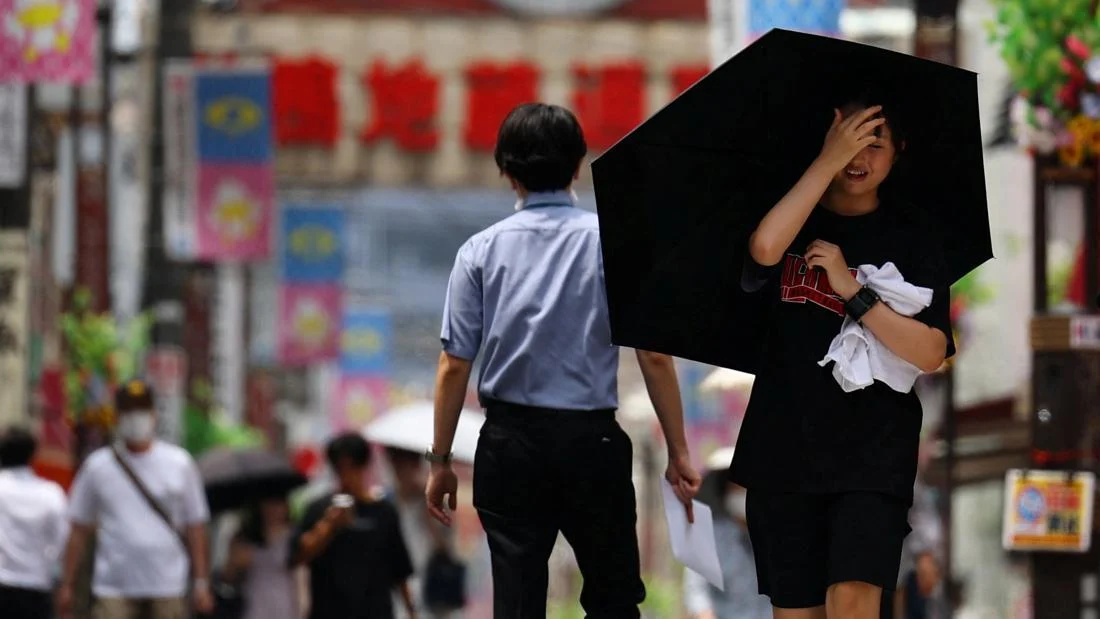
Japan is currently enduring a severe and intensifying heatwave, which has led to a significant public health crisis, with over 450 individuals hospitalized this week due to heat-related illnesses. The capital city, Tokyo, which is home to approximately 14 million residents, recorded 453 hospitalizations on Wednesday, July 22, according to figures released by the Tokyo Fire Department. This alarming statistic underscores the immediate and widespread impact of the extreme temperatures gripping the archipelago. Tragically, the metropolis has also reported one fatality linked to the heatwave, alongside four individuals in critical condition and 18 in serious condition, highlighting the profound risks posed by the relentless heat. Across the nation, specific cities have experienced temperatures soaring above 40 degrees Celsius, a threshold that Japan has formally recognized this year with the introduction of a new meteorological term: "kokushobi," or "very hot day," specifically denoting temperatures exceeding 40 degrees Celsius. This formal designation reflects the growing severity and frequency of such extreme weather events in the country.

Immediate Crisis: Rising Hospitalizations and Fatalities

The sheer volume of individuals requiring medical attention for heatstroke and other heat-related ailments has placed considerable strain on healthcare facilities nationwide. On Wednesday alone, the Tokyo Fire Department, responsible for emergency medical services in the vast urban area, reported a staggering 453 people being transported to hospitals. This figure represents a sharp increase in heat-related emergencies and is indicative of the broad public health challenge at hand. Medical professionals and emergency services personnel are working tirelessly to manage the influx of patients, many of whom present with symptoms ranging from dehydration and heat exhaustion to severe heatstroke, which can lead to organ damage, neurological impairment, and, as sadly demonstrated by the recent fatality in Tokyo, death. The Fire and Disaster Management Agency (FDMA), a governmental body overseeing fire services and disaster response, has issued a stark warning, declaring the ongoing heatwave a "disaster." This classification is not merely semantic; it signals the gravity of the situation and mobilizes resources for a comprehensive national response. A spokesperson for the fire department emphasized the critical need for public vigilance, urging citizens to "remain hydrated and use air conditioning" to mitigate the risks. They also cautioned that the number of patients is likely to continue rising as temperatures show no signs of abating in the immediate future.

Record-Breaking Temperatures and the "Kokushobi" Designation

The intensity of the current heatwave is underscored by the record-breaking temperatures observed across various regions. On Thursday, July 23, at least six distinct areas reported midday temperatures of 40 degrees Celsius or higher, marking an exceptionally hot period for the country. The highest temperature recorded was a scorching 41.1 degrees Celsius in Hamamatsu, located in the central Shizuoka prefecture. This figure approaches the national record for Japan, highlighting the extreme nature of the conditions. Following closely, Toyota City in Aichi prefecture registered 40.8 degrees Celsius, while Kuwana in Mie prefecture experienced 40.7 degrees Celsius. These readings are not isolated incidents but rather part of a broader pattern of elevated temperatures affecting nearly the entire country. The official introduction of "kokushobi" (very hot day) as a meteorological term this year signifies a recognition by Japanese authorities and meteorologists of a new, more severe category of heat. Historically, the term "mōshōbi" (extremely hot day) has been used for temperatures exceeding 35 degrees Celsius. The addition of "kokushobi" for temperatures above 40 degrees Celsius reflects a scientific acknowledgment of the increasing frequency and intensity of these extreme heat events, likely influenced by broader climate patterns. This new terminology also serves to better communicate the heightened risks to the public.

Chronology of a Mounting Crisis

The current heatwave did not emerge suddenly but has been building steadily since mid-July. The FDMA’s statement explicitly noted that "temperatures have increased since mid-July, and an extreme heatwave is expected to continue across the country." This extended period of elevated temperatures has had a cumulative effect on the population, making individuals more susceptible to heat-related illnesses.

Mid-July Onset and Escalation

The latter half of July saw a consistent rise in mercury readings across Japan, transforming what might have been typical summer warmth into an oppressive and dangerous heatwave. Daily average temperatures began to consistently exceed seasonal norms, particularly in the Kanto region, including Tokyo, and parts of central and western Japan. This gradual escalation meant that by the week of July 20th, the conditions were ripe for the severe impacts now being observed. The sustained nature of the heat, with little overnight relief, prevents the human body from adequately recovering, increasing the risk of heatstroke.

Urgent Public Health Warnings

As temperatures continued their upward trajectory, the Japan Meteorological Agency (JMA) began issuing increasingly severe heatstroke alerts. These warnings, disseminated through various media channels, cautioned the public about the dangers and advised preventative measures. By Wednesday, July 22, the situation had deteriorated to the point where the Tokyo Fire Department was reporting hundreds of hospitalizations. This prompted more urgent and widespread advisories from public health officials, reinforcing messages about staying indoors during peak heat hours, using air conditioning, and hydrating frequently. The FDMA’s declaration of a "disaster" further amplified these warnings, signaling a national emergency response. On Thursday, July 23, the warnings were expanded to cover almost the entire country, indicating the pervasive nature of the extreme heat. The record-setting temperatures in Hamamatsu and other cities on this day served as a stark confirmation of the forecasts and the escalating crisis.

Broader Context: Japan’s Vulnerability to Extreme Heat

Japan’s geographical location and specific demographic characteristics make it particularly vulnerable to the impacts of extreme heatwaves. While summers are traditionally hot and humid, the intensity and duration of recent heatwaves have surpassed historical norms, presenting a multifaceted challenge.

A Recurring Threat: Lessons from Past Heatwaves

This is not Japan’s first encounter with a devastating heatwave. The country experienced a particularly severe event in July 2018, which led to over 1,000 deaths and tens of thousands of hospitalizations. That heatwave, which was also declared a natural disaster by the government, prompted a re-evaluation of public health strategies and emergency response protocols. Temperatures during the 2018 event reached a then-record 41.1 degrees Celsius in Kumagaya, Saitama Prefecture, mirroring the current highs. Lessons learned from 2018, such as the importance of early warnings, the establishment of cooling centers, and targeted outreach to vulnerable populations, have informed current responses. However, the recurring nature and increasing severity of these events suggest that existing measures may need continuous adaptation and strengthening to cope with a changing climate. The current heatwave, with its similar intensity and rapid escalation of hospitalizations, evokes grim parallels to the 2018 crisis, underscoring the ongoing threat.

Demographic Challenges: An Aging Population at Risk

Japan has one of the world’s oldest populations, with a significant proportion of its citizens aged 65 and above. This demographic reality profoundly amplifies the risks associated with heatwaves. Elderly individuals are inherently more vulnerable to heatstroke due to several physiological factors, including a reduced ability to regulate body temperature, decreased sensation of thirst, and often, pre-existing medical conditions that can be exacerbated by heat. Furthermore, many elderly residents may live alone, limiting their access to immediate assistance or making them less likely to use air conditioning due to cost concerns or a desire to conserve energy. Public health campaigns are increasingly focusing on these vulnerable groups, encouraging family members and neighbors to check on elderly relatives and ensuring access to cooling facilities. However, the sheer scale of the aging population presents a persistent challenge in effectively safeguarding everyone during extreme heat events.

'Hawa Neraka' Panas Ekstrem di Jepang, Tembus 40 Derajat Celsius

Climate Change as a Catalyst

The scientific consensus overwhelmingly points to climate change as a significant factor contributing to the increased frequency and intensity of extreme weather events globally, including heatwaves in Japan. The Intergovernmental Panel on Climate Change (IPCC) reports have consistently highlighted that human activities, primarily the emission of greenhouse gases, are leading to a warming planet, which in turn makes heatwaves hotter, longer, and more common. Japan, as an island nation, is also susceptible to the "urban heat island" effect, where metropolitan areas become significantly warmer than surrounding rural areas due to heat absorption by concrete and asphalt, and heat emissions from buildings and vehicles. This phenomenon, combined with rising global temperatures, creates a dangerous synergy. While individual weather events cannot be solely attributed to climate change, the observed trend of increasingly severe heatwaves aligns with climate projections for the region. This broader context necessitates not only immediate response measures but also long-term adaptation strategies and global efforts to mitigate climate change.

Official Response and Public Guidance

In response to the escalating crisis, Japanese authorities have mobilized various government agencies and implemented public health advisories to protect citizens. The official response emphasizes both immediate relief and preventative measures.

Fire and Disaster Management Agency Declares "Disaster"

The declaration of the heatwave as a "disaster" by the Fire and Disaster Management Agency (FDMA) is a critical step. This classification enables the central government to allocate additional resources, coordinate emergency efforts more effectively across prefectures, and provide financial assistance to affected areas. The FDMA’s statement underscored the severity: "It is not an exaggeration to call this extreme heatwave a disaster, with many people being rushed to hospitals or even dying from heatstroke." This strong language reflects the agency’s assessment of the significant threat to public safety and infrastructure. The FDMA is working closely with local governments, emergency services, and public health departments to ensure a coordinated national response, including the dissemination of critical information and the deployment of personnel and equipment where needed.

Calls for Hydration and Air Conditioning Use

A core component of the official guidance is the repeated call for the public to remain hydrated and to make judicious use of air conditioning. A spokesperson for the fire department explicitly stated this advice, recognizing these as primary tools for preventing heatstroke. Public service announcements are widely broadcast through television, radio, and digital platforms, urging people to drink water regularly, even if they don’t feel thirsty, and to avoid prolonged exposure to direct sunlight, especially during the hottest parts of the day. The recommendation to use air conditioning is crucial, particularly for vulnerable groups, despite potential concerns about energy consumption or cost. Some local governments have even explored initiatives to provide subsidies or support for air conditioning use for low-income households or to open public cooling centers where individuals can seek refuge from the heat.

Healthcare System Under Strain

The surge in hospitalizations has placed significant pressure on Japan’s healthcare system. Emergency rooms are experiencing increased patient loads, and medical staff are working extended hours to provide care. Hospitals are bracing for potentially higher numbers as the heatwave persists. This strain is not limited to urban centers like Tokyo but extends to regional hospitals across the affected areas. Medical associations and public health officials have issued guidelines to healthcare providers on managing heat-related illnesses and conserving resources where possible. There is also an emphasis on preventing the spread of other seasonal illnesses, such as influenza or common colds, which could further complicate the healthcare response during this period of heightened demand.

Socio-Economic and Environmental Implications

Beyond the immediate health crisis, the prolonged heatwave carries significant socio-economic and environmental implications for Japan, affecting various sectors of society and the economy.

Strain on Infrastructure and Energy Demands

One of the most immediate consequences of extreme heat is the dramatic increase in electricity demand, primarily driven by the widespread use of air conditioning. This surge in consumption places immense strain on the national power grid, raising concerns about potential blackouts or brownouts, particularly during peak usage hours. Power companies are closely monitoring demand and supply, and contingency plans are likely in place to manage any disruptions. The long-term implications include the need for greater investment in resilient energy infrastructure, including smart grids and renewable energy sources, to meet growing demand while reducing the carbon footprint. Furthermore, other critical infrastructure, such as transportation networks, can be affected by extreme heat, leading to track buckling on railways or heat-related issues for vehicles.

Impact on Agriculture and Outdoor Industries

Japan’s agricultural sector is highly vulnerable to prolonged heatwaves. High temperatures can stress crops, reduce yields, and lead to significant economic losses for farmers. Livestock can also suffer from heat stress, impacting productivity and welfare. Rice paddies, a staple of Japanese agriculture, require specific temperature ranges for optimal growth, and extreme heat can disrupt this delicate balance. Similarly, outdoor industries such as construction, fisheries, and various manufacturing processes face challenges. Workers in these sectors are at high risk of heatstroke, necessitating stricter safety protocols, adjusted work schedules, and adequate hydration breaks, which can impact productivity and project timelines. The fishing industry, for example, can be affected by changes in ocean temperatures and fish migration patterns.

Long-Term Adaptation Strategies and Urban Planning

The recurring nature and increasing severity of heatwaves necessitate long-term adaptation strategies for Japan. Urban planning plays a crucial role in mitigating the urban heat island effect. This includes promoting green infrastructure, such as parks, urban forests, and green roofs, which can help cool city environments. The use of reflective materials in construction, improving building insulation, and designing cities with better air circulation can also contribute to cooler urban landscapes. Furthermore, public awareness campaigns about heat safety need to be integrated into broader public health education, becoming a permanent feature of summer preparedness. Investment in advanced meteorological forecasting technologies will also be critical to provide more accurate and timely warnings, allowing for better preparedness and response.

Looking Ahead: The Future of Summer in Japan

The current heatwave serves as a powerful reminder of the profound challenges posed by a changing climate. As Japan navigates this immediate crisis, the long-term implications for its society, economy, and environment are becoming increasingly clear. The "kokushobi" designation is more than just a new term; it is a recognition of a new climatic reality. The country faces the imperative of not only responding to current emergencies but also proactively adapting to a future where extreme heat may become the norm rather than an exception. This requires a multi-pronged approach encompassing robust public health measures, resilient infrastructure development, sustainable energy policies, and innovative urban planning, all underpinned by a deep commitment to climate change mitigation and adaptation at both national and global levels. The experience of this week will undoubtedly inform future policies and preparedness efforts, shaping what a Japanese summer will look like for generations to come.


July 24, 2026 0 comment
0 FacebookTwitterPinterestEmail
World News

Ministry of Home Affairs and KPK Launch Comprehensive Anti-Corruption Program to Fortify Regional Governance Across Indonesia

by admin July 24, 2026
written by admin

The Indonesian Ministry of Home Affairs (Kemendagri), in a pivotal collaborative effort with the Corruption Eradication Commission (KPK), has unveiled an extensive program aimed at proactively preventing corruption in regional administrations nationwide. This strategic partnership, announced by Minister of Home Affairs Tito Karnavian during a joint press conference with KPK leadership on Friday, July 24, 2026, underscores a renewed commitment to upholding integrity and transparency at the local level, where public services and development initiatives are most directly implemented. The initiative is specifically designed to address systemic vulnerabilities and foster a culture of accountability among regional officials, recognizing the critical role local governments play in national development and the persistent challenges posed by corruption in these spheres.

The Pervasive Threat: Why Regional Corruption Matters

Corruption at the regional level in Indonesia has long been a significant impediment to effective governance, equitable resource distribution, and sustainable development. With Indonesia’s decentralized administrative structure, regional governments manage substantial budgets and have broad authority over public services, infrastructure projects, and licensing. This autonomy, while intended to foster local development and democratic participation, has unfortunately also created numerous opportunities for malfeasance. The KPK has, over the years, prosecuted numerous regional heads, including governors, regents, and mayors, alongside other local officials, for various corruption offenses. These cases, often involving bribery, embezzlement, and abuse of power, have eroded public trust, diverted critical funds from public welfare, and distorted market competition. Transparency International’s Corruption Perception Index (CPI) consistently highlights challenges in Indonesia’s public sector, with local government integrity being a recurring concern. This new collaboration between Kemendagri and KPK thus comes as a timely and necessary intervention, aiming to preempt corrupt practices rather than merely prosecuting them post-facto. It signals a shift towards a more preventative and educational approach, acknowledging that systemic issues require systemic solutions.

Unveiling the Vulnerabilities: A Deep Dive into Corruption Hotspots

Minister Tito Karnavian meticulously outlined several critical areas identified as highly susceptible to corrupt practices within regional administrations. These "red zones" represent the focal points for the upcoming prevention program, indicating a granular understanding of how corruption manifests in local governance.

One significant vulnerability lies in planning and budgeting processes. This includes "program titipan" (earmarked or ‘pork barrel’ programs), where certain projects are inserted into the budget without genuine public need, often serving the interests of specific political figures or groups. Similarly, "pokok pikiran yang tidak selaras" (misaligned legislative aspirations) often refers to budget allocations influenced by members of the Regional House of Representatives (DPRD) that may not align with broader development priorities but rather with individual or group interests, potentially leading to conflicts of interest or quid pro quo arrangements. The creation of "proyek tanpa kebutuhan dibuat" (projects without genuine need) further exemplifies how public funds can be wasted on unnecessary endeavors, frequently initiated to facilitate rent-seeking opportunities.

Procurement of goods and services stands out as another notoriously high-risk area. This includes "pengadaan barang dan jasa" in general, where the process can be manipulated through various means. "Pergeseran tanpa justifikasi" (unjustified budget shifts) allows for funds to be moved from their intended purposes to less transparent projects. Tactics such as "pengaturan pemenang" (bid rigging), where contracts are pre-determined for specific companies, and "pemecahan paket" (package splitting), which involves breaking large contracts into smaller ones to avoid competitive bidding thresholds or to award them to preferred vendors, are common. The manipulation of "HPS (harga perkiraan sendiri) yang tidak wajar" (unreasonable Owner’s Estimate) allows for inflated project costs, creating opportunities for kickbacks. Furthermore, "pekerjaan fiktif" (fictitious work), "pengurangan volume" (reduction in volume or quality of work), and "adendum tidak wajar" (unjustified contract addendums) are prevalent methods to siphon off public funds during project execution.

In the realm of payments, vulnerabilities include "pembayaran yang sebelum pekerjaan selesai" (payments made before work is completed) and "bukti tidak valid" (invalid evidence or receipts), which facilitate fraudulent claims and embezzlement.

ASN (State Civil Apparatus) management also presents significant corruption risks. "Jual beli jabatan" (the sale and purchase of positions) undermines meritocracy, leading to the appointment of unqualified individuals and fostering a culture of patronage. "Mutasi berbasis kedekatan" (transfers based on proximity or personal connections) similarly erodes professionalism and creates opportunities for favoritism.

Permit and licensing processes are frequently exploited for illicit gains. "Suap percepatan" (bribes for expedited processing), "pungutan tidak resmi" (unofficial levies), and "intervensi tata ruang" (intervention in spatial planning decisions) are common forms of corruption that distort economic activity and can lead to environmental degradation or unfair competition.

Furthermore, revenue collection is susceptible to "kebocoran pajak dan retribusi" (tax and levy leakage) and "manipulasi basis data" (database manipulation), which result in significant losses for regional treasuries, depriving the public of essential services.

Finally, the management of Regional Owned Assets (BMD), Regional Owned Enterprises (BUMD)/Regional Public Service Agencies (BLUD), and grants (hibah) is fraught with risks. This encompasses "penguasaan aset oleh pihak lain" (control of assets by unauthorized parties), "pemanfaatan tanpa kontribusi" (use of assets without proper contribution to the region), and "transaksi afiliasi" (affiliated transactions) that benefit insiders. "Intervensi pengurus dan pengadaan" (intervention in management and procurement) for BUMDs and BLUDs often leads to inefficiency and illicit gains. The selection of "penerima tidak valid" (invalid recipients) for social assistance grants, coupled with "kepentingan politik" (political interests) influencing allocations and "pertanggungjawaban fiktif" (fictitious accountability reports), ensures that funds meant for the most vulnerable are diverted. These detailed insights highlight the complexity and multi-faceted nature of corruption in local governance, necessitating a targeted and multi-pronged approach for effective prevention.

Comprehensive Strategy: Eight Pillars of Prevention

To address these pervasive vulnerabilities, Minister Tito Karnavian elaborated on eight core areas that will form the backbone of the joint Kemendagri-KPK anti-corruption strategy. These pillars represent a holistic framework designed to strengthen governance mechanisms and ethical conduct across various governmental functions:

  1. Planning and Budgeting: This area will focus on enhancing transparency, public participation, and oversight in the formulation and allocation of regional budgets. The goal is to eliminate opaque processes that enable "program titipan" and misaligned spending, ensuring that public funds are directed towards genuine community needs.
  2. Procurement of Goods and Services: Efforts here will concentrate on reinforcing fair competition, increasing transparency in tender processes, and implementing robust oversight mechanisms to prevent bid rigging, package splitting, and inflated HPS, which are common avenues for corruption.
  3. Public Services: The program aims to streamline bureaucratic procedures, reduce opportunities for unofficial levies, and improve the efficiency and accessibility of public services, thereby mitigating the risk of bribery and petty corruption.
  4. Licensing: This pillar will target the simplification of licensing processes, the establishment of clear service standards, and the reduction of discretionary power that can lead to "suap percepatan" and other forms of extortion.
  5. Oversight by Internal Supervisory Apparatus (APIP): Strengthening the capacity, independence, and effectiveness of APIPs within regional governments is crucial. This includes enhancing their investigative capabilities and ensuring their findings lead to concrete corrective actions, acting as the first line of defense against malfeasance.
  6. Governance (Tata Kelola): This broad category encompasses improving overall administrative systems, fostering good corporate governance principles within regional entities, and ensuring adherence to ethical standards across all levels of regional government.
  7. ASN Management: The focus here is on promoting merit-based recruitment, promotion, and transfer systems, thereby eradicating the "sale and purchase of positions" and patronage-based appointments that undermine professional public service.
  8. Management of Regional Assets, Taxes, Levies, and Gratification: This pillar addresses the efficient and transparent management of public assets, ensuring proper valuation and utilization. It also seeks to plug leakages in tax and levy collection and to establish robust mechanisms for reporting and handling gratification, preventing conflicts of interest and illicit enrichment.

These eight areas collectively cover the spectrum of governmental operations prone to corruption, providing a structured approach for intervention and reform.

Special Focus: High-Risk Sectors Under Scrutiny

Beyond the general areas, the joint program will dedicate special attention to several sectors identified as carrying exceptionally high corruption risks due to their significant financial flows, complex management structures, or direct impact on public welfare:

  • Regional Owned Assets (BMD): Ensuring transparent inventory, valuation, utilization, and disposal of regional assets to prevent their illegal control or misuse by private interests.
  • Regional Owned Enterprises (BUMD) and Regional Public Service Agencies (BLUD): Strengthening corporate governance, management oversight, and procurement processes within these entities to prevent interventions, affiliated transactions, and other forms of financial manipulation.
  • Social Assistance Grants (Hibah Bantuan Sosial): Implementing stricter verification of recipients, transparent allocation processes, and robust accountability mechanisms to prevent the diversion of funds intended for vulnerable populations, often influenced by political motives.
  • DPRD’s Aspirations/Pokir (Pokok Pikiran): Establishing clear guidelines and oversight for the articulation and budgeting of legislative aspirations to ensure they genuinely serve public interest rather than becoming vehicles for personal or political gain.
  • Village Funds (Dana Desa): Given the substantial annual allocations and the remote nature of many villages, strict monitoring and capacity building for village officials are paramount to prevent embezzlement and misuse of these funds crucial for rural development.

These targeted areas highlight the commitment to addressing corruption in its most concentrated and impactful forms, recognizing the unique challenges each sector presents.

Nationwide Outreach: Implementation and Phased Approach

The implementation of this ambitious program will involve extensive educational and training initiatives led jointly by Kemendagri and KPK. The primary target audience includes a wide array of regional stakeholders: regional heads and their deputies, chairpersons and representatives of the Regional House of Representatives (DPRD), regional secretaries, and other key regional apparatus officials. This broad outreach ensures that leadership at all levels is equipped with the knowledge and tools to prevent corruption.

The program is structured around 10 regional clusters, with each cluster encompassing two or three provinces. The educational activities are planned to be hosted in designated "tuan rumah" (host) provinces, typically at the governor’s office or relevant provincial agency premises, facilitating broad participation from neighboring regions.

Minister Tito Karnavian indicated that the activities are slated to commence in the upcoming week or beginning in August of 2026. The initial phase of this extensive program will strategically roll out in East Java and Bali, two provinces with diverse administrative landscapes and economic activities, making them ideal pilot locations for identifying best practices and refining the program’s methodology.

The collaborative framework outlines clear responsibilities for both Kemendagri and KPK. They will jointly undertake the crucial tasks of:

  1. Developing comprehensive training materials: Ensuring the content is relevant, practical, and addresses the specific corruption risks identified.
  2. Mapping regions and their specific risks: A tailored approach will be adopted, recognizing that corruption vulnerabilities can vary significantly across different provinces and districts.
  3. Preparing expert speakers and facilitators: Drawing upon the expertise of anti-corruption specialists, legal professionals, and experienced governance practitioners.
  4. Formulating corrective actions: Collaboratively designing concrete, actionable steps that regional governments must undertake to improve their integrity systems and governance practices.

This structured, phased approach, beginning with key regions, aims to create a ripple effect, gradually strengthening anti-corruption efforts across the entire archipelago.

Broader Context: KPK’s Mandate and Past Efforts

The Corruption Eradication Commission (KPK) was established in 2003 with a formidable mandate to combat corruption in Indonesia through investigation, prosecution, and prevention. Its role as an independent body with broad powers has been crucial in tackling high-profile corruption cases, including those involving senior government officials and politicians. Over the past two decades, the KPK has brought numerous regional heads to justice, serving as a stark reminder of the risks associated with public office. For instance, data from the KPK indicates that dozens of regional heads have been ensnared in corruption cases since the commission’s inception, a figure that continually underscores the pervasive nature of this crime at the local level. These arrests, while demonstrating the KPK’s effectiveness in law enforcement, also highlight the urgent need for robust prevention strategies. The collaboration with Kemendagri, the ministry responsible for overseeing regional administrations, is a logical and powerful synergy, combining the KPK’s anti-corruption expertise with Kemendagri’s administrative authority and reach. This partnership moves beyond punitive measures alone, focusing on systemic improvements and capacity building to create a more resilient and ethical public service. This proactive stance is aligned with global best practices in anti-corruption, which emphasize prevention and education as equally vital components alongside enforcement.

Stakeholder Perspectives and Anticipated Outcomes

The joint initiative has been met with positive anticipation from various stakeholders. During the press conference, the presence of KPK leadership alongside Minister Tito Karnavian underscored the commission’s full backing for the preventative approach. While no direct quotes were provided from KPK leaders in the original article, their participation inherently signifies their commitment to working hand-in-hand with Kemendagri to address the root causes of corruption. It is reasonable to infer that KPK leaders emphasized the urgency of such a program, given their extensive experience with regional corruption cases, and expressed their readiness to deploy their expertise in training and risk assessment.

From the perspective of regional governments, the program is expected to be largely welcomed, albeit with the understanding that it entails stricter oversight and greater accountability. Regional heads and officials are likely to view this as an opportunity to enhance their governance practices and protect themselves from potential legal ramifications. Anti-corruption watchdogs and civil society organizations, which have long advocated for stronger preventative measures and transparency in local governance, are also likely to commend this initiative. They would likely highlight the importance of consistent implementation and genuine political will to ensure the program’s success, emphasizing that training must be followed by tangible reforms and strict enforcement.

The anticipated outcomes of this comprehensive program are far-reaching. By systematically addressing corruption hotspots and empowering regional officials with knowledge and ethical frameworks, the initiative aims to:

  • Improve Public Trust: Rebuilding public confidence in government institutions by demonstrating a proactive commitment to integrity.
  • Enhance Service Delivery: Ensuring public funds are utilized efficiently for their intended purposes, leading to better infrastructure, healthcare, education, and other essential services.
  • Strengthen Regional Governance: Fostering a culture of transparency, accountability, and meritocracy within regional administrations.
  • Promote Economic Development: Creating a fairer and more predictable business environment by reducing unofficial levies and corruption in licensing and procurement.
  • Reduce Financial Leakages: Safeguarding regional budgets from embezzlement and misuse, allowing for greater investment in sustainable development.

Challenges and the Path Forward

Despite the robust framework and clear objectives, the successful implementation of such an ambitious anti-corruption program will undoubtedly face challenges. These include ensuring consistent political will across all levels of government, overcoming entrenched bureaucratic resistance to change, and navigating the complexities of local political dynamics. The effectiveness of the training and educational modules will depend on their ability to genuinely influence behavior and foster a deep-seated commitment to integrity among officials. Moreover, continuous monitoring, evaluation, and adaptation of the program will be crucial to respond to evolving corruption patterns and ensure its long-term impact. The role of technology, such as e-procurement systems, e-planning platforms, and digital public service portals, will also be vital in enhancing transparency and reducing human interaction points where corruption often thrives. Ultimately, the Kemendagri-KPK collaboration represents a significant step forward in Indonesia’s ongoing battle against corruption, laying a strong foundation for more ethical, efficient, and accountable regional governance. Its success will not only benefit local communities but also significantly bolster Indonesia’s overall integrity and global standing.

July 24, 2026 0 comment
0 FacebookTwitterPinterestEmail
Sports

Robert Lewandowski Expresses Joy Over Spain’s 2026 World Cup Victory, Foresees Future Dominance

by admin July 24, 2026
written by admin

New York – Polish football icon Robert Lewandowski shared his elation following Spain’s triumphant victory in the 2026 FIFA World Cup, expressing a strong belief in the current Spanish squad’s potential to achieve further global success. The striker, a two-time FIFA Best Player awardee, witnessed Spain clinch their second World Cup title in a hard-fought final against the 2022 champions, Argentina, at a packed stadium in New Jersey. Spain’s decisive 1-0 victory was secured in extra time by a goal from Ferran Torres, a testament to their disciplined defensive performance that largely stifled the Argentine attack.

A Tactical Masterclass in a Challenging Final

While acknowledging the match wasn’t the most aesthetically pleasing spectacle, Lewandowski commented on the challenging playing conditions. "The pitch was slow, so it wasn’t the best way to play the game," he remarked, referring to the quality of the playing surface which may have impacted the free-flowing, attacking style often associated with both Spain and Argentina. Despite these conditions, Lewandowski was effusive in his praise for Spain’s overall performance. "Spain was superior and could have won the match earlier or with more goals. They dominated throughout the game and always kept possession," he stated, highlighting La Furia Roja’s consistent control and tactical discipline.

The victory for the Spanish national team marks a significant milestone, achieving a remarkable double by holding both the World Cup and the European Championship titles, the latter of which they secured two years prior. Lewandowski, a prominent figure in global football, was present in the stands, personally observing Spain’s triumph. His presence in New Jersey underscored his connection to the sport and his keen interest in witnessing elite competition.

Personal Ties and Future Ambitions

Lewandowski’s support for Spain stemmed from his significant tenure at FC Barcelona, a club where he has formed numerous friendships and professional relationships. "I supported Spain because I spent several years in Barcelona and I have many friends there, so I really supported them," he explained. This personal connection provided a clear motivation for his allegiance in the final. He also acknowledged his initial support for Argentina, specifically for Lionel Messi, who had led them to victory in the previous World Cup. However, with Messi having already achieved his ultimate international dream, Lewandowski’s focus shifted to a team he felt deserved the global acclaim. "From Argentina, I only supported Messi, but he won the World Cup before, so that’s why I wanted Spain to win," he added, elaborating on his nuanced loyalties.

The 38-year-old Polish star was particularly impressed by the youthful core of the Spanish squad. He noted that with a team comprised of many young talents, Spain possesses the potential to defend their title in the upcoming 2030 FIFA World Cup. "They are a very young team and can still win other World Cups. I enjoyed their game and Spain’s victory," Lewandowski concluded, offering a positive outlook on the future of Spanish football. His sentiments were echoed by many observers who recognized the blend of experience and emerging talent within Luis de la Fuente’s squad.

Spain’s Journey to 2026 Glory

The road to the 2026 World Cup title for Spain was a testament to their strategic development and consistent performance over several years. After their disappointing group-stage exit in the 2022 World Cup, the Spanish Football Federation (RFEF) and the coaching staff embarked on a process of rejuvenation. The focus shifted towards integrating a new generation of exceptionally talented young players, many of whom had excelled in Spain’s youth academies and had already made significant impacts in top European leagues.

The Euro 2024 victory served as a crucial stepping stone, providing invaluable tournament experience and building crucial team cohesion. This triumph instilled a renewed sense of confidence and belief within the squad, signaling their readiness to compete on the global stage once more. Manager Luis de la Fuente, who took over the senior team in 2022, has been instrumental in this transition. He has cultivated an environment that fosters attacking flair while maintaining the historical Spanish emphasis on possession-based football and defensive solidity.

Key Moments and Players in the 2026 Campaign

Spain’s campaign in the 2026 World Cup was marked by a series of dominant performances. They navigated their group stage with relative ease, showcasing a potent attacking force led by emerging stars alongside seasoned veterans. Throughout the knockout stages, their tactical flexibility and defensive resilience proved formidable. They overcame strong opposition with disciplined performances, often controlling the tempo of the game and limiting their opponents’ opportunities.

The semi-final clash, a tense affair against a resurgent Brazil, saw Spain emerge victorious after a penalty shootout, demonstrating their mental fortitude under pressure. This victory set up the highly anticipated final against Argentina, a rematch of the 2022 final and a clash of two footballing giants. The final itself, as Lewandowski noted, was a testament to Spain’s strategic approach. They meticulously executed their game plan, nullifying Argentina’s attacking threats, particularly Lionel Messi, who, despite his immense talent, found it challenging to break down the Spanish defense. The decisive moment came in extra time when a swift attacking move culminated in Ferran Torres’s clinical finish, sending the Spanish contingent into raptures.

Statistical Overview of Spain’s Dominance

Spain’s statistical performance throughout the 2026 World Cup was impressive. They led the tournament in average possession, consistently maintaining control of the ball and dictating the pace of play. Their passing accuracy remained exceptionally high, a hallmark of their tiki-taka-inspired style. Defensively, they conceded the fewest goals in the tournament, a testament to their organized backline and the exceptional goalkeeping of Unai Simón.

Key statistics that underscored their success included:

  • Goals Scored: While not the highest-scoring team in every match, their efficiency in front of goal, particularly in crucial moments, was notable. Ferran Torres, with his decisive final goal, became a national hero.
  • Goals Conceded: Averaging less than 0.5 goals per game, their defensive record was the best in the competition.
  • Possession Statistics: Consistently dominating possession, often exceeding 65% in their matches.
  • Passing Accuracy: Maintaining a passing accuracy rate above 90% throughout the tournament.
  • Key Passes and Chances Created: While not always reflected in the scoreline, their ability to create scoring opportunities was evident in their consistent attacking pressure.

The emergence of young talents like Lamine Yamal, who at a remarkably young age played a pivotal role in the midfield, has been particularly noteworthy. His vision, dribbling ability, and composure on the ball have drawn comparisons to some of the game’s greatest playmakers. Alongside him, players like Pedri and Gavi, who were part of the Euro 2024 winning squad, provided a blend of youthful exuberance and tactical intelligence.

Reactions from the Football World

The victory sparked widespread celebration across Spain and garnered praise from football luminaries worldwide. Former Spanish internationals and coaches lauded the team’s achievement, highlighting the successful implementation of a long-term development strategy.

  • Luis Enrique, former Spain manager: While not directly involved in the 2026 campaign, former manager Luis Enrique, who led Spain to the Euro 2024 title, expressed his pride. "This is a moment of immense joy for Spanish football. The players and the coaching staff have worked incredibly hard, and they deserve this success. It shows the strength of our youth development and the enduring philosophy of our game," he stated in a televised interview.
  • Javier Tebas, La Liga President: "To win the World Cup is the pinnacle of football. This victory will undoubtedly boost the profile of La Liga and inspire a new generation of fans and players. Congratulations to the RFEF and the national team," commented Tebas.
  • Argentina Football Association (AFA): The AFA released a statement commending Spain on their victory while acknowledging the valiant effort of their own team. "We congratulate Spain on their World Cup triumph. It was a closely contested final, and we are proud of our players’ dedication and spirit. We look forward to future encounters between these great footballing nations."

Implications for Spanish Football and the Future of the Game

Spain’s 2026 World Cup victory has profound implications for the nation and the broader landscape of international football. Domestically, the triumph is expected to further galvanize support for the sport, encouraging increased participation at grassroots levels and potentially leading to greater investment in football infrastructure. The success of the national team also serves as a powerful marketing tool for La Liga, attracting global attention and enhancing its brand value.

Internationally, Spain’s achievement reinforces the efficacy of a patient, development-focused approach to team building. Their ability to seamlessly integrate young talent into a winning formula offers a blueprint for other national federations. The victory also solidifies Spain’s position as a perennial powerhouse in international football, setting a high benchmark for their competitors.

Furthermore, the 2026 World Cup, co-hosted by the United States, Canada, and Mexico, marked a significant expansion of the tournament format, featuring 48 teams. Spain’s success within this larger, more diverse field underscores their ability to adapt and excel against a wider range of opponents. The continued dominance of a possession-oriented, technically proficient style of play, as demonstrated by Spain, suggests that these principles will remain influential in the evolving tactical trends of the sport. As Robert Lewandowski rightly observed, with a core of young, exceptionally talented players, Spain appears poised to remain a formidable force on the global stage for years to come, potentially adding more silverware to their illustrious trophy cabinet. The future of Spanish football looks exceptionally bright, fueled by this latest global triumph and the promise of its emerging generation.

July 24, 2026 0 comment
0 FacebookTwitterPinterestEmail
Lifestyle

Escape Plan 2: Hades Airs Tonight on Bioskop Trans TV Featuring Sylvester Stallone and a High-Tech Prison Break

by admin July 24, 2026
written by admin

Bioskop Trans TV is set to broadcast the action-packed film "Escape Plan 2: Hades" this Friday, July 24, 2026, at 8:00 PM WIB, offering viewers a thrilling cinematic experience. This sequel to the 2013 original, "Escape Plan," shifts gears with Steven C. Miller taking the directorial reins. However, reports from IMDb indicate that Miller’s tenure was cut short, with his involvement concluding during the post-production phase of the film, a common, though often turbulent, occurrence in large-scale film productions.

The film reunites audiences with action icon Sylvester Stallone, who reprises his role and also serves as a producer. Intriguingly, despite reportedly receiving the highest salary for his participation, Stallone’s on-screen presence is limited to approximately 20 minutes, a strategic casting choice that underscores the ensemble nature of the sequel’s narrative. Adding further star power, rapper and actor 50 Cent makes a return appearance, alongside a formidable cast that includes Dave Bautista, Xiaoming Huang, and Jesse Metcalfe, each contributing their unique talents to the film’s high-stakes plot.

The High-Tech Prison and a Desperate Rescue Mission

At its core, "Escape Plan 2: Hades" plunges viewers into a world of advanced incarceration and daring escape attempts. The narrative, as detailed by various sources including detikHOT, revolves around Stallone’s character and his specialized team’s efforts to infiltrate and dismantle a state-of-the-art prison system. This formidable facility is designed not merely to contain its inmates but to force them into deadly combat, raising ethical and practical questions about modern penal systems.

The protagonist, Ray Breslin, portrayed by Sylvester Stallone, is a renowned security expert. In this installment, he assembles an elite team of specialists, each possessing unique skills crucial for breaching the impenetrable walls of the titular prison, Hades. Their primary objective is not simply to escape, but to execute a rescue mission for Breslin’s colleague, Shu Ren, played by Xiaoming Huang.

Shu Ren has been forcibly abducted and imprisoned within Hades, a facility that defies conventional understanding of correctional institutions. The prison’s most terrifying feature is its dynamic architecture; its layout and structure can reconfigure automatically, presenting a constantly evolving and unpredictable environment for both prisoners and those attempting to navigate its confines. This technological marvel serves as a primary antagonist, a sentient labyrinth that complicates every move and amplifies the peril for the characters.

The film vividly portrays the relentless threats faced by the characters, particularly Stallone’s Breslin. One particularly intense sequence sees Breslin caught in a perilous situation, finding himself under heavy gunfire alongside Dave Bautista, who embodies the character of Trent Derosa. This scene highlights the visceral action and the constant danger that permeates the film’s narrative, underscoring the high stakes of their mission.

Behind the Scenes: Production Challenges and Creative Shifts

The production of "Escape Plan 2: Hades" was not without its behind-the-scenes complexities. The change in directorial leadership during post-production, as reported by IMDb, suggests potential challenges in realizing the initial creative vision. Such shifts can sometimes lead to narrative inconsistencies or stylistic divergences, though skilled editors and producers often work to ensure a cohesive final product.

The decision to feature Sylvester Stallone for a comparatively brief period, despite his leading role in the franchise and significant financial compensation, points towards a deliberate strategy. This approach likely aims to showcase the collective efforts of the specialized team, emphasizing that the success of their mission hinges on the combined expertise of multiple individuals rather than a singular hero’s prowess. This aligns with the evolving landscape of action cinema, where ensemble casts and intricate team dynamics are increasingly popular.

The inclusion of 50 Cent, who also appeared in the first film, reinforces the franchise’s appeal to fans of urban action and hip-hop culture. His presence, along with Dave Bautista’s, a former professional wrestler turned formidable actor, adds a physical presence and a distinct charisma that complements Stallone’s veteran status. The contributions of Xiaoming Huang and Jesse Metcalfe further broaden the film’s appeal and bring diverse acting styles to the forefront, creating a dynamic on-screen chemistry.

Thematic Resonance: Technology, Justice, and Human Ingenuity

"Escape Plan 2: Hades" delves into several compelling themes that resonate with contemporary societal concerns. The film’s central premise, a technologically advanced prison designed for brutal survival, serves as a potent allegory for the potential downsides of unchecked technological advancement in areas such as security and law enforcement. The idea of a prison that can change its form automatically raises questions about transparency, accountability, and the dehumanizing effects of overly automated systems.

The narrative also explores the concept of justice and the lengths to which individuals will go to protect their colleagues and uphold their principles. Ray Breslin’s commitment to rescuing Shu Ren, despite the immense risks involved, highlights themes of loyalty and camaraderie. The film implicitly questions the ethics of a penal system that prioritizes brutal competition over rehabilitation or due process, prompting viewers to consider the broader implications of such an institution.

Furthermore, the film celebrates human ingenuity and the power of collaborative problem-solving. Breslin’s team, comprised of individuals with diverse skill sets, must work together, leveraging their unique strengths to overcome the formidable challenges posed by Hades. This underscores the idea that even in the face of overwhelming technological superiority, human intellect, courage, and teamwork can prevail. The film’s action sequences, designed to be both thrilling and suspenseful, are a testament to the characters’ resourcefulness and resilience under extreme pressure.

Supporting Data and Franchise Context

The "Escape Plan" franchise emerged as a modern take on classic prison break thrillers, aiming to blend intricate plotting with visceral action. The first film, released in 2013, starred Stallone and Arnold Schwarzenegger, and focused on a security expert who is framed and incarcerated in a high-security prison. It garnered a modest box office performance but laid the groundwork for a potential series.

"Escape Plan 2: Hades" represents a significant shift in the franchise’s trajectory. While the first film was a relatively straightforward collaboration between two action legends, the sequel expands its scope to include a more diverse cast and a more complex, technologically advanced setting. The film’s production budget and reported box office returns, while not publicly detailed in this context, generally indicate a strategy to broaden audience appeal and explore new narrative territories.

The use of Bioskop Trans TV as a platform for this broadcast highlights the enduring popularity of action films within Indonesian television programming. Such broadcasts provide accessible entertainment for a wide audience, allowing films that may have had theatrical runs or home video releases to reach a larger demographic. The scheduling on a Friday night further suggests an intention to capture a prime-time audience seeking entertainment for the weekend.

Broader Implications and Audience Reception

The broadcast of "Escape Plan 2: Hades" on Bioskop Trans TV offers a glimpse into the global distribution of Hollywood action cinema and its reception in international markets. The film’s themes, while rooted in an American action film context, often carry universal appeal. The spectacle of a high-tech prison break, coupled with the star power of Sylvester Stallone and his co-stars, is designed to transcend cultural barriers and engage viewers with its adrenaline-fueled narrative.

The film’s critical reception, which varied upon its initial release, often centered on its pacing, plot intricacies, and the balance between action and character development. However, for audiences tuning in for a Friday night movie, the emphasis is typically on entertainment value, and "Escape Plan 2: Hades" promises a significant dose of that through its action sequences and high-concept premise.

In conclusion, "Escape Plan 2: Hades" presents a compelling narrative of technological warfare within the confines of a futuristic prison. As it airs on Bioskop Trans TV, viewers can anticipate a fast-paced action film that, despite its behind-the-scenes production shifts, aims to deliver thrills, suspense, and a thought-provoking exploration of advanced security systems and the enduring spirit of human resilience. The film’s continued presence in broadcast schedules underscores the lasting appeal of the action genre and its ability to captivate audiences across different platforms and regions.

July 24, 2026 0 comment
0 FacebookTwitterPinterestEmail
Lifestyle

Japan Gripped by Record-Breaking Heatwave, Over 450 Hospitalized in a Single Day Amidst Growing Crisis

by admin July 24, 2026
written by admin

Japan is currently confronting an unprecedented heatwave that has pushed its emergency services to their limits, with over 450 individuals requiring hospitalization due to heat-related illnesses in Tokyo within a single 24-hour period. This alarming figure, recorded on Wednesday, July 22nd, marks the highest single-day toll since comprehensive records began 16 years ago, according to data released by the Tokyo Fire Department on Thursday, July 23rd. The surge in heat-related emergencies coincides with a broader national crisis, where the relentless heatwave has already claimed at least 14 lives across the country in the past week.

The gravity of the situation is underscored by the fact that the number of emergency calls received by the Tokyo Fire Department also reached a historic high, the most significant since at least 1963. This stark data emerged as temperatures across Japan have soared to dangerous levels, prompting urgent calls for public vigilance and preventative measures.

A Nation Under Siege: The Scale of the Heat Emergency

The statistics released by the Tokyo Fire Department paint a grim picture of the immediate impact of the extreme heat. On Wednesday, 453 people were admitted to hospitals in the capital city specifically for conditions linked to heat exposure. This figure represents a dramatic spike and surpasses all previous daily records observed since the department initiated its detailed record-keeping in 2010.

A spokesperson for the fire department issued a direct appeal to the public, emphasizing the critical need for hydration and the consistent use of air conditioning. "We urge the public to stay hydrated and use air conditioners," the spokesperson stated, highlighting the life-saving potential of these simple yet crucial actions. The department noted a discernible increase in patient numbers directly correlating with rising ambient temperatures, with Tuesday and Wednesday witnessing particularly significant surges in heat-related incidents.

Within Tokyo Prefecture, a densely populated region home to approximately 14 million residents, the heatwave has already led to one reported fatality. Beyond this tragic loss, an additional four individuals are in critical condition, and a further 18 are listed in serious condition, all due to the overwhelming effects of the extreme heat. These numbers serve as a stark reminder of the potent and potentially lethal nature of prolonged exposure to high temperatures.

"Kokushobi": A New Term for an Ancient Threat

The severity of the current heatwave has prompted the Japanese government to introduce a new, stark term to underscore the danger: "Kokushobi." This phrase, translating to "extremely hot day," is designed to elevate public awareness and encourage an even higher level of caution. The Japan Meteorological Agency (JMA) and the Fire and Disaster Management Agency (FDMA) have been unequivocal in their messaging, asserting that the current conditions extend far beyond typical summer heat.

The FDMA has gone as far as to characterize the ongoing situation as a "disaster," citing the alarming number of people being rushed to hospitals and the fatalities attributed to heatstroke. This designation signals a shift in how authorities are framing the crisis, acknowledging it not merely as adverse weather but as a significant public health emergency requiring a robust and coordinated response.

On a national scale, the impact is even more widespread. Over the past week, more than 11,000 individuals across Japan have required emergency medical treatment due to excessive exposure to high temperatures. This cumulative figure underscores the pervasive nature of the heatwave and its widespread toll on the population.

A Historical Context: Precedents and Escalating Concerns

While Japan experiences hot summers, the current intensity and duration of the heatwave are raising particular concerns among meteorologists and public health officials. Historically, Japan has faced heat-related challenges, but the confluence of factors such as rising global temperatures, urban heat island effects, and potentially shifting weather patterns may be exacerbating the situation.

Records indicate that heatstroke has been a recurring issue during Japanese summers, but the unprecedented number of hospitalizations in a single day points towards a new level of severity. The 2010 benchmark for daily hospitalizations in Tokyo being surpassed by such a significant margin suggests that the current heat dome is more potent than any recorded in the past decade and a half.

The highest recorded temperature so far this week reached a staggering 41.1 degrees Celsius in Hamamatsu City, Shizuoka Prefecture. Such extreme temperatures are not only uncomfortable but pose significant physiological risks, particularly to vulnerable populations such as the elderly, young children, and individuals with pre-existing health conditions.

Global Parallels and Scientific Explanations

The extreme heat gripping Japan is not an isolated incident. Many regions across the globe are currently experiencing record-breaking temperatures and severe weather events, fueling discussions about the impact of climate change. Scientists have long warned that global warming is increasing the frequency and intensity of heatwaves, making them more prolonged and dangerous.

The atmospheric conditions that can lead to prolonged heatwaves, such as persistent high-pressure systems (often referred to as heat domes), are becoming more common. These systems trap hot air, preventing it from dispersing and leading to sustained periods of dangerously high temperatures. While the specific meteorological mechanisms behind the current Japanese heatwave are being continuously analyzed by experts, the broader context of a warming planet is undeniable.

Official Responses and Public Health Directives

In response to the escalating crisis, Japanese authorities are implementing a range of measures to mitigate the impact of the heat. Beyond public awareness campaigns urging hydration and air conditioner use, government agencies are also working to provide support for vulnerable communities. This includes:

  • Public Cooling Centers: Establishing and promoting the use of public cooling centers in community halls, libraries, and other air-conditioned facilities to offer respite from the heat.
  • Elderly Welfare Checks: Increasing checks on elderly residents who are at higher risk of heatstroke, particularly those living alone.
  • Emergency Service Augmentation: Ensuring that emergency medical services are adequately staffed and equipped to handle the increased demand.
  • Information Dissemination: Utilizing various media channels to broadcast real-time temperature information, heatstroke warnings, and advice on preventative measures.

The FDMA’s emphasis on "Kokushobi" is a strategic communication effort designed to convey the seriousness of the situation. By introducing a new term, authorities aim to break through public complacency and impress upon individuals the need for extreme caution. This proactive approach to public messaging is crucial in a country where many still adhere to traditional practices that may not be suitable for extreme heat, such as avoiding air conditioning to save energy or assuming that a strong constitution can withstand high temperatures.

The Tourist Experience: Navigating an Unforgiving Climate

The intense heatwave is also significantly impacting international tourists, who may be less accustomed to such extreme conditions. Many visitors are finding themselves constantly strategizing to avoid dehydration and heat exhaustion while exploring Japan’s attractions.

Nick Estes, a 35-year-old tourist from the United States, shared his family’s experience. "We’ve planned our trip to ensure we can spend time in the subway to cool down, find small air-conditioned shops, doing everything we can to stay cool," he recounted. "It’s really tough, especially for young children. I visited last summer, but somehow this year feels much hotter."

Estes’s observations highlight the challenges faced by travelers, who often have packed itineraries that require significant outdoor activity. The need to constantly seek air-conditioned environments can disrupt sightseeing plans and add an unexpected layer of complexity to travel.

Experts are reinforcing the advice for all individuals, including tourists, to consistently drink water, even before feeling thirsty. Wearing loose-fitting clothing and using protective items like umbrellas and hats are also recommended to shield the head from direct sunlight and prevent heatstroke.

Broader Implications and Future Outlook

The record-breaking heatwave in Japan carries significant implications for public health, the economy, and the nation’s preparedness for future climate-related challenges. The strain on healthcare systems, the potential for reduced productivity due to heat stress, and the impact on outdoor industries are all critical considerations.

This event serves as a potent reminder of the increasing vulnerability of even highly developed nations to the impacts of climate change. As global temperatures continue to rise, Japan, like many other countries, will likely face more frequent and intense extreme weather events. This necessitates a long-term strategy that includes robust infrastructure adaptation, enhanced public health surveillance, and a continued commitment to mitigating greenhouse gas emissions.

The current crisis in Japan underscores the urgent need for global cooperation and immediate action to address the escalating threat of climate change. The human cost of inaction is becoming increasingly evident, and the extreme heatwave serves as a stark, immediate warning for the future. The coming days and weeks will be critical in monitoring the situation and assessing the long-term impact of this unprecedented heat emergency on the Japanese population. The lessons learned from this crisis will be invaluable in shaping future disaster preparedness and public health strategies in the face of a changing climate.

July 24, 2026 0 comment
0 FacebookTwitterPinterestEmail
Health

Chest Pain at Night: Beyond Indigestion, a Critical Indicator of Potential Heart Issues

by admin July 24, 2026
written by admin

Jakarta – Experiencing chest discomfort, often described as a crushing or pressing sensation, in the dead of night is frequently misattributed to common ailments such as the common cold, fatigue, or a flare-up of acid reflux. However, medical professionals emphasize that chest pain is a complex symptom that can stem from a diverse range of underlying conditions, extending far beyond gastrointestinal disturbances to include issues with the muscles or bones of the chest, the lungs, and critically, the heart. Dr. M. Yusuf Fathoni, a Cardiovascular Specialist at Mayapada Hospital Jakarta Timur, underscores the paramount importance of not dismissing chest pain, particularly when it manifests during periods of rest or sleep, urging immediate medical evaluation to ascertain its precise origin. He clarifies that while a significant proportion of chest pain cases are not directly related to cardiac problems, the potential for serious cardiac involvement necessitates a thorough investigation.

The Nuances of Chest Pain: Distinguishing Cardiac from Non-Cardiac Causes

Dr. Fathoni elaborates on the common experience of individuals suffering from Gastroesophageal Reflux Disease (GERD). "In GERD patients, chest pain often arises when lying down due to the reflux of stomach acid into the esophagus," he explains. "This is typically accompanied by a burning sensation in the chest or throat, and a sour taste in the mouth." While these symptoms are characteristic of GERD, Dr. Fathoni cautions that several non-cardiac conditions can mimic the presentation of heart disease, making diagnostic evaluation crucial to differentiate between them.

Recognizing Red Flags: When Chest Pain Signals a Cardiac Emergency

Despite the prevalence of non-cardiac causes, Dr. Fathoni highlights a set of warning signs that strongly suggest a potential cardiac issue. He advises that if the perceived symptoms are severe, immediate medical assistance should be sought. "Chest pain associated with cardiac dysfunction generally feels like a heavy pressure or a crushing sensation in the chest," he states. "This discomfort can emerge abruptly and may radiate to the left arm, shoulder, neck, jaw, or back. It can also be accompanied by shortness of breath, cold sweats, nausea, or dizziness. If these symptoms appear, especially during rest or sleep, it is imperative to seek emergency medical care without delay."

The occurrence of chest pain during rest or sleep cannot be taken lightly. Heart attacks, medically known as myocardial infarctions, can strike at any moment, including during sleep, due to a critical reduction in blood flow to the heart muscle. This reduced perfusion can lead to irreversible damage if not promptly addressed.

High-Risk Populations and the Urgency of Proactive Medical Assessment

The risk of a cardiac event during sleep or rest is notably elevated in individuals with pre-existing health conditions. Dr. Fathoni identifies key risk factors that increase vulnerability: "This risk is generally higher in individuals with hypertension, diabetes, high cholesterol, obesity, a history of smoking, or a family history of heart disease. Therefore, medical examinations should not be postponed when chest pain arises, particularly if accompanied by symptoms suggestive of cardiac distress."

The cumulative impact of these risk factors creates a physiological environment where the heart muscle is more susceptible to ischemic events. For instance, hypertension places a constant strain on the arterial walls, promoting atherosclerosis. Diabetes damages blood vessels and nerves, impairing the heart’s ability to signal distress effectively. High cholesterol contributes to plaque buildup within the coronary arteries, narrowing the pathways for blood flow. Obesity exacerbates these conditions by contributing to insulin resistance, inflammation, and increased workload on the heart. Smoking introduces toxins that damage the endothelium, the inner lining of blood vessels, and promotes clot formation. A family history of heart disease suggests a potential genetic predisposition to these risk factors or cardiac vulnerabilities.

Mayapada Hospital Jakarta Timur’s Comprehensive Approach to Chest Pain Management

Recognizing the critical nature of timely diagnosis and treatment for chest pain, Mayapada Hospital Jakarta Timur has implemented a specialized program designed to facilitate early evaluation and intervention. The hospital offers a dedicated Chest Pain Unit (CPU) for initial assessment of chest pain symptoms. Significantly, this initial evaluation is provided free of charge if no heart attack is detected. This initiative aims to reduce the barrier to seeking medical attention for a symptom that is often a source of anxiety and uncertainty.

For patients requiring further intervention, the hospital provides a 24/7 Cardiac Emergency service, ensuring rapid and integrated care for all cardiac emergencies. This round-the-clock availability is crucial, as the "golden hour" after the onset of a heart attack is critical for minimizing heart muscle damage.

Advanced Cardiac Interventions and Integrated Care Pathways

Mayapada Hospital Jakarta Timur is equipped to perform Primary Percutaneous Coronary Intervention (PCI), commonly known as stent placement or angioplasty, adhering to international "door-to-balloon" protocols. This rapid intervention aims to restore blood flow to the blocked coronary artery as quickly as possible. The hospital’s commitment to international standards underscores its dedication to providing world-class cardiac care. The "door-to-balloon" time is a critical metric in the management of ST-elevation myocardial infarction (STEMI), a type of heart attack characterized by a complete blockage of a coronary artery. Minimizing this time is directly correlated with improved patient outcomes, including reduced heart muscle damage and a lower risk of complications.

The hospital’s cardiac care is further augmented by a 24-hour Anesthesiology Specialist team, ensuring that patients requiring surgical procedures or advanced intensive care are managed by expert medical professionals. This integrated approach allows for seamless transitions between different levels of care, optimizing patient recovery.

State-of-the-Art Diagnostic Capabilities and Digital Health Integration

The hospital’s Cath Lab (catheterization laboratory) plays a pivotal role in the rapid and accurate diagnosis and treatment of cardiovascular conditions. This advanced facility enables interventional cardiologists to visualize the coronary arteries, identify blockages, and perform angioplasty and stenting procedures with high precision.

In an era of increasing digital connectivity, Mayapada Hospital Jakarta Timur is also leveraging technology to enhance patient engagement and health monitoring. Through its MyCare application, patients can access various features, including an emergency call function. Furthermore, the "Personal Health" feature allows individuals to monitor their fitness metrics, such as heart rate, step count, calories burned, and Body Mass Index (BMI). This proactive approach to health management empowers individuals to take greater control of their well-being and identify potential health risks early on.

The Broader Public Health Implication: Education and Accessibility

The initiative by Mayapada Hospital Jakarta Timur to offer free initial evaluations for chest pain, contingent on the absence of a heart attack, highlights a broader public health imperative: the need to destigmatize and encourage early medical consultation for concerning symptoms. Historically, fear, financial concerns, or a tendency to self-diagnose have led individuals to delay seeking medical help, often with detrimental consequences.

By providing accessible and potentially cost-free initial assessments, the hospital is not only addressing immediate patient needs but also contributing to public health education. It reinforces the message that chest pain, regardless of perceived cause, warrants professional medical attention. This proactive stance can shift public perception from viewing chest pain as a minor inconvenience to recognizing it as a potential harbinger of serious illness, thereby encouraging timely interventions that can save lives.

Understanding the Underlying Pathophysiology of Cardiac Chest Pain

Cardiac chest pain, often referred to as angina pectoris, arises from an imbalance between the heart muscle’s oxygen supply and demand. During a heart attack, this imbalance becomes severe and prolonged due to a complete or near-complete blockage of a coronary artery. The reduced blood flow deprives the heart muscle cells of oxygen (ischemia), leading to damage and potentially cell death (infarction).

The typical presentation of cardiac chest pain involves the squeezing or pressure sensation because the heart muscle fibers, when starved of oxygen, can trigger pain receptors. The radiation of pain to the left arm, neck, jaw, or back is due to the shared nerve pathways that transmit signals from the heart and these areas to the brain. The accompanying symptoms like shortness of breath, cold sweats, nausea, and dizziness are physiological responses to the stress placed on the body by the compromised heart function. Shortness of breath can occur because the heart’s reduced pumping efficiency leads to fluid backup in the lungs. Cold sweats are a result of the activation of the sympathetic nervous system, a "fight-or-flight" response. Nausea and dizziness can stem from the reduced blood flow to the brain and digestive system.

The Role of Diagnostic Tools in Differentiating Causes

To accurately diagnose the cause of chest pain, healthcare providers utilize a range of diagnostic tools. Electrocardiogram (ECG or EKG) is a fundamental test that records the electrical activity of the heart and can reveal signs of a heart attack or other cardiac abnormalities. Cardiac enzyme blood tests, such as troponin levels, are crucial for detecting the presence of heart muscle damage. Echocardiography uses ultrasound waves to create images of the heart, assessing its structure and function. Coronary angiography, performed during a cardiac catheterization, allows visualization of the coronary arteries and identification of blockages.

Non-cardiac causes of chest pain are also investigated using appropriate diagnostic methods. For gastrointestinal issues, endoscopy or pH monitoring might be employed. Musculoskeletal causes can often be diagnosed through physical examination and ruling out other conditions. Pulmonary issues may necessitate chest X-rays, CT scans, or pulmonary function tests.

Conclusion: A Call for Vigilance and Proactive Healthcare Seeking

The message from medical experts like Dr. Fathoni is clear: chest pain, particularly when it occurs during rest or sleep, should never be ignored. While common causes like GERD are prevalent, the potential for a life-threatening cardiac event necessitates prompt and thorough medical evaluation. Mayapada Hospital Jakarta Timur’s comprehensive Chest Pain Unit and 24/7 Cardiac Emergency services exemplify the type of integrated and accessible care needed to address this critical health concern. By fostering a culture of vigilance and encouraging proactive engagement with healthcare providers, individuals can significantly improve their chances of early detection, timely intervention, and ultimately, better health outcomes. The information provided through these services and digital health tools empowers the public to take informed steps towards safeguarding their cardiovascular health.

For further information, individuals can contact the Call Center at 150770, WhatsApp at 0817-17-150770, or utilize the Emergency Call at 150990. The emergency call feature within the MyCare application also provides immediate access to assistance in critical situations.

July 24, 2026 0 comment
0 FacebookTwitterPinterestEmail
Automotive

TMMIN Turun Langsung Jembatani Dunia Akademik dan Industri Otomotif

by admin July 24, 2026
written by admin

The synergy between the academic world and the industrial sector has become a fundamental pillar in the development of competent human resources and the strengthening of national industrial competitiveness. Recognizing the critical nature of this alignment, PT Toyota Motor Manufacturing Indonesia (TMMIN) has intensified its efforts to bridge the gap between theoretical education and industrial practice through a series of comprehensive learning programs. This initiative is designed not only to provide students with classroom insights but also to offer firsthand exposure to the complexities of modern manufacturing, ensuring they possess a robust foundation before entering the professional workforce.

On Thursday, July 23, TMMIN extended this commitment to the academic community of Udayana University (UNUD) in Bali. The event, held at the university’s campus, served as a platform for a high-level knowledge exchange, connecting the academic curriculum of the Faculty of Engineering with the practical realities of the global automotive industry. The centerpiece of the engagement was a public lecture delivered by the President Director of TMMIN, Nandi Julyanto, followed by a strategic visit to the Lean Manufacturing Laboratory to observe the integration of the Toyota Production System (TPS) within the university’s pedagogical framework.

A Strategic Vision for Human Capital Development

The collaboration between TMMIN and Udayana University is part of a broader corporate strategy to foster a generation of industrial professionals who are not only technically proficient but also possess the mental agility required by the fast-evolving manufacturing landscape. Indonesia is currently striving to achieve its "Golden Indonesia 2045" vision, which targets becoming one of the world’s top five economies. Central to this vision is the development of a highly skilled labor force capable of driving innovation and productivity.

In his keynote address, Nandi Julyanto articulated that the Toyota Production System is far more than a set of manufacturing protocols; it is a philosophy of work and a methodology for critical thinking. "TPS is not merely a production system born from Toyota. For us, TPS is a way of thinking and a way of working. Through TPS, every individual is encouraged not to stop at surface-level problem solving, but to have the courage to seek the root cause, make decisions based on facts, and continuously perform improvements. We believe that sustainable progress always begins with small, consistent steps taken every day," Julyanto stated.

This philosophy, often referred to as the "Toyota Way," focuses on the elimination of waste (muda), the optimization of processes, and the empowerment of the individual worker. By introducing these concepts to students early in their academic careers, TMMIN aims to instill a culture of "Kaizen"—continuous improvement—that can be applied across various sectors of the Indonesian economy.

The Pillars of Toyota’s Corporate Culture

During the public lecture, which was attended by students and faculty members from the Industrial Engineering Department, Julyanto detailed the cultural foundations that have sustained Toyota’s global leadership for decades. He outlined several core values that serve as the bedrock of the company’s operations: integrity, visionary thinking, mutual respect, a sense of ownership, innovation, and collaboration.

One of the most striking concepts introduced was the principle of "Bad News First." In many traditional corporate environments, there is a tendency to delay the reporting of failures or errors. However, Toyota’s culture mandates the immediate communication of problems. By prioritizing "Bad News First," the organization ensures that issues are identified at their earliest stage, allowing for rapid intervention and the formulation of effective solutions before a minor error escalates into a systemic failure. This transparency is crucial for maintaining the high quality and safety standards for which the automotive giant is known.

Julyanto emphasized that these values are not restricted to the factory floor. They are universal principles that can enhance personal and professional efficacy in any field. The implementation of TPS is the physical manifestation of these values, driving quality, productivity, and efficiency through every stage of the manufacturing process.

Strengthening the Lean Manufacturing Laboratory

Following the lecture, the TMMIN delegation conducted a site visit to the Lean Manufacturing Laboratory at Udayana University’s Faculty of Engineering. This laboratory serves as a simulated environment where students can apply TPS theories to real-world scenarios. The visit provided an opportunity for Nandi Julyanto to engage in a technical dialogue with lecturers and students regarding the refinement of TPS application in the learning process.

A key topic of discussion was the concept of "Genba," a Japanese term meaning "the actual place." In the context of TPS, Genba refers to the location where the work is performed and where value is created. Toyota’s management philosophy dictates that leaders and engineers must go to the Genba to understand the reality of a situation rather than relying solely on reports or data viewed from an office.

TMMIN Turun Langsung Jembatani Dunia Akademik dan Industri Otomotif

"Through Genba, we want students to feel that the best learning is born from direct experience. In the field, they do not just study TPS as a theory; they learn to see the process as it is, understand why a problem occurs, and then find solutions based on facts. We hope this experience fosters critical thinking, high curiosity, and the courage to continuously improve every process. This is the expertise they will carry when they enter the industrial world," Julyanto added.

Supporting the National Education Roadmap

The partnership with Udayana University is not an isolated event but a component of TMMIN’s long-term commitment to the Indonesian government’s "Merdeka Belajar Kampus Merdeka" (MBKM) or "Emancipated Learning" program. This national initiative encourages universities to collaborate with industry partners to provide students with off-campus learning experiences, internships, and industry-certified training.

Udayana University is one of ten prestigious higher education institutions in Indonesia that have received phased assistance and mentorship from TMMIN in the implementation of TPS. This network of universities includes:

  1. Institut Teknologi Sepuluh Nopember (ITS)
  2. Universitas Diponegoro (UNDIP)
  3. Universitas Gadjah Mada (UGM)
  4. Universitas Syiah Kuala (USK)
  5. Institut Teknologi Bandung (ITB)
  6. Universitas Sebelas Maret (UNS)
  7. Universitas Hasanuddin (UNHAS)
  8. Universitas Darma Persada (UNSADA)
  9. Universitas Udayana (UNUD)
  10. Universitas Indonesia (UI)

By spreading this knowledge across a geographically diverse range of universities—from Aceh in the west to Bali and Makassar in the central and eastern regions—TMMIN is contributing to a more equitable distribution of industrial expertise across the archipelago.

Industrial Context and Economic Impact

The automotive sector is one of the primary drivers of Indonesia’s manufacturing GDP. As the country seeks to transition from a resource-based economy to a high-value manufacturing hub, the role of companies like TMMIN becomes increasingly vital. According to data from the Ministry of Industry, the automotive sector contributes significantly to national exports. TMMIN alone has consistently been a leading exporter of Completely Built-Up (CBU) vehicles, engines, and components to over 80 countries.

However, maintaining this competitive edge requires a workforce that is adept at navigating the "Fourth Industrial Revolution" (Industry 4.0). The integration of TPS with modern digital technologies—often referred to as "Digital TPS"—is the next frontier. By training students in these methodologies, TMMIN is ensuring that the future workforce is prepared for the digitalization of supply chains, the rise of electric vehicles (EVs), and the increasing demand for carbon-neutral manufacturing processes.

Industry analysts suggest that the gap between university output and industry requirements is one of the main hurdles for Indonesia’s economic acceleration. Programs like the TMMIN-UNUD collaboration directly address this by "industrializing" the academic experience. When students graduate with a deep understanding of Kaizen and Genba, they require less on-the-job training and can contribute to productivity from their first day of employment.

Broader Implications and Future Outlook

The collaboration between PT Toyota Motor Manufacturing Indonesia and Udayana University serves as a blueprint for how the private sector can play a proactive role in nation-building. By opening its "kitchen" of manufacturing secrets and philosophies, Toyota is helping to raise the standard of the entire national industrial ecosystem.

For Udayana University, this partnership enhances its reputation as a leading center for engineering excellence in the eastern part of Indonesia. It provides students with a competitive advantage in the job market, as familiarity with TPS is highly valued not only in the automotive sector but also in logistics, healthcare, and service industries that have adopted lean management principles.

Looking ahead, TMMIN plans to continue expanding its reach, focusing on the sustainability of these academic programs. The goal is to create a self-sustaining cycle of innovation where universities not only learn from the industry but eventually become hubs for research and development that can offer new solutions back to the manufacturing sector. As Indonesia moves closer to its 2045 goals, the seeds of consistency, fact-based decision-making, and continuous improvement planted at Udayana University are expected to bear fruit in the form of a resilient and world-class industrial workforce.

July 24, 2026 0 comment
0 FacebookTwitterPinterestEmail
Travel

CarnaVelo Transforms Jakarta International Velodrome into a Vibrant Urban Amusement Hub and Community Space in East Jakarta

by admin July 24, 2026
written by admin

The Jakarta International Velodrome, originally recognized as a world-class sporting venue for the 2018 Asian Games, has undergone a significant cultural evolution with the introduction of CarnaVelo, a large-scale outdoor amusement and night market event. Located in the Rawamangun district of East Jakarta, this temporary entertainment installation has captured the attention of the public, earning the colloquial moniker "Universal Studio" among Indonesian netizens. While the comparison to the global theme park franchise is largely symbolic—referring to the vibrant atmosphere and bright LED displays rather than high-tech cinematic simulators—the popularity of CarnaVelo highlights a growing demand for accessible, high-quality urban recreation in Indonesia’s capital city.

The Rise of CarnaVelo: An Urban Phenomenon

The emergence of CarnaVelo on July 16, 2026, marked a strategic shift in how the Jakarta International Velodrome (JIV) utilizes its expansive multifunctional plaza. Managed by PT Jakarta Propertindo (Jakpro), the Velodrome has historically been a hub for professional cycling and athletic training. However, the integration of CarnaVelo represents an effort to maximize the utility of the venue’s open spaces, transforming them into a social epicenter that caters to a diverse demographic, from office workers seeking post-shift relaxation to families looking for weekend activities.

The "Universal Studio" nickname began circulating on social media platforms such as TikTok and Instagram, where visitors shared high-contrast evening footage of the park’s illuminated rides. This digital word-of-mouth has been a primary driver of the event’s success, positioning CarnaVelo as a "viral" destination. The appeal lies in the contrast between the sleek, modern architecture of the Velodrome and the nostalgic, high-energy aesthetic of a traditional night market (pasar malam), elevated by modern safety standards and cleaner infrastructure.

Operational Timeline and Strategic Scheduling

CarnaVelo officially opened its gates to the public on Thursday, July 16, 2026. The organizers implemented a bifurcated operating schedule designed to accommodate both the weekday workforce and the surge of weekend visitors. From Monday to Friday, the venue operates from 15:00 to 22:00 WIB, capturing the "after-office" crowd and students. During the weekends (Saturday and Sunday), the hours are significantly extended, with operations beginning at 07:00 and concluding at 22:00 WIB.

The early opening on weekends aligns with the Velodrome’s existing popularity as a morning exercise hub. By opening at 07:00, CarnaVelo integrates with the community’s routine of jogging and cycling, offering a transition from fitness activities to family leisure. This scheduling strategy maximizes foot traffic and ensures that the venue remains a focal point of activity throughout the day.

Economic Accessibility and the Pay-Per-Ride Model

In a move to lower the barrier to entry, CarnaVelo employs a "free entry" policy for the grounds. This allows visitors to experience the atmosphere, browse the retail stalls, and utilize the dining areas without an upfront financial commitment. This model has proven highly effective in attracting large crowds who might otherwise be deterred by expensive gate fees common in larger theme parks like Ancol or Taman Mini Indonesia Indah.

Financial transactions within the park are modernized, supporting both traditional cash and the Quick Response Code Indonesian Standard (QRIS). The cost of individual rides is tiered based on the complexity and popularity of the attraction, typically ranging from Rp 15,000 to Rp 40,000 per person. For a family of four, this allows for a controlled spending environment where parents can choose specific attractions within a set budget. This affordability is a cornerstone of the event’s appeal, positioning it as a middle-class-friendly alternative to premium entertainment centers.

A Diverse Array of Attractions and Amenities

The centerpiece of CarnaVelo is its collection of classic amusement rides, which have been curated to provide a balance of nostalgia and excitement. Key attractions include:

  1. The Ferris Wheel (Bianglala): Offering a panoramic view of the East Jakarta skyline, the Ferris wheel serves as the visual anchor of the park, particularly when illuminated at night.
  2. The Viking Ship (Kora-Kora): A high-intensity swinging ship that remains a favorite for thrill-seekers.
  3. The Haunted House: A walk-through attraction that utilizes live actors and practical effects to provide a traditional "scare" experience.
  4. Children’s Carousels and Trains: Smaller-scale rides designed specifically for toddlers and young children, ensuring the park is inclusive for all age groups.

Beyond the mechanical rides, CarnaVelo functions as a culinary and retail destination. A dedicated food court area features a variety of local Small and Medium Enterprises (SMEs), offering everything from traditional Indonesian street food to modern "fusion" snacks. The inclusion of seating areas and tables encourages a "nongkrong" (socializing) culture, which is vital to the Jakarta lifestyle. Additionally, retail tenants selling apparel and accessories provide a shopping dimension to the experience, effectively turning the Velodrome plaza into a temporary lifestyle center.

Infrastructure and Public Transit Integration

One of the most significant advantages of CarnaVelo is its location within a Transit-Oriented Development (TOD) framework. The Jakarta International Velodrome is exceptionally well-connected to the city’s public transportation network, which mitigates the perennial problem of traffic congestion and limited parking in Jakarta.

Visitors can access the venue via the Jakarta LRT, disembarking at the Velodrome Station, which is connected directly to the complex via a pedestrian bridge. Furthermore, the TransJakarta bus network serves the area through several nearby halts, including the Pemuda Rawamangun station. This ease of access encourages a shift away from private vehicle use, aligning with the provincial government’s goals of reducing carbon emissions and promoting public transit. For those who do choose to drive, the Velodrome complex provides managed parking facilities, though these often reach capacity during peak weekend hours.

Safety, Sanitation, and Public Facilities

To support the high volume of daily visitors, the organizers have prioritized basic infrastructure. The site is equipped with multiple portable and permanent toilet facilities, as well as designated prayer rooms (musholla) to accommodate the needs of Muslim visitors. The presence of security personnel and on-site staff ensures that crowd control is maintained, particularly during the evening hours when the density of visitors is at its highest.

From a safety perspective, the rides at CarnaVelo undergo routine checks to comply with local safety regulations. While the "pasar malam" format is often associated with temporary setups, the location within the JIV grounds ensures a higher level of oversight and better ground conditions compared to traditional vacant-lot carnivals.

Broader Impact and Urban Implications

The success of CarnaVelo carries several implications for urban planning and the entertainment industry in Jakarta. Firstly, it demonstrates the viability of using existing sporting infrastructure for diversified commercial purposes. By hosting CarnaVelo, the Jakarta International Velodrome generates additional revenue that can be used for the maintenance of its specialized athletic facilities.

Secondly, the event addresses a critical shortage of "third places"—social environments separate from the two usual social environments of home and the workplace—in East Jakarta. While South and Central Jakarta are densely packed with malls and parks, East Jakarta has often been underserved in terms of modern, accessible outdoor entertainment. CarnaVelo fills this gap, providing a safe and vibrant space for community engagement.

Analysts suggest that the "CarnaVelo model" could be replicated in other underutilized public spaces across Indonesia. The combination of digital-friendly aesthetics (the "Instagrammable" factor), affordable pricing, and strong transit links creates a sustainable template for urban pop-up events. Furthermore, by providing a platform for local vendors, the event stimulates the local economy and supports the post-pandemic recovery of the informal sector.

Conclusion

CarnaVelo at the Jakarta International Velodrome represents more than just a temporary carnival; it is a reflection of Jakarta’s evolving urban identity. By blending the charm of traditional Indonesian night markets with the modern requirements of a tech-savvy, mobile population, the event has successfully claimed its place as a landmark attraction in Rawamangun. As the "Universal Studio of East Jakarta" continues its run, it stands as a testament to the power of creative placemaking and the enduring appeal of communal joy in the heart of the metropolis. Whether for the thrill of the kora-kora or a simple evening of dining under the lights, CarnaVelo offers a necessary respite for the citizens of Jakarta, proving that world-class entertainment does not always require a world-class price tag.

July 24, 2026 0 comment
0 FacebookTwitterPinterestEmail
Science

The Conservation of Whale Sharks in Indonesian Waters Protecting the Oceans Gentle Giants through Policy and Science

by admin July 24, 2026
written by admin

The whale shark, scientifically known as Rhincodon typus, stands as a testament to the fact that immense size does not inherently equate to predatory aggression. As the largest extant fish species on the planet, these marine titans can reach lengths of up to 18 meters or more, yet they remain one of the most docile creatures in the world’s oceans. Often referred to by locals in Indonesia as "hiu totol" or "gurano bintang" due to the celestial-like patterns of spots on their backs, whale sharks have transitioned from being mysterious giants of the deep to becoming central figures in Indonesia’s marine conservation and ecotourism strategies. Their presence in the tropical waters of the Indonesian archipelago serves as a critical indicator of marine health, reflecting the richness of the biodiversity found within the Coral Triangle.

Biological Marvels and Feeding Mechanisms

Despite their intimidating name and cavernous mouths, whale sharks pose no threat to humans. Their anatomical structure is specialized for a lifestyle of filter-feeding, a trait shared with only two other shark species: the basking shark and the megamouth shark. A whale shark’s mouth can stretch up to 1.5 meters wide, housing between 300 and 350 rows of tiny, vestigial teeth. These teeth, each measuring only about six millimeters, are not used for biting or chewing. Instead, the whale shark utilizes a sophisticated filtration system.

The feeding process involves the shark swimming with its mouth open, engulfing large volumes of water filled with plankton, krill, and small schooling fish—known in Eastern Indonesia as "furi" fish. As the water is expelled through five pairs of large gill slits, specialized spongy tissues called gill rakers trap the organic matter. This efficient biological sieve allows the whale shark to process thousands of liters of water per hour. Because they rely on high concentrations of nutrients, their movements are often dictated by the seasonal blooms of plankton and the migratory patterns of small fish, making them nomadic travelers of the tropical seas.

Unique Identification and Evolutionary Adaptations

One of the most striking features of the whale shark is its skin, which is marked by a distinctive pattern of pale yellow spots and stripes against a dark grey or bluish-grey dorsal surface. This pattern is not merely aesthetic; it serves as a form of camouflage known as countershading, where the dark top blends with the deep water when viewed from above, and the white underbelly blends with the bright surface when viewed from below.

Furthermore, marine biologists have discovered that the spot patterns on a whale shark are as unique as a human fingerprint. No two individuals share the same arrangement of spots behind the gill slits. This biological quirk has revolutionized conservation efforts through "photo-identification" databases. By using algorithms originally developed for star-mapping by NASA, researchers can now identify individual sharks from photographs submitted by divers and tourists. This allows for the tracking of migratory routes, growth rates, and population dynamics without the need for invasive tagging procedures.

Physiologically, the whale shark is a creature of extremes. While it is a slow swimmer, averaging a speed of only five kilometers per hour, it is an extraordinary diver. Though they spend a significant portion of their time in shallow coastal waters (around 50 meters deep) to feed and regulate their body temperature, they are capable of plunging to depths of nearly 1,000 meters. These deep-sea excursions are believed to be related to searching for food during the day or navigating during long-distance migrations across oceanic basins.

Distribution and Strategic Importance in Indonesia

Indonesia’s geographical position as an archipelagic nation makes it a premier habitat for whale sharks. The species thrives in warm, tropical waters, and its presence has been documented across various regions of the country. Notable hotspots include Nabire and Kaimana in Papua, the waters of Maluku and North Maluku, Gorontalo in Sulawesi, Sabang in Aceh, Situbondo in East Java, and the East Nusa Tenggara region.

In areas like Teluk Cendrawasih in Papua and Teluk Saleh in West Nusa Tenggara, whale sharks have developed a unique relationship with local fishermen. They are often seen congregating around "bagans"—traditional floating lift-nets. The sharks feed on the small fish that escape the nets or are discarded by the fishermen. This interaction has turned these locations into world-class diving destinations, drawing international tourists and providing a sustainable alternative income for local coastal communities.

The Timeline of Legal Protection and Conservation Status

The global population of whale sharks has faced a significant decline over the last several decades, leading the International Union for Conservation of Nature (IUCN) to classify the species as "Endangered." The primary threats include entanglement in fishing gear (bycatch), ship strikes due to their slow surface-swimming nature, and historical overfishing for their fins and oil.

Kenali Hiu Paus, Ikan Terbesar di Dunia dengan Mulut Selebar 1,5 Meter

Recognizing the vulnerability of the species and its importance to the marine ecosystem, the Indonesian government took a decisive step in 2013. Under the Ministry of Marine Affairs and Fisheries (KKP), Decree No. 18/KEPMEN-KP/2013 was enacted, granting the whale shark status as a "fully protected" species. This means that any form of exploitation—including catching, harming, or trading parts of the whale shark—is strictly prohibited under Indonesian law.

The chronology of this protection reflects a growing awareness of marine ecology. Prior to 2013, whale sharks were occasionally targeted or accidentally caught without legal recourse. The implementation of the decree was followed by the development of the National Plan of Action (NPOA) for Whale Shark Conservation, which focuses on habitat protection, population monitoring, and the regulation of whale shark-based tourism.

Socio-Economic Impact and Ecotourism Management

The transition from a resource-extraction economy to a conservation-based economy has shown promising results in Indonesia. In places like Botubarani in Gorontalo, whale shark tourism has become a major economic driver. However, the surge in popularity brings its own set of challenges. Unregulated tourism can lead to stress for the animals, physical injuries from boat propellers, and disruption of natural feeding behaviors.

Marine scientists and government officials emphasize the need for strict codes of conduct. "The goal is to ensure that the presence of whale sharks provides economic benefits without compromising their welfare," noted a representative from a local conservation group. Current guidelines for whale shark interactions include maintaining a minimum distance of three meters from the body and four meters from the tail, prohibiting the use of flash photography, and limiting the number of boats and divers in the water at any given time.

The economic logic is clear: a single whale shark can generate millions of dollars in tourism revenue over its 70- to 100-year lifespan, whereas its value as a fishery product is negligible and one-time only. By protecting the species, Indonesia is effectively investing in a long-term natural asset.

Challenges to Survival: Pollution and Climate Change

Despite legal protections, the whale shark faces modern environmental hurdles that are difficult to police. As filter feeders, they are particularly susceptible to plastic pollution. Microplastics and larger debris can be ingested during the feeding process, leading to intestinal blockages and the absorption of toxic chemicals. In the Indonesian context, where marine debris remains a significant issue, the health of whale shark populations is intrinsically linked to national waste management efforts.

Climate change also poses a threat by altering ocean temperatures and currents, which in turn affects the distribution of plankton. If the "food patches" that whale sharks rely on shift or disappear, the sharks may be forced to travel longer distances, increasing their energy expenditure and exposure to shipping lanes where the risk of collisions is high.

Conclusion and Future Implications

The story of the whale shark in Indonesia is one of hope and ongoing vigilance. As a "charismatic megafauna," the whale shark serves as an ambassador for the ocean, drawing attention to the broader needs of marine conservation. The protection of Rhincodon typus is not just about saving a single species; it is about preserving the intricate web of life that sustains Indonesia’s seas.

Moving forward, the success of whale shark conservation will depend on the synergy between scientific research, community involvement, and rigorous law enforcement. Continued monitoring via satellite tagging and community-based reporting will be essential to understanding how these giants navigate the changing seas. As Indonesia continues to develop its blue economy, the "gurano bintang" remains a shimmering symbol of the country’s commitment to its vast and vital underwater heritage. Ensuring that these gentle giants can continue to roam the Indonesian archipelago for generations to come is a responsibility that balances ecological necessity with the cultural and economic identity of the nation.

July 24, 2026 0 comment
0 FacebookTwitterPinterestEmail
Science

Buoyancy Control Through Bubble Release: How Sperm Whales Master the Art of Vertical Slumber

by admin July 23, 2026
written by admin

The sperm whale (Physeter macrocephalus), long celebrated as a titan of the deep and a subject of maritime lore, is increasingly revealing a complex internal life that mirrors human social and linguistic structures. Recent breakthroughs in marine biology have already suggested that these massive cetaceans possess a sophisticated "phonetic alphabet" and utilize vowel-like sounds to communicate within their tight-knit social pods. However, a new study published in the Journal of Experimental Biology has turned its attention away from the whale’s voice and toward its most vulnerable state: sleep. Researchers have discovered that sperm whales employ a remarkable physiological trick—releasing controlled bursts of bubbles—to maintain their unique vertical sleeping position, solving a long-standing mystery of how these buoyant giants remain submerged while they rest.

For years, marine biologists have been fascinated by the sight of sperm whales drifting motionless in the water column, oriented vertically with their snouts pointing toward the surface. These naps are brief, typically lasting between 10 and 15 minutes, yet they represent a critical period of recovery for an animal that spends the majority of its life performing high-energy, deep-sea hunts for giant squid. The challenge for a sperm whale is one of physics. Their massive heads are filled with spermaceti oil and air-filled sinuses, making them naturally buoyant. Without a mechanism to counteract this lift, a sleeping whale would simply bob to the surface like a cork, exposing it to turbulent waves, ship traffic, and potential predators. The latest research indicates that the "blowing of bubbles" is not a random occurrence or a form of cetacean snoring, but a calculated method of buoyancy regulation.

The Mechanics of the Vertical Nap

The study was led by Noémie Freymond, a doctoral student at the University of Neuchâtel who conducted the research during her master’s thesis, alongside co-author Patrick Miller of the University of St Andrews’ School of Biology. Miller had previously provided the first detailed descriptions of sperm whale resting behavior, noting the release of bubbles but lacking the data to explain their functional purpose. To bridge this gap, the team traveled to Norway’s Lofoten Islands, a region known for its deep fjords and abundant marine life, to monitor 42 individual sperm whales.

The researchers utilized high-tech bio-logging devices—specialized tags equipped with suction cups—that were non-invasively attached to the whales’ skin. These devices are marvels of modern engineering, capable of recording acoustic data (to catch the sound of bubbles), depth, and 3D body orientation. Because the tags are designed to detach and float to the surface after a set period, the research team spent days patrolling the frigid Norwegian waters to recover the equipment and the precious data stored within.

Upon analyzing the data, a clear pattern emerged. Sperm whales do not have a single way of sleeping; instead, they utilize three distinct methods depending on their depth and energy levels. Some whales were observed sinking slowly tail-first to a depth of approximately 26 feet. Others performed a shallow "head-first" dive before their buoyant heads naturally leveled them out into a vertical position. A third group engaged in "deep-dive naps," descending to depths of more than 656 feet (200 meters) and resting as they slowly drifted back toward the surface.

Sperm whales blow bubbles to help them nap

The Physics of Bubble Release and Buoyancy

The most significant discovery of the study lies in the correlation between depth and bubble production. The data revealed that whales resting closer to the surface—where the upward pull of buoyancy is strongest—released bubbles far more frequently than those at greater depths. On average, surface-level sleepers blew bubbles 11 times per nap. In contrast, whales that began their rest at deeper intervals only released bubbles three or four times during their ascent.

This behavior is rooted in the fundamental laws of marine physics. According to Archimedes’ principle and the behavior of gases under pressure (Boyle’s Law), the air inside a whale’s lungs and sinuses provides significant lift near the surface where water pressure is relatively low. As the whale descends, the increasing weight of the water column compresses these air pockets, reducing their volume and, consequently, the whale’s buoyancy.

"We were lucky to have access to such a large dataset with many tag deployments, because the main challenge is that a deployment must last long enough to capture resting behavior," Freymond explained. "This allowed us to show that sperm whales release bubbles to regulate their buoyancy while resting." By exhaling small amounts of air, the whales essentially "trim" their buoyancy, allowing them to remain suspended at a specific depth without having to use their flukes or fins, which would require muscular effort and wake them from their slumber.

Biological Context: The Spermaceti Organ and Deep Diving

To understand why buoyancy is such a hurdle for the sperm whale, one must look at its unique anatomy. The head of a sperm whale can account for up to one-third of its total body length. Inside this massive structure sits the spermaceti organ, a complex system of sacs filled with a waxy oil. While this organ is primarily used for echolocation—focusing the whale’s clicks into a powerful beam to find prey in the pitch-black depths—scientists have long debated its role in buoyancy.

Some theories suggest that by regulating blood flow to the head, the whale can cool or warm the spermaceti oil, changing its density to assist in diving or surfacing. However, this process is likely too slow for the rapid adjustments needed during a 10-minute nap. The release of air bubbles provides a much more immediate and "fine-tuned" control mechanism. By shedding air, the whale increases its overall density just enough to counteract the lift of the oil-filled head, achieving a state of "neutral buoyancy" where it can hang weightless in the water.

Chronology of Discovery

The understanding of sperm whale sleep has evolved rapidly over the last two decades. For much of the 20th century, it was assumed that whales, like many other marine mammals, might never truly sleep or would only engage in "logging"—floating horizontally at the surface.

Sperm whales blow bubbles to help them nap
  • 2008: Patrick Miller and his team published a landmark paper in Current Biology after accidentally drifting into a group of vertically bobbing sperm whales in the Atlantic. This was the first photographic and scientific evidence of vertical sleep.
  • 2010-2020: Advancements in D-tags (digital acoustic recording tags) allowed researchers to track whales for 24 hours or more, revealing that they spend only about 7% of their day sleeping, making them some of the least-sleep-dependent mammals known.
  • 2023-2024: Research into sperm whale linguistics (The CETI Project) highlighted the "human-like" complexity of their communication, prompting deeper questions about their cognitive state during rest.
  • 2025: The current study by Freymond and Miller provides the physiological "missing link," explaining how the vertical position is maintained through bubble release.

Official Responses and Scientific Implications

The scientific community has reacted with intrigue to the findings. While the study provides a robust explanation for the how of bubble blowing, it opens a new debate regarding the what—specifically, the state of the whale’s consciousness.

"What the team still can’t definitively say is whether sperm whales blow bubbles in their sleep consciously or unconsciously," the study notes. In many cetaceans, such as bottlenose dolphins, researchers have documented "unihemispheric slow-wave sleep," a state where one half of the brain remains awake to monitor for predators and control breathing, while the other half rests. If sperm whales are "half-awake," the bubble release could be a conscious adjustment. However, if they are "fully" asleep—a state some researchers believe they enter because they do not respond to passing boats during these naps—then the bubble release might be an autonomic reflex, similar to how humans adjust their pillows or change positions in their sleep without waking.

Dr. Patrick Miller emphasized that these findings underscore the sophistication of cetacean evolution. Every aspect of their behavior, even something as seemingly simple as a nap, is a finely tuned response to the extreme environment of the open ocean.

Broader Impact and Conservation

The implications of this research extend beyond pure curiosity. Understanding the resting habits of sperm whales is vital for marine conservation efforts. Sperm whales are currently listed as "Vulnerable" by the International Union for Conservation of Nature (IUCN). One of the leading threats to their survival is ship strikes. Because sperm whales sleep near the surface and appear to enter a very deep state of rest, they are particularly susceptible to being hit by large cargo vessels.

By mapping where and at what depths these whales are most likely to nap, maritime authorities can better design shipping lanes that avoid "high-rest" areas. Furthermore, the discovery of bubble-based buoyancy regulation adds a new layer to our understanding of how anthropogenic noise, such as sonar or seismic surveying, might disrupt whale behavior. If a whale is startled out of its "buoyancy-controlled" sleep, the sudden change in depth or the loss of air could lead to physiological stress or decompression sickness.

As researchers continue to peel back the layers of sperm whale biology, the image of a simple sea monster is replaced by that of a complex, sentient being that "speaks" in vowels, organizes its society into clans, and uses the physics of air and water to find a moment of peace in a restless ocean. Whether or not the bubbles they blow constitute a form of "whale snoring" remains a lighthearted question for the future, but for now, science has confirmed that even in their deepest sleep, these giants are masters of their environment.

July 23, 2026 0 comment
0 FacebookTwitterPinterestEmail
Newer Posts
Older Posts

Posts Slider

Bursa Efek Indonesia Set to Implement Real-Time Flagging...

November 5, 2026

Paraguay Political Crisis Deepens as President Santiago Pena...

November 5, 2026

Potret Teror Bom Pesawat Serentak Guncang Eropa, Penumpang...

November 5, 2026

Abdul El-Sayed Mengukir Sejarah sebagai Senator Muslim Pertama...

November 5, 2026

Gigi Susu Runcing Semua? Kenali Penyebab dan Cara...

November 5, 2026

Popular Posts

  • 1

    Indonesia’s Domestic Market Obligation Policy for Palm Oil Proves Effective in Stabilizing Minyakita Prices Amidst Broader Market Dynamics.

    April 16, 2026
  • 2

    Extra Playtime Strengthens the Emotional Bond Between Owners and Dogs According to New Research

    April 22, 2026
  • 3

    Jangan Sampai Ketinggalan! Skill Excel Ini Bisa Bikin Kerja Kamu 2x Lebih Cepat

    April 16, 2026
  • 4

    Mastering Solo Queue in Mobile Legends: Bang Bang: A Deep Dive into Self-Sufficient Carry Heroes

    April 22, 2026
  • 5

    OJK Propels South Sumatra’s Regional Economy with Strategic Export Initiatives and Youth Empowerment

    April 22, 2026

Recent Posts

  • Bursa Efek Indonesia Set to Implement Real-Time Flagging System to Enhance Market Integrity and Investor Protection

    November 5, 2026
  • Paraguay Political Crisis Deepens as President Santiago Pena Resigns Amidst Ueno Bank Collapse

    November 5, 2026
  • Potret Teror Bom Pesawat Serentak Guncang Eropa, Penumpang Dievakuasi

    November 5, 2026
  • Abdul El-Sayed Mengukir Sejarah sebagai Senator Muslim Pertama Michigan dengan Pilihan Horologi yang Mencerminkan Identitas Lokal dan Profesionalisme

    November 5, 2026
  • Gigi Susu Runcing Semua? Kenali Penyebab dan Cara Merawatnya

    November 5, 2026
  • Facebook
  • Twitter

@2021 - All Right Reserved. Designed and Developed by PenciDesign


Back To Top
Nata News
  • Home

We are using cookies to give you the best experience on our website.

You can find out more about which cookies we are using or switch them off in .

Nata News
Powered by  GDPR Cookie Compliance
Privacy Overview

This website uses cookies so that we can provide you with the best user experience possible. Cookie information is stored in your browser and performs functions such as recognising you when you return to our website and helping our team to understand which sections of the website you find most interesting and useful.

Strictly Necessary Cookies

Strictly Necessary Cookie should be enabled at all times so that we can save your preferences for cookie settings.