
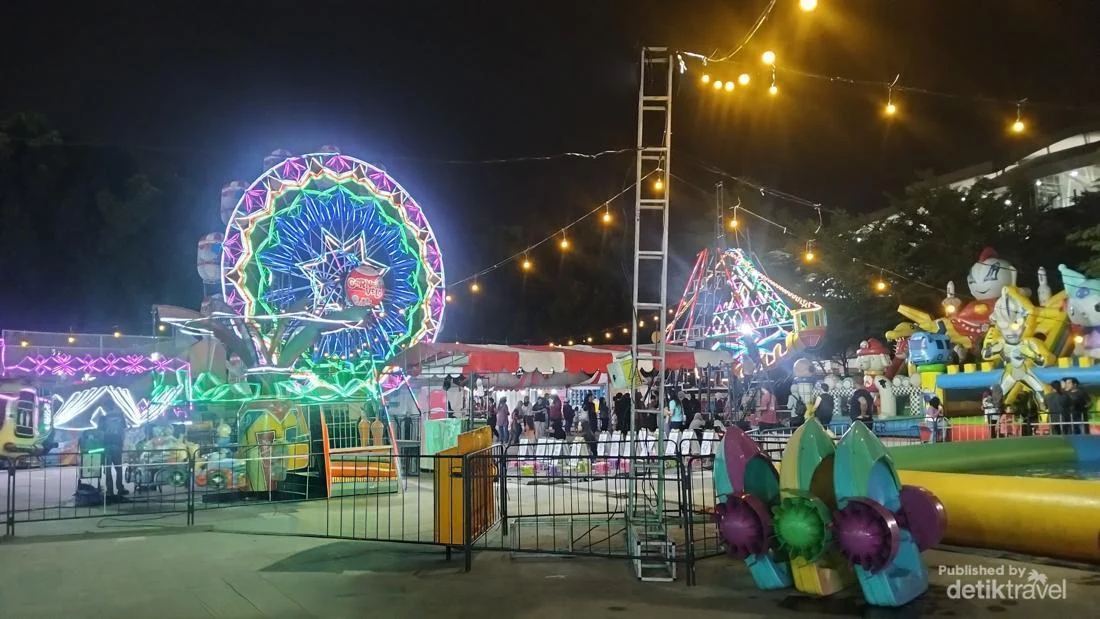
The Jakarta International Velodrome, originally recognized as a world-class sporting venue for the 2018 Asian Games, has undergone a significant cultural evolution with the introduction of CarnaVelo, a large-scale outdoor amusement and night market event. Located in the Rawamangun district of East Jakarta, this temporary entertainment installation has captured the attention of the public, earning the colloquial moniker "Universal Studio" among Indonesian netizens. While the comparison to the global theme park franchise is largely symbolic—referring to the vibrant atmosphere and bright LED displays rather than high-tech cinematic simulators—the popularity of CarnaVelo highlights a growing demand for accessible, high-quality urban recreation in Indonesia’s capital city.
The Rise of CarnaVelo: An Urban Phenomenon
The emergence of CarnaVelo on July 16, 2026, marked a strategic shift in how the Jakarta International Velodrome (JIV) utilizes its expansive multifunctional plaza. Managed by PT Jakarta Propertindo (Jakpro), the Velodrome has historically been a hub for professional cycling and athletic training. However, the integration of CarnaVelo represents an effort to maximize the utility of the venue’s open spaces, transforming them into a social epicenter that caters to a diverse demographic, from office workers seeking post-shift relaxation to families looking for weekend activities.
The "Universal Studio" nickname began circulating on social media platforms such as TikTok and Instagram, where visitors shared high-contrast evening footage of the park’s illuminated rides. This digital word-of-mouth has been a primary driver of the event’s success, positioning CarnaVelo as a "viral" destination. The appeal lies in the contrast between the sleek, modern architecture of the Velodrome and the nostalgic, high-energy aesthetic of a traditional night market (pasar malam), elevated by modern safety standards and cleaner infrastructure.
Operational Timeline and Strategic Scheduling
CarnaVelo officially opened its gates to the public on Thursday, July 16, 2026. The organizers implemented a bifurcated operating schedule designed to accommodate both the weekday workforce and the surge of weekend visitors. From Monday to Friday, the venue operates from 15:00 to 22:00 WIB, capturing the "after-office" crowd and students. During the weekends (Saturday and Sunday), the hours are significantly extended, with operations beginning at 07:00 and concluding at 22:00 WIB.
The early opening on weekends aligns with the Velodrome’s existing popularity as a morning exercise hub. By opening at 07:00, CarnaVelo integrates with the community’s routine of jogging and cycling, offering a transition from fitness activities to family leisure. This scheduling strategy maximizes foot traffic and ensures that the venue remains a focal point of activity throughout the day.
Economic Accessibility and the Pay-Per-Ride Model
In a move to lower the barrier to entry, CarnaVelo employs a "free entry" policy for the grounds. This allows visitors to experience the atmosphere, browse the retail stalls, and utilize the dining areas without an upfront financial commitment. This model has proven highly effective in attracting large crowds who might otherwise be deterred by expensive gate fees common in larger theme parks like Ancol or Taman Mini Indonesia Indah.
Financial transactions within the park are modernized, supporting both traditional cash and the Quick Response Code Indonesian Standard (QRIS). The cost of individual rides is tiered based on the complexity and popularity of the attraction, typically ranging from Rp 15,000 to Rp 40,000 per person. For a family of four, this allows for a controlled spending environment where parents can choose specific attractions within a set budget. This affordability is a cornerstone of the event’s appeal, positioning it as a middle-class-friendly alternative to premium entertainment centers.
A Diverse Array of Attractions and Amenities
The centerpiece of CarnaVelo is its collection of classic amusement rides, which have been curated to provide a balance of nostalgia and excitement. Key attractions include:
- The Ferris Wheel (Bianglala): Offering a panoramic view of the East Jakarta skyline, the Ferris wheel serves as the visual anchor of the park, particularly when illuminated at night.
- The Viking Ship (Kora-Kora): A high-intensity swinging ship that remains a favorite for thrill-seekers.
- The Haunted House: A walk-through attraction that utilizes live actors and practical effects to provide a traditional "scare" experience.
- Children’s Carousels and Trains: Smaller-scale rides designed specifically for toddlers and young children, ensuring the park is inclusive for all age groups.
Beyond the mechanical rides, CarnaVelo functions as a culinary and retail destination. A dedicated food court area features a variety of local Small and Medium Enterprises (SMEs), offering everything from traditional Indonesian street food to modern "fusion" snacks. The inclusion of seating areas and tables encourages a "nongkrong" (socializing) culture, which is vital to the Jakarta lifestyle. Additionally, retail tenants selling apparel and accessories provide a shopping dimension to the experience, effectively turning the Velodrome plaza into a temporary lifestyle center.
Infrastructure and Public Transit Integration
One of the most significant advantages of CarnaVelo is its location within a Transit-Oriented Development (TOD) framework. The Jakarta International Velodrome is exceptionally well-connected to the city’s public transportation network, which mitigates the perennial problem of traffic congestion and limited parking in Jakarta.
Visitors can access the venue via the Jakarta LRT, disembarking at the Velodrome Station, which is connected directly to the complex via a pedestrian bridge. Furthermore, the TransJakarta bus network serves the area through several nearby halts, including the Pemuda Rawamangun station. This ease of access encourages a shift away from private vehicle use, aligning with the provincial government’s goals of reducing carbon emissions and promoting public transit. For those who do choose to drive, the Velodrome complex provides managed parking facilities, though these often reach capacity during peak weekend hours.
Safety, Sanitation, and Public Facilities
To support the high volume of daily visitors, the organizers have prioritized basic infrastructure. The site is equipped with multiple portable and permanent toilet facilities, as well as designated prayer rooms (musholla) to accommodate the needs of Muslim visitors. The presence of security personnel and on-site staff ensures that crowd control is maintained, particularly during the evening hours when the density of visitors is at its highest.
From a safety perspective, the rides at CarnaVelo undergo routine checks to comply with local safety regulations. While the "pasar malam" format is often associated with temporary setups, the location within the JIV grounds ensures a higher level of oversight and better ground conditions compared to traditional vacant-lot carnivals.
Broader Impact and Urban Implications
The success of CarnaVelo carries several implications for urban planning and the entertainment industry in Jakarta. Firstly, it demonstrates the viability of using existing sporting infrastructure for diversified commercial purposes. By hosting CarnaVelo, the Jakarta International Velodrome generates additional revenue that can be used for the maintenance of its specialized athletic facilities.
Secondly, the event addresses a critical shortage of "third places"—social environments separate from the two usual social environments of home and the workplace—in East Jakarta. While South and Central Jakarta are densely packed with malls and parks, East Jakarta has often been underserved in terms of modern, accessible outdoor entertainment. CarnaVelo fills this gap, providing a safe and vibrant space for community engagement.
Analysts suggest that the "CarnaVelo model" could be replicated in other underutilized public spaces across Indonesia. The combination of digital-friendly aesthetics (the "Instagrammable" factor), affordable pricing, and strong transit links creates a sustainable template for urban pop-up events. Furthermore, by providing a platform for local vendors, the event stimulates the local economy and supports the post-pandemic recovery of the informal sector.
Conclusion
CarnaVelo at the Jakarta International Velodrome represents more than just a temporary carnival; it is a reflection of Jakarta’s evolving urban identity. By blending the charm of traditional Indonesian night markets with the modern requirements of a tech-savvy, mobile population, the event has successfully claimed its place as a landmark attraction in Rawamangun. As the "Universal Studio of East Jakarta" continues its run, it stands as a testament to the power of creative placemaking and the enduring appeal of communal joy in the heart of the metropolis. Whether for the thrill of the kora-kora or a simple evening of dining under the lights, CarnaVelo offers a necessary respite for the citizens of Jakarta, proving that world-class entertainment does not always require a world-class price tag.

