
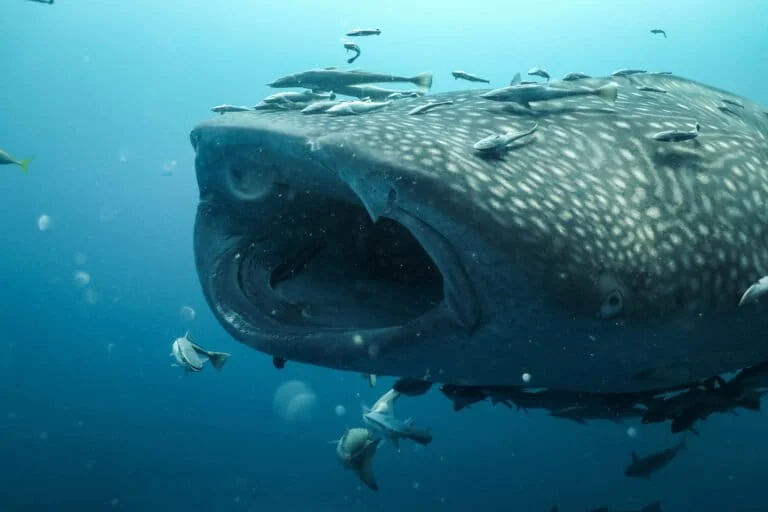
The whale shark, scientifically known as Rhincodon typus, stands as a testament to the fact that immense size does not inherently equate to predatory aggression. As the largest extant fish species on the planet, these marine titans can reach lengths of up to 18 meters or more, yet they remain one of the most docile creatures in the world’s oceans. Often referred to by locals in Indonesia as "hiu totol" or "gurano bintang" due to the celestial-like patterns of spots on their backs, whale sharks have transitioned from being mysterious giants of the deep to becoming central figures in Indonesia’s marine conservation and ecotourism strategies. Their presence in the tropical waters of the Indonesian archipelago serves as a critical indicator of marine health, reflecting the richness of the biodiversity found within the Coral Triangle.
Biological Marvels and Feeding Mechanisms
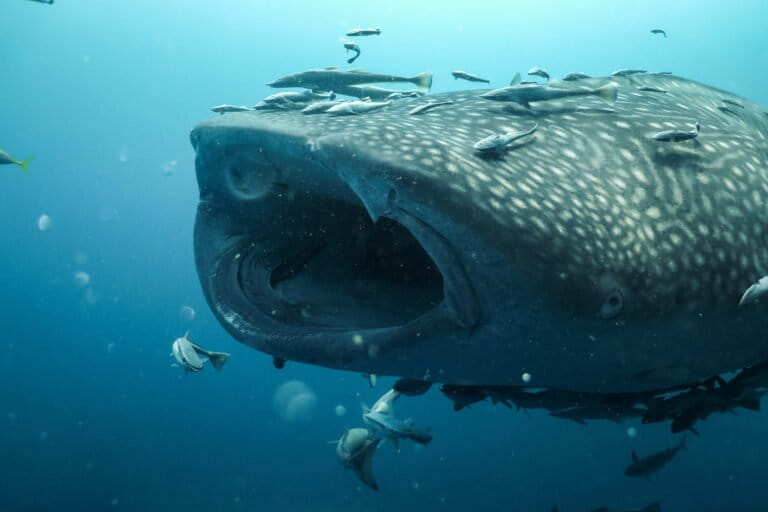
Despite their intimidating name and cavernous mouths, whale sharks pose no threat to humans. Their anatomical structure is specialized for a lifestyle of filter-feeding, a trait shared with only two other shark species: the basking shark and the megamouth shark. A whale shark’s mouth can stretch up to 1.5 meters wide, housing between 300 and 350 rows of tiny, vestigial teeth. These teeth, each measuring only about six millimeters, are not used for biting or chewing. Instead, the whale shark utilizes a sophisticated filtration system.
The feeding process involves the shark swimming with its mouth open, engulfing large volumes of water filled with plankton, krill, and small schooling fish—known in Eastern Indonesia as "furi" fish. As the water is expelled through five pairs of large gill slits, specialized spongy tissues called gill rakers trap the organic matter. This efficient biological sieve allows the whale shark to process thousands of liters of water per hour. Because they rely on high concentrations of nutrients, their movements are often dictated by the seasonal blooms of plankton and the migratory patterns of small fish, making them nomadic travelers of the tropical seas.
Unique Identification and Evolutionary Adaptations
One of the most striking features of the whale shark is its skin, which is marked by a distinctive pattern of pale yellow spots and stripes against a dark grey or bluish-grey dorsal surface. This pattern is not merely aesthetic; it serves as a form of camouflage known as countershading, where the dark top blends with the deep water when viewed from above, and the white underbelly blends with the bright surface when viewed from below.
Furthermore, marine biologists have discovered that the spot patterns on a whale shark are as unique as a human fingerprint. No two individuals share the same arrangement of spots behind the gill slits. This biological quirk has revolutionized conservation efforts through "photo-identification" databases. By using algorithms originally developed for star-mapping by NASA, researchers can now identify individual sharks from photographs submitted by divers and tourists. This allows for the tracking of migratory routes, growth rates, and population dynamics without the need for invasive tagging procedures.
Physiologically, the whale shark is a creature of extremes. While it is a slow swimmer, averaging a speed of only five kilometers per hour, it is an extraordinary diver. Though they spend a significant portion of their time in shallow coastal waters (around 50 meters deep) to feed and regulate their body temperature, they are capable of plunging to depths of nearly 1,000 meters. These deep-sea excursions are believed to be related to searching for food during the day or navigating during long-distance migrations across oceanic basins.
Distribution and Strategic Importance in Indonesia
Indonesia’s geographical position as an archipelagic nation makes it a premier habitat for whale sharks. The species thrives in warm, tropical waters, and its presence has been documented across various regions of the country. Notable hotspots include Nabire and Kaimana in Papua, the waters of Maluku and North Maluku, Gorontalo in Sulawesi, Sabang in Aceh, Situbondo in East Java, and the East Nusa Tenggara region.
In areas like Teluk Cendrawasih in Papua and Teluk Saleh in West Nusa Tenggara, whale sharks have developed a unique relationship with local fishermen. They are often seen congregating around "bagans"—traditional floating lift-nets. The sharks feed on the small fish that escape the nets or are discarded by the fishermen. This interaction has turned these locations into world-class diving destinations, drawing international tourists and providing a sustainable alternative income for local coastal communities.
The Timeline of Legal Protection and Conservation Status
The global population of whale sharks has faced a significant decline over the last several decades, leading the International Union for Conservation of Nature (IUCN) to classify the species as "Endangered." The primary threats include entanglement in fishing gear (bycatch), ship strikes due to their slow surface-swimming nature, and historical overfishing for their fins and oil.
Recognizing the vulnerability of the species and its importance to the marine ecosystem, the Indonesian government took a decisive step in 2013. Under the Ministry of Marine Affairs and Fisheries (KKP), Decree No. 18/KEPMEN-KP/2013 was enacted, granting the whale shark status as a "fully protected" species. This means that any form of exploitation—including catching, harming, or trading parts of the whale shark—is strictly prohibited under Indonesian law.
The chronology of this protection reflects a growing awareness of marine ecology. Prior to 2013, whale sharks were occasionally targeted or accidentally caught without legal recourse. The implementation of the decree was followed by the development of the National Plan of Action (NPOA) for Whale Shark Conservation, which focuses on habitat protection, population monitoring, and the regulation of whale shark-based tourism.
Socio-Economic Impact and Ecotourism Management
The transition from a resource-extraction economy to a conservation-based economy has shown promising results in Indonesia. In places like Botubarani in Gorontalo, whale shark tourism has become a major economic driver. However, the surge in popularity brings its own set of challenges. Unregulated tourism can lead to stress for the animals, physical injuries from boat propellers, and disruption of natural feeding behaviors.
Marine scientists and government officials emphasize the need for strict codes of conduct. "The goal is to ensure that the presence of whale sharks provides economic benefits without compromising their welfare," noted a representative from a local conservation group. Current guidelines for whale shark interactions include maintaining a minimum distance of three meters from the body and four meters from the tail, prohibiting the use of flash photography, and limiting the number of boats and divers in the water at any given time.
The economic logic is clear: a single whale shark can generate millions of dollars in tourism revenue over its 70- to 100-year lifespan, whereas its value as a fishery product is negligible and one-time only. By protecting the species, Indonesia is effectively investing in a long-term natural asset.
Challenges to Survival: Pollution and Climate Change
Despite legal protections, the whale shark faces modern environmental hurdles that are difficult to police. As filter feeders, they are particularly susceptible to plastic pollution. Microplastics and larger debris can be ingested during the feeding process, leading to intestinal blockages and the absorption of toxic chemicals. In the Indonesian context, where marine debris remains a significant issue, the health of whale shark populations is intrinsically linked to national waste management efforts.
Climate change also poses a threat by altering ocean temperatures and currents, which in turn affects the distribution of plankton. If the "food patches" that whale sharks rely on shift or disappear, the sharks may be forced to travel longer distances, increasing their energy expenditure and exposure to shipping lanes where the risk of collisions is high.
Conclusion and Future Implications
The story of the whale shark in Indonesia is one of hope and ongoing vigilance. As a "charismatic megafauna," the whale shark serves as an ambassador for the ocean, drawing attention to the broader needs of marine conservation. The protection of Rhincodon typus is not just about saving a single species; it is about preserving the intricate web of life that sustains Indonesia’s seas.
Moving forward, the success of whale shark conservation will depend on the synergy between scientific research, community involvement, and rigorous law enforcement. Continued monitoring via satellite tagging and community-based reporting will be essential to understanding how these giants navigate the changing seas. As Indonesia continues to develop its blue economy, the "gurano bintang" remains a shimmering symbol of the country’s commitment to its vast and vital underwater heritage. Ensuring that these gentle giants can continue to roam the Indonesian archipelago for generations to come is a responsibility that balances ecological necessity with the cultural and economic identity of the nation.

