
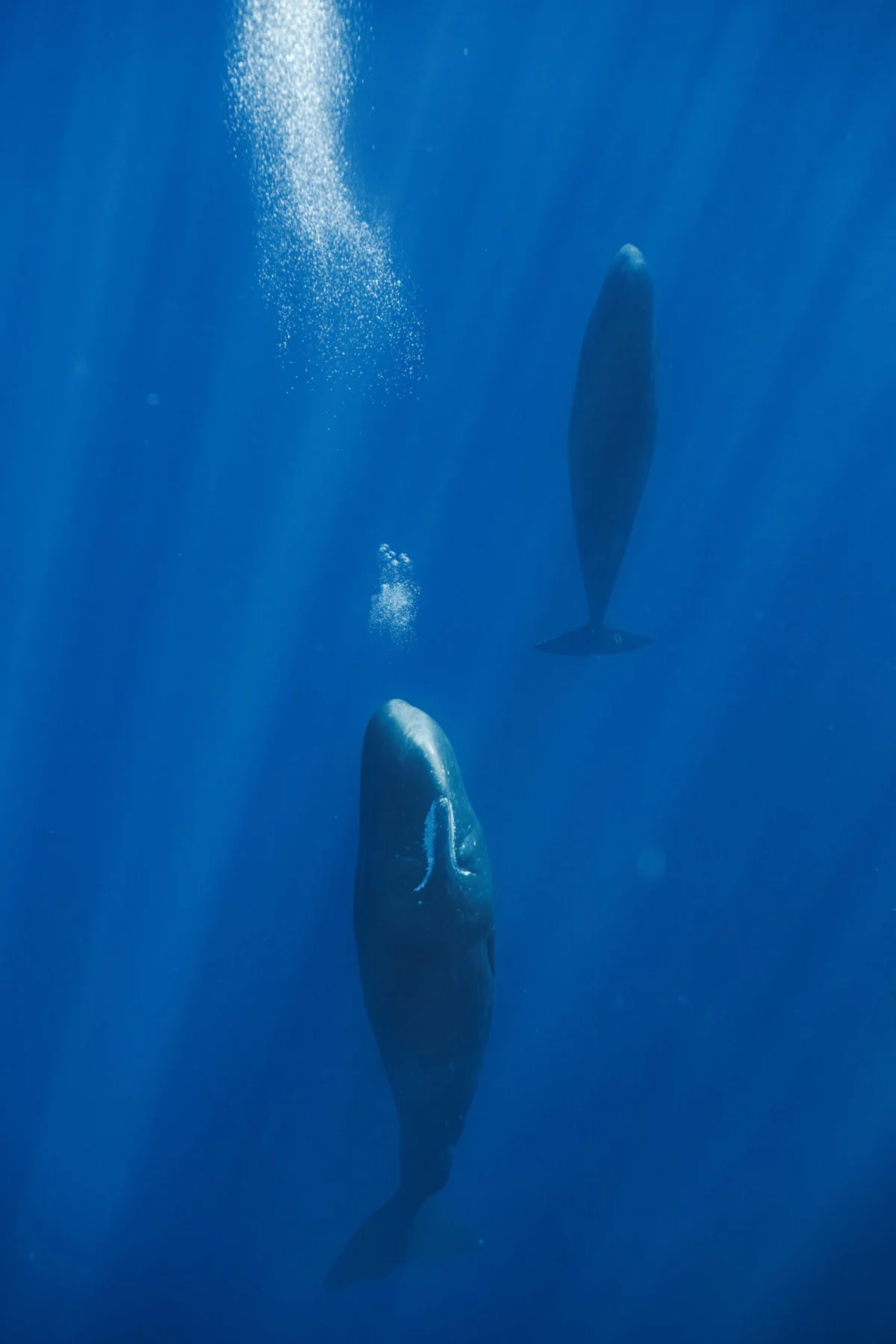
The sperm whale (Physeter macrocephalus), long celebrated as a titan of the deep and a subject of maritime lore, is increasingly revealing a complex internal life that mirrors human social and linguistic structures. Recent breakthroughs in marine biology have already suggested that these massive cetaceans possess a sophisticated "phonetic alphabet" and utilize vowel-like sounds to communicate within their tight-knit social pods. However, a new study published in the Journal of Experimental Biology has turned its attention away from the whale’s voice and toward its most vulnerable state: sleep. Researchers have discovered that sperm whales employ a remarkable physiological trick—releasing controlled bursts of bubbles—to maintain their unique vertical sleeping position, solving a long-standing mystery of how these buoyant giants remain submerged while they rest.
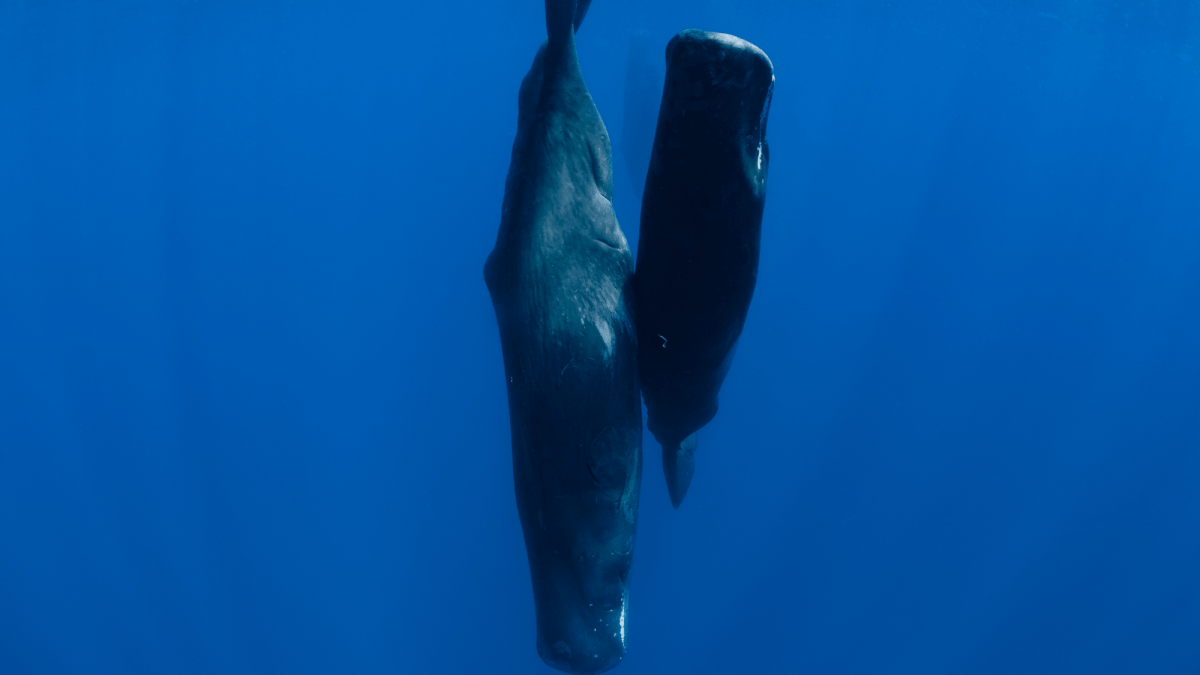
For years, marine biologists have been fascinated by the sight of sperm whales drifting motionless in the water column, oriented vertically with their snouts pointing toward the surface. These naps are brief, typically lasting between 10 and 15 minutes, yet they represent a critical period of recovery for an animal that spends the majority of its life performing high-energy, deep-sea hunts for giant squid. The challenge for a sperm whale is one of physics. Their massive heads are filled with spermaceti oil and air-filled sinuses, making them naturally buoyant. Without a mechanism to counteract this lift, a sleeping whale would simply bob to the surface like a cork, exposing it to turbulent waves, ship traffic, and potential predators. The latest research indicates that the "blowing of bubbles" is not a random occurrence or a form of cetacean snoring, but a calculated method of buoyancy regulation.
The Mechanics of the Vertical Nap
The study was led by Noémie Freymond, a doctoral student at the University of Neuchâtel who conducted the research during her master’s thesis, alongside co-author Patrick Miller of the University of St Andrews’ School of Biology. Miller had previously provided the first detailed descriptions of sperm whale resting behavior, noting the release of bubbles but lacking the data to explain their functional purpose. To bridge this gap, the team traveled to Norway’s Lofoten Islands, a region known for its deep fjords and abundant marine life, to monitor 42 individual sperm whales.
The researchers utilized high-tech bio-logging devices—specialized tags equipped with suction cups—that were non-invasively attached to the whales’ skin. These devices are marvels of modern engineering, capable of recording acoustic data (to catch the sound of bubbles), depth, and 3D body orientation. Because the tags are designed to detach and float to the surface after a set period, the research team spent days patrolling the frigid Norwegian waters to recover the equipment and the precious data stored within.
Upon analyzing the data, a clear pattern emerged. Sperm whales do not have a single way of sleeping; instead, they utilize three distinct methods depending on their depth and energy levels. Some whales were observed sinking slowly tail-first to a depth of approximately 26 feet. Others performed a shallow "head-first" dive before their buoyant heads naturally leveled them out into a vertical position. A third group engaged in "deep-dive naps," descending to depths of more than 656 feet (200 meters) and resting as they slowly drifted back toward the surface.
The Physics of Bubble Release and Buoyancy
The most significant discovery of the study lies in the correlation between depth and bubble production. The data revealed that whales resting closer to the surface—where the upward pull of buoyancy is strongest—released bubbles far more frequently than those at greater depths. On average, surface-level sleepers blew bubbles 11 times per nap. In contrast, whales that began their rest at deeper intervals only released bubbles three or four times during their ascent.
This behavior is rooted in the fundamental laws of marine physics. According to Archimedes’ principle and the behavior of gases under pressure (Boyle’s Law), the air inside a whale’s lungs and sinuses provides significant lift near the surface where water pressure is relatively low. As the whale descends, the increasing weight of the water column compresses these air pockets, reducing their volume and, consequently, the whale’s buoyancy.
"We were lucky to have access to such a large dataset with many tag deployments, because the main challenge is that a deployment must last long enough to capture resting behavior," Freymond explained. "This allowed us to show that sperm whales release bubbles to regulate their buoyancy while resting." By exhaling small amounts of air, the whales essentially "trim" their buoyancy, allowing them to remain suspended at a specific depth without having to use their flukes or fins, which would require muscular effort and wake them from their slumber.
Biological Context: The Spermaceti Organ and Deep Diving
To understand why buoyancy is such a hurdle for the sperm whale, one must look at its unique anatomy. The head of a sperm whale can account for up to one-third of its total body length. Inside this massive structure sits the spermaceti organ, a complex system of sacs filled with a waxy oil. While this organ is primarily used for echolocation—focusing the whale’s clicks into a powerful beam to find prey in the pitch-black depths—scientists have long debated its role in buoyancy.
Some theories suggest that by regulating blood flow to the head, the whale can cool or warm the spermaceti oil, changing its density to assist in diving or surfacing. However, this process is likely too slow for the rapid adjustments needed during a 10-minute nap. The release of air bubbles provides a much more immediate and "fine-tuned" control mechanism. By shedding air, the whale increases its overall density just enough to counteract the lift of the oil-filled head, achieving a state of "neutral buoyancy" where it can hang weightless in the water.
Chronology of Discovery
The understanding of sperm whale sleep has evolved rapidly over the last two decades. For much of the 20th century, it was assumed that whales, like many other marine mammals, might never truly sleep or would only engage in "logging"—floating horizontally at the surface.
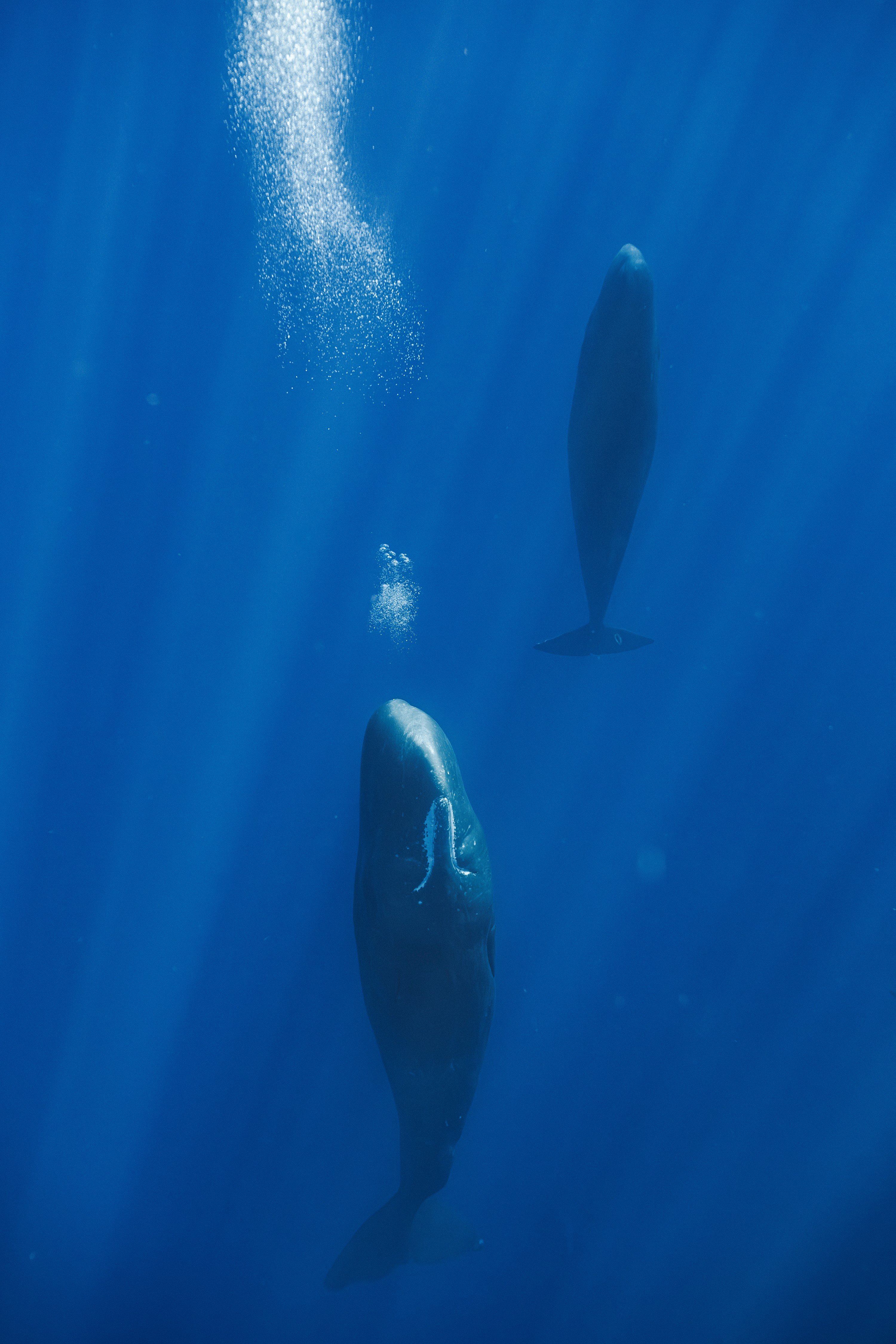
- 2008: Patrick Miller and his team published a landmark paper in Current Biology after accidentally drifting into a group of vertically bobbing sperm whales in the Atlantic. This was the first photographic and scientific evidence of vertical sleep.
- 2010-2020: Advancements in D-tags (digital acoustic recording tags) allowed researchers to track whales for 24 hours or more, revealing that they spend only about 7% of their day sleeping, making them some of the least-sleep-dependent mammals known.
- 2023-2024: Research into sperm whale linguistics (The CETI Project) highlighted the "human-like" complexity of their communication, prompting deeper questions about their cognitive state during rest.
- 2025: The current study by Freymond and Miller provides the physiological "missing link," explaining how the vertical position is maintained through bubble release.
Official Responses and Scientific Implications
The scientific community has reacted with intrigue to the findings. While the study provides a robust explanation for the how of bubble blowing, it opens a new debate regarding the what—specifically, the state of the whale’s consciousness.
"What the team still can’t definitively say is whether sperm whales blow bubbles in their sleep consciously or unconsciously," the study notes. In many cetaceans, such as bottlenose dolphins, researchers have documented "unihemispheric slow-wave sleep," a state where one half of the brain remains awake to monitor for predators and control breathing, while the other half rests. If sperm whales are "half-awake," the bubble release could be a conscious adjustment. However, if they are "fully" asleep—a state some researchers believe they enter because they do not respond to passing boats during these naps—then the bubble release might be an autonomic reflex, similar to how humans adjust their pillows or change positions in their sleep without waking.
Dr. Patrick Miller emphasized that these findings underscore the sophistication of cetacean evolution. Every aspect of their behavior, even something as seemingly simple as a nap, is a finely tuned response to the extreme environment of the open ocean.
Broader Impact and Conservation
The implications of this research extend beyond pure curiosity. Understanding the resting habits of sperm whales is vital for marine conservation efforts. Sperm whales are currently listed as "Vulnerable" by the International Union for Conservation of Nature (IUCN). One of the leading threats to their survival is ship strikes. Because sperm whales sleep near the surface and appear to enter a very deep state of rest, they are particularly susceptible to being hit by large cargo vessels.
By mapping where and at what depths these whales are most likely to nap, maritime authorities can better design shipping lanes that avoid "high-rest" areas. Furthermore, the discovery of bubble-based buoyancy regulation adds a new layer to our understanding of how anthropogenic noise, such as sonar or seismic surveying, might disrupt whale behavior. If a whale is startled out of its "buoyancy-controlled" sleep, the sudden change in depth or the loss of air could lead to physiological stress or decompression sickness.
As researchers continue to peel back the layers of sperm whale biology, the image of a simple sea monster is replaced by that of a complex, sentient being that "speaks" in vowels, organizes its society into clans, and uses the physics of air and water to find a moment of peace in a restless ocean. Whether or not the bubbles they blow constitute a form of "whale snoring" remains a lighthearted question for the future, but for now, science has confirmed that even in their deepest sleep, these giants are masters of their environment.

