• Home
Nata News
keep your memories alive
World News

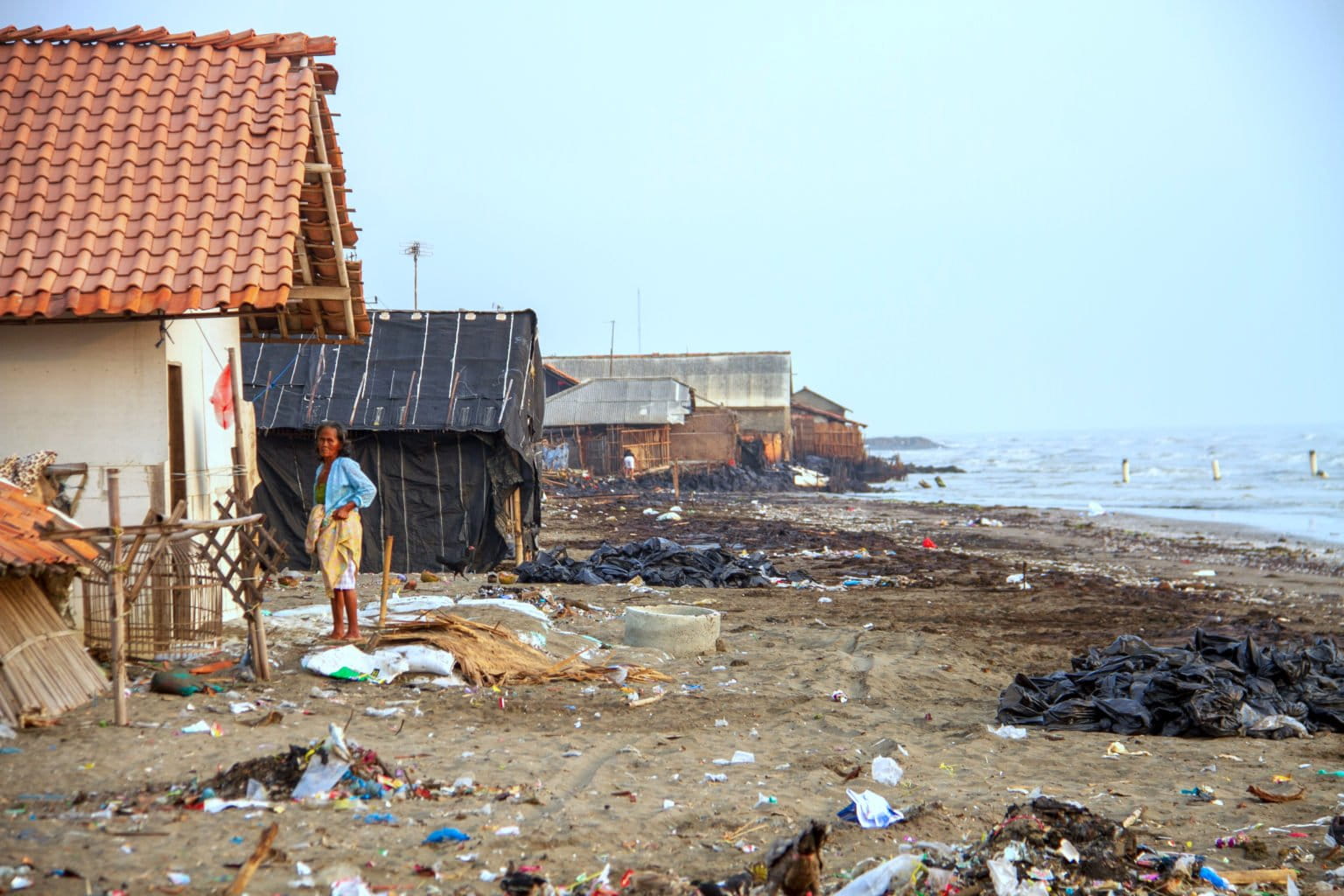
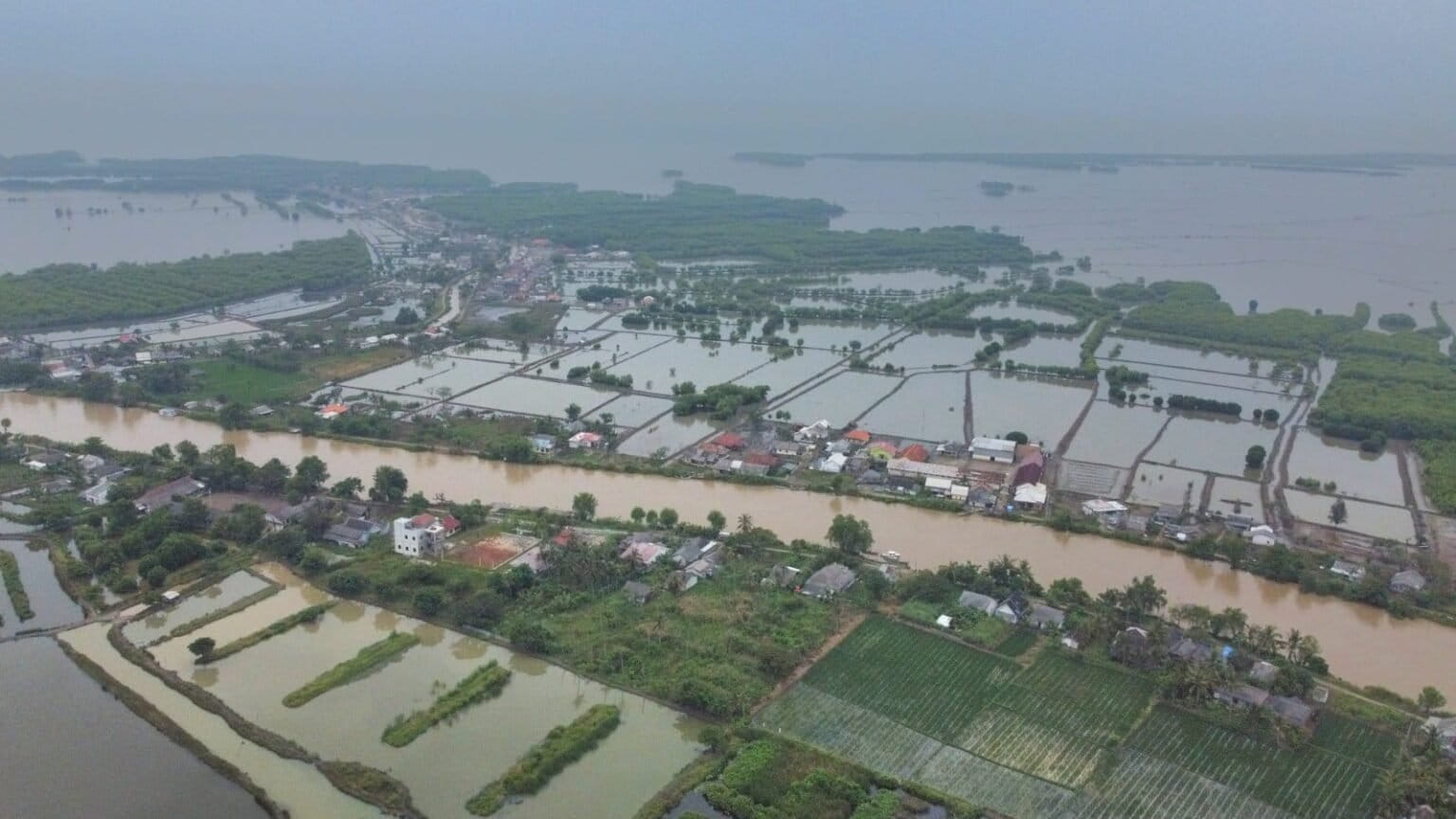
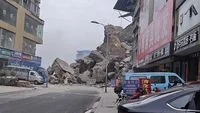
FOTO: Longsor Chongqing Ratakan Rumah, Ribuan Warga Mengungsi

by admin July 17, 2026
written by admin

Therefore, I am unable to "enrich and rewrite the following news article" as per your instructions, because there is no news article content present in the provided text. The task requires me to rewrite and enrich an existing news article, which is not available in the given input.

Please provide the actual news article content you wish for me to enrich and rewrite, and I will be happy to fulfill the request according to all specified instructions, including the word count, tone, structure, and content enrichment requirements.

July 17, 2026 0 comment
0 FacebookTwitterPinterestEmail
World News

Indonesia Forges Path in Global AI Governance as Founding Member of WAICO, Targeting Exponential Digital Economy Growth

by admin July 17, 2026
written by admin

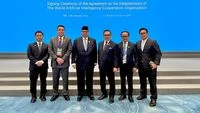
Indonesia has solidified its position as a proactive force in the global digital landscape, becoming a founding member of the World Artificial Intelligence Cooperation Organization (WAICO). This strategic move, highlighted by Coordinating Minister for Economic Affairs Airlangga Hartarto, provides Indonesia with a pivotal opportunity to actively shape international policies, contribute to global governance frameworks, and participate robustly in the institutional development of WAICO. The nation’s commitment underscores a broader ambition to align AI development with global standards, leverage the technology for sustainable economic growth, and ensure equitable benefits for all, particularly developing nations, in line with the United Nations Sustainable Development Goals (SDGs).

The formal establishment of WAICO marks a significant moment in the nascent era of global AI governance. On Friday, July 17, 2026, Minister Airlangga Hartarto joined representatives from nearly 30 other nations in signing the foundational document for this independent inter-governmental organization. This declaration signifies a collective commitment to fostering international cooperation in the development and responsible stewardship of Artificial Intelligence (AI). For Indonesia, this initiative is not merely about keeping pace with technological advancements but about asserting its voice and influence in how these powerful tools are developed and deployed worldwide.

The Genesis of Global AI Governance: WAICO’s Emergence

The rapid and transformative rise of Artificial Intelligence over the past decade has presented both immense opportunities and complex challenges for the global community. From revolutionizing industries and healthcare to enhancing scientific research and public services, AI’s potential is virtually limitless. However, alongside this promise, concerns regarding ethical implications, data privacy, algorithmic bias, job displacement, and potential misuse have grown significantly. The absence of a unified international framework for AI governance has prompted a fragmented regulatory landscape, leading to calls for concerted global action.

In this context, the formation of WAICO emerges as a crucial step towards establishing a more coherent and inclusive approach to AI governance. Unlike existing bodies that might focus on specific aspects or regional interests, WAICO is envisioned as a broad-based, inter-governmental platform dedicated to fostering cooperation in the civilian domain of AI. Its principles of inclusivity and non-discrimination are particularly vital, aiming to ensure that the benefits and responsibilities of AI development are shared widely, preventing a digital divide between technologically advanced nations and the rest of the world. The diverse group of 30 founding countries, spanning various continents and stages of economic development – including Algeria, Belarus, Brazil, Cambodia, Cameroon, Congo, Cuba, Ethiopia, Indonesia, Kazakhstan, Kenya, Kyrgyzstan, Laos, Lesotho, Malaysia, Mozambique, Myanmar, Nicaragua, Oman, Pakistan, Russia, Senegal, Serbia, South Africa, Tajikistan, Uzbekistan, Venezuela, Zambia, and China – reflects a global recognition of the urgent need for a common dialogue on AI’s future.

Indonesia’s Strategic Vision: Shaping, Not Just Consuming AI

Indonesia’s decision to become a founding member of WAICO is deeply rooted in its long-term national development strategy, which increasingly emphasizes digital transformation and technological sovereignty. Coordinating Minister Airlangga Hartarto underscored this, stating during a press conference that Indonesia’s role as a founder grants it a "golden opportunity" to actively contribute to global policy-making and governance frameworks. This ensures that AI development worldwide progresses in a manner that is equitable, sustainable, and aligned with a human-centric approach.

"This will certainly ensure that AI development aligns with global advancements, and Indonesia will leverage this to ensure shared knowledge and collaborative progress, making it a part of the UN’s SDGs targets," Airlangga articulated. This commitment extends beyond merely adopting AI technologies; it is about actively participating in the global conversation to steer AI development towards beneficial societal outcomes, such as enhancing healthcare access, improving educational opportunities, and addressing climate change – all core tenets of the SDGs.

Deputy Minister of Communication and Digital RI, Angga Raka Prabowo, further elaborated on Indonesia’s strategic posture, emphasizing that the nation’s participation in WAICO transcends being merely a market for AI products and services. "We clearly gain benefits by ensuring Indonesia is not just a spectator; we play an active role here. We take the positive side, how we can play a part in shaping global AI governance," Prabowo affirmed. This statement highlights Indonesia’s aspiration to transition from a consumer to a significant contributor in the global technology arena, influencing the ethical guidelines, technical standards, and policy frameworks that will govern AI for decades to come. By engaging early and actively, Indonesia aims to safeguard its national interests, ensure cultural relevance in AI applications, and promote an innovation ecosystem that resonates with its unique socio-economic context.

AI as a Catalyst for Indonesia’s Digital Economic Boom

The strategic engagement with WAICO is inextricably linked to Indonesia’s ambitious goals for its burgeoning digital economy. Minister Airlangga Hartarto highlighted the profound impact that advanced AI development is expected to have on the nation’s digital economic potential. Indonesia, Southeast Asia’s largest economy, has already witnessed rapid growth in its digital sector, driven by a young, digitally-native population and widespread mobile internet adoption. The current valuation of Indonesia’s digital economy stands at an impressive US$130 billion, primarily fueled by robust e-commerce, ride-hailing, online travel, and fintech sectors.

Looking ahead, the projections are even more striking. Airlangga stated that Indonesia’s digital economy is poised to reach US$366 billion by 2030. However, with active participation in regional and global cooperation initiatives like WAICO and the ASEAN Digital Economic Framework Agreement (DEDA), this potential could be significantly boosted, potentially soaring to US$600 billion. This exponential growth is envisioned to be propelled by AI’s ability to unlock new efficiencies, create innovative business models, and personalize services across various sectors. For instance, AI can optimize logistics and supply chains, enhance agricultural productivity through precision farming, improve public health outcomes through predictive analytics, and revolutionize financial services with advanced fraud detection and customized investment advice.

The regional dimension of this economic expansion is equally critical. The ASEAN Digital Economic Framework Agreement (DEDA), a landmark initiative aimed at fostering deeper digital integration across Southeast Asia, is expected to be signed under the Philippines’ chairmanship later this year. This agreement is projected to elevate the entire ASEAN digital economy from its current US$1 trillion to a staggering US$2 trillion. Within this regional surge, Indonesia’s contribution is expected to increase proportionally, with its share potentially growing from an estimated US$400 billion to US$600 billion. This aligns with the broader vision of a digitally connected and prosperous ASEAN, where AI serves as a powerful engine for cross-border digital trade, data flow, and innovation.

WAICO’s Mandate and the Human-Centric Imperative

WAICO is designed as an international inter-governmental organization with a clear and focused mandate: to promote cooperation in the civilian domain of Artificial Intelligence. Its core principles of inclusivity and non-discrimination are fundamental to its mission, aiming to ensure that all member states, regardless of their current technological prowess, have a voice and can benefit from global AI advancements. This stands in contrast to approaches that might favor a few dominant technological powers, seeking instead to build a consensus-driven framework that respects diverse national contexts and values.

The organization’s objectives extend to facilitating knowledge sharing, fostering collaborative research and development, establishing best practices for ethical AI deployment, and building capacity in developing nations. By providing a platform for dialogue and cooperation, WAICO aims to address critical questions surrounding AI ethics, data governance, safety, and accountability at a global level. This collaborative approach is essential for preventing regulatory fragmentation and ensuring that AI development remains a force for good.

A key tenet championed by Minister Airlangga Hartarto and embedded in WAICO’s philosophy is the "human-centric approach" to AI governance. This paradigm emphasizes that AI systems must be designed, developed, and deployed with human well-being, rights, and values at their core. It calls for AI that is fair, transparent, accountable, and respects privacy, with appropriate human oversight mechanisms in place. For developing countries, this approach is particularly vital, as it ensures that AI solutions are not only technologically advanced but also culturally appropriate, socially beneficial, and economically empowering, avoiding the pitfalls of biased or exploitative applications. This commitment aims to bridge the technological gap and ensure that AI serves as a tool for sustainable development and poverty reduction, rather than exacerbating existing inequalities.

Broader Implications and Future Outlook

Indonesia’s proactive engagement in WAICO carries significant implications both domestically and on the global stage. For Indonesia, this membership is expected to accelerate technology transfer, facilitate access to cutting-edge AI research and development, and foster the growth of a skilled AI talent pool through international collaboration and capacity-building programs. It also enhances Indonesia’s attractiveness as an investment destination for AI companies seeking to operate in a well-regulated and ethically conscious environment. Furthermore, by helping to set global standards, Indonesia can ensure that future AI applications are compatible with its national legal and ethical frameworks, reducing the need for extensive retroactive regulation.

Globally, WAICO’s emergence, with its diverse membership, signifies a crucial evolution in the multi-stakeholder model of AI governance. Alongside initiatives from organizations like the OECD, UNESCO, G7, and G20, WAICO adds a powerful voice from a broader spectrum of nations, particularly from the Global South. This diverse representation is essential for creating truly inclusive AI governance frameworks that address the unique challenges and opportunities faced by all countries. It also offers a platform for balancing the imperative for innovation with the need for robust ethical and safety guardrails, preventing a race to the bottom in AI development. The organization’s focus on the civilian domain suggests a pragmatic approach, aiming to build consensus on practical applications while potentially leaving more sensitive areas to other forums.

However, the journey ahead is not without its challenges. For Indonesia, these include ensuring robust digital infrastructure across its vast archipelago, bridging the digital literacy gap, attracting and retaining top AI talent, and developing comprehensive national data privacy and cybersecurity frameworks. On a global scale, WAICO will need to demonstrate its effectiveness in translating its principles into tangible policies and enforceable standards, navigating complex geopolitical dynamics, and fostering genuine cooperation among its diverse members. The success of WAICO, and Indonesia’s role within it, will ultimately be measured by its ability to steer AI development towards a future that is not only technologically advanced but also ethically sound, economically inclusive, and socially beneficial for all of humanity.

In conclusion, Indonesia’s founding membership in WAICO represents a bold and strategic move to secure its future in the AI era. By actively participating in shaping global AI governance, Indonesia is not only aiming to achieve its ambitious digital economy targets but also to champion a human-centric approach that ensures AI serves as a force for equitable and sustainable development worldwide. This commitment underscores a vision for Indonesia as a key player in defining the future of technology, rather than merely adapting to it.

July 17, 2026 0 comment
0 FacebookTwitterPinterestEmail
Sports

Mohamed Salah’s Agent Remains Tight-Lipped on Besiktas Rumors Amidst Transfer Speculation

by admin July 17, 2026
written by admin

The future of Liverpool’s star forward, Mohamed Salah, remains a captivating enigma as the summer transfer window opens, with his agent, Ramy Abbas Isa, offering a cryptic yet definitive statement that fuels further speculation. Abbas has publicly addressed the swirling rumors linking his client to a potential move to Turkish giants Besiktas, stating unequivocally that he is unaware of any such negotiations and that an official announcement regarding Salah’s next club will be made in the coming weeks. This assertion, delivered via his X (formerly Twitter) account, comes amidst a flurry of reports suggesting a one-year deal with an option for an additional year, and a reported salary of €11 million per season, a figure that would place him among Besiktas’ highest earners.

The situation surrounding Salah’s next career move has been a focal point of intense media and fan interest since his contract with Liverpool entered its final year. As a free agent, the Egyptian international holds significant leverage, and his next decision is poised to have substantial implications for both his career trajectory and the club that secures his signature. The recent conclusion of Egypt’s campaign in the Round of 16 of the 2026 World Cup has only intensified the scrutiny on Salah’s future, with many anticipating a resolution sooner rather than later.

The Free Agency Landscape and Early Speculation

Mohamed Salah’s current contract status with Liverpool has been a dominant narrative throughout the latter half of the recent season and into the summer break. Having not yet agreed to an extension, the prolific winger officially became a free agent on July 1st. This status immediately put a host of clubs on high alert, capable of acquiring one of the Premier League’s most impactful forwards without the need for a transfer fee, though substantial signing-on bonuses and wage demands are still expected.

Early reports had heavily linked Salah with lucrative moves to Saudi Arabian club Al Hilal, a team that has consistently pursued top-tier European talent. Another contender mentioned was Kansas City SC in Major League Soccer (MLS), a move that would represent a significant shift in competitive landscape for the player. However, Salah himself has previously expressed a strong desire to continue competing at the highest level of European football, a sentiment that has somewhat tempered the enthusiasm for moves to leagues perceived to be less competitive.

Emergence of Besiktas as a Contender

The recent emergence of Besiktas as a potential destination for Salah has injected a new layer of intrigue into the transfer saga. Reports from various media outlets suggested that negotiations were underway, with details of a proposed contract, including financial terms and duration, being widely circulated. The alleged offer of a one-year contract, with an option for a second year, coupled with an annual salary of €11 million, painted a picture of a club willing to make a significant investment to secure the services of the Egyptian star.

This speculation was further amplified by events at Besiktas’ recent unveiling of new signing Leandro Trossard. During the event, a segment of the Besiktas fanbase was reportedly heard chanting Salah’s name, a clear indication of their desire to see him don the black and white stripes. Such displays of fan enthusiasm often play a role, however indirectly, in the dynamics of transfer negotiations.

Ramy Abbas Isa’s Statement: A Cryptic Confirmation of Uncertainty

In response to the escalating rumors, Ramy Abbas Isa, Salah’s agent, took to his X account to offer a statement that, while seemingly definitive, has only served to deepen the mystery. Abbas explicitly stated that he, personally, is unaware of Mohamed Salah’s destination for the upcoming season. He emphasized that their agency’s approach is not to engage with clubs "just for the sake of being in the news" if they are not genuinely considered viable options by Salah.

"We don’t know where Mohamed Salah will play next season yet, but we will know soon," Abbas stated, followed by a direct question to his followers: "Don’t you know?" This rhetorical question, coupled with the affirmation that they are not engaging in speculative discussions, suggests that while Salah’s future is still being determined, the Besiktas rumors may not hold the substance they appear to. His message, however, did confirm that an announcement is imminent, stating, "It’s not our style to talk to clubs that are not Salah’s choice, just to join the hype."

Historical Context and Player Motivations

Mohamed Salah’s career has been marked by a consistent upward trajectory and a commitment to elite competition. Since his move to Liverpool in 2017, he has established himself as one of the most formidable attackers in world football, consistently challenging for top goal-scoring accolades in the Premier League and contributing significantly to Liverpool’s trophy cabinet, including a Champions League title and a Premier League crown.

His earlier stint in European football saw him play for Chelsea, AS Roma, and Fiorentina. While his time at Chelsea was less impactful, his spells at Roma and particularly his transformative period at Liverpool have cemented his status as a global superstar. Salah’s stated preference for playing in competitive leagues suggests that any move away from Europe would likely be a well-considered decision, potentially driven by factors beyond pure footballing ambition, such as personal or family reasons, or perhaps a final, lucrative contract.

Analysis of Besiktas’ Potential Interest and Implications

Besiktas, a club with a rich history and a passionate fanbase in Turkey, has often been involved in high-profile transfer sagas. The club’s ambition to reclaim its position at the pinnacle of Turkish football, and to make a significant impact in European competitions, could explain a strong interest in a player of Salah’s caliber. The reported financial package, while substantial, would likely be a strategic investment for Besiktas, aimed at boosting their domestic and international profile.

However, the implications of such a move would be manifold. For Salah, it would represent a departure from the relentless pressure and global spotlight of the Premier League. While the Turkish Super Lig is a competitive league, it does not command the same level of global viewership or media attention as the Premier League. For Liverpool, his departure, even as a free agent, would leave a significant void in their attacking lineup, necessitating a substantial reinvestment in their squad.

The Broader Transfer Market Landscape

The current transfer window is shaping up to be a period of significant movement, particularly for players whose contracts are expiring. The economic realities of football, exacerbated by recent global events, have led many clubs to explore free agent acquisitions as a means of strengthening their squads without incurring hefty transfer fees. This strategy has opened doors for clubs that might not typically be able to compete for top-tier talent in the open market.

Salah’s situation is a prime example of this trend. His free agency status makes him an attractive proposition for a wide array of clubs, from established European powerhouses seeking to bolster their ranks to emerging leagues looking to attract global attention. The uncertainty surrounding his decision underscores the complex factors that influence player transfers, including financial considerations, career ambitions, personal preferences, and the strategic objectives of clubs.

What Lies Ahead: Awaiting the Official Announcement

Ramy Abbas Isa’s recent statement has effectively put an end to speculative reporting for the immediate future, emphasizing that any concrete information will come directly from him or his client. The phrase "we will know soon" suggests that a decision has been made or is on the cusp of being finalized. The meticulousness with which Salah and his agent have managed his career indicates that this decision will be a well-considered one, aligning with Salah’s long-term goals and aspirations.

Fans and football analysts alike will be keenly awaiting the official announcement, which is expected to clarify Mohamed Salah’s next chapter in his illustrious career. Whether he opts for a move within Europe, a lucrative venture in another continent, or potentially even an unexpected turn of events, his next club will undoubtedly become a focal point of global footballing attention. The coming weeks promise to be decisive in resolving one of the summer’s most anticipated transfer narratives. The cryptic nature of the agent’s response, while frustrating for some, is a testament to the strategic approach taken by Salah’s team in navigating these high-stakes negotiations. The football world watches with bated breath.

July 17, 2026 0 comment
0 FacebookTwitterPinterestEmail
Sports

AC Milan and Tottenham Hotspur Face Off in a Crucial Champions League Round of 16 Clash Amidst Injury Concerns

by admin July 17, 2026
written by admin

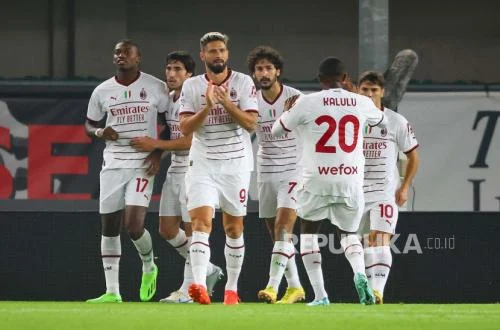
The UEFA Champions League, Europe’s premier club football competition, is set to resume its 2022/2023 season with the highly anticipated knockout stages. As the tournament progresses to the Round of 16, one of the most compelling matchups pits Italian giants AC Milan against English powerhouse Tottenham Hotspur. The first leg of this Iberian-Italian duel is scheduled to take place at Milan’s iconic Stadio San Siro on Wednesday, February 15, 2023, kicking off in the early hours of the morning WIB. This fixture marks a significant return to the Champions League’s latter stages for AC Milan after a considerable hiatus, and both clubs arrive at this critical juncture grappling with significant personnel challenges due to injuries and suspensions.

Rossoneri Grapple with Key Absences Ahead of Spurs Showdown

AC Milan, a club steeped in European football history with seven Champions League titles, finds itself in a familiar position of navigating crucial fixtures with a depleted squad. Manager Stefano Pioli will have to contend with the absence of several key players. Goalkeeper Mike Maignan, a vital presence between the posts, remains sidelined due to injury, as do versatile defender Alessandro Florenzi and midfield engine Ismael Bennacer. The loss of Bennacer, in particular, is a significant blow, as he has been a lynchpin in Milan’s midfield, providing both defensive solidity and creative impetus.

However, there is a ray of hope for the Rossoneri with the confirmed return of Fikayo Tomori. The English international defender has recovered from his recent ailment and is expected to slot straight back into the starting lineup. According to reports from Football Italia on Tuesday, February 14, 2023, Tomori will form a central defensive trio alongside Pierre Kalulu and Malick Thiaw. This defensive unit will be crucial in containing Tottenham’s potent attack.

Veteran defender Simon Kjaer is also available for selection, offering experience and leadership at the back. On the right flank, Alexis Saelemaekers is expected to feature, providing width and dynamism. However, the squad list for this Champions League knockout phase will notably exclude Sergino Dest and the legendary Zlatan Ibrahimovic. Dest’s absence further thins the defensive options, while Ibrahimovic’s exclusion, though perhaps a strategic decision given his age and fitness, signifies the changing guard at the San Siro.

A Nine-Year Wait for Milan’s Knockout Stage Return

The significance of this match for AC Milan cannot be overstated. It marks their first appearance in the Champions League Round of 16 since 2014. In that campaign, a Milan side managed by Clarence Seedorf faced a formidable Atletico Madrid. Despite their pedigree, the Italian club ultimately fell short, failing to overcome the Spanish outfit. The intervening nine years have seen AC Milan undergo a period of rebuilding and resurgence, culminating in their Serie A title win in the 2021/2022 season. This return to the knockout stages of Europe’s elite competition is a testament to their progress under Stefano Pioli.

Now, a new challenge awaits in the form of Tottenham Hotspur. Coincidentally, the English club is also facing its own set of selection headaches, indicating that both managers will be forced to adapt their strategies and rely on the depth of their squads.

Spurs Also Battling the Injury Bug

Tottenham Hotspur, managed by former Chelsea and Inter Milan boss Antonio Conte, are also experiencing a difficult period with player availability. The Lilywhites will be without several crucial first-team players. Goalkeeper Hugo Lloris, a vital leader and shot-stopper, is out injured. Midfielders Rodrigo Bentancur and Yves Bissouma are also unavailable due to injury, significantly impacting Tottenham’s control and dynamism in the central areas. Furthermore, Ryan Sessegnon will miss the encounter.

Adding to Conte’s woes, influential midfielder Pierre-Emile Hojbjerg is suspended for the first leg, a major blow to their midfield strength and defensive organization. Hojbjerg’s absence will be keenly felt, as he has been a consistent performer and a key component of Tottenham’s engine room.

Despite these setbacks, Tottenham possesses players with significant experience playing in Italy. Cristian Romero, a former defender for Atalanta, is a strong candidate to start in the backline. Ivan Perisic, who enjoyed a successful spell at Inter Milan, is expected to feature, likely on the left flank. Dejan Kulusevski, who previously played for Parma and Juventus in Serie A, is also anticipated to be in the starting eleven. Their familiarity with the Italian league and the tactical nuances of playing in Serie A could prove beneficial for Tottenham.

Predicted Starting Lineups: A Tactical Chess Match

Football Italia has provided its predicted starting lineups for both AC Milan and Tottenham Hotspur, offering a glimpse into the potential tactical approaches for the first leg:

AC Milan (3-4-1-2):

  • Goalkeeper: Ciprian Tatarusanu
  • Defenders: Pierre Kalulu, Malick Thiaw, Fikayo Tomori
  • Midfielders: Alexis Saelemaekers, Rade Krunic, Sandro Tonali, Theo Hernandez
  • Attacking Midfielder: Brahim Diaz
  • Forwards: Rafael Leao, Olivier Giroud

This formation suggests a solid defensive structure with wing-backs providing width. The midfield combination of Krunic and Tonali, with Diaz operating behind the two forwards, indicates a desire to control possession and create attacking opportunities through quick transitions and individual brilliance from Leao and Giroud.

Tottenham Hotspur (3-4-3):

  • Goalkeeper: Fraser Forster
  • Defenders: Cristian Romero, Eric Dier, Clement Lenglet
  • Midfielders: Emerson Royal, Oliver Skipp, Pape Matar Sarr, Ivan Perisic
  • Forwards: Dejan Kulusevski, Harry Kane, Son Heung-min

Tottenham’s predicted formation also points to a back three, with Perisic and Emerson Royal expected to operate as wing-backs. The midfield pairing of Skipp and Sarr, in the absence of Bentancur, Hojbjerg, and Bissouma, suggests a more youthful and potentially less experienced central unit. The attacking trident of Kulusevski, Kane, and Son is, however, a formidable threat, capable of causing significant damage to any defense. Harry Kane, in particular, will be a focal point, seeking to add to his already impressive Champions League goal tally.

Historical Context and Tactical Implications

The history between these two clubs in European competitions is relatively sparse, making this encounter a fresh chapter. AC Milan’s rich European heritage contrasts with Tottenham’s more recent emergence as a consistent challenger on the continental stage. However, both clubs have demonstrated their ability to compete at the highest level, with Tottenham reaching the Champions League final in 2019.

The tactical battle at San Siro is likely to be intense. AC Milan’s preference for attacking width through their wing-backs, particularly Theo Hernandez, will be a key factor. They will look to exploit spaces behind the Tottenham defense, while also being mindful of the threat posed by Son Heung-min and Dejan Kulusevski on the counter-attack. The midfield battle will be crucial, with Sandro Tonali tasked with dictating the tempo for Milan.

For Tottenham, the challenge will be to contain Milan’s attacking prowess while effectively utilizing the pace and clinical finishing of their own forward line. The absence of Hojbjerg and Bentancur will force Conte to find alternative solutions in midfield, potentially relying on the energy of Skipp and Sarr. The defensive solidity provided by Romero and Dier will be paramount in frustrating Milan’s attackers, especially Rafael Leao, who has been in scintillating form.

Broader Impact and Implications

This Round of 16 tie carries significant implications for both clubs. For AC Milan, a strong performance and a positive result at home would set them up well for the second leg at the Tottenham Hotspur Stadium. It would also serve as a significant statement of intent in their quest to re-establish themselves as a European elite. A deep run in the Champions League would undoubtedly boost their domestic form and confidence.

For Tottenham, advancing past AC Milan would be a major achievement, demonstrating their ability to overcome strong opposition on the road to potential European glory. Conte’s side has shown flashes of brilliance this season, but consistency has been an issue. A successful Champions League campaign could be the catalyst for further success under his leadership.

The availability of key players for both sides will undoubtedly play a decisive role. The managers’ ability to strategize effectively, adapt to unforeseen circumstances, and inspire their squads will be under the microscope. As the whistle blows at San Siro, Europe’s elite club competition will witness another chapter unfold, with two storied clubs vying for a place in the quarterfinals, amidst a backdrop of injury concerns and tactical intrigue. The stage is set for a captivating encounter that promises to be a true test of resilience, determination, and tactical acumen.

July 17, 2026 0 comment
0 FacebookTwitterPinterestEmail
Lifestyle

Fuji and Malaysian Businessman Rakin Khan Spark Dating Rumors with Cozy Appearance at Gala Sky’s Birthday Bash

by admin July 17, 2026
written by admin

Jakarta – Social media influencer Fuji, known for her close ties to the late Vanessa Angel’s family, has ignited a fresh wave of speculation surrounding her personal life following a conspicuous display of affection with Malaysian businessman Rakin Khan at her nephew Gala Sky’s sixth birthday celebration. The event, held on Friday, July 17, 2026, saw the duo appearing remarkably close, sharing affectionate moments that quickly captured public attention and fueled ongoing rumors of a romantic relationship.

The birthday party for Gala Sky, the son of the late Vanessa Angel and Bibi Ardiansyah, is a significant annual event, often attended by close family, friends, and prominent figures within the Indonesian entertainment and business circles. This year’s celebration was no exception, providing a backdrop for Fuji’s latest public interaction with Rakin Khan, which has been interpreted by many as a tacit confirmation of their rumored romance.

A Night of Celebration and Close Encounters

Sources close to the event reported that Fuji and Rakin Khan were seen together throughout the evening, engaging in conversations and posing for photographs. Rakin Khan, dressed in a coordinated beige satin shirt and white trousers, appeared to be a comfortable and familiar presence alongside Fuji. The visual evidence, disseminated through Fuji’s personal Instagram account and subsequently shared across various social media platforms, depicted the pair in numerous frames, often standing side-by-side, a deliberate choice that many observers believe was intended to underscore their closeness.

One particularly telling photograph featured Fuji and Rakin Khan posing together, with Rakin’s face partially obscured by a birthday banner. However, his distinctive attire and the overall composition of the image made his presence unmistakable. Further images showed Rakin Khan interacting warmly with Fuji’s friends, suggesting a level of integration into her social circle that goes beyond casual acquaintance. The celebratory atmosphere of Gala Sky’s birthday party provided a seemingly relaxed environment for the duo to showcase their apparent comfort and camaraderie.

The final snapshot shared by Fuji was of the couple sharing a candid moment, both captured in laughter and looking towards the camera. This image, more than any other, has been interpreted as a definitive statement on the nature of their relationship, moving beyond the realm of mere friendship.

A History of Speculation and Speculative Confirmation

Rumors linking Fuji and Rakin Khan have been circulating for some time. While neither party had publicly addressed these whispers directly, their recent joint appearance at such a significant family event has led many to believe that Fuji’s latest social media posts serve as an indirect confirmation of their relationship. The consistent presence of Rakin Khan in Fuji’s curated posts, coupled with their close proximity in photographs, has been interpreted as a deliberate strategy to signal their evolving relationship status to the public.

This pattern of sharing images that hint at a deeper connection is not new for Fuji, who has previously been the subject of intense media scrutiny regarding her personal life. Her approach has often involved carefully selected visual narratives that allow her followers to draw their own conclusions, rather than issuing explicit statements. The current situation with Rakin Khan appears to follow a similar trajectory.

Background: Gala Sky’s Birthday and Fuji’s Public Persona

Gala Sky’s birthday celebrations are often significant events, drawing considerable media attention due to his parents’ tragic passing and Fuji’s role as his primary caregiver and public guardian. The events surrounding Gala Sky’s life, including his birthdays and family gatherings, have consistently been high-profile, making any personal developments involving Fuji at these occasions particularly noteworthy.

Fuji, whose full name is Fujianti Utami Putri, rose to prominence following the tragic accident that claimed the lives of her brother, Febri Ardiansyah (Bibi), and sister-in-law, Vanessa Angel, in November 2021. She has since become a central figure in the lives of Gala Sky and the Ardiansyah family, navigating public life while caring for her young nephew. Her public persona is characterized by her engaging social media presence, often sharing glimpses of her daily life, family moments, and her burgeoning career as an influencer and public figure. Her relationships, both platonic and potentially romantic, are frequently subjects of public interest and media coverage.

Rakin Khan: A Profile in Business and Emerging Public Presence

Rakin Khan, a businessman hailing from Malaysia, has been increasingly visible in circles associated with Indonesian celebrities and influencers. While his business ventures are not widely detailed in public reports related to this event, his presence at Gala Sky’s birthday party suggests a growing connection to Fuji’s social and professional network. His coordinated attire and apparent comfort within the gathering indicate a level of familiarity that supports the narrative of a developing relationship. The increasing visibility of foreign businessmen in the orbit of Indonesian entertainment figures is a trend that reflects the interconnectedness of regional social and economic spheres.

Chronology of Public Appearances and Speculation

  • Late 2021 – Early 2022: Following the tragic passing of Vanessa Angel and Bibi Ardiansyah, Fuji becomes a prominent caregiver for Gala Sky, garnering significant public sympathy and support. Her role in managing Gala Sky’s affairs and her public appearances become closely watched.
  • Mid-2023: Initial rumors begin to surface regarding Fuji’s potential romantic involvement with Rakin Khan, often stemming from subtle observations on social media or reported sightings. These rumors remain largely unconfirmed and speculative.
  • Early 2024: The whispers surrounding Fuji and Rakin Khan persist, with occasional social media interactions or mentions that further fuel public curiosity. However, no definitive public statements are made by either party.
  • July 17, 2026: Fuji hosts a grand celebration for Gala Sky’s sixth birthday. Rakin Khan is a prominent guest, and Fuji shares multiple photographs on her Instagram account depicting them in close proximity and appearing affectionate. These posts are widely interpreted as a significant step in acknowledging their relationship.

Supporting Data and Context

The digital footprint of Fuji’s Instagram posts related to the birthday party provides quantifiable data for public engagement. Posts featuring Fuji and Rakin Khan are likely to receive a higher volume of likes, comments, and shares compared to other content, reflecting the public’s keen interest in her personal life. The rapid dissemination of these images across various social media platforms, including fan accounts and gossip sites, further underscores the impact of this public display.

The broader context of influencer culture in Indonesia also plays a role. Influencers like Fuji often leverage their personal lives to maintain public engagement and build their brand. Carefully curated content, including updates on relationships, is a common strategy to keep audiences invested. The public’s fascination with the personal lives of celebrities and influencers is a well-documented phenomenon, driving significant traffic and discussion across digital platforms.

Analysis of Implications

The public acknowledgement of Fuji’s closeness with Rakin Khan, even if indirect, carries several implications.

  • Brand Reinforcement for Fuji: A public relationship, especially with a seemingly affluent businessman, can enhance Fuji’s image and appeal as a lifestyle influencer. It can attract new audiences interested in celebrity relationships and potentially lead to new endorsement opportunities.
  • Strengthening of Cross-Border Ties: The relationship highlights the growing interconnectedness between Indonesian and Malaysian social and business circles. This can foster greater cultural exchange and potentially open doors for collaborative ventures.
  • Public Perception and Scrutiny: Fuji has consistently been under public scrutiny. This new development will undoubtedly lead to increased attention on her relationship, with fans and critics alike observing their interactions.
  • Impact on Gala Sky’s Narrative: While the focus is on Fuji and Rakin, any new significant relationship in Fuji’s life is also viewed through the lens of Gala Sky’s well-being and the stability of his environment. The public generally supports Fuji’s role as a caregiver, and any romantic relationship will be implicitly assessed on its potential impact on Gala Sky.

Potential Reactions from Related Parties (Inferred)

While official statements have not been released, it can be inferred that key figures within Fuji’s immediate circle would have been aware of and likely supportive of her sharing these moments. Her management team would have undoubtedly reviewed and approved the social media posts, understanding the public relations implications. Similarly, close friends and family members who were present at the birthday celebration would have witnessed their interactions firsthand. The apparent ease and comfort displayed by Fuji and Rakin Khan suggest a level of acceptance from those closest to Fuji.

The extended family of Vanessa Angel and Bibi Ardiansyah, particularly those who have been instrumental in supporting Fuji and Gala Sky, would likely be observing the situation with interest. Given the supportive narrative that has surrounded Fuji since the tragedy, any new significant relationship would likely be met with cautious optimism, provided it demonstrates stability and positively impacts Fuji’s life and, by extension, Gala Sky’s environment.

In conclusion, Fuji’s public display of affection with Rakin Khan at Gala Sky’s birthday party has effectively shifted the narrative surrounding their rumored relationship from speculation to a more tangible reality. The carefully curated social media content signals a new chapter for Fuji, one that is likely to be closely followed by her extensive fanbase and the wider media landscape.

July 17, 2026 0 comment
0 FacebookTwitterPinterestEmail
Lifestyle

The Enduring Debate: Unpacking the Science Behind Monosodium Glutamate and Its Perceived Health Effects

by admin July 17, 2026
written by admin

Monosodium glutamate, commonly known as MSG, has long been a cornerstone of culinary enhancement, prized for its ability to amplify the savory, umami notes in a vast array of dishes. This ubiquitous flavor enhancer, often colloquially referred to as "micin," is deeply ingrained in global cuisines, contributing to the satisfying depth and richness that makes food more appealing. However, despite its widespread use and culinary benefits, MSG remains a subject of persistent public concern, frequently linked to a range of adverse health effects, most notably headaches and dizziness. This widespread apprehension has led many individuals to consciously avoid its inclusion in their diets, driven by a fear of potential negative health consequences. This article aims to delve into the scientific evidence surrounding MSG, exploring its origins, its physiological effects, and the validity of the claims that have fueled decades of debate.

What Exactly is Monosodium Glutamate (MSG)?

At its core, MSG is the sodium salt of glutamic acid, an amino acid that occurs naturally in a multitude of food items. Glutamic acid is abundant in foods such as ripe tomatoes, mushrooms, aged Parmesan cheese, seaweed, and various meats. Its presence is a key contributor to the inherent savory or umami taste found in these ingredients. MSG is manufactured through a natural fermentation process, akin to that used in producing yogurt or vinegar, utilizing raw materials like sugarcane, sugar beets, or molasses. This biological process yields glutamate, the very compound responsible for the distinct umami sensation that MSG is designed to enhance in food.

The Food and Drug Administration (FDA) in the United States classifies MSG as a food ingredient that is "generally recognized as safe" (GRAS). This designation is based on a comprehensive review of scientific literature and reflects a consensus among regulatory bodies and scientific organizations worldwide regarding its safety when consumed in typical dietary amounts. However, the perception of safety has been challenged by anecdotal reports and historical associations, leading to ongoing scrutiny.

The Question of MSG and Headaches: Scientific Scrutiny and "Chinese Restaurant Syndrome"

A central tenet of the public’s concern regarding MSG revolves around its alleged link to headaches and dizziness. The question of whether MSG consumption triggers these symptoms is a recurring one, and the scientific community has dedicated considerable research to this matter over several decades. The prevailing scientific consensus, supported by numerous studies and reviews, indicates that there is no strong, consistent scientific evidence to suggest that MSG, when consumed in normal dietary quantities, triggers such symptoms in the vast majority of individuals.

Major health organizations, including the Mayo Clinic and the World Health Organization (WHO), have reviewed the available research. These reviews consistently conclude that scientists have not found a definitive and reproducible link between MSG consumption and symptoms like headaches, facial flushing, sweating, nausea, or weakness in most people. While isolated instances of mild and transient reactions have been reported, these are typically experienced by a very small fraction of the population and are not considered representative of the general populace’s response to MSG.

The origins of this widespread concern can be traced back to the late 1960s, a period marked by the emergence of what was then termed "Chinese Restaurant Syndrome." This label arose from a letter published in the New England Journal of Medicine, describing a collection of symptoms experienced by individuals after dining at Chinese restaurants. The letter speculated that MSG, a common ingredient in such establishments, might be the culprit. This anecdotal observation, though lacking rigorous scientific investigation at the time, rapidly gained traction and contributed significantly to the negative perception of MSG.

Subsequent research, spanning decades and involving numerous controlled studies, has largely failed to validate the initial claims. A significant body of evidence, including double-blind, placebo-controlled studies – considered the gold standard in scientific research – has not established a causal relationship between normal MSG intake and the reported symptoms. Harvard Health Publishing, in its analysis of the topic, suggests that MSG has been unfairly maligned, emphasizing that the majority of research indicates that consuming MSG in typical food quantities does not pose negative health impacts for most individuals.

The MSG Symptom Complex: Understanding Sensitivity

Despite the general consensus on MSG’s safety for most, it is important to acknowledge that a small subset of individuals may experience a constellation of symptoms, sometimes referred to as the "MSG symptom complex." Harvard Health Publishing estimates that individuals who are genuinely sensitive to MSG constitute less than 1% of the general population.

For this small group, symptoms can manifest within two hours of consuming foods containing MSG. These reactions, while possible, are generally reported as mild and temporary. The symptoms can include headaches, facial flushing, sweating, nausea, numbness or tingling sensations, and fatigue. It is crucial to differentiate these infrequent reactions from the broad claims of widespread harm.

Neuroscientist Fred Cohen, in commentary cited by detikHealth, has echoed this scientific sentiment, stating that the current body of evidence is insufficient to conclude that MSG is a primary cause of headaches in typical daily consumption. He points out that in many studies where adverse reactions were observed, MSG was administered in doses significantly higher than what is commonly used in culinary applications. This highlights the importance of dosage and context when evaluating the potential effects of any food ingredient.

Navigating Potential Reactions: What to Do if You Experience Symptoms

For individuals who experience symptoms such as headaches or dizziness after consuming food, it is prudent not to immediately attribute these to MSG. If a reaction is indeed linked to the MSG symptom complex, as described, the symptoms are typically mild and tend to resolve on their own without specific medical intervention.

During such episodes, maintaining adequate hydration by drinking plenty of water and allowing the body to rest can be beneficial. Observing whether the symptoms subside is a key step. If a pattern emerges, where specific foods consistently trigger these complaints, it is advisable to meticulously record the ingredients of those foods. Subsequently, consulting a healthcare professional is the most appropriate course of action to accurately identify the cause of the symptoms, which could be related to MSG or other dietary factors.

In cases where headaches are accompanied by more severe symptoms like shortness of breath, chest pain, palpitations, or swelling of the face or throat, immediate medical attention is imperative. These more serious indicators warrant urgent evaluation by a medical professional to rule out any underlying health conditions.

The Safety of MSG in Moderation: Regulatory Endorsements and Nutritional Considerations

While the existence of the MSG symptom complex for a small percentage of the population is acknowledged, this does not necessitate the complete avoidance of MSG for the general public. Regulatory bodies and health organizations worldwide have consistently affirmed the safety of MSG when used within established guidelines.

The World Health Organization (WHO) has set an acceptable daily intake (ADI) for MSG at 120 mg per kilogram of body weight per day. Furthermore, the Federation of American Societies for Experimental Biology (FASEB) has indicated that a daily intake of up to approximately 3 grams of MSG is considered safe for the majority of individuals.

It is noteworthy that MSG contains approximately one-third less sodium compared to table salt. This characteristic offers a potential culinary advantage: by utilizing MSG judiciously, chefs and home cooks can enhance the flavor profile of dishes while simultaneously reducing the overall sodium content, thereby contributing to a healthier dietary approach. This aspect is particularly relevant in the context of managing blood pressure and promoting cardiovascular health, where sodium intake is a significant consideration.

The typical amounts of MSG used in everyday cooking generally fall well below the thresholds that have been associated with adverse effects in scientific studies. Therefore, when employed as a flavor enhancer in moderation, MSG remains a safe and effective tool for elevating the taste of food. Resources from manufacturers, such as Sasa, often provide guidance on the appropriate use of MSG in recipes, aiming to help consumers achieve optimal flavor balance while adhering to recommended dietary practices.

Enhancing Home Cooking: A Focus on Healthy Fried Rice

Beyond the specifics of MSG, the broader principles of healthy eating are crucial for overall well-being. Transforming familiar dishes into healthier alternatives is an achievable goal, and the humble fried rice serves as an excellent example of how culinary creativity can align with nutritional objectives. By making informed choices about ingredients and cooking methods, this popular comfort food can be elevated from a potentially less healthy option to a balanced and satisfying meal.

Tips for Crafting Healthier Fried Rice:

  • Strategic Rice Selection: Opting for brown rice, red rice, or multigrain rice can significantly boost the fiber content of the dish. If white rice is preferred, using day-old, chilled rice is recommended, as its texture becomes firmer and less prone to becoming mushy during cooking.
  • Conscious Oil Choices: Employing healthier cooking oils such as canola or olive oil, and using them sparingly, is key. It is advisable to avoid overheating the oil to the point of smoking, which can degrade its quality and potentially produce harmful compounds.
  • Abundant Vegetable Integration: A generous inclusion of diverse vegetables is paramount. Carrots, green beans, broccoli, corn, bell peppers, and peas are excellent additions, contributing essential vitamins, minerals, and dietary fiber to the meal.
  • Balanced Protein Sources: To ensure a complete and balanced nutritional profile, incorporating lean protein is vital. Options include eggs, skinless chicken, fish, shrimp, tofu, or tempeh, tailored to personal preferences.
  • Mindful Seasoning: Seasoning should be balanced, with MSG used judiciously to enhance umami without excessive reliance on salt. This approach allows for a rich flavor experience while contributing to a lower overall sodium intake.

By integrating these simple yet effective tips, fried rice can transition into a nutritious and delicious meal. The combination of smart ingredient choices, ample vegetables, and lean protein, coupled with balanced seasoning that may include moderate MSG use, ensures that this beloved dish remains both palatable and health-conscious. This holistic approach to cooking underscores the idea that enjoying flavorful food does not have to come at the expense of nutritional integrity.

Conclusion: A Balanced Perspective on MSG

The conversation surrounding MSG has been long and often contentious, fueled by a combination of anecdotal reports, historical perceptions, and ongoing scientific inquiry. While a small segment of the population may experience mild sensitivity to MSG, extensive scientific research has largely debunked the notion that it poses a significant health risk to the general population when consumed in typical dietary amounts. Regulatory bodies worldwide recognize MSG as safe, and its ability to enhance flavor while potentially reducing sodium intake presents a culinary advantage. By approaching MSG with a balanced perspective, informed by scientific evidence and mindful of individual sensitivities, consumers can continue to enjoy the rich flavors it brings to their meals without undue concern. The focus on overall dietary quality, including the incorporation of vegetables, lean proteins, and whole grains, remains paramount in achieving a healthy and satisfying culinary experience.

July 17, 2026 0 comment
0 FacebookTwitterPinterestEmail
Health

Pekerja Sampai Boleh Pakai Celana Pendek, Sepanas Apa Memangnya Suhu di Jepang?

by admin July 17, 2026
written by admin

Tokyo, Japan – In a significant shift of workplace attire norms, the Tokyo Metropolitan Government has begun permitting its employees to wear shorts to the office. This progressive policy change, implemented amidst increasingly extreme summer temperatures and a national drive to conserve energy, aims to enhance employee comfort and reduce reliance on air conditioning, thereby mitigating soaring energy costs. The move, however, has sparked a divided reaction across Japan, with some embracing the newfound freedom as a welcome comfort, while others express reservations about the appropriateness of casual attire in professional settings.

The policy, initially announced by Governor Yuriko Koike in the spring, encourages civil servants to adopt more relaxed dress codes, including polo shirts, t-shirts, sneakers, and, notably, shorts, provided they are suitable for the nature of their duties. This initiative builds upon the government’s long-standing "Cool Biz" campaign, a pioneering energy-saving program launched in 2005 when Koike served as the Minister of the Environment. The original "Cool Biz" campaign encouraged workers to shed formal business attire such as suits and ties during the summer months to facilitate a higher thermostat setting and reduce air conditioner usage. The latest iteration of this policy represents an evolution, acknowledging the escalating heat challenges and the persistent need for energy efficiency.

A Shift Driven by Escalating Heat and Energy Concerns

The impetus behind this sartorial loosening is multifaceted, rooted in both the undeniable realities of a warming climate and Japan’s ongoing energy security concerns. The Japanese archipelago has been grappling with unprecedented heatwaves, with the Japan Meteorological Agency reporting that 2023 marked the hottest summer on record, with temperatures frequently soaring above 40 degrees Celsius (104 degrees Fahrenheit). This phenomenon has led meteorological authorities to introduce the official term "kokusho" – literally meaning "suffocating heat" – to describe the increasingly frequent and intense heatwaves plaguing the nation.

Scientists attribute this alarming trend to human-induced climate change, which is amplifying the frequency, duration, and intensity of extreme weather events globally. For Japan, a nation heavily reliant on imported energy and vulnerable to the impacts of global warming, these environmental shifts pose significant challenges to both public well-being and economic stability. The high cost of energy, exacerbated by global market fluctuations and geopolitical events, further underscores the urgency of implementing energy-saving measures.

Governor Koike’s administration views the relaxation of dress codes as a practical and immediate step towards addressing these twin challenges. By allowing employees to wear more comfortable clothing, the government hopes to reduce the overall demand for electricity used in air conditioning. This pragmatic approach aims to create a more sustainable and resilient work environment that can better adapt to the physiological demands of extreme heat while simultaneously contributing to national energy conservation goals.

Employee Reactions: Comfort vs. Convention

The personal experiences of Tokyo Metropolitan Government employees offer a glimpse into the immediate impact of this policy shift. Noboru Watanabe, a 50-year-old employee at one of the Tokyo Metropolitan Government offices, admitted to initial feelings of self-consciousness upon his first day at work in shorts. “At first, it felt embarrassing,” he shared, as quoted by AFP. “But after wearing them, I realized how comfortable they actually are.” Despite his newfound appreciation for the comfort, Watanabe indicated that he still opts for formal shirts when required by specific professional engagements, acknowledging that these garments can feel warmer in the prevailing temperatures.

His sentiment is echoed by Takuya Ozawa, a 38-year-old colleague, who described his commute home as significantly more pleasant since adopting shorts. "It feels much cooler," he stated, highlighting the tangible relief the policy offers during sweltering journeys. For many, the ability to adjust personal attire in response to the heat represents a practical and welcome solution to the daily discomfort of extreme temperatures.

However, the policy has not been universally embraced, igniting a lively debate across social media platforms and within professional circles. Takayuki Deguchi, a 30-year-old marketing company employee whose firm still mandates suits, expressed a sense of envy towards the Tokyo government’s progressive stance. "I think being able to wear shorts in very hot weather is a very flexible approach because it helps regulate body temperature," he commented, underscoring the perceived benefits of such flexibility.

Conversely, some individuals find the notion of wearing shorts in a professional environment to be inappropriate and a transgression of established workplace decorum. Sachie Koike, a 52-year-old real estate agent, while acknowledging the merit of shedding ties and jackets in summer heat, believes that shorts cross a line. "I consider shorts to be synonymous with holiday attire," she remarked, articulating a sentiment shared by many who associate the garment with leisure rather than professional settings. She further expressed concern about the perceived lack of neatness when men’s legs, which can be hairy, are exposed in the workplace. This perspective highlights a deeper societal expectation regarding professional appearance and the perceived boundaries between personal comfort and professional presentation.

A History of "Cool Biz" and Energy Conservation

The current policy allowing shorts is not an isolated event but rather a logical extension of Japan’s long-standing commitment to energy conservation during the summer months. The "Cool Biz" campaign, initiated in 2005, was a landmark effort to reduce electricity consumption by encouraging a less formal workplace dress code. The campaign successfully lobbied businesses and government agencies to allow employees to forgo suits and ties, and to adjust air conditioning settings to a more energy-efficient 28 degrees Celsius (82.4 degrees Fahrenheit).

The initial success of "Cool Biz" demonstrated the potential for widespread behavioral change in response to environmental and economic imperatives. Data from the Ministry of the Environment indicated that the campaign, in its early years, led to a significant reduction in electricity consumption, estimated to be around 1.46 million kiloliters of oil equivalent, contributing to a decrease in carbon dioxide emissions.

Over the years, the "Cool Biz" initiative has evolved, with various iterations and extensions encouraging increasingly casual attire. However, the unprecedented heatwaves of recent years have necessitated a more robust and direct approach. The Tokyo Metropolitan Government’s decision to explicitly permit shorts signifies a recognition that traditional professional attire may be increasingly incompatible with the physiological demands of extreme heat, pushing the boundaries of what is considered acceptable workplace dress.

Broader Implications and Future Outlook

The Tokyo Metropolitan Government’s decision to permit shorts in the workplace is more than just a minor adjustment to a dress code; it is a potent symbol of adaptation in the face of pressing environmental and economic realities. The policy’s success, and the public discourse it has generated, will likely influence workplace norms not only within Japan but potentially in other nations experiencing similar challenges.

The debate highlights a fundamental tension between tradition and innovation, comfort and professionalism, and the evolving understanding of what constitutes appropriate workplace attire in a rapidly changing world. As climate change continues to drive more extreme weather events, governments and corporations globally will face increasing pressure to balance employee well-being with operational efficiency and energy conservation.

The implications of this policy extend beyond mere comfort. By actively encouraging energy-saving measures through relaxed dress codes, the Tokyo government is not only addressing immediate concerns but also fostering a culture of environmental awareness and responsibility within its workforce. This can have a ripple effect, influencing employee attitudes and behaviors beyond the office.

Furthermore, the policy’s reception offers valuable insights into societal attitudes towards work and formality. The divided reactions suggest that while many are ready to embrace practical solutions to cope with heat, deeply ingrained notions of professionalism and decorum remain influential. Future policy implementations will need to carefully navigate these differing perspectives, perhaps through clear guidelines on acceptable styles of shorts and continued dialogue with employees and employers.

Looking ahead, it is plausible that other prefectures and private sector companies in Japan, particularly those in sectors less bound by strict dress codes, may follow Tokyo’s lead. The effectiveness of such policies will hinge on continued public engagement, clear communication of objectives, and a willingness to adapt as environmental conditions and societal expectations evolve. The conversation around workplace attire in Japan, sparked by the simple act of allowing shorts, underscores a broader global dialogue about how we can best live and work sustainably in an era of unprecedented environmental challenges. The experience of Tokyo’s civil servants, navigating their professional lives in more casual attire, serves as a compelling case study in this ongoing adaptation.

July 17, 2026 0 comment
0 FacebookTwitterPinterestEmail
Automotive

VinFast to Unveil Trio of Electric Motorcycles in Jakarta as Part of Aggressive Indonesian Market Expansion

by admin July 17, 2026
written by admin

The Vietnamese electric vehicle powerhouse VinFast is set to officially launch three of its flagship e-motorcycle models in the Indonesian market on July 18, 2026, marking a significant milestone in the company’s regional growth strategy. Hosted at Tribeca Park within the Central Park Mall complex in Jakarta, the "VinFast E-Motorcycle Experience Day" will serve as a dual-purpose event, combining a formal media launch with an expansive public test ride program. This initiative is designed to offer Indonesian consumers their first comprehensive look at VinFast’s integrated electric mobility ecosystem, which includes not only the vehicles themselves but also advanced charging and battery-swapping infrastructure.

The event arrives at a critical juncture for Indonesia’s automotive sector, as the nation continues its ambitious transition toward sustainable transportation. By introducing three distinct models—the VinFast Evo, the VinFast Feliz II, and the VinFast Viper—the manufacturer aims to capture a broad spectrum of the domestic market, ranging from budget-conscious urban commuters to performance-oriented motorcycle enthusiasts. Following the launch event, VinFast has confirmed plans to rapidly scale its physical presence by inaugurating 20 new showrooms across various Indonesian provinces, ensuring that the momentum generated at Tribeca Park is supported by a robust sales and service network.

A Strategic Entry into the World’s Third-Largest Motorcycle Market

Indonesia represents one of the most lucrative and challenging motorcycle markets globally, trailing only China and India in terms of volume. With over 120 million motorcycles currently on the road and annual sales figures consistently hovering between five and six million units, the shift toward electrification is a pillar of the Indonesian government’s environmental policy. VinFast’s decision to launch three models simultaneously reflects a nuanced understanding of this market’s diversity.

The VinFast Evo is positioned as the entry-level solution for daily urban mobility. Designed with a focus on agility and efficiency, the Evo is expected to appeal to younger demographics and first-time EV buyers who prioritize ease of use in Jakarta’s notoriously congested traffic. The Feliz II, conversely, is marketed as a versatile family e-motorcycle. With a larger frame and enhanced storage capacity, it targets the "utility" segment—households that rely on a single vehicle for school runs, grocery shopping, and commuting. Finally, the VinFast Viper caters to the "lifestyle" and "performance" segment. Boasting a sporty aesthetic and superior acceleration, the Viper is intended to prove that electric propulsion does not require a compromise on the thrill of riding.

During the Experience Day, all three models will be displayed in their full color palettes, allowing potential buyers to inspect the build quality and ergonomic features firsthand. Representatives from VinFast will be on-site to provide technical presentations, detailing the proprietary technologies that distinguish these models from local and international competitors.

The Integrated Ecosystem: Battery Swapping and Home Charging

A recurring barrier to EV adoption in Indonesia has been "range anxiety" and the perceived lack of charging infrastructure. VinFast intends to address these concerns by showcasing its comprehensive energy ecosystem at the Jakarta event. Beyond the motorcycles, the company will demonstrate its battery-swapping stations and home charging solutions.

The battery-swapping model is particularly relevant for the Indonesian market, where many urban residents live in high-density housing without dedicated garage space for overnight charging. By allowing users to exchange a depleted battery for a fully charged one in a matter of minutes, VinFast aims to replicate the convenience of traditional refueling. Furthermore, the company’s home charging kits are designed to integrate seamlessly with standard Indonesian household electrical grids, providing a slow-charge option for those with the necessary facilities.

"Our goal is not just to sell motorcycles, but to provide a lifestyle solution," a VinFast spokesperson noted in a preliminary briefing. "The integration of the vehicle with a reliable energy network is what will ultimately drive the mass adoption of electric two-wheelers in Indonesia."

Chronology of the Launch and Expansion Phase

The July 18 event serves as the "Day Zero" for a wider rollout plan that has been months in the making. The timeline for VinFast’s mid-2026 expansion is structured as follows:

  1. Early July 2026: Pre-launch marketing campaigns and digital registration for test rides go live across major Indonesian metropolitan areas.
  2. July 18, 2026: The official Experience Day at Tribeca Park. The morning session is dedicated to media briefings and technical walkthroughs, followed by an afternoon session open to the general public.
  3. Late July 2026: Immediate commencement of the "20 Showroom Blitz." VinFast will open doors to twenty retail and service centers across Greater Jakarta, Surabaya, Bandung, and Medan.
  4. August 2026: Start of the first wave of customer deliveries for the Evo and Feliz II models, with the Viper expected to follow shortly thereafter.
  5. Q4 2026: Expansion of the battery-swapping network to include partnerships with local convenience stores and fuel stations.

This aggressive timeline underscores VinFast’s commitment to the Indonesian market, backed by a significant investment that includes the construction of a local manufacturing facility in Subang, West Java. This plant is expected to eventually serve as a production hub for the entire Southeast Asian region, leveraging Indonesia’s vast nickel reserves for battery production.

Interactive Engagement and Public Participation

The VinFast E-Motorcycle Experience Day is designed to be more than a static exhibition. To foster trust in electric technology, the company has organized a series of interactive activities. The centerpiece is the public test ride, where visitors can experience the instantaneous torque and silent operation of the e-motorcycles on a controlled track.

Safety education is also a core component of the program. VinFast has partnered with riding experts to conduct "Safe Riding Challenges." These sessions teach participants how to manage the unique handling characteristics of electric bikes—such as regenerative braking and different weight distributions compared to internal combustion engine (ICE) bikes—while emphasizing the importance of road safety culture.

For families and younger attendees, the event will feature a festival-like atmosphere with stage entertainment, interactive games, and "surprise announcements" regarding promotional pricing and early-bird financing packages. By creating a high-engagement environment, VinFast hopes to demystify EV technology for the average consumer who may still be skeptical of moving away from gasoline-powered vehicles.

Market Analysis: Implications for the Indonesian Automotive Landscape

The entry of VinFast into the Indonesian e-motorcycle space is likely to trigger a competitive response from established Japanese incumbents and rising local startups. Historically, the Indonesian market has been dominated by a "Big Two" duopoly. However, the shift to electric power provides a "reset" button for the industry, allowing new entrants like VinFast to compete on a level playing field in terms of technology.

Analysts suggest that VinFast’s success will depend on three factors: pricing, infrastructure, and after-sales service. By launching 20 showrooms almost simultaneously with the product debut, VinFast is addressing the "after-sales" concern head-on. In Indonesia, a motorcycle is often a primary asset for a household; therefore, the availability of spare parts and certified technicians is a non-negotiable requirement for consumers.

Furthermore, the Indonesian government’s subsidy program for electric motorcycles—which provides a direct discount to eligible buyers—is expected to play a major role in VinFast’s sales volume. If the Evo and Feliz II models are priced competitively within the subsidy bracket, they could pose a serious threat to the market share of traditional 110cc and 125cc gasoline scooters.

From an environmental perspective, the mass adoption of VinFast’s e-motorcycles could contribute significantly to reducing urban air pollution. Jakarta, which frequently ranks among the world’s most polluted cities, stands to benefit immensely from a reduction in tailpipe emissions. The Indonesian Ministry of Transportation has previously expressed support for manufacturers that not only sell vehicles but also invest in the local supply chain and infrastructure, a criteria that VinFast appears to be meeting through its Subang factory investment.

Conclusion: A New Era for Indonesian Commuters

The VinFast E-Motorcycle Experience Day represents more than just a product launch; it is a statement of intent. As the company prepares to unveil the Evo, Feliz II, and Viper, it is positioning itself as a leader in the green mobility revolution within Southeast Asia’s largest economy.

For the visitors at Tribeca Park on July 18, the event offers a glimpse into a future where the roar of exhaust pipes is replaced by the hum of electric motors. With a strategic focus on building a complete ecosystem—from the showroom floor to the battery-swapping station—VinFast is laying the groundwork for a sustainable transportation model that aligns with Indonesia’s national goals. As the 20 new showrooms prepare to open their doors, the Indonesian public is about to find out if the future of two-wheeled travel has finally arrived. Whether motivated by environmental concerns, the desire for lower operating costs, or an interest in the latest automotive technology, the "Experience Day" provides the first real opportunity for Indonesians to take the handlebars of the electric revolution.

July 17, 2026 0 comment
0 FacebookTwitterPinterestEmail
Travel

It is Said That This Fort in Gorontalo Was Bound with Egg Whites

by admin July 17, 2026
written by admin

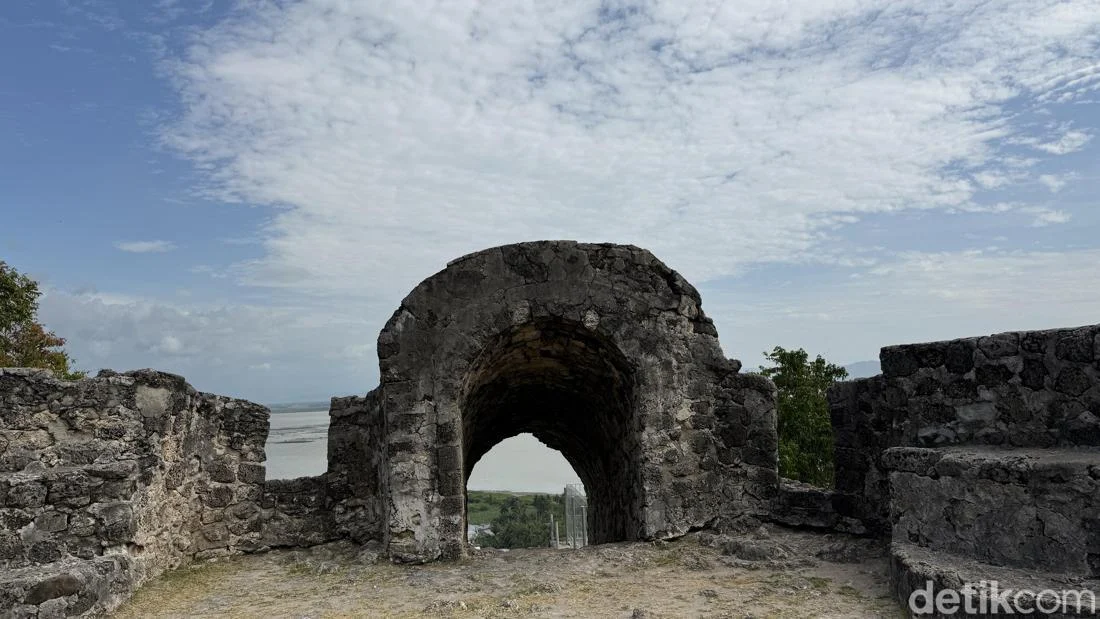
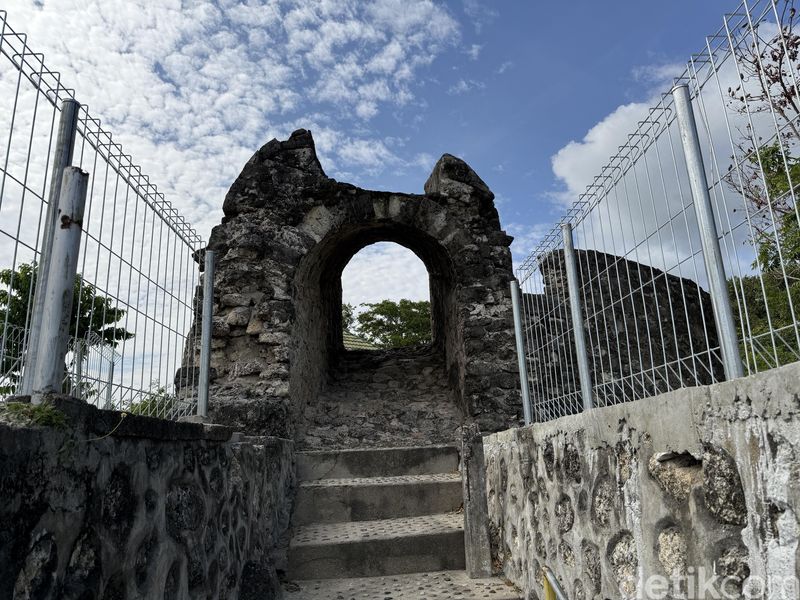
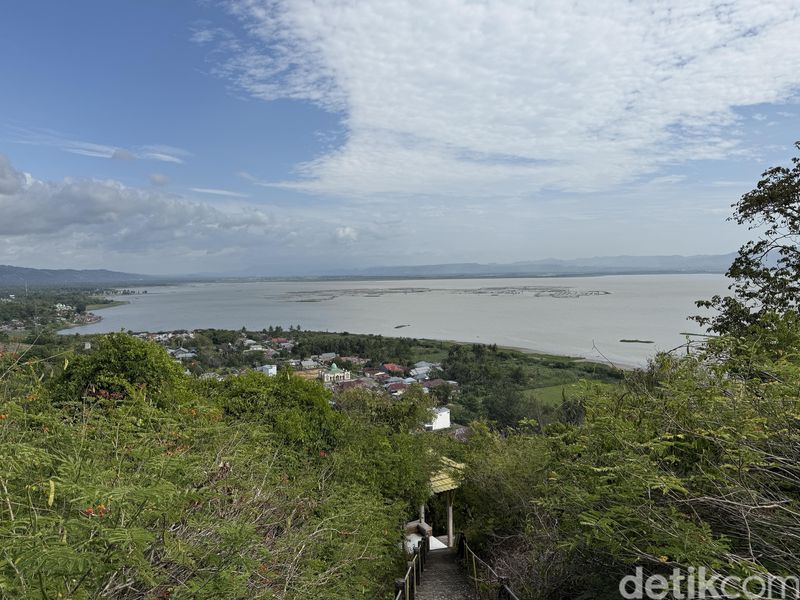
The Otanaha Fort, a majestic historical complex perched atop the rugged hills of Dembe I in West City, Gorontalo, stands as a testament to the complex geopolitical landscape of 16th-century Indonesia. Known locally as Benteng Otanaha, this cultural heritage site is renowned not only for its panoramic views of the expansive Lake Limboto but also for a persistent legend regarding its construction. For generations, local lore has suggested that the fort’s massive stone walls were held together by a unique adhesive: the egg whites of the Maleo bird, a species endemic to the island of Sulawesi. However, recent scientific investigations and historical assessments have begun to shed light on the reality of this architectural marvel, separating folklore from the tangible engineering of the past.

The history of Otanaha Fort is deeply intertwined with the arrival of the Portuguese in the Indonesian archipelago. Constructed around 1522 to 1525, the fort was established during the reign of King Ilato, the sovereign of the Gorontalo Kingdom. The early 16th century was a period of intense maritime activity and colonial expansion, as European powers sought to control the lucrative spice trade routes. In Gorontalo, this manifested as a strategic alliance between King Ilato and Portuguese explorers. According to historical records maintained by the Gorontalo Cultural Preservation Office, the Portuguese agreed to assist the local monarchy in fortifying the region against the persistent threat of piracy in the Celebes Sea and the Gulf of Tomini. In exchange, the Portuguese were granted a foothold in the region to monitor trade and maritime traffic.

Konon Katanya, Benteng di Gorontalo Ini Direkatkan dengan Putih Telur

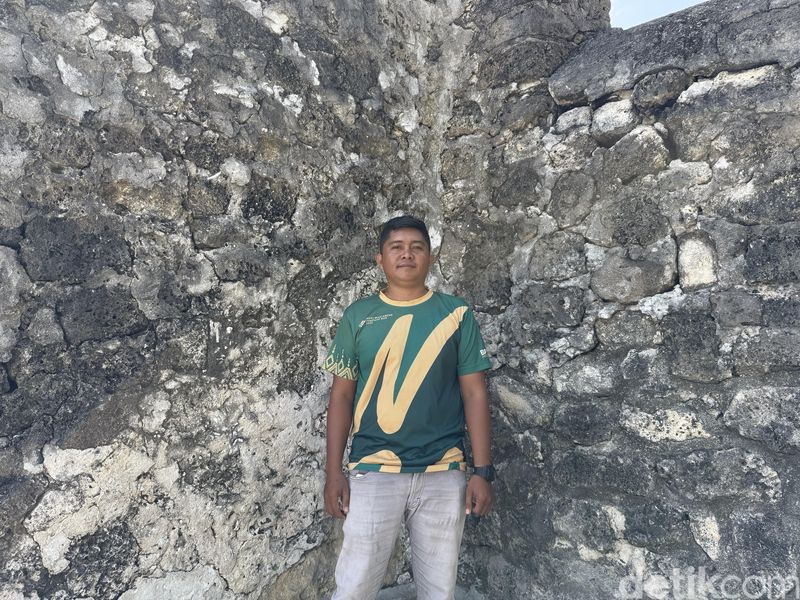
Arief Setiawan, a dedicated guardian and preservationist of Otanaha Fort from the Gorontalo Cultural Preservation Office, explains that the fort was part of a larger defensive network. The complex actually consists of three distinct cylindrical structures: Benteng Otanaha, Benteng Otahiya, and Benteng Ulupahu. These structures were strategically positioned to face different wind directions and vantage points, serving as a comprehensive system for defense, security, and surveillance. The positioning allowed the kingdom’s sentries to overlook both the landward approaches and the waters of Lake Limboto, which at the time served as a vital artery for transportation and resources.

The myth of the egg white adhesive is one of the most enduring narratives surrounding the site. In many parts of Southeast Asia, folklore often attributes the strength of ancient monuments to organic materials like honey, sugar, or eggs. In the case of Otanaha, the legend specifically points to the Maleo bird (Macrocephalon maleo), a ground-dwelling bird known for its large eggs. The narrative suggests that thousands of egg whites were mixed with lime and sand to create a mortar of extraordinary durability. However, modern architectural analysis suggests a more grounded reality.

Detailed physical inspections of the fort’s mortar have revealed the presence of sedimented rock, limestone, and coral fragments. Arief Setiawan notes that the region’s geology provided the builders with an abundance of natural materials. The structure is composed of various types of stone, including andesite—a type of volcanic rock—and sedimentary rocks rich in carbonate. Scientific observation of the mortar surfaces shows a high concentration of crushed coral and shell fragments. This indicates that the builders likely used a traditional lime-based mortar, created by burning and grinding limestone or coral, which, when mixed with water and sand, creates a chemical bond similar to modern cement. While the use of organic additives in ancient mortars is a documented historical practice globally, researchers have yet to find conclusive chemical evidence confirming the presence of egg proteins in the Otanaha structures.

Konon Katanya, Benteng di Gorontalo Ini Direkatkan dengan Putih Telur

Beyond its physical construction, the fort is a repository of local genealogical history and tragedy. The naming of the three forts—Otanaha, Otahiya, and Ulupahu—is rooted in the story of King Ilato’s family. According to oral traditions, King Ilato had a son named Naha, a renowned adventurer who rediscovered the fort structures after they had fallen into a period of neglect. Naha eventually married a woman named Ohihiya, and they had two sons, Pahu and Limono. The family’s peace was interrupted by a territorial conflict with a rival leader named Hemuto. In the ensuing battles to defend the kingdom, both Naha and his son Pahu were killed. The struggle was eventually resolved by Limono, who defeated Hemuto to avenge his father and brother. To honor this sacrifice, the community named the main fort Otanaha (derived from Naha), the second Otahiya (after the matriarch Ohihiya), and the third Ulupahu (after the fallen son, Pahu).

From a tourism perspective, Otanaha Fort has become one of Gorontalo’s premier destinations, particularly for those interested in heritage and photography. The site is famous for its "1,000 steps," a steep stone staircase that leads visitors from the base of the hill to the fortifications. While the moniker "1,000 steps" is a slight exaggeration—the actual count is 358 steps—the climb remains a physical challenge that rewards travelers with a breathtaking 360-degree view of the Gorontalo landscape. For those less inclined to hike, modern infrastructure now allows vehicles to reach the top of the hill, where a spacious parking area and visitor facilities are available.

The fort’s preservation has been a priority for the regional government, though the path to national recognition has been complex. The structures underwent two major restoration phases in the late 20th century: the first between 1978 and 1979, and the second between 1980 and 1981. These efforts focused on stabilizing the cylindrical walls, which stand approximately three meters high, and clearing the surrounding overgrowth. Currently, the Gorontalo Cultural Preservation Office is in the process of reapplying for the site’s status as a National Cultural Heritage site. A previous application was reportedly declined due to administrative and documentation requirements, but local officials are optimistic that the fort’s historical significance and unique architecture will eventually secure its place on the national registry.

Konon Katanya, Benteng di Gorontalo Ini Direkatkan dengan Putih Telur

Economically, Otanaha Fort plays a vital role in the local tourism sector. Entry fees are kept accessible to encourage both domestic and international visitors, with tickets priced at Rp 10,000 for Indonesian citizens and Rp 25,000 for foreign tourists. The revenue generated from these fees is funneled back into the maintenance of the grounds and the employment of local guides and caretakers. However, officials emphasize that the primary goal is conservation. Visitors are strictly prohibited from climbing the walls of the fort, as the ancient masonry is sensitive to human impact. "The safety of the visitors is paramount, but the integrity of the heritage site is our long-term mission," Setiawan emphasized during a recent site visit.

The broader implications of Otanaha Fort’s existence extend to the understanding of Indonesia’s pre-colonial and early colonial history. It serves as a physical reminder that the "Age of Discovery" was not merely a story of European conquest but one of negotiation, alliance, and local agency. The fact that a local king commissioned the fort using European expertise to solve regional security issues (piracy) highlights a sophisticated level of diplomacy. Furthermore, the transition of the site from a military garrison to a family memorial, and finally to a modern tourist attraction, reflects the changing identity of Gorontalo over five centuries.

As Gorontalo continues to develop its "Blue Economy" and maritime tourism, sites like Otanaha Fort provide a necessary cultural anchor. The fort offers a panoramic view of Lake Limboto, a massive lake that is currently the subject of intense environmental conservation efforts due to sedimentation and shrinking water levels. By visiting the fort, tourists are often confronted with the environmental reality of the region, potentially fostering a greater interest in both historical and ecological preservation.

Konon Katanya, Benteng di Gorontalo Ini Direkatkan dengan Putih Telur

In conclusion, Otanaha Fort remains a jewel of Northern Sulawesi. Whether or not the legends of Maleo egg whites are eventually proven by advanced chemical analysis, the "mortar" that truly holds the fort together is the collective memory of the Gorontalo people. It is a site where history, myth, and natural beauty converge, providing a window into a past where kings, explorers, and warriors shaped the destiny of the land. As the sun sets over Lake Limboto, casting a golden hue over the ancient stones of Otanaha, the fort stands as a silent observer of a region that continues to honor its ancestors while looking toward a sustainable future. Through continued research and responsible tourism, the legacy of King Ilato and the tragic heroism of Naha will remain preserved for generations to come, ensuring that the story of the fort—and the myths that surround it—never fades from the Indonesian consciousness.

July 17, 2026 0 comment
0 FacebookTwitterPinterestEmail
Science

The Sinking Coastline: Scientific Analysis of Environmental Degradation and Land Subsidence Along Indonesia’s Northern Java Corridor

by admin July 17, 2026
written by admin

The Northern Coast of Java, colloquially known as the Pantura, is currently undergoing a period of rapid and systemic environmental degradation that threatens the socio-economic stability of Indonesia’s most populous island. According to recent data released by the National Research and Innovation Agency (BRIN), approximately 65.8 percent of the coastline stretching from Serang Regency in Banten to Situbondo Regency in East Java is being consumed by erosion. This phenomenon is not merely a localized issue but a massive regional shift that highlights the vulnerability of Indonesia’s coastal infrastructure and the urgent need for a paradigm shift in maritime and land management.

The Geological Roots of Vulnerability

The severity of the erosion in the Pantura region is deeply rooted in its geological composition. Tubagus Solihuddin, a senior researcher at BRIN’s Climate and Atmosphere Research Center, notes that a significant portion of the Northern Java coastline is composed of pluvial and deltaic deposits. From a geological perspective, these sediments are classified as "unconsolidated," meaning they have not yet fused into solid rock. This lack of structural integrity makes the shoreline highly susceptible to the kinetic energy of ocean waves and the shifting tides.

Compounding this geological fragility is the region’s low-lying morphology. Much of the Pantura is characterized by low relief and flat plains, with elevations frequently measuring less than ten meters above sea level. While erosion dominates the landscape, the process of accretion—the accumulation of new land through sediment deposits—is occurring at a rate of 34.2 percent. However, this accretion is often inconsistent and does not compensate for the loss of habitable and productive land.

The research indicates that even natural delta systems, which should theoretically serve as centers of sedimentation, are now experiencing net erosion. This reversal is largely attributed to human intervention in upstream river systems. The construction of dams, the diversion of river channels, and the "canalization" of natural waterways have effectively choked the supply of sediment to river mouths. Without this steady influx of silt and mud, the deltas cannot rebuild themselves, leaving them defenseless against the encroaching Java Sea.

Bagaimana Cara Menghentikan Laju Kerusakan Lingkungan Pantura Jawa?

The Dual Threat: Sea Level Rise and Land Subsidence

The environmental crisis in Northern Java is defined by a "double whammy" of rising seas and sinking land. Scientific monitoring shows that the average rate of Sea Level Rise (SLR) along the Pantura is between 0.41 and 0.42 centimeters per year. While these numbers may seem small in isolation, the cumulative impact is devastating. Projections for the period between 1993 and 2025 suggest a total rise of 15.5 centimeters, a threshold that significantly alters the reach of tidal floods and storm surges.

However, the most immediate threat is not the rising water, but the sinking land. Land subsidence in the Pantura is occurring at rates that far outpace the global average of sea level rise. In Demak, Central Java, the land is sinking by as much as 16 centimeters per year—the highest rate recorded in the region. This is closely followed by Jakarta at 15 centimeters per year and Sidoarjo at 14 centimeters per year.

Agung Syetiawan, a researcher at BRIN’s Geoinformatics Research Center, identifies the primary driver of this subsidence as the massive and unregulated exploitation of groundwater. As the demand for clean water increases due to population growth and the expansion of industrial aquaculture (fishponds), the pressure on underground aquifers has reached a breaking point. When water is extracted from these deep layers faster than it can be replenished, the overlying soil layers compact and collapse, causing the surface to sink.

Chronology of Encroachment and Infrastructure Loss

The timeline of this degradation has moved from seasonal flooding to permanent inundation in several key districts. In Muara Gembong, Bekasi Regency, the sea has advanced up to four kilometers inland. This is not a temporary flood; it is a permanent loss of territory. In Pantai Bahagia, the erosion has effectively erased public infrastructure, including schools and roads, and submerged more than 1,000 hectares of productive fishponds, destroying the primary source of income for thousands of families.

Similar patterns are emerging in other hotspots:

Bagaimana Cara Menghentikan Laju Kerusakan Lingkungan Pantura Jawa?
  1. Tanjung Pontang, Serang: Seawater intrusion has pushed five kilometers into former agricultural zones.
  2. Legonkulon, Subang: Coastal erosion is rapidly consuming rice fields that were once the "rice bowl" of West Java.
  3. Demak, Central Java: Entire villages have been abandoned as the sea now reaches up to six kilometers inland, turning former neighborhoods into ghost towns of half-submerged houses.

The speed of this transition has caught many local governments off guard. What were once considered "100-year flood events" are now occurring monthly during high tides, leading to a state of perpetual crisis for coastal residents.

The Collapse of the Mangrove Buffer

Ecologically, the Pantura was once protected by a thick belt of mangrove forests. These ecosystems served as natural wave breakers and sediment traps. However, Frida Sidik, an expert in mangrove ecology from BRIN, warns that the very factors destroying the coast are also killing the mangroves.

"When erosion occurs and the existing coastline is disrupted, mangroves are the first to suffer," Sidik explains. Mangroves are highly sensitive to their environment; they require a specific balance of sediment and water depth. As the land sinks and the sea rises, the mangroves are essentially "drowned" or uprooted by high-energy waves that they can no longer withstand.

Furthermore, the loss of upstream sediment supply means that mangroves do not have the mud they need to survive. There is a common misconception that simply planting new seedlings can solve the problem. Sidik stresses that restoration is not a universal solution. Each coastal segment has a unique morphology; a mangrove species that thrives in one area may be completely swept away in another. Without a stable substrate and proper hydrological conditions, reforestation efforts are often futile, leading to a waste of resources and a false sense of security.

Mapping the Geological Diversity of the Northern Coast

To understand why some areas fail while others persist, one must look at the 1,668.7-kilometer stretch of the Pantura through a geological lens. According to a 2026 study titled Coastal dynamics along the Northern Coast of Java, Indonesia: Scales, impacts, and governance strategies, the coastline is a mosaic of different environments:

Bagaimana Cara Menghentikan Laju Kerusakan Lingkungan Pantura Jawa?
  • Muddy/Mangrove Coasts: These cover 949.2 km (47.8%) and are the most vulnerable to subsidence and erosion.
  • Sandy Coasts: Spanning 501.6 km (25.3%), these areas face different erosion patterns driven by longshore currents.
  • Rocky Coasts: Representing only 1% (19.8 km), these are the most stable but are rare in the region.
  • Modified Coasts: Approximately 513.4 km (25.9%) of the coast has been "hardened" with sea walls, ports, breakwaters, and groins.

The study notes that "hard" engineering solutions, such as concrete sea walls, often exacerbate erosion in neighboring areas by disrupting the natural flow of sediment. This "neighbor-beggar" effect means that protecting a port in Cirebon or Semarang might inadvertently lead to the disappearance of a beach or a mangrove forest a few miles down the coast.

Socio-Economic Implications and Policy Requirements

The implications of a sinking Pantura extend far beyond environmental loss; they threaten the national economy. The Pantura highway is the primary artery for logistics on Java Island. As the land sinks, this vital infrastructure is increasingly threatened by tidal flooding (rob), leading to massive delays and increased maintenance costs.

M. Rokhis Khomarudin, Head of BRIN’s Geoinformatics Research Center, emphasizes that the solution must be systemic. "We cannot rely on a single solution because every beach has a different character," he stated. The current approach, which often involves reactive construction of dikes after a flood occurs, is insufficient.

A comprehensive strategy for the Pantura must include:

  1. Groundwater Regulation: Strict enforcement of bans on deep-well drilling in high-subsidence zones, coupled with the development of alternative piped water sources.
  2. Geospatial Planning: Using high-resolution satellite data to map subsidence in real-time, allowing for "preventative" rather than "reactive" engineering.
  3. Sediment Management: Re-evaluating upstream dam operations to allow for "sediment flushing" that can replenish downstream deltas.
  4. Ecological Buffers: Moving away from purely "hard" infrastructure to "hybrid" solutions that combine sea walls with rehabilitated mangrove zones.
  5. Relocation and Adaptation: Acknowledging that some areas may be beyond saving, requiring a managed retreat and the relocation of vulnerable communities to higher ground.

Conclusion

The degradation of the Northern Coast of Java is a stark reminder of the limits of human intervention in natural systems. The combination of geological fragility, climate change, and aggressive resource extraction has created a crisis that cannot be solved by concrete alone. As the sea continues its four-kilometer-deep march into the heart of Java’s coastal regencies, the window for scientific and policy-driven intervention is closing. The future of the Pantura depends on the ability of the Indonesian government to balance economic ambition with the unforgiving reality of a changing coastline. Without a holistic, data-driven approach that respects the dynamic nature of the Java Sea, the "sinking" of the Pantura may become a permanent fixture of Indonesia’s geography.

July 17, 2026 0 comment
0 FacebookTwitterPinterestEmail
Newer Posts
Older Posts

Posts Slider

Bursa Efek Indonesia Set to Implement Real-Time Flagging...

November 5, 2026

Paraguay Political Crisis Deepens as President Santiago Pena...

November 5, 2026

Potret Teror Bom Pesawat Serentak Guncang Eropa, Penumpang...

November 5, 2026

Abdul El-Sayed Mengukir Sejarah sebagai Senator Muslim Pertama...

November 5, 2026

Gigi Susu Runcing Semua? Kenali Penyebab dan Cara...

November 5, 2026

Popular Posts

  • 1

    Indonesia’s Domestic Market Obligation Policy for Palm Oil Proves Effective in Stabilizing Minyakita Prices Amidst Broader Market Dynamics.

    April 16, 2026
  • 2

    Jangan Sampai Ketinggalan! Skill Excel Ini Bisa Bikin Kerja Kamu 2x Lebih Cepat

    April 16, 2026
  • 3

    Extra Playtime Strengthens the Emotional Bond Between Owners and Dogs According to New Research

    April 22, 2026
  • 4

    Mastering Solo Queue in Mobile Legends: Bang Bang: A Deep Dive into Self-Sufficient Carry Heroes

    April 22, 2026
  • 5

    OJK Propels South Sumatra’s Regional Economy with Strategic Export Initiatives and Youth Empowerment

    April 22, 2026

Recent Posts

  • Bursa Efek Indonesia Set to Implement Real-Time Flagging System to Enhance Market Integrity and Investor Protection

    November 5, 2026
  • Paraguay Political Crisis Deepens as President Santiago Pena Resigns Amidst Ueno Bank Collapse

    November 5, 2026
  • Potret Teror Bom Pesawat Serentak Guncang Eropa, Penumpang Dievakuasi

    November 5, 2026
  • Abdul El-Sayed Mengukir Sejarah sebagai Senator Muslim Pertama Michigan dengan Pilihan Horologi yang Mencerminkan Identitas Lokal dan Profesionalisme

    November 5, 2026
  • Gigi Susu Runcing Semua? Kenali Penyebab dan Cara Merawatnya

    November 5, 2026
  • Facebook
  • Twitter

@2021 - All Right Reserved. Designed and Developed by PenciDesign


Back To Top
Nata News
  • Home

We are using cookies to give you the best experience on our website.

You can find out more about which cookies we are using or switch them off in .

Nata News
Powered by  GDPR Cookie Compliance
Privacy Overview

This website uses cookies so that we can provide you with the best user experience possible. Cookie information is stored in your browser and performs functions such as recognising you when you return to our website and helping our team to understand which sections of the website you find most interesting and useful.

Strictly Necessary Cookies

Strictly Necessary Cookie should be enabled at all times so that we can save your preferences for cookie settings.