
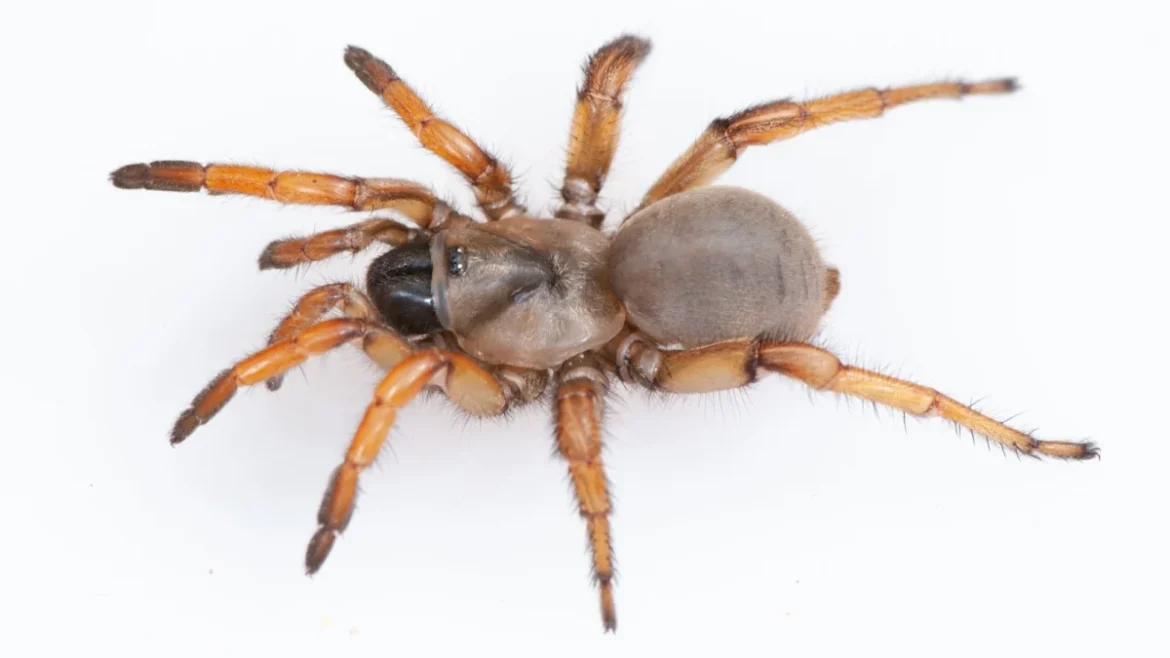
The legacy of late-night television host Stephen Colbert has taken an unexpected turn into the realm of molecular biology, nearly two decades after he first prompted the scientific community to name a species in his honor. While the comedian’s tenure on the airwaves concluded in 2026, the arachnid that bears his name, Aptostichus stephencolberti, has recently become the subject of a comprehensive genetic analysis. A research team led by entomologist Jason Bond of the University of California, Davis, has successfully sequenced the genome of this northern Californian trapdoor spider, revealing a genetic profile that is as complex and oversized as the television persona that inspired its moniker.
A Legacy Cemented in Taxonomy
The history of Aptostichus stephencolberti began in 2008, a period during which Stephen Colbert was at the height of his influence on Comedy Central’s The Colbert Report. During this era, the host famously utilized his platform to engage in a mock-combative, self-aggrandizing campaign to demand that the scientific community honor him with a namesake discovery. His target was Jason Bond, a researcher who had previously named a spider species after the Canadian-American musician Neil Young.
Following a highly publicized segment titled “Who’s Not Honoring Me Now?” in which Colbert demanded recognition, the scientific community obliged. The naming of A. stephencolberti was not merely a gesture of pop-culture synergy; it was part of a larger, serious effort to catalog the biodiversity of the trapdoor spider genus Aptostichus, which is notoriously difficult to classify due to the subtle morphological differences between species.
The Genomic Anomaly
The recent study, published in the Journal of Heredity, provides a high-resolution look at the spider’s genetic architecture. The findings have surprised researchers, particularly regarding the sheer scale of the organism’s genome. Despite the spider being roughly the size of a U.S. quarter, its genome contains 4.6 gigabases—or 4.6 billion DNA base pairs.
To put this in perspective, the human genome contains approximately 3.2 billion base pairs. This means that A. stephencolberti possesses a genome roughly 50 percent larger than that of a human. Furthermore, the spider displays a count of 53 chromosomes, a stark contrast to the 23 pairs found in humans.
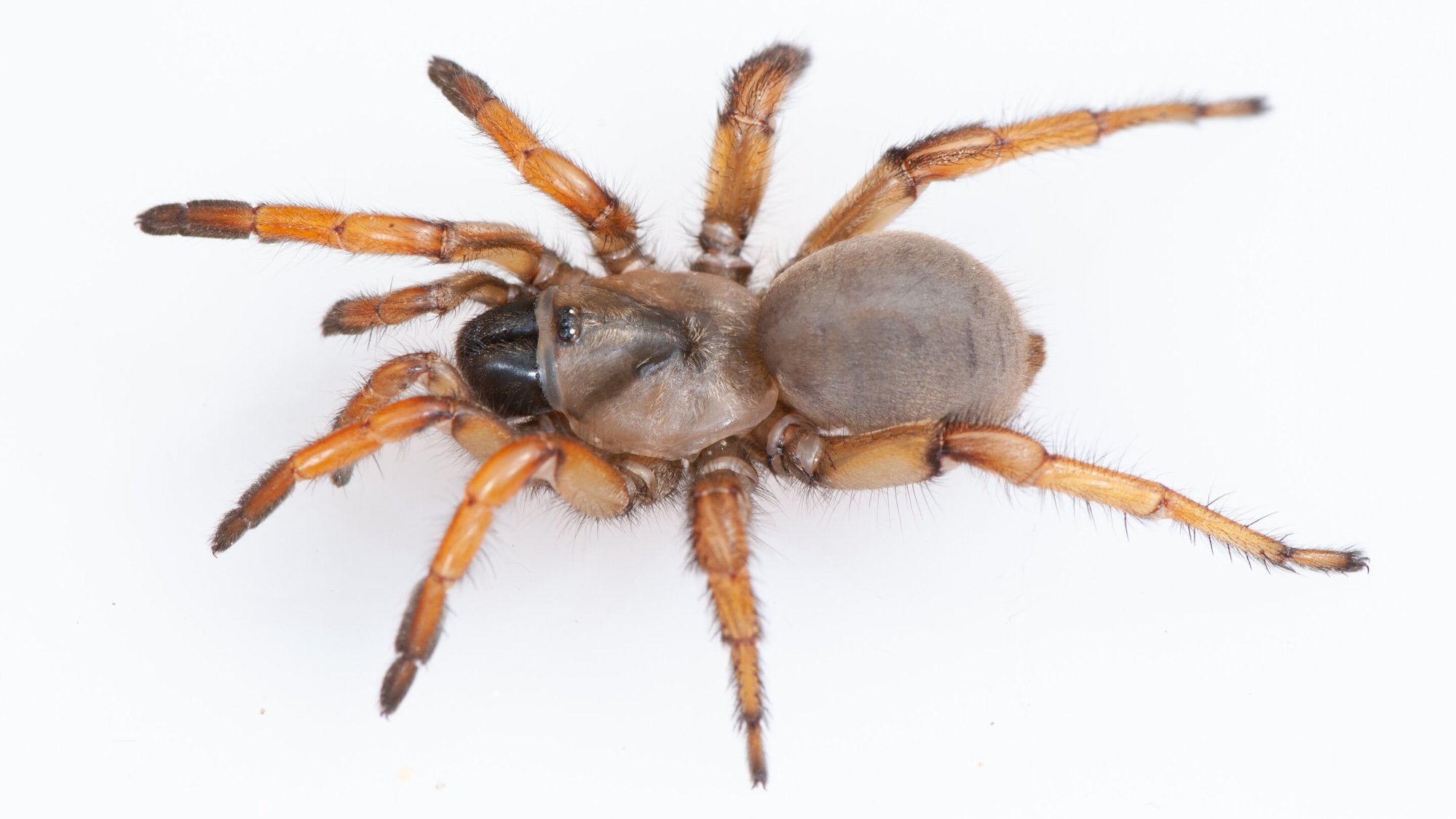
Geneticists have noted that while the size of the genome is significant, it is characterized by a high degree of repetitive sequences rather than an abundance of unique coding genes. This "repetitive" DNA, often referred to in historical contexts as "junk DNA," is now recognized by researchers as a critical component in understanding genome architecture and regulatory evolution.
Biological Mechanisms and Evolutionary Speed
The analysis of the spider’s genome also shed light on why arachnid genomes tend to evolve at a significantly higher rate than those of many vertebrate species. A key finding involves the absence of telomere repeats—the protective "caps" at the end of chromosomes.
In vertebrates, telomeres play a crucial role in maintaining chromosomal stability during cell division, preventing the loss of genetic information. The lack of these specific sequences in A. stephencolberti suggests that the spiders may utilize alternative mechanisms for chromosomal maintenance. This unique biological trait likely contributes to the rapid genomic restructuring and speciation rates observed within the Aptostichus genus.
“It lends itself to broadening our understanding of spider genome composition and consequently how genomes have evolved across the animal tree of life,” stated Jason Bond in the wake of the study’s publication. This research acts as a cornerstone for future comparative studies, providing a reference point for entomologists working to map the evolutionary trajectory of other elusive arachnids across North America.
Ecology and Habitat Vulnerability
Beyond its genetic peculiarities, A. stephencolberti is a highly specialized predator. Found primarily along the coastal dunes of California, ranging from the Monterey Peninsula to the San Francisco Bay area, the spider occupies a niche that is increasingly under pressure.
The species is known for its remarkable hunting technique. Female spiders inhabit silk-lined burrows, often capped with a hinged "trapdoor" made of soil, vegetation, and silk. They rely on subterranean vibrations to detect the approach of prey, at which point they launch a rapid, coordinated ambush.

Despite their predatory efficiency, their habitat is fragile. The coastal dune ecosystems of California are among the most threatened in the United States, facing ongoing risks from rising sea levels, coastal erosion, and the introduction of invasive species. Conservation biologists emphasize that the naming of the species—while born of a lighthearted pop-culture moment—has served to bring much-needed attention to the biodiversity of these specific, often overlooked, dune environments.
Chronology of Discovery and Research
The path from discovery to genomic sequencing spans nearly two decades of intensive field and lab work:
- 2008: Aptostichus stephencolberti is formally named and described, following a national media campaign by Stephen Colbert.
- 2008–2015: Taxonomic efforts continue to distinguish Aptostichus species, which often appear morphologically identical to the untrained eye.
- 2016–2024: Advances in high-throughput sequencing technology allow the UC Davis team to begin the labor-intensive process of assembling the spider’s massive genome.
- 2025: Researchers identify the absence of telomere repeats and the total base pair count of 4.6 gigabases.
- 2026: Final peer review and publication of the genome sequence in the Journal of Heredity.
Scientific Implications
The sequencing of A. stephencolberti is not merely an academic exercise in satisfying curiosity about a celebrity-named species. It has profound implications for the field of evolutionary biology. By understanding how such a small organism maintains a massive genome, researchers can begin to unravel the paradox of "C-value"—the variation in genome size that does not necessarily correlate with the organism’s complexity.
Furthermore, the data provides a framework for conservation efforts. By identifying the genetic markers and population dynamics of this spider, scientists can better monitor the health of the dune habitats. If the genetic diversity within these populations is found to be shrinking, it provides a measurable metric for habitat degradation that can be used to lobby for stronger environmental protections.
Conclusion
The intersection of late-night television and rigorous entomological research provides a unique window into the natural world. While the comedic persona of Stephen Colbert has long since retired, the spider that bears his name remains a permanent fixture of California’s biological heritage. Through the lens of modern genomics, Aptostichus stephencolberti has moved from being a humorous trivia point to a vital subject of scientific inquiry, offering researchers a deeper understanding of how life adapts, evolves, and persists in the face of changing environmental pressures. The genome of this trapdoor spider serves as a reminder that even the most "niche" species can harbor complex, large-scale mysteries that challenge our understanding of biological life.
