
JAKARTA — Bitera, a prominent player in the Indonesian data center landscape, has officially announced its strategic roadmap to achieve System and Organization Controls 2 (SOC 2) compliance by the fourth quarter of 2026. This move signifies a pivotal shift in the company’s operational strategy, as it seeks to align its facility management and data protection protocols with international benchmarks required by enterprise-level clients, including multinational corporations and financial institutions.
The announcement was made during a media roundtable held at the Bitera headquarters in Kuningan, Jakarta, on Monday, November 9, 2026. Attended by Bitera’s leadership team, including CEO Tedy Harjanto and Chief Operation and Construction Delivery Gary Robinson, the discussion underscored the increasing pressure on domestic data center providers to provide verifiable proof of their security posture in an era of escalating cyber threats.
Clarifying the SOC 2 Misconception
During the briefing, Gary Robinson took the opportunity to demystify the terminology surrounding data center security. He highlighted a common industry confusion between a Security Operations Center (SOC) and the SOC 2 framework. While the former refers to a physical or virtual hub where security analysts monitor for potential cyber threats in real-time, SOC 2 is a rigorous auditing procedure designed to measure how a service organization manages customer data.
"It is imperative for stakeholders to understand that SOC 2 is an evaluative framework, not a control room," Robinson stated. "It is an audit process that validates the effectiveness of our internal controls regarding the security, availability, processing integrity, confidentiality, and privacy of the information we store and process for our clients."
By pursuing this certification, Bitera is essentially asking third-party auditors to verify that its operational policies and technical safeguards are not only in place but are consistently functioning as intended. This distinction is vital for clients who require more than just physical security; they require documented proof of procedural integrity.
The Growing Demand for Global Standards
The urgency behind Bitera’s push for SOC 2 stems from changing procurement requirements among large-scale digital enterprises. As cloud service providers, financial technology firms, and government agencies migrate sensitive workloads to third-party data centers, the "due diligence" phase of contract negotiations has become significantly more stringent.
Many global companies now mandate SOC 2 Type II compliance as a non-negotiable prerequisite before onboarding. In instances where a provider does not yet hold the certification, clients often provide a "grace period," allowing the provider to demonstrate a clear roadmap toward certification. Bitera’s timeline to complete this process by Q4 2026 is designed to reassure existing and prospective clients that the company is proactively addressing these requirements.
"We are seeing a trend where major enterprise clients refuse to finalize contracts without the assurance that the data center provider adheres to internationally recognized security frameworks," Robinson noted. "By setting this 2026 target, we are aligning our growth with the expectations of the global digital economy."
Security Track Record and Operational Resilience
Despite the absence of formal SOC 2 certification at this stage, Bitera maintains a robust security record. Robinson confirmed that since the facility’s inception, the company has remained free of any significant physical intrusions or catastrophic security breaches.
While the facility has encountered the typical array of low-level digital noise—such as automated spam attempts or port-scanning activities common to any internet-connected infrastructure—there have been no incidents that compromised client data or facility integrity. However, the leadership team emphasizes that past success does not preclude the need for future-proofing.
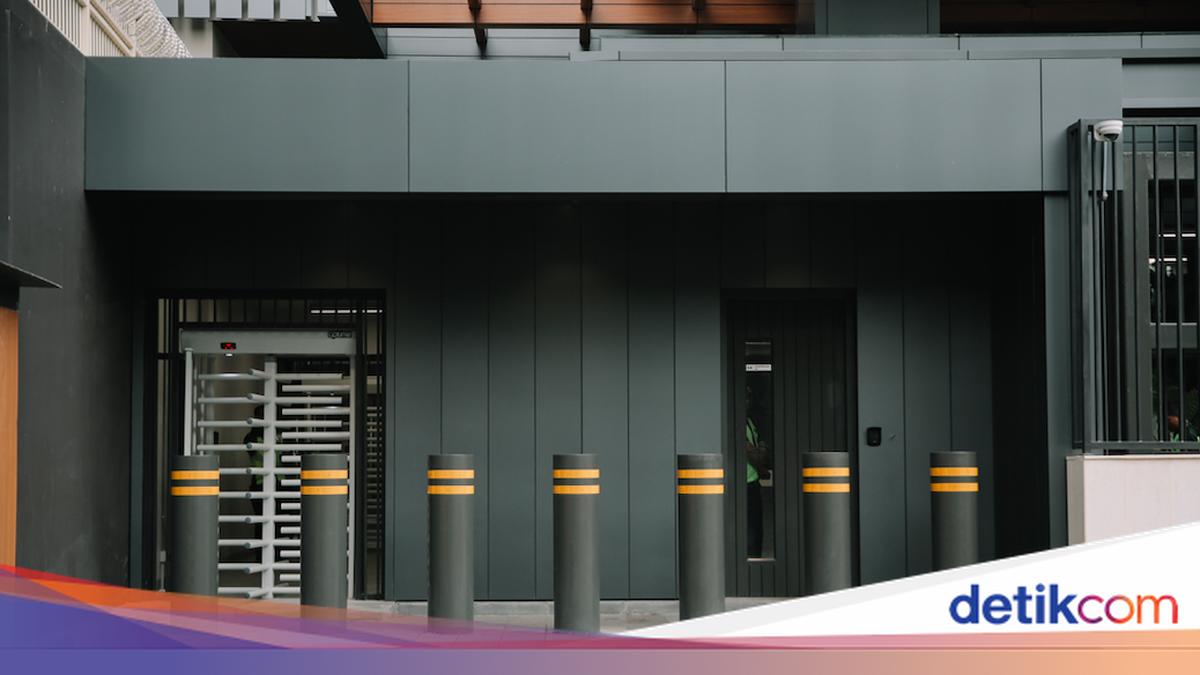
"We view security as a journey, not a destination," Robinson added. "The absence of past incidents is a testament to our current team and infrastructure, but the evolving threat landscape—characterized by more sophisticated social engineering and AI-driven cyber-attacks—necessitates the adoption of formal, audited standards like SOC 2."
The Significance of SOC 2 in the Digital Ecosystem
To understand the implications of Bitera’s announcement, one must consider the role of data centers as the backbone of Indonesia’s digital economy. With the Indonesian government’s focus on the "Making Indonesia 4.0" initiative and the rapid growth of the domestic startup ecosystem, data center capacity is expanding at an unprecedented rate.
SOC 2 is categorized into five "Trust Services Criteria":
- Security: Protecting information from unauthorized access.
- Availability: Ensuring the system is available for operation as agreed.
- Processing Integrity: Ensuring system processing is complete, valid, and accurate.
- Confidentiality: Protecting information designated as confidential.
- Privacy: Handling personal information in accordance with the entity’s privacy notice.
By committing to these criteria, Bitera is signaling to the market that it intends to operate at a tier equivalent to global cloud providers. This move is expected to enhance Bitera’s competitiveness in attracting foreign direct investment (FDI) from technology companies that require standardized operational procedures across all their global data center partners.
Implications for the Indonesian Data Center Market
The pursuit of SOC 2 by a major domestic provider is indicative of a maturing market. Historically, some regional providers relied on physical security (guards, gates, and biometric locks) as the primary indicator of reliability. However, the rise of cloud-native business models has shifted the focus to digital security and procedural transparency.
Industry analysts observe that companies attaining SOC 2 certification often see a reduction in the duration of the "Sales Cycle." When a vendor has already been vetted by a reputable third-party auditor, the time required for a new client’s internal security team to perform their own audit is significantly reduced. This leads to faster client acquisition and higher levels of customer trust.
Furthermore, as Indonesia strengthens its data sovereignty laws, such as the Personal Data Protection (PDP) Law, having a data center provider that follows globally recognized compliance frameworks like SOC 2 offers an additional layer of risk mitigation for domestic enterprises. It ensures that the provider is not only following local regulations but is also adhering to global best practices for data handling.
Future Outlook and Strategic Roadmap
As Bitera moves toward its Q4 2026 goal, the company will undergo several phases of preparation. This includes an extensive review of existing policies, the implementation of automated monitoring tools, and the training of personnel to ensure that every aspect of the facility’s operations aligns with the criteria set by the American Institute of Certified Public Accountants (AICPA), which manages the SOC framework.
CEO Tedy Harjanto and his team have maintained a consistent message: Bitera is built to support the high-density, high-security needs of the future. The decision to pursue SOC 2 is a logical step in that progression. While the timeline is set for 2026, the groundwork is being laid now, with continuous security audits and infrastructure upgrades taking place in the background.
For Bitera, the coming months will be defined by rigorous documentation and the integration of new security protocols. The company’s ability to successfully attain this certification will likely serve as a benchmark for other regional providers, setting a new standard for operational excellence in Indonesia’s rapidly evolving data center industry.
As the digital landscape becomes increasingly fragmented and threats become more complex, the role of trusted, compliant, and transparent data center providers has never been more critical. Bitera’s proactive approach ensures that it remains at the forefront of this evolution, providing the secure foundation upon which the next generation of Indonesian enterprise innovation will be built.