
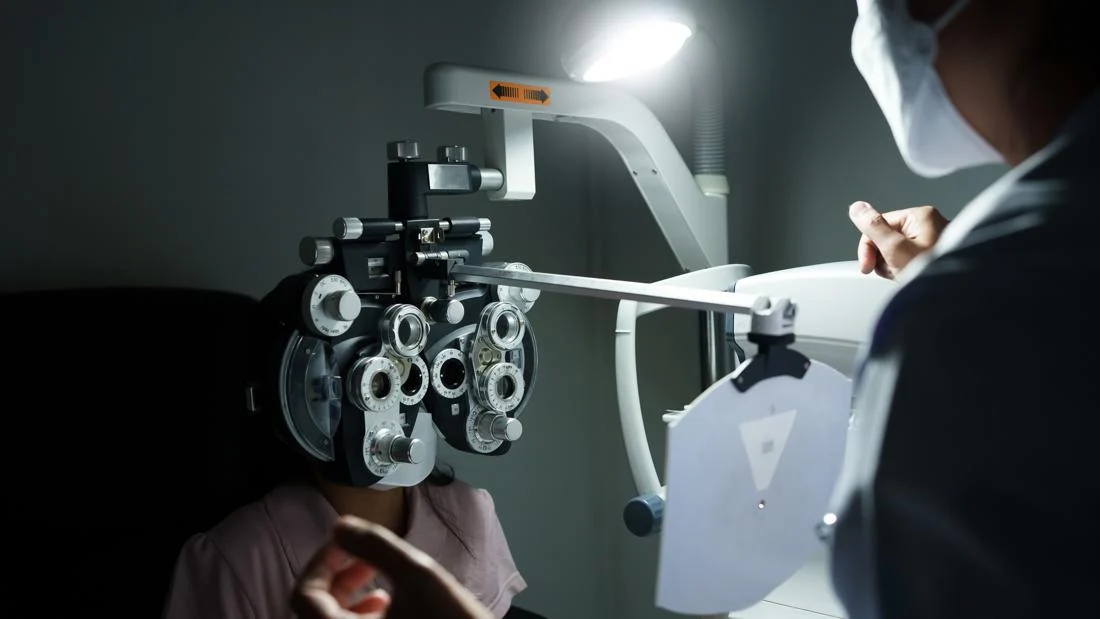
The medical landscape in Indonesia faces a silent but profound crisis regarding ophthalmic healthcare, specifically concerning corneal transplantation. Recent data from the Cipto Mangunkusumo Hospital (RSCM) reveals a stark disparity between the rising demand for corneal grafts and the dwindling supply of donor tissue. Patients requiring sight-restoring surgeries are now frequently subjected to waiting periods exceeding one year, a timeline that threatens to exacerbate vision loss for hundreds of individuals across the archipelago.
This issue, highlighted during the recent launch of the RSCM CAREs initiative in Jakarta, underscores a critical bottleneck in the national healthcare system. Despite the advancement of surgical techniques and the availability of world-class medical expertise, the fundamental limitation remains the availability of human tissue donors, an issue rooted in cultural, social, and logistical complexities.
The Scope of the Crisis: A National Perspective
The demand for corneal transplantation in Indonesia is staggering. According to national health statistics, the estimated requirement for corneal donors ranges between 200,000 and 900,000 eyes annually. This broad range reflects a population often plagued by preventable corneal blindness, which can be caused by infections, injuries, or degenerative conditions. While modern medicine offers a clear pathway to recovery through keratoplasty—the surgical replacement of the damaged cornea—the process is entirely dependent on the altruism of deceased donors.
At the epicenter of this struggle is the Bank Mata RSCM, which serves as a primary hub for corneal procurement and distribution. As of October 9, 2026, the facility’s registry indicates that more than 400 patients are actively waiting for a life-altering transplant. More alarmingly, official reports from the RSCM CAREs launch on October 28, 2026, confirm that over half of these individuals have been on the waiting list for more than twelve months. This prolonged delay is not merely a logistical failure; it represents a significant medical burden, as prolonged corneal opacity can lead to further complications, including secondary glaucoma or permanent vision loss that becomes increasingly difficult to treat over time.
Operational Challenges and the Burden of Importation
Dr. Rina La Distia Nora, the Head of the RSCM Eye Bank, provides a nuanced view of the situation. While the hospital has successfully performed over 100 corneal transplant procedures in the last two years, the waiting list remains stubbornly high. Dr. Nora clarifies that the persistent queue is not due to a lack of surgical capacity or a deficiency in the hospital’s operational efficiency. Instead, it is a reflection of increased public awareness regarding the availability of transplant procedures, which has led to a surge in registrations that the current donor supply cannot meet.
The reliance on domestic donors is currently insufficient to meet the clinical demand. Consequently, hospitals are forced to look beyond national borders. The procurement of corneal tissue from international sources is a common practice, but it introduces significant economic barriers. Imported corneal tissue can cost three to five times more than domestic grafts. This price inflation creates a precarious situation for healthcare providers, as it places a heavy financial strain on the hospital’s operational budget and, in many cases, increases the out-of-pocket costs or insurance coverage requirements for patients.
Dr. Renan Sukmawan, the Director of Medical and Nursing Affairs at RSCM, emphasized that the sourcing of organs remains a heavy burden on the institution. "The issue of organ provision is, for example, where do we get them? We have to look at imports. If we haven’t received them from abroad, it remains a heavy burden for the hospital and the patient," Dr. Sukmawan stated. The volatility of international supply chains, combined with the high cost, makes this an unsustainable model for long-term national health strategy.
The Cultural and Sociological Dimensions of Donation
The scarcity of corneal donors in Indonesia is deeply intertwined with sociocultural factors. Unlike some nations that have implemented "opt-out" policies or have robust, long-standing public education campaigns regarding organ donation, Indonesia still faces significant hesitation. Myths surrounding the physical state of the deceased, religious interpretations, and a general lack of clarity regarding the legal and medical processes of eye donation contribute to low registration rates.
To address this, medical institutions and government health agencies have been pushing for greater transparency. The "RSCM CAREs" initiative is designed not only to improve patient care pathways but also to serve as an educational platform to destigmatize organ donation. The goal is to shift public perception, framing eye donation as a supreme act of altruism that allows a donor to leave behind a legacy of sight.
Chronology of Recent Developments
The current situation at RSCM is the culmination of a decade of increasing demand. Over the past five years, as regional hospitals have improved their diagnostic capabilities, more patients have been referred to central facilities like RSCM for specialized keratoplasty.
- 2024: RSCM reported a steady increase in corneal transplant requests, with waiting times averaging six to eight months.
- 2025: Demand spiked by nearly 20% compared to the previous year, pushing waiting times toward the one-year mark.
- October 2026: The launch of the RSCM CAREs program brought these figures into the public eye, revealing that the waitlist had surpassed 400 patients, with the majority waiting over a year.
- Late 2026: Discussions between the Ministry of Health and hospital authorities have begun to focus on how to streamline the domestic donor registration process to reduce the reliance on expensive imports.
Clinical Implications and Long-term Prognosis
The clinical implications of a one-year wait are profound. Corneal blindness is unique in that the structural integrity of the eye is often preserved, meaning that a timely transplant can result in a near-total restoration of vision. However, the longer the cornea remains diseased or scarred, the higher the risk of neovascularization—the growth of blood vessels into the cornea—which significantly decreases the success rate of future transplants.
From a public health standpoint, the current trajectory is unsustainable. If the ratio of donors to patients remains unchanged, the "backlog" will continue to grow, forcing more patients to seek care abroad or endure years of blindness. Medical experts argue that the solution must be multifaceted:
- Legislative Reform: Clarifying and simplifying the legal framework for organ donation to encourage more people to register as donors while they are alive.
- Public Awareness Campaigns: Utilizing digital platforms and community outreach to dispel myths and provide clear, factual information about the process.
- Infrastructure Development: Investing in regional eye banks that can store and transport tissue more efficiently, reducing the dependence on central hubs like RSCM.
- Subsidization: Government support for the costs associated with tissue processing and procurement, ensuring that patients are not denied sight simply due to the high cost of imported donor tissue.
Conclusion
The crisis at RSCM is a microcosm of a broader national challenge. As Indonesia moves toward a more advanced healthcare system, the ability to provide regenerative and restorative surgeries like corneal transplantation will become a benchmark for success. However, technology alone cannot solve the problem. The bottleneck is inherently human—a shortage of donors that requires a societal shift in understanding and participation.
The commitment shown by the RSCM team in performing over 100 transplants in two years demonstrates that the clinical expertise is present. The focus must now pivot toward systemic changes in donor recruitment and the reduction of economic barriers to ensure that no patient in Indonesia is left to wait in the dark for more than a year for a gift that could restore their vision. Without a coordinated effort between the government, the medical community, and the public, the waiting list will likely continue its upward trend, leaving hundreds of thousands of potential beneficiaries of corneal transplants in a state of indefinite uncertainty.
