A collaborative study conducted by researchers from the University of South Florida and the National Oceanic and Atmospheric Administration (NOAA), published in the journal Nature Communications, has identified an alarming global surge in floating algae blooms. Utilizing advanced artificial intelligence to analyze satellite imagery and oceanographic data, the team discovered that these blooms are not only expanding in frequency but are also covering increasingly vast areas of the world’s oceans. This phenomenon, often referred to as eutrophication when driven by excess nutrients, is transforming vibrant marine environments into zones of biological distress, characterized by foul odors, oxygen depletion, and significant economic losses for coastal communities.
The research marks a turning point in our understanding of marine health. While localized algae blooms have historically been a natural occurrence, the current data suggests that human activity—specifically the runoff of nitrogen and phosphorus from urban, agricultural, and industrial sources—is accelerating these events on a planetary scale. For nations like Indonesia, which possess extensive coastlines and high population densities near the sea, the findings serve as a stark warning.
The Mechanism of Eutrophication: From Runoff to Dead Zones
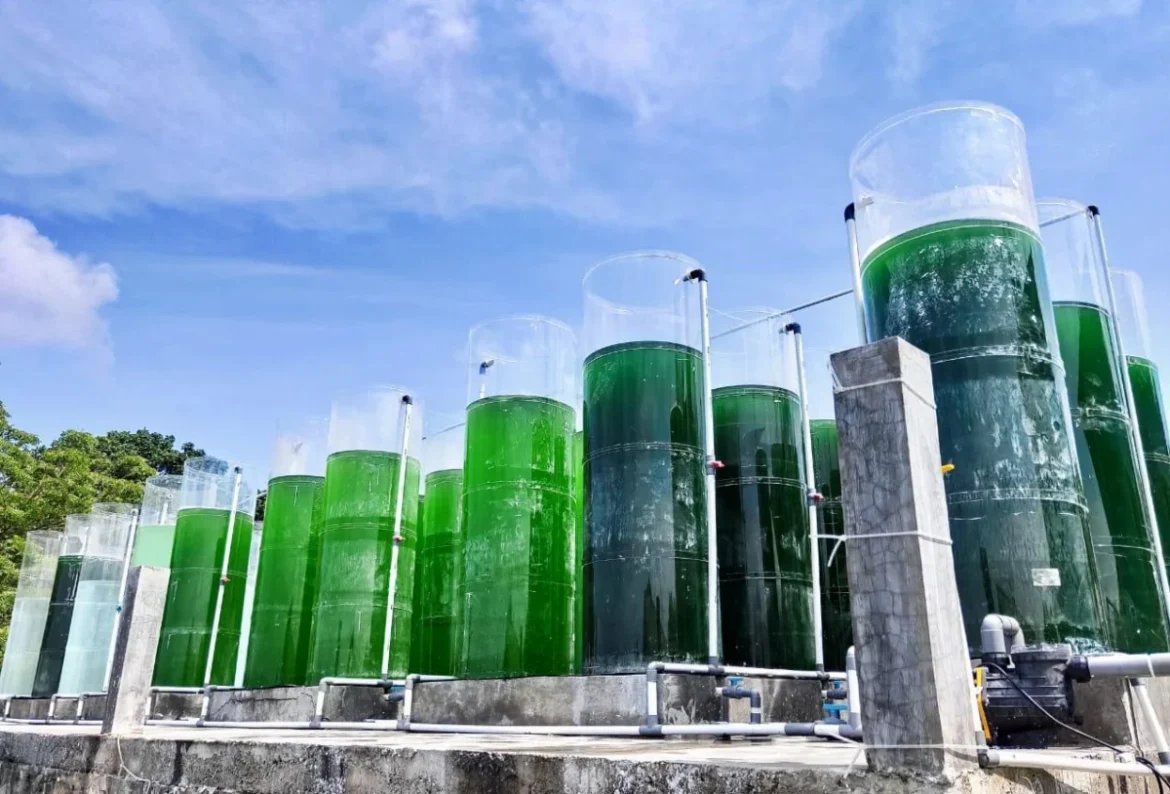
The biological process behind these blooms is complex but follows a predictable trajectory. When excessive organic matter—fueled by domestic waste, fertilizers, and aquaculture runoff—reaches the sea, it acts as a high-octane fertilizer for microscopic algae. This influx of nutrients triggers a rapid, unchecked reproduction of phytoplankton.
In the Indonesian context, experts like Ario Damar, an aquatic ecology specialist from IPB University, have observed that these blooms often manifest as dramatic color shifts in the water. Clear blue or turquoise seas are replaced by thick, opaque blankets of green or reddish-brown sludge. This is not merely an aesthetic issue; it is a fundamental shift in the chemical balance of the water column.
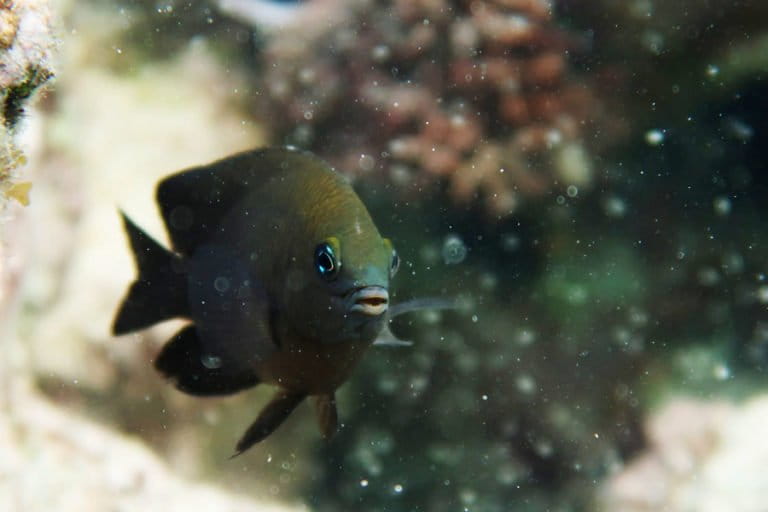
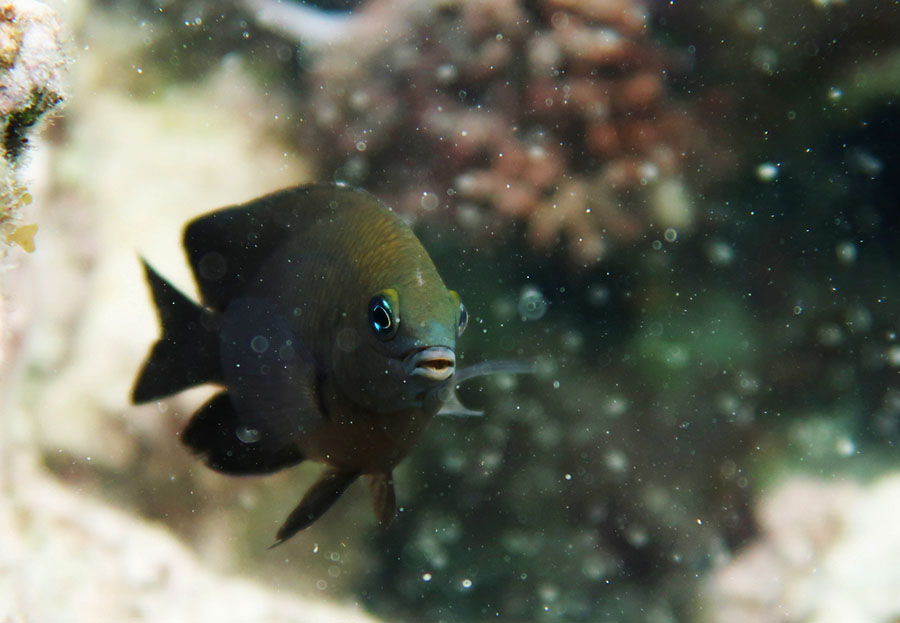
The core of the problem lies in the diurnal cycle of these organisms. During daylight hours, the algae perform photosynthesis, absorbing carbon dioxide and producing oxygen. However, at night, they switch to respiration, consuming massive quantities of dissolved oxygen. When the algae population reaches a "bloom" density, their nighttime consumption can strip the water of oxygen, leading to hypoxic conditions that cause mass mortality events among fish and other marine life. Furthermore, as the algae die and decompose, bacteria that break down the organic matter consume even more oxygen, creating "dead zones" where most aerobic life forms cannot survive.
A Growing Threat to Indonesian Marine Biodiversity
Indonesia’s geography, with its multitude of sheltered bays and estuaries, makes it particularly vulnerable to these events. Regions such as Teluk Jakarta, Teluk Banten, and Teluk Lampung are identified as high-risk areas. The relative stillness of the water in these bays allows nutrients to accumulate and remain trapped, providing the perfect incubator for algal proliferation.
Tumpak Sidabutar, a marine ecologist from the National Research and Innovation Agency (BRIN), emphasizes that the threat in Indonesia is twofold: toxic and non-toxic blooms. Among the most common species are diatoms, dinoflagellates, and cyanobacteria. Dinoflagellates are particularly concerning as they are often the source of "red tides," which produce potent neurotoxins. These toxins accumulate in filter-feeding organisms, such as mussels, oysters, and clams. When consumed by humans, these contaminated seafood products can lead to severe food poisoning, resulting in symptoms ranging from gastrointestinal distress to respiratory failure.
The economic implications are equally grave. The fishing and aquaculture industries, which serve as the backbone of many coastal economies, face potential collapse during these events. Tourists, too, are deterred by the visual blight and the pervasive, pungent odor of decaying organic matter, leading to a significant loss of revenue in the hospitality and service sectors.
The AI Advantage and the Need for Surveillance
The use of artificial intelligence in the University of South Florida and NOAA study represents a significant advancement in marine surveillance. By training machine learning models to recognize the spectral signatures of floating algae, researchers can now track bloom movements across thousands of kilometers of open ocean in near real-time. This technology is essential because traditional manual monitoring is often too slow and expensive to keep pace with the rapid development of these blooms.
However, Indonesia currently lacks a comprehensive, nationwide surveillance system. While research institutions like BRIN and various universities conduct sporadic monitoring, there is no centralized, automated framework to provide early warnings to local communities and fishermen. The limitation, according to experts, is primarily budgetary. Funding for oceanic research remains constrained, leaving a critical gap in the country’s ability to proactively manage the environmental impact of its growing population.
Historical Context and the 2010 Inflection Point
The data suggests that the global shift began to accelerate significantly around 2010. Since then, the phenomenon has not been limited to tropical waters; it has moved into temperate zones, affecting marine ecosystems that were previously considered stable. This historical timeline suggests that the expansion is closely tied to the global increase in synthetic fertilizer use and the rapid urbanization of coastal areas.
In the early 21st century, the primary focus of marine environmentalism was on overfishing and plastic pollution. While these remain critical issues, the scientific consensus is shifting to acknowledge that the silent, invisible influx of nutrient pollution is equally, if not more, devastating to the long-term viability of marine habitats. The "greening" of the oceans is a visible symptom of a planet struggling to process the waste of an industrializing society.
Official Responses and Potential Solutions
Addressing the challenge of algae blooms requires a multi-pronged approach that moves beyond simple containment. According to Ario Damar, the solution must start at the source. "The goal is not just to clean up the water, but to stop the nutrient load from reaching the ocean in the first place," he asserts.
Policy interventions are required to manage:
- Urban Sewage Treatment: Expanding and upgrading wastewater treatment facilities in major coastal cities to ensure that domestic waste is processed before it enters river systems.
- Agricultural Best Practices: Implementing regulations on fertilizer runoff and promoting integrated pest management to reduce the amount of nitrogen and phosphorus that leaches into the soil and subsequently into waterways.
- Aquaculture Regulation: Establishing strict limits on the stocking density of fish farms to prevent the over-accumulation of feed and excreta, which are primary drivers of localized blooms.
- Early Warning Systems: Investing in remote sensing technology and local water quality monitoring stations to detect early signs of nutrient spikes.
The Broader Ecological Implications
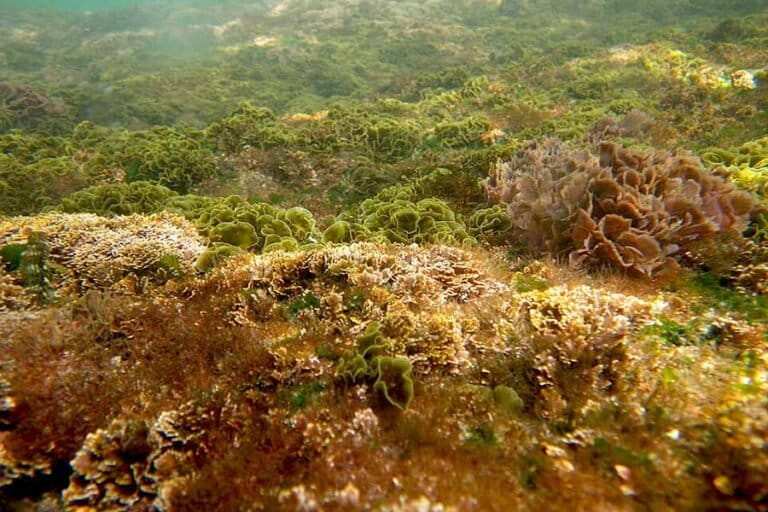
Beyond the immediate loss of fish and the risks to human health, persistent algae blooms disrupt the entire marine food web. When the chemical composition of the water—specifically the ratios of nitrates to phosphates—is altered, it changes the types of species that can thrive. This favors opportunistic species over the complex, diverse organisms that support healthy coral reefs and seagrass beds.
Furthermore, the impact of these blooms on carbon sequestration is a subject of ongoing research. While some algae are effective at trapping carbon, the methane and nitrous oxide released during the decomposition of massive blooms can offset these benefits, potentially turning a carbon sink into a net contributor to greenhouse gas emissions.
Conclusion
The findings from the University of South Florida and NOAA represent a clarion call for environmental policy reform. As the global climate changes and coastal populations continue to grow, the pressure on marine ecosystems will only intensify. For Indonesia, the path forward is clear: the country must leverage technological advancements like AI-driven satellite monitoring to gain a better understanding of its own waters, while simultaneously enforcing stricter regulations on the land-based activities that feed these blooms.
The ocean is a self-regulating system, but there are limits to its resilience. When nutrients that were intended to grow food on land become a vehicle for ecological destruction at sea, it is a sign that the current management of natural resources is fundamentally flawed. Addressing the crisis of algae blooms is not just about protecting the coastline—it is about ensuring the survival of the marine biodiversity upon which millions of people depend for their livelihoods, nutrition, and future.
As researchers continue to monitor these trends, the global community must recognize that the "blooming" of the oceans is not a sign of life, but a symptom of an ecosystem struggling under the weight of human-induced change. Without urgent, science-based intervention, the vibrant blue of the world’s oceans may increasingly be hidden beneath a layer of toxic green, a silent testament to a crisis that is being ignored at our own peril.