
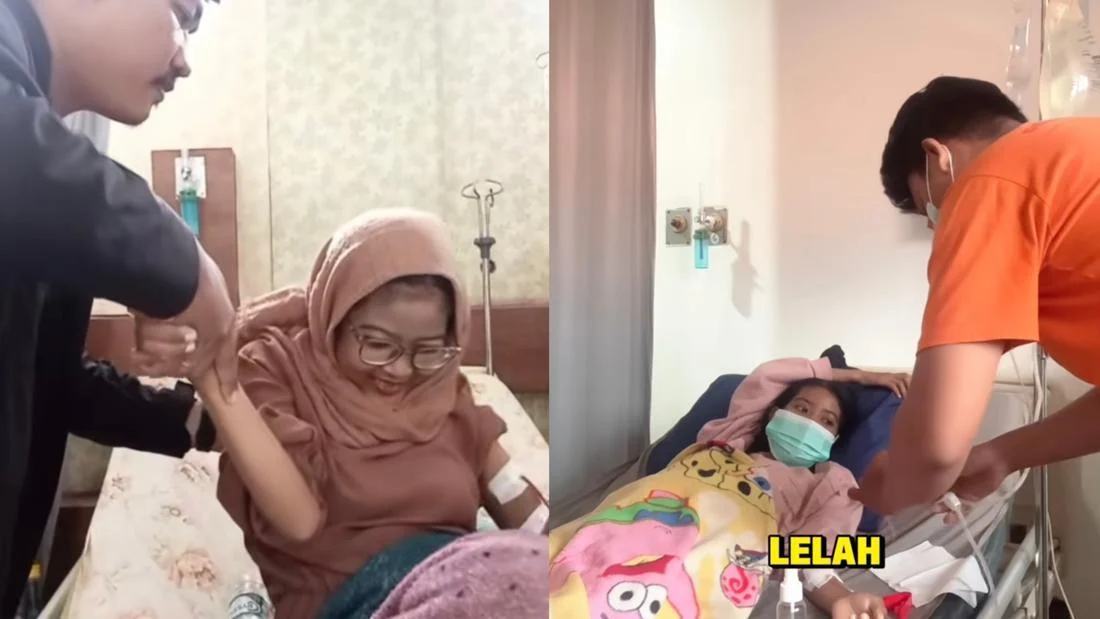
The Chronology of a Silent Diagnosis
Dona’s medical journey began with symptoms that are often dismissed as routine ailments in a fast-paced lifestyle. By the time she sought comprehensive medical intervention, she was already in an advanced stage of renal failure. The progression was insidious, characterized by initial neglect of subtle physiological warning signs.
Before her official diagnosis in 2024, Dona experienced a series of health complications, including persistent nausea, frequent vomiting, chronic diarrhea, and widespread pruritus (severe itching). These symptoms are classic clinical indicators of uremia—a condition where waste products build up in the blood because the kidneys are no longer functioning adequately to filter them.
Following her diagnosis, Dona underwent a year of hemodialysis (HD), the standard clinical procedure where blood is pumped out of the body to an artificial kidney machine. However, as her condition necessitated long-term management, she transitioned to Continuous Ambulatory Peritoneal Dialysis (CAPD). Unlike hemodialysis, which requires frequent hospital visits, CAPD allows for the filtration of blood within the abdominal cavity, offering patients a degree of autonomy while requiring rigorous sterile maintenance to prevent infection. Her journey has not been limited to dialysis; it has included multiple surgical procedures and admissions to the Intensive Care Unit (ICU), underscoring the systemic toll of end-stage renal disease (ESRD).
The Underlying Cause: Hypertension as a Silent Killer
Dona’s case is medically significant because it identifies uncontrolled, long-term hypertension as the primary catalyst for her kidney failure. In medical literature, the relationship between hypertension and kidney disease is bidirectional and cyclical. High blood pressure damages the delicate blood vessels in the kidneys, reducing their ability to filter waste and excess fluid from the blood. Conversely, failing kidneys struggle to regulate blood pressure, creating a dangerous feedback loop.
"According to the laboratory results and the specialists overseeing my care, the primary cause of my kidney failure was long-term hypertension that remained undiagnosed and untreated," Dona stated in a recent interview.
Her admission of limited medical literacy during her early twenties is a common phenomenon in public health. Like many young adults, she relied on local clinics for symptomatic relief—treating the headache or the nausea—without undergoing the diagnostic screenings necessary to identify underlying chronic conditions. This lack of preventative health literacy often leads to late-stage discovery of NCDs, where management is more complex and less effective than early intervention.
The Burden of Non-Communicable Diseases in Indonesia
The prevalence of chronic kidney disease among young adults in Indonesia is an emerging public health concern. According to data from the Basic Health Research (Riskesdas) conducted by the Indonesian Ministry of Health, the prevalence of kidney failure is on a steady upward trajectory. Historically, kidney failure was associated with the elderly; however, contemporary data suggests that a shift is occurring, with increasing numbers of patients in their 20s and 30s presenting with stage 5 CKD.
The primary drivers for this shift include sedentary lifestyles, dietary habits high in sodium and processed sugars, and, most notably, the "silent" nature of hypertension. Often referred to as a "silent killer," hypertension frequently presents no symptoms until significant end-organ damage has already occurred. In Indonesia, the accessibility of screening remains a hurdle. While universal health coverage (BPJS Kesehatan) has improved access, the utilization of these services for preventative screenings among the working-age population remains low.
Clinical Perspectives on Dialysis and Patient Management
Medical experts emphasize that for patients like Dona, the psychological and physical burden of dialysis is immense. Hemodialysis and CAPD are not "cures" but are life-sustaining treatments that replace lost kidney function. The physical demands of the treatment are coupled with strict dietary and fluid restrictions, which drastically alter a patient’s quality of life.
Dr. Aris Wibudi, a specialist in internal medicine, notes that early detection is the only viable strategy to mitigate the rising tide of renal failure in younger populations. "We are seeing more patients under 30 who present with advanced CKD. The tragedy is that had their blood pressure been monitored and controlled as little as three to five years earlier, the progression to stage 5 might have been halted or significantly delayed," he noted.
Public health campaigns are increasingly focusing on the "Check-up" culture. For individuals, particularly those with a family history of diabetes or hypertension, regular monitoring of blood pressure, blood glucose levels, and glomerular filtration rates (GFR) is essential.
The Psychosocial Dimension: Resilience and Support
Dona’s survival strategy is rooted in a combination of clinical adherence and psychological resilience. The transition from a life of professional independence to a life governed by a dialysis schedule requires immense mental fortitude. Dona acknowledges that the support system provided by her family and peers has been the cornerstone of her endurance.
"I maintain my daily routine by keeping a positive mindset, adhering strictly to the dialysis schedule prescribed by my doctor, and choosing to appreciate every moment I am given," she shared.
The social media traction of her story has sparked a broader conversation in Indonesia regarding the necessity of empathy and awareness. By sharing her experience, she has inadvertently become an advocate for kidney health, prompting many young netizens to reflect on their own habits and consider the importance of regular medical screenings.
Broader Implications for Public Health Policy
The case of the young Karawang resident serves as a clarion call for the Indonesian Ministry of Health to rethink its preventative health strategy for the youth demographic. Current policies, while robust, are largely reactive. A pivot toward more proactive, school-based and workplace-based screening programs could be instrumental in identifying hypertension before it leads to irreversible organ damage.
Furthermore, the economic implications are substantial. Dialysis is one of the highest-cost treatments covered by the national health insurance system. Preventing the transition to ESRD would not only improve the quality of life for thousands of young Indonesians but would also significantly reduce the long-term financial burden on the national health budget.
As Dona continues her treatment, her story remains a potent symbol of the fragility of health. It serves as a reminder that age is no longer a protective factor against chronic diseases. The modern environment, defined by high stress and poor dietary choices, has accelerated the onset of conditions that were once the domain of middle-aged and elderly populations.
In conclusion, the path forward requires a multifaceted approach: individual responsibility in the form of regular check-ups, improved public health literacy, and a systemic strengthening of preventative medical infrastructure. For those currently living with conditions like hypertension, the lesson is clear: do not wait for symptoms to appear before seeking care. As demonstrated by the case of this young woman from Karawang, the cost of waiting is far too high.
