
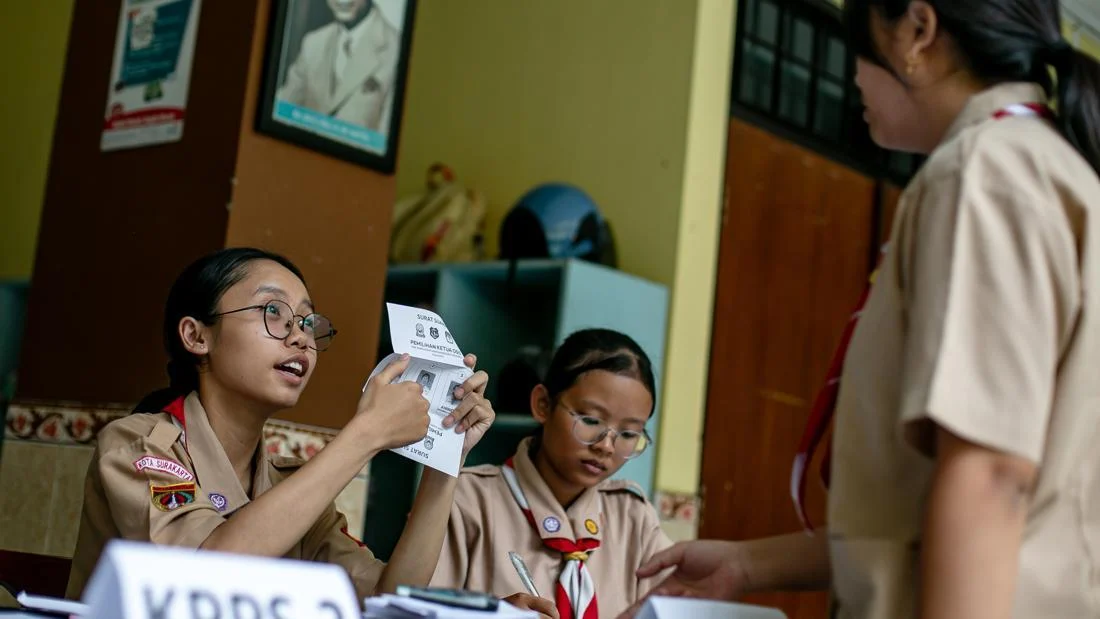
The atmosphere at SMK Marsudirini in Solo, Central Java, on Friday, November 6, 2026, mirrored a national general election. Students actively participated in the election of the Student Intra-School Organization (OSIS) chairperson using a voting system that closely replicates Indonesia’s official General Election (Pemilu). This initiative was not merely a routine school activity, but a structured collaboration with the General Election Commission (KPU) of Solo aimed at instilling foundational democratic values in first-time voters.
As teenagers transition into eligible voters for local and national elections, educational institutions play an increasingly critical role in bridging the gap between theoretical civics and practical democratic participation. By simulating the actual voting process—complete with ballot papers, voting booths, ink, and strict verification procedures—the school provided its students with experiential learning that transforms abstract constitutional concepts into tangible, memorable practices.
Bridging Civics Education and Practical Experience
Civics education in classrooms often remains theoretical, focusing on the structures of government, the history of democracy, and the rights and responsibilities of citizens. However, political scientists and educators have long argued that civic knowledge alone is insufficient to foster active political participation. Experiential learning, such as student body elections modeled after national systems, bridges this gap by allowing young people to experience the mechanics of democracy firsthand.
At SMK Marsudirini, the preparation for the OSIS election began weeks in advance. Student candidates underwent a rigorous nomination and campaign process, drafting manifestos and participating in debates to articulate their visions for the student body. This mirrored the candidate-vetting and campaigning stages seen in municipal and national elections. On polling day, the implementation of standard operating procedures familiarized students with the responsibilities they will soon shoulder as adult citizens in the world’s third-largest democracy.

The Role of the KPU in Youth Electoral Education
A significant catalyst for the success of the election simulation at SMK Marsudirini was the direct involvement of the KPU of Solo. Electoral commissions across Indonesia have increasingly recognized the necessity of targeted voter education for youth, often referred to as "pemilih pemula" (first-time voters).
First-time voters represent a crucial demographic in Indonesian elections. Gen Z and millennial voters make up a substantial portion of the national electorate, meaning their political engagement, literacy, and attitudes toward governance will significantly influence the country’s political trajectory. By partnering with schools, the KPU aims to demystify the electoral process, combat voter apathy, and promote electoral integrity from an early age.
During the event at SMK Marsudirini, KPU representatives guided students through the proper etiquette of voting, emphasizing the importance of secrecy in the ballot booth, the significance of each vote, and the mechanism of vote counting. This hands-on guidance ensures that when these students turn 17 and receive their voting rights for regional or national elections, they will approach the polling station with confidence and familiarity rather than apprehension.
The Chronology of the Electoral Process
The journey toward the culminating event on November 6, 2026, followed a structured timeline designed to mirror national electoral stages:
-
Phase One: Establishment of the Election Committee
Weeks prior to the election, an independent student election committee (Panitia Pemilihan OSIS) was formed, operating under the supervision of faculty advisors and KPU mentors. This committee was responsible for drafting electoral regulations, setting timelines, and ensuring a neutral environment. -
Phase Two: Candidate Registration and Screening
Students aspiring to lead the OSIS submitted their applications, academic transcripts, and organizational portfolios. Candidates then underwent vetting processes to ensure compliance with school standards before entering the official campaign period. -
Phase Three: Campaigning and Debates
Candidates engaged in school-wide campaigns, presenting their programs during assembly times and participating in a public debate. This phase taught students the value of constructive dialogue, policy-based competition, and respectful political discourse. -
Phase Four: Polling Day (November 6, 2026)
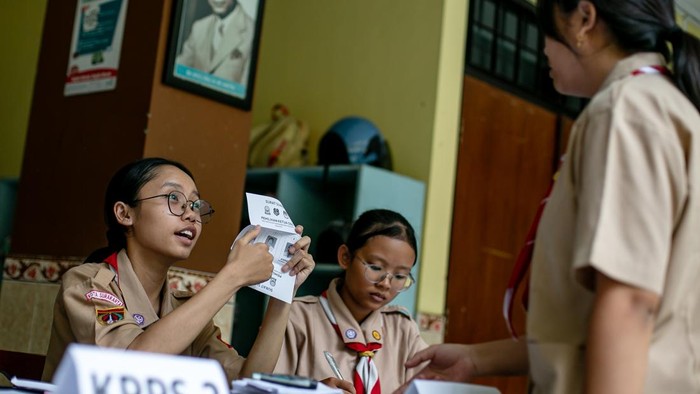
The climax of the initiative took place on Friday, where students checked in at registration desks, received ballots, entered private voting booths to mark their choices, and dipped their fingers in indelible ink—a hallmark of Indonesian elections designed to prevent double voting. -
Phase Five: Tallying and Results
Following the closure of the polls, public vote counting took place, allowing students to observe transparency in the aggregation of results and reinforcing the principle of accountability.
Broader Implications for Indonesia’s Democracy
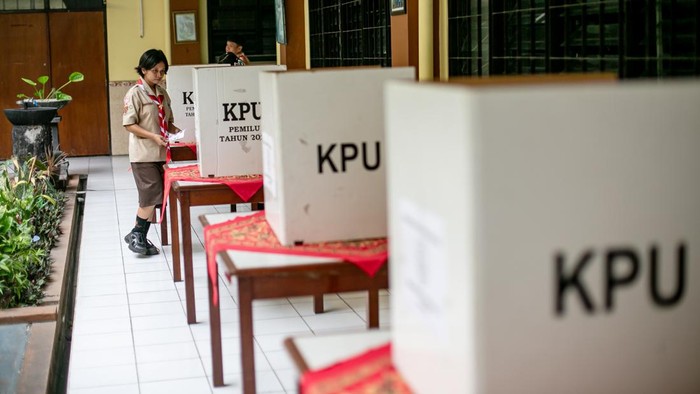
The implementation of Pemilu-style school elections carries profound long-term implications for Indonesia’s democratic health. Electoral literacy is not innate; it is cultivated through continuous engagement and institutional trust. When students learn to respect the outcome of a fair vote, accept defeat gracefully, and critically evaluate candidate platforms during their formative years, these habits translate into adult civic behavior.
Furthermore, initiatives like the one at SMK Marsudirini help counter misinformation and political cynicism. In an era dominated by digital noise, social media polarization, and targeted disinformation campaigns, young voters are particularly vulnerable to manipulation. Grounding them in the procedural realities of transparent, paper-based, and direct voting builds a baseline of trust in electoral institutions.
Educators and local officials hope that the success of the collaboration between SMK Marsudirini and the KPU of Solo will serve as a blueprint for other vocational and high schools across the region. As Indonesia continues to mature as a democratic nation, empowering the youngest segment of the electorate through practical, engaging education remains one of the most effective investments in the country’s political future.
