
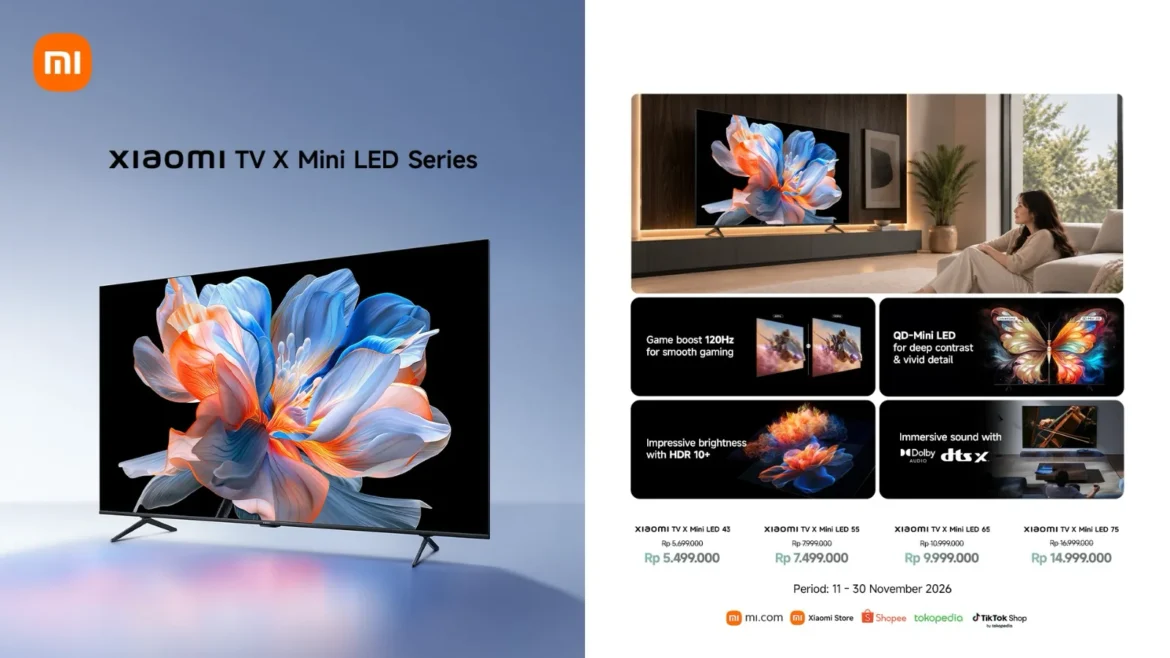
Capitalizing on the heightened consumer activity during the annual 11.11 shopping festival, Xiaomi Indonesia has officially expanded its Artificial Intelligence of Things (AIoT) ecosystem with the introduction of three flagship products. Under the strategic umbrella of "Live Right, Live Smart," the new lineup aims to bridge the gap between advanced technology and everyday domestic utility. The launch includes the Xiaomi Robot Vacuum 6, the Xiaomi TV X Mini LED 2026 series, and the Xiaomi Electric Scooter 6 Essential, all of which are scheduled to hit the Indonesian market on November 11, 2026.
This release follows a broader trend in the Southeast Asian consumer electronics market, where manufacturers are increasingly shifting focus from mobile devices to integrated smart home solutions. As urbanization continues to drive demand for space-efficient and time-saving technologies, Xiaomi’s latest offerings are positioned to cater to a demographic that prioritizes both functional efficiency and aesthetic design in their living spaces.
The Strategic Significance of the 11.11 Momentum
The 11.11 festival, widely recognized as the world’s largest online shopping event, serves as a critical barometer for consumer sentiment in Indonesia. For Xiaomi, this date is not merely a promotional window but a strategic launchpad for its premium AIoT hardware. By aligning the market entry of these products with the peak of year-end spending, Xiaomi intends to capture a significant share of the home automation market.
Industry analysts observe that such high-volume sales periods allow brands like Xiaomi to aggressively penetrate the middle-class segment, which is highly responsive to value-based pricing. By offering introductory promotional pricing during the 11.11 window, the company effectively lowers the barrier to entry for consumers looking to digitize their homes.
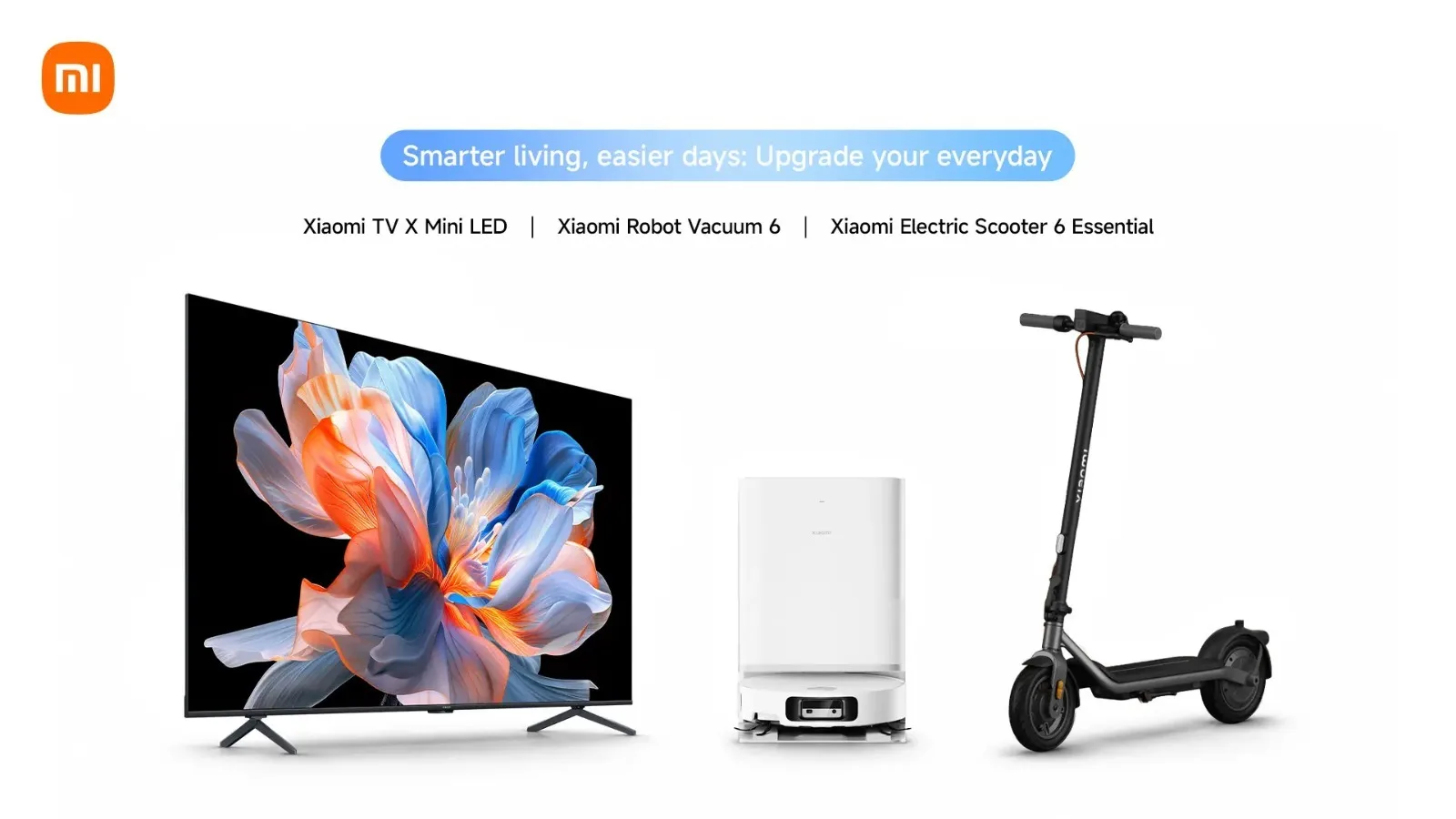
Xiaomi Robot Vacuum 6: Setting New Standards in Home Maintenance
The Xiaomi Robot Vacuum 6 represents a significant leap in the company’s automated cleaning technology. Engineered to minimize manual intervention, the device introduces high-performance specifications designed for complex living environments.
The vacuum features a formidable suction power of 30,000Pa, a specification that positions it among the most powerful consumer-grade cleaning robots currently available. Furthermore, the unit incorporates an 80°C hot water rinsing system, a feature specifically designed to sanitize floors and effectively remove stubborn grease and grime. This is particularly relevant in the context of the Indonesian climate, where high humidity levels often necessitate more frequent and thorough floor sanitation.
Beyond the hardware, the device utilizes advanced navigation algorithms that allow it to map multi-room layouts with high precision, identifying obstacles and avoiding furniture with minimal collision frequency. This level of autonomy is consistent with the "Live Smart" ethos, allowing users to delegate tedious chores to a reliable, automated assistant.
Xiaomi TV X Mini LED 2026: Elevating Home Cinematic Experiences
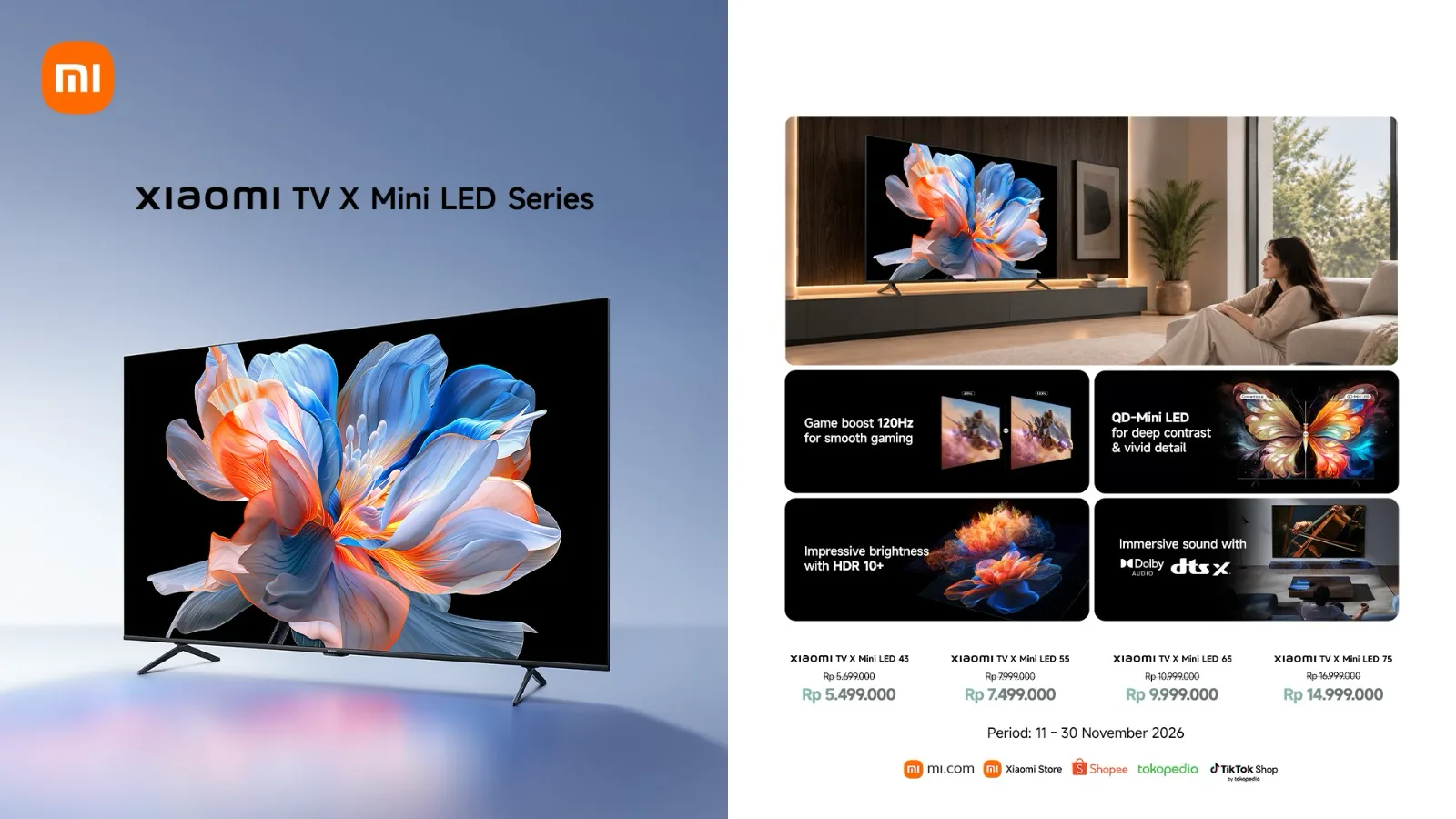
The television segment remains the cornerstone of the modern living room, and the Xiaomi TV X Mini LED 2026 series is designed to bring high-end display technology into the mainstream price bracket. Available in four distinct sizes—43, 55, 65, and 75 inches—the series is intended to cater to various housing configurations, from compact apartments to larger family homes.
The integration of Quantum Dot (QD) Mini LED technology marks a substantial improvement in contrast ratios, brightness, and color accuracy compared to conventional LED displays. By employing thousands of tiny light-emitting diodes, the TV can achieve localized dimming, resulting in "true blacks" and vibrant, lifelike highlights.
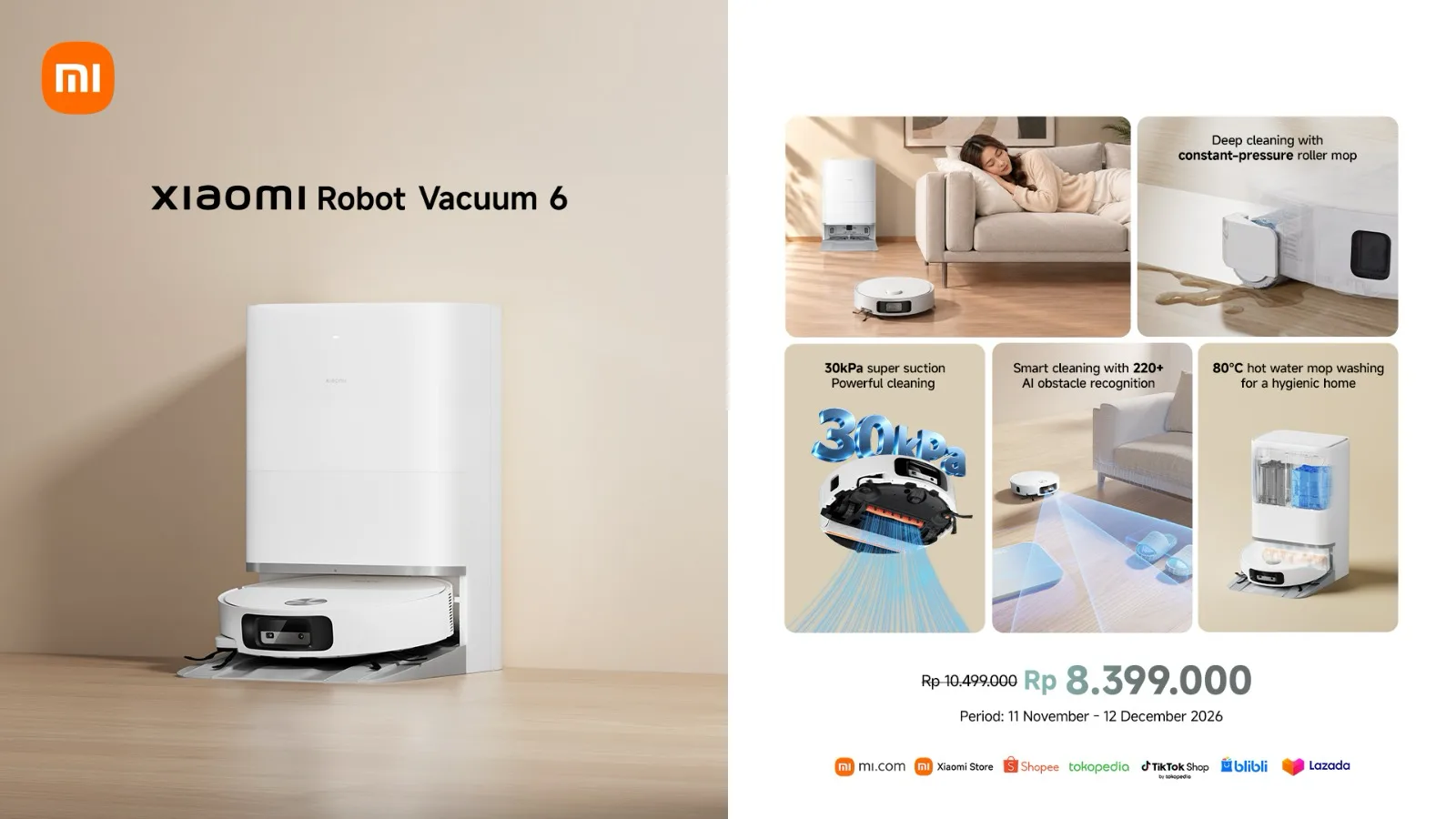
Coupled with Dolby Audio™ technology, the audio-visual package provides a theater-like immersion. The inclusion of high-speed processing chips ensures that the interface remains fluid, supporting high-bitrate streaming services which have seen a surge in popularity across Indonesia. The shift toward Mini LED technology indicates Xiaomi’s intent to challenge premium players in the TV market while maintaining the competitive pricing that has defined the brand’s growth trajectory in the region.
Xiaomi Electric Scooter 6 Essential: Redefining Urban Mobility
Addressing the challenges of urban congestion, the Xiaomi Electric Scooter 6 Essential serves as an entry-level solution for "last-mile" connectivity. With a 500W motor, the scooter is optimized for short-distance commutes, such as traveling from a residential area to a nearby public transport hub.
The design philosophy behind the Scooter 6 Essential centers on portability and efficiency. Its lightweight frame, combined with an intuitive folding mechanism, allows commuters to carry the device onto trains or store it in office spaces. From a policy perspective, the adoption of personal electric transport aligns with broader sustainability goals aimed at reducing reliance on private internal combustion vehicles for short-distance travel.
The scooter’s battery management system (BMS) has been enhanced to provide consistent power delivery, a critical factor for navigating the urban topographies of major Indonesian cities. By focusing on the "essential" aspect of personal mobility, Xiaomi is targeting students and young professionals who prioritize cost-effectiveness and time-saving in their daily routines.
Official Perspectives and Corporate Vision
Andi Renreng, Marketing Director of Xiaomi Indonesia, highlighted that the new product range is a direct response to the evolving lifestyles of modern consumers. "Our innovation cycle is dictated by the actual needs of our users," Renreng noted during the product announcement. "We are not just selling hardware; we are providing solutions that make daily life more meaningful. Whether it is through immersive entertainment, intelligent household chores, or efficient urban mobility, our goal is to enhance the quality of life through technology that is accessible and intuitive."
The sentiment shared by Xiaomi’s leadership underscores a broader corporate strategy of ecosystem integration. By ensuring that these devices can communicate seamlessly via the Xiaomi Home app, the company creates a "sticky" ecosystem where consumers are encouraged to adopt multiple products from the same brand, thereby increasing brand loyalty.
Market Implications and Future Outlook
The launch of these three products signifies a mature phase in Xiaomi’s Indonesian operations. The company has moved beyond being a smartphone-first vendor to a comprehensive lifestyle technology provider. The implications of this expansion are twofold:
- Competition: The entry of a high-performance Mini LED television and a top-tier robot vacuum at competitive price points will likely force legacy brands to re-evaluate their pricing strategies and feature sets in the Indonesian market.
- Consumer Behavior: The success of the 11.11 launch will provide data on the willingness of Indonesian consumers to invest in high-end smart home equipment. If successful, this could pave the way for the introduction of more sophisticated IoT devices, such as smart refrigerators, advanced climate control systems, and integrated home security solutions.
Conclusion
As the November 11, 2026, release date approaches, anticipation remains high. The products are available through a hybrid retail model, encompassing physical Xiaomi Stores and a robust digital presence on platforms such as Tokopedia, Shopee, TikTok Shop, Blibli, and Lazada. This omnichannel approach ensures that regardless of the consumer’s location or preference, the barrier to acquiring these technologies remains low.
The Xiaomi Robot Vacuum 6, TV X Mini LED 2026, and Electric Scooter 6 Essential represent a concerted effort to weave technology into the fabric of daily Indonesian life. Through a combination of aggressive pricing, high-end technical specifications, and a clear vision for the "smart home" of the future, Xiaomi is well-positioned to maintain its momentum in the competitive landscape of consumer electronics. As these devices integrate into the homes of thousands of Indonesians, they serve as a testament to the transformative power of accessible, user-centric technology in an increasingly connected world.
