
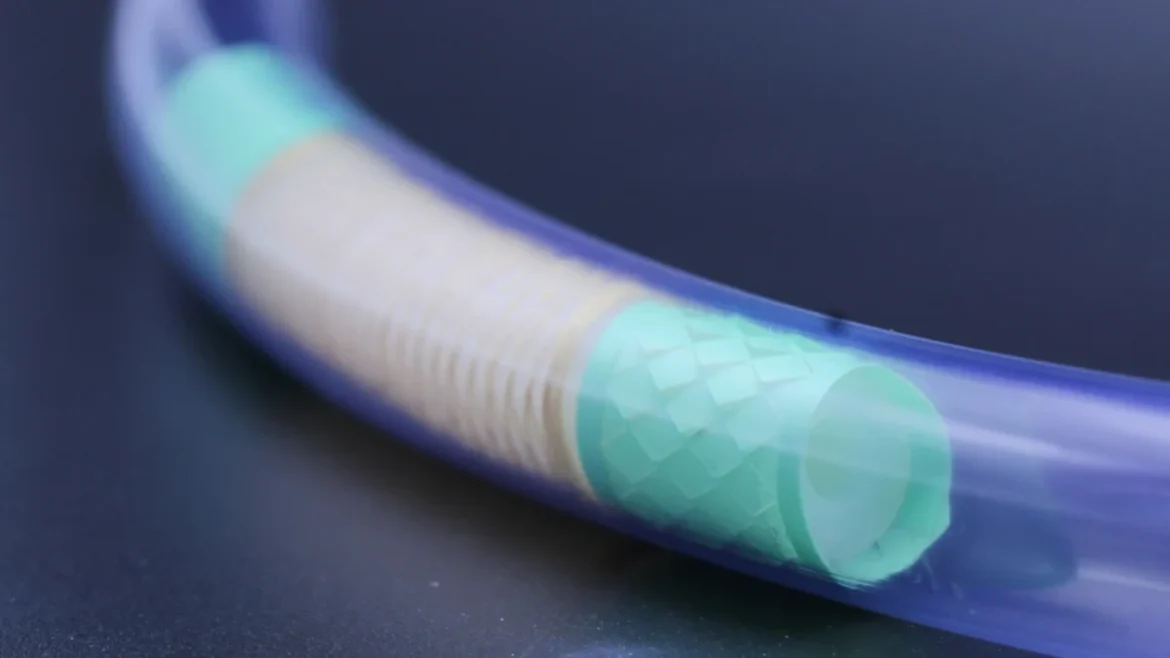
For decades, the human small intestine has represented one of the most challenging frontiers for medical diagnostics. Stretching roughly 20 feet in length and tightly coiled within the abdominal cavity, this vital organ is notoriously difficult to navigate using traditional endoscopic equipment. However, a significant breakthrough from researchers at the Massachusetts Institute of Technology (MIT) may soon transform how physicians detect and treat gastrointestinal pathologies. A newly developed soft robot, dubbed BIOSENTER, mimics the biological locomotion of an earthworm to autonomously traverse the digestive tract, offering a less invasive and more efficient alternative to conventional procedures.
The research, published this week in the journal Science Robotics, details a sophisticated soft-robotic system designed to address the mechanical complexities of the small intestine. By utilizing modular, inflatable chambers and bio-inspired movement patterns, the device is capable of performing high-resolution imaging, targeted drug delivery, and precise tissue biopsies—all while minimizing the trauma typically associated with clinical exploration of the gut.
The Clinical Challenge of the Small Intestine
The human gastrointestinal (GI) tract is a complex, high-pressure environment characterized by irregular geometry and delicate tissue sensitivity. Currently, the medical gold standard for examining the small intestine is double-balloon enteroscopy. This procedure involves a long, flexible endoscope equipped with two inflatable balloons. By rhythmically inflating and deflating these balloons, clinicians can advance the scope through the intestine. While effective, the procedure is inherently limited: it is labor-intensive, time-consuming, and physically demanding for both the medical staff and the patient. Furthermore, it often requires significant sedation and can lead to patient discomfort or complications if the scope exerts excessive pressure on the intestinal walls.
As intestinal diseases, including Crohn’s disease, celiac disease, and various forms of GI cancer, continue to rise globally, the medical community has sought more automated and patient-friendly diagnostic methods. The rise in early-onset colorectal and small-bowel malignancies—a trend highlighted by recent public health data—has intensified the urgency for improved screening tools. BIOSENTER was conceptualized as a response to this clinical gap, aiming to reduce the technical burden on practitioners while enhancing the diagnostic yield.
Biomimicry and the Mechanics of Movement
The engineering team, led by mechanical engineer Giovanni Traverso, drew inspiration from nature to solve the problem of intestinal locomotion. They identified the snake and the earthworm as the ideal models for movement within confined, slippery, and tubular spaces.
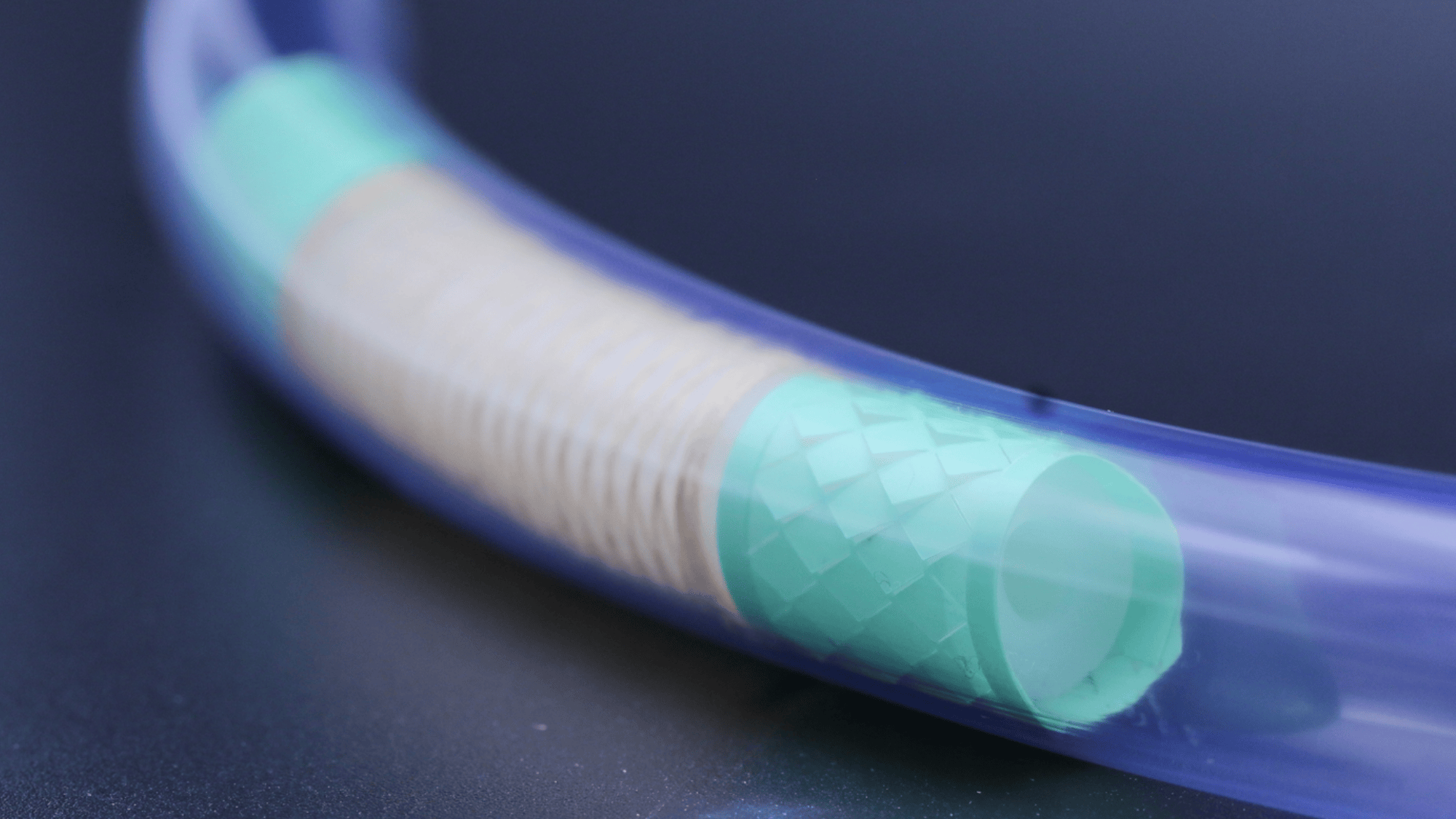
The BIOSENTER robot measures approximately 3.7 inches in length with a half-inch diameter, allowing it to navigate the esophagus and the small intestine with ease. Its body consists of a hollow, rubbery structure divided into four inflatable chambers. By coordinating the inflation and deflation of these chambers, the robot creates a rhythmic, peristaltic motion similar to that of an earthworm. This contraction and extension allow the device to "inch" its way forward, providing a stable platform for onboard sensors and tools.
A critical innovation in the robot’s design is the incorporation of kirigami—the Japanese art of paper cutting and folding. By integrating kirigami-inspired sleeves on the head and tail, the robot can generate localized friction against the intestinal wall. These sections expand to anchor the device in place, allowing the main body to pull itself forward without requiring the constant, brute-force pushing associated with traditional endoscopes. This mechanism significantly reduces the risk of tissue perforation or irritation, as the robot manages its own traction rather than relying on external force.
A Multipurpose Diagnostic Tool
Beyond its movement capabilities, BIOSENTER is designed as a modular diagnostic platform. The hollow cavity of the robot houses a suite of miniaturized instruments, including:
- High-Definition Imaging: Miniature cameras provide real-time visualization of the intestinal lining, enabling the identification of lesions, inflammation, or tumors.
- Targeted Therapeutics: A specialized sprayer allows for the localized administration of medication, potentially reducing systemic side effects.
- Biopsy Extraction: Tiny, precise clippers allow for the collection of tissue samples, which can then be analyzed for malignancy or chronic disease markers.
The robot is typically tethered to an external control system via a thin cable, which supplies power and data transmission. While the device is programmed to move autonomously using its internal control algorithms, human operators can intervene using a handheld interface, providing a hybrid control model that balances machine efficiency with clinical oversight.
Experimental Results and Clinical Testing
The research team conducted extensive testing on sedated, living porcine models, which possess anatomical and physiological characteristics highly analogous to the human GI tract. During these trials, the BIOSENTER robot successfully navigated the small intestine for 11 minutes, consistently performing its intended functions.
The data recorded during these sessions demonstrated that the robot could effectively maneuver through tight coils, maintain its position for biopsy collection, and deliver fluids with high accuracy. The success of these trials is a crucial milestone, suggesting that the device could eventually move toward human clinical trials. Graduate student Ahmad Mujtaba Jebran, who contributed to the study, noted that the use of kirigami sleeves was essential in achieving this level of performance, as it allowed for secure movement without putting excessive stress on the sensitive lining of the gut.

The Evolving Landscape of Endoscopy
BIOSENTER is not the first attempt to introduce robotics into the digestive system. In 2021, researchers from the University of Macau introduced a magnetic, pill-sized robot modeled after an African spider. That device utilized a cartwheel motion driven by external magnetic fields to traverse the GI tract. However, unlike the MIT design, the spider-bot is typically designed for single-pass transit and must be passed naturally through the body.
The MIT approach differs by offering a more controlled, "slithering" navigation that is tethered, allowing for more sustained interaction with specific areas of interest. While the tethered approach might be seen as less convenient than a swallowable capsule, it provides superior control for complex biopsies and therapeutic interventions, positioning BIOSENTER as a potential tool for surgical procedures rather than just broad-spectrum screening.
Implications and Future Directions
The implications for the future of gastroenterology are profound. If successfully scaled and approved for human use, this technology could decentralize the need for specialized endoscopy suites. By automating the traversal of the small intestine, the robot could potentially allow general practitioners or nurses to conduct diagnostic procedures, thereby increasing access to life-saving screenings in underserved areas.
Furthermore, the integration of autonomous navigation could lead to faster diagnosis of "silent" intestinal issues that are currently difficult to detect. Early detection of intestinal diseases is statistically correlated with higher survival rates and better long-term patient outcomes.
However, several hurdles remain before the device reaches clinical practice. These include optimizing the biocompatibility of materials for prolonged use, refining the autonomous navigation algorithms to handle various types of obstructions or anatomical anomalies in human patients, and navigating the stringent regulatory landscape of medical device approval. The research team is currently focusing on enhancing the durability of the robot’s inflatable chambers and further miniaturizing the internal toolset.
As the field of "soft robotics" continues to advance, the integration of such devices into the standard of care seems increasingly inevitable. By shifting from the rigid, invasive tools of the 20th century to the flexible, bio-inspired robots of the future, medicine is poised to make the most inaccessible parts of the human body significantly more manageable. The "worm-bot" may sound like the stuff of science fiction, but for the millions suffering from chronic intestinal conditions, it represents a promising leap toward a future of precise, comfortable, and life-saving diagnostics.
