
Torrential overnight rains have battered Mogadishu, the capital city of Somalia, leaving a trail of destruction marked by submerged streets, compromised residential structures, and severely disrupted public mobility. The extreme weather event, which struck abruptly on the evening of September 16, 2026, has highlighted the profound vulnerability of urban infrastructure in the Horn of Africa to sudden meteorological shocks. In response to the crisis, local authorities have mobilized emergency protocols, establishing a dedicated response committee to manage disaster relief and mitigate further risks as forecasts predict prolonged seasonal heavy precipitation.
Chronology of the Disaster: A Sudden Deluge
The severe weather system materialized rapidly on Wednesday, September 16, 2026. According to statements released by local municipal authorities, heavy rainfall commenced at approximately 22:30 local time, catching residents and city planners largely unawares. Within hours, the sheer volume of water overwhelmed existing drainage networks, turning primary thoroughfares into rushing waterways.
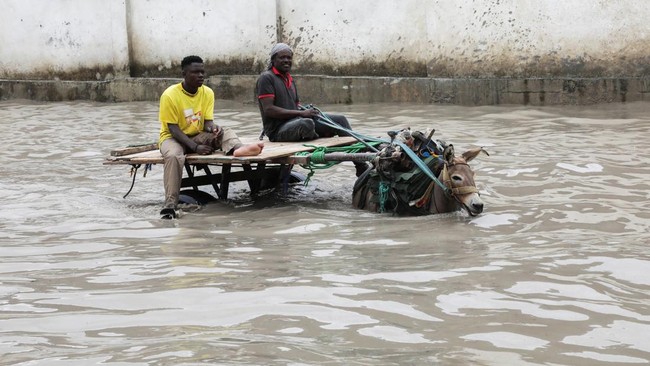
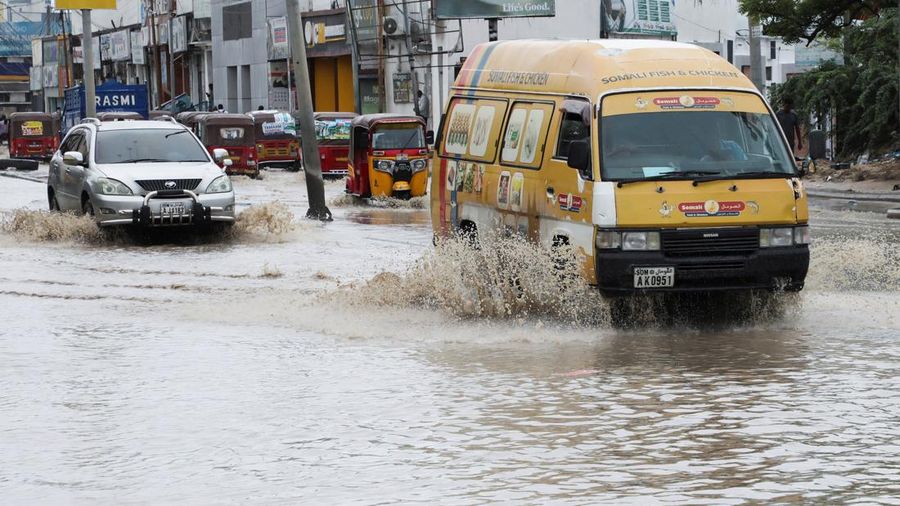
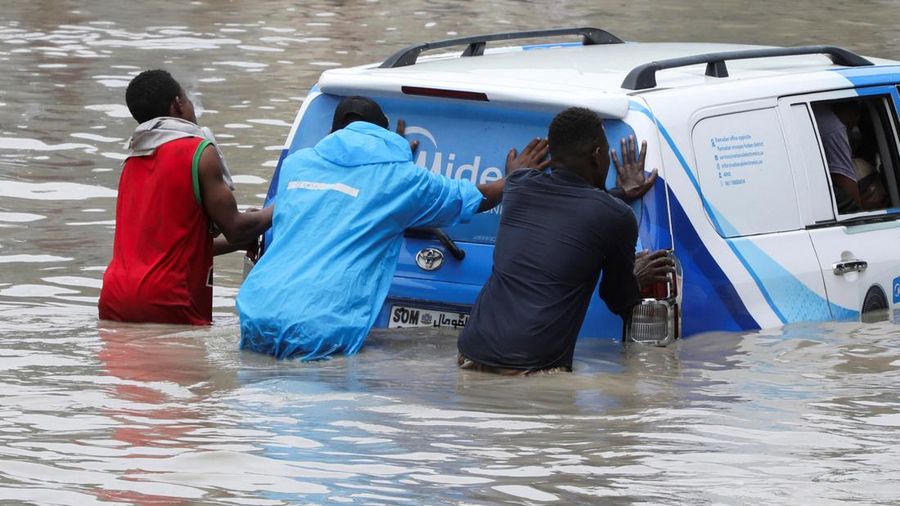
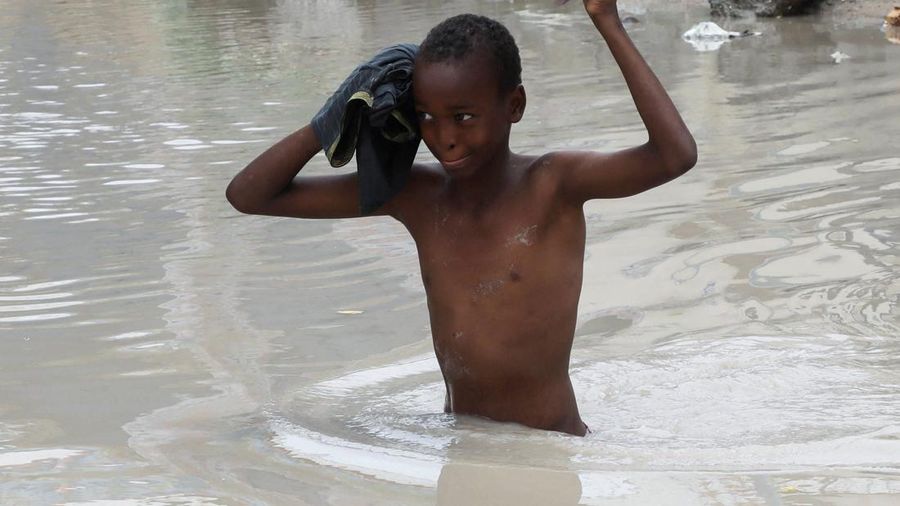
By the early hours of Thursday, September 17, 2026, key arteries such as the vital Km4 junction were rendered virtually impassable to standard vehicular traffic. Visual documentation from the area captured extraordinary scenes: motorists attempting to navigate deep pools of standing water, citizens physically pushing stalled vehicles through flooded avenues, and traditional modes of transport, including donkey carts, struggling to push forward against the currents. In residential sectors, water breached homes, forcing inhabitants such as Abdi Hassan Adan in the Wadajir district to wade through indoor flooding to salvage personal belongings. Structural damage was prominently reported in the historic Shangani district, where older buildings succumbed to water saturation and wind pressure.
Government Mobilization and Emergency Response
Recognizing the escalating humanitarian and infrastructural threat, the regional government of Banadir and the Mogadishu municipal administration acted swiftly. Mohamed Ahmed Diriye Yabooh, the Acting Mayor of Mogadishu and Deputy Governor of Banadir for Security and Political Affairs, announced the immediate formation of an emergency response committee.
This specialized task force has been mandated to coordinate relief efforts, clear blocked drainage channels, and reopen inundated roadways to restore essential supply chains and emergency access. The committee operates under the direct supervision of Abdumajid Dahir Aden, the Deputy Governor of Banadir for Public Works. Speaking on behalf of the regional administration, Salah Hassan Omar, the spokesperson for the Banadir regional government, confirmed that while property damage is extensive and several homes have suffered structural compromises, no fatalities had been officially recorded as of the initial damage assessments on Thursday afternoon.
Vulnerability Mapping and Meteorological Context
The unexpected deluge in Mogadishu is part of a broader, recurring pattern of extreme weather events heavily impacting East Africa. Climatologists and disaster management agencies have consistently warned that urbanization outpacing infrastructure development leaves cities like Mogadishu exceptionally exposed to seasonal flooding.
Municipal vulnerability assessments conducted in the wake of the storm have identified 14 distinct districts within Mogadishu as highly high-risk zones. These areas are documented to be acutely sensitive to heavy rainfall and subsequent flash floods—a hazard exacerbated by inadequate stormwater management systems and unplanned urban expansion. Meteorological projections indicate that these conditions may persist, with elevated rainfall patterns anticipated to continue through December 2026.
In light of these projections, local authorities have issued sweeping advisories. Residents residing in low-lying zones or near compromised infrastructure have been strongly urged to evacuate vulnerable dwellings and avoid crossing fast-flowing water currents. Furthermore, district officials have been placed on high alert, instructed to maintain round-the-clock coordination with community leaders to monitor water levels and assist vulnerable populations, including displaced persons and low-income families whose shelters offer minimal protection against severe weather.
Socioeconomic Implications and Broader Analysis
The immediate economic and social implications of the Mogadishu floods extend far beyond temporary traffic gridlock. For a city striving to consolidate stability and foster economic recovery, infrastructural disruptions of this magnitude exact a heavy toll. Daily wage earners, small-scale traders, and transport operators face immediate income losses as mobility grinds to a halt.
Furthermore, stagnant floodwaters present significant public health hazards. Waterborne diseases, including cholera and acute watery diarrhea, historically surge during and after heavy flooding episodes in congested urban centers across the region where sanitation infrastructure is compromised. The contamination of local water sources and the displacement of families into temporary, overcrowded quarters heighten epidemiological risks.
The formation of the emergency response committee represents a critical initial step in crisis management, yet long-term resilience remains a formidable challenge. Analysts note that structural adaptation will require substantial international climate adaptation funding, significant investments in robust urban drainage engineering, and stricter enforcement of zoning laws to prevent residential construction in flood-prone natural drainage basins.
As Mogadishu grapples with the aftermath of the September 16 deluge, the focus remains firmly on immediate humanitarian relief, clearing blocked infrastructure, and fortifying community preparedness against the anticipated continuation of heavy seasonal rains in the months ahead.
