
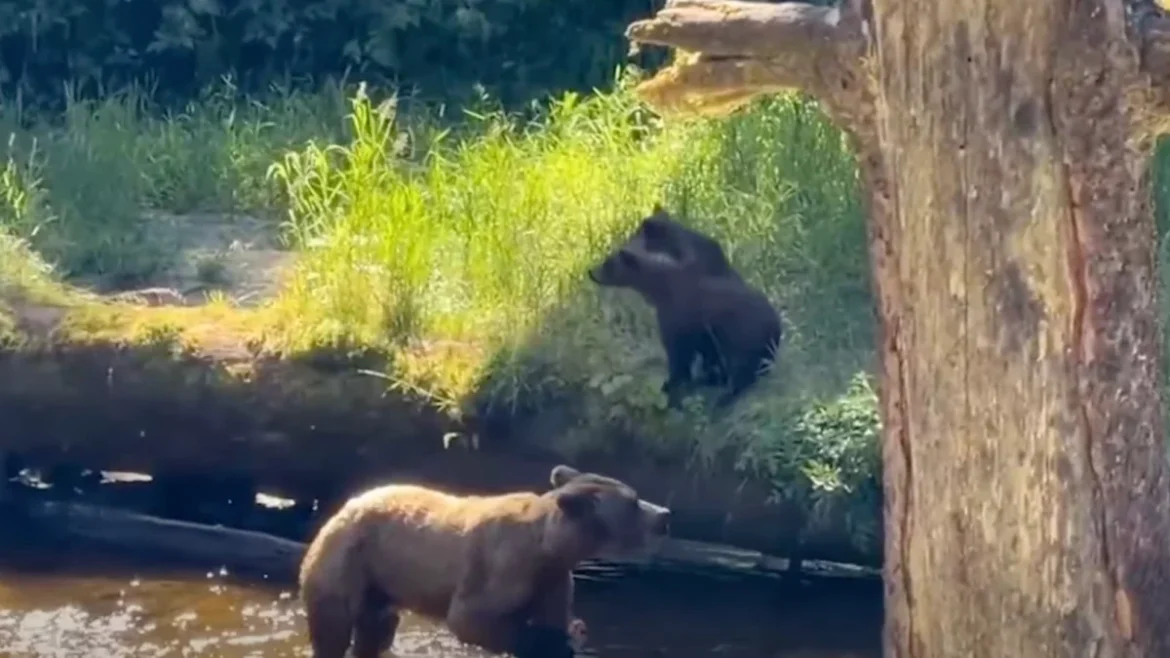
In the vast, rugged wilderness of the Tongass National Forest in southeastern Alaska, the U.S. Forest Service has officially recognized a brown bear named Gemini with the 2026 Helicopter Mom Award. The distinction, bestowed by rangers and wildlife biologists who monitor the Anan Wildlife Observatory, serves as a tongue-in-cheek yet biologically grounded acknowledgment of the animal’s extreme protective instincts. Named after the psychological concept of "helicopter parenting"—a term popularized in the 1990s by child development experts Foster Cline and Jim Fay to describe overly attentive caretaking—Gemini’s behavior has become a focal point for researchers studying maternal investment in high-density predator environments.
The recognition comes at the conclusion of the 2026 summer season, during which Gemini was observed maintaining a near-constant, hyper-vigilant perimeter around her two cubs. While maternal protection is a hallmark of the Ursidae family, Gemini’s approach was noted for its intensity, particularly given the competitive and often perilous landscape of Anan Creek.
The Geography of Survival at Anan Creek
Anan Creek is one of the most significant wildlife habitats in the United States, primarily due to its massive annual pink salmon run. The site is a central component of the Tongass National Forest, which encompasses nearly 17 million acres of temperate rainforest. The observatory, managed by the U.S. Forest Service, provides a unique window into the lives of the 39 distinct bears—31 black bears and eight brown bears—that frequent the area.
The ecological stakes at Anan Creek are high. For a mother bear, the summer months are not merely about personal caloric intake; they are a critical training window for cubs. During the salmon run, mother bears must teach their young how to navigate the slippery, fast-moving waters, how to compete for space with larger, potentially aggressive males, and how to identify the most nutritious parts of the salmon. Gemini’s "helicopter" approach involved constant physical proximity, frequent vocalizations to keep her cubs in check, and an avoidance of high-traffic fishing zones that might pose a threat to her offspring.
Chronology of the 2026 Season
The observational data for 2026 indicates that Gemini arrived at the creek in early July, consistent with the arrival of the salmon. Throughout the season, rangers documented her specific behavioral patterns:
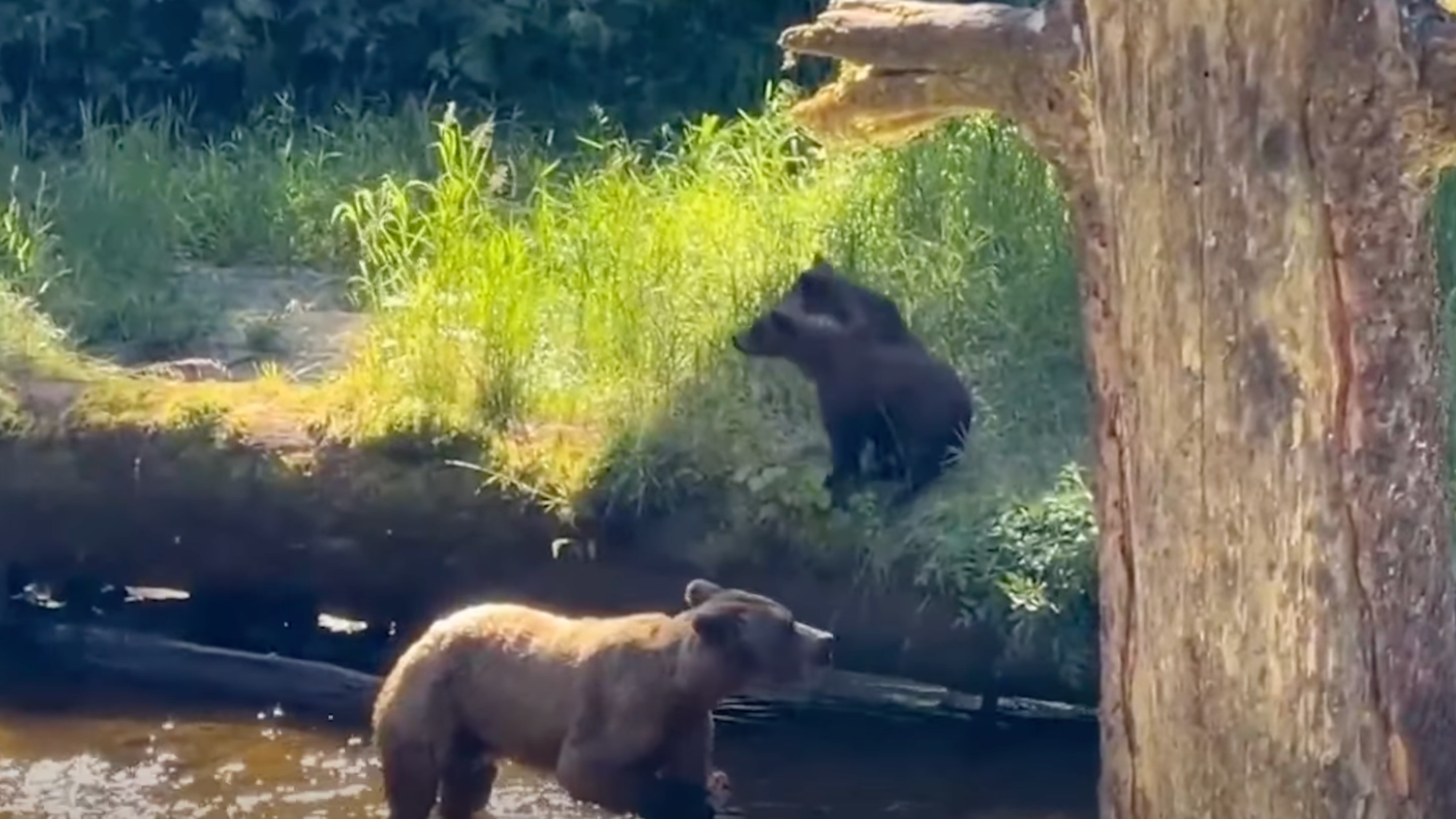
- Early July: Gemini and her two cubs were first identified at the lower falls. Unlike other mothers who allowed their cubs to roam near the water’s edge, Gemini consistently positioned herself between the cubs and the rest of the bear population.
- Mid-August: As the salmon population peaked, the concentration of bears at the creek reached its maximum. During this period, Gemini’s protective behavior intensified, with observers noting she spent significantly less time fishing herself to ensure the cubs remained at a safe distance from dominant males.
- Late September: As the season waned and bears began to prepare for winter denning, Gemini was observed guiding her cubs into the surrounding dense forest, marking the end of the public viewing season.
This season was not an anomaly for Gemini. She has successfully reared litters in both 2023 and 2024, providing wildlife biologists with a longitudinal look at her parenting style. By comparing her behavior across three consecutive years, researchers have been able to map how environmental pressure—such as the number of other bears present at the creek—correlates directly with the frequency of her protective interventions.
Biological Context: The Costs of Maternal Care
The survival of bear cubs is a precarious metric of success in the Alaskan wilderness. Data from the National Park Service indicates that brown bear cub mortality is high, with roughly 50 percent of cubs failing to survive their first year. Black bear survival rates are slightly more variable, ranging from 51 to 88 percent depending on local food availability and the density of adult male bears, which are the primary threat to cubs.
Gemini’s behavior is an evolutionary response to these statistics. "Helicopter" behavior in ursines is essentially a risk-mitigation strategy. By limiting the cubs’ exposure to potential threats, she is trading her own short-term caloric intake for the long-term survival of her lineage. The Forest Service rangers noted that while this extreme caution sometimes resulted in Gemini catching fewer fish, the physical condition of her cubs suggested that her strategy was highly effective.
"We understand her choice, weighing the dangers of being around other bears at a prime fishing location," the rangers stated in their summary report. "Still, we hope we see a lot more of them next year."
The Anan Bear Awards and Public Engagement
The Helicopter Mom Award is part of a broader, ongoing effort by the U.S. Forest Service to engage the public in wildlife conservation. By assigning personality traits and "awards" to specific, identifiable bears, the agency encourages public interest in the Tongass National Forest and the complexities of ecosystem management.
This initiative is bolstered by real-time technology. The partnership with explore.org, which maintains live-streaming cameras at the Anan Wildlife Observatory, allows researchers and the general public to witness the bears’ daily lives without encroaching on their habitat. These broadcasts have transformed the bears of Anan Creek into "celebrity" animals, providing a relatable narrative—such as Gemini’s maternal vigilance—that makes abstract concepts like wildlife population management and habitat conservation tangible for a global audience.

Broader Implications for Wildlife Management
The study of bears like Gemini has implications that extend far beyond the borders of the Tongass National Forest. As climate change alters salmon run timing and distribution, the behavioral adaptations of apex predators become increasingly critical to study. If mothers are forced to spend more time "hovering" rather than fishing, it may alter the population dynamics of the region over the coming decades.
Furthermore, the data collected on Gemini underscores the importance of minimizing human interference in these habitats. Because the observatory is managed with strict protocols to avoid habituation, the behavior observed is as close to "natural" as possible in a human-monitored setting.
The 2026 season has served as a poignant reminder that the survival of the species relies on individual animals making complex, tactical decisions daily. As the bears move into their denning period and the Alaskan winter settles over the forest, Gemini and her cubs represent a successful, albeit stressful, year of survival. For the U.S. Forest Service, the focus now shifts to preparing for the 2027 season, with high hopes that the "helicopter mom" of Anan Creek will return to the waters, continuing her vigil and contributing to the stability of the local population.
The success of the Anan Bear Awards program demonstrates that human-wildlife cohabitation is not only possible but can be a source of scientific insight and public education. By documenting the quirks, challenges, and successes of individuals like Gemini, the scientific community ensures that the public remains invested in the preservation of the vast, wild spaces that define Alaska’s identity. The legacy of the 2026 season will likely be one of renewed interest in the subtle, often overlooked behaviors that define life in one of the world’s most remote and rugged ecosystems.
