
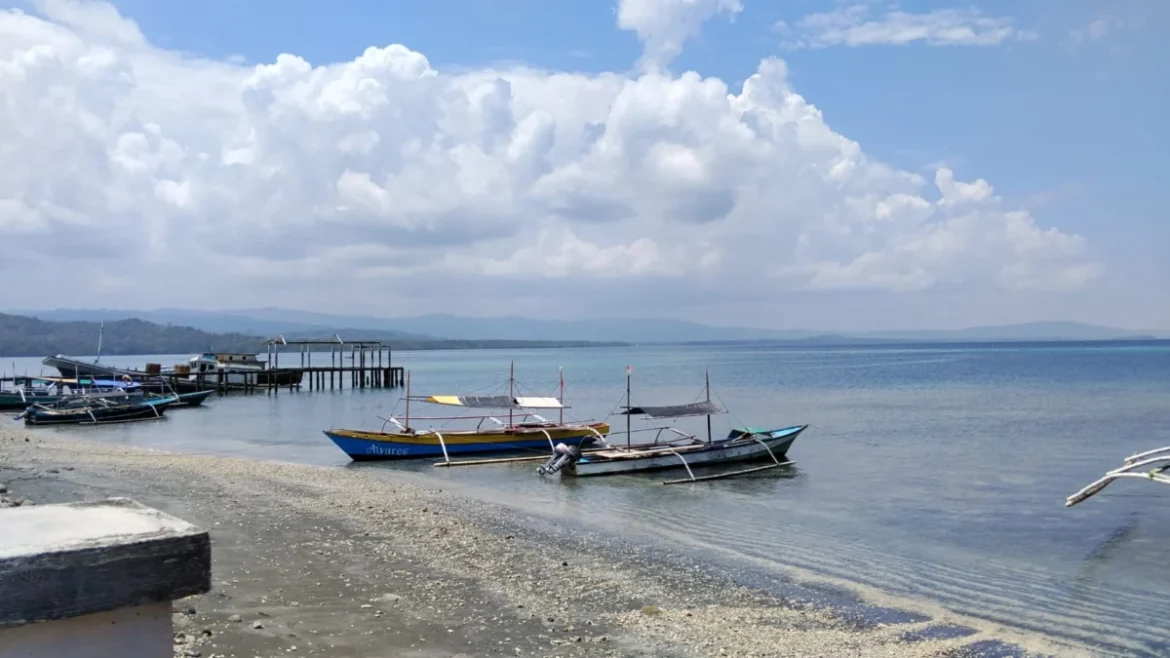
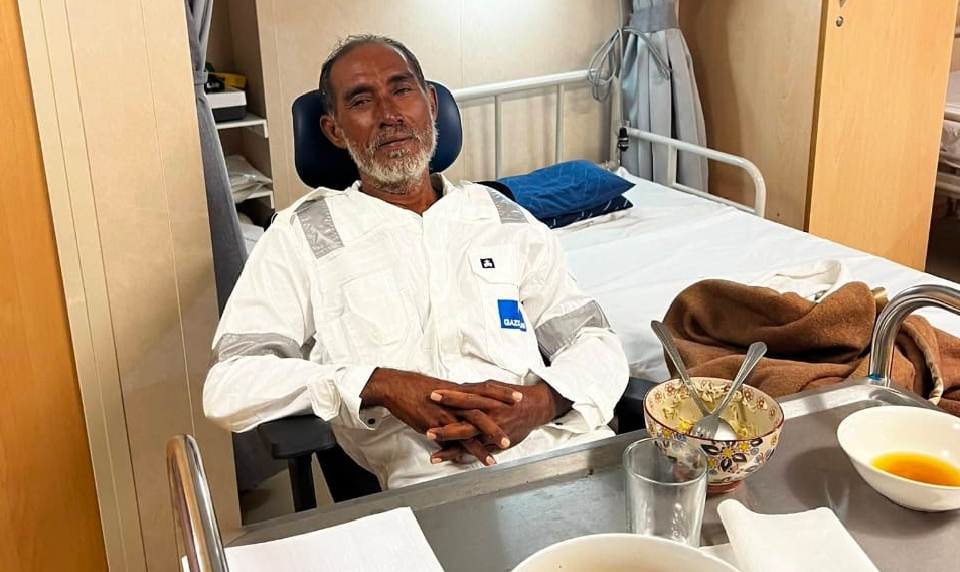
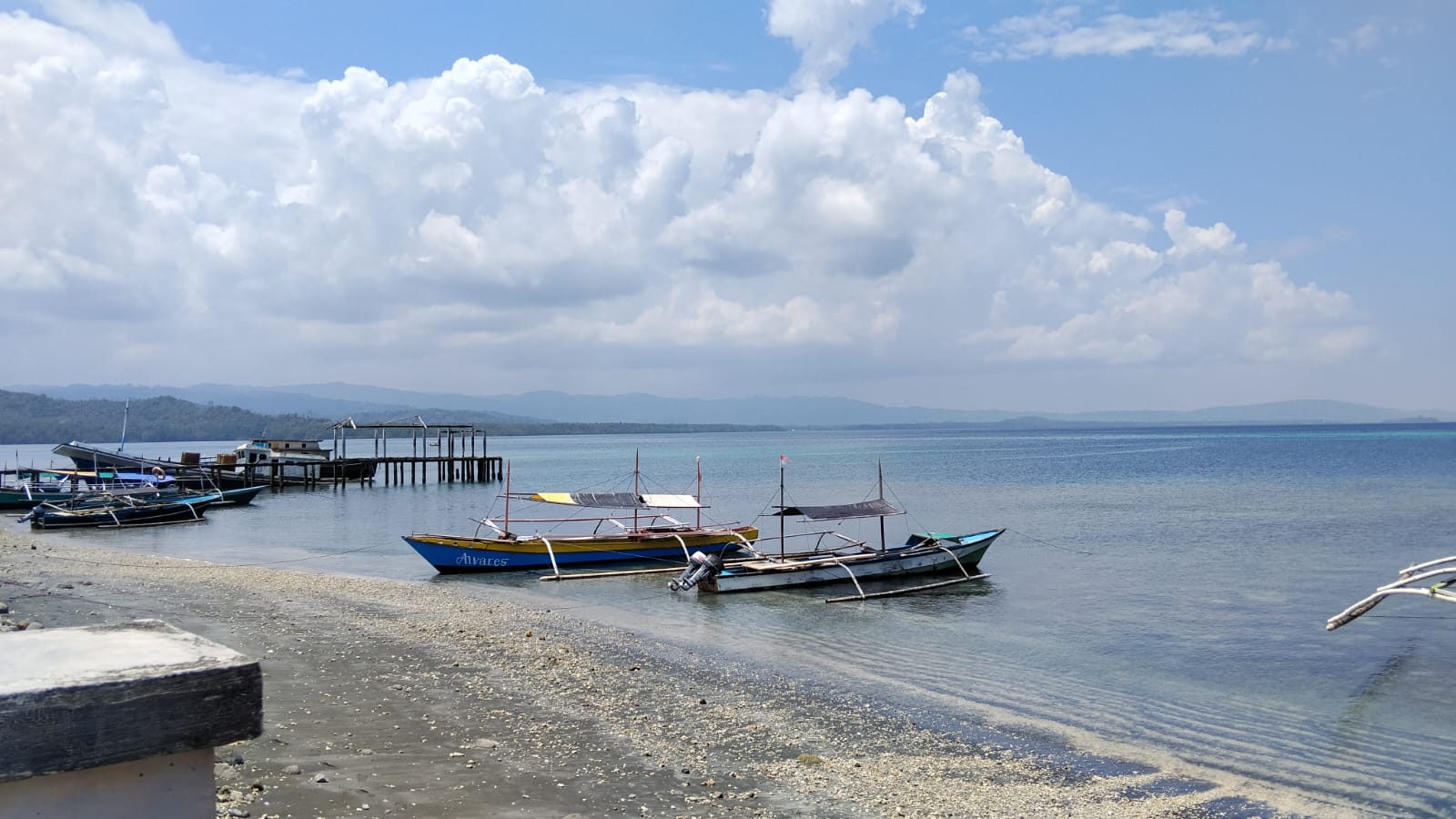
For Esau Sidemo, a 57-year-old fisherman from the coastal village of Bido in Ternate, North Maluku, the boundary between a routine livelihood and a brush with mortality is thinner than a ship’s hull. In a harrowing ordeal that stretched over 26 days, Sidemo found himself adrift in the vast, unforgiving expanse of the Pacific Ocean. What began as a standard fishing trip in his motorized ketinting boat—a small, open-hull vessel—transformed into a desperate fight for survival when his engine failed just thirty minutes from the shore. The currents, indifferent to his plight, dragged him hundreds of kilometers away from home, forcing him into a grueling test of human endurance.
Sidemo’s story is not merely a tale of survival; it is a stark indicator of the growing instability facing traditional fishers across the Indonesian archipelago. As he recounted his experience, surviving on raw fish, seabirds, and putrid coconuts, while resorting to consuming his own urine to stave off dehydration, he described the ordeal as a "miracle." His rescue by a French-flagged cargo ship, which transported him to China before his eventual repatriation, marked the end of a nightmare that has become an increasingly common narrative among coastal communities in North Maluku.

A Chronology of Increasing Maritime Risk
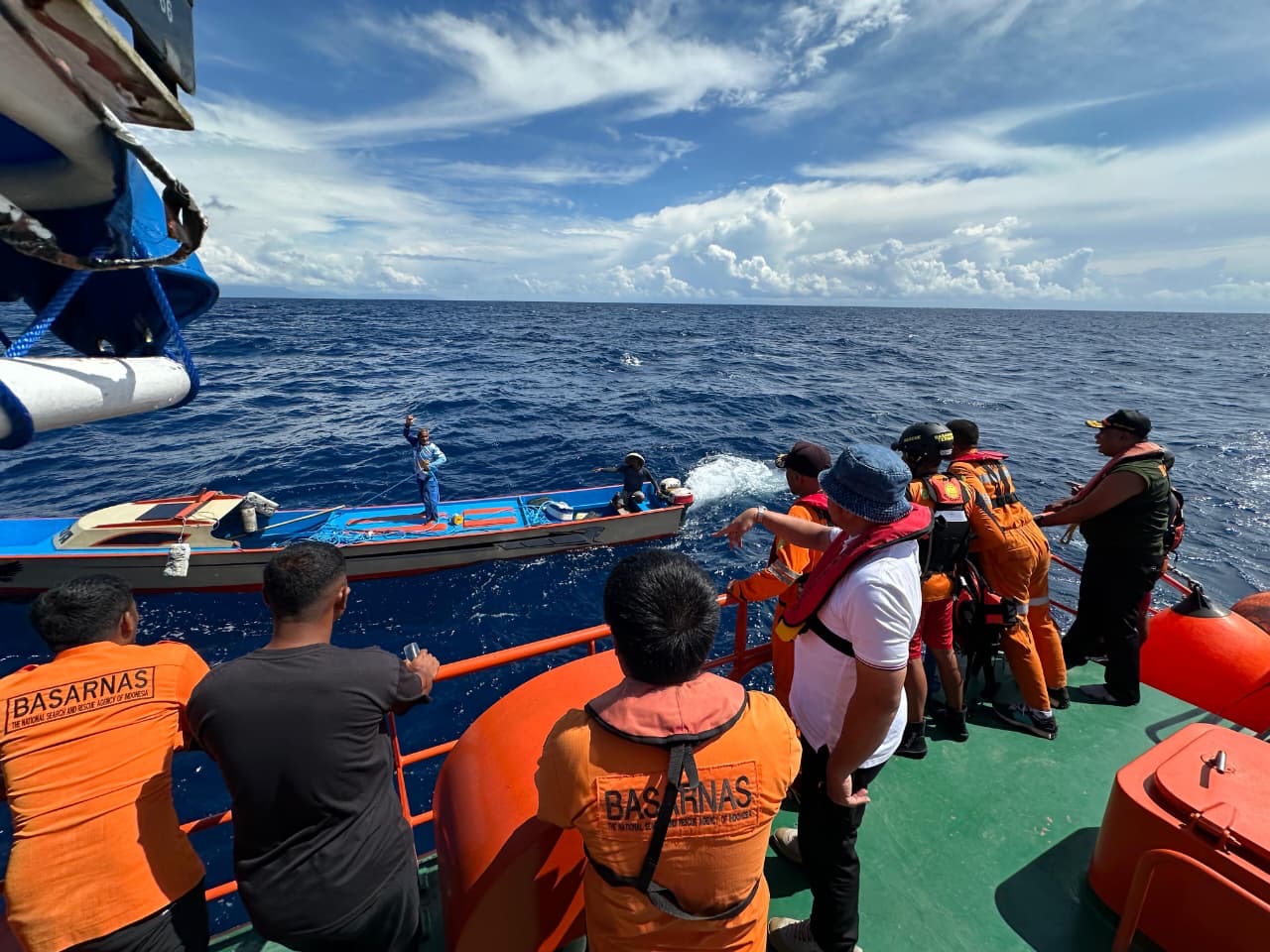
The waters of North Maluku, a region characterized by its island geography and high maritime activity, are becoming increasingly treacherous. Basarnas (the National Search and Rescue Agency) Ternate branch recorded 49 distinct search and rescue operations involving fishermen in 2025 alone, a significant increase from the 41 operations conducted in the previous period. Of the 31 major maritime accidents recorded, 122 individuals were rescued, seven were confirmed deceased, and 20 remain missing.
The timeline of these disasters highlights a pattern of vulnerability:
- February 2025: Abu Bakar Wahid, a fisherman from Galala, North Oba, Tidore, vanishes while at sea.
- August 2025: Maneng Manola of Sofifi, West Halmahera, disappears during a fishing expedition.
- August 5, 2025: Rustam Abas of Tidore loses his life after being thrown overboard during high-swell conditions.
- September 3, 2023: Sukri Suleman and Yusuf Abdul Rahman of Loleo, Morotai Jaya, are swept toward the Philippines after running out of fuel during a storm, eventually returning home via a circuitous route through Miangas and Bitung.
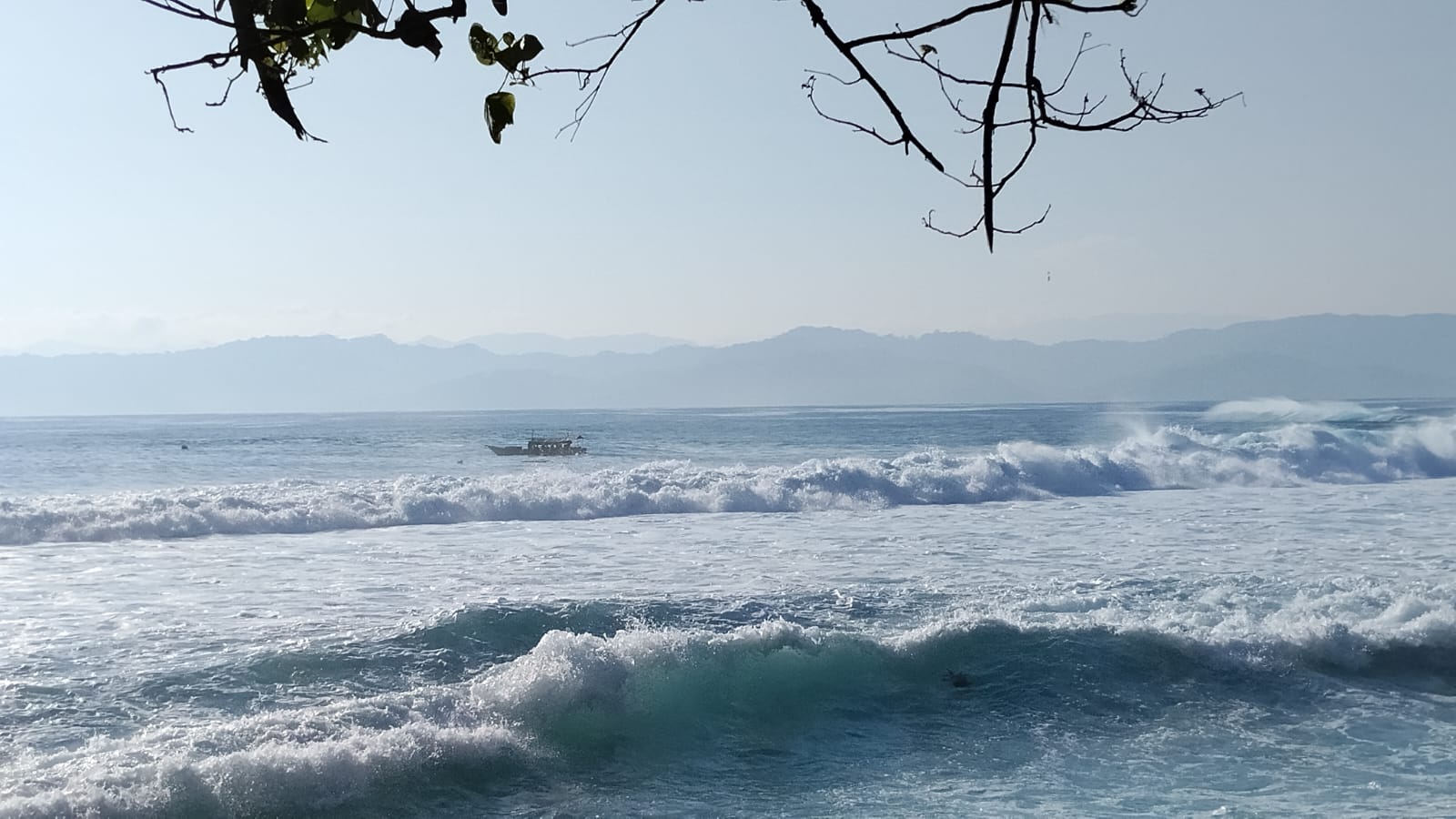
These incidents underscore a fundamental shift in the maritime environment. Head of Basarnas Ternate, Iwan Ramdani, points to extreme weather and waves reaching 2.5 meters as the primary drivers of these accidents. However, the frequency of these events suggests that the risks are no longer just meteorological; they are compounded by systemic failures in safety infrastructure and a rapidly changing climate that defies traditional navigational knowledge.
The Erosion of Traditional Knowledge
For generations, North Maluku’s fishing communities relied on inherited wisdom to predict fish migration patterns and weather cycles. Gafur Kaboli, Secretary of the Indonesian Traditional Fishermen Association (KNTI) in North Maluku, notes that this traditional expertise has been rendered nearly obsolete. "We used to be able to predict the seasons and the arrival of storms with high accuracy," Kaboli explains. "Now, the climate is so erratic that a day which appears clear and safe at the shoreline can turn into a life-threatening storm once we reach the fishing grounds."
The unpredictability of the weather is exacerbated by the economic necessity of traveling further from the coast. Historically, small-scale fishers could secure a sufficient catch within a 12-mile radius of the shoreline. Today, due to shifting fish stocks and environmental degradation, that radius has expanded to 15 miles or more. This increase in distance forces fishers to carry more fuel and remain at sea for longer durations—often two to three days compared to the previous daily rotation. Consequently, the operational cost has skyrocketed, with fuel requirements rising from 20-30 liters per trip to 100-150 liters, placing a disproportionate financial burden on the poorest households.
The Multidimensional Crisis of Coastal Communities
The plight of the Indonesian fisherman is not isolated to weather patterns. According to Dana Tarigan, Head of Strategic Communications at the Indonesian Forum for the Environment (WALHI), the industry is facing a "multidimensional crisis." This crisis is being driven by a convergence of climate change and aggressive industrial development, particularly large-scale mining operations.
Data from WALHI reveals a concerning trend: approximately 248 mining permits are currently active across 43 small islands in Indonesia. This industrial footprint creates a direct conflict with local fishing rights. In regions like Kabaena in Southeast Sulawesi and the island of Wawonii, the encroachment of nickel mining and associated reclamation projects have polluted the waters, effectively killing off traditional fishing grounds. As a result, fishers are pushed further into the open ocean, where they are more vulnerable to the elements, or they are forced to compete in already depleted coastal zones.
Faizal Ratuela, a mining and energy campaigner at WALHI, argues that the current focus on National Strategic Projects (PSN) has prioritized industrial extraction over ecological stability. "The presence of these projects has severely compromised the ecological balance of the Sulawesi and North Maluku archipelagos," says Ratuela. "We are calling for a serious moratorium on mining permits, especially those integrated with national strategic projects, and a total cessation of mining on small islands."
Economic Vulnerability and the Policy Vacuum
The economic impact of this environmental instability is staggering. According to a survey by KNTI, 95% of fishers across 350 coastal villages reported significant disruptions due to extreme weather in early 2026. Roughly 63% were forced to suspend fishing activities entirely, leading to a precipitous decline in income. For many, daily earnings dropped from a range of IDR 400,000–650,000 to as little as IDR 200,000–400,000.
Despite these hardships, the safety net for small-scale fishers remains dangerously porous. Dani Setiawan, General Chair of KNTI, highlights a critical policy gap: the provision of climate insurance and essential safety equipment has been largely stagnant since 2021. "The government has a legal mandate under Law Number 7 of 2016 concerning the Protection of Fishers, Small-Scale Fish Farmers, and Salt Farmers," Setiawan states. "Yet, the commitment to providing social protection, such as work safety insurance at sea, is not being met."
Looking Toward a Sustainable Future
The survival of individuals like Esau Sidemo is a testament to human resilience, but it also serves as a warning. As long as the combination of climate volatility, industrial pollution, and the lack of robust safety protections persists, the sea will continue to claim more victims.
To mitigate these risks, experts and advocate groups are calling for a multi-pronged strategy:
- Strict Moratoriums: Halting mining activity on small, fragile islands to preserve coastal ecosystems and restore traditional fishing grounds.
- Safety Infrastructure: Reinstating and expanding government-backed insurance programs and providing modern safety, communication, and tracking equipment to small-scale fishing vessels.
- Climate-Resilient Policy: Integrating meteorological forecasting with community-based disaster management systems to ensure that fishers receive real-time, actionable data before heading out to sea.
- Economic Support: Providing subsidies or low-interest loans for more fuel-efficient and safer boat technology to reduce the reliance on long-distance, high-risk expeditions.
The narrative of the North Maluku fishing community is one of a transition from self-sufficiency to precarity. Without decisive government intervention, the traditional maritime culture of Indonesia—a cornerstone of its national identity—faces a slow but steady dissolution, leaving those who feed the nation to face the vast, rising waters without a lifeline. For now, the story of Esau Sidemo remains a rare, miraculous exception rather than the standard of safety that these workers deserve.
