
Meta has officially pivoted its hardware strategy, moving away from the bulky, all-in-one headset form factor that defined the first decade of modern consumer virtual reality. At the 2026 Meta Connect event, the company unveiled its forthcoming Meta VR Glasses, a revolutionary device that shifts the computational load from the user’s face to an external, pocket-worn processing unit. This structural evolution marks a significant departure from the Oculus Quest lineage, signaling a future where extended-reality (XR) experiences are designed for long-term comfort rather than isolated, high-intensity gaming sessions.
The shift toward a decoupled architecture—where the battery, processor, and storage reside in a “puck” connected via an optical tether—allows the head-mounted portion of the system to weigh a mere 100 grams. For context, this is roughly 80% lighter than the Meta Quest 3, which weighs 515 grams. By distributing the weight, Meta is positioning its new hardware to compete in the burgeoning market for spatial computing, targeting users who wish to consume media, attend virtual meetings, or engage in immersive sports viewing for hours without the physical strain typically associated with VR headsets.
A New Era of Hardware Architecture
The decision to relocate the Qualcomm Snapdragon Reality Elite processor and power supply into a pocket-bound module is a calculated move to solve the "fatigue problem" that has historically limited VR adoption. By reducing the physical mass resting on the bridge of the nose, Meta intends to transform VR from a niche gaming hobby into a passive media consumption tool.
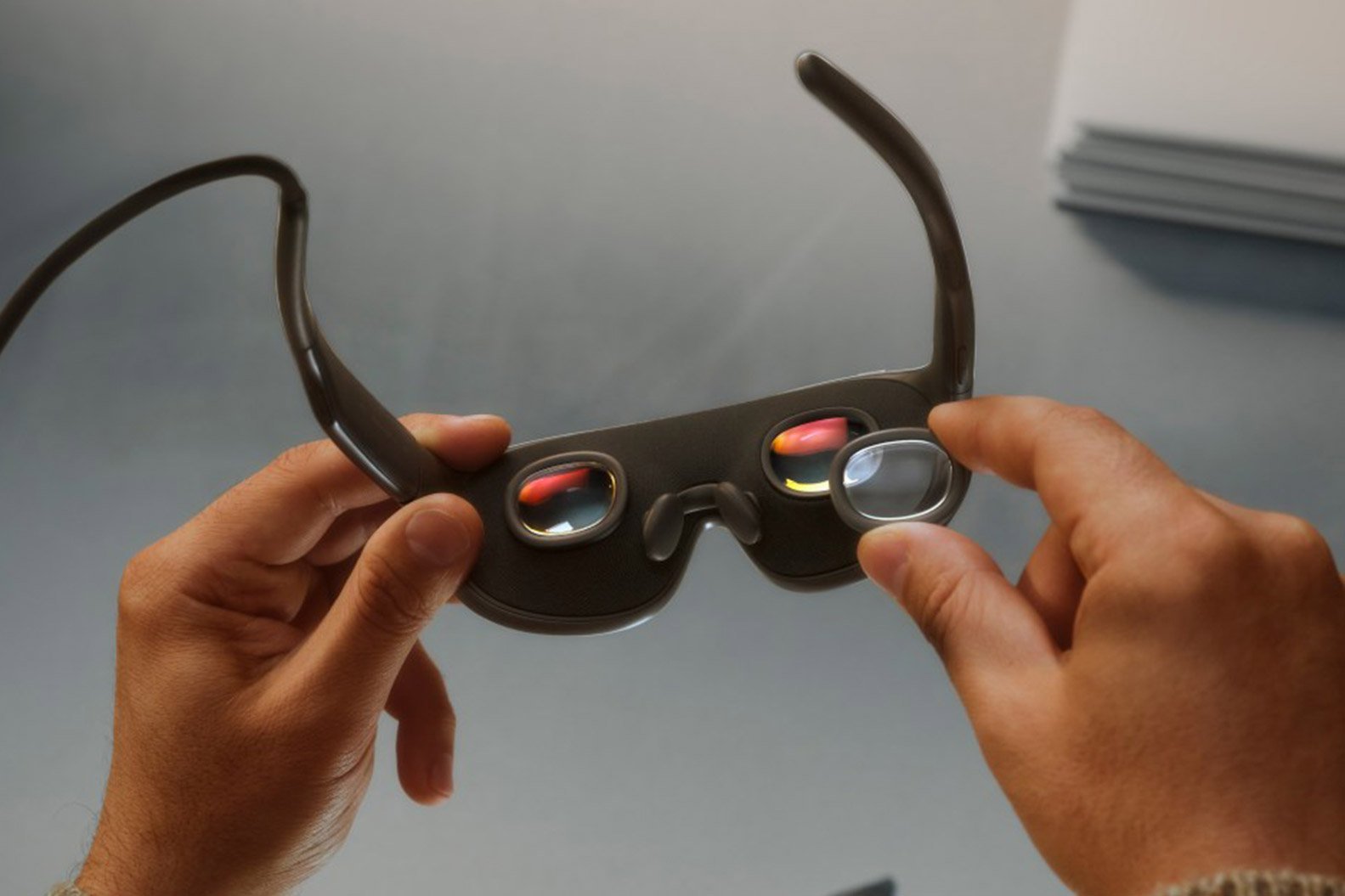
The headset itself features a 5K "Infinite Display" system utilizing micro-OLED panels and pancake lenses. With a pixel density of 37 pixels per degree, the clarity is designed to rival high-end desktop monitors, making the device viable for professional productivity and long-form cinema. While technical specifications remain subject to real-world testing, early reports suggest a field of view of approximately 70 degrees horizontal. While narrower than the 110-degree field of view found on the Quest 3, the design trade-off is intended to prioritize comfort and portability.
The device is slated for a spring 2027 release with a retail price of $1,299.99. Notably, the hardware abandons handheld controllers in favor of a sophisticated suite of sensors capable of tracking subtle hand gestures, eye movements, and voice commands. This interface shift aligns with the industry’s broader move toward natural user interfaces (NUI), where the user’s physical body becomes the primary controller.
Evolution of the Ray-Ban Meta Partnership
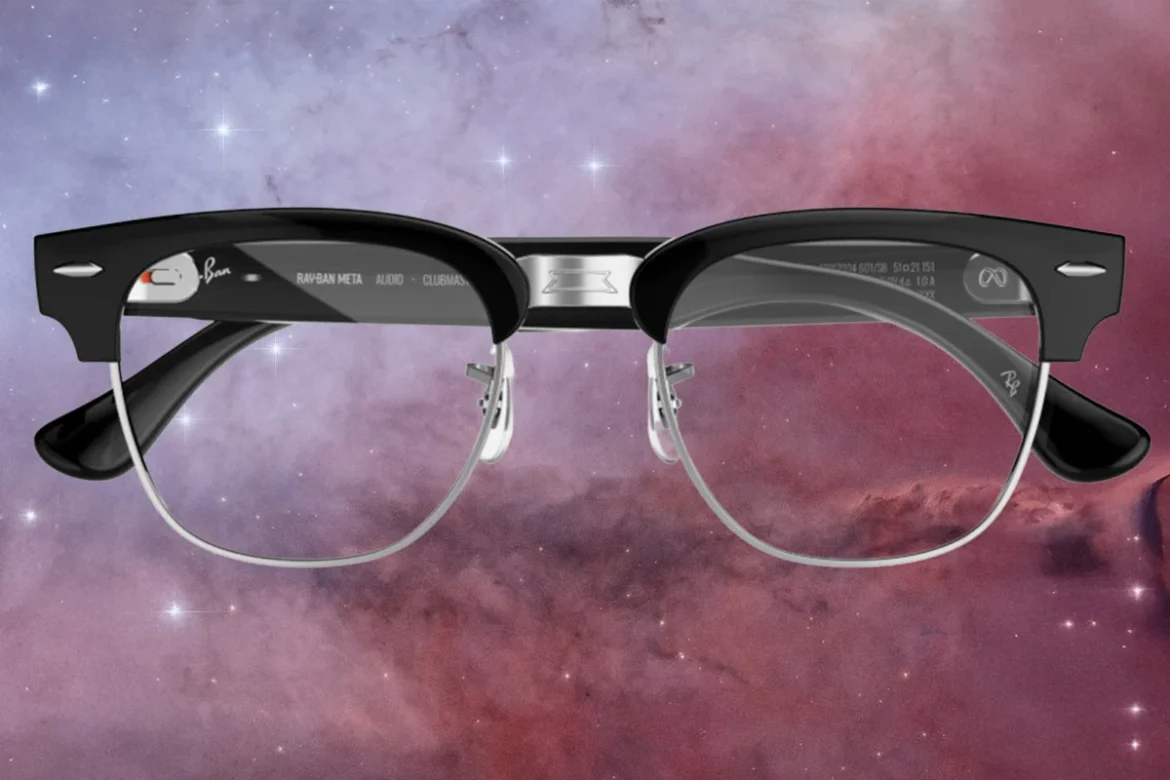
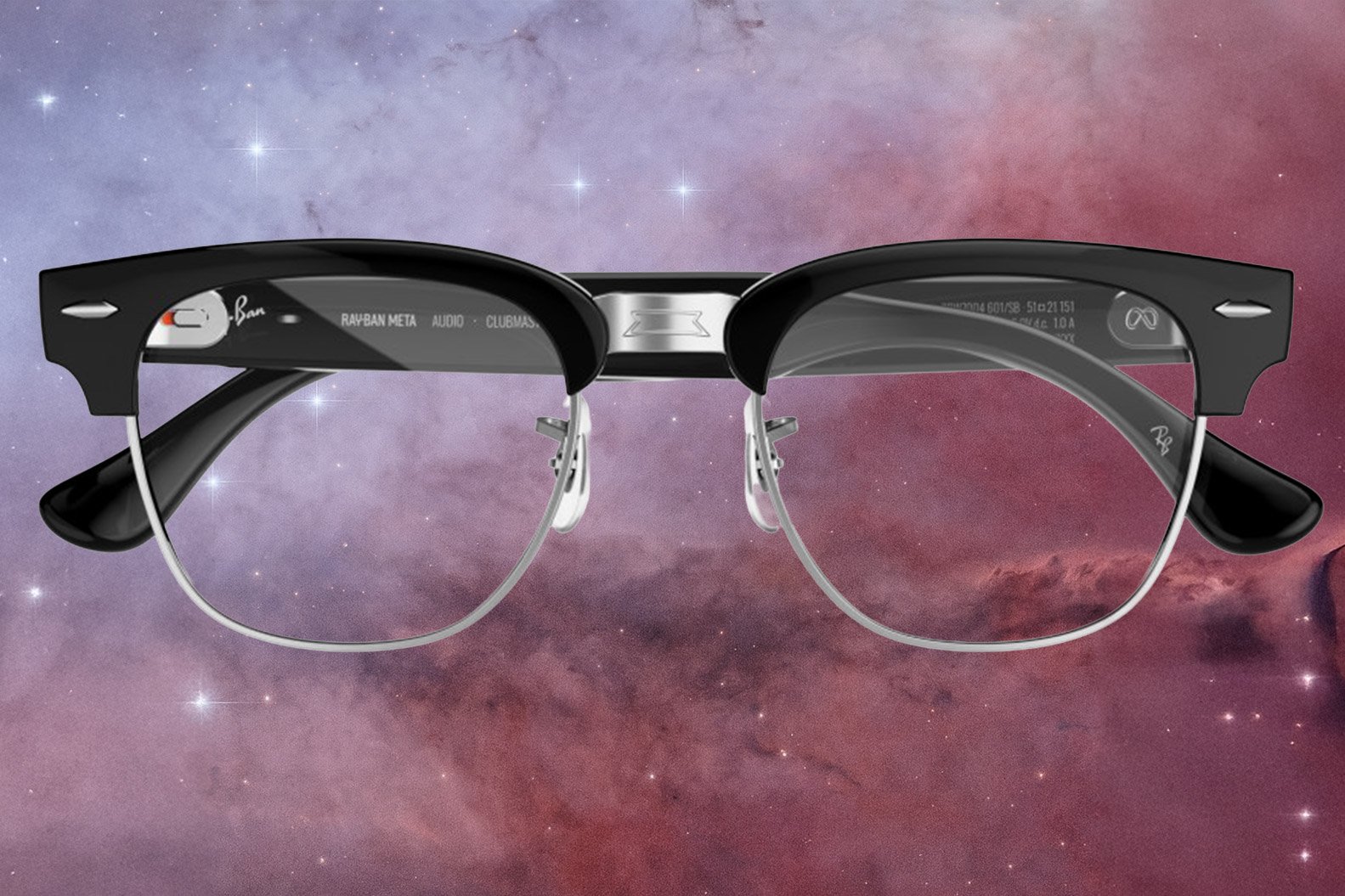
Beyond the headline-grabbing VR glasses, Meta expanded its collaboration with EssilorLuxottica, introducing three distinct tiers of smart eyewear. The most notable addition is the Ray-Ban Meta Audio, a $349 pair of glasses that omits the camera entirely. This model addresses growing consumer privacy concerns regarding surveillance in public spaces. By removing the lens, the device functions solely as a high-fidelity audio and voice-assistant tool, boasting a 12-hour battery life and an ultra-lightweight 43-gram frame.
Simultaneously, Meta launched the third generation of its camera-equipped Ray-Ban smart glasses. Priced at $449, these frames feature a 12MP sensor capable of 3K video recording and, crucially, a new six-microphone array designed to suppress over 90% of background noise. This improvement is targeted at professionals and commuters who require clear communication in loud, urban environments. The inclusion of an "Action Button" for immediate interaction with the company’s Muse AI agent demonstrates Meta’s commitment to integrating generative artificial intelligence into daily life.
Rounding out the lineup is the Meta Adventurer series, a more accessible, house-brand option starting at $249, which brings basic camera functionality to a wider consumer base. Meta’s stated goal is to offer over 100 different frame and lens combinations across its various brands by the end of the year, cementing its position as a major player in the fashion-tech space.
Content Strategy and the "IMAX" Pitch
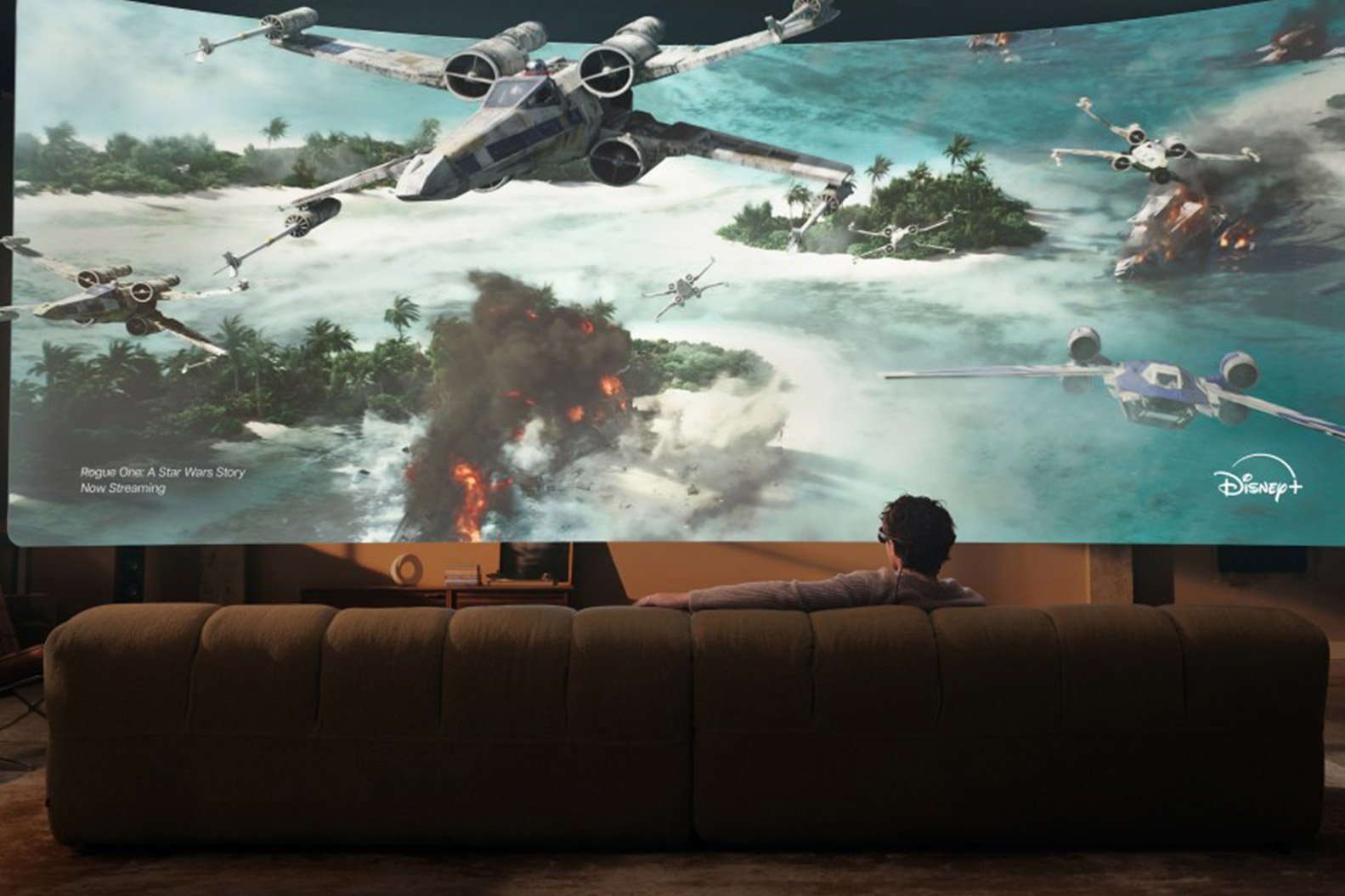
Meta’s software strategy is increasingly focused on high-quality media. The announcement highlighted an IMAX Enhanced certification, marking the device as the first of its kind to meet specific industry standards for visual and audio quality in a virtual space. By partnering with Disney+, Lionsgate, and various sports broadcasters, Meta is aiming to provide a virtual cinema experience that feels premium rather than experimental.
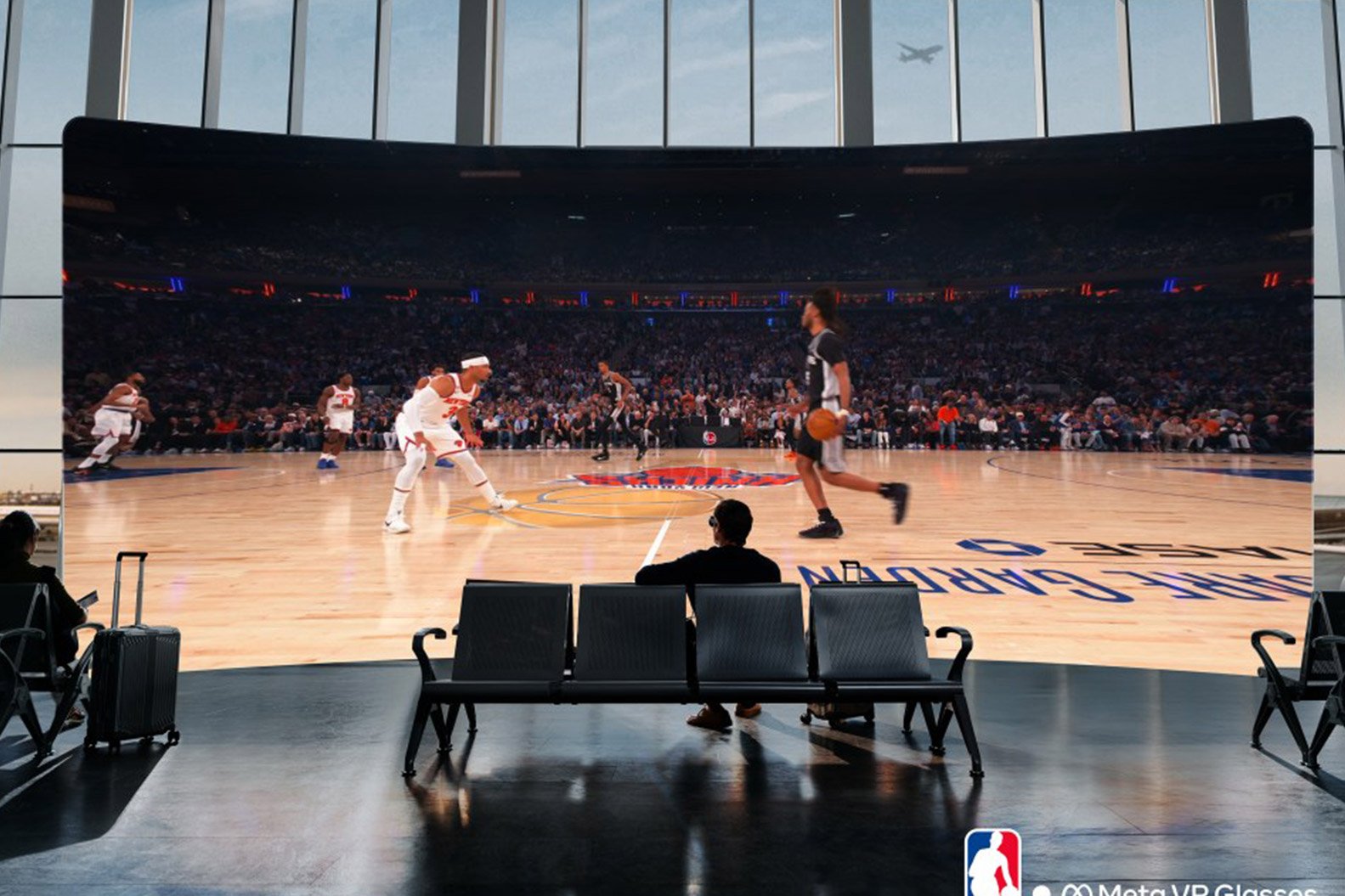
The emphasis on live sports is particularly ambitious. Meta announced plans to broadcast more than 100 live events annually, including MLB and UFC, in 8K resolution with 180-degree immersive views. This represents a significant capital investment in infrastructure and content partnerships. By allowing users to feel as though they are courtside or behind home plate, Meta is attempting to create a "killer app" for sports enthusiasts that justifies the $1,299 price tag.
Infrastructure and Global Connectivity
The Connect event was also used to announce "Petal," a massive subsea cable project connecting the United States and the Atlantic coast of France. Scheduled for completion in 2029, the 7,000-kilometer cable is expected to be the first to reach a capacity of one petabit per second. This infrastructure investment is essential for the future of the Metaverse and spatial computing; as Meta moves toward higher-resolution streaming and real-time holographic communication, the existing backbone of the internet requires significant scaling.
Economic and Market Implications
The industry response to these announcements has been measured, reflecting a period of transition in the XR sector. Analysts note that while Meta has successfully mitigated the weight issue, the price point of $1,299 puts the device in direct competition with high-end tablets and laptops rather than casual gaming consoles. The success of the Meta VR Glasses will depend heavily on the maturity of its software ecosystem—specifically, whether third-party developers can create compelling applications that utilize the device’s unique form factor.
Furthermore, the introduction of the Meta Ray-Ban Display in international markets, including France, Italy, and Germany, marks a significant step in the company’s global expansion. By integrating localized software—such as turn-by-turn cycling directions and contextual walking navigation—Meta is demonstrating a transition from "prototype" hardware to practical, utility-driven consumer products.
Chronology of Product Rollouts
The staggered release schedule for these products reflects a complex supply chain and software integration strategy:
- Now: Ray-Ban Meta Gen 3 (Sales), Meta Ray-Ban Display (Online orders in US/Canada/UK).
- October 13, 2026: Ray-Ban Meta Audio (Retail launch), Meta Ray-Ban Display (France, Italy, Germany).
- October 23, 2026: Meta Adventurer (Retail launch).
- Late 2026: Software rollout for Dolby Atmos capture and expanded Meta AI features.
- Spring 2027: Meta VR Glasses (Retail launch).
The Future of Spatial Interaction
Meta’s 2026 roadmap reflects a company that has moved beyond the "VR-only" mindset. By diversifying its offerings—ranging from a $249 entry-level camera frame to a $1,299 spatial computing glass—Meta is attempting to capture the entire spectrum of consumer needs. The focus on hologram calling, where a digital twin represents the user in real-time, suggests that Meta views social presence as the ultimate goal of its hardware development.
While the "Metaverse" was the primary buzzword of 2021, the current narrative has shifted toward "Spatial Utility." Whether the public is ready to adopt a pocket-tethered headset for daily computing remains the primary question. However, by solving the ergonomic challenges that plagued the Oculus and Quest lines, Meta has cleared a significant hurdle. The success of this strategy will ultimately be measured not by the hardware’s specs, but by whether users find the device indispensable enough to replace their traditional screens. For now, the tech giant is betting that the path to the future is light, stylish, and tethered to the pocket.
