
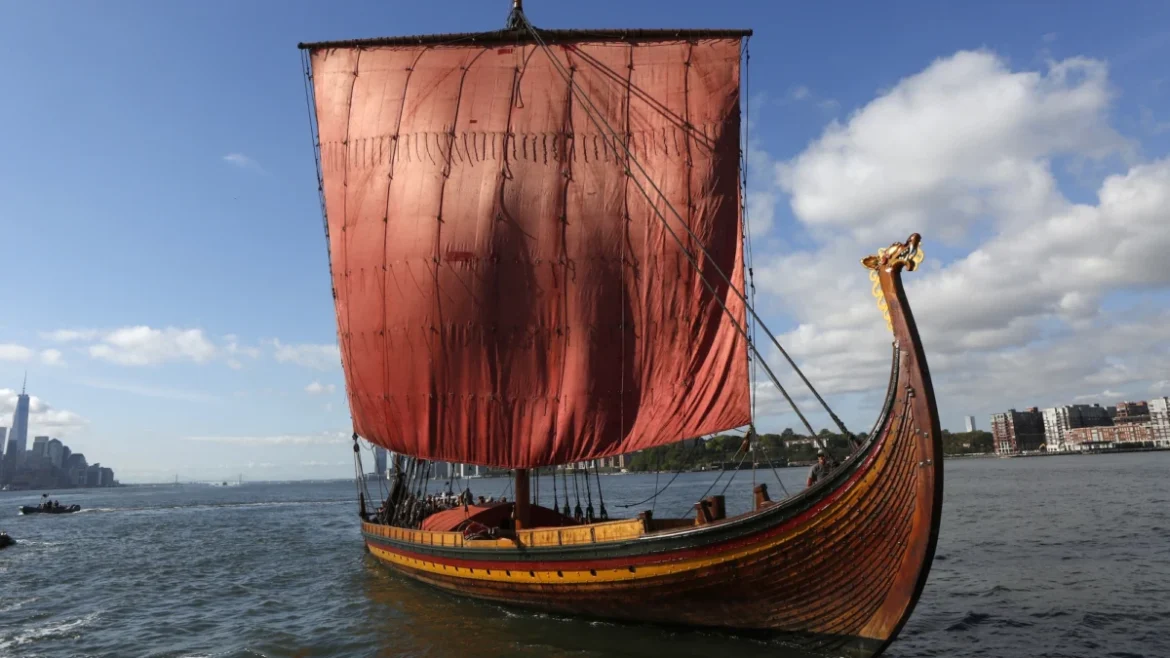
The Draken Harald Harfagre, a monumental 114-foot-long reconstruction of a Viking-era longship, has captured the public imagination both as a masterpiece of maritime archaeology and as a high-profile Hollywood set piece. Following its rigorous performance in Christopher Nolan’s cinematic adaptation of The Odyssey, the vessel is now preparing for a mandatory maintenance cycle. The ship’s stewards have officially launched a global recruitment drive, seeking volunteers to assist in the complex, labor-intensive preservation of this wooden titan. Scheduled to commence on April 10, 2027, in Norway, the four-week restoration initiative offers a rare opportunity for maritime enthusiasts to engage with a vessel that has effectively bridged the gap between historical reenactment and modern blockbuster production.
A Legacy of Construction and Historical Ambition
The Draken Harald Harfagre is not merely a prop; it is a manifestation of an ambitious effort to revive the shipbuilding techniques of the Viking Age. Commissioned in 2010 by the Norwegian entrepreneur and oil magnate Sigurd Aase, the project was born from a desire to move beyond the static exhibits of museums and test the limits of ancient maritime engineering.
Construction of the vessel utilized traditional methods documented in historical skaldic poetry and archaeological findings, most notably the Gokstad ship, which dates back to approximately 890 CE. The result is a 114-foot-long, 26-foot-wide oak-planked masterpiece, featuring a single, towering 79-foot mast. Unlike modern fiberglass vessels, the Draken is built using clinker-style construction—overlapping wooden planks fastened with iron rivets—a method that provides the necessary flexibility to navigate the North Atlantic’s volatile currents. The ship’s maiden voyage in 2012 proved that such designs were not only seaworthy but capable of transoceanic travel, a fact solidified in 2016 when the ship successfully retraced the historical Viking route from Norway to Newfoundland.
The Odyssey: From Historical Reenactment to Cinematic Star
Christopher Nolan’s decision to cast the Draken in his adaptation of The Odyssey reflects a broader industry shift toward practical effects over digital manipulation. In an era dominated by computer-generated imagery (CGI), Nolan’s production opted for physical authenticity, utilizing the Draken as the primary galley for the film’s protagonist, Odysseus.
While historical purists have noted that the ship is technically anachronistic for the Late Bronze Age setting of Homer’s epic, the choice highlights a preference for tangible scale. The vessel’s imposing presence on screen provided a visceral quality that digital assets often struggle to replicate. By utilizing the Draken, the production team ensured that the motion of the ship, the stress on the hull, and the interplay of light on the weathered oak were genuine, contributing to the film’s gritty, immersive aesthetic. This partnership has brought the vessel into the contemporary cultural zeitgeist, raising its profile well beyond the circles of maritime history enthusiasts.
The 2027 Maintenance Schedule and Volunteer Requirements
The preservation of a wooden ship of this magnitude is a constant, year-round battle against the elements. The upcoming maintenance window, spanning from April 10 to May 15, 2027, is a critical phase in the vessel’s lifecycle. The work is physically demanding and requires a high level of attention to detail to ensure the ship remains seaworthy for future expeditions and exhibitions.
The project organizers have outlined a series of tasks essential to the Draken’s longevity:
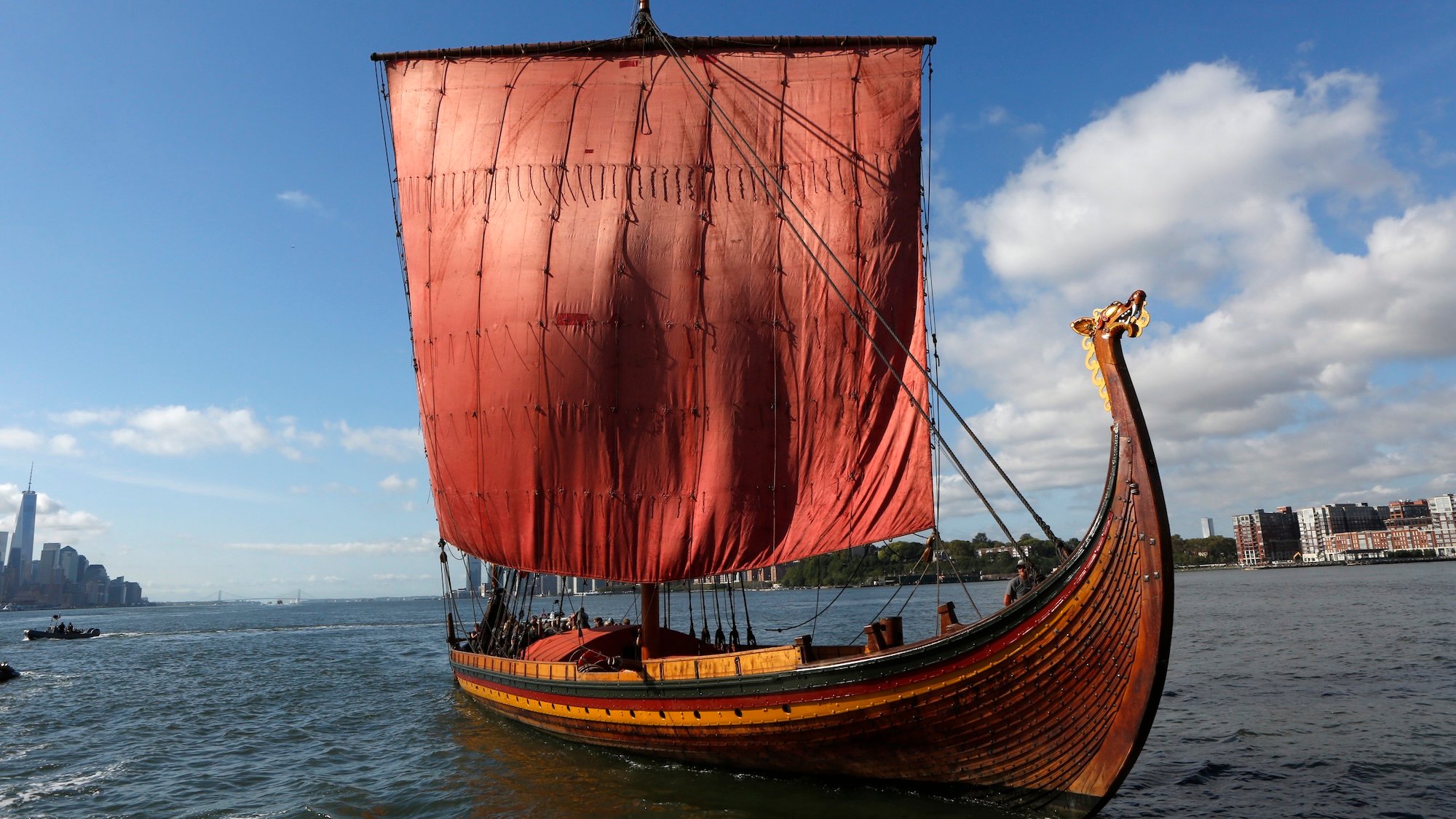
- Hull Integrity (Clinking): Inspecting and replacing any weakened or compromised oak planks to maintain structural rigidity.
- Surface Preparation: Scraping the exterior of the hull to remove years of accumulated ocean grime, barnacles, and marine growth.
- Weatherproofing: Re-tarring the wooden exterior and applying specialized protective coatings to shield the vessel from UV damage and moisture.
- General Maintenance: Routine upkeep of rigging, mast components, and internal storage systems.
The program is structured into five distinct one-week windows, allowing volunteers to commit to a duration that suits their availability. While the project is open to applicants over the age of 18, organizers have indicated a preference for individuals with prior experience in wooden boat restoration, carpentry, or maritime trades. Successful applicants will be provided with meals and on-site accommodations. Interested parties are encouraged to submit their applications via the official Draken project website.
Institutional Context and Maritime Significance
The maintenance of the Draken serves a dual purpose: the preservation of a tangible piece of history and the continuation of an educational mission. Organizations dedicated to the ship’s upkeep emphasize that the Draken acts as a "floating classroom." By bringing the vessel to various international ports, the crew educates the public on Norse history, Viking navigation, and the ingenuity of early European shipbuilders.
"The ship requires a community to survive," notes a project spokesperson. "The volunteer program is an integral part of this. It allows us to pass down the skills required to maintain wooden vessels, which is a dying art in the age of synthetic materials."
The implications of this maintenance cycle are significant. Should the restoration prove successful, the Draken will be cleared for further international voyages, potentially expanding its itinerary to include new educational outreach programs. Conversely, failure to maintain the vessel to such rigorous standards would likely see the ship relegated to a static, dockside exhibit, losing the mobility that defines its unique character.
Broader Impact: The Value of Practical Preservation
The intersection of Hollywood production and historical restoration offers a fascinating case study in modern cultural preservation. By integrating the ship into a high-budget film, the Draken project has secured funding and visibility that would have been difficult to achieve through traditional grant cycles or museum donations alone. However, this visibility brings with it the pressure to maintain the vessel in pristine, working condition.
As the industry continues to debate the efficacy of practical versus digital effects, the Draken stands as a testament to the enduring appeal of the "real." The ship is not just a remnant of a bygone era; it is a functioning piece of machinery that connects modern audiences to the realities of ancient life. The upcoming volunteer initiative is a testament to the fact that, regardless of the technology available, the survival of such a vessel relies entirely on human dedication and labor.
Looking Toward the Future
As April 2027 approaches, the international maritime community is watching the Draken’s status with interest. The project remains one of the most successful private-led efforts to preserve Viking maritime heritage. Whether the volunteers are drawn by the ship’s Hollywood fame or by a genuine passion for naval history, the outcome will ensure that the Draken remains a functional icon of the seas.
The long-term goal of the Draken Harald Harfagre project is to ensure that the ship can eventually be passed to a new generation of stewards. By facilitating volunteer programs, the organization is building a network of supporters who understand the complexities of maintaining a wooden hull. This, ultimately, is the greatest service the project performs—transforming a passive audience into active participants in the preservation of history. As the ship heads into its next maintenance phase, it remains a symbol of resilience, both in its ability to navigate the open ocean and its capacity to thrive in the modern world.
