
A Formal Union: The Ceremony and Traditional Aesthetics
The akad nikah, or the solemnization of the marriage, took place on Sunday evening, September 20, 2026. Amanda Rigby appeared in an ensemble that epitomized traditional Javanese bridal elegance. She wore a bespoke white kebaya crafted by renowned designer Didiet Maulana, a figure celebrated for his meticulous approach to Indonesian traditional textiles.
The kebaya itself featured a tailored silhouette that complemented the bride’s figure, adorned with intricate floral embroidery and shimmering embellishments. The artisanal craftsmanship was evident in the three-dimensional floral details that cascaded from the shoulders down the sleeves, creating a visual depth that radiated sophistication. The kebaya was paired with a batik kain, or sarong, featuring a harmonious palette of cream, brown, and deep maroon—colors that are quintessentially Javanese, symbolizing earthiness, maturity, and prosperity.
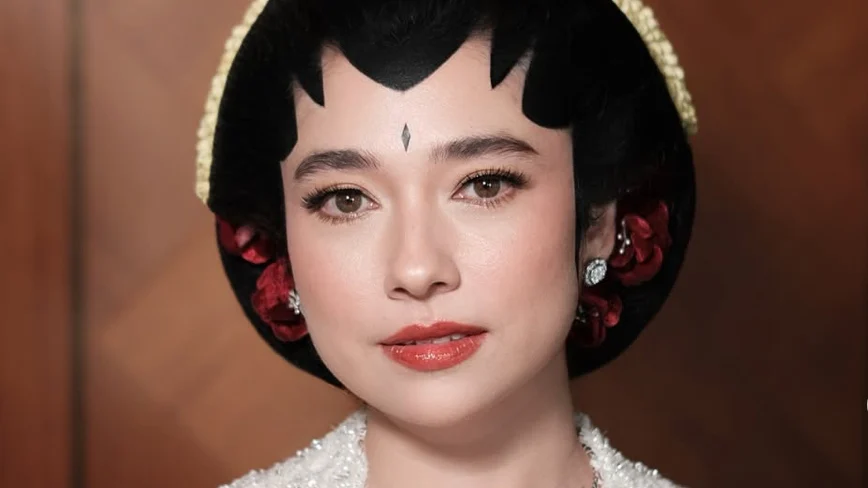
Central to the bridal aesthetic was the inclusion of a prominent silver brooch positioned at the center of the chest. The piece, encrusted with crystals, featured an ornate floral design that cascaded slightly, adding a touch of vintage glamour to the ensemble. Complementing the traditional attire, Rigby’s hair was styled in a classic sanggul, adorned with the traditional paes, the black curved markings on the forehead that signify the sacred transformation of a woman into a bride.
Professional Artistry and Styling
The aesthetic execution of the event relied on the collaboration of elite industry professionals. The makeup was entrusted to Leo Afandi, a celebrated makeup artist known for his "soft glam" signature style. Afandi opted for a look that balanced tradition with contemporary trends, ensuring the bride appeared radiant under both the soft lighting of the venue and the harsh glare of camera flashes.
The complexion was kept smooth and slightly luminous, providing a clean canvas for the rest of the makeup application. The eyes were emphasized using soft brown eyeshadow tones, complemented by a thin, precise eyeliner and meticulously curled lashes to open the gaze. A blush in shades of pink-peach was applied to provide a fresh, healthy flush, while the lip color—a sophisticated brick-red or brownish-red with a subtle glossy finish—provided a balanced focal point. To round off the look, Rigby wore a set of silver diamond earrings and a matching necklace, which provided a subtle sparkle that harmonized with the silver accents on her kebaya.
Context and Background: The Journey to the Altar
The relationship between Andre Taulany, a multi-hyphenate entertainer known for his long-standing career in music and comedy, and Amanda Rigby, an actress and model, has been a subject of significant public interest in recent months. Their union is seen by many industry analysts as one of the most high-profile weddings of the year within the Indonesian entertainment landscape.
Andre Taulany, who rose to fame as the frontman of the band Stinky before transitioning into one of the country’s most successful television hosts and comedians, has remained a fixture in the industry for over two decades. His decision to marry Rigby follows a period of transition in his personal life, making this event a point of focus for media outlets tracking the private lives of Indonesia’s A-list celebrities.
For Amanda Rigby, the marriage marks a new chapter in a career that has seen her rise through the ranks of the television and film industry. Her reputation for poise and her penchant for high-fashion, as reflected in her choice of designer for her wedding, have made her a style icon among younger demographics.
Industry Implications and Social Impact
The wedding of two high-profile figures naturally carries implications for the broader creative industry. In Indonesia, celebrity weddings often dictate trends in fashion, beauty, and event planning. The choice of a traditional Javanese theme, rather than a modern Western-style wedding, reflects a growing trend among Indonesian celebrities to embrace and modernize traditional cultural practices.
"The movement toward traditionalism is not just a trend; it is a re-evaluation of cultural identity," notes one industry analyst. By selecting a designer like Didiet Maulana, the couple has effectively promoted the local textile industry and traditional craftsmanship. The influence of such high-profile events often leads to a spike in demand for traditional wedding attire, benefiting local artisans and fashion houses that specialize in kebaya and batik.
Furthermore, the involvement of high-end makeup artists and stylists in such a public event highlights the professionalization of the wedding industry in Indonesia. The coordination between the bridal party, the designers, and the media creates an ecosystem where personal milestones function as significant economic drivers for the service sector.
A Chronology of the Relationship
While the couple largely maintained a level of privacy regarding the early stages of their courtship, observers noted an increase in their public appearances together throughout mid-2026. The engagement was confirmed quietly, with the couple focusing on the planning of their ceremony.
- Early 2026: Initial public speculation regarding the couple’s relationship began to circulate on social media following shared appearances on television sets.
- Mid-2026: The couple confirmed their engagement through official channels, putting an end to public conjecture.
- September 2026: The wedding ceremony was finalized for Sunday, September 20, with preparations centered in Jakarta to accommodate family and close colleagues.
- September 20, 2026: The official akad nikah was held, signifying the legal and religious union of the couple.
Cultural Significance of the Javanese Wedding
The Javanese wedding is steeped in symbolism. The choice of colors—cream, brown, and maroon—is rooted in the philosophy of the Javanese people, where these colors represent the earth and the journey of life. The paes on the bride’s forehead is not merely decorative; it is a symbol of a woman’s maturation and her readiness to enter into the sacred contract of marriage.
By adhering to these customs, Rigby and Taulany have signaled a commitment to preserving traditional values despite their modern careers. The use of a formal, high-fashion kebaya serves as a bridge between the historical significance of the ceremony and the modern aesthetic demands of the 21st-century entertainment industry.
Official Statements and Media Coverage
While the couple has yet to issue an extensive post-wedding press conference, representatives for the wedding planning team emphasized that the event was designed to be intimate yet representative of the couple’s status. "The primary objective was to celebrate the sanctity of the marriage in a way that honors both the traditions of the bride and the personal journey of the groom," a representative stated.
The event was covered extensively by digital media outlets, with real-time updates provided on social media platforms. The attention to detail, from the choice of fabrics to the specific makeup techniques, was meticulously documented, reflecting the high degree of interest from fans who view these celebrities as aspirational figures.
Future Outlook
As the couple embarks on their new life together, the public interest in their professional and personal projects is expected to remain high. For Andre Taulany, this marriage represents a period of stability, while for Amanda Rigby, it marks an evolution in her career trajectory. Their wedding stands as a testament to the enduring appeal of traditional Javanese culture in the modern era, demonstrating how heritage and contemporary celebrity can coexist and flourish.
The union is expected to be followed by a series of receptions, allowing the couple to celebrate their marriage with a wider circle of friends, family, and industry peers. As the news cycle moves forward, the lasting image of the wedding will remain the sight of the couple in their traditional regalia—a moment of stillness and tradition in the fast-paced world of Indonesian entertainment.
Ultimately, the event serves as a reminder of the power of cultural tradition to anchor even the most high-profile lives. By choosing a ceremony that celebrated the intricacies of Indonesian heritage, the couple has set a standard for upcoming celebrity weddings, emphasizing that elegance, when rooted in tradition, remains the most timeless choice of all.
