
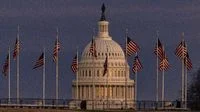
The United States Senate, as the upper chamber of the federal bicameral legislature, represents the cornerstone of American political stability. While the House of Representatives is designed to reflect the immediate will of the people based on population density, the Senate was architecturally designed by the Framers of the Constitution to serve as a deliberative, stabilizing body. Each of the 50 states is granted exactly two senators, ensuring that smaller, less-populated states maintain a significant voice in the federal legislative process. This structure, established by Article I, Section 3 of the U.S. Constitution, ensures that every state holds equal standing, with each senator serving a six-year term.
To ensure institutional continuity, Senate terms are staggered. Every two years, approximately one-third of the Senate seats are up for election. This rotation ensures that the entire body is never replaced at once, providing a buffer against radical shifts in political sentiment and maintaining a level of long-term institutional memory that is vital for the ratification of treaties and the confirmation of federal appointments.
Historical Evolution of the Senate
The selection process for senators has undergone a significant transformation since the founding of the republic. Originally, senators were chosen by the state legislatures, a design intended to ensure that the Senate functioned as an advisory body representing the interests of the states rather than the general electorate. However, this system often led to deadlock and concerns regarding corruption.
The ratification of the 17th Amendment in 1913 fundamentally shifted the power dynamic by mandating the direct election of senators by the people. This amendment transitioned the Senate into a more democratic institution, directly accountable to the constituents of each state. Today, a candidate for the Senate must meet three rigorous constitutional criteria: they must be at least 30 years of age, must have been a citizen of the United States for at least nine years, and must be an inhabitant of the state they represent at the time of their election.
The Legislative and Constitutional Weight of the Senate
The Senate possesses a unique set of "advice and consent" powers that distinguish it from the House of Representatives. While both chambers must agree on the text of legislation before it can be sent to the President for signature, the Senate holds exclusive authority over several critical federal functions:
- Confirmation Power: The Senate is the sole body authorized to confirm or reject presidential appointments to the Cabinet, federal courts, and independent regulatory agencies. This makes the composition of the Senate the primary gatekeeper for the ideological direction of the federal judiciary.
- Treaty Ratification: Under Article II, Section 2 of the Constitution, the President has the power to negotiate international treaties, but these agreements require a two-thirds vote in the Senate for ratification. This provides the legislative branch with significant leverage over the nation’s foreign policy and international standing.
- Impeachment Trials: In the event of an impeachment by the House of Representatives, the Senate serves as the court of law. It is responsible for trying the accused federal official and possesses the authority to remove them from office, provided a two-thirds majority of those present votes to convict.
Given these expansive powers, it is no surprise that both the Republican Party, led by Donald Trump, and the Democratic opposition view the control of the Senate as the ultimate objective in any election cycle. Control of the Senate determines the pace and viability of a president’s agenda. A hostile Senate can effectively paralyze an administration’s policy goals, while a supportive Senate can accelerate the confirmation of judicial nominees and the passage of partisan legislation.
The Contemporary Political Context
In recent electoral cycles, the battle for the Senate has become increasingly polarized. The ideological divide between the two parties has deepened, leading to record-breaking campaign expenditures and intense mobilization efforts in swing states. The focus on Senate races is particularly acute during mid-term elections, which are often characterized as a referendum on the sitting president.
Recent polling and electoral data indicate that voters are highly sensitive to the balance of power in Washington. As observed in the most recent electoral contest, the emergence of new candidates has signaled a shift in the political terrain. For instance, the victory of Democratic-aligned candidates in key regions has been interpreted by analysts as a significant indicator of shifting voter demographics and a growing dissatisfaction with the status quo. These results have sent shockwaves through the Republican establishment, prompting a reassessment of campaign strategies as the administration faces the prospect of a legislative environment defined by increased scrutiny and opposition.
The Mechanics of Power: Data and Implications
Political analysts point to the "Senate Map"—a visualization of which seats are up for election in a given cycle—as the most important factor in determining the outcome. In the current cycle, the distribution of competitive seats has favored the opposition, forcing the Republican Party to defend territory in states that have shown signs of becoming more progressive.
Data provided by the U.S. Capitol indicates that the complexity of modern campaigning—driven by social media, data analytics, and grassroots organizing—has changed the way senators communicate with their constituents. The cost of a successful Senate campaign has ballooned into the hundreds of millions of dollars, creating an environment where financial support from national committees is often the deciding factor in close races.
The implications of these electoral shifts extend beyond the domestic agenda. When the Senate flips control, the chairmanship of every committee changes. This leads to a wholesale reassessment of oversight priorities. Committees that were previously dormant regarding investigations into executive branch conduct may suddenly become active, leading to a flurry of subpoenas and hearings. For an administration, this represents a significant drain on time and resources, often forcing a shift in focus from legislative productivity to defensive maneuvering.
Official Reactions and Broader Impact
Following the latest round of election results, spokespersons for both major parties have emphasized the significance of the shift in the Senate. Democratic leadership has characterized the outcome as a "clear mandate for change" and a rejection of the current executive policies. Conversely, representatives for the Trump administration have highlighted the narrow margins in several contests, suggesting that the ideological divide in the country remains deep and that the electoral process reflects a nation in transition.
Independent political commentators suggest that the volatility of the Senate reflects a broader trend in American life: the loss of political centrism. With the vanishing of the "moderate" wing in both parties, the Senate has transitioned from a body of compromise to a site of intense partisan combat. This change has made the legislative process more difficult, often leading to gridlock, where the only way to pass significant legislation is through reconciliation or executive order.
Looking Toward the Future
As the Senate prepares for the next session, the focus will likely remain on judicial appointments and the administration’s economic policy. The ability of the Senate to serve as a check on executive power will be tested as the country approaches the next major election cycle.
The importance of the Senate cannot be overstated. It is the institutional anchor of the American government, and its composition determines not only the current policy landscape but the future trajectory of the federal judiciary and the nation’s international commitments for decades to come. As the electoral dust settles, both parties are already looking ahead to the next cycle, recognizing that the road to power—and the ability to shape the American future—runs directly through the halls of the United States Senate.
Ultimately, the Senate remains a testament to the foresight of the Constitution’s architects. By balancing the immediate demands of the electorate with the need for long-term stability, the chamber continues to act as the primary arbiter of the American political process, a position that guarantees its role as the most significant, and most contested, prize in the national political arena. Whether through the confirmation of a Supreme Court justice or the ratification of a landmark trade agreement, the actions of the Senate will continue to dictate the rhythm of American life, ensuring that the struggle for its control remains the defining feature of the democratic experience in the United States.
