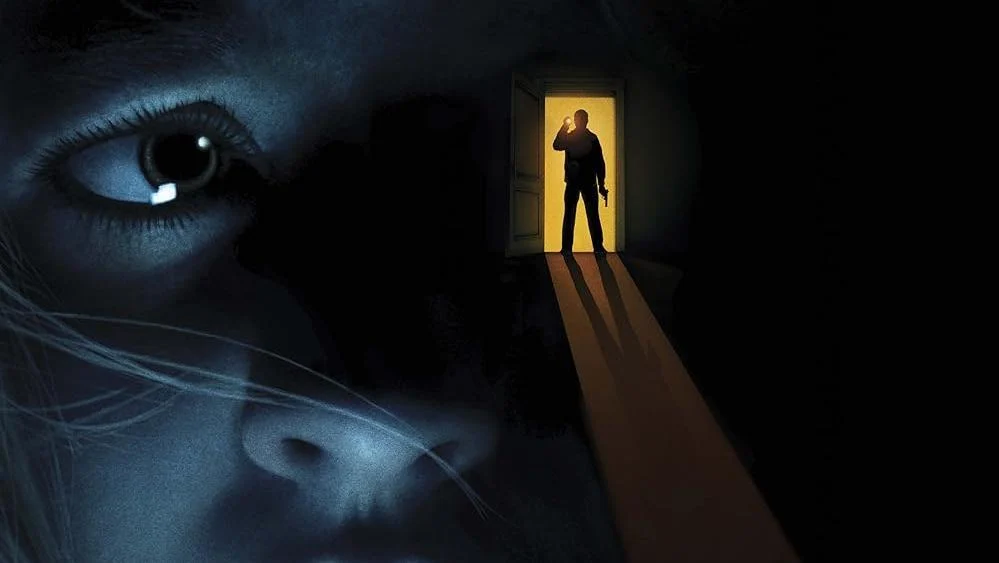
The cinematic landscape often finds its most compelling narratives at the intersection of vulnerability and technological intervention. Tonight, Wednesday, September 30, 2026, viewers tuning into Bioskop Trans TV at 22:00 WIB will be presented with Randall Okita’s 2021 thriller, See for Me. The film, which runs for approximately 92 minutes, serves as a masterclass in atmospheric tension, utilizing a unique premise that challenges the traditional tropes of the "home invasion" subgenre. Starring Skyler Davenport, the film explores the survival instincts of a sight-impaired protagonist trapped in a remote setting, relying on a real-time digital connection to a stranger to navigate a life-or-death scenario.
Production Background and Cinematic Context
See for Me first premiered at the prestigious Tribeca Film Festival in 2021, where it garnered attention for its innovative approach to disability representation within the thriller genre. Director Randall Okita, known for his ability to craft tight, character-driven narratives, collaborated with screenwriters Adam Yorke and Tommy Gushue to develop a script that avoids the pitfalls of pity-based storytelling. Instead, the film positions its lead character, Sophie, as a complex, multifaceted individual whose transition from a high-performance athlete to a sight-impaired individual provides the emotional backbone of the story.
The film features an ensemble cast that includes Jessica Parker Kennedy as Kelly, the remote "eyes" for Sophie, alongside Kim Coates, Laura Vandervoort, Emily Piggford, Joe Pingue, and George Tchortov. The production team placed significant emphasis on the technical aspects of the film, particularly the visual depiction of the "See for Me" application—a digital tool that mirrors real-world accessibility apps designed to assist the visually impaired by connecting them with remote volunteers.
Plot Chronology and Narrative Arc
The narrative follows Sophie, a former competitive skier whose career was cut short by the loss of her vision. Struggling to maintain her independence and financial autonomy, she accepts a gig as a housesitter for a wealthy client living in an isolated, high-end mansion. The remote nature of the location serves as a narrative catalyst, stripping away the safety nets of urban life.
The inciting incident occurs when Sophie, finding herself locked out of the residence, utilizes the "See for Me" application to navigate her surroundings. She is connected to Kelly, a former military personnel and skilled gamer. This connection establishes a symbiotic relationship: Kelly provides the visual feedback, while Sophie provides the physical presence in the room.
The tension shifts into high gear when a group of intruders breaches the property, seeking a hidden safe containing valuables. The film’s middle act focuses on the psychological and physical chess match that ensues. With the police unable to reach the isolated property in time, Sophie is forced to rely entirely on Kelly’s guidance. The screenwriting team meticulously builds the stakes, turning the house from a place of sanctuary into a claustrophobic labyrinth. The final act forces the characters into difficult moral dilemmas, shifting the power dynamic between the intruder and the victim, and eventually between Sophie and Kelly.
Technical Analysis of Disability Representation
The film’s portrayal of visual impairment is noteworthy for its authenticity. Skyler Davenport, who is visually impaired in real life, brings a depth of lived experience to the role of Sophie. This casting decision reflects a growing trend in global cinema to prioritize authentic representation over "cripface" or performative acting.
From a technical perspective, the use of the mobile application as a narrative device allows the director to play with perspective. By forcing the audience to see what Kelly sees through the grainy, often shaky interface of a smartphone camera, Okita creates a sense of voyeurism and distance. This technique mirrors the protagonist’s own frustration—the inability to see the full picture and the dependency on a digital surrogate. Industry critics have noted that this stylistic choice serves as a metaphor for the modern human condition: the paradox of being hyper-connected through technology while simultaneously feeling isolated in physical space.
Market Implications and Genre Evolution
The "home invasion" subgenre has remained a staple of cinema for decades, ranging from the classic Wait Until Dark (1967) to more modern iterations like Don’t Breathe (2016). See for Me distinguishes itself by reframing the victimhood narrative. By giving the protagonist agency through technology, the film updates the subgenre for the digital age.
Supporting data regarding the accessibility market indicates that technology-based assistance, such as video-call volunteering, has seen a 15% increase in user adoption since 2020. See for Me acts as a cultural mirror to these developments, highlighting both the benefits and the potential security vulnerabilities inherent in relying on third-party digital interfaces.
Industry Statements and Production Insights
While the film was released several years ago, the production team has consistently emphasized that the goal was not to create a "disability film," but rather a high-octane thriller where the protagonist’s impairment is a character trait rather than a narrative crutch.
"The script demanded a performance that was physically demanding and emotionally grounded," noted a production spokesperson during the film’s initial festival run. "Skyler Davenport’s ability to navigate the spatial awareness of the set while managing the technological requirements of the role allowed us to elevate the film beyond standard genre conventions."
The inclusion of Kim Coates and Laura Vandervoort adds a layer of established acting pedigree that anchors the film’s more chaotic sequences. Their performances provide the necessary friction to Sophie’s calculated maneuvers, ensuring that the tension remains palpable until the final frame.
Viewing Information and Broadcast Details
For those planning to view the broadcast on Bioskop Trans TV tonight, it is recommended to prepare for a film that relies heavily on sound design and pacing. The absence of traditional visual clues for the protagonist means that the film’s audio-scape—ranging from the subtle clicks of a lock to the heavy footsteps of an intruder—is essential to the viewing experience.
- See for Me
- Director: Randall Okita
- Starring: Skyler Davenport, Jessica Parker Kennedy, Kim Coates
- Genre: Thriller, Crime
- Duration: 92 Minutes
- Broadcast Time: 22:00 WIB, September 30, 2026
- Network: Bioskop Trans TV
Final Thoughts: Why It Remains Relevant
As we move further into an era where artificial intelligence and remote human-to-human connectivity via apps are becoming commonplace, See for Me serves as a poignant, if tense, reminder of the trust we place in technology. The film asks a fundamental question: In a moment of crisis, is the person on the other end of the screen an ally, a guardian, or just another variable in an unpredictable equation?
By blending the classic suspense of a home invasion thriller with contemporary social commentary on disability and technological dependency, See for Me continues to hold a distinct place in the thriller genre. Whether it is the performance of Skyler Davenport or the directorial precision of Randall Okita, the film offers a viewing experience that is as intellectually stimulating as it is pulse-pounding. Viewers are encouraged to tune in early to ensure they do not miss the setup of this intricate, fast-paced thriller.