A significant breakthrough for government data transparency in Indonesia emerged on September 14, 2026, as the Jakarta Administrative Court (PTUN) delivered a landmark ruling. The court officially upheld a decision previously issued by the Central Information Commission (KIP) on June 10, 2026, which mandates the disclosure of administrative documents regarding the revocation of four nickel mining business licenses (IUP) in the Raja Ampat archipelago. This judicial decision serves as a pivotal moment in the ongoing struggle for environmental accountability, effectively rejecting the objections filed by the Ministry of Investment and Downstream/Investment Coordinating Board (BKPM).
The court’s verdict, documented under Case Number 242/G/KI/2026/PTUN.Jkt, explicitly classifies the details surrounding the termination of these mining permits as public information rather than classified state secrets. By dismissing the ministry’s arguments for confidentiality, the court has reinforced the right of civil society organizations and the public to scrutinize the governance of natural resources. In addition to affirming the KIP decision, the court ordered the BKPM to bear the legal costs of the proceedings, totaling Rp419,000, signaling a firm judicial stance on the necessity of bureaucratic transparency.
The Chronology of the Legal Dispute
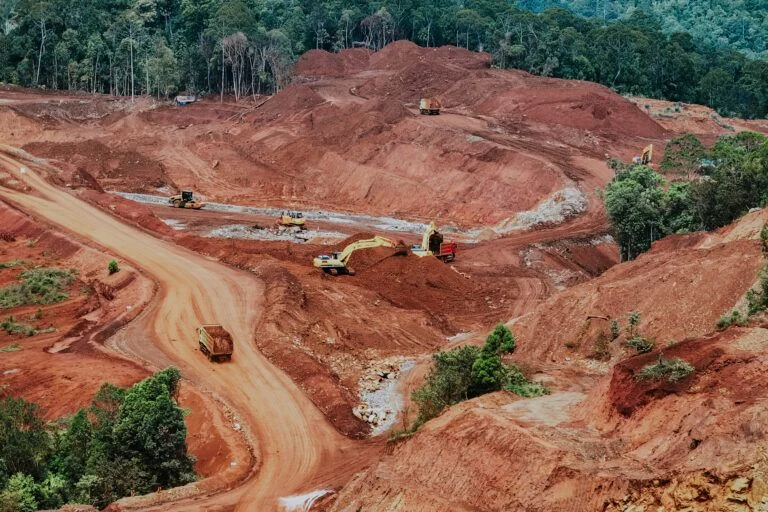
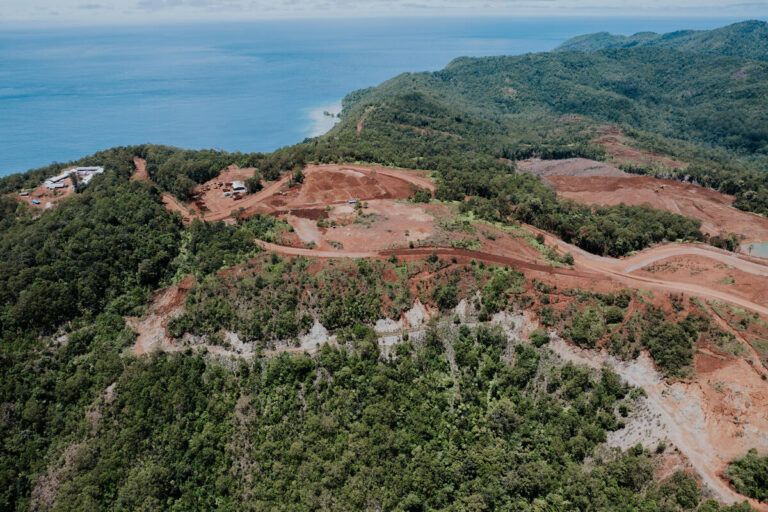
The roots of this legal battle trace back to June 2025, when the Indonesian government, under mounting public pressure and advocacy campaigns such as #SaveRajaAmpat, announced the revocation of four mining licenses. The affected companies included PT Kawai Sejahtera Mining (KSM), which held a 5,922-hectare concession on Kawei Island; PT Mulia Raymond Perkasa (MRP), with 2,193 hectares across Manyaifun and Batang Pele islands; PT Anugerah Surya Pratama (ASP), covering 1,173 hectares on Manuran Island; and PT Nurham, operating on 3,000 hectares in Yesner, East Waigeo.
While these four companies saw their licenses revoked, PT Gag Nikel remained under strict government supervision rather than facing license cancellation, with officials citing the company’s long-standing operational history in the region dating back to 1972. The then-Minister of Energy and Mineral Resources, Bahlil Lahadalia, justified the revocation of the other four permits by citing violations of environmental regulations and the encroachment of mining activities into designated Geopark zones.
Following this announcement, Greenpeace Indonesia sought to verify the administrative legitimacy of the government’s actions. In July 2025, the organization filed a formal request for information with the Ministry of Energy and Mineral Resources (KESDM). However, the ministry redirected the inquiry to the BKPM, claiming the latter held jurisdiction over the license revocation documents. Subsequent requests to the BKPM were met with silence, compelling Greenpeace to initiate a formal dispute process with the Central Information Commission (KIP) in October 2025. After months of deliberation, the KIP ruled in favor of transparency in June 2026, a decision that the BKPM promptly challenged at the PTUN, leading to the recent September ruling.

Legal Framework and Environmental Protection
The crux of the environmental argument against mining in Raja Ampat lies in the legal protections afforded to small islands. The Ministry of Environment and Forestry (KLH) has emphasized that the mining activities previously sanctioned were in direct violation of Law No. 1/2014 regarding the Management of Coastal Areas and Small Islands, as reinforced by the Constitutional Court’s ruling No. 35/PUU-XXI/2023. This legal framework categorically prohibits mining activities on small islands—defined as those with a land area of less than 2,000 square kilometers—without exception.
Minister of Environment Hanif Faisol emphasized during a media briefing in June 2025 that the prohibition is unconditional. Given that the Raja Ampat islands collectively form a fragile ecosystem, the potential for irreversible damage from industrial-scale nickel extraction is immense. The region, often celebrated as "the last paradise," serves as a vital global reservoir of marine biodiversity and provides the primary livelihood for indigenous communities and local fishers.
The Necessity of Transparency in Restoration
For environmental advocates, the mere announcement of a permit revocation is insufficient if the underlying administrative processes remain opaque. Anggi Putra Prayoga, a Forest Campaigner at Greenpeace Indonesia, noted that the public is entitled to know whether the revocation documents include provisions for environmental remediation.

"The revocation of a license does not automatically restore the environment to its original state," Prayoga stated. "We are concerned about who holds the responsibility for the damage already caused. The public needs to see the specific terms of the revocation to ensure that the companies involved are held accountable for post-mining rehabilitation and that the communities affected by the pollution of their waters receive restitution."
Greenpeace argues that the lack of transparency in such matters is not merely a bureaucratic hurdle but a systemic failure that could enable future environmental degradation. By keeping the details of these revocations hidden, the government obscures the criteria used for enforcement, which creates ambiguity for other sensitive areas currently under threat from industrial mining. Transparency, therefore, acts as a safeguard against "ghost permits" and ensures that the legal precedents set by the Raja Ampat case can be applied to protect other small islands throughout the Indonesian archipelago.
Broader Implications for Natural Resource Governance
The PTUN ruling serves as a stark reminder of the growing tension between national industrialization goals and the imperative of ecological conservation. Nickel, a critical component in the global electric vehicle (EV) battery supply chain, has driven aggressive mining expansion across Indonesia. However, as the Raja Ampat case demonstrates, this expansion often collides with existing environmental laws designed to protect fragile ecosystems.

Analysts suggest that this judicial victory may set a significant precedent for administrative law in Indonesia. It reinforces the principle that when the government makes decisions that affect the public interest—particularly regarding the environment—the burden of proof lies with the state to justify why information should be kept confidential. If the BKPM chooses to pursue a cassation (appeal to the Supreme Court), it will further delay the release of information, potentially prolonging the uncertainty for local communities whose livelihoods are currently tied to the health of the Raja Ampat marine ecosystem.
The ripple effects of this case are likely to be felt across the mining sector. Mining companies operating in ecologically sensitive regions now face a more vigilant public and a judicial system that is increasingly willing to prioritize environmental law and the right to information over corporate and bureaucratic secrecy.
Conclusion and Future Outlook
As of mid-September 2026, the situation remains in a state of cautious anticipation. While the court has ruled in favor of transparency, the practical implementation of the order depends on the government’s compliance or its potential choice to escalate the matter through higher legal avenues. Greenpeace Indonesia continues to advocate for the full and permanent protection of Raja Ampat from all industrial activities that threaten its biodiversity.

The case of the four revoked nickel licenses in Raja Ampat is more than just a local dispute; it is a litmus test for the integrity of Indonesia’s commitment to sustainable development. Whether the government chooses to fully disclose the documents and outline a clear plan for ecological restoration will determine the future of one of the world’s most vital marine corridors. For now, the ruling stands as a testament to the power of citizen-led oversight in holding the state accountable for the preservation of the nation’s natural heritage. The eyes of environmentalists and legal scholars remain fixed on the BKPM, waiting to see if the institution will embrace the spirit of transparency or continue to obstruct the public’s right to know the fate of their environment.