

The holiday shopping season often devolves into a cycle of predictable consumerism, characterized by generic gift cards and uninspired retail purchases. To counter this, the editorial board at Popular Science has released its annual "Gift of the Year" report for 2026, a comprehensive selection of products vetted through months of rigorous technical testing and real-world application. This initiative aims to highlight advancements in consumer electronics, outdoor gear, and home automation that offer genuine utility rather than mere novelty. By leveraging the expertise of its staff, the publication provides a data-backed roadmap for consumers seeking to invest in durable, high-performance technology.
The selection process for the 2026 awards mirrors a growing trend in the tech industry: a shift toward longevity, sustainability, and human-centric design. While previous years saw a focus on raw power and speculative features, the 2026 cohort prioritizes user experience, environmental responsibility, and the integration of artificial intelligence into everyday objects. This year’s list spans across various categories, including health-focused peripherals, high-fidelity audio equipment, and smart home infrastructure.
The Evolution of Consumer Tech and the 2026 Landscape
The 2026 awards arrive at a critical juncture in the consumer technology sector. Following a period of aggressive hardware proliferation, the market has begun to consolidate around devices that offer interoperability and reduced maintenance requirements. Industry analysts note that consumers are increasingly wary of "smart" devices that become obsolete within months, leading to a surge in demand for repairable, software-supported, and multi-functional hardware.

The Popular Science editorial team began their evaluation cycle in late 2025, subjecting hundreds of devices to stress tests in both controlled lab environments and field settings. The criteria for selection remained stringent: products were judged on build quality, innovative use of materials, software stability, and their ability to solve specific, recurring user pain points.
Performance and Utility: Category Spotlights
The HOKA Speedgoat 7 GTX represents a significant intersection of technical performance and lifestyle utility. While waterproof footwear often faces criticism for being cumbersome, the implementation of a GORE-TEX Invisible Fit membrane combined with a supercritical EVA midsole allows for a high-performance trail experience without the traditional bulk. The inclusion of reflective materials and a gaiter-compatible design demonstrates a sophisticated understanding of the needs of year-round outdoor enthusiasts. Priced at $180, the product targets a segment of the market that values versatility—a key driver in the footwear industry’s current growth trajectory.
In the realm of personal productivity and digital wellness, the Brick device, priced at $59, addresses the pervasive issue of screen addiction. By utilizing NFC technology to physically lock specific smartphone applications, the device introduces a tangible barrier between the user and digital distractions. Its status as an HSA/FSA-eligible product highlights a broader shift in how medical and wellness technologies are being integrated into financial and personal health strategies.
For the professional creative sector, the Insta360 Luna Ultra ($769.99) marks a turning point in compact cinematography. By co-engineering the optics with Leica and integrating a 1-inch sensor, the device offers professional-grade image quality in a portable gimbal form factor. This product underscores the democratization of high-end content creation, where high-resolution 8K recording is no longer the exclusive domain of studio-grade equipment.
Smart Home Infrastructure and Energy Efficiency
The integration of Matter-compatible technology remains a central theme for the 2026 selections. The Shelly Plug Gen4, priced at $19.99, serves as an essential tool for the modern, energy-conscious household. Beyond simple remote control, its ability to provide real-time energy monitoring allows users to perform detailed audits of their home’s power consumption. This capability is increasingly relevant as rising electricity costs and environmental concerns drive consumer interest in granular home energy management.
Similarly, the Google Home Speaker ($99.99) demonstrates the transition from basic voice commands to the sophisticated, Gemini-driven "Home" interface. By functioning as a Thread border router and Matter hub, it establishes itself as a central nervous system for the smart home, moving away from the isolated silos of the past. The industry consensus is that this shift toward unified protocols is essential for the mass adoption of smart home technologies.
Audiophile Standards and Home Entertainment
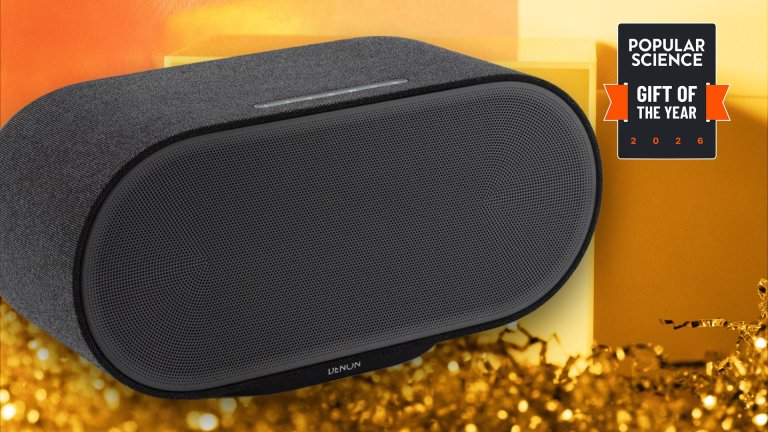
Home entertainment has seen a resurgence in the demand for modular, high-fidelity sound systems. The Denon Home lineup (200/400/600) utilizes the HEOS platform to allow for multi-room synchronization, supporting up to 64 devices. This scalability is a direct response to the complexity of modern home layouts, where users require seamless audio across varying room sizes. The aesthetic focus on stone and charcoal finishes suggests that manufacturers are increasingly treating home audio components as furniture rather than strictly utilitarian electronics.
Bose’s entry, the Lifestyle Ultra ($349), complements this trend by focusing on acoustic calibration and dialogue enhancement. The use of AI to isolate speech in cinematic content addresses a common consumer complaint regarding the balance between background sound effects and vocal clarity, illustrating the practical, non-intrusive application of artificial intelligence in home media.
Sustainability and the Longevity Mandate
Perhaps the most significant development in the 2026 product landscape is the focus on repairability and reduced e-waste. The Sennheiser MOMENTUM 5 Wireless headphones ($399.95) feature a user-replaceable battery—a rare design choice in the current market. This development is supported by environmental watchdogs who have long advocated for modular electronics to mitigate the impact of lithium-ion waste. By extending the lifecycle of premium audio products, manufacturers are aligning themselves with the growing consumer demand for sustainable technology.
Broader Economic and Societal Implications
The selection of these specific products by Popular Science reflects broader societal shifts. The rise of "digital detox" tools like the Brick, the focus on child-friendly, screen-free interfaces like the Skylight Buddy ($139.99), and the emphasis on energy efficiency all point to a generation of consumers seeking to regain agency over their technological environments.
From an economic perspective, the 2026 gift guide emphasizes high-value, long-term investments over impulse purchases. The trend toward hardware that integrates with existing ecosystems—such as the Google Home Speaker or the Shelly Plug—indicates that the "smart" revolution is maturing. Consumers are no longer interested in gadgets that function in isolation; they are looking for systems that enhance efficiency and integrate into the broader fabric of their lives.
Conclusion and Future Outlook
The 2026 Popular Science Gift of the Year awards offer more than just a shopping list; they provide a snapshot of the current state of consumer technology. The emphasis on practical, durable, and highly capable hardware suggests a future where technology is designed to serve the user with greater transparency and longevity. As the industry moves toward 2027, the success of these products will likely serve as a benchmark for developers and manufacturers alike. Whether for the casual user or the power enthusiast, the products highlighted this year demonstrate that the intersection of design, performance, and utility remains the ultimate standard for innovation in the consumer market. For further insights and expert reviews, readers are encouraged to visit the official coverage provided by Popular Science and its network of technology-focused sibling publications.
