
The digital landscape, particularly platforms like TikTok, has become a fertile ground for the emergence and rapid dissemination of new social concepts. Among the latest to capture widespread attention is the term "performative male," a phenomenon sparking considerable debate and often interpreted as a deliberate construction of an image rather than a genuine reflection of an individual’s true personality. This article delves into the nuances of this trend, exploring its origins, manifestations, psychological underpinnings, and broader societal implications in an era where online presence significantly shapes perceptions.
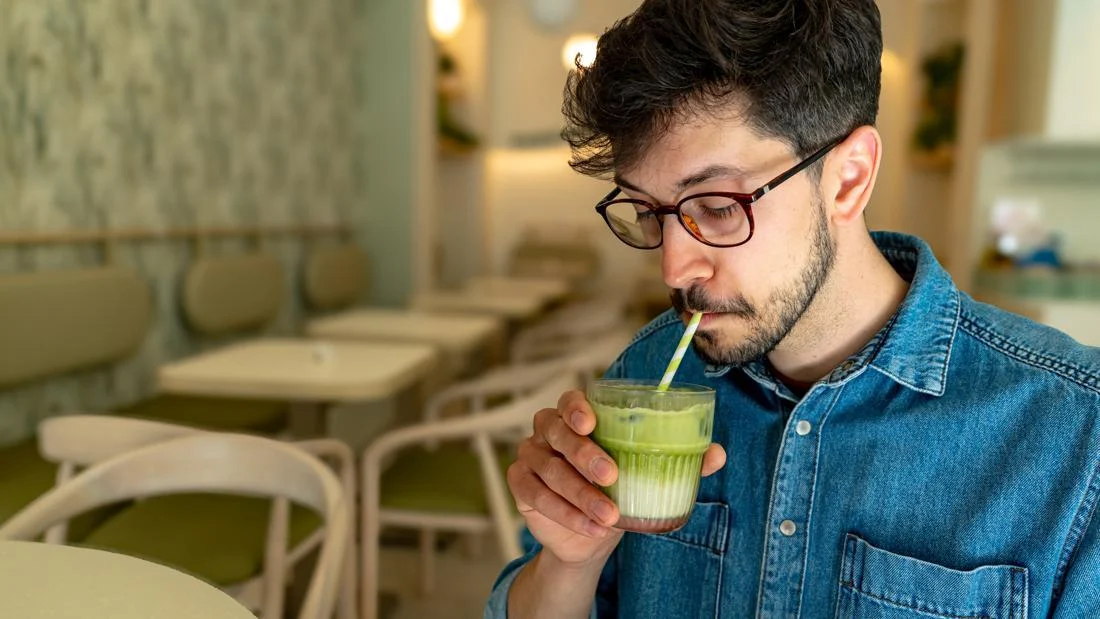
At its core, "performative male" describes men who consciously adopt traits, hobbies, and aesthetic preferences historically or stereotypically associated with femininity or the "soft boy" archetype prevalent in online culture. This deliberate curation of persona is often aimed at projecting an image of sensitivity, emotional depth, and a refined aesthetic. Examples commonly cited include an affinity for beverages like matcha, an appreciation for K-pop music, the use of tote bags as a fashion accessory, or a penchant for literature often marketed towards female audiences. The underlying motivation, as observed in online discourse, is frequently to cultivate an appealing persona, particularly to attract romantic interest from women.
However, it is crucial to distinguish between genuine personal preferences and performative adoption. An individual who authentically enjoys matcha, K-pop, or literature is not categorized as a "performative male." The label is specifically applied to those perceived as fabricating or exaggerating these interests, driven by a desire to fit a particular social mold or gain attention. This distinction is central to understanding the criticism leveled against the trend.
The term "performative male" often circulates within a humorous or satirical context, lampooning men who are seen as drastically altering their outward presentation and personality to appear more attractive to women. It also critiques individuals who are perceived as excessively reliant on social media trends, struggling to forge an independent sense of self amidst the constant flux of online culture. This phenomenon is particularly relevant when considering the generational shift in how authenticity is valued. Research into social media consumption patterns indicates that while millennials were often associated with a carefully curated online persona, frequently enhanced by filters and strategic image management, Generation Z places a higher premium on authenticity and spontaneity. Studies on TikTok culture, for instance, reveal a strong preference for content that is perceived as genuine, emotionally resonant, and unvarnished. In this context, the "performative male" is viewed as trying too hard to appear sincere, with lifestyle choices like drinking matcha or carrying a tote bag seen as superficial markers of identity rather than expressions of deeply held values or character.
The Psychological and Sociological Underpinnings
To understand the "performative male" phenomenon, it is essential to examine the psychological and sociological factors that contribute to its prevalence. Clinical Psychologist Ghina Sakiah Safari clarifies that "performative male" is not classified as a psychological disorder. Instead, she describes it as a social tendency, often employed as a strategy to gain attention or conform within the dynamics of social media and popular culture.
"These actions are indeed aimed at acquiring validation or status through the perceptions of others. This strategy itself is not culturally abnormal," Safari explained in a recent interview. She further elaborated that throughout history, humans have naturally sought to adapt and integrate into social groups to gain acceptance. The pervasive influence of social media has merely amplified and made these mechanisms more visible.
Safari highlights the significant role of social pressure in driving performative behaviors. Furthermore, she draws a parallel to the concepts of "masking" or "social camouflaging," which are relevant in this context. Masking occurs when individuals conceal their authentic selves to meet societal expectations. This can be a conscious or unconscious act, serving as a protective mechanism for one’s social identity and fulfilling a fundamental need for acceptance.
The "performative male" trend can be viewed as a modern manifestation of these age-old social strategies, amplified by the digital age’s emphasis on image and curated self-presentation. The constant visibility afforded by social media platforms creates an environment where individuals may feel compelled to project an idealized version of themselves to navigate social hierarchies and gain approval.
A Timeline of Evolving Digital Personas
While the term "performative male" is a recent coinage, the underlying behaviors it describes have evolved alongside digital media.
-
Early Internet Era (Late 1990s – Early 2000s): The rise of personal websites and early social networking sites (e.g., MySpace) saw individuals begin to curate their online identities. However, the focus was often on showcasing personal interests and social connections rather than adopting specific archetypes.
-
The Blogosphere and Social Media Boom (Mid-2000s – Early 2010s): Platforms like Facebook and Instagram facilitated more visual self-presentation. The concept of "personal branding" began to emerge, encouraging users to craft a consistent online image. This period also saw the rise of lifestyle bloggers and influencers who often presented aspirational versions of their lives.
-
The "Soft Boy" Aesthetic and TikTok’s Ascendancy (Late 2010s – Present): The "soft boy" aesthetic, characterized by emotional openness, artistic sensibilities, and often androgynous fashion, gained significant traction on platforms like Tumblr and later TikTok. This provided a template for a certain type of male persona that became aspirational for some. The "performative male" trend can be seen as a reaction to, or an amplification of, this aesthetic, particularly when its adoption is perceived as inauthentic. TikTok’s algorithm-driven content delivery and short-form video format accelerate the spread of trends and associated behaviors, making phenomena like the "performative male" visible and debatable on a global scale. The rapid dissemination of this term and its associated examples within months highlights the accelerated pace of cultural shifts in the digital age.
Supporting Data and Broader Societal Context
The phenomenon of "performative male" is situated within a broader societal context that increasingly emphasizes appearance and perceived emotional intelligence.
-
The "Authenticity Economy": Research by organizations like McKinsey and the Harvard Business Review has pointed to a growing consumer demand for authenticity from brands and individuals. This paradoxically creates pressure for individuals to appear authentic, even if the underlying motivations are more complex. A 2023 study on Gen Z consumer behavior revealed that over 70% of respondents prioritize brands that demonstrate genuine values and transparency. This societal value of authenticity makes the "performative" aspect of this trend particularly noteworthy, as it can be seen as a deviation from this ideal.
-
Shifting Gender Norms: Contemporary discussions around masculinity are increasingly challenging traditional, stoic archetypes. There is a greater societal acceptance and even encouragement of men expressing vulnerability and emotionality. The "performative male" can be interpreted, in part, as a response to these evolving gender norms, with some individuals attempting to embody these newer, more sensitive masculine ideals. However, the performative aspect suggests a potential disconnect between societal expectations and individual lived experience.
-
Mental Health Discourse and Social Media: The increased visibility of mental health discussions online has also contributed to a greater awareness of emotional expression. While this can be positive, it can also lead to the superficial adoption of behaviors associated with mental well-being or emotional intelligence, without necessarily engaging with the deeper psychological work. This contributes to the perception of "performative male" as a superficial adoption of traits.
Implications and Future Considerations
The "performative male" trend, while not a psychological disorder, carries several implications for individuals and society:
-
Erosion of Trust and Authenticity: When individuals perceive behaviors as performative, it can lead to cynicism and a reduced trust in the sincerity of others’ expressions. This can hinder the formation of genuine connections and relationships, both online and offline. The emphasis on superficial markers can detract from the value placed on genuine character and lived experience.
-
Identity Formation Challenges: For young men navigating their identities, the pressure to conform to trends like the "performative male" can create confusion and anxiety. The constant need to project a certain image may impede the development of a stable and authentic sense of self, especially when heavily influenced by external validation.
-
The Double-Edged Sword of Social Media: Social media platforms provide unprecedented opportunities for self-expression and connection. However, they also create an environment where curated personas can easily overshadow genuine individuality. The "performative male" phenomenon is a stark reminder of this dichotomy, highlighting the challenges of discerning authenticity in a digitally mediated world.
In conclusion, the "performative male" is a complex social phenomenon rooted in the amplified visibility and social pressures of the digital age. While not a pathology, it reflects a strategic navigation of social expectations and a desire for validation, often manifesting as the adoption of stereotypical traits to cultivate a desired image. As society continues to grapple with evolving notions of masculinity and the pervasive influence of social media, understanding the dynamics of performative behavior remains crucial for fostering genuine connection and authentic self-expression. The trend serves as a potent case study in how online culture shapes our perceptions of self and others, urging a continued conversation about the value of sincerity in an increasingly curated world.

