
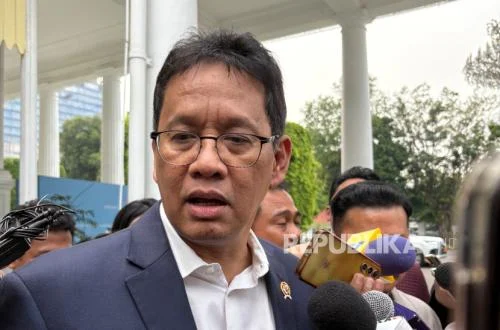
JAKARTA – Indonesia’s Minister of Finance (Menkeu), Purbaya Yudhi Sadewa, has indicated that the government is exploring the option of reducing the budgets allocated to defense and the national police if the nation’s fiscal condition comes under severe strain and deficit targets face pressure. The statement, made on Monday, July 20, 2026, following a Plenary Cabinet Meeting at the State Palace in Jakarta, underscores the government’s commitment to maintaining fiscal prudence in a dynamic economic landscape. While emphasizing that such a measure is currently a contingency and not an immediate plan, Minister Purbaya acknowledged the significant size of these budget posts and their potential as levers for fiscal adjustment.
Minister Purbaya clarified that, as of his statement, there have been no active discussions regarding the reallocation or reduction of defense and police budgets. He reassured the public and stakeholders that the country’s current financial situation remains robust and stable. "Not yet. But here’s the thing, the budget for these posts is substantial. If our deficit is genuinely threatened, then we will consider cuts," Purbaya stated to reporters. He further emphasized, "But I don’t think that’s likely; we are still far from that point. So, we are still quite sufficient." His remarks reflect a proactive stance on fiscal management, ensuring flexibility in addressing unforeseen economic challenges while not signaling an immediate crisis.
The Context of Fiscal Prudence in Indonesia
Indonesia, as Southeast Asia’s largest economy, has consistently aimed for a sound fiscal policy, particularly since the 1997-98 Asian Financial Crisis. The government typically targets a fiscal deficit below 3% of the Gross Domestic Product (GDP), a benchmark considered crucial for macroeconomic stability and investor confidence. The State Budget (APBN) is the primary instrument for public policy implementation, funding everything from infrastructure development and social welfare programs to national security and law enforcement. Balancing these diverse expenditure priorities while ensuring revenue generation aligns with economic growth targets is a perpetual challenge for the Ministry of Finance.
The period leading up to 2026 has been marked by global economic uncertainties, including lingering effects of the post-pandemic recovery, inflationary pressures stemming from geopolitical tensions, supply chain disruptions, and fluctuating commodity prices. While Indonesia has generally demonstrated resilience, benefiting from its robust domestic demand and commodity exports, these external factors necessitate a cautious approach to fiscal planning. The government’s annual budget cycle involves meticulous planning, projections, and adjustments based on anticipated global and domestic economic conditions. The Plenary Cabinet Meeting, where Minister Purbaya made his statement, is a critical forum for high-level discussions on national policy, including fiscal strategy and resource allocation.
Chronology of the Announcement
The sequence of events leading to Minister Purbaya’s statement highlights the routine yet critical nature of government fiscal reviews:
- Monday, July 20, 2026, Morning: President Joko Widodo convenes a Plenary Cabinet Meeting at the State Palace in Jakarta. Such meetings typically involve key ministers discussing various national issues, including economic performance, development programs, and budget allocations for the upcoming fiscal year.
- Monday, July 20, 2026, Post-Meeting: Following the conclusion of the cabinet meeting, Minister of Finance Purbaya Yudhi Sadewa addresses the press. It is during this engagement that he fields questions regarding the government’s fiscal outlook and potential contingency measures.
- Minister Purbaya’s Statement: He communicates the government’s readiness to consider budget cuts for defense and police if fiscal conditions deteriorate, while simultaneously reassuring that such measures are not currently necessary. This nuanced position aims to project both preparedness and stability.
This timeline indicates that the statement was a direct outcome of high-level government discussions on the nation’s economic and fiscal health, emphasizing the strategic thinking behind the government’s approach to budget management.
The Significance of Defense and Police Budgets
The defense and police sectors represent substantial portions of Indonesia’s state expenditure, reflecting their critical roles in national sovereignty, internal security, and maintaining public order. While specific figures for the 2026/2027 fiscal year were not detailed in the Minister’s statement, historically, defense spending in Indonesia typically accounts for approximately 0.7-1.0% of GDP, or around 5-7% of the total state budget. Similarly, the National Police budget, crucial for law enforcement, crime prevention, and community policing, also constitutes a significant allocation, often in the range of 3-4% of the total state budget.
These budgets fund essential activities, including:
- Defense: Modernization of military equipment, procurement of new assets (ships, aircraft, weaponry), personnel salaries and welfare, training exercises, and maintaining readiness to protect Indonesia’s vast maritime territory and land borders.
- Police: Operational costs for law enforcement, combating crime, counter-terrorism efforts, public order maintenance, infrastructure development for police facilities, and personnel development.
Any potential cuts, even if hypothetical, would necessitate careful consideration of their impact on these vital functions. For instance, a reduction in the defense budget could delay crucial modernization programs, potentially affecting Indonesia’s strategic capabilities and regional influence. Similarly, cuts to the police budget might impact crime rates, response times, or the implementation of community safety initiatives.
Potential Triggers for Fiscal Pressure and Budget Adjustments
Minister Purbaya’s hypothetical scenario of budget cuts would likely be triggered by a confluence of adverse economic conditions. These could include:
- Significant Shortfall in State Revenue: If tax collection, non-tax state revenue (PNBP), and customs duties fall substantially below targets due due to an economic slowdown, lower commodity prices, or unforeseen global trade disruptions.
- Unexpected Increase in State Expenditure: Unforeseen events such as natural disasters requiring extensive relief and reconstruction efforts, a sudden surge in public debt servicing costs due to interest rate hikes, or new social safety net programs necessitated by economic hardship.
- Global Economic Downturn: A severe global recession impacting Indonesia’s export markets, foreign direct investment, and overall economic growth, consequently reducing government income.
- Currency Depreciation: A sharp and sustained depreciation of the Indonesian Rupiah against major currencies could significantly increase the cost of imported goods and services, including defense equipment procured from abroad, thereby straining the budget.
- Failure to Meet Fiscal Deficit Targets: If projections indicate that without significant adjustments, the annual fiscal deficit will exceed the prudent 3% of GDP threshold, triggering the need for expenditure rationalization.
In such circumstances, the government would prioritize maintaining fiscal stability, which is foundational for long-term economic growth and investor confidence. Budget adjustments would likely involve re-prioritization of programs, deferment of non-critical projects, and efficiency drives across all ministries and state institutions, with large budget holders like defense and police naturally coming under scrutiny.
Broader Implications and Stakeholder Perspectives
The mere mention of potential budget cuts, even as a contingency, carries broader implications and could elicit various reactions from different stakeholders:
- Ministry of Defense and National Police: While understanding the need for fiscal discipline, these institutions would likely express concerns about the potential impact on their strategic objectives. The Ministry of Defense, for instance, might highlight the ongoing need for military modernization to safeguard national interests and respond to evolving regional security dynamics. The National Police might emphasize the importance of adequate resources for maintaining law and order, combating terrorism, and addressing emerging forms of crime.
- Parliament (DPR): As the body responsible for approving the state budget, the House of Representatives would play a critical oversight role. Commissions related to defense (Komisi I) and finance (Komisi XI) would scrutinize any proposed cuts, balancing the need for fiscal health with national security priorities and public service delivery. Debates would likely focus on the extent of potential cuts, their specific impact, and alternative cost-saving measures.
- Economic Analysts and Rating Agencies: Economists would generally view the Minister’s statement as a positive sign of the government’s commitment to fiscal prudence. It signals that Jakarta is prepared to take difficult decisions to maintain macroeconomic stability, which could reinforce investor confidence and support the country’s credit ratings. However, they would also monitor the specific triggers and the magnitude of any actual cuts, assessing their potential impact on economic growth and development programs.
- Civil Society Organizations: Some civil society groups might welcome a potential re-evaluation of defense and police spending, advocating for greater transparency and accountability in these sectors. Others might argue for prioritizing social welfare, education, or healthcare expenditures over security, especially if fiscal space is limited. Conversely, groups focused on national security might express apprehension regarding the potential weakening of state capacity.
- International Partners: Indonesia’s commitment to fiscal stability is generally viewed favorably by international financial institutions and partner countries. Any budget adjustments would be watched to understand their implications for Indonesia’s regional role and its capacity to contribute to international peace and security efforts.
Maintaining Fiscal Resilience and Future Outlook
Minister Purbaya’s remarks underscore the Indonesian government’s proactive and pragmatic approach to fiscal management. By openly discussing potential contingencies, the Ministry of Finance aims to prepare for various economic scenarios while avoiding unnecessary alarm. The emphasis that such cuts are "far from happening" highlights the current strength of the state finances, a testament to prudent economic policies and resilient growth.
In the coming months and years, the government will continue to closely monitor global economic trends, domestic revenue performance, and expenditure needs. The annual budget planning process for the subsequent fiscal years will be critical in translating these strategic considerations into actionable policies. This process involves intricate consultations between various ministries, expert inputs, and parliamentary deliberations to ensure that the State Budget remains a robust tool for achieving Indonesia’s development goals while safeguarding fiscal health. The ability to consider difficult options, even if not immediately implemented, is a hallmark of responsible governance aimed at ensuring long-term stability and prosperity for the nation.

