
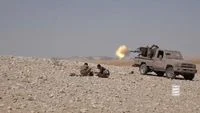
The fragile peace that has largely defined the security landscape of Yemen over recent years is showing severe signs of fracturing. Recent military escalations in the eastern province of Jawf have thrust the region back into the international spotlight, showcasing intense confrontations between Houthi fighters and military units backed by the Kingdom of Saudi Arabia. Released visual documentation from the Ansar Allah Media Center—the primary propaganda and public relations wing of the Houthi movement—has brought to light the grinding realities of localized skirmishes along contested frontlines. These developments mark a profound regression from the relative tranquility established by the landmark 2022 truce, raising serious concerns regarding regional stability, international trade security in the Red Sea, and the long-term prospects for a durable political settlement in war-torn Yemen.
Background and Context of the Yemeni Conflict
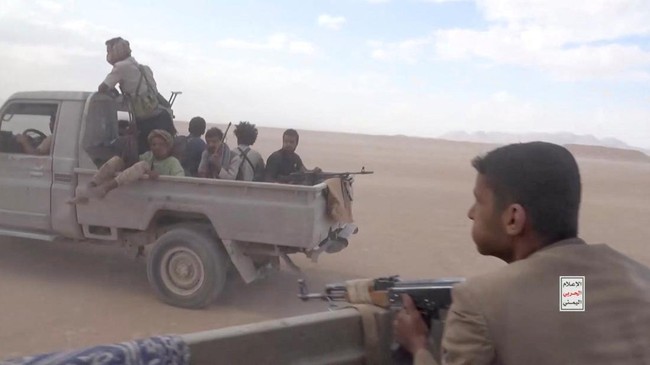
To fully comprehend the gravity of the ongoing hostilities in Jawf, it is essential to examine the historical trajectory of the conflict that began in earnest in 2014. The Houthi movement, officially known as Ansar Allah, launched a sweeping insurgency that ultimately resulted in the overthrow of the internationally recognized Yemeni government led by President Abdrabbuh Mansur Hadi, capturing the capital city of Sanaa. Alarmingly unchecked by domestic security apparatuses, the rapid territorial gains of the Houthi movement prompted a direct military intervention in March 2015. Spearheaded by Saudi Arabia and supported by a coalition of regional allies, Operation Decisive Storm was initiated with the explicit objective of rolling back Houthi territorial control, restoring the legitimate government, and curtailing perceived Iranian influence along the southern border of the Kingdom.
For years, the conflict devolved into a protracted war of attrition characterized by devastating airstrikes, localized ground offensives, severe economic blockades, and a catastrophic humanitarian crisis widely designated by the United Nations as one of the worst in modern history. Millions of Yemenis were displaced, critical infrastructure was systematically decimated, and populations faced acute food insecurity. However, the diplomatic landscape shifted fundamentally in April 2022 when the United Nations brokered a nationwide truce. This agreement successfully curbed cross-border drone and missile attacks, suspended major offensive airstrikes, and facilitated limited commercial operations, offering civilians a much-needed respite from continuous bombardment. Despite the expiration of the formal UN-sponsored truce in late 2022, a state of "no war, no peace" persisted, punctuated by sporadic localized clashes rather than full-scale conventional warfare.
The Recent Escalation in Eastern Jawf and Saada
The current cycle of violence shatters the protracted stalemate that characterized the Yemeni theater. According to reports published by Almasirah television, the primary broadcast network managed by the Houthi movement, Saudi-led coalition forces have intensified their military posture significantly over the past several weeks. Houthi military spokespersons have claimed that more than 100 separate airstrikes and artillery bombardments have targeted their defensive positions since mid-September.
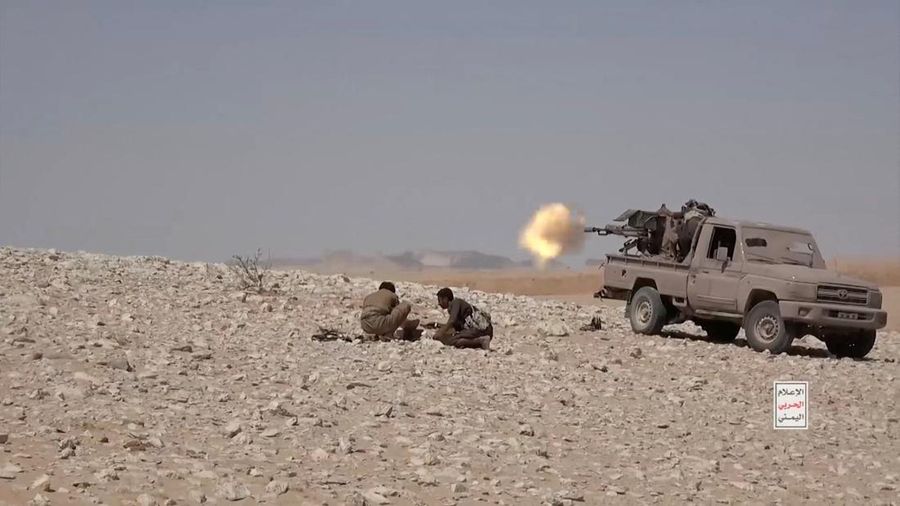
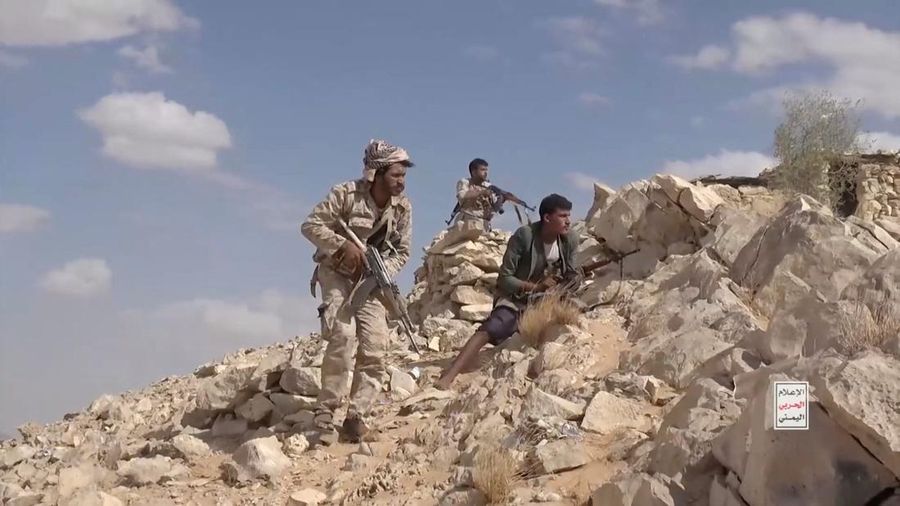
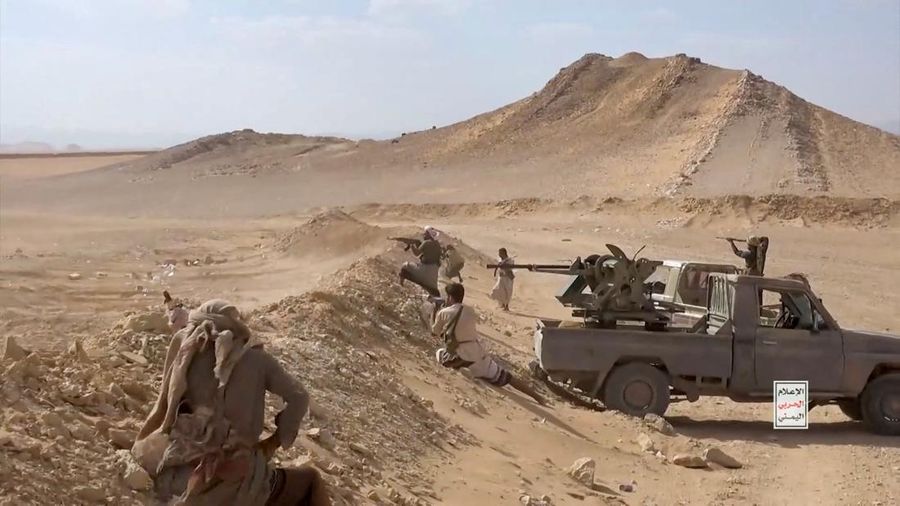
The epicenter of these recent ground maneuvers is located in the eastern province of Jawf, a strategically vital region bordering Saudi Arabia that serves as a critical gateway for supply lines and territorial control. Visual evidence distributed by Houthi military media depicts intense infantry engagements, heavy machine-gun fire, and mortar exchanges across rugged desert terrain. Additionally, Almasirah reported multiple airstrikes hitting the northern governorate of Saada, which has historically functioned as the ideological birthplace and primary stronghold of the Houthi movement.
Despite the intensity of the reported aerial campaigns, military analysts note a distinct pattern in the coalition’s current strategy. The recent wave of airstrikes appears concentrated primarily on contesting active frontlines to support ground troops loyal to the internationally recognized Presidential Leadership Council (PLC) rather than executing deep strategic strikes against major urban centers such as Sanaa. This measured approach suggests that while regional actors are prepared to defend contested demarcation lines, a full resumption of a broad-scale bombing campaign on population centers remains carefully managed to avoid completely collapsing ongoing, albeit fragile, behind-the-scenes diplomatic channels.
Maritime Implications and the Red Sea Threat Matrix
Beyond the immediate land-based confrontations in Jawf and Saada, the theater of conflict has expanded to encompass critical maritime corridors, compounding global economic anxieties. In conjunction with their land operations, Houthi leadership has formally announced the enforcement of a unilateral naval blockade directed against Saudi-affiliated maritime assets operating within the southern waters of the Red Sea.
This naval posture builds upon a sustained campaign of maritime harassment that the Houthi movement has leveraged over the past year in response to broader geopolitical developments in the Middle East. By targeting commercial shipping lanes, petroleum tankers, and naval escorts in the Bab el-Mandeb Strait and the Red Sea, the group has demonstrated a sophisticated capability to disrupt international supply chains. The introduction of anti-ship ballistic missiles, explosive-laden uncrewed surface vessels (USVs), and loitering munitions has transformed the Red Sea into one of the most perilous maritime chokepoints in the world.
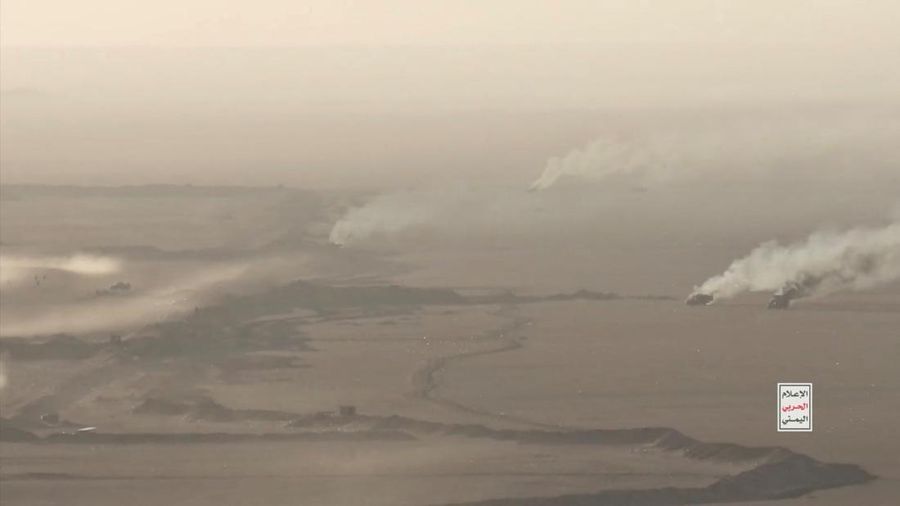
The explicit targeting of Saudi interests at sea introduces a dangerous new variable into the bilateral dynamic between Riyadh and Sanaa. While direct military engagement between Saudi forces and Houthi combatants had significantly subsided during the diplomatic rapprochement talks mediated by Oman, the formal declaration of a maritime blockade threatens to drag the Kingdom back into a direct defensive posture. Such a scenario could undermine ongoing bilateral peace initiatives aimed at establishing a permanent cease-fire and transitioning Yemen toward a Saudi-Houthi political framework.
Official Responses and Diplomatic Silence
As reports of escalating artillery exchanges, airstrikes, and ground battles mount, official channels in Riyadh have maintained a notable silence. As of this writing, neither the Saudi Ministry of Defense nor the official Saudi Press Agency has issued formal confirmations or denials regarding the reported air campaigns in Saada or the ground support operations in Jawf.
This diplomatic reticence is indicative of the delicate balancing act currently undertaken by Saudi policymakers. Riyadh has invested considerable diplomatic capital in securing a sustainable exit strategy from the protracted Yemeni quagmire, prioritizing domestic economic transformation initiatives such as Vision 2030 over military entanglements abroad. Acknowledging active military engagement could complicate normalization efforts, invite renewed retaliatory drone or missile attacks on Saudi critical infrastructure, and draw sharp international scrutiny.
Conversely, the Yemeni government and its allied local militias view the recent developments through a lens of existential necessity. Forces aligned with the internationally recognized government argue that maintaining military pressure on Houthi frontlines is vital to prevent further territorial expansion and to strengthen their bargaining position in any future comprehensive political negotiations. International bodies, including the United Nations and various Western diplomatic missions, have expressed deep concern over the sudden spike in hostilities, repeatedly urging all belligerent parties to exercise maximum restraint, honor the spirit of the expired truce, and return immediately to the negotiating table.
Implications and Future Outlook
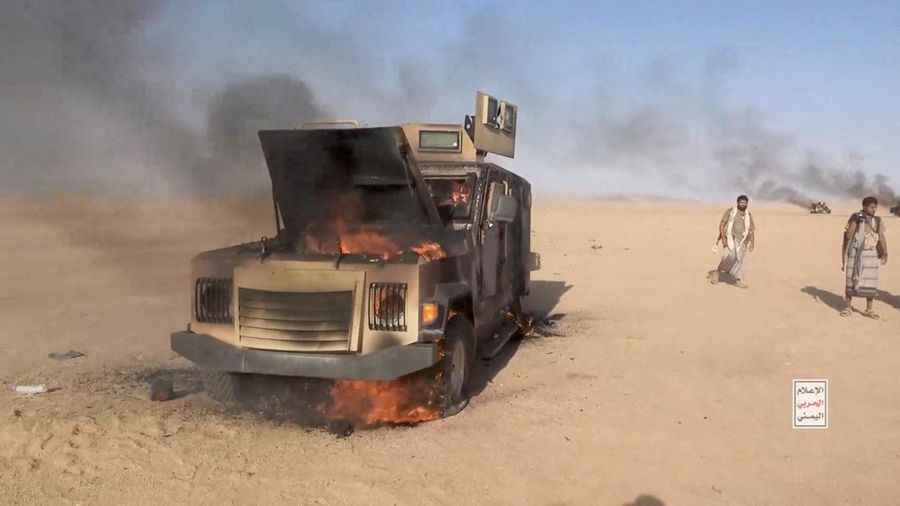
The resurgence of heavy fighting in eastern Yemen carries profound implications for both regional stability and humanitarian conditions on the ground. Economically, the reinvigoration of active frontlines threatens to reverse the modest economic stabilization measures achieved over the past two years. Critical trade routes remain vulnerable to disruption, and the re-emergence of naval blockades in the Red Sea poses a direct threat to global energy security and maritime commerce.
Humanitarian agencies have voiced immediate apprehension regarding the safety of civilians residing near active combat zones in Jawf and Saada. Years of continuous conflict have severely degraded local healthcare infrastructure, water sanitation systems, and food distribution networks, leaving vulnerable populations exceptionally poorly equipped to withstand a new wave of displacement and violence.
Ultimately, the events in Jawf underscore the inherent instability of un-anchored cease-fires in deeply fragmented civil conflicts. Without a comprehensive, inclusive political settlement that addresses the root grievances of all Yemeni factions—including governance structures, resource distribution, and security integration—the country remains perilously perched between fragile diplomatic engagement and recurrent military catastrophe. As regional powers weigh their next strategic moves, the international community faces an urgent imperative to revitalize diplomatic efforts before localized skirmishes spiral once more into an uncontrollable regional conflagration.

