
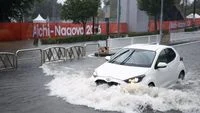
The Japanese archipelago is currently grappling with the devastating aftermath of extreme weather conditions, as torrential rainfall triggered widespread flooding, landslides, and significant disruptions to the nation’s intricate transportation infrastructure. The severe meteorological event, which intensified between September 7 and September 9, 2026, has left at least one person dead and forced thousands to navigate emergency evacuation protocols as authorities scramble to mitigate further casualties.
The situation reached a critical point in Iwaki City, located within the Fukushima Prefecture, where surging floodwaters trapped multiple vehicles. Emergency responders were deployed in a high-stakes rescue operation to extract individuals from their submerged cars. Despite the rapid response, a woman in her 60s who was pulled from one of the vehicles succumbed to her injuries after being transported to a local hospital. Another individual involved in a separate incident in the same area managed to escape unscathed, highlighting the unpredictable and lethal nature of the flash floods that have characterized this weather front.
A Chronology of the Crisis
The onset of the extreme weather began on Monday, September 7, 2026, as a stagnant weather front dumped record-breaking precipitation across Japan’s central and northeastern regions. Meteorological experts observed that the atmospheric conditions were primed for sustained rainfall, creating a "train effect" where clouds continuously formed over the same geographic areas.
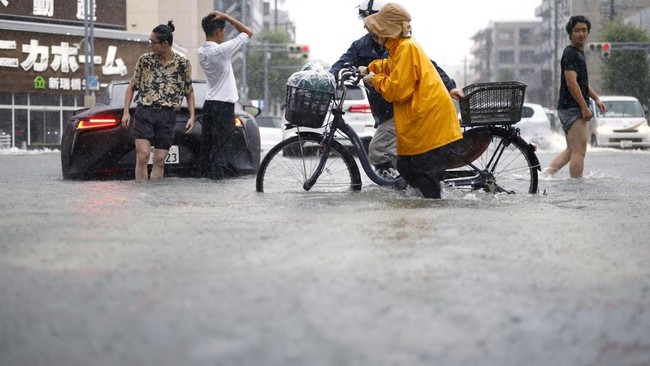
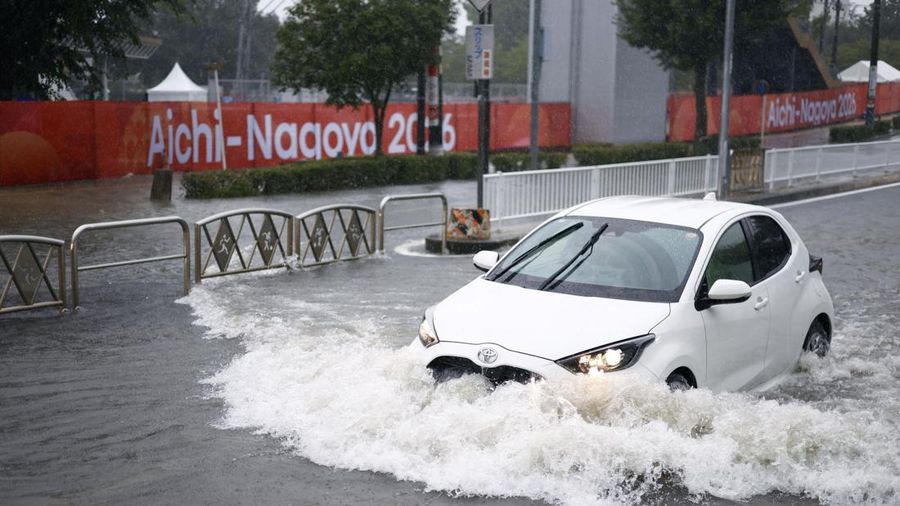
By the morning of September 8, the situation in Nagoya and surrounding prefectures had deteriorated significantly. Streets were transformed into waterways, with viral images surfacing of luxury vehicles partially submerged in murky floodwaters, their chassis barely visible above the rising tide. The juxtaposition of modern urban infrastructure and the raw power of nature became a defining image of the event, particularly as posters and signage for the upcoming Aichi-Nagoya Asian Games remained visible in the background, serving as a stark reminder of the region’s vulnerability despite its advanced planning.
As the day progressed, local governments across the affected prefectures, including Fukushima and Aichi, issued urgent evacuation orders. In Iwaki, officials initiated a Level 4 evacuation alert—the second-highest on the Japanese emergency scale—advising all residents in low-lying or landslide-prone areas to vacate their homes immediately. This order remained in effect until late Monday morning, when the intensity of the rain began to subside, allowing the alert to be lifted at 11:44 AM local time as hydrological data indicated a decline in immediate risk.
Disruptions to Critical Infrastructure
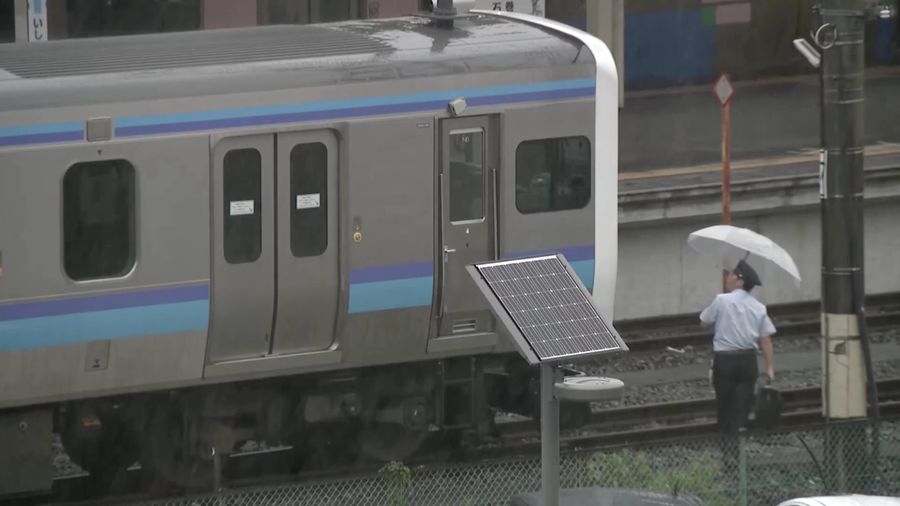
The impact of the weather front was not limited to residential flooding. Japan’s world-renowned transportation network, which relies heavily on precision and punctuality, faced massive delays and service suspensions. In the northeastern region, major rail arteries were forced to cease operations.
The Tohoku Shinkansen, a critical high-speed line connecting Tokyo with the north, experienced significant interruptions. Similarly, the Tohoku Line and the Joban Line were subjected to emergency service suspensions as track conditions were deemed unsafe due to debris, potential embankment instability, and flooding. For many commuters, this resulted in hours of stranding, prompting railway operators to issue rolling updates and apologies as they worked to clear tracks and inspect bridges for structural integrity.
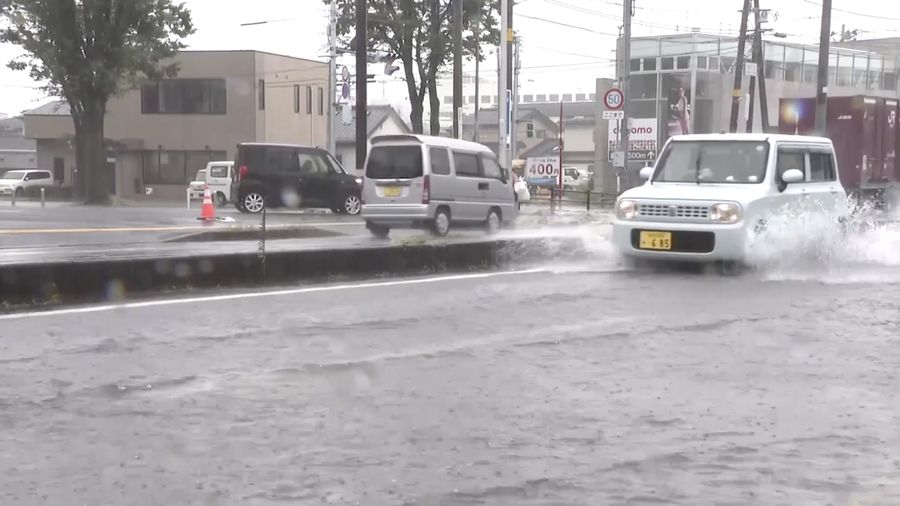
The logistical strain extended to the road networks as well. Highways were closed in several sections, and authorities advised against all non-essential travel in affected districts. The combination of reduced visibility, standing water, and the high probability of landslides made even primary roads hazardous for both public and private transit.
Meteorological Context and Climate Trends
This event is part of a growing trend of "guerilla rainstorms"—localized, sudden, and extremely intense bursts of precipitation—that have become increasingly common across Japan over the last decade. Meteorological analysts suggest that rising ocean temperatures in the Pacific surrounding the archipelago are contributing to higher atmospheric moisture content. When these warm, humid air masses meet cold fronts from the north, they result in the high-volume rainfall seen in this recent event.
Climate scientists at the Japan Meteorological Agency (JMA) have frequently warned that the frequency of these extreme events is tied to global climate change. The intensity of this specific weather system, which lasted for nearly 48 hours, placed an enormous burden on drainage systems that were designed for lower annual precipitation averages. Urban centers like Nagoya, while equipped with sophisticated subterranean flood diversion channels, were pushed to their limits as the volume of water exceeded the capacity of traditional storm drains.
Official Responses and Public Safety Measures
In the wake of the tragedy in Fukushima, municipal authorities and disaster management agencies have been under pressure to justify the timeline of their warnings. The prompt issuance of Level 4 evacuation orders in Iwaki was praised by some as a necessary precaution that likely saved dozens of lives, even if it did not prevent the tragic death of the woman in her 60s.
Government spokespersons have emphasized the importance of public vigilance, urging citizens to monitor JMA alerts via smartphone apps and social media channels. The Ministry of Land, Infrastructure, Transport and Tourism (MLIT) has deployed survey teams to assess the structural damage caused by the floods, particularly focusing on hillside residential zones where the risk of slope failure remains high even after the rain has stopped.
Furthermore, local community leaders have been tasked with assisting the elderly and those with limited mobility, who are often the most vulnerable during mandatory evacuation orders. Shelters have been established in schools and public gymnasiums, equipped with emergency rations and medical supplies, though authorities have noted that the challenge of maintaining social distancing and health protocols in these shelters remains a secondary concern during such disasters.
Broader Implications and Future Preparedness
The damage to property, including the destruction of vehicles and the inundation of ground-floor commercial spaces, will have a measurable economic impact on the affected prefectures. Insurance claims are expected to surge in the coming weeks, and local businesses, already struggling with the broader economic climate, will face additional costs associated with flood mitigation and repairs.
Looking forward, this event serves as a catalyst for renewed discussions regarding urban planning in Japan. There is an emerging consensus among civil engineers that "hard" infrastructure, such as concrete walls and dams, may no longer be sufficient. Instead, a shift toward "resilient city" concepts—which include the creation of natural wetlands, increased green spaces to absorb rainwater, and the elevation of critical electrical equipment—is becoming a top priority for local governments.
The tragedy in Fukushima also highlights the limitations of individual preparedness. While many residents are well-versed in earthquake safety, the specific dangers posed by flash flooding and landslides require a different set of responses. Public awareness campaigns are likely to be intensified, with a focus on educating citizens about the specific triggers for evacuation and the importance of leaving areas of risk long before conditions become life-threatening.
As Japan continues to deal with the immediate aftermath of this disaster, the resilience of its people and the efficiency of its disaster management systems will be tested once more. The government is expected to conduct a full review of the response, focusing on whether better real-time data could have prevented the incident in Iwaki. Until then, the nation remains on high alert, cognizant of the fact that in an era of climatic instability, the next major storm could arrive at any moment. The memory of this event will undoubtedly shape the policies and safety protocols that will govern how Japan prepares for the increasingly unpredictable and powerful forces of nature in the years to come.

