
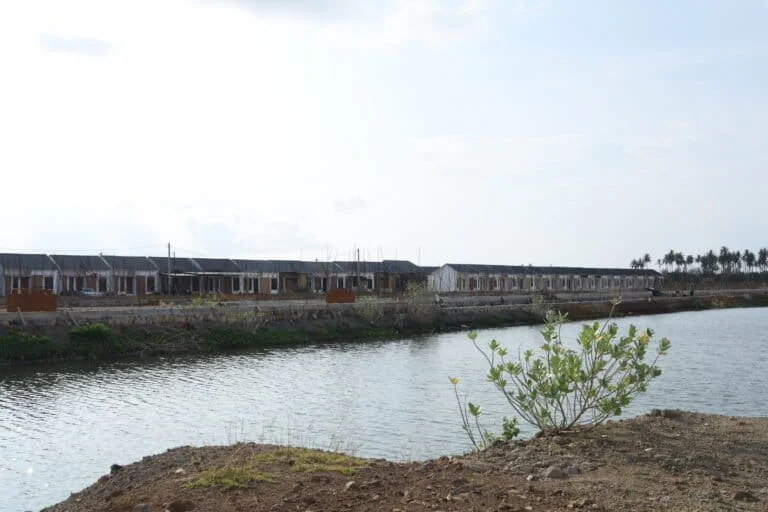
The coastal landscape of Banda Aceh, once a thriving hub for global avian travelers, is facing a silent but catastrophic ecological decline as the systematic destruction of mangrove forests threatens the integrity of the East Asia-Australasian Flyway (EAAF). Serving as a critical stopover and terminal destination for thousands of migratory birds, the shorelines of Lampulo and surrounding districts are witnessing a dramatic reduction in biodiversity. Scientific data and environmental assessments indicate that the loss of habitat, primarily driven by urban expansion and infrastructure development, has created a ripple effect that disrupts not only the avian population but the very health of the coastal ecosystem.
The East Asia-Australasian Flyway and the Aceh Corridor
The East Asia-Australasian Flyway is one of the world’s most vital migratory paths, stretching from the Arctic tundra of Alaska and Russia down to the temperate and tropical zones of Southeast Asia and Australia. For species such as the Bar-tailed Godwit (Limosa lapponica)—a bird renowned for its extraordinary non-stop flight capabilities covering distances up to 13,560 kilometers—the mangroves of Banda Aceh serve as a crucial "refueling station."
These birds rely on the intertidal mudflats and the dense root systems of mangrove forests to forage for invertebrates, crabs, and worms. The ecosystem provides the high-protein diet necessary for these birds to regain energy before continuing their perilous journey. However, recent field observations reveal a stark departure from historical trends. Where thousands of birds once gathered, current records suggest a population collapse, with numbers plummeting from over 2,000 individuals in peak seasons to fewer than 100 as of February 2025.
Chronology of Habitat Loss: From 2004 to 2025
The degradation of the Banda Aceh coastline is not a recent phenomenon but the result of two decades of unchecked land-use changes. The timeline of this decline is intrinsically linked to post-tsunami reconstruction and subsequent urban development:
- 2004–2009: A critical period of land-use shift where the region lost over 52% of its mangrove cover. According to research conducted by Mira et al. (2020), the mangrove area shrank from 600 hectares to approximately 287 hectares. This period marked the beginning of aggressive conversion of coastal wetlands into residential zones and commercial land.
- 2012: The construction of the Lampulo Fish Landing Port (TPI) served as a definitive turning point for local biodiversity. The reclamation and filling of mangrove areas in Kuta Alam led to the permanent disappearance of at least five migratory bird species from that specific site.
- 2020–2024: The cumulative impact of industrial encroachment and private land ownership—estimated by the Department of Environment, Forestry, and Agriculture (DLHK3) to cover roughly 10% of remaining mangrove territory—further fragmented the habitat.
- 2025: Current monitoring reveals a skeletal presence of migratory species. Only four resilient species—the Common Redshank (Tringa totanus), the Common Ringed Plover, the Tibetan Sand Plover, and the Ruddy Turnstone (Arenaria interpres)—remain, and their numbers are statistically insignificant compared to historical data.
The Symbiotic Collapse
The relationship between mangroves and migratory birds is defined by a sophisticated symbiosis that provides essential ecosystem services to the Banda Aceh coastline. Mangrove trees, specifically the Black Mangrove (Avicennia germinans) and the White Api-api, create a nutrient-rich environment for crustacean and mollusk populations, which in turn sustain the birds.
Conversely, the birds act as natural pest controllers. Scientific studies suggest that during peak migration, plovers and sandpipers can reduce populations of root-boring invertebrates and gastropods by 30% to 50%. This biological regulation prevents the over-consumption of mangrove roots, which would otherwise lead to tree mortality and coastal erosion. Furthermore, species such as the Whiskered Tern (Chlidonias spp.) act as "forest farmers." Through their movement and feeding habits, these birds facilitate the dispersal of mangrove propagules (seeds) across the coastline, ensuring the natural regeneration of the forest.
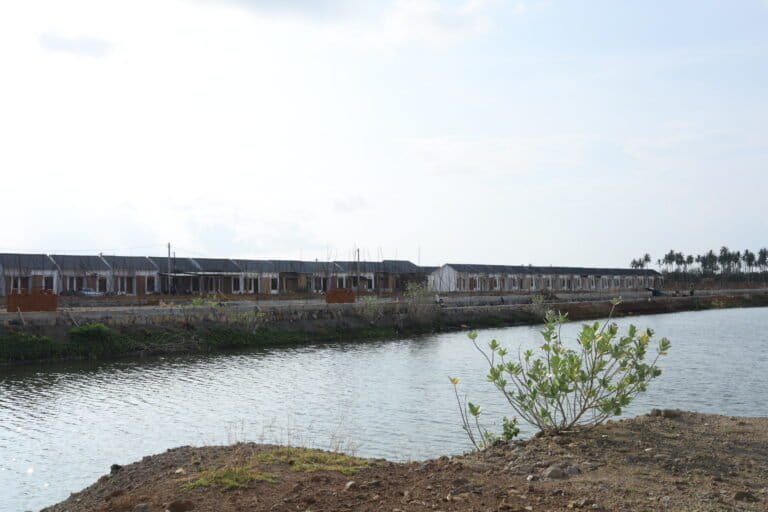
The removal of these birds is not merely a loss of wildlife; it is the removal of the forest’s primary maintenance crew. Without these natural agents, the recovery of degraded mangrove areas becomes significantly slower and more costly, creating a feedback loop of ecological degradation.
Official Responses and Institutional Perspectives
Local authorities and researchers have acknowledged the severity of the situation, though the response remains challenged by competing interests in land development. Eddy Safari, Head of the Environmental Control and Management Division (BP2L) at DLHK3, has highlighted the difficulties in preserving these zones when private ownership interests clash with environmental mandates. The conversion of public coastal land into private property has hindered the implementation of protected zones.
Rita Andini, a researcher specializing in biodiversity, conservation, and plant genetic engineering at the National Research and Innovation Agency (BRIN), emphasizes that the impact of this loss is often underestimated because it is not immediately visible to the public. "Some birds are essential for the dispersal of propagules. Their absence leads to a reduction in natural regeneration, which ultimately hinders the recovery of the entire coastal vegetation structure," Andini stated. She notes that the loss of these birds compromises the long-term resilience of the coastline against climate change-induced sea-level rise and storm surges.
Socio-Economic and Ecological Implications
The disappearance of these species carries significant implications for the sustainability of Banda Aceh’s coastal economy. Mangroves serve as natural buffers against tsunamis and coastal erosion. By allowing the ecosystem to collapse through the loss of symbiotic species, the city is effectively dismantling its own natural defense infrastructure.
Moreover, the loss of migratory bird species is a sentinel event. Like the proverbial "canary in the coal mine," the decline in bird populations signals that the quality of the water, the abundance of local fish and crustacean stocks, and the overall stability of the sediment are failing. The economic reliance of the local fishing industry on healthy coastal nursery grounds for fish and shrimp makes the preservation of these mangroves a matter of food security, not just environmental conservation.
A Call for Integrated Coastal Management
Addressing the crisis in Banda Aceh requires a departure from traditional "siloed" development planning. Experts argue that an integrated approach is necessary, involving:
- Strict Zoning Enforcement: Protecting the remaining 287 hectares of mangrove from further encroachment is paramount. This includes auditing private land claims that overlap with essential ecological buffers.
- Restoration Projects: Implementing "assisted natural regeneration" by reintroducing the ecological conditions that attract migratory birds, such as restoring the hydrology of reclaimed areas.
- Community-Based Conservation: Engaging local fishermen and residents in the protection of mangroves, highlighting the direct link between healthy ecosystems and their own economic prosperity.
- Scientific Monitoring: Establishing a continuous, year-round monitoring program that goes beyond seasonal surveys to track the impact of habitat fragmentation on specific species.
The current trajectory of Banda Aceh’s coastal development poses a clear risk to regional biodiversity. Unless urgent steps are taken to halt the conversion of mangroves and restore the connectivity of the EAAF corridor, the city risks losing its status as a vital stopover for migratory birds forever. The silent departure of these species is a warning that the ecosystem is nearing a tipping point. The challenge for policymakers is to reconcile the urgent need for urban development with the fundamental requirements of the environment that supports life in the region. As the mangroves shrink, so too does the resilience of the coastline, creating a future where both the wildlife and the human population may find themselves increasingly vulnerable to the shifting tides.

