
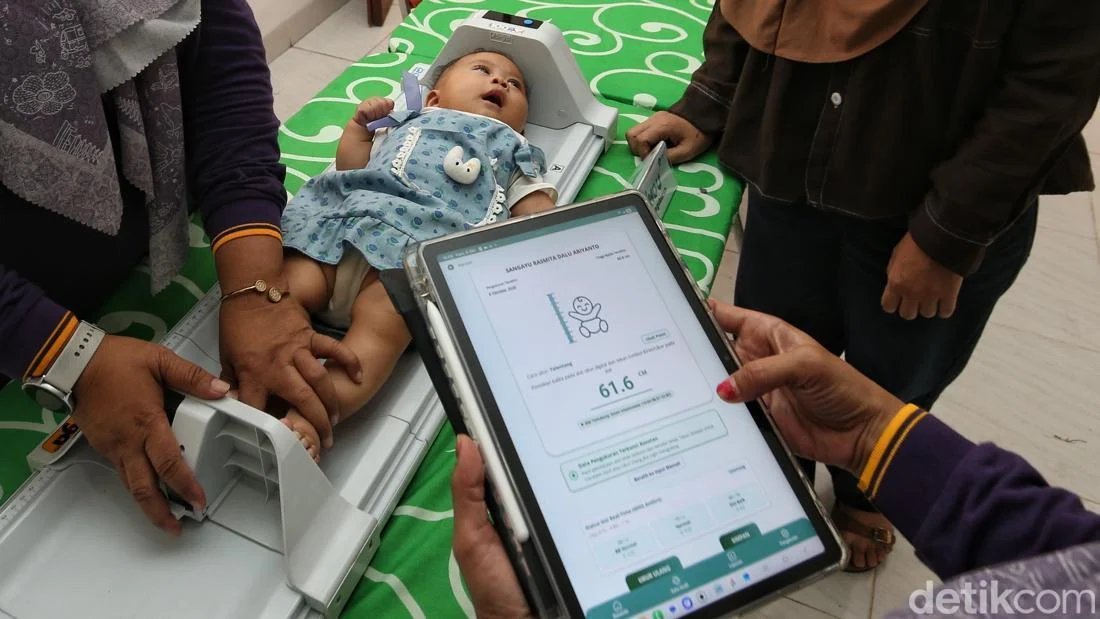
The Provincial Government of Jakarta (Pemprov DKI Jakarta) has officially initiated the phased implementation of the Smart Posyandu program, a strategic digital transformation initiative designed to modernize the monitoring of child growth and development across the capital. This transition from traditional, paper-based reporting to an integrated digital ecosystem represents a significant shift in how the local government manages public health, particularly in the critical battle against stunting and malnutrition among infants and toddlers. By leveraging mobile technology and centralized databases, the program aims to provide real-time data accuracy, ensuring that health interventions are both timely and evidence-based.
The Evolution of Posyandu in the Digital Era
The Integrated Healthcare Center (Pos Pelayanan Terpadu or Posyandu) has long served as the frontline of community health in Indonesia. Traditionally, these centers relied on manual logbooks (known as KIA books) to record weight, height, and immunization history. However, this legacy system often faced challenges, including data fragmentation, delayed reporting, and the difficulty of aggregating city-wide health metrics.
The introduction of Smart Posyandu is a response to these systemic limitations. Under the new framework, health cadres are equipped with digital tools that allow them to input patient data directly into a centralized cloud-based system. This transition aligns with the broader national digital transformation agenda, which seeks to integrate health services under the "SatuSehat" platform, ensuring that a child’s health profile is accessible to health professionals across different regions and facilities.
Implementation Timeline and Phased Deployment
The rollout of Smart Posyandu follows a carefully structured roadmap. The initiative began with pilot projects in selected districts characterized by high rates of child development concerns. The initial phase focused on training cadres—the community volunteers who are the backbone of Posyandu services—on the usage of digital tablets and specialized software applications.
Following the successful pilot phase, the provincial administration began a city-wide scale-up. The phased approach is designed to address infrastructure gaps, such as limited internet connectivity in certain sub-districts and the varying levels of digital literacy among older, long-serving cadres. By staggering the deployment, the administration allows for iterative improvements, ensuring that technical glitches are identified and resolved before full-scale integration is achieved across all five administrative cities of Jakarta.
Data-Driven Public Health Strategy
The core advantage of the Smart Posyandu program lies in its data-driven approach. By moving away from manual records, the government can now generate heat maps of child health trends in real-time. For instance, if a specific neighborhood exhibits a sudden downward trend in growth metrics, the system flags this immediately, allowing the local health office (Dinas Kesehatan) to deploy intervention teams—such as supplemental feeding programs or medical screenings—without waiting for end-of-month manual report compilation.
According to preliminary internal data from the Jakarta Health Office, the digital transition has already reduced data entry errors by approximately 40 percent. Furthermore, the accessibility of historical data allows pediatricians and nutritionists to perform longitudinal studies on children under their care, identifying developmental delays far earlier than was possible with paper-based systems.
Addressing the Stunting Crisis
A primary driver behind the implementation of Smart Posyandu is the urgent need to combat stunting. Stunting remains a significant public health challenge in Indonesia, with the national target set to reduce the prevalence rate to 14 percent by 2024. In Jakarta, while the overall rate is lower than the national average, pockets of high prevalence persist in densely populated urban areas.
Smart Posyandu provides the granular data necessary to implement "precision nutrition" interventions. By identifying individual children who are failing to meet growth milestones, the government can provide targeted support rather than relying on blanket social assistance policies. This efficiency is critical for optimizing the provincial budget and ensuring that resources reach the most vulnerable families directly.
Official Responses and Stakeholder Perspectives
Representatives from the Jakarta Provincial Government have emphasized that Smart Posyandu is not merely about replacing paper; it is about enhancing the quality of care. Officials noted that the digital platform enables parents to track their children’s progress via a mobile app, fostering greater parental engagement in the health monitoring process. When parents have direct access to growth charts and nutritional recommendations on their smartphones, they become active partners in their child’s health journey.
Health experts and NGOs operating in the field have largely welcomed the initiative. Independent pediatric observers suggest that while the technology is a necessary upgrade, its success depends heavily on the consistency of the data input and the ongoing support provided to community cadres. They emphasize that technology is an enabler, not a replacement for the vital human connection provided by Posyandu volunteers, who often act as the first point of contact for families in need of counseling.
Technological Challenges and Future Integration
Despite the benefits, the implementation of Smart Posyandu is not without challenges. Integrating the platform with existing city-wide data systems, such as the Jakarta Smart City portal, requires robust cybersecurity measures to protect the sensitive health data of millions of children. Ensuring data privacy while maintaining interoperability is a significant task for the IT departments overseeing the transition.
Furthermore, the provincial government must ensure that the "digital divide" does not marginalize lower-income families who may lack reliable internet access or high-end smartphones. To mitigate this, the administration has committed to maintaining in-person support at Posyandu centers, where cadres assist those who cannot navigate the digital interface independently.
Broader Implications for Urban Health Governance
The deployment of Smart Posyandu serves as a model for other urban centers in Indonesia. If successful, it could provide a blueprint for how metropolitan areas can use digital tools to manage public health crises in real-time. The implications for the future of urban health governance are profound:
- Efficiency Gains: The reduction in administrative labor allows health workers to spend more time on direct patient care and community outreach.
- Predictive Capability: With a large enough dataset, the city can eventually utilize machine learning to predict which neighborhoods are at risk of health crises, enabling proactive, rather than reactive, policy-making.
- Public Accountability: Digital reporting creates an audit trail that ensures health resources are being allocated and utilized as intended, reducing the risk of leakages in public health funds.
Conclusion: A Step Toward a Smarter Jakarta
The phased implementation of Smart Posyandu marks a decisive step toward the government’s goal of creating a "Smart City" that prioritizes the welfare of its youngest citizens. By integrating technology into the very foundation of community health, Jakarta is setting a precedent for how essential public services can be improved through digital innovation.
As the program continues to roll out, the focus will likely shift from the logistics of implementation to the analysis of outcomes. The true measure of success for Smart Posyandu will be the measurable improvement in child health indicators, the narrowing of the gap between the health outcomes of various socio-economic demographics, and the sustained engagement of the community in the digital health ecosystem.
As the provincial government continues to refine the user interface and expand the functionality of the platform, the residents of Jakarta can expect a more responsive and proactive health system. While the digital transformation of such a complex, large-scale service is a long-term undertaking, the foundation laid by the Smart Posyandu initiative provides a promising trajectory for the future of child healthcare in Indonesia’s capital. The commitment shown by the provincial government to this project underscores a broader recognition that the health of the next generation is the most critical investment for the future of the city.

