
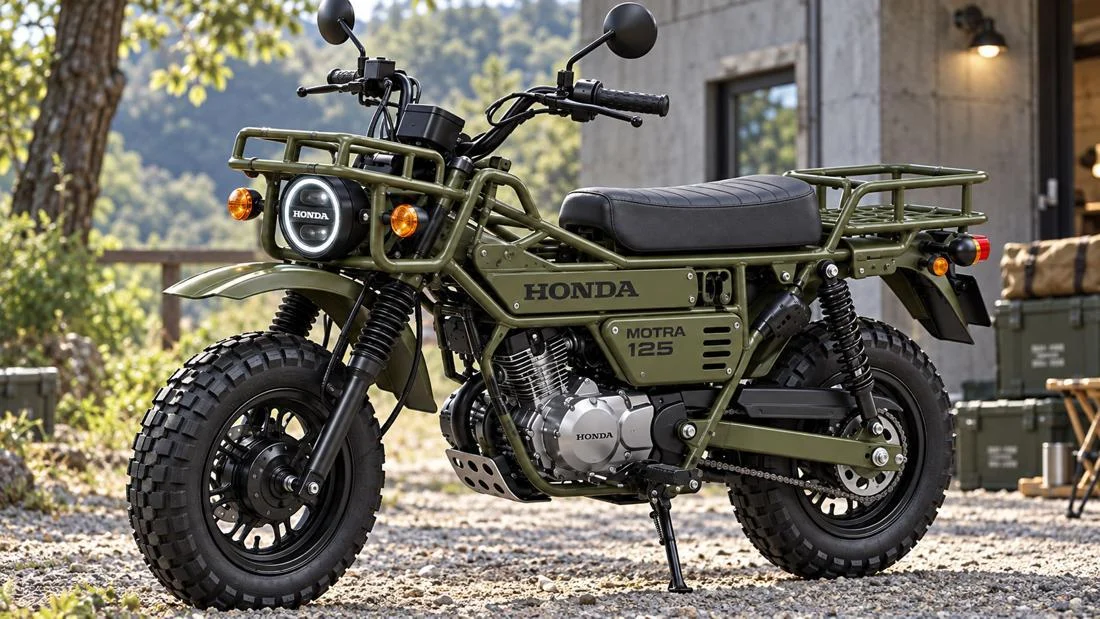
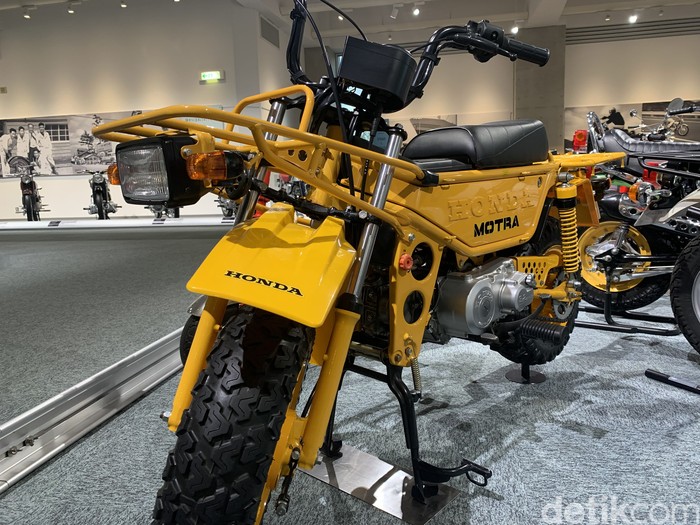
The automotive industry is abuzz with reports that Honda is actively exploring the revival of the Motra, a utilitarian mini-motorcycle that first captured the imagination of riders when it debuted in the Japanese domestic market in 1982. Recent patent filings discovered by industry analysts reveal designs for a compact, boxy motorcycle that mirrors the rugged aesthetic and functional DNA of the original Motra, including its signature front and rear cargo racks. While Honda has yet to issue an official press release regarding a production timeline, the emergence of these technical documents suggests that the project has moved beyond the conceptual phase and into serious development.
The Legacy of the Honda Motra
To understand the significance of this potential revival, one must look at the unique position the original Motra occupied in the early 1980s. Launched as a specialized tool for work and exploration, the Motra was never intended to be a mass-market commuter. It was designed with a specific philosophy: maximum utility in a minimal footprint. Its aesthetic—a raw, exposed steel frame, a dual-range transmission, and wide, knobby tires—distinguished it from the more refined scooters of the era.

Despite its cult status among collectors today, the original Motra’s market run was relatively brief. It was produced for only a few years, which has contributed to its scarcity and high value in the secondary market. By blending the charm of a minibike with the ruggedness of an off-road utility vehicle, the Motra became a symbol of Honda’s experimental engineering period. The news of its potential return has been met with enthusiasm from motorcycle enthusiasts who appreciate the brand’s willingness to lean into its heritage while applying modern technological advancements.
Analysis of the Latest Patent Filings
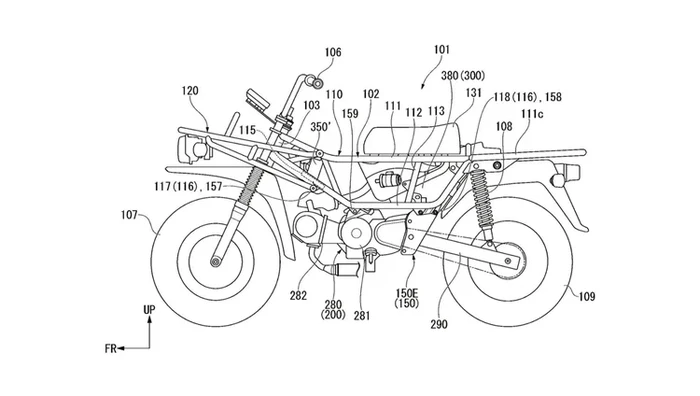
The core of the recent speculation lies in the patent diagrams, which depict a chassis that remains true to the "box-on-wheels" design language that defined the 1982 model. However, the most intriguing aspect of these filings is the modular nature of the powertrain. According to the technical drawings, the vehicle architecture is designed to accommodate both internal combustion engines (ICE) and electric drivetrains.
This dual-platform approach is a strategic maneuver that aligns with Honda’s broader electrification goals. By developing a frame that can house either a small-displacement gasoline engine or a battery-and-motor assembly, Honda could potentially target two different market segments simultaneously: the traditionalists who prefer the mechanical simplicity of a gas engine, and the urban commuters seeking a zero-emission, low-maintenance transport solution. This versatility suggests that if the Motra is indeed set for a reboot, it is being positioned as a global platform rather than a niche regional product.
Technological Implications and Design Features
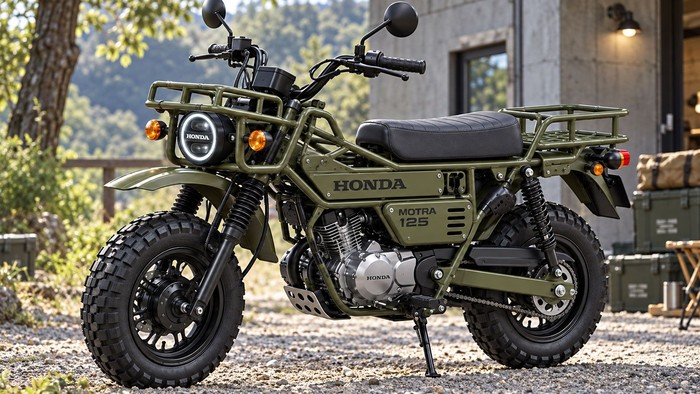
The modern Motra, if it reaches production, will likely integrate modern safety and efficiency standards that were non-existent in the 1980s. This includes advanced LED lighting systems, digital instrumentation, and perhaps regenerative braking if the electric variant is prioritized. The presence of the iconic front and rear racks in the patent drawings indicates that Honda remains committed to the vehicle’s original mission: load-carrying capability.
Industry analysts point out that this design choice is highly practical for the current era of "last-mile" delivery and urban logistics. As cities continue to become more congested, the demand for small, agile, and cargo-capable vehicles is increasing. The Motra’s compact dimensions allow for easy parking in tight spaces, while its utilitarian frame is ideal for mounting panniers, delivery boxes, or camping equipment. By maintaining the steel-tube aesthetic while upgrading the material science and suspension components, Honda could create a product that is both nostalgic and highly functional for the 21st-century consumer.
Chronology of Development and Speculation
The path to this potential revival has been punctuated by various hints from the Japanese manufacturer. While the patent filings surfaced in October 2026, industry observers have noted that Honda has been increasingly referencing its classic models in its recent concept cycles.
- 1982: The original Honda Motra is introduced in Japan, characterized by its low-geared transmission and high-utility design.
- 1985: Production of the Motra ceases, marking the end of its initial run.
- 2018–2023: The Motra experiences a surge in popularity within the custom bike scene and among vintage Honda collectors, often appearing in displays at the Honda Collection Hall.
- October 2026: New patent filings are identified by international automotive news outlets, showing a modular frame capable of supporting electric and gasoline powertrains, sparking widespread rumors of a commercial comeback.
Market Positioning and Competitive Landscape
If Honda proceeds with the production of a new Motra, it will be entering a segment that has seen significant growth in recent years. Competitors have successfully launched high-style, retro-inspired small-displacement bikes that appeal to younger demographics and suburban explorers. The Motra would not necessarily compete with high-performance motorcycles; instead, it would likely compete in the "lifestyle" category.
The decision to offer an electric version is particularly savvy. The current market for electric two-wheelers is often dominated by generic scooters with limited personality. A retro-styled, rugged "adventure mini" would offer a unique value proposition, providing a sense of character that is currently lacking in the electric micro-mobility space. By leveraging the strength of the Honda brand and the specific nostalgia associated with the Motra name, the company could capture both the aging demographic that remembers the original and the younger generation seeking a reliable, quirky, and eco-friendly urban vehicle.
Official Responses and Future Outlook
As of late October 2026, Honda has maintained its standard policy of not commenting on future product plans or ongoing patent filings. However, industry insiders suggest that the level of detail present in the latest patents indicates a high probability of a physical prototype being presented at a major international motorcycle show, such as EICMA or the Japan Mobility Show, within the next 12 to 18 months.
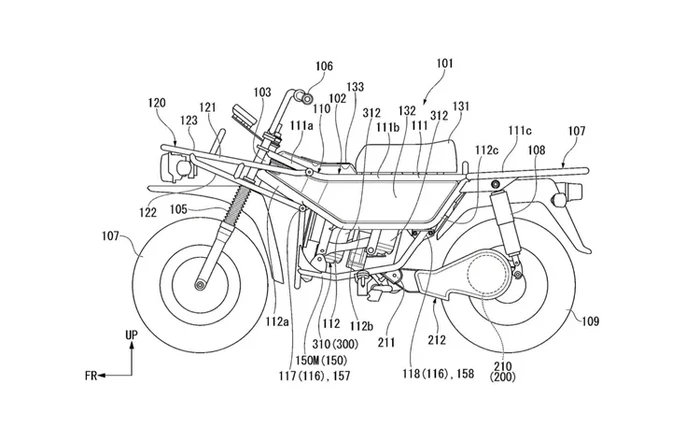
The logistical implications of bringing such a model to market are significant. Honda would need to ensure that the vehicle meets modern crash-test and emission standards, which could necessitate significant changes to the original 1982 design proportions. Nevertheless, the modular platform approach indicates that engineers have already accounted for the necessary housing for modern batteries and electronic control units.
Impact on the Industry
The potential return of the Motra represents a wider trend within the automotive sector: the "remastering" of classic vehicles. Just as manufacturers have successfully reintroduced retro-styled cars and motorcycles, Honda is tapping into a deep well of brand equity. This strategy serves two purposes: it creates a halo effect for the brand’s history while simultaneously allowing for the testing of new technologies—in this case, modular EV platforms—on a lower-risk, lower-volume vehicle.
Should the Motra return to the global market, it will likely serve as a testbed for Honda’s future electric powertrain components. The lessons learned from the integration of an electric motor into the compact Motra frame could be scaled up for larger motorcycles or urban delivery vehicles.
Ultimately, the Motra is more than just a bike; it is a manifestation of Honda’s "Power of Dreams" mantra. Whether it arrives as a gasoline-powered retro-classic or a forward-thinking electric utility vehicle, the anticipation surrounding its potential return confirms that the appeal of simple, well-engineered, and character-driven design remains as potent as ever. For now, the global motorcycling community must wait for the next official move from Tokyo, but the evidence currently provided by the patent filings offers a promising glimpse into a future where one of Honda’s most unique machines finds a second life on modern streets.

