
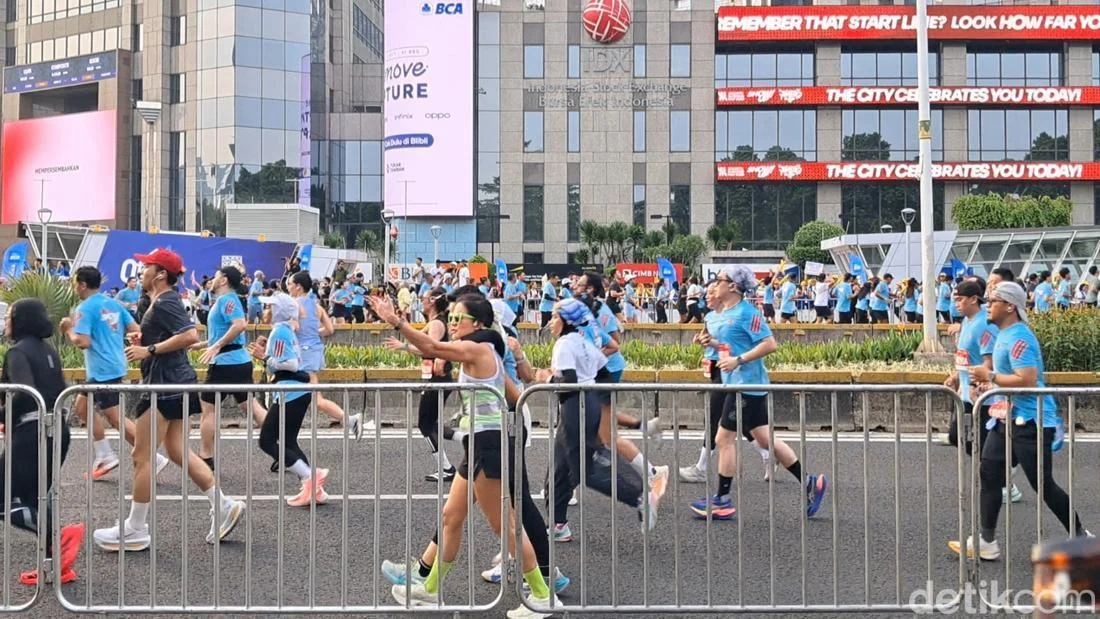
The Jakarta Running Festival (JRF) 2026 has once again cemented its status as a premier sporting event, drawing not only elite athletes but also a significant cohort of fitness enthusiasts and influential figures. As the running culture continues to permeate urban lifestyles in Indonesia, the 10-kilometer (10K) category at JRF 2026 served as a focal point for participants who view the event as a critical milestone in their broader training cycles. For many of these influencers and dedicated runners, the festival was not merely a standalone competition but a strategic stopover in their road toward international marathons and endurance challenges, particularly the upcoming events in Chiang Mai, Thailand, scheduled for late 2026.
The Anatomy of High-Performance Training Cycles
For participants like Sabrina, the JRF 2026 served as an integrated recovery and performance assessment tool. Her training regimen is meticulously structured around a "Road to 100" objective—a rigorous pursuit of ultra-endurance capabilities. Her weekly routine, consisting of three to four sessions, is a blend of aerobic base building and specific recovery protocols. This methodology—incorporating long runs, easy runs, and recovery runs—is consistent with sports science principles that emphasize periodization. By treating the 10K distance as a "recovery" event within a larger macrocycle, Sabrina demonstrates a sophisticated understanding of how to maintain cardiovascular fitness while preventing overtraining syndrome.
Sabian, another participant aligned with the year-end Chiang Mai goal, adopts a more comprehensive approach. His schedule is defined by high training loads that span the entire week. From Monday to Sunday, Sabian integrates easy runs, recovery sessions, and long runs with strength training. The inclusion of strength training is particularly significant; modern endurance coaching strongly advocates for resistance training to improve running economy, increase power output, and minimize the risk of repetitive strain injuries, which are common among high-mileage runners.
Cross-Training and the Lifestyle Integration
The definition of a "runner" has expanded significantly, with many athletes now embracing a multi-disciplinary approach to fitness. Actor and influencer Tara Budiman exemplifies this shift. Training five to six times per week, Budiman incorporates a diverse portfolio of physical activities. Beyond the traditional running disciplines, he emphasizes the importance of strength training, typically scheduled early in the week to facilitate recovery following long-distance efforts.
Furthermore, Budiman integrates padel, a fast-growing racket sport, into his routine. This cross-training approach offers several physiological benefits, including the development of lateral movement, agility, and improved neuromuscular coordination—traits that are often neglected in pure distance running. By maintaining a holistic view of fitness, these athletes are not only enhancing their performance at JRF 2026 but are also fostering long-term athletic sustainability.
The Science of Fueling: Balancing Carbs and Performance
A critical component of any endurance athlete’s strategy is "fueling." In the context of JRF 2026, the discourse among participants highlighted a nuanced understanding of macronutrient intake. While the general public often views athletic nutrition through the lens of strict restriction, these influencers emphasize the necessity of high caloric intake, particularly carbohydrates, to support high training volumes.
Sabrina and Sabian both reject the notion of extreme deprivation, acknowledging that for high-intensity training, carbohydrates are the primary fuel source. "I don’t shy away from rice and noodles," Sabrina noted, highlighting a practical approach to energy replenishment. Sabian echoed this sentiment, emphasizing that his heavy training load makes insufficient carbohydrate intake a direct threat to performance.
However, the strategy shifts as the race date approaches. Putra, another 10K participant, highlighted the application of "carbo-loading"—a dietary strategy designed to maximize glycogen storage in the muscles and liver before an endurance event. While he increases his carbohydrate intake in the days leading up to the race, he remains disciplined about protein consumption, which is essential for muscle repair and maintenance.
Conversely, some participants maintain a more relaxed approach to nutrition. Marco, for instance, continues to enjoy local staples such as kwetiau goreng, bihun goreng, and soto kambing, demonstrating that for many in the "kalcer" (subculture) running scene, the enjoyment of food remains a vital aspect of their mental well-being and lifestyle. Tara Budiman, meanwhile, focuses on "negative selection"—avoiding specific triggers rather than strictly dieting. By intentionally avoiding spicy foods prior to a race, he mitigates the risk of gastrointestinal distress, a common pitfall that can compromise a runner’s performance on race day.
Chronology of Preparation: The Road to Chiang Mai
The JRF 2026 serves as an essential benchmark in the regional running calendar. For the participants interviewed, the timeline is clear:
- Early to Mid-2026: Development of the aerobic base through consistent easy and long runs.
- Q3 2026: Integration of specific strength and conditioning to support the intensity of the upcoming race season.
- October 2026: The Jakarta Running Festival serves as a high-intensity simulation, testing nutrition strategies and pacing.
- December 2026: The target event in Chiang Mai, where the collective training of the preceding months will be put to the ultimate test.
This cycle illustrates the professionalization of the recreational running sector in Indonesia. Participants are no longer just "running"; they are managing their health, nutrition, and performance with a level of dedication previously reserved for semi-professional athletes.
Broader Implications for the Running Community
The success and visibility of JRF 2026 underscore a broader societal shift. The running community in Jakarta has evolved into a sophisticated ecosystem where social media, athletic performance, and lifestyle choices intersect. The influencers involved in this trend are effectively demystifying the training process, making it more accessible to the general public.
However, sports scientists often caution that the "influencer-led" approach to training must be balanced with individualized advice. While the strategies shared by these runners—such as incorporating strength training and periodized carb intake—are evidence-based, they must be tailored to an individual’s specific fitness level, age, and health profile. The trend of high-volume training without proper recovery or professional guidance can lead to burnout.
Furthermore, the JRF 2026 platform provides a unique opportunity to promote public health. As more individuals adopt running as a primary form of exercise, the demand for high-quality running infrastructure, proper sports nutrition education, and medical guidance continues to grow. The festival acts as a catalyst for these conversations, pushing the boundaries of what recreational runners expect from their sporting experiences.
Conclusion: A Synthesis of Sport and Lifestyle
As JRF 2026 concludes, the experiences shared by the participants offer a window into the evolving nature of the Indonesian running scene. It is a space where the rigorous demands of endurance sports meet the cultural nuances of modern, urban life. By carefully balancing the physiological requirements of training with the practicalities of daily nutrition and cross-training, these runners are setting a new standard for the "kalcer" community. Whether their goal is a personal best in a 10K or conquering a full marathon in Thailand, the emphasis remains the same: consistency, informed fueling, and a holistic approach to athletic development. As this community continues to grow, it will undoubtedly influence the future of mass-participation sports in the region, turning cities into vibrant arenas for health and personal achievement.

