
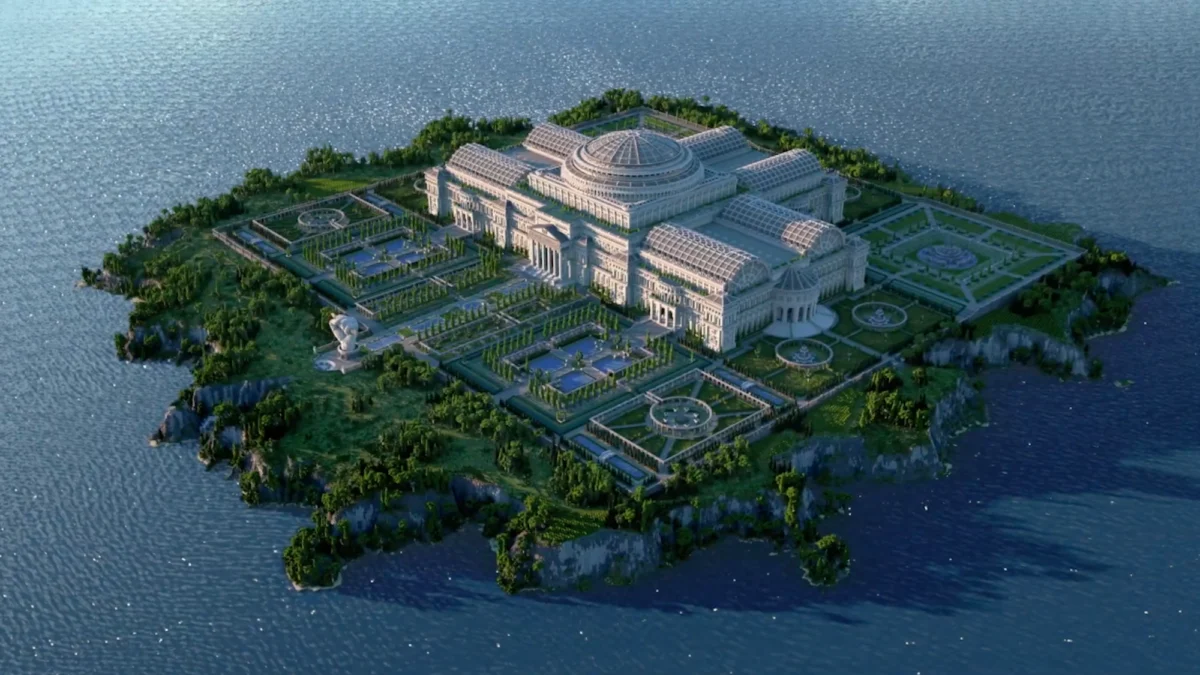
For nearly fifteen years, Minecraft has served as a global sandbox for creativity, resource management, and digital construction. While the game is frequently associated with sprawling fortresses, intricate redstone circuits, and survival challenges, its utility has evolved far beyond entertainment. In an era of increasing digital gatekeeping and state-sponsored information control, Minecraft has emerged as an unlikely, yet highly effective, tool for the dissemination of suppressed journalism. Central to this phenomenon is The Uncensored Library, a massive, neoclassical virtual structure designed to bypass government firewalls and provide a permanent home for censored literature, investigative reporting, and human rights documentation.
Conceived by the international non-profit organization Reporters Without Borders (RSF), in collaboration with the immersive design collective BlockWorks, the project represents a paradigm shift in how NGOs utilize digital infrastructure to protect the fundamental right to access information. By housing forbidden texts within the proprietary architecture of a globally popular video game, RSF has successfully leveraged the game’s decentralized server architecture to ensure that information remains accessible even when traditional websites are blocked by authoritarian regimes.
The Genesis of a Digital Sanctuary
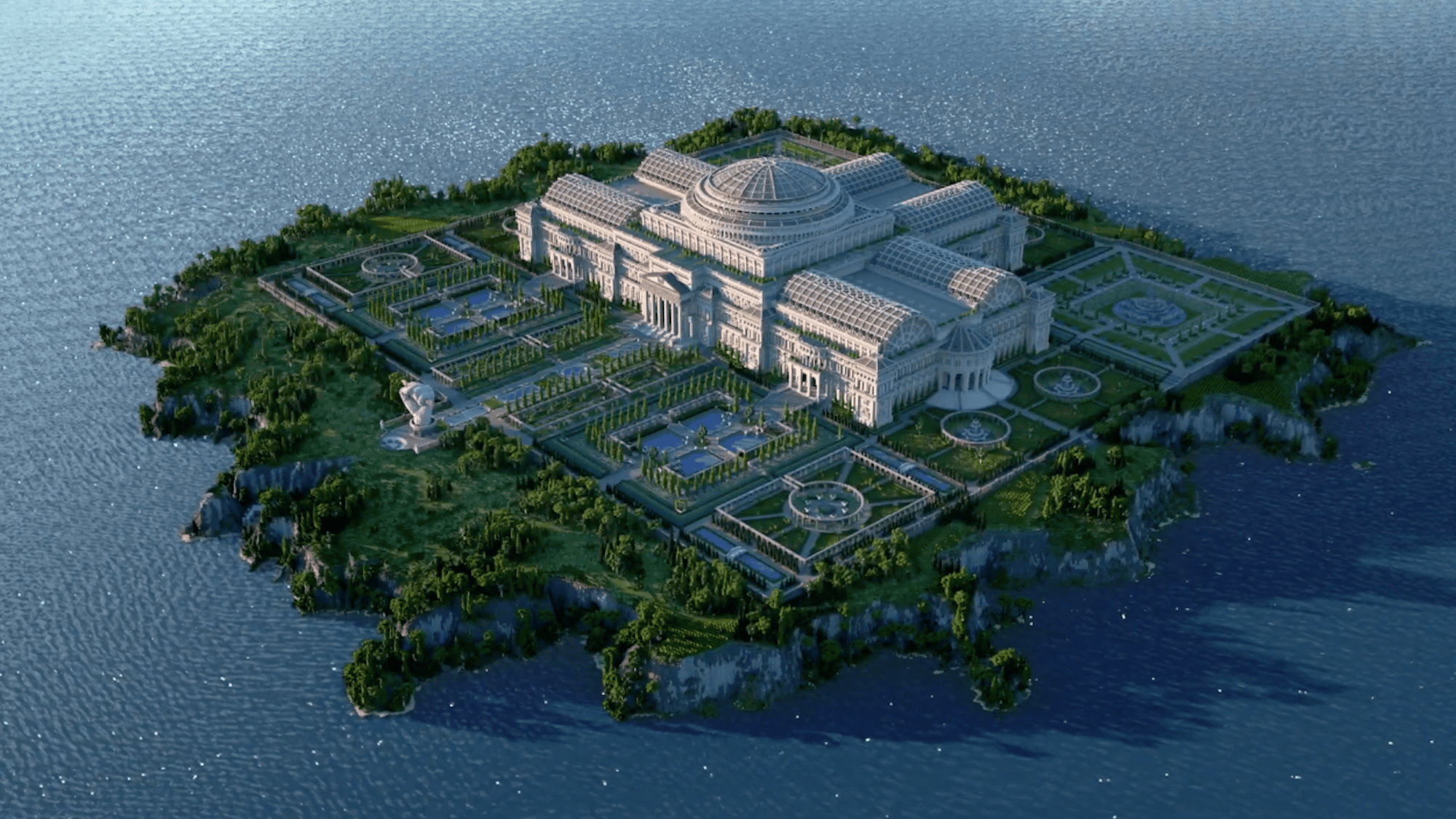
The Uncensored Library was officially unveiled in March 2020, coinciding with the World Day Against Cyber Censorship. The timing was deliberate, serving as a response to the growing global trend of internet shutdowns and the criminalization of independent journalism. The design of the library itself—a towering, ornate structure situated on a secluded island—was chosen to evoke the gravity of the knowledge held within its virtual shelves.
The architecture reflects the ideals of the Enlightenment, featuring marble-like textures, high vaulted ceilings, and expansive halls that accommodate millions of lines of text. Within the game, players can navigate through specific wings organized by country. Each wing contains "books" written in Minecraft, which players can read and copy, effectively allowing the information to be exported out of the server and into the wider world. By utilizing Minecraft’s in-game book-and-quill mechanic, the information is treated as game data, making it exceptionally difficult for automated censorship bots to detect or purge from the server.
A Chronology of Censorship and Resistance
The expansion of the project has mirrored the shifting landscape of global press freedom. Since its inception, the library has undergone several major updates to reflect the realities of journalists working in hostile environments.
- 2020 (Launch): The library opens with initial collections focused on countries with historically restrictive press environments, including Egypt, Mexico, Russia, Saudi Arabia, and Vietnam.
- 2021-2022: The collection expands to include specific investigations into human rights abuses, providing a safe harbor for reporters who were forced into exile or silenced through imprisonment.
- 2023-2025: The project gains significant traction as a teaching tool in universities, with historians and archivists beginning to catalog the library’s contents as a form of digital preservation.
- 2026 (Recent Expansion): In a move that signaled a broader definition of press freedom, RSF added a dedicated section for the United States. This inclusion was prompted by heightened tensions between the administration and major news outlets, highlighting the organization’s stance that censorship is a spectrum rather than an binary condition found only in totalitarian states.
Data and Accessibility Metrics
The reach of The Uncensored Library is quantified by both server traffic and the ease of access for users in restricted regions. Because Minecraft allows for offline play, users can download the entire library map to their local machines. Once the map file is downloaded, the information is stored locally on the user’s hard drive, rendering it immune to any internet-based censorship or site blocking.
According to data provided by RSF, the library has served millions of visitors since its launch. While specific user data is shielded to protect the anonymity of those logging in from countries where internet surveillance is high, the organization notes that the "books" within the library have been accessed by users across over 160 countries. The project’s reliance on community-run servers ensures that even if one server is taken offline, hundreds of others can continue to host the files, creating a redundant, decentralized network of information.
Official Perspectives and Institutional Rationale
The inclusion of the United States in the library earlier this year sparked significant discourse regarding the state of journalism in Western democracies. Clayton Weimers, the North America executive director for Reporters Without Borders, addressed the decision during the launch of the new wing. He emphasized that the goal was not to equate the American media environment with that of absolute autocracies, but rather to serve as a warning.
"Often, suppressing stories takes a less overt form than direct censorship," Weimers noted. He argued that the consistent delegitimization of the press, coupled with legal threats and political pressure, can create a chilling effect that, over time, mimics the results of more aggressive forms of state control. By including the U.S., RSF aims to remind the public that the defense of a free press is a constant, global requirement, regardless of a nation’s political system.

Broader Implications for Digital Architecture
The Uncensored Library serves as a case study for "guerrilla archiving." By embedding data within a cultural product—in this case, a video game—activists have found a way to bypass the "great firewalls" of the world. This approach presents a challenge to traditional models of digital control. Authoritarian governments often justify the blocking of news websites by citing national security or cultural protection. However, blocking access to a mainstream, non-political commercial product like Minecraft carries a much higher political and social cost.
The project also highlights the emergence of "digital heritage." As more of human knowledge moves into virtual spaces, the question of how to preserve that knowledge becomes increasingly complex. If a server is shut down, what happens to the historical record? The Uncensored Library addresses this by encouraging users to download and redistribute the content, essentially turning every player into a digital librarian.
Looking Toward the Future
As artificial intelligence and automated content moderation continue to evolve, the cat-and-mouse game between censors and information activists will likely intensify. The Uncensored Library remains a dynamic project, with constant efforts to curate new content and improve the technical infrastructure to ensure it remains compatible with future versions of Minecraft.
The project has transcended its origins as a mere protest piece to become a legitimate, albeit unconventional, archive. Its existence forces a re-evaluation of the role of gaming platforms in the public sphere. When a virtual world, built primarily for play, becomes the most secure place to read a censored article, it serves as a stark indictment of the current state of global information freedom.
For the millions of players who log in to build, explore, or simply interact with friends, the library stands as a constant reminder that the digital world is not separate from the physical one. It is a space where the fight for truth is not just fought in the halls of government, but within the very code that defines our digital existence. As long as there are those who seek to silence the truth, projects like The Uncensored Library suggest that there will always be those who find creative, resilient ways to ensure it is heard.

