
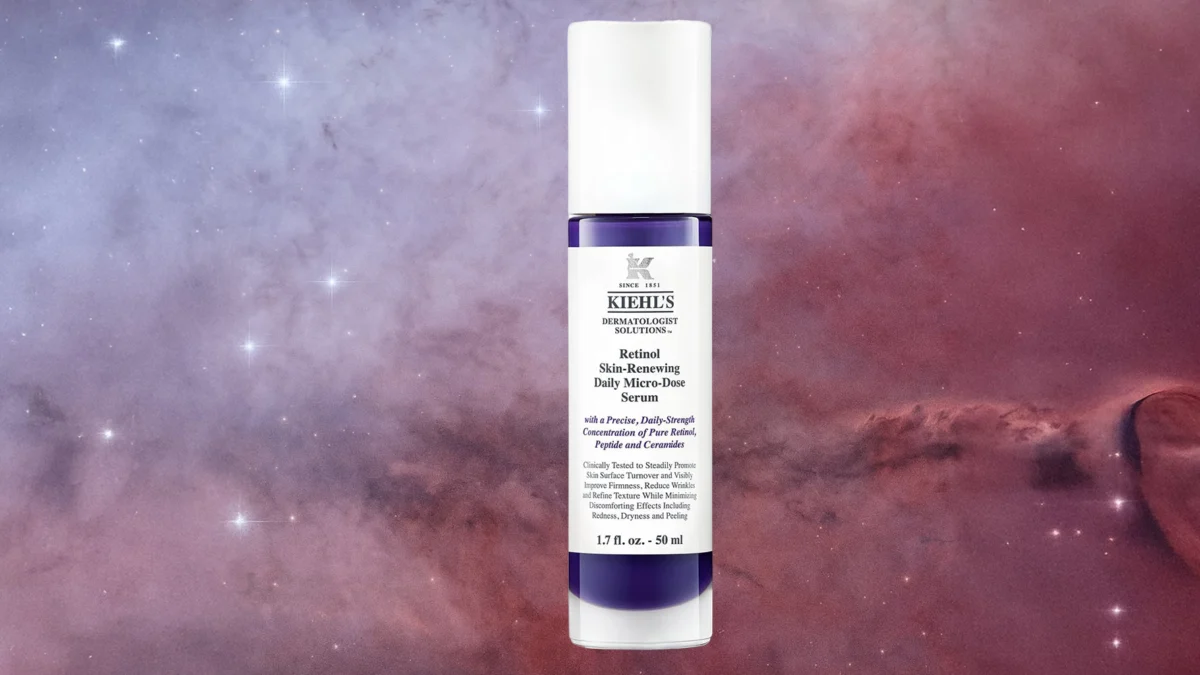
The prestige skincare industry, known for its high price points and infrequent promotional cycles, is seeing a significant shift this week as Kiehl’s Since 1851 has launched a comprehensive 25 percent discount across a wide array of its product catalog on Amazon. This development represents a notable departure from the brand’s traditional pricing strategy, which typically favors exclusivity and premium positioning over aggressive discounting. For loyal consumers and those looking to integrate professional-grade skincare into their daily routines, the move offers a rare opportunity to acquire high-demand formulations at a substantial value.
Chronology of the Current Promotional Event
Kiehl’s, a brand that traces its origins back to an old-world apothecary in New York City’s East Village in 1851, has spent over 170 years cultivating a reputation built on pharmaceutical-grade ingredients and scientific research. Historically, the company has maintained strict control over its pricing, rarely offering site-wide or platform-wide markdowns.
The current promotion on Amazon, which began in late October 2026, appears to be part of a broader push by parent company L’Oréal to capture market share within the rapidly evolving e-commerce beauty landscape. By leveraging Amazon’s massive logistics network and consumer base, the brand is positioning its core products—such as the Ultra Facial Cream and various retinol-based serums—to be more accessible ahead of the winter season, a period when demand for high-end moisturizers traditionally peaks due to environmental stressors.
Analysis of Key Product Offerings
The promotion encompasses several flagship items that have long been staples in the prestige beauty sector.
The Kiehl’s Ultra Facial Cream, perhaps the brand’s most recognizable product, is currently featured with a 25 percent price reduction. With over 8,400 documented reviews on Amazon and a sustained average rating of 4.6 stars, the cream’s success is largely attributed to its 4.5% squalane content. Squalane is a hydrogenated oil that mimics the natural lipids produced by human sebaceous glands, allowing for deep skin hydration without the heavy, pore-clogging sensation often associated with traditional cold-weather creams. Market data suggests that the price-per-ounce efficiency improves significantly with the purchase of larger formats, such as the 5.07-ounce jar, which currently represents the most cost-effective entry point for daily users.
The Retinol Skin-Renewing Daily Micro-Dose Serum has also been included in the sale. This product reflects the modern trend toward "micro-dosing" in skincare—a methodology that prioritizes consistent, low-level exposure to active ingredients like retinol to minimize the irritation and barrier disruption typically associated with higher-concentration clinical products. By integrating ceramides and peptides, the serum seeks to maintain skin barrier integrity while facilitating cell turnover. Industry analysts note that this specific product category has seen a compound annual growth rate (CAGR) of over 6% in the last three years, driven by a consumer base increasingly interested in anti-aging preventative measures.
The Science of Seasonal Skincare
The timing of this promotional event is not coincidental. As autumn transitions into winter, the ambient humidity in many regions drops significantly. This environmental change forces the skin to lose moisture at an accelerated rate, a phenomenon often referred to as transepidermal water loss (TEWL).
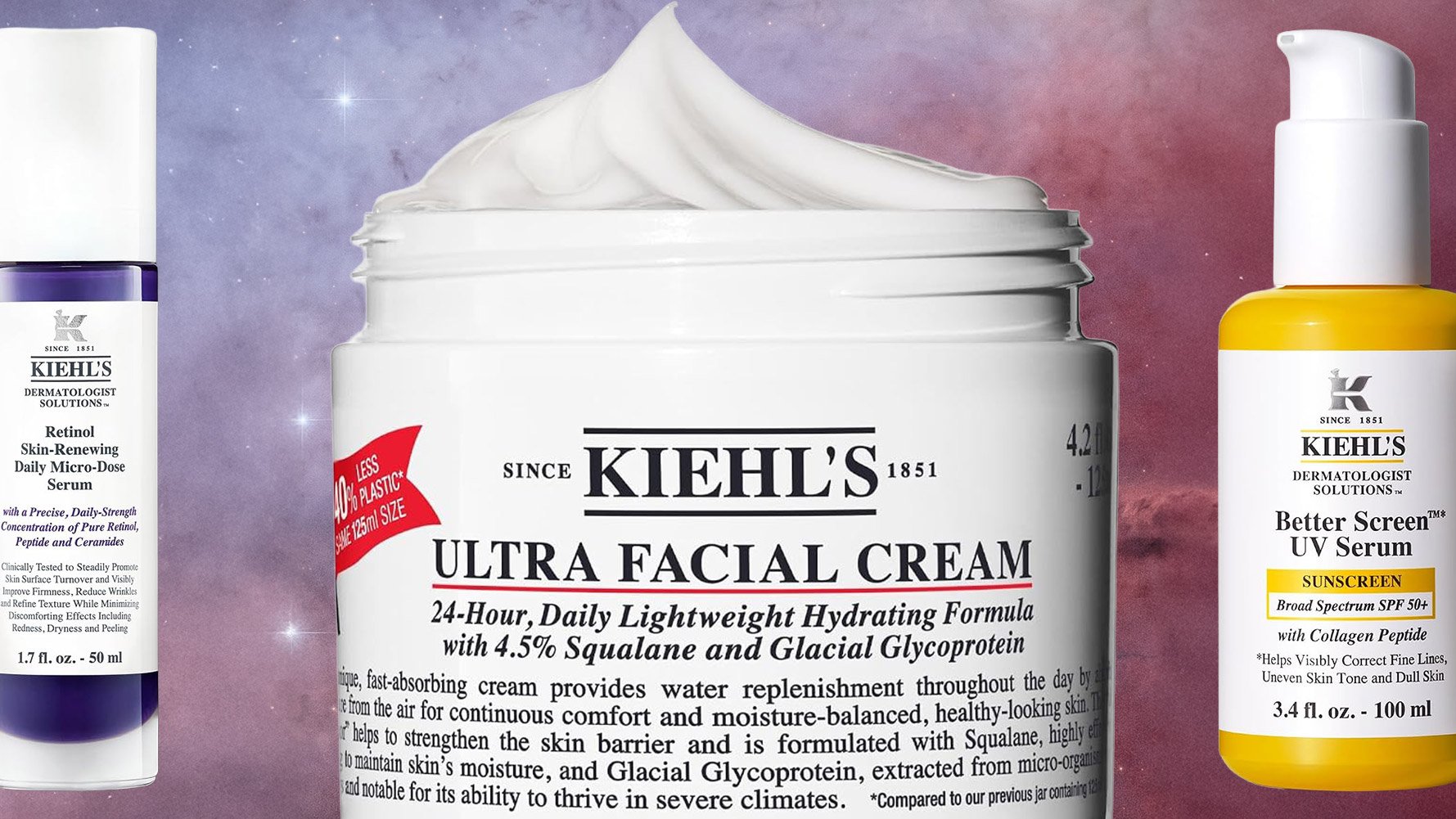
Dermatological research indicates that the use of occlusive and humectant-based moisturizers during these months is critical for preventing the "tight" or "cracked" feeling often reported by patients. The inclusion of the Better Screen UV Serum SPF 50+ in the promotion highlights a growing awareness in the dermatological community regarding the necessity of year-round sun protection. Even in winter, UVA rays penetrate clouds and glass, contributing to long-term collagen breakdown and pigmentation issues. The current discount on this specific SPF serum encourages a behavior shift, making high-quality protection more affordable for the average consumer.
Broader Economic and Market Implications
The decision to discount a prestige brand on a mass-market retail platform like Amazon signifies a maturing strategy for legacy beauty houses. For decades, prestige brands feared that selling on mass-market platforms would dilute their brand equity. However, the post-pandemic retail environment has forced a re-evaluation of these barriers.
By utilizing Amazon’s "Storefront" model, Kiehl’s maintains the integrity of its branding and packaging while benefiting from the high-velocity traffic that only a platform like Amazon can provide. This strategy allows the brand to compete directly with direct-to-consumer (DTC) brands that have successfully disrupted the market by using social media influencers and subscription models.
Furthermore, the scale of this discount—a full 25 percent—is indicative of a broader industry trend toward "stock-up" events. As inflationary pressures impact the disposable income of the middle-class consumer, legacy beauty brands are finding that they must offer tangible value to maintain customer loyalty. By allowing consumers to buy larger, more efficient sizes at lower costs, Kiehl’s is effectively building a "lock-in" effect, where the consumer remains within the brand’s ecosystem for the duration of the winter season.
Strategic Outlook for the Beauty Sector
Looking ahead, the integration of science-backed, high-efficacy ingredients at more competitive price points is expected to continue. The success of this current Amazon promotion will likely be measured by customer acquisition costs (CAC) versus the lifetime value (LTV) of the customers brought in during this window. If the promotion successfully converts new users to the brand’s flagship products, it is highly probable that similar seasonal events will become a regular feature of the brand’s marketing calendar.
Moreover, the emphasis on transparency in the product descriptions—detailing the exact concentrations of ingredients like squalane or the specific SPF capabilities—suggests that the modern consumer is becoming more "ingredient-literate." Brands that can combine this transparency with accessible pricing and efficient distribution are positioned to lead the sector.
For the consumer, the current market situation provides a window of opportunity to optimize their skincare regimen. As winter conditions intensify, the utility of high-quality moisturizers and protective serums increases. With the current Amazon pricing structure, the barrier to entry for these clinical-grade products has been lowered, allowing for a more inclusive approach to high-performance skincare. Whether this trend marks a permanent shift in how luxury beauty is sold remains to be seen, but the immediate result is a rare alignment of prestige quality and mass-market affordability.
As the retail landscape moves toward the end of the year, all eyes will be on how legacy beauty conglomerates balance the preservation of their brand prestige with the necessity of competing in an increasingly price-sensitive digital marketplace. For now, the 25 percent discount on the Kiehl’s inventory remains one of the most significant consumer opportunities in the beauty space for the current quarter.

