
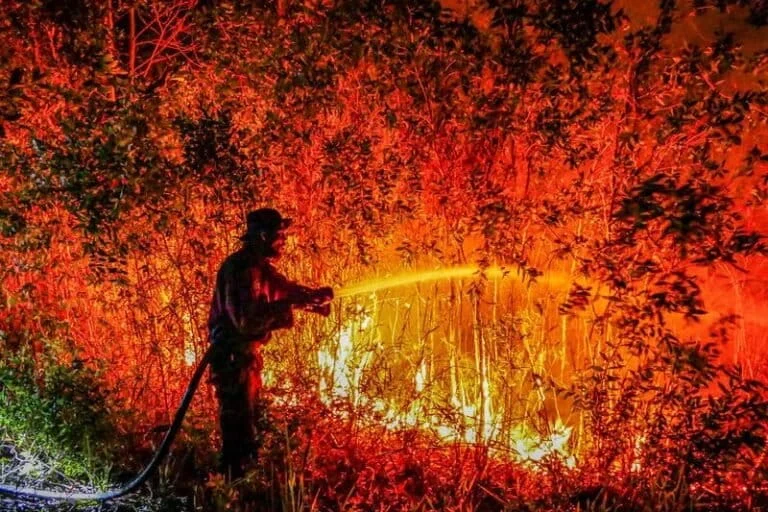
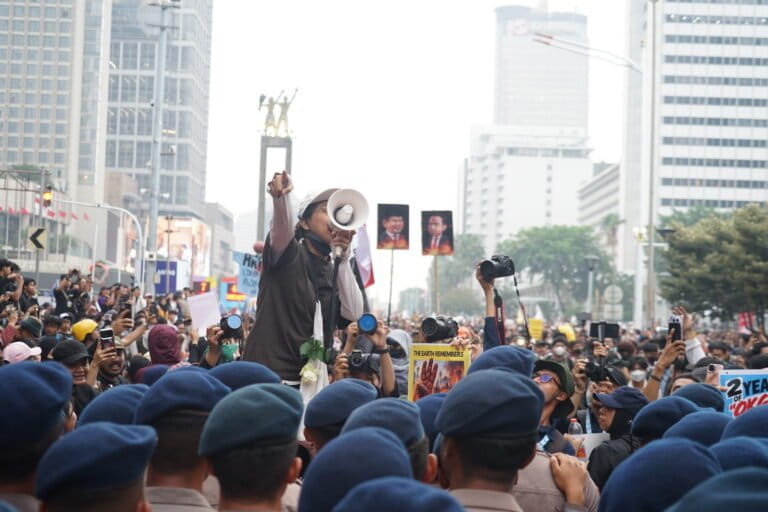
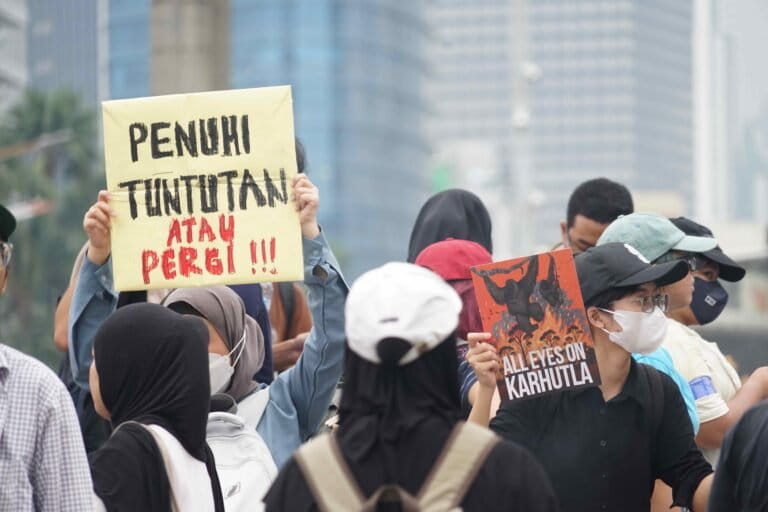
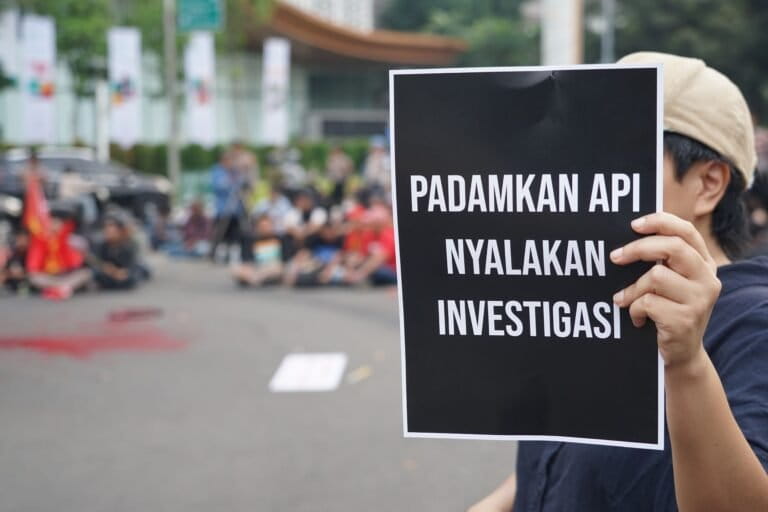
The streets of Jakarta transformed into a theater of urgent protest on October 28, 2026, as thousands of demonstrators, including students from the University of Palangka Raya (UPR), converged at the Hotel Indonesia Roundabout. The rally, held in conjunction with Sumpah Pemuda (Youth Pledge Day), was not a celebration, but a desperate cry for survival against a prolonged and devastating forest and land fire (karhutla) crisis that has plagued Kalimantan and other regions for over five months. Naomi Artika Simamora, a student representative from Central Kalimantan, articulated the collective agony of the victims: "We are suffering tremendously. No human being deserves to breathe toxic air. Education is eroding, our economy is being decimated, and our fundamental right to a healthy environment is being stripped away."
A Chronology of Environmental Neglect
The current crisis traces its roots to a convergence of extreme climate phenomena and systemic land mismanagement. Since early 2026, the intersection of an intense El-Niño event and industrial land-clearing practices has created a tinderbox across the Indonesian archipelago.
As of late October 2026, the situation has escalated beyond local containment capabilities. Data from regional disaster management agencies (BPBD) and satellite monitoring systems indicate that between January 1 and October 19, 2026, there were over 329,632 hotspots recorded, culminating in 6,705 distinct fire events. By September, total burnt area estimates surpassed 1.9 million hectares, with Papua Selatan, Kalimantan Barat, and Nusa Tenggara Timur emerging as the hardest-hit provinces.
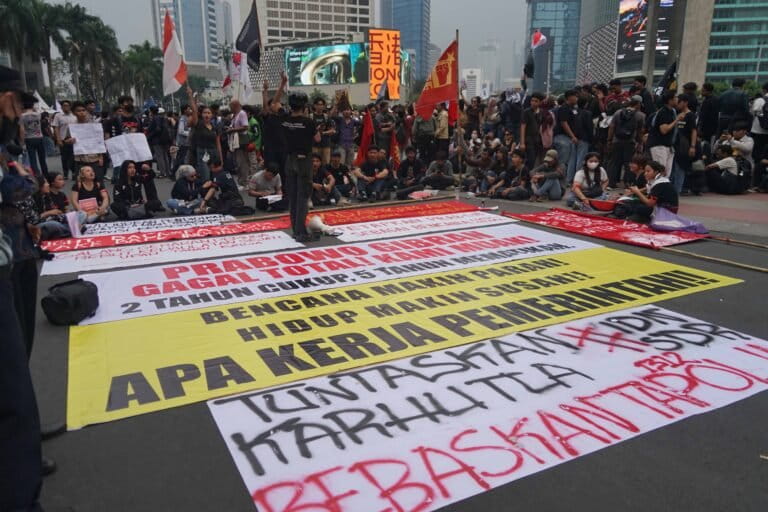
The progression of this catastrophe has been met with what critics describe as bureaucratic paralysis. Despite the escalating death toll and the massive displacement of residents, the central government has refrained from declaring the karhutla a national disaster—a decision many observers attribute to the prioritization of political stability and the protection of powerful agribusiness interests over public health.
The Human and Ecological Toll
The health implications of the smoke-choked air are staggering. According to the Ministry of Health, the period between August 18 and October 21, 2026, saw a cumulative total of 333,470 cases of Acute Respiratory Infection (ISPA) across 68 districts in seven provinces. Vulnerable populations are bearing the heaviest burden; of those cases, 75,172 involved children under the age of five. In Central Kalimantan alone, 121,220 cases of respiratory illness were recorded alongside 26,864 cases of acute diarrhea, a byproduct of contaminated water and poor sanitation exacerbated by the fires.
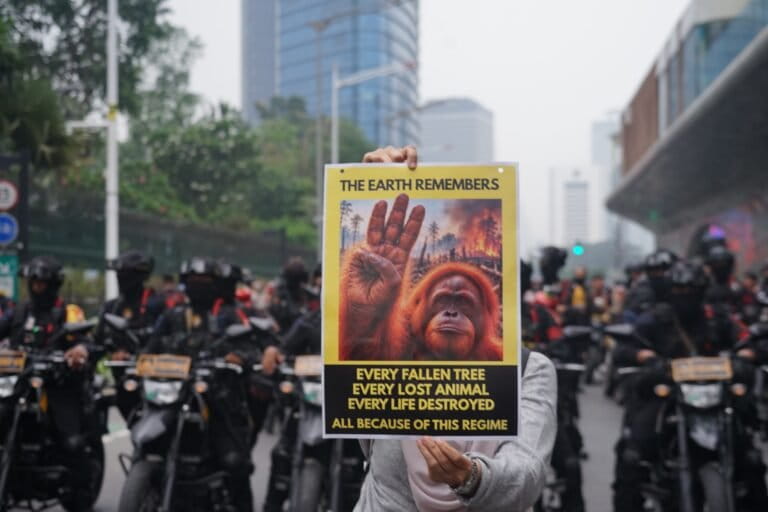
The tragedy extends beyond human morbidity. Progress, an advocacy organization monitoring the crisis, has documented the deaths of at least 10 people in Central Kalimantan, including six firefighters and volunteers who succumbed while attempting to quell the blazes, as well as a six-month-old infant. The loss of biodiversity is equally catastrophic, with vast tracts of peatland ecosystems—vital carbon sinks—reduced to ash, leaving endangered wildlife, such as orangutans, to perish in the flames.
Corporate Expansion and Structural Causes
Protesters and environmental researchers alike argue that characterizing these fires as purely climate-driven is a misleading oversimplification. Research from the advocacy group Pantau Gambut reveals a deliberate, human-engineered process: the drainage of peatland ecosystems through the construction of vast canal networks.
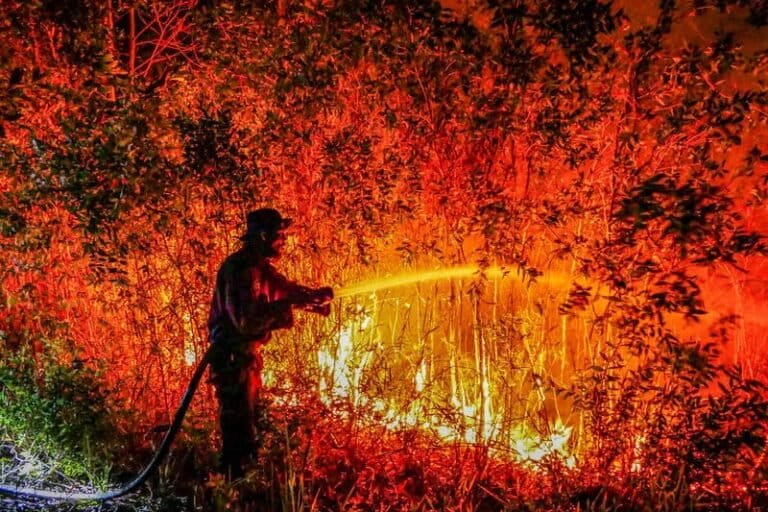
The report identified an estimated 281,253 kilometers of canals across Sumatra, Kalimantan, and Papua. Alarmingly, the vast majority of these drainage systems are situated within land concessions, including 3,993,626 hectares of HGU (Right to Cultivate) and 2,547,356 hectares of Industrial Forest Plantation (HTI) areas. This evidence suggests that the fires are not mere accidents but are tied to corporate expansion strategies that capitalize on the dry season to clear land for palm oil and other industrial commodities.
The frustration on the ground is compounded by government policy directions. Activists have criticized the state’s plan to utilize 12.7 million hectares of "degraded forest" for bioetanol production rather than prioritizing reforestation and peatland restoration. This strategy, protestors argue, prioritizes industrial output over the restoration of the very ecosystems that provide clean air and water to millions.
Political Tensions and the Demand for Reform
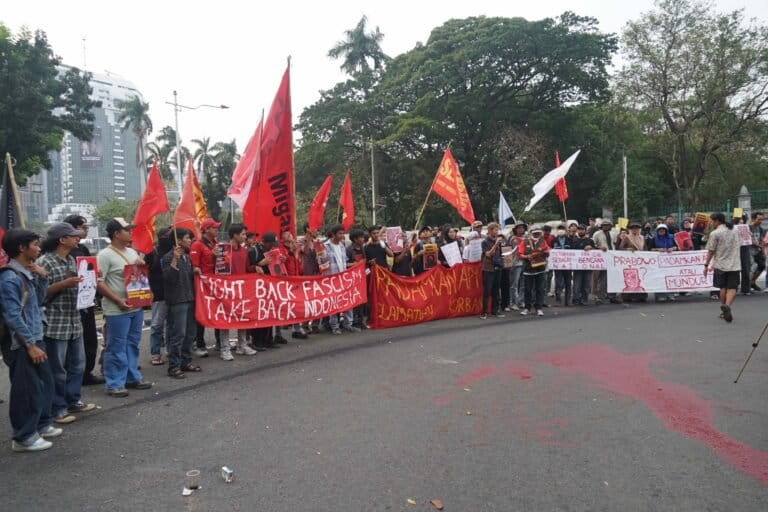
The October 28 demonstration in Jakarta served as a focal point for a broader coalition, the Committee to Save People’s Sovereignty (SADAR), which represents a cross-section of students, laborers, and farmers. The atmosphere was charged with tension as security forces, equipped with tactical vehicles and water cannons, established a heavy presence at the Hotel Indonesia Roundabout.
The protesters presented five core demands to the administration, centering on the immediate declaration of a national emergency, the cessation of corporate-driven land clearing, and the provision of comprehensive healthcare and compensation for victims. A significant point of contention is the government’s allocation of the national budget. Critics argue that massive investments in populist programs, such as the "Makan Bergizi Gratis" (Free Nutritious Meal) initiative and the "Koperasi Desa Merah Putih," reflect a misalignment of priorities.
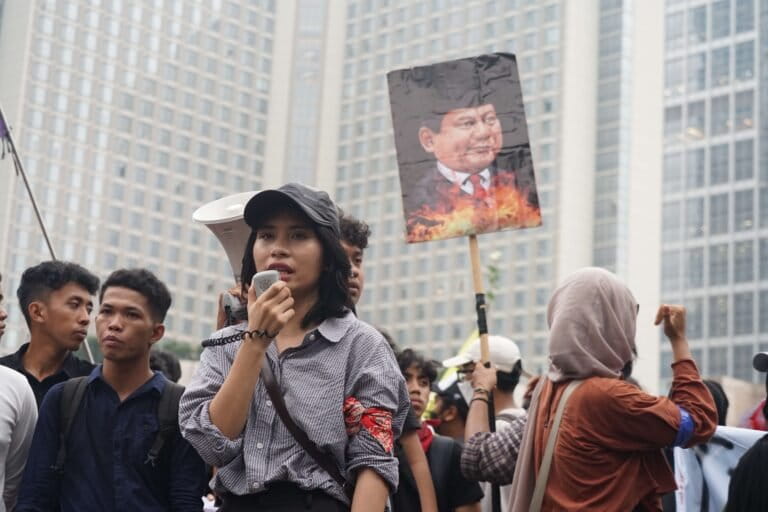
"The government is pouring trillions into projects that do not address the existential threat we face," remarked Rizal Assalam, coordinator of the Transnational Palm Oil Labour Solidarity (TPOLS). "We demand that the state reallocate these funds to support those whose health has been ruined and whose livelihoods have been incinerated by these fires."
Broader Implications and Future Outlook
The standoff between the demonstrators and law enforcement highlights a growing disconnect between state policy and the lived experience of citizens in the regions. While the government has initiated some legal actions against entities linked to the fires, these efforts have been criticized for failing to address the structural issues of corporate accountability or the urgent needs of the affected population.
The refusal to classify the karhutla as a national emergency remains the central obstacle to a coordinated, nationwide response. Without such a designation, regional governments lack the access to central emergency funds and resources necessary to implement large-scale health interventions, such as the provision of portable oxygen centers or specialized medical care for the thousands of children suffering from respiratory failure.
As the rain began to fall late on the evening of October 28, effectively dispersing the crowd, the underlying crisis remained unresolved. The fires continue to burn in the deep peatlands of Kalimantan and beyond. For the thousands of students and citizens who took to the streets, the protest was merely a beginning. They have vowed to return with greater numbers, signaling a deepening political divide that threatens to overshadow the administration’s remaining term unless a decisive shift in environmental and social policy is enacted.
The tragedy of the 2026 karhutla is more than a seasonal phenomenon; it is a profound failure of governance, a human rights crisis, and a warning about the ecological costs of unchecked industrial expansion. As the smoke continues to rise over the Indonesian landscape, the call for "sovereignty" and "justice" from the youth of the nation serves as a stark reminder that the health of the earth and the health of the people are inextricably linked—a lesson that the state can no longer afford to ignore.

