

The phenomenon of doomscrolling—the compulsive consumption of negative news and social media content—has evolved from a niche behavioral observation into a significant public health concern. As digital platforms continue to refine algorithmic engagement strategies, users are finding themselves trapped in feedback loops that compromise sleep hygiene, mental well-being, and cognitive focus. Whether occurring during late-night hours, at the dining table, or during professional commitments, this behavior has prompted a shift in how both device manufacturers and behavioral psychologists approach screen time management. By leveraging system-level tools, third-party applications, and intentional physical barriers, users can implement a structured framework to regain autonomy over their attention spans.
The Rise of the Attention Economy and Its Consequences
The modern digital ecosystem is built upon the "attention economy," a model where user engagement is the primary commodity. Since the mid-2010s, social media architectures have increasingly relied on "infinite scroll" interfaces, which eliminate natural stopping points in content consumption. Data from the 2026 digital wellness reports indicate that the average adult spends approximately 4.5 hours per day on mobile devices, with nearly 60% of that time classified as non-essential, passive consumption.

Psychologists note that the cycle of doomscrolling is exacerbated by a physiological stress response. When users encounter a stream of negative headlines or distressing social content, the brain releases cortisol, the primary stress hormone. Paradoxically, the brain seeks further stimulation to resolve this stress, leading to a "numbing" effect where the user continues to scroll despite experiencing increased anxiety. This creates a reliance on the device as a coping mechanism, despite the device being the source of the distress.
A Chronology of Digital Wellness Integration
The integration of wellness features into mobile operating systems represents a decade-long reaction to public pressure. In 2018, both Apple and Google introduced "Screen Time" and "Digital Wellbeing," respectively, marking the first major shift where tech giants acknowledged the addictive potential of their interfaces.
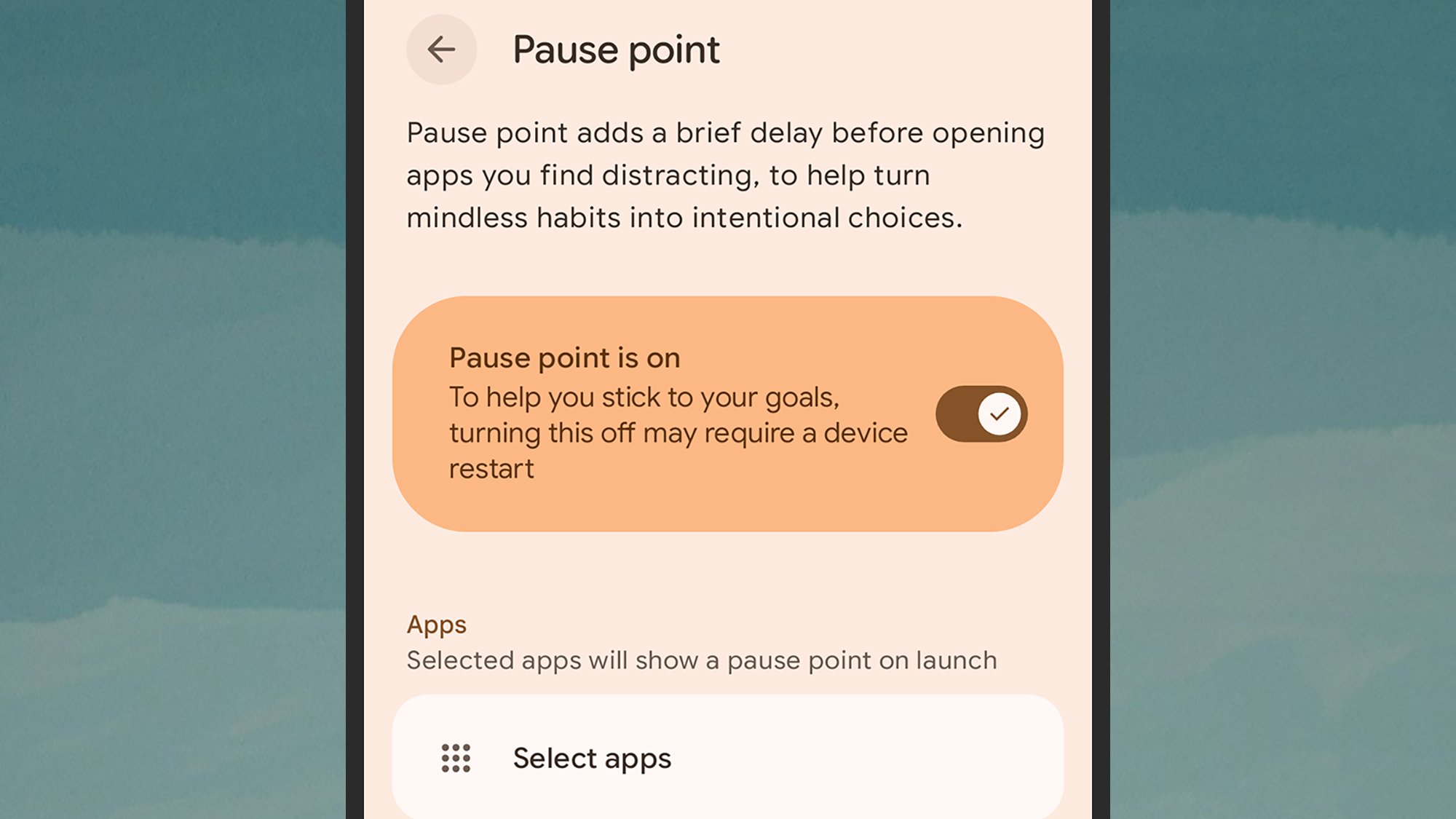
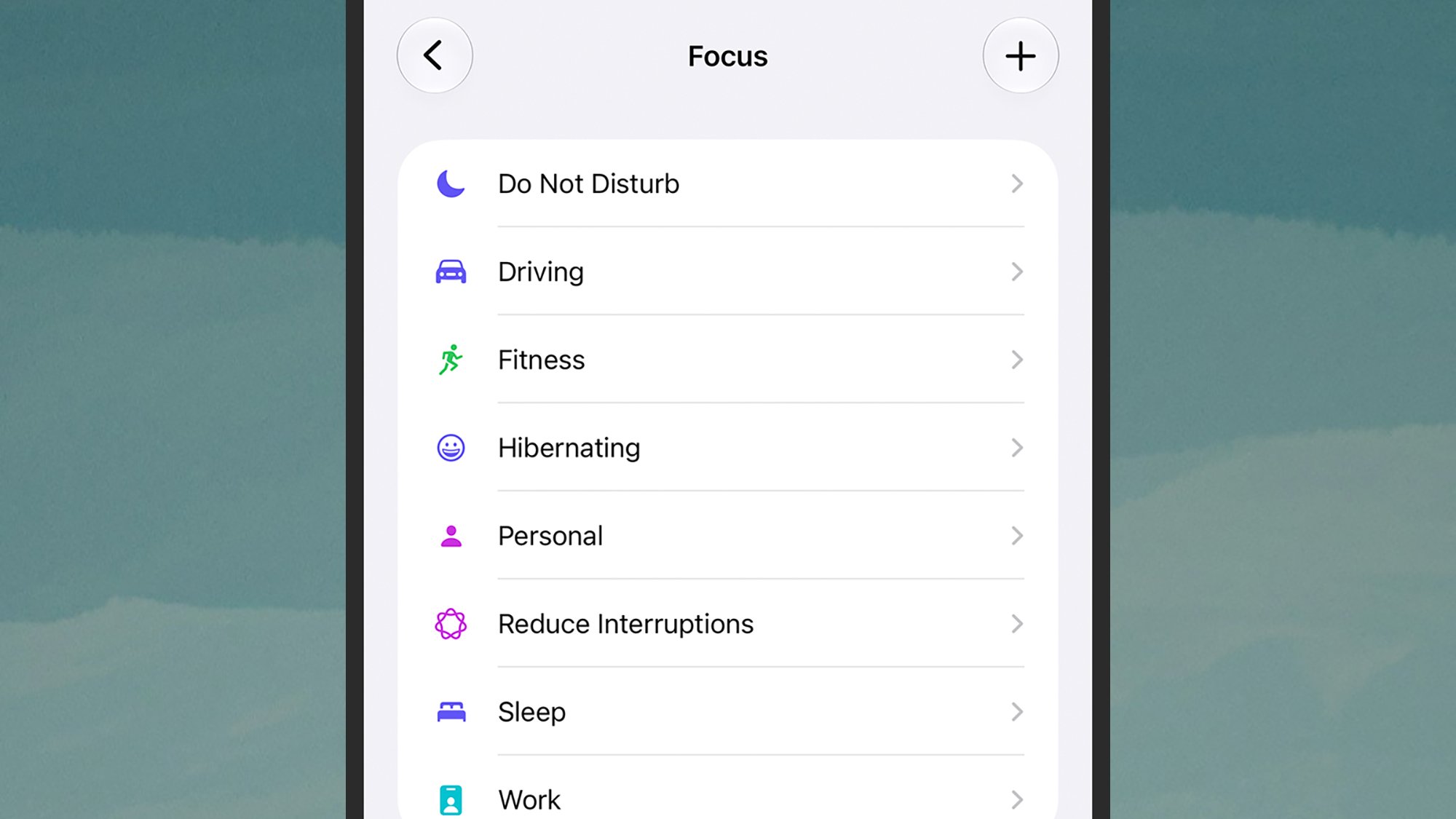
By 2024, the focus shifted from simple tracking to active intervention. Features such as "Bedtime Mode" and "Focus Modes" became standard, moving beyond mere notifications to modifying the phone’s entire interface—such as shifting displays to grayscale to reduce the dopaminergic impact of high-contrast color schemes. The introduction of "Pause Point" in Android 17 and advanced AI-driven network guards in 2026 reflect the next frontier: proactive, behavioral-nudging technology that interrupts the user’s momentum before an addictive pattern can fully manifest.
Strategic Methods to Mitigate Excessive Usage
To effectively curb doomscrolling, users should employ a multi-layered defense strategy. Relying on willpower alone is often insufficient, as platforms are engineered specifically to bypass executive function.
1. Leveraging Visual and Interface Adjustments
The most immediate intervention is the removal of visual rewards. Human vision is evolved to prioritize vibrant colors; by setting a device to grayscale, the visual appeal of social media feeds is significantly diminished. On iOS, this is accessible via the "Accessibility" menu under "Display & Text Size," while Android users can automate this via "Digital Wellbeing." Research suggests that stripping color from an interface reduces the time spent on apps by roughly 15% due to the loss of "excitement" in the visual feed.
2. The Implementation of Hard Time Limits
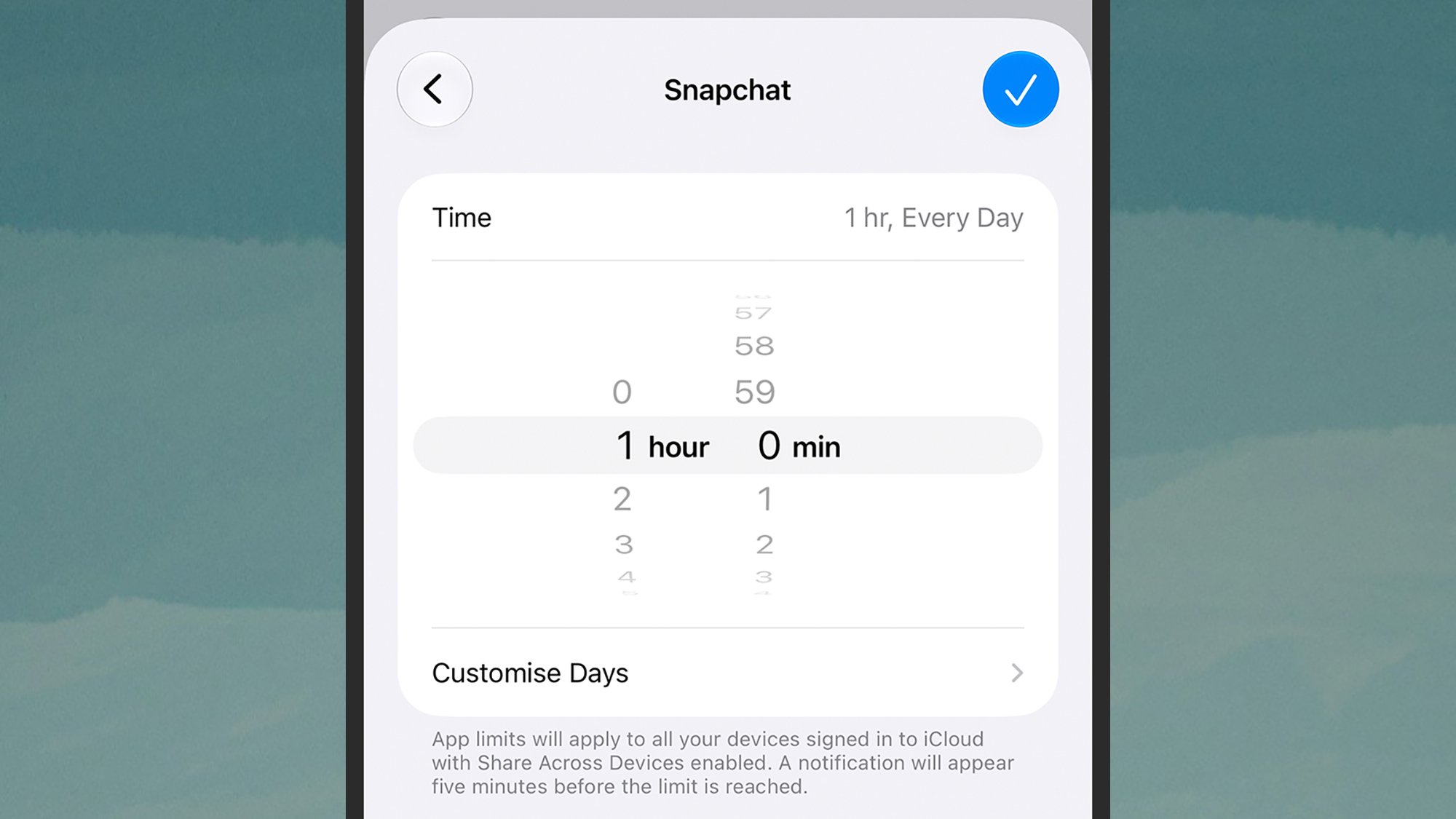
Operating systems now allow for granular app-specific controls. Rather than vague goals, users should set hard limits through "Screen Time" (iOS) or "App Timers" (Android). Industry analysts recommend a "stair-step" approach: if a user averages two hours on a specific platform, they should set a limit of 90 minutes for the first week, reducing it by 15-minute increments until reaching a sustainable threshold.
3. Gamification of Productivity
For those who struggle with self-imposed limits, "gamified" apps have gained popularity. Applications such as Forest or Focus Friend utilize a reward-based system where the user "grows" a digital garden or supports a character by remaining off their phone. When the user exits the app to check social media, the progress is lost. This provides an external accountability structure that can be more effective than passive notifications.
4. The "Pause Point" and Cognitive Interruption
The newly implemented "Pause Point" technology on modern handsets acts as a cognitive circuit breaker. By forcing the user to engage in a brief, meditative activity—such as a breathing exercise or a photo-review session—before the app fully launches, the phone forces a transition from impulsive action to intentional decision-making. This pause allows the prefrontal cortex to re-engage, often leading the user to realize they do not actually need to check the app.
Physical Interventions and External Hardware
For users who find software-level restrictions easy to bypass, physical hardware solutions offer a more rigid barrier. The rise of "digital locks" or NFC-enabled dongles, such as "the Brick," provides a tangible method for device control. By tapping the phone against a physical key, the device is placed into a restricted mode that is difficult to deactivate without a physical reset. This forces a deliberate, manual process to disable restrictions, which is usually sufficient to discourage the habitual, reflexive checking of social feeds.
The Role of AI and Network-Level Restrictions
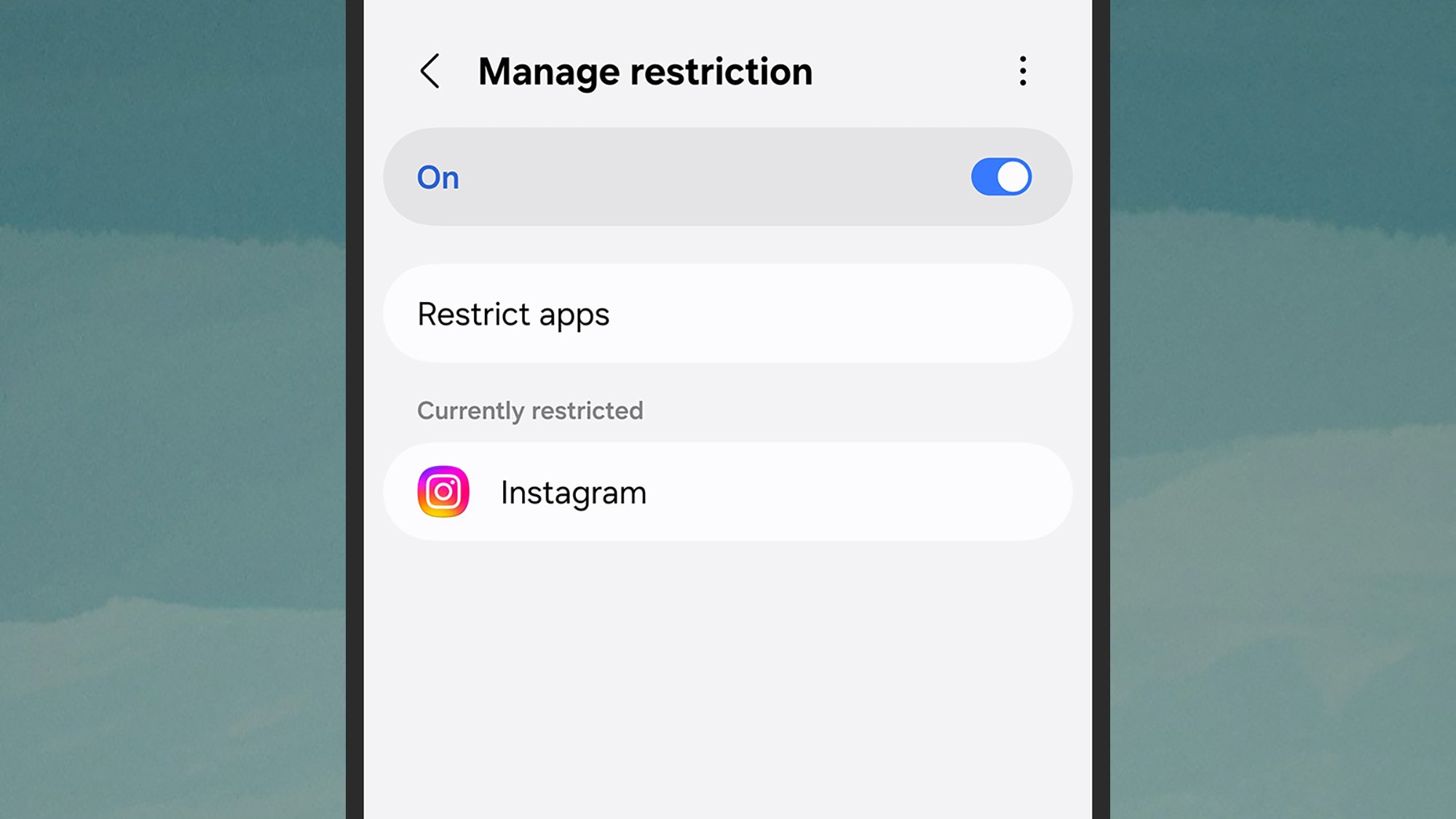
The latest generation of mobile software, such as the One UI 9 "AI Network Guard," represents a transition toward machine learning-based moderation. These tools analyze usage patterns to predict when a user is likely to fall into a doomscrolling spiral. By automatically imposing bandwidth restrictions or blocking background data for specific apps during high-risk periods, these systems function as an invisible guardian. While some privacy advocates have raised concerns regarding the monitoring required for these systems, proponents argue that the health benefits of reduced digital anxiety outweigh the privacy trade-offs.
Broader Implications and Public Health Outlook
The implications of unchecked doomscrolling extend beyond individual mental health; they affect workplace productivity, social cohesion, and the quality of interpersonal relationships. A report from the 2026 Home of the Future conference highlighted that households adopting "tech-free zones" and utilizing automated device management reported a 22% increase in reported family satisfaction and improved sleep quality scores among participants.
Industry experts suggest that we are entering a "Post-Engagement" era. As users become more aware of the psychological toll of their devices, there is an increasing market demand for "calm technology"—devices that inform and assist without demanding constant attention.
Conclusion: A Sustainable Path Forward
Breaking the habit of doomscrolling is not about abandoning technology, but about recalibrating the relationship with it. By integrating the technical solutions outlined above—grayscale settings, app timers, gamified focus apps, and physical blockers—individuals can reclaim the time and mental bandwidth previously lost to algorithmic feeds.
The objective is to move from passive consumption to active engagement. Whether through the use of AI-driven network guards or simple notification management, the goal remains the same: ensuring that the device serves the user’s needs, rather than the user serving the platform’s metrics. As the digital landscape continues to evolve, the most essential tool in any user’s arsenal will remain their own intentionality and the willingness to proactively manage their digital environment. The future of technology consumption lies in the ability to put the phone down, not just because the battery is low, but because the user has decided their attention is better spent elsewhere.

