
Challenging the Instinctive Communication Paradigm
For decades, the prevailing consensus in primatology held that great apes were born with a fixed repertoire of calls. Under this traditional framework, it was assumed that a chimpanzee’s vocal output was dictated entirely by its neurobiology; a specific threat or social situation would trigger a predetermined sound, regardless of the individual’s environment or upbringing. However, this deterministic view has faced increasing scrutiny as field observations suggested greater complexity in primate behavior.
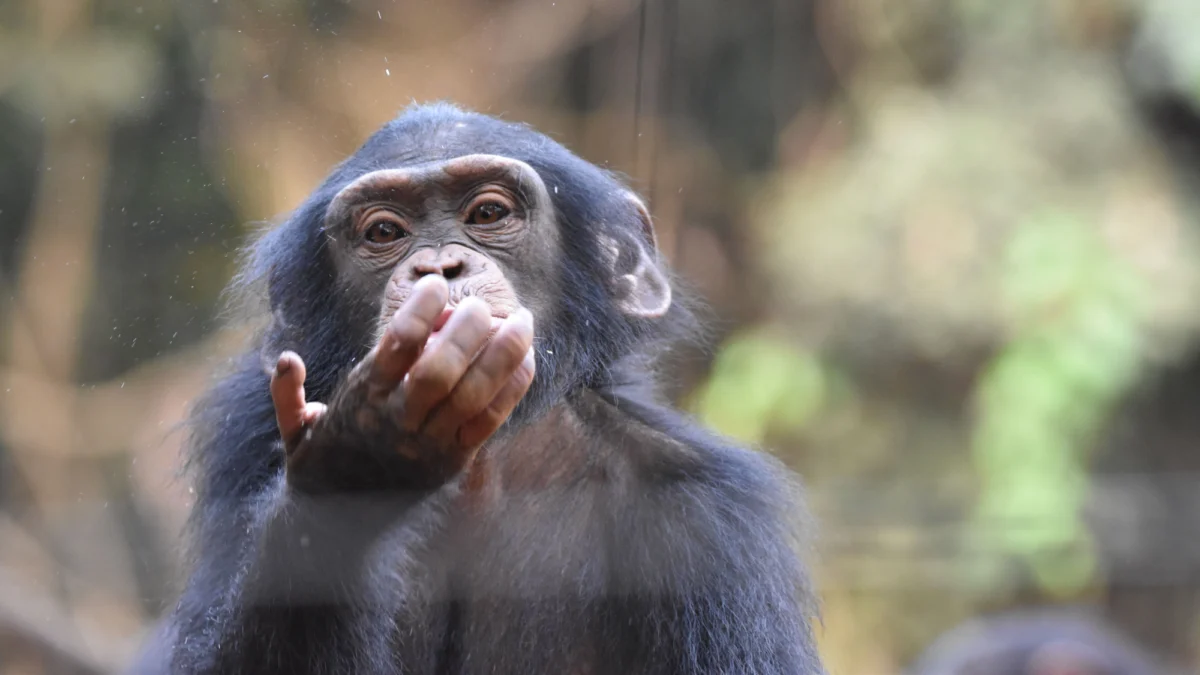
The study, led by an international team including researchers from the Institute of Cognitive Sciences (CNRS) and the University of Warwick, sought to resolve this debate by focusing on the raspberry call. This sound is particularly notable because it lacks the intense emotional urgency associated with alarm calls, making it a prime candidate for social influence. The researchers monitored 91 chimpanzees ranging from newborns to 55-year-old adults, creating a comprehensive dataset that spanned diverse environments, including the dense tropical forests of the Taï National Park in the Ivory Coast and the controlled, protective environment of the Tacugama Chimpanzee Sanctuary in Sierra Leone.
The Chronology of Social Learning
The research process involved two distinct observational phases designed to isolate the variables of environmental influence and social modeling. In the Taï National Park, the team observed four established wild communities. These wild populations demonstrated a highly consistent and specific usage of the raspberry call: it was used almost exclusively during grooming sessions. This ritualized usage suggested that the call served a specific social function within the context of physical bonding, likely acting as a signal to prolong or intensify the grooming process.
In contrast, the juveniles residing at the Tacugama Chimpanzee Sanctuary—many of whom were orphaned and raised in peer groups—exhibited a significantly more erratic and diverse usage of the sound. These individuals employed the raspberry across a wide array of social contexts that went well beyond grooming. The disparity between the wild populations and the sanctuary residents provided the first key indicator that the "meaning" or social appropriateness of the call was not hardwired.
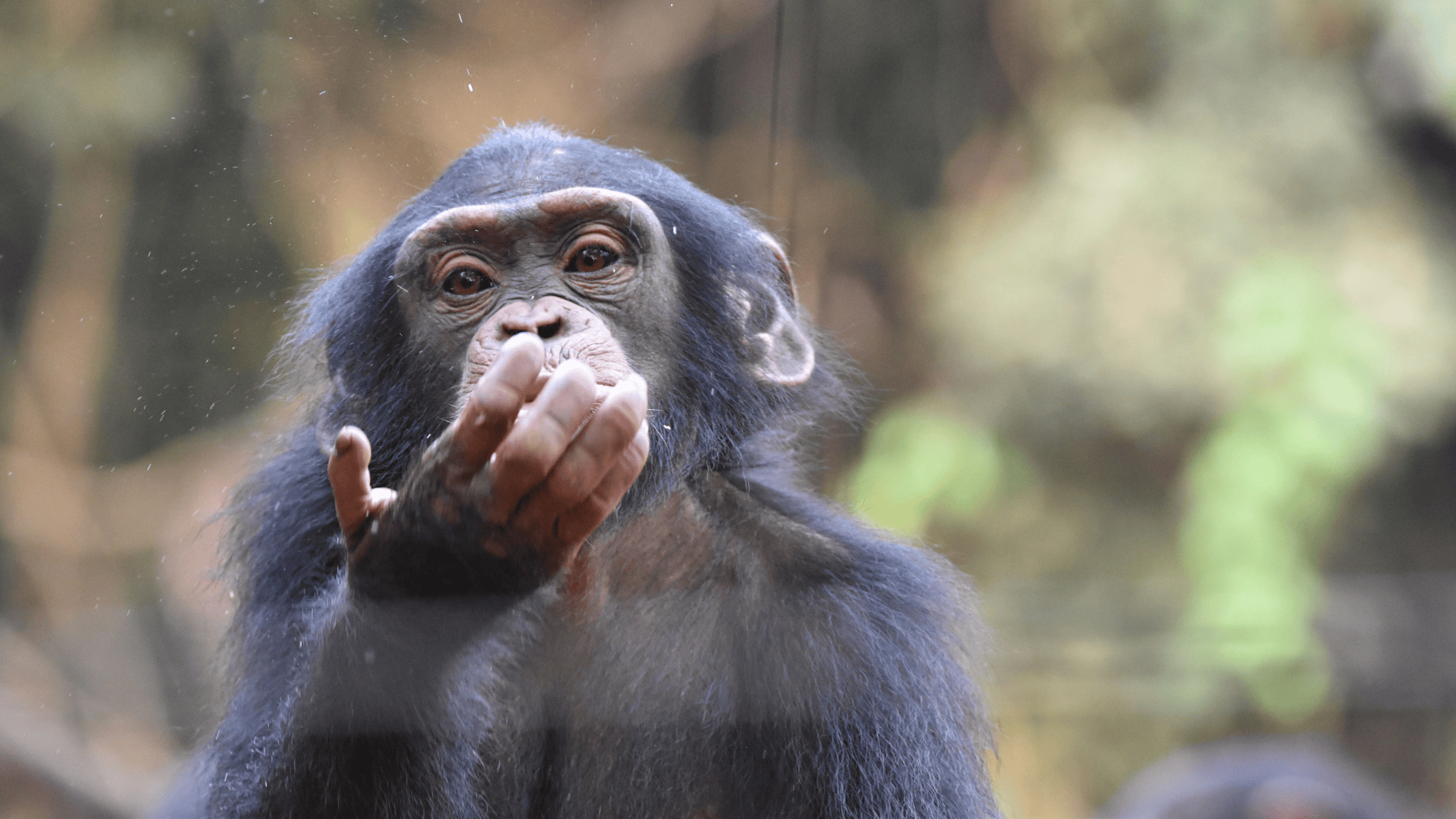
The final piece of the puzzle emerged when the research team introduced an adult chimpanzee into the sanctuary group. Over time, the juvenile chimps began to modify their behavior, gravitating toward the more consistent, specialized usage patterns exhibited by the adult. This shift served as a "natural experiment," confirming that younger chimpanzees look to established adults as role models, adopting their communication patterns to integrate into the social fabric of the group.
Data Analysis and Behavioral Implications
The implications of these findings are profound for the field of evolutionary linguistics. Richard Moore, a philosopher of mind and language at the University of Warwick, noted that human communication relies on "communal practice"—the idea that the meaning of a word is defined by the consensus of the group rather than an inherent quality of the sound itself. The discovery that this principle applies to chimpanzee calls suggests a greater degree of evolutionary continuity between primates and humans than previously acknowledged.
Behavioral ecologist Catherine Crockford of the Max Planck Institute for Evolutionary Anthropology has provided additional context regarding the mechanics of the call. She suggests that while the sound may have originated from the physical reality of grooming—where lip-smacking is a natural byproduct of removing parasites—the transformation of this sound into a "signal convention" is a cognitive achievement. Once a community adopts a specific sound for a specific purpose, it becomes a social norm. If the raspberry call was merely a reflexive response to grooming, its usage would be uniform across all chimpanzee populations regardless of their social structure or learning opportunities. The observed variation confirms that these animals possess the capacity for cultural transmission of vocal signals.
Comparative Linguistics and Evolutionary Biology
This study provides a clear parallel to how human languages diverge. Just as different human cultures assign different phonemes to the same concept—such as the English "woof" versus the French "ouaf"—chimpanzee communities appear to be developing their own "cultural" vocal standards. This suggests that the vocal repertoire of our closest living relatives is far more flexible and plastic than earlier studies suggested.
The research also addresses the long-standing question of why chimpanzees generally struggle to learn entirely new vocalizations. While they may be limited in their ability to invent complex new sounds, the study clarifies that they are highly proficient at learning the "semantic" or situational application of sounds they are already capable of producing. This represents a significant middle ground in the debate over the origins of language, indicating that the cognitive infrastructure for language, such as the ability to learn social signals, was present in our common ancestors before the emergence of human speech.

Future Research and Conservation Impact
The findings published in PNAS open several new avenues for inquiry. The research team intends to conduct further longitudinal studies to determine how these social conventions shift over time as group dynamics change, such as when high-ranking individuals are replaced or when groups merge. Understanding the nuances of these signals could also have implications for the conservation of wild chimpanzee populations. If communication is a learned cultural trait, the loss of adult mentors due to habitat destruction or poaching could lead to a degradation of the social knowledge passed down to younger generations.
Furthermore, this study invites a reassessment of other animal communication systems. If the raspberry call—once thought to be a simple, instinctual noise—can be shown to be a learned convention, then researchers must consider whether other "fixed" animal signals might also be subject to cultural variation and social learning.
Conclusion: A New View of Primate Intelligence
The work of Antoine Valet and his colleagues reinforces the growing body of evidence that chimpanzees possess complex, tradition-based societies. By proving that the raspberry call is not a static biological output but a dynamic, learned social tool, the researchers have bridged a conceptual gap between human linguistic development and primate behavior. As we continue to refine our understanding of these animals, it becomes increasingly clear that the "monkey see, monkey do" adage is not merely a description of mimicry, but a reflection of the sophisticated social learning processes that define the lives of our closest evolutionary cousins. This study stands as a testament to the depth of intelligence within the chimpanzee community and highlights the importance of preserving the natural social structures that allow such cultural knowledge to thrive.

