
jibaku Angkut Krathong
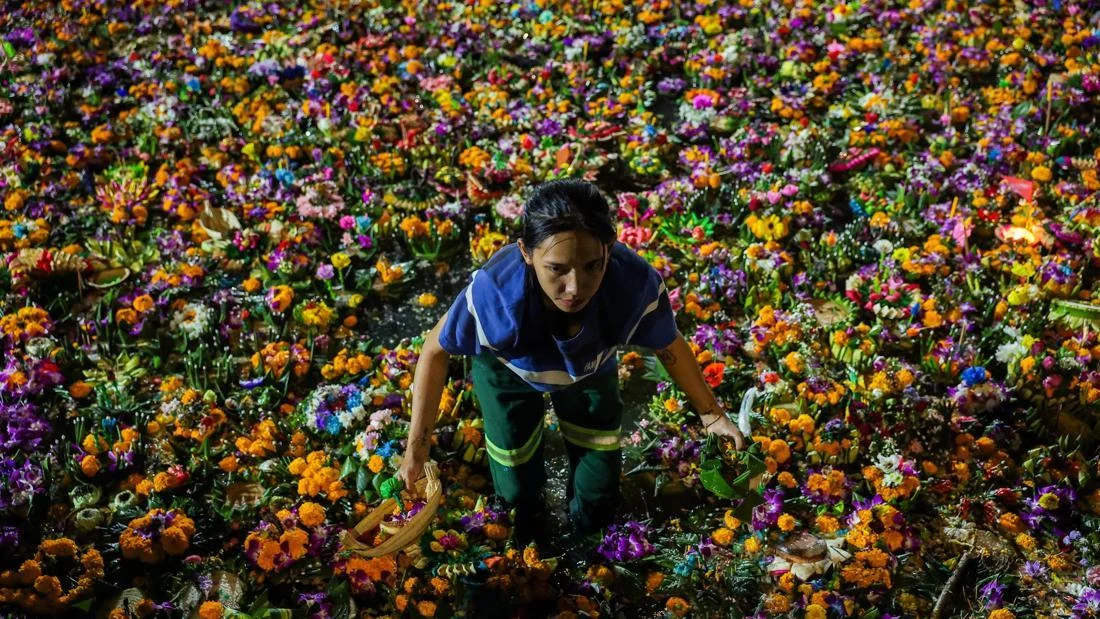
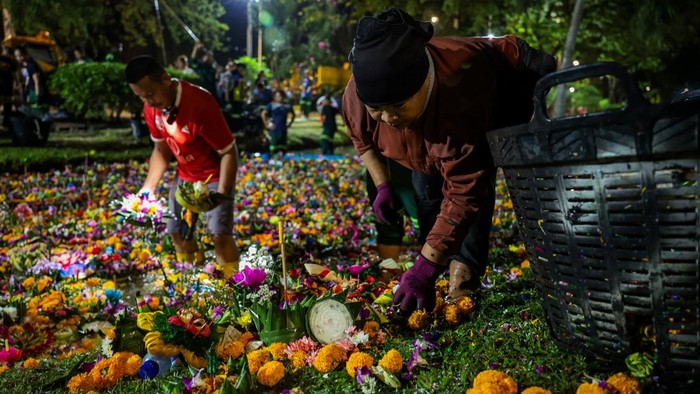
The tranquil park lagoons and bustling waterways of Bangkok, Thailand, present a stark contrast in the immediate aftermath of one of Southeast Asia’s most visually stunning cultural phenomena. Following the nationwide celebration of the Loy Krathong festival, municipal sanitation crews have mobilized in full force. Armed with small wooden boats, long nets, and determination, sanitation workers are currently engaged in the massive undertaking of dredging and collecting thousands of floating baskets—known locally as krathongs—from lakes, canals, and riverbanks across the Thai capital.
The extensive cleanup operations, documented extensively by photojournalists in late November 2026, highlight the logistical challenges faced by municipal authorities in balancing deeply rooted religious traditions with modern environmental stewardship. While the festival transforms Thailand’s waterways into mesmerizing, glowing pathways of flickering candlelight, it leaves behind a colossal volume of organic and inorganic debris that requires immediate remediation to prevent severe ecological degradation.
The Cultural Significance and Symbolism of Loy Krathong
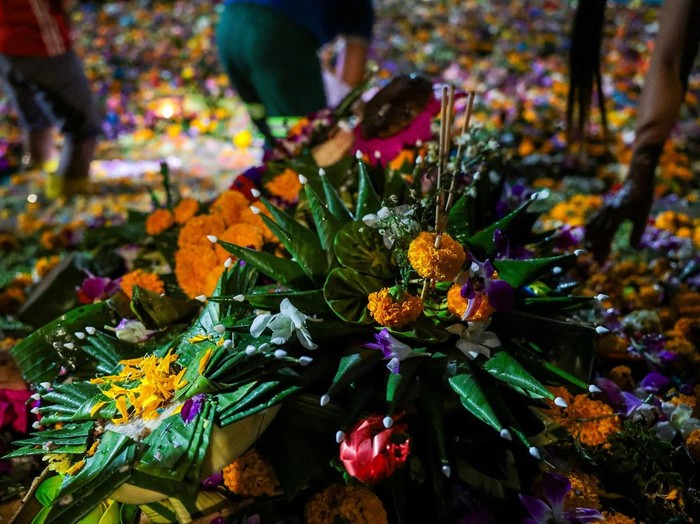
Loy Krathong, often celebrated annually on the night of the full moon during the twelfth month of the traditional Thai lunar calendar, stands as one of the most revered cultural events in the Kingdom of Thailand. The word "Loy" translates to "to float," while "Krathong" refers to the intricately crafted, decorated baskets traditionally fashioned from banana tree trunks, banana leaves, flowers, incense sticks, and candles.
The ritual carries profound spiritual weight for the Thai people. Historically, floating the krathong serves a dual symbolic purpose. First, it acts as a formal, symbolic apology to Phra Mae Khongkha, the revered Hindu-Buddhist goddess of water, for human actions that have polluted, depleted, or misused water resources throughout the year. Second, it serves as an expression of profound gratitude to the river goddess for providing the essential water that sustains life, agriculture, and communities. As the krathongs drift away into the currents, participants often place a strand of hair, a fingernail, or a small coin inside the basket as a token of letting go of past misdeeds, misfortunes, and negative energy, paving the way for a fresh start.
The Logistical Scale of Post-Festival Cleanup Operations
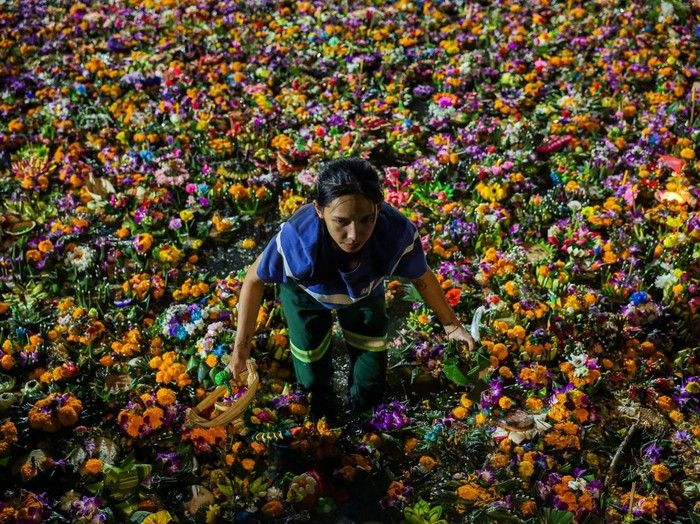
Despite the deeply spiritual and serene nature of the ritual, the physical reality of clearing the aftermath requires industrial-scale municipal intervention. In Bangkok alone, millions of residents and international tourists flock to public parks, riverbanks, and lakes to participate in the water-floating ceremonies.
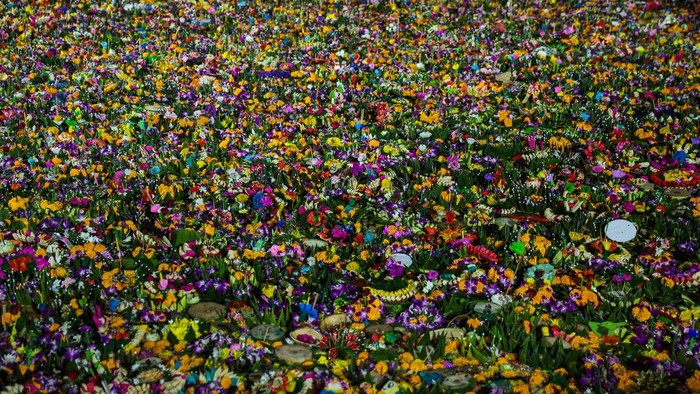
By the morning after the festival, public water bodies—particularly park lagoons and city canals—are blanketed by a dense mosaic of colorful flora and drifting structural materials. Sanitation workers begin their shifts in the early hours of dawn, navigating small boats through dense clusters of water hyacinths, discarded offerings, and decorative foliage.
City authorities deploy specialized waste-collection teams equipped with mechanized skimmers along major waterways like the Chao Phraya River, while manual labor remains essential for navigating narrow park lagoons where large vessels cannot maneuver. The sheer volume of waste collected during these post-festival operations highlights the urgent need for sustainable practices within modern cultural celebrations.
Evolution of Materials: Balancing Tradition with Environmentalism
In recent years, the environmental impact of Loy Krathong has sparked nationwide discourse among environmental scientists, government agencies, and cultural preservationists. Traditionally, krathongs were constructed entirely from biodegradable materials, primarily sections of banana tree trunks and fresh leaves. Over generations, however, commercialization introduced synthetic alternatives, including plastic foam bases, non-biodegradable ribbons, plastic pins, and synthetic glues.
These synthetic materials pose a severe threat to aquatic ecosystems. When plastic foam krathongs disintegrate under sunlight and wave action, they break down into microplastics that infiltrate the food chain, endangering fish and other aquatic organisms. Furthermore, sinking baskets can clog drainage pipes, disrupt water pump operations, and choke local waterways during the rainy season.
In response to mounting environmental concerns, the Bangkok Metropolitan Administration (BMA) and various environmental non-governmental organizations (NGOs) have launched aggressive public awareness campaigns. These initiatives strongly encourage citizens to utilize strictly eco-friendly alternatives. Innovations now include krathongs made from compressed fish feed, which dissolve rapidly and provide sustenance for aquatic life, as well as variants crafted from ice, bread, and biodegradable starch compounds.
Data released by municipal waste management divisions in previous years indicate a gradual shift in consumer behavior. A higher percentage of collected krathongs now consist of organic materials rather than synthetic plastics, reflecting a growing eco-consciousness among younger generations of Thais who wish to honor their heritage without harming the environment.
Economic and Ecological Implications for Urban Waterways
The cleanup operation following Loy Krathong is not merely an aesthetic necessity; it is a critical ecological intervention. Urban waterways in Bangkok serve complex hydrological functions, including flood mitigation, drainage management, and commercial transport. Allowing thousands of decaying organic baskets to accumulate unchecked would rapidly deplete dissolved oxygen levels in the water, leading to foul odors, stagnation, and localized fish kills.
From an economic perspective, maintaining clean waterways is vital for sustaining Bangkok’s thriving tourism industry. Millions of international visitors travel to Thailand specifically to witness or participate in Loy Krathong, alongside other major celebrations like Songkran. Ensuring that public spaces and famous tourist lagoons are restored to pristine conditions within 24 to 48 hours of the festival’s conclusion is a testament to the efficiency of municipal infrastructure management.
City planners and environmental analysts emphasize that the success of future festivals depends heavily on collaboration between the public, local vendors, and government agencies. By mandating stricter regulations on the materials permitted for commercial krathong production, authorities can significantly reduce the labor-intensive burden placed on sanitation crews while safeguarding the ecological health of urban water bodies.
As the small wooden boats loaded with vibrant green leaves and wilting blossoms head toward shore, the physical labor of the sanitation workers brings closure to another chapter of the ancient festival. Through the combined efforts of cultural devotion and diligent environmental management, Bangkok manages to preserve the timeless beauty of Loy Krathong while protecting the natural resources that make the tradition possible.

